Support

Salima

About

Salima is a charming and vibrant city located in the heart of the Central Region, about 110 kilometers east of the capital, Lilongwe. This place is often called the "gateway" to the famous lake, as the picturesque Senga Bay stretches out just a few kilometers away. A journey to Malawi would be incomplete without a visit to this friendly corner, where golden sandy beaches meet the crystal-clear waters of one of the world's largest freshwater lakes.

The city serves as the administrative center of the district of the same name, with a population of about 71,000 people. It is busy enough to feel the rhythm of authentic African life, yet it maintains a pleasant atmosphere of intimacy and tranquility that is uncommon in major metropolises. The streets are full of life, local markets are always bursting with bright colors, and the residents of Salima are famous for their sincere hospitality and openness to guests.
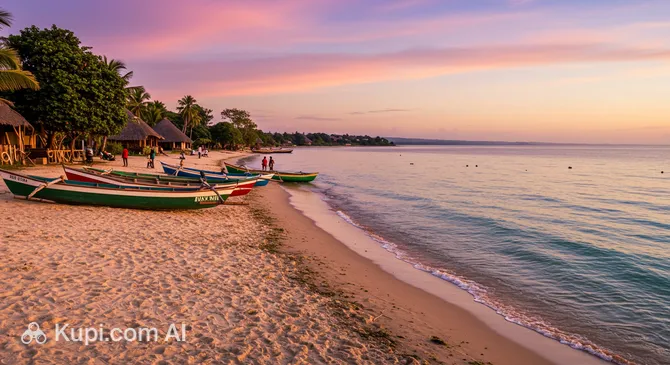
Salima. Illustration.
Source: Kupi.com AI

Salima attracts travelers with the opportunity to combine a relaxed beach holiday with exciting adventures. The unique history of Salima and its cultural heritage harmoniously complement the region's natural wealth. Wildlife enthusiasts can go on a safari in the nearby Kuti Wildlife Reserve, which is ideal for animal watching and horseback riding surrounded by pristine landscapes.

This city will be a true discovery for those seeking a balance between active leisure and quiet contemplation. Whether it's watching the sunset on the lakeshore or getting to know the authentic traditions of the Central Region, Salima will give you vivid emotions and the warmest memories of your trip.

Weather Overview

The climate of Salima is characterized by distinct seasonality, allowing travelers to choose the ideal time for a visit depending on their plans. The hottest period falls in October and November, when average temperatures reach 27.2°C, and daytime highs hit 30°C. With the arrival of December, the rainy season begins, lasting until March: in January, for example, up to 28 rainy days are recorded, though the temperature remains warm at around 24°C.

From May to September, the dry season arrives, when rains practically stop and the air becomes fresh and pleasant. In July, the average temperature drops to 19.7°C, creating excellent conditions for active recreation without exhausting heat. When planning your trip, check the expected weather in Salima to pack a suitable wardrobe. Overall, expect a hot and humid summer at the beginning of the year and a comfortable, dry winter with clear sunny days.

Average monthly temperature

Average monthly precipitation

Interesting Facts

In addition to the main attractions, Salima holds many fascinating secrets that reveal themselves only to the most curious travelers. This city and its surroundings are a true treasure trove of cultural and natural discoveries that are worth knowing about in advance.

  • In the vicinity of the city lies the unique Kuti Wildlife Reserve. Unlike large national parks, there are no large predators here, allowing tourists to go on safari on foot or by bicycle. This is a rare opportunity to feel a true connection with nature while being in close proximity to zebras, giraffes, and antelopes.

  • The coastal area of Senga Bay has earned the unofficial but proud title of the "Malawian Riviera." Local beaches on Lake Malawi are valued for their amazingly clear water and picturesque views, which are especially impressive at sunrise and sunset.

  • Salima is an important center for preserving the traditions of the Chewa people. Local craftsmen are famous for their wood-carving art, creating complex and colorful masks. These items are not just souvenirs but part of an ancient culture that can often be seen in markets and during traditional ceremonies.

  • For a deep dive into the region's history, it is worth visiting the Kungoni Centre of Culture and Art. This place serves as a living encyclopedia of the country's customs: masterclasses, exhibitions, and vibrant folklore performances are held here regularly.

How to Get There

When planning a trip to this picturesque corner, keep in mind that there is no direct air service to the city itself. Travelers usually fly into Malawi through major international hubs and then continue their journey by road. You can explore all available routes and transport types by following the link: more on how to get to Salima.

The most convenient option for most tourists is Lilongwe International Airport (IATA: LLW). It is important to remember that this air hub is located in the country's capital, Lilongwe, situated about 73 km from Salima. This is the country's main airport with the highest traffic. A trip from here by taxi or private transfer usually takes about 2 hours, making it the optimal point of entry.

As an alternative, you can consider Chileka Airport (IATA: BLZ), located in the city of Blantyre. The distance from there to Salima is about 217 km, so this option is more often chosen by those planning an extensive journey through the south of the country. The drive from Blantyre will take significantly longer—approximately 5–6 hours.

Below is summary information on the nearest airports to help you plan your logistics:

AirportPassenger trafficDistance
Lilongwe International Airport300 00073 km
Lichinga Airport25 000104 km
Ngala Airfield7 000199 km
Chileka Airport145 000217 km
Matundo Airport115 000272 km

Since rail service is not the primary way to reach the resort, travelers switch to road transport after arrival. The roads leading to the lake from the capital are quite scenic and in good condition. You can use long-distance bus services or rent a car to comfortably cover the remaining distance from the airport.

Main Attractions

Salima, located in close proximity to Lake Malawi, offers tourists a unique combination of beach relaxation and wildlife encounters. The main point of attraction here is the coast of Senga Bay—a picturesque resort area located just a 20-minute drive from the city center. This place is famous for its golden beaches and calm atmosphere, perfect for those who want to take a break from the city bustle while enjoying views of the endless water surface.

One of the most unusual attractions in the region is the Stuart M. Grant Cichlid Farm. This is not just a fish farm, but an important center for the conservation of the lake's unique fauna. Rare species of bright cichlid fish are bred here, many of which are endemic and found nowhere else in the world. Visitors can see hundreds of aquariums, learn about the habits of these amazing creatures, and even observe the process of preparing them for shipment to different corners of the planet.

For lovers of active recreation, the Kuti Wildlife Reserve is a real find. Its uniqueness lies in the absence of large predators, allowing tourists to safely explore the territory on foot or by bicycle. Walking along the trails through the savanna, you can encounter zebras, giraffes, antelopes, and many bird species in their natural habitat. This place gives a rare sense of unity with nature without the barriers of a vehicle.

If you are drawn to water adventures, be sure to take a boat trip to Lizard Island. This small rocky island, located near the shore of Senga Bay, got its name from the colony of giant monitor lizards living on its rocks. The crystal-clear water around the island creates ideal conditions for snorkeling: here you can swim among schools of colorful fish and admire the underwater rock formations.

Local Cuisine

The cuisine of Salima is a sincere reflection of the local nature's bounty and the simplicity of rural life. The main gastronomic symbol of the region is rightfully considered the chambo fish, caught in the waters of Lake Malawi. Local chefs prepare it with special skill: most often grilled over charcoal, giving the fillet an appetizing smoky aroma, or stewed with fragrant spices. This dish is a true source of pride for the city and a must-try on any traveler's menu.

No traditional lunch is complete without nsima—a thick and filling porridge made from maize flour. It serves as the base of the meal and is served with various side dishes called "relish": this can be stewed meat, fish, beans, or green leafy vegetables. An interesting feature is the culture of consuming nsima: it is customary to eat it with your hands, rolling small balls from the porridge and using them to scoop up the sauce. This way of eating adds flavor and allows you to feel closer to local traditions.

Lovers of gastronomic discoveries should take a walk through Salima's farmers' markets. Here, the stalls are bursting with fresh tropical fruits, homemade cheese, smoked fish, and aromatic spices. For a snack on the go, popular street foods like sweet potatoes or fried bananas are excellent choices. A special place in the diet is held by dishes with added peanuts, which give sauces and stews a unique, mild flavor.

As for drinks in the hot climate of the Central Region, refreshing juices from local fruits are particularly popular. Tourists are also often offered local beers or traditional grain-based non-alcoholic beverages. If you are lucky enough to be in town during national holidays, you might catch small culinary festivals where the streets are filled with the scents of fried fish, laughter, and an atmosphere of true African hospitality.

Travel Tips

A trip to Salima is an immersion into the authentic atmosphere of the "Warm Heart of Africa," where it is important to consider local daily life and climate. To ensure your journey to the shores of the lake and walks around the city are as comfortable as possible, we have prepared a list of useful recommendations to help you avoid common mistakes.

  1. Clothing and Gear. Given the hot climate, opt for loose clothing made of natural fabrics (cotton, linen) in light colors. In cities and villages, it is customary to dress modestly: women are advised to cover their knees and shoulders, avoiding overly short shorts to show respect for local traditions. Be sure to bring a hat, sunglasses, and comfortable closed shoes for walking on dusty roads.

  2. Transport Nuances. For moving around within the city, the most colorful and affordable transport is the bicycle taxi, which locals call "kabaza." For longer distances or trips to the lake, it's better to book an official taxi or rent a car (preferably a 4WD if you plan to visit reserves). Minibuses ("matolas") are very cheap but often overcrowded and do not follow a fixed schedule.

  3. Finance and Payment. The national currency is the Malawian Kwacha. There are ATMs in Salima, but they may not work or may not accept some international cards, so cash is vital. Exchange dollars or euros at official exchange points or banks in advance. Cards are only accepted in large hotels and supermarkets. Tipping is not mandatory, but a small amount will be received with great gratitude.

  4. Health and Safety. Salima is in a malaria-risk zone, so be sure to use repellents and sleep under mosquito nets. Drink only bottled water and avoid ice in drinks at street cafes. Regarding safety, the city is quite calm, but you should not display expensive gadgets or large amounts of money in crowded markets. After dark, it is better to move around by taxi.

  5. Communication and Internet. The official language in Malawi is English, so you likely won't face a language barrier. For mobile internet, it is recommended to buy a local SIM card (TNM or Airtel operators) immediately upon arrival; coverage in the city and on the Senga Bay coast is usually good. Wi-Fi in hotels can be slow or paid.

  6. Local Etiquette. Malawians are very polite and friendly. Greetings are an important part of the culture: always say hello (with a handshake) and ask "How are you?" ("Muli bwanji?" in Chewa) before getting down to business or asking a question. You should only photograph locals with their permission—many may ask for a small fee or politely refuse.

  7. What to Avoid. Do not swim in the lake in areas overgrown with reeds or with stagnant water due to the risk of bilharzia (a parasitic infection). Choose only proven hotel beaches or open areas with clean water and rocky bottoms for swimming. Also, avoid showing impatience or aggression—life here flows at a measured pace, and rushing can be perceived as rudeness.

  8. Useful Hack. If you plan to buy souvenirs, pay attention to wooden products. Salima and its surroundings are famous for master carvers. The best place to buy is at roadside stalls on the way to the lake. Don't hesitate to bargain: it's part of the buying process that can halve the price and provide an interesting interaction with the seller.

By following these simple tips, you can feel confident and safe in Salima. Openness to the local culture and adherence to basic safety rules will allow you to fully enjoy the beauty of Malawian nature and the hospitality of its residents.

Entertainment & Nightlife

Nightlife in Salima and its surroundings is not about noisy metropolitan clubs with neon signs, but rather the relaxed atmosphere of coastal bars and the flavor of local establishments. Most of the activity is concentrated not so much in the administrative city center itself, but in the resort zone of Senga Bay, located about 20 kilometers to the east. It is here, on the lakeshore, that tourists and locals gather in the evenings to watch the sunset and enjoy music to the sound of the waves.

The atmosphere in these establishments ranges from quiet hotel lounges to lively local bars, often referred to here as "bottle stores." In the latter, the spirit of real Africa prevails: music (from afrobeat to reggae) plays loudly, beer is served ice-cold, and conversation flows easily and naturally. The dress code is casual almost everywhere: shorts and T-shirts are perfectly appropriate, except perhaps for restaurants at expensive hotels where it is customary to dress slightly more formally for dinner.

Among the popular spots to enjoy an evening, the bar at the Sunbird Livingstonia Beach hotel stands out. This is a classic venue with a magnificent view of the lake, where you can enjoy a cocktail in a calm setting. For those looking for a more casual and lively atmosphere, the bar at Cool Runnings is an excellent choice. This spot is well-known among travelers for its themed parties, billiards, and friendly community where it is easy to make new acquaintances. There are also several local pubs in the shopping center area of Salima town where you can try the local Kuche Kuche beer and chat with residents.

When planning an evening out, it is important to remember safety and logistics. Streets in Salima and Senga Bay are poorly lit, so walking at night is not recommended, especially alone. To move between venues or return to your hotel, it is best to arrange a taxi driver in advance or use a transfer provided by your accommodation. Bicycle taxis ("kabaza") are popular during the day, but they are less safe at night due to the lack of proper road lighting.

During the day, entertainment in Salima is more low-key. Besides beach activities, you can visit local markets to buy fresh fruit or souvenirs, or drop by artisans' workshops. Cultural life flows steadily here, so the main "events" are often impromptu football matches on the beach or performances by local music groups on weekends.

Parks & Museums

Although Salima is known primarily as a resort center, this region offers travelers something more than just beach relaxation. Green zones here are closely intertwined with wildlife, and cultural sites, though few, possess incredible depth and authenticity. The city and its surroundings are an ideal place to see the harmony between humans and nature that is characteristic of the "Warm Heart of Africa."

The main natural gem of the area is certainly the Kuti Wildlife Reserve. This is a vast territory combining savanna, forests, and wetlands. For tourists, this place is interesting for its unique status as a "predator-free park." Here you can walk on foot or have a picnic in the shade of trees, watching herds of zebras and antelopes that often come quite close. The park is especially charming at sunset, when the African expanses are painted in incredible shades of orange and purple.

Another important natural area is the Senga Bay coast. This is not just a beach, but an entire ecosystem where sand dunes meet the waters of the lake. A walk along the shoreline allows you to see many water birds nesting in the coastal thickets. For lovers of silence, there are secluded bays surrounded by rocks and dense vegetation where you can enjoy the sounds of nature away from the noise of motorboats.

Regarding museums, the real cultural treasure of the region is the Kungoni Centre of Culture and Art, located at the Mua Mission near the Salima district border. The heart of the center is the Chamare Museum. Its exposition is considered one of the best in the country and is dedicated to the history and beliefs of the region's three main tribes: Chewa, Ngoni, and Yao. The museum walls are decorated with stunning frescoes, and the collection includes hundreds of Gule Wamkulu ritual masks, each having its own sacred meaning.

In the city of Salima itself, numerous wood-carving workshops act as open-air galleries. Local craftsmen display their work right along the roads, turning the streets into exhibitions of applied art. Here you can not only purchase a souvenir but also observe the painstaking process of creating complex sculptures from ebony and mahogany, reflecting the daily life and mythology of the local people.

Insider Tip: If you find yourself in the Senga Bay area, try to find time to visit a small forested patch within the mission centers or old hotels. Often, ancient baobab trees are preserved there, which locals revere as sacred. Sitting under such a giant in silence is a special meditative experience that allows you to feel the ancient energy of this land.

Getting Around

The public transport system in Salima differs significantly from the usual European structure. Here you won't find subways, trams, or trolleys, and large-capacity city buses are extremely rare. The main transport artery of the city and its surroundings relies on minibuses and private carriers, which adds a special local flavor to travel but requires some skill from the tourist.

The most popular form of transport for medium distances, including from the city center to the Senga Bay coast, are minibuses that locals call "matolas." They don't have a fixed schedule: departure happens as the cabin fills up, which can take anywhere from 10 minutes to an hour. Stops are often spontaneous, but you can ask the driver to stop at any convenient place along the route.

For short trips within the city, an indispensable and most common means of travel is the bicycle taxi, known as "kabaza." These are standard bicycles equipped with a cushioned seat for the passenger on the rear rack. This is an eco-friendly, cheap, and relatively fast way to reach a market or a shop. In recent years, motorcycle taxis have been added to the mix; they cost slightly more but win in terms of speed.

The payment system in Salima is as simple and conservative as possible: only cash is accepted. Transport cards, mobile apps, or contactless payments do not work here. You must pay directly to the driver or conductor upon boarding. It is highly recommended to carry small bills, as getting change from large banknotes can be a problem.

Fares are not officially fixed, although established rates exist for locals. Tourists, especially when using bicycle taxis or private drivers, are strongly advised to agree on the trip price in advance before getting into the vehicle. Bargaining is appropriate and even expected here: the initial price for a foreigner may be inflated, so polite negotiations will help you save money.

Classic taxi services and car-sharing are not developed in the city. Apps like Uber do not work here. If you need a comfortable car for trips, it's best to book a transfer through your hotel reception or arrange with a trusted driver for the whole day. Car rentals are possible, but rental points are typically located in the capital, so tourists usually arrive in Salima in already rented cars.

An important tip for travelers: public transport in Salima stops active operation after dark. Street lighting is poor, so for safety reasons, plan all movements by minibuses and bicycle taxis during daylight hours. In the evening, the only reliable option remains ordering an official taxi through your hotel.

Accommodation

The choice of accommodation in Salima and its surroundings can satisfy the needs of diverse travelers: from backpackers with tents to connoisseurs of comfortable resort holidays. It is important to understand that the administrative center of the city itself offers mostly modest guesthouses (resthouses) for transit stays. The main tourist infrastructure is concentrated in the Senga Bay resort area, located about 20 kilometers to the east, directly on the shores of Lake Malawi.

The Senga Bay area is the most popular and convenient place to stay. Here, hotels are lined up along the coastline, offering guests direct beach access and picturesque sunrise views. This is an ideal location to combine beach relaxation with easy access to water activities and boat excursions.

The range of offers here is quite wide. Fans of high-level service will find mid-range and high-end hotels featuring their own pools, manicured gardens, and restaurants. Places like the historic Sunbird Livingstonia Beach offer an atmosphere of colonial charm and seclusion. For budget tourists and young people, there are affordable lodges and campsites, such as the well-known Cool Runnings, where you can pitch a tent right on the sand or rent an inexpensive room while enjoying a lively atmosphere and socializing with like-minded people.

The price range varies depending on the season and the category of accommodation. A spot in a campsite or a hostel bed will cost a budget-friendly amount (from 10–20 USD), while a night in a comfortable hotel can cost from 100 USD and up. Many mid-range lodges offer rooms in the 40–80 USD range.

Booking Tip: Malawi is a popular destination, especially during national holidays, Easter, and Christmas, as well as during the dry season (from July to October). During these times, the best accommodation options in Senga Bay sell out very quickly, so it is recommended to book your stay several weeks, or even better, months in advance. Large hotels are available on international online platforms, but for booking small guesthouses or campsites, it is often more effective to contact the owners directly through their websites or social media.

Nearby Cities

For those who want to explore the surroundings, Salima serves as an excellent starting point for day trips to several interesting nearby locations. Its convenient location in the Central Region allows tourists to diversify their beach holidays with cultural and natural excursions.

Just an hour and a half drive away is the country's capital—Lilongwe. This is an ideal destination for those who want to dive into the rhythm of a big city. Here you can visit the Lilongwe Wildlife Centre, which is a sanctuary for rescued animals right within the city limits, or head to the colorful old market for souvenirs and fabrics. The city offers a great contrast to the relaxed atmosphere of the coast.

Wildlife and history enthusiasts should look towards Nkhotakota, located north of Salima. This town is known for one of the oldest reserves in Malawi—Nkhotakota Wildlife Reserve, which is home to a significant elephant population. Additionally, the region is famous for its pottery traditions, and visiting local workshops will be a fascinating cultural experience.

Below is information on the nearest cities that can be visited as part of a short trip:

CityPopulationDistance
Dowa7 13558 km
Monkey Bay14 95560 km
Ntchisi9 35766 km
Dedza30 92868 km
Lilongwe989 31878 km

These nearby destinations provide insight into the diverse culture and landscapes of the region, making your stay in Malawi even more rewarding.

Shopping & Souvenirs

Shopping in Salima is more of a fascinating immersion into local culture and daily life than a typical trip to brand boutiques. The city cannot boast of luxury shopping galleries, but it offers tourists something more valuable: authenticity and live interaction. Here, trade is conducted at a relaxed pace, and the range of goods varies from basic necessities to unique handmade products for which Malawi is famous.

Main commercial life is concentrated along the main road passing through the city center (the M5 highway) and at the busy intersection leading to the Senga Bay coast. It is here, on the so-called Kamuzu Road, that key shops, pharmacies, and banks are located. Strolling along these streets, you can find everything needed for your journey and observe the daily life of the townspeople.

In Salima, you won't find huge malls with entertainment zones. The role of shopping centers is fulfilled here by large supermarket chains such as Chipiku or Peoples. These stores offer a wide selection of food, drinks, household chemicals, and basic home goods. For tourists, these are the most reliable places to restock bottled water, snacks, or hygiene products at fixed prices in comfortable, air-conditioned conditions.

The true heart of city commerce is the Salima Central Market. This is a colorful and noisy place where stalls overflow with fresh tropical fruits, vegetables, dried fish, and spices. You can also find rows with second-hand clothing and vibrant local fabrics. Visiting the market is a great opportunity to try local delicacies and practice the art of bargaining, which is highly welcomed here.

As for souvenirs, Salima and the road to the lake are some of the best places in the country to buy wooden items. Along the road to Senga Bay, numerous curio shops are located. Tourists should look out for skillfully carved wooden masks, animal figurines, the famous "chief's chairs," and intricate sculptures made of ebony and mahogany. Also popular are reed products (mats, baskets, furniture) and colorful chitenje fabrics, which can be used to make clothes or as a beach sarong.

Most shops and stalls open early, around 07:30 or 08:00, and close by 17:00 when it starts to get dark. Supermarkets may stay open a bit longer, until 18:00 or 19:00. The primary method of payment remains cash (Malawian Kwacha). Bank cards are accepted only in large supermarkets and some souvenir shops at expensive hotels, so always carry a sufficient supply of cash, especially when visiting markets and roadside stalls.

The Tax-Free return system is not practiced in Salima's shops. This option may only be available when departing the country at an international airport upon presentation of receipts from specialized stores, which are practically non-existent in Salima itself. Therefore, expect that the price you paid (or bargained for) is final.

Reached the end of the page?

That means the route is fully explored