Support

Navojoa

About

Navojoa, often called the "Pearl of the Mayo," is a dynamic and welcoming city located in the southern part of the state of Sonora. It serves as an important economic and agricultural hub for the region while maintaining a relaxed atmosphere, perfect for experiencing the authentic life of the country's north.

The city is spread across the fertile Mayo River valley, which has largely shaped its development and way of life. A trip here allows you to see a different, non-touristy side of Mexico. The climate is hot and semi-arid, and the city's population is around 120,000, making it lively enough but not overwhelmed by the hustle and bustle of a metropolis.
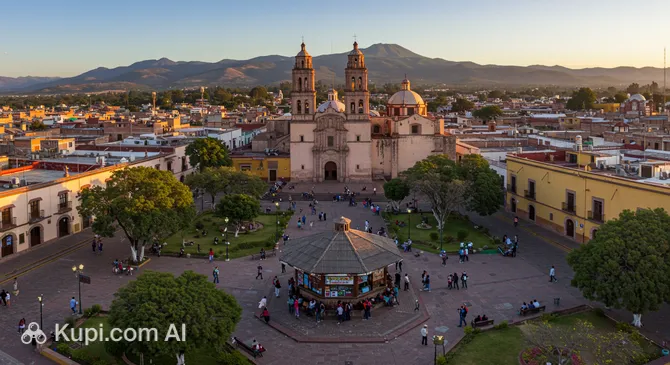
Navojoa. Illustration.
Source: Kupi.com AI

The region's cultural identity is inextricably linked to the traditions of the indigenous Mayo people. The rich history of Navojoa is reflected in local festivals, crafts, and architecture. Tourists will find it interesting to observe how modern infrastructure harmoniously intertwines with centuries-old customs.

Among the key places to visit is Plaza 5 de Mayo, the heart of urban life with well-kept gardens where locals like to relax. Special attention should be paid to the Mayo Regional Museum, whose exhibition immerses visitors in the culture and daily life of the indigenous population. The architectural landmark of the center is the majestic Church of the Sacred Heart of Jesus (Templo del Sagrado Corazón de Jesús), which attracts attention with its austere beauty.

Navojoa is a city that knows how to surprise with its hospitality. If you are looking for a place to take a break from popular resorts and immerse yourself in real provincial life, this cozy corner of the Mayo Valley will be a wonderful point on your itinerary.

Weather Overview

The climate in Navojoa is typical for the hot region of Sonora: sunny days prevail, and the weather's character depends heavily on the season. Travelers should be prepared for the contrast between mild winters and true summer heat.

The winter months are perhaps the most comfortable time for a visit. In January and December, the average temperature stays around 18-19°C. During the day, the air usually warms up to a pleasant 26-27°C, although nights can be quite cool (about 10-12°C). There is practically no precipitation during this period, which is ideal for excursions.

Spring brings rapid warming. By May, average temperatures reach 27.4°C, and daytime maximums often exceed 35°C. The hottest months are June and July, when the thermometer regularly rises to 37-38°C. Before traveling during this period, it is recommended to study the detailed weather in Navojoa to properly plan your wardrobe and time in the sun.

Precipitation in the region is unevenly distributed. While spring and early summer are dry, the rainy season arrives in July and August: up to 15 rainy days are recorded in August. Expect very hot summers with occasional downpours in the second half and warm, dry winters.

Average monthly temperature

Average monthly precipitation

Interesting Facts

Beyond its main attractions, Navojoa holds many fascinating secrets that reveal the soul of this region. This city is not just a point on the map, but a place where Revolutionary history intertwines with ancient traditions and natural features.

  • "House of Cacti." The city's name has deep roots in the language of the indigenous Mayo people. It comes from the words "navo" (nopal cactus) and "jova" (house), which poetically translates as "Place where the cacti grow." This name serves as a reminder of what the valley looked like before the start of intensive farming.

  • Birthplace of a Revolutionary. The region is proud that Álvaro Obregón—one of the most significant figures in the history that Mexico takes pride in—was born here, at the Siquisiva Hacienda near Navojoa. Before his tumultuous political and military career, the future president of the country was known in the Mayo Valley as a successful farmer specializing in chickpea cultivation.

  • The True Name of the People. Although the region is known as the land of the Mayo, the members of this indigenous group call themselves "Yoreme," which means "he who respects tradition." Navojoa remains an important center where the Yoreme preserve their language and unique rituals, which are especially vibrant during religious holidays.

  • Green Gold in the Desert. The city didn't get the nickname "Pearl of the Mayo" by accident. Thanks to the Mayo River and a complex system of irrigation canals, this hot semi-desert land turned into a powerful agricultural hub. The contrast between the dry desert surroundings and the emerald fields in the city's valley is striking to travelers.

How to Get There

When planning a trip to this region of Mexico, it is important to think about logistics in advance, as the city is located quite far from major capital hubs. You can find out more about how to get to Navojoa and choose the most suitable route by studying information about the nearest transport hubs.

The most convenient way to reach the region is by air. The closest transport hub to the city is Ciudad Obregón Airport (IATA: CEN). There is no airport in Navojoa itself, but you can fly into Ciudad Obregón airport in the namesake city, which is located approximately 52 km from Navojoa. This distance can be covered by taxi or rental car in less than an hour. The airport serves regional flights and has a medium passenger flow.

Another popular option is Los Mochis Airport (IATA: LMM). It is located in the city of Los Mochis, about 158 km south of Navojoa. Travel time by bus or car is about 2–2.5 hours. This airport is also categorized as medium-busy and is often used by tourists heading to southern Sonora or northern Sinaloa.

If you need a wider choice of international or domestic flights, consider General Pesqueira García Airport (IATA: HMO). It is located in the state capital, Hermosillo, 274 km from Navojoa. The journey will take about 3.5–4 hours. This is a major aviation hub with high passenger traffic, receiving many flights from across the country and abroad.

For clarity, here is a summary of the main airports:
AirportPassenger trafficDistance
Ciudad Obregon Airport438 71752 km
Los Mochis International Airport470 700158 km
Loreto Airport169 228225 km
Gen Pesqueira Garcia Airport2.2 mln274 km

Regarding rail travel, regular passenger trains are not currently the primary way to get directly to Navojoa. An important railway line crosses the city, but it is used mainly for freight. Tourists most often choose comfortable intercity buses that run along Federal Highway 15, connecting Navojoa with Hermosillo, Tucson (USA), and other major cities.

Main Attractions

Although Navojoa is often perceived as a business and agricultural center, it has several iconic sites that allow travelers to gain a deeper understanding of Sonoran culture and Mayo traditions. A walk through these attractions will reveal the soul of the city, where history exists alongside the modern rhythm of life.

One of the main cultural points of attraction is the Mayo Regional Museum (Museo Regional del Mayo). It is located in the historical building of the old railway station, built in 1923, which in itself makes it an architectural monument. The museum's halls house unique exhibits: from archaeological finds and old photographs to everyday items and ritual masks of the Mayo Indians. This place is a must-visit for those who want to learn the true history of the region and understand the meaning of the word "Yoreme."

The spiritual center of the city is the Church of the Sacred Heart of Jesus (Templo del Sagrado Corazón de Jesús). This majestic structure stands out for its architecture and serves as an important landmark for local residents. Tourists are attracted here not only by the opportunity to see the beautiful interior of the church but also by the chance to feel peace and tranquility in the middle of a busy city. In the evening, the lighting gives the temple a particularly solemn look.

To immerse yourself in the daily life of the townspeople, head to the Municipal Market (Mercado Municipal). This is not just a marketplace, but a true gastronomic paradise where Mexico reveals itself through flavors and aromas. Here you can try the famous local machaca (dried meat), buy the freshest wheat tortillas for which the north of the country is famous, and find authentic handmade souvenirs. The lively atmosphere of the market will give you some of the brightest impressions of your trip.

The heart of social life in Navojoa remains Plaza 5 de Mayo. This well-maintained space with greenery and relaxation areas is ideal for leisurely strolls after a busy day. City events are often held here, and locals come with their families to chat and enjoy the evening cool. The square is surrounded by historical buildings and is an excellent starting point for exploring the city center.

Local Cuisine

The gastronomic scene in Navojoa is a true mirror of the state of Sonora, where the cult of quality meat intertwines with home traditions. The local cuisine is hearty, simple, and incredibly tasty, with its foundation being products grown in the fertile Mayo River valley. If you find yourself here, be prepared for diet salads to give way to fragrant steaks and unique pastries.

The main culinary symbol of the region is machaca—sun-dried meat that is then shredded and fried. In Navojoa, it is often served for breakfast with eggs (machaca con huevo) or wrapped in a burrito. It's impossible to imagine a meal without the famous wheat tortillas (tortillas de harina). Unlike the south of the country, where corn reigns supreme, here they bake large, thin wheat flour flatbreads known as "sobaqueras," which can be the size of a small tablecloth.

A special place in the food culture belongs to the heritage of the Mayo Indians. Be sure to try wakabaki—a thick and rich stew traditionally prepared for holidays. Its ingredients include beef ribs, chickpeas, corn, squash, and green beans. This dish has a deep, "comforting" taste and is considered the soul of local cuisine, connecting generations.

For those with a sweet tooth, Navojoa offers coyotas—flat shortcrust pastries filled with piloncillo (cane sugar), jam, or dulce de leche. As for drinks, the region's signature is Bacanora—a strong alcoholic spirit made from wild agave, produced exclusively in the state of Sonora. It has a smoky aroma and is considered a "wilder" and more authentic relative of tequila.

The food culture here is democratic and open. Locals love having breakfast at the markets, where the freshest machaca is prepared, and dinner at small family taquerias or street food carts ("carretas"). In the evenings, the air fills with the aroma of charcoal-grilled meat (carne asada), because for the residents of Navojoa, a barbecue is not just a way of cooking food, but the main ritual of social interaction.

Travel Tips

A trip to Navojoa promises to be colorful and memorable, but like any trip to a country such as Mexico, it has its nuances. To ensure your stay in the "Pearl of the Mayo" is as comfortable and carefree as possible, we have prepared a list of useful recommendations to help you adapt quickly to the local rhythm of life.

  1. Clothing and Sun Protection. Given the hot semi-arid climate, opt for light, breathable clothing made from natural fabrics like cotton or linen. Be sure to bring a wide-brimmed hat, high-quality sunglasses, and a cream with high SPF—the sun here is very active even in cloudy weather. Comfortable closed shoes are useful for walking, as the streets can be dusty.
  2. Transport Nuances. Public transport in Navojoa consists of buses, but it can be difficult for a tourist to figure out their routes. For comfortable travel around the city, it is better to use official taxis (radio taxis) or mobile apps to call a driver. If you plan to head outside the city, for example, to the coast or the mountains, renting a car is the most reliable option.
  3. Financial Matters. Although major supermarkets and hotels accept bank cards, you will definitely need cash pesos for visiting markets, street cafes, and souvenir shops. ATMs are available in the city center and shopping plazas. Tipping is part of the culture: it is customary to leave 10–15% in restaurants, as well as a small amount of change for gas station attendants and parking valets.
  4. Health and Water. The main safety rule is to drink only bottled water. Avoid drinking tap water and be careful with ice in drinks from street vendors. Pharmacies (Farmacias) are frequent, and many of them are open 24 hours, offering basic over-the-counter medications.
  5. Language Barrier and Communication. The main language of communication is Spanish. English is not understood everywhere, so download an offline translator or learn a few basic phrases—the locals will appreciate your efforts. For stable internet and navigation, it is recommended to buy a local SIM card (e.g., Telcel) at any cell phone store or OXXO shop immediately upon arrival.
  6. Local Etiquette. Residents of Sonora are known for their directness and hospitality. It is customary to say hello ("Buenos días" or "Buenas tardes") when entering a shop, elevator, or restaurant. A handshake is the standard form of greeting for men, while women often exchange a light touch of the cheeks if they are acquainted. Be polite and don't rush things—life here flows at a measured pace.
  7. What to Avoid. Do not take photos of local residents, especially members of the indigenous Mayo people during their traditional ceremonies, without explicit permission. This is considered a serious violation of personal boundaries and the sacredness of the moment. Also, it is not advisable to walk alone in unlit outskirts of the city at night.
  8. Account for Siesta and Heat. Life in Navojoa adapts to the climate. During the hottest hours of the day (from 2:00 PM to 4:00 PM), activity on the streets decreases, and some small shops may close for a break. Plan your excursions and long walks for the early morning or evening when the city comes alive and the temperature becomes comfortable.

By following these simple tips, you will be able to feel confident and safe in Navojoa, focusing on what matters most—the experiences. May your introduction to this unique corner of the state of Sonora leave only warm memories and a desire to return again!

Entertainment & Nightlife

Nightlife in Navojoa may not have the scale of major capital metropolises, but it has its own unique charm and authentic character. In the evenings, when the daytime heat subsides, the city comes alive: locals take to the streets to socialize, listen to music, and enjoy refreshing drinks. The main focus here is on a friendly atmosphere, where modern trends sit side-by-side with a deep love for the regional traditions of the state of Sonora.

The epicenter of evening activity is Boulevard Álvaro Obregón. It is along this main transport artery and its adjacent streets that most establishments are concentrated: from noisy sports bars to cozy restaurants. If you're looking for a place to spend the evening, just take a walk along this boulevard or check out the area around Plaza 5 de Mayo, where you can also find pleasant places to relax.

Music is the soul of nocturnal Navojoa. In most venues, you'll hear the rhythms of "banda" and "norteño"—genres that are incredibly popular in the north of the country. The crowd here is open and cheerful. The dress code in most places is casual: jeans and a shirt will be appropriate almost everywhere, although you might want to dress up a bit more for nightclubs. Venues usually start to fill up after 9:00 PM, with the peak of the fun occurring at midnight.

Among the popular spots, Wings Army stands out—a bar with a dynamic atmosphere that is perfect for sports fans. Baseball games are often broadcast here (baseball is a true religion in the region!) and a variety of snacks are served. If you want to listen to live music and try excellent cocktails in a more relaxed atmosphere, look for small cozy bars in the city center or traditional cantinas. In such places, you can feel the true color that provincial Mexico is famous for.

Prices in Navojoa's bars and clubs will pleasantly surprise travelers with their affordability compared to major resorts. The average check for an evening with drinks and snacks will be quite moderate. As for safety, the city center and the Boulevard Obregón area are considered quiet zones. However, for returning to your hotel at night, it is strongly recommended not to hail a random car, but to call an official radio taxi or use verified ride-hailing services.

If night parties aren't your thing, Navojoa offers daytime entertainment as well. Modern cinemas showing world premieres operate in the city. Families with children will enjoy the Children's Park (Parque Infantil), which has water attractions and picnic areas. You can also visit the Manuel Echeverría Baseball Stadium to cheer for the local team, the "Mayos de Navojoa," during the day or early evening—an experience that will provide just as much excitement as a trip to a nightclub.

Parks & Museums

Although Navojoa is known primarily as a business and agricultural center, the city and its surroundings offer travelers cozy green zones and a rich cultural program. Here you can relax in the shade of trees after a hot day and get acquainted with the unique heritage of indigenous peoples, which is carefully preserved in local museums.

One of the most popular recreation areas for the whole family is the Children's Park (Parque Infantil). This is a true oasis of fun, especially in the summer heat, as a water park with pools and slides is located on its territory. The park is well-maintained and equipped with picnic areas and playgrounds, making it an ideal place to spend a weekend with children or simply enjoy the cool by the water.

For nature lovers, the banks of the Mayo River (Río Mayo) are of interest. Although it is not a classic city park, the riverside area serves as a natural recreation spot for local residents. Here you can go for a walk, watching birds and enjoying the scenery of the valley, which turns the desert terrain into a fertile garden. This place is a reminder of how vital water is for life in this arid region.

A dive into the region's history should start with the Mayo Regional Museum (Museo Regional del Mayo). Located in the historical 1923 railway station building, the museum itself is an architectural monument. The exhibition tells in detail about the culture of the Mayo people (Yoreme), their traditions, rituals, and daily life. Old photographs, documents, and artifacts are on display here, helping to understand how the city developed and how the fates of the indigenous population and settlers intertwined.

A completely unique cultural site is the Hu-Tezzo Museum (Museo Hu-Tezzo). Its name translates from the Mayo language as "cave," and the building itself is stylized as the interior of a cave or the womb of Mother Earth. This is an educational space where geology, the origin of life, and human history are explained in an engaging way. The spiral architecture of the museum creates a special atmosphere of mystery that will be of interest to both adults and young explorers.

Among the architectural landmarks, the Church of the Sacred Heart of Jesus dominates. This majestic building not only serves as a spiritual center but is also a beautiful example of religious architecture from the early 20th century. It is also worth noting the numerous monuments dedicated to General Álvaro Obregón, a native of these parts, whose figure is of great importance to the entire country that Mexico represents.

Insider Tip: If you want to touch ancient history, visit the Tehuelibampo Eco-Museum, located near the city. This is a mystical place on the riverbank where hundreds of petroglyphs, carved into the stones by ancient inhabitants of the region thousands of years ago, have been preserved.

Getting Around

The public transport system in Navojoa differs significantly from major metropolises. Here you won't find subways, trams, or high-speed trains. The city is served by a network of city buses and numerous taxis, which fits the size and needs of the population. For a tourist, navigation here may seem a bit chaotic, but it is not too difficult to figure out.

The main form of transport is city buses (often called "camiones" by locals). The route network covers almost all districts (colonias) and connects them with the city center and the Municipal Market. Stops are not always clearly marked with signs: often they are simply street corners known to locals or places with sunshades. To find out where a bus is going, you need to look at the windshield—drivers write the main destinations (e.g., "Mercado", "Centro", "Central") with bright markers directly on the glass.

The fare payment system here is as simple and conservative as it gets: cash only. Validators, transport cards, or mobile apps for payment are not used on Navojoa buses. Payment is made upon entry directly to the driver. It is extremely important to have small coins and low-denomination bills with you, as the driver may not have change for a large banknote. The fare is fixed and very affordable compared to tourist centers.

The most popular and comfortable alternative to buses is the taxi. Given the region's hot climate, traveling in an air-conditioned car often becomes a necessity rather than a luxury. Both independent taxis and "sitios"—official taxi stands located at shopping centers, stations, and main squares—operate in the city. In recent years, taxi aggregators (like Uber or DiDi) have begun operating in the region; however, their availability can vary, and waiting times can be longer than with a classic taxi.

Tourists should take note of several important nuances. First, public transport in Navojoa does not run 24/7: bus service usually stops around 8:00–9:00 PM. Second, if you plan to take a regular taxi, it is recommended to clarify the fare with the driver before getting in or ensure he uses a meter, although a negotiated price is common practice here.

Bicycle rental as a form of transport is not developed in the city due to long distances and high temperatures, although locals use bicycles for personal needs. Carsharing in the traditional sense is absent. If you want complete freedom of movement and plan to visit the surrounding areas, the best solution would be to rent a car from one of the rental agencies in the city.

Accommodation

Accommodation options in Navojoa are mainly geared towards business travelers and those passing through the city in transit while heading north or south. You won't find the luxury five-star all-inclusive resorts characteristic of the coast here; however, the city offers a decent selection of functional and comfortable hotels. The hotel stock primarily consists of reliable mid-range hotels, American-style motels, and budget guesthouses where you can stay overnight with necessary amenities.

In terms of geography, the most convenient areas for tourists are the City Center (Zona Centro) and the zone along the main transport artery—Calle Pesqueira. Staying in the center will put you within walking distance of the Municipal Market and Plaza 5 de Mayo, which is ideal for experiencing local flavor. Hotels along the highway and main avenues usually offer convenient parking and quick access to the road, which is particularly valued by those traveling by car.

The price range in Navojoa can be described as budget and mid-range. The cost of living here is significantly lower than in the country's popular tourist centers. For a very moderate amount, you will get a clean room with air conditioning (which is critical in Sonora's hot climate), Wi-Fi, and often breakfast. Many hotels cater to the business segment, thus offering work areas and conference rooms.

As for booking, most major hotels are listed on popular international online platforms. However, for small family hotels and motels, direct booking by phone or via social media sometimes works better. We advise taking care of your accommodation in advance if your trip falls in December, when many people return home for the holidays, or during the baseball season, as demand for housing rises sharply during these periods.

Nearby Cities

For those who want to explore the surroundings, Navojoa serves as an excellent starting point for day trips to several interesting nearby locations. The city's convenient location in the Mayo River valley allows you to reach the coast, colorful historical settlements, or large modern centers in just an hour or two.

Just 34 km to the south is Huatabampo—a city known as the "Land of Generals," as many prominent figures of the Mexican Revolution were born here. This quiet and authentic place attracts tourists with its proximity to the sea: from here, it's easy to reach the popular beaches of Las Bocas and Huivulai, where locals like to relax. Huatabampo is also interesting for its museums and deep connection to Mayo Indian culture.

If you are looking for a more urban atmosphere and entertainment, it's worth heading to Ciudad Obregón, located 66 km to the north. This is the second-largest city in the state of Sonora, modern and dynamic. The main point of attraction here is Laguna del Nainari—an artificial lake ideal for walking and sports—as well as a cultural center where you can learn about the history of the Yaqui people.

Although this town is not listed in the table below, we must mention Álamos (about 50 km to the east). This is a famous "Magic Town" (Pueblo Mágico) with magnificent colonial architecture, cobbled streets, and the atmosphere of old Spain. A trip to Álamos is perhaps the most popular tourist route from Navojoa for lovers of history and aesthetics.

CityPopulationDistance
San Ignacio Cohuirimpo10 6065 km
Etchojoa9 83126 km
Huatabampo77 68234 km
Villa Juarez13 15339 km
Alamos10 96150 km

These nearby destinations provide an insight into the diverse culture and landscapes of the region, from desert scenery and mountains to the shores of the Gulf of California.

Shopping & Souvenirs

Shopping in Navojoa is an opportunity to immerse yourself in the authentic atmosphere of the state of Sonora, far from the glossy storefronts of metropolises. You won't find huge labyrinths of luxury boutiques here, but you will discover high-quality local goods reflecting the agricultural and artisanal character of the region. Trade in the city is oriented towards practicality and tradition, so purchases here often become more than just spending money, but a way to touch the "Yoreme" culture and the lifestyle of the northerners.

The main commercial artery of the city is Calle Pesqueira. This busy thoroughfare crosses Navojoa and concentrates the bulk of commercial life. Walking along it and the adjacent blocks of the center (Zona Centro), tourists will find many small clothing and shoe stores, pharmacies, and shops with household goods. This is the best place to look for everyday items and observe how local residents shop.

As for modern shopping spaces, several commercial plazas operate in the city. The most famous is the area around large supermarkets, such as Plaza Sonora. Although it is not a shopping and entertainment center in the usual tourist sense, electronics stores, chain clothing boutiques, and food courts are concentrated here. This is a convenient place to buy travel essentials, cosmetics, or simply hide from the midday heat in an air-conditioned room.

The true heart of local trade is the Municipal Market (Mercado Municipal). For a tourist, this is a mandatory item on the program. The market is a colorful mixture of smells, sounds, and colors. Here you can buy the freshest seasonal fruits, vegetables from the Mayo Valley, and local spices. Special attention should be paid to the rows where handmade goods are sold: woven baskets and traditional utensils. This is the best place to find authentic items that carry the warmth of craftsmen's hands.

When choosing souvenirs, pay attention to what Mexico and specifically the state of Sonora are famous for. First and foremost, this means leather goods (talabartería). The region is known for its cowboy traditions, so you can buy excellent quality belts, boots, hats, and saddles here at prices lower than in the capital or at resorts. Gastronomic souvenirs include the famous chiltepin—small but very hot wild peppers considered the "red gold" of Sonora—as well as traditional coyotas sweets and a bottle of the local spirit, Bacanora.

Shops in Navojoa usually operate from 9:00 or 10:00 AM until 8:00 PM. Large supermarkets close later, around 10:00 PM. It's worth remembering that small private shops may observe an informal siesta during the hottest hours of the day (from 2:00 PM to 4:00 PM). The main method of payment in small shops and at the market remains cash pesos. Bank cards are accepted in shopping centers, hotels, and large restaurants, but for buying souvenirs from artisans, it is better to have small bills with you.

The Tax Free system in Navojoa is not as common as in major tourist centers like Cancun or Mexico City. You can only use the VAT refund service (Moneyback) in large chain stores that participate in the program. Be sure to check for a "Tax Free" receipt at the checkout before purchasing and keep all documents if you plan to file for a refund at your departure airport.

Reached the end of the page?

That means the route is fully explored