Support

Alamos

About

Alamos is a true gem hidden among the picturesque hills of the state of Sonora in the northwest of the country. This cozy town, located about 50 kilometers from the coast of the Gulf of California, seems designed for leisurely contemplation and relaxation. If you are planning a trip to such a vibrant country as Mexico and are looking for a place with a unique soul, Alamos will be an amazing discovery for you.
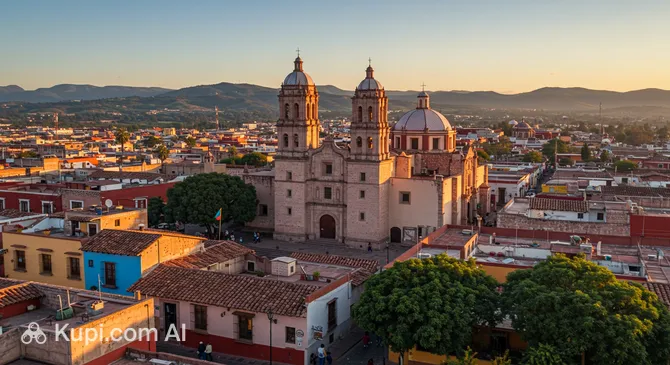
Alamos. Illustration.
Source: Kupi.com AI

The city rightfully holds the honorary title of "Pueblo Mágico" — "Magic Town." This title is awarded by the Ministry of Tourism only to those settlements where cultural heritage and a special energy blend harmoniously. Walking through its narrow cobblestone streets, it is impossible not to admire the snow-white facades of old mansions, elegant arches, and shaded courtyards decorated with blooming bougainvilleas.

Here, every corner is a reminder of the past. The rich history of Alamos is felt in the majestic colonial architecture, which has been perfectly preserved to this day. Despite its modest population of just over 10,000 people, the town does not look provincial in the usual sense of the word — it is full of dignity and elegance.

The town takes on a special charm in the evenings when the air is filled with the sweet scent of jasmine. Local musicians often gather in the central square, creating a unique backdrop for walks, while tourists can enjoy local cuisine in a tranquil setting. Alamos is an ideal destination for those who want to escape the noise of megacities and immerse themselves in an atmosphere of comfort and inspiration.

Weather Overview

When planning a trip, it is important to consider that the climate in this region has pronounced seasonal characteristics. The current weather in Alamos and travel conditions directly depend on the chosen month, ranging from dry coolness to humid heat.

Winter here is mild and very comfortable for long walks. In January and February, the average temperature stays at around +17...+18°C. Days are usually sunny, and rain at this time is very rare, but nights can be quite fresh, with temperatures around +9...+10°C.

Spring brings a gradual warming, reaching a peak of heat before the start of summer. As early as May and June, the thermometer often rises to +35...+37°C. Following the heat comes the rainy season: July and August are the wettest months of the year, when the number of rainy days can reach 20–21 per month.

Expect a hot summer with frequent precipitation and high humidity in the middle of the year, followed by mild, dry winters. By October, precipitation practically stops, and the temperature becomes more pleasant (averaging +26°C), opening the "velvet season" for tourists.

Average monthly temperature

Average monthly precipitation

Interesting Facts

Beyond its architectural beauty, Alamos hides fascinating facts and legends that give it a special charm. This town is not just an open-air museum, but a place where history is closely intertwined with art and mysticism.

  • Silver Heritage. The town owes its luxurious appearance to precious metal. Alamos was founded at the end of the 17th century and quickly became the epicenter of a silver rush. It was the income from the rich mines that allowed for the construction of the magnificent mansions, churches, and palaces that travelers admire today.

  • "Mexican Hollywood." Thanks to its authentic atmosphere and perfectly preserved historic look, the city has repeatedly served as a filming location for famous movies. Hollywood stars, artists, and musicians often came here seeking inspiration in the silence and beauty of the local nature.

  • City of Music. Alamos is the birthplace of the famous composer and physician Alfonso Ortiz Tirado. A large-scale international festival is held here annually in his honor. During the festival, the entire city turns into one huge concert venue, gathering talent from all over Mexico and other countries around the world.

  • Mystical Legends. Mystery lovers will appreciate local legends about ghosts. Residents claim that spirits of the past still inhabit the old mansions, and on misty nights, ghostly silhouettes can be spotted on the cobblestone streets. These stories add a special mystery to evening walks.

How to Get There

When planning a trip to this picturesque corner of the state of Sonora, it's worth thinking about the logistics in advance, as the town is located at some distance from major transport hubs. You can find out more details about how to get to Alamos by studying all available routes, but the primary method for most tourists remains flying to the nearest major cities followed by a transfer to ground transport.

The most convenient and fastest option is Ciudad Obregón Airport (CEN). This is the nearest regional hub, located approximately 97 km from the city. Travel time depends on the chosen transport: a trip by taxi or rental car will take only about 1.5 hours. If you prefer an intercity bus, expect the journey to last about 3 hours, including stops.

An excellent alternative is Los Mochis Airport (LMM), which is 149 km from Alamos. Flights often arrive here for which tickets may be more affordable. A car transfer from this airport will take roughly 2.5–3 hours, making this route quite comfortable for travelers.

For those looking for a broad map of international connections, Culiacán International Airport (CUL) is suitable. It is a major air hub, but it is located significantly further away — 290 km. The trip from here will be more tiring and will take several hours, so this option is usually chosen only if tickets to closer airports are unavailable.

For clarity, here is a summary of the main airports in the region:

AirportPassenger trafficDistance
Ciudad Obregon Airport438 71797 km
Los Mochis International Airport470 700149 km
Loreto Airport169 228266 km
Culiacan International Airport2.2 mln290 km

There is currently no direct rail connection to Alamos. Tourists arriving in the region most often use the extensive bus network or rent cars. Driving allows you to enjoy Sonora's unique desert landscapes on the way to the "Magic Town."

Main Attractions

The attractions of Alamos offer a journey through time, where every stone holds the memory of colonial grandeur and the silver rush era. The town is so compact that most iconic sites can be explored on foot, enjoying the atmosphere of old Spain in the heart of Mexico's Sonora. Here are a few places that are definitely worth including in your itinerary.

The undisputed symbol of the city is the majestic Parroquia de la Purísima Concepción (Church of the Immaculate Conception). This Baroque-style temple, built of hewn stone in the 18th century, towers over the main square and impresses with its three-tiered bell tower. Peace reigns inside, and the interior has preserved the spirit of past centuries. This is not just a religious building, but the true architectural heart of Alamos, which looks stunning in photographs at any time of day.

Next to the church lies the picturesque Plaza de Armas — the main city square. It is an ideal place for a leisurely rest in the shade of palms and well-kept gardens. In the center of the square stands an elegant kiosk-gazebo brought from Mazatlán more than a hundred years ago. Locals love to gather here to discuss the news, while tourists can enjoy the coolness and observe the measured life of the "Magic Town."

For those who want to understand the region's history more deeply, the Museo Costumbrista de Sonora opens its doors. It is located in a beautifully restored historic building right across from the main square. The museum's exhibition is rich in artifacts telling the story of the city's mining past, the daily life of wealthy 19th-century families, and the cultural traditions of the state. Here you can see antique furniture, clothing, documents, and tools that allow you to literally touch history.

To appreciate the beauty of Alamos from a bird's-eye view, it is worth climbing to the El Mirador viewpoint. It is located at the top of a hill, which can be reached on foot along a fairly steep trail or by car. The effort will be rewarded with a breathtaking panoramic view: white rooftops, green courtyards, and the church dome against the backdrop of the endless Sierra Madre hills create an unforgettable landscape, especially at sunset.

Local Cuisine

Alamos' gastronomy is a wonderful combination of Spanish culinary customs, indigenous traditions, and local ingredients, giving birth to unique flavors. The cuisine of the Sonora region is famous for being hearty and simple, yet incredibly rich in nuances. Here, food is an important part of the culture, capable of telling as much about the city as its architecture.

The main gastronomic hit that every traveler must try is the Sonoran burrito. Unlike the versions popular abroad, it is prepared here with great care: juicy beef, beans, and spicy sauces are wrapped in a thin wheat tortilla. No less popular are tamales — traditional corn cakes with meat and spices, steamed in leaves, as well as enchiladas, which are generously drizzled with homemade salsa here.

Despite being located inland, the proximity of the Gulf of California coast strongly influences the menu. Fresh seafood is a point of pride for locals. In restaurants and street stalls, you will be offered magnificent shrimp ceviche, fried fish, and, of course, the famous Mexican tacos with various sea fillings, the taste of which is long remembered.

For those with a sweet tooth, Alamos offers traditional desserts made from local fruits: guava, mango, and coconut. To freshen up on a hot day, it is worth ordering drinks based on agave and cane sugar. And evenings in Mexico traditionally end with a tasting of tequila or mezcal — drinks whose production here has been elevated to the rank of a true art.

The city's farmers' markets serve as a magnet for foodies. It is a true gastronomic adventure: the stalls are vibrant with fresh vegetables, exotic fruits, aromatic spices, and homemade cheeses. On weekends, mini-fairs are often held here, where you can not only buy products but also attend masterclasses by local chefs. Additionally, food festivals are held annually in Alamos, allowing tourists to dive deeper into the region's culinary traditions.

Travel Tips

Preparing for a trip to this "Magic Town" requires attention to detail so that your immersion in the colonial atmosphere is flawless. I have gathered a list of practical recommendations to help you feel confident and comfortable among the ancient streets of Alamos, a true gem of Mexico.

  1. Clothing and Footwear. Alamos is a city for walking, but its historic streets are paved with cobblestones. Leave the heels at home and bring comfortable sneakers or sandals with a thick sole and good foot support. Given the desert climate, dress in layers: it can be hot during the day (you'll need a hat and sunglasses), and the temperature drops significantly in the evening, so a light jacket or sweater is mandatory even in summer.
  2. Transport. The historic center of the city is very compact, and it is best to get around on foot. Taxi apps (like Uber) practically don't work here, or there are very few cars. If you need to get to distant viewpoints, use local taxis, but agree on the price in advance before getting in, as meters are rarely used.
  3. Finances. The main currency is the Mexican peso. Although boutique hotels and expensive restaurants accept cards, cash is preferred in small shops, museums, and cafes. There are ATMs near the main square (Plaza de Armas), but they may run out of money on weekends, so it's better to withdraw cash in advance in a large city or at the arrival airport. It is customary to leave a tip of 10–15%.
  4. Health and Safety. Alamos is considered a calm and safe city, but tap water is strictly not drinkable — buy only bottled water. Since the town is surrounded by nature, always shake out your shoes before putting them on: scorpions are found in the Sonora region, especially in the hot season. Pharmacies operate as standard, but there are few 24-hour ones, so it's better to pack a personal first aid kit at home.
  5. Communication. A large community of expats from the US and Canada lives in the city, so English is understood better here than the provincial average. However, locals will appreciate it if you learn a few phrases in Spanish. For connectivity, it's best to buy a SIM card from the operator Telcel, which has the most stable coverage here. Wi-Fi is available in almost all hotels, but the signal drops on the streets.
  6. Local Etiquette. Sonora residents are hospitable and value politeness. Always say hello when entering a store or restaurant ("Buenos días" or "Buenas tardes"). Life here flows at a measured pace, so don't rush the waiters — service can be leisurely, which is part of the local relaxed culture.
  7. What to Avoid. Do not take photos of locals, especially elderly people or representatives of indigenous peoples, without their explicit permission — this is considered poor form. Also, avoid walking alone on unlit outskirts of town late at night; stick to central tourist streets where there are always people.
  8. Unique Souvenir. Pay attention to "jumping beans" (frijoles saltarines). Alamos is considered the world capital of this natural phenomenon (shrub seeds with a moth larva inside that makes them move). At the local market, this is the most popular and fun souvenir, hard to find anywhere else in such quantity.

Following these simple rules will allow you not to be distracted by everyday trifles and fully enjoy the magic of Alamos. May your journey be filled with bright colors, delicious food, and warm encounters under the generous southern sun!

Entertainment & Nightlife

Entertainment and nightlife in Alamos are worlds apart from the noisy parties of Cancun or Mexico City. Here, you won't find neon signs for nightclubs or thumping discos. Evening in Alamos is a hymn to elegance, romance, and relaxed conversation under the starry Sonora sky. The main "action" (in the local sense of the word) is centered in the historic district, around the main square Plaza de Armas and on the adjacent colonial streets.

As the sun sets, the city transforms: warm lanterns light up, and the sounds of guitar music drift from the open doors of establishments. The atmosphere here is intimate and friendly. The crowd is mostly tourists who appreciate culture, expats from the US and Canada, and local families. The dress code in most places is "casual elegance": trousers and a shirt are appropriate for men, while light dresses are perfect for ladies. Shorts and flip-flops may look out of place in boutique hotel restaurants in the evening.

The hubs for evening relaxation invariably remain the bars and restaurants at historic haciendas. A must-visit is Zapata’s Cantina, located on the grounds of the famous Hacienda de los Santos. This place has an incredible atmosphere: massive wooden beams, old photographs, and a huge selection of tequila (over 500 kinds!). You can spend the entire evening here sampling drinks and enjoying live music. Another popular spot is the restaurant-bar Charisma at Hotel La Mansión. Its terrace offers perhaps the best view of the city at night, making it an ideal location for a romantic dinner.

For those who want to feel like a local, an evening stroll around Plaza de Armas is an excellent option. On weekends, mariachis or local musical groups called "rondallas" often perform here. You can buy street snacks, such as grilled corn (esquites), and simply watch the town life from a wrought-iron bench. This is absolutely free and very atmospheric.

Practical Tips:

  • Opening Hours: Life in Alamos settles down quite early. Restaurants usually take orders until 9:00 PM – 10:00 PM; bars may stay open until midnight, but rarely later. Arrive for dinner early, around 7:30 PM, to secure the best tables.
  • Prices: The price range varies. Dinner at top spots like Hacienda de los Santos will cost more than the average in Mexico (comparable to US prices), but street food and simple cafes (taquerias) remain very affordable.
  • Safety and Transport: The historic center of Alamos is one of the safest places in the region. Night walks here are comfortable and calm. Taxis are hard to catch at night, so if your hotel is far from the center, it's better to arrange a transfer at the reception in advance or walk if the distance allows.

While the nightlife is quiet, daytime activities won't let you get bored. In addition to the already mentioned museums, Alamos is famous for its ecotourism opportunities. During the day, you can go birdwatching in the Sierra de Alamos reserve, take a horseback ride through the surrounding hills, or visit craft workshops in nearby villages to see how traditional Mexican products are created.

Parks & Museums

The cultural and natural wealth of Alamos is not limited to its famous colonial architecture. This town offers travelers a wonderful balance between educational leisure in museums and refreshing walks in the picturesque green areas surrounding the historic center.

Nature here plays as much of a role as history. One of the main natural attractions of the region is the Sierra de Alamos — Río Cuchujaqui Biosphere Reserve. This is a vast protected area where desert landscapes meet subtropical forests. For tourists, this place is primarily interesting for the opportunity to observe rare bird species and enjoy the untouched beauty of the Cuchujaqui stream. You can have a picnic here, go hiking, or simply take a break from civilization in the shade of ancient trees.

For those who prefer active recreation but don't want to go far from the city, Parque La Colorada is perfect. It is an ecological zone with established trails for hiking and cycling. Climbing the park's routes, you will find yourself surrounded by giant cacti and local flora, and the heights offer magnificent views of the valley and the tiled roofs of Alamos.

Immersion into the city's history is impossible without visiting its museums. The main guardian of the region's memory is the Museo Costumbrista de Sonora. Located in a former prison and mint building, this museum offers a fascinating excursion into the era of the silver rush. The exhibition detailedly recreates 19th-century life: old coins, mining equipment, clothing, and furniture of that era are presented here. This place is a must-visit to understand how "silver barons" and ordinary workers lived.

Another important cultural point is the María Félix Museum. The legendary actress of the "Golden Age" of Mexican cinema was born right here in Alamos, and the city is proud of its famous native. The small but atmospheric museum (part of which functions as a hotel) houses personal belongings, photographs, movie posters, and costumes of the diva. For fans of cinema and Mexican culture, this place possesses a special magnetism.

The city's architectural ensemble itself is an open-air museum. Walking between museums, pay attention to the Palacio Municipal (Municipal Palace) — a majestic red-brick building with elegant arches, which serves as a great example of late 19th-century civic architecture.

If you are looking for non-trivial experiences, take a look at the Municipal Cemetery (Panteón Municipal). This is an old necropolis with beautiful crypts and tombstones, many of which date back to the century before last. A walk here is a quiet and philosophical experience, allowing you to see another side of the history of this "Magic Town."

Getting Around

The transport system of Alamos perfectly matches its intimate atmosphere and small size. Since the historic center of the city is very compact, there is no need for subways, trams, or an extensive network of high-speed buses. Most of the main attractions, restaurants, and hotels are within walking distance of each other, so the best way for a tourist to get around remains their own feet. Walking through the cobblestone streets allows you not only to reach your destination but also to enjoy the architecture.

For trips over longer distances or to the outskirts of town, the main form of transport is taxis. In Alamos, you won't see the meters common in megacities. The fare here is fixed or negotiable, and it depends on the destination zones. It is extremely important to agree on the price with the driver before getting in to avoid misunderstandings at the end of the trip. A car can be found at special ranks (sitios) near the main square or you can ask the reception at your hotel to call one.

Public transport is represented by small buses and vans, which locals call "peseros" or "colectivos." They run on specific routes, connecting the center with residential areas on the periphery. There is no set schedule: transport departs as it fills up or at intervals of 15–20 minutes. This is the most budget-friendly way to get around, but it is rarely used by tourists due to the complexity of navigation and the lack of routes to key tourist locations.

The payment system in public transport and taxis is exclusively cash. Validators, transport cards, or mobile apps for fare payment do not exist here. For bus or taxi rides, you need to have small bills and coins (pesos) with you, as drivers often do not have change for large banknotes. The bus fare is symbolic, while a taxi ride around town will cost a reasonable amount comparable to prices in other regions of the country.

A special type of transport worth mentioning is the tourist train (Tren Turístico). This is a wheeled transport styled as an old train that departs from the main square Plaza de Armas. The tour lasts about an hour and allows you to comfortably see the main historical buildings and picturesque corners without getting tired from climbing hilly streets. Tickets are purchased directly from the driver or conductor before departure.

As for modern alternatives, taxi-hailing services through apps (such as Uber or Didi) practically do not operate in Alamos or have very few cars. Car sharing is also absent. If you plan to explore the surroundings independently, the best solution will be to rent a car; however, it is easier to do this at a major arrival airport, as the choice of rental agencies in the city itself is limited. Outdoor enthusiasts can rent bicycles at some hotels, which will be a great alternative to walking in the cool morning hours.

Accommodation

Accommodation in Alamos is not just about finding a place to sleep, but an opportunity to live within the real scenery of the colonial era. Here you won't find standard high-rise hotels or faceless chain hotels. The hospitality of this "Magic Town" is concentrated in restored historic mansions, former residences of silver barons, and cozy guest houses where history lives in every detail of the interior.

Types of Housing and Atmosphere. The main format of accommodation in the city is boutique hotels and traditional "posadas" (family-run inns). Many are located in 17th–19th century buildings with thick stone walls, high ceilings, and shaded courtyards lush with garden greenery. Staying here allows you to feel like an aristocrat of the past century: rooms often feature antique furniture, fireplaces, and works of art, while the level of comfort meets modern standards.

Where Best to Stay. The most prestigious and convenient area for tourists is the Historic Center (Centro Histórico), especially the blocks adjacent to the main square Plaza de Armas and the Church of La Purísima Concepción. By staying here, you will be within walking distance of all museums, restaurants, and architectural monuments. This is an ideal choice for those who want to enjoy evening walks and not depend on transport. The outskirts of the city offer more budget-friendly options and motels, but they lack the magical atmosphere that the center is famous for.

Price Range. Alamos is considered a fairly elite destination by the standards of the state of Sonora, so prices here can be above average.

  • Luxury Segment: Staying in famous historic haciendas converted into world-class resorts will not be cheap but will provide a unique experience with pools, spa services, and personal service.
  • Middle Class: Most boutique hotels offer comfortable rooms at moderate prices, often including breakfast in the courtyard.
  • Budget Option: For budget-conscious travelers, there are small hostels and guest houses a bit further from the main square, as well as listings on short-term rental platforms.

Booking Tip. Alamos is a city of festivals. If your trip coincides with the Alfonso Ortiz Tirado International Festival (usually held in January), you need to book accommodation at least 3–4 months in advance, and preferably six months. During this period, the city is overcrowded, and finding a free room upon arrival is practically impossible. At other times of the year, especially in summer (the low season), you can find great options even a few days before your visit using popular online aggregators or by contacting hotels directly.

Nearby Cities

For those who want to explore the surrounding area, Alamos serves as an excellent starting point for day trips to several interesting nearby locations. The region of Sonora and neighboring Sinaloa is rich in contrasts: from agricultural valleys to coastal zones.

Just 50 kilometers away is the city of Navojoa, often called the "Pearl of the Mayo." This is the nearest large settlement, ideal for a short visit. Here you can get acquainted with the culture and traditions of the indigenous Mayo people, visit local museums, and appreciate early 20th-century architecture. The trip here takes less than an hour, making the city the most convenient option for a spontaneous journey.

If you are ready to drive a little further, head to Ciudad Obregón. It is an important agricultural and cultural center of the region. Tourists come here to walk around the picturesque Nainari Lagoon — an artificial lake that is a favorite vacation spot for city residents — or to visit the Yaqui Culture Museum. The city offers more modern infrastructure and a wide choice of restaurants.

For lovers of gastronomic tourism and botany, Los Mochis is of interest. Although the journey takes longer, this city is famous for its magnificent seafood and the renowned Benjamin Francis Johnston Botanical Garden. Furthermore, Los Mochis is the final station of the legendary El Chepe train, which runs through Copper Canyon.

CityPopulationDistance
Navojoa120 92650 km
San Ignacio Cohuirimpo10 60655 km
Etchojoa9 83169 km
Choix9 30671 km
Huatabampo77 68273 km

These nearby destinations allow you to gain an idea of the diverse culture and landscapes of the region, complementing the impressions of the colonial charm of Alamos.

Shopping & Souvenirs

Shopping in Alamos is fundamentally different from the usual trips to stores in large tourist centers. Here you won't find huge shopping complexes or global brand boutiques. Instead, the town offers an immersion into a colonial cozy atmosphere, where the process of buying feels like a leisurely walk through a museum. Alamos is famous for its craft shops, art galleries, and unique local products that cannot be bought anywhere else in the world.

The main shopping life is concentrated in the Historic Center (Centro Histórico). The most interesting shops and souvenir stalls are located on the streets adjacent to the main square Plaza de Armas, as well as along Calle Juárez and near the church. Walking under the old arcades (Los Portales), you will find shops with clothing, jewelry, and interior items. This is an ideal place for those looking for authentic items with history rather than mass-produced products.

It's important to know that there are no large modern shopping centers or malls in Alamos. The city preserves its historic appearance, and the construction of large commercial buildings here is restricted. If you need large-scale shopping with visits to cinemas and chain clothing stores, it's best to head to the neighboring city of Navojoa (about 50 km) or to the larger Ciudad Obregón, where infrastructure is significantly more developed.

For real local color, head to the Municipal Market (Mercado Municipal). This is where the life of ordinary townspeople bustles. Here you can buy the freshest seasonal fruits, vegetables, local cheeses, and spices. The market is not a tourist attraction in its pure form, but this is where you can find the most delicious gastronomic souvenirs and feel the spirit of real Sonora.

The choice of souvenirs in Alamos will surprise even experienced travelers. The city's main brand is the famous "jumping beans" (Mexican Jumping Beans or frijoles saltarines). These are seeds of a plant inside which a tiny moth larva lives, making the bean move from the heat of your hands. Additionally, given the region's mining past, it's worth looking at silver jewelry. Also popular are blown glass items, traditional Mexican ceramics, palm wickerwork, and, of course, the spicy chiltepin wild pepper sauce, which is called the "red gold" of Sonora.

When planning your purchases, remember the specifics of opening hours. Traditions of siesta are sacredly observed in Alamos: many small shops close for a break from 2:00 PM to 4:00 PM. On Sundays, most stalls may be closed or operate on a reduced schedule. Regarding payment, galleries and hotel shops usually accept bank cards, but in souvenir stalls, the market, and small shops, cash is king. Be sure to have Mexican pesos in small bills with you.

The Tax Free system (Value Added Tax refund) in Mexico exists and is called Moneyback, however, using it in Alamos will be problematic. Most local stores are small businesses not connected to the tax refund receipt system. You should only count on this option in large department stores in big cities or in specialized shops at international airports when leaving the country.

Reached the end of the page?

That means the route is fully explored