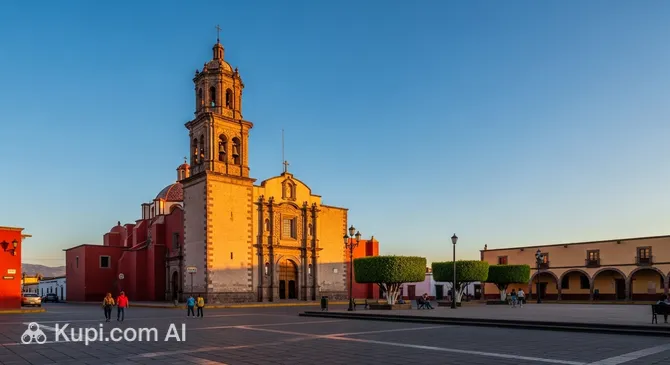
Tultitlán is a dynamically developing city in the State of Mexico, part of the massive Greater Mexico City metropolitan area. Located north of the capital of Mexico, it serves as an important industrial and residential hub for the region. The city's name is rooted in the Nahuatl language and translates poetically as "place among the reeds," harking back to a time when these lands were surrounded by the ancient lakes of the Valley of Mexico.
Tultitlan. Illustration.
Source: Kupi.com AI
With a population of over 520,000, the city is a typical example of a modern Mexican metropolis where everyday life is closely intertwined with the rhythm of the capital. Its ancient history can be traced back to the 14th century, when the Tepanec tribes settled here; however, today it is primarily an important economic center with dense residential development and an extensive network of industrial enterprises.
While Tultitlán is rarely found in traditional tourist guidebooks, it attracts visitors with its authentic atmosphere and proximity to the country's main cultural sites. Here, you can experience real, non-touristy Mexican life, visit traditional markets, or witness the vibrant Festival of Saint Anthony, which brings the city streets to life every year with folk festivities. Visiting the city is an excellent experience for those who want to step off the beaten path and get to know the true industrial heart of the region.
Weather Overview
Weather in Tultitlán is determined by its high-altitude location in the Valley of Mexico. A temperate climate prevails here with two distinct seasons: a dry season (November to April) and a rainy season (May to October). The average annual temperature remains at a comfortable level; however, due to the elevation of about 2,250 meters above sea level, nights can be quite cold even after a hot day.
The warmest period occurs in April and May, when daytime temperatures often reach +27°C...+30°C. In winter, during January and December, the air warms up to a pleasant +21°C during the day, but nighttime temperatures can drop to +6°C. Expect a warm summer with occasional thunderstorms, which usually happen in the late afternoon, and dry, sunny winters that are ideal for walking.
For a comfortable trip, it is recommended to choose the dry season, especially the period from February to April. During this time, humidity is at its lowest and sunny days are most frequent. If your visit falls during the summer months, be sure to bring a light raincoat or umbrella, as downpours can be intense, though usually short-lived.
Average monthly temperature
Average monthly precipitation
Interesting Facts
The city's name comes from the ancient Nahuatl language: the root "tollin" (reed) and the suffix "titlan" (between) literally mean "place among the reeds."
According to the historical chronicles "Annals of Cuautitlán," a settlement was established at this site by the Tepanecs as early as 1356.
Tultitlán is a site of unique paleontological finds: mammoth bones were discovered here with traces of processing by ancient hunters who lived more than 15,000 years ago.
The modern full name of the city — Tultitlán de Mariano Escobedo — was officially approved in 1902 in honor of the Mexican national hero, General Mariano Escobedo.
Every year on June 13, the Festival of Saint Anthony begins in the city, lasting 15 days and serving as the most vibrant cultural event of the year with fairs and dances.
How to Get There
The city's transport accessibility is due to its strategic position in the northern part of the metropolitan area. The main hub for travelers arriving from afar is the Benito Juárez International Airport in Mexico City. From there, Tultitlán can be reached by taxi or bus in about an hour and a half, depending on traffic conditions on the main highways.
For those planning their route to the city, it is important to note that there is no direct rail connection to the airport, so the most convenient option is using official taxi services or Uber. The main road artery connecting the area with the capital is the Mexico-Querétaro highway.
In the suburban transit system, Mexico City's bus terminals play a vital role, with regular departures heading north. Travel time by intercity bus from the city center ranges from 45 to 90 minutes. You can also use the commuter train (Tren Suburbano), with stations located in neighboring municipalities, followed by a transfer to local transport.
Station
Passenger traffic
Distance
Buenavista Station
7
21 km
Buenavista Station
7
21 km
2
167 km
Main Attractions
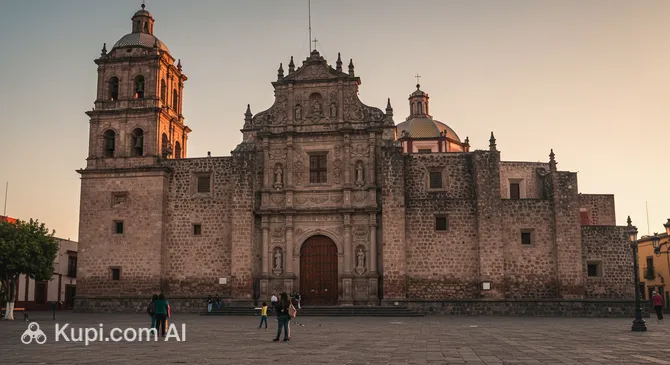
Although Tultitlán is primarily known as an industrial and residential center, there are several sites here that deserve the attention of architecture and history enthusiasts. The main spiritual landmark of the city is the San Buenaventura Cathedral. This majestic building serves as the center of religious life for the community and attracts visitors with its austere yet elegant facade, characteristic of the region's colonial heritage.
Cathedral of San Buenaventura. Illustration.
Source: Kupi.com AI
Traveler photos:
Another important site for the locals is the Temple of Saint Anthony, which is closely associated with the city's main holiday. The central events of the June festival unfold around this church, when the quiet streets transform into a vibrant space for fairs and cultural activities. For those interested in ancient history, the city is notable for the discovery of mammoth remains on its territory, which indicates that these lands were inhabited as early as 15,000 years ago.
Overall, the city's sights are concentrated around the central square and local markets, which serve as the primary public spaces. For tourists seeking large-scale museums or archaeological parks, Tultitlán serves as a convenient starting point for trips to neighboring areas of Mexico City, while retaining the charm of a genuine working suburb with its unhurried way of life.
Local Cuisine
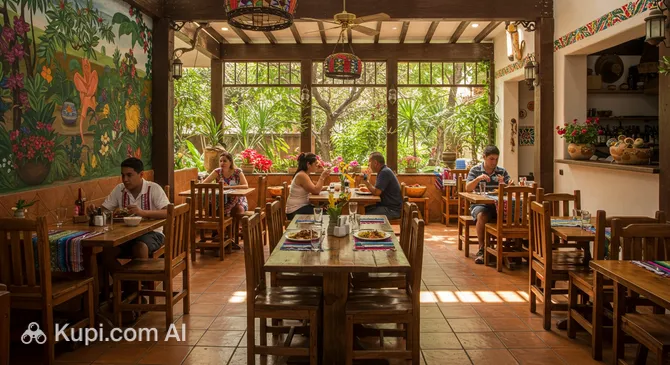
The gastronomic scene in Tultitlán is a true kaleidoscope of traditional Mexican flavors. You won't find upscale Michelin-starred restaurants here, but cozy establishments with home-style cooking are at every turn. One such place is Restaurant and Coffee El Jardín, which serves classic breakfasts and fragrant Mexican coffee in a peaceful setting.
El Jardin Restaurant & Café. Illustration.
Source: Kupi.com AI
Traveler photos:
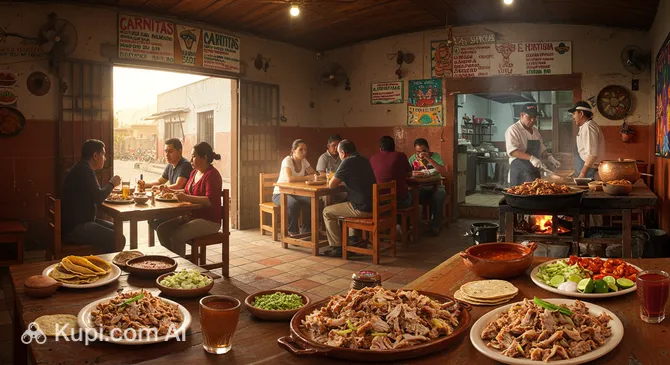
Be sure to try a local specialty — carnitas (slow-cooked pork). For the best portions of this dish, head to Carnitas La Hormiga, where cooking traditions have been observed for decades. Also popular in the city are tacos with various fillings, enchiladas, and hearty pozole soups, which are particularly good at the local markets.
Carnitas La Hormiga. Illustration.
Source: Kupi.com AI
Traveler photos:
The food culture in the city is closely linked to street food (antojitos). Locals prefer to snack at small "comedores" or directly at the markets, where you can always find fresh juices and traditional "agua fresca." For drinks, it's worth checking out the local beer and tequila served in bars at shopping centers, creating the perfect end to a busy day in the city.
Travel Tips
Planning a trip to Tultitlán requires considering its specific character as a large residential and industrial hub. These practical tips will help make your stay here more comfortable and safe.
Clothing and Essentials: Since the city is located at an altitude of 2,250 meters, the weather is changeable. Pack light clothing for sunny days and an essential warm sweater or jacket for cool evenings. Comfortable shoes are necessary for walking through local markets and over uneven sidewalks. Choose modest clothing for visiting temples.
Transportation: To move around the city and for trips to Mexico City, it is best to use Uber or official taxi services. If you decide to use public transport, remember that buses can be overcrowded during peak hours (7:00–9:00 and 17:00–19:00).
Finances: The official currency is the Mexican Peso (MXN). Cards are accepted in shopping centers and large hotels, but be sure to have cash for markets and street food. Tipping in restaurants is usually 10–15% of the bill.
Health and Safety: Use only bottled water for drinking. Pharmacies can be found in shopping centers. Regarding safety, it is recommended to stick to central, well-lit streets and avoid walking on the outskirts after dark.
Communication: The primary language is Spanish. English is not widely understood, so it's useful to learn basic phrases or have an offline translator. A SIM card (e.g., Telcel) is easiest to buy in a shopping center.
Local Etiquette: Mexicans are very polite. It is customary to say hello (Buenos días/tardes) even to strangers in shops or cafes. A friendly smile will help you find common ground with the locals more quickly.
What to Avoid: Do not display expensive gadgets or jewelry in markets or on public transport. Also, it is best to avoid engaging in political discussions.
Extra Tip: Try to plan your visit for mid-June to see the Festival of Saint Anthony—it's the best time to feel the spirit of the city.
May your introduction to this industrial heart of Mexico be rewarding and bring only positive impressions!
Entertainment & Nightlife
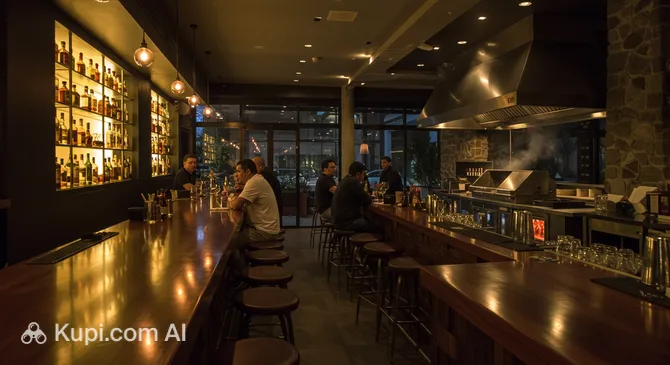
Leisure in Tultitlán is mainly centered around large shopping complexes, which serve as the primary hubs of social life. In the evenings, locals often gather at restaurants and bars located along the main thoroughfares. One popular spot for evening relaxation is El Bife Asadero, where you can enjoy meat dishes in a pleasant atmosphere.
El Bife Asadero. Illustration.
Source: Kupi.com AI
Traveler photos:
For those who prefer a more relaxed outdoor setting, Jardín de Juanitos is a great place to spend time with friends over drinks. The city's nightlife is quieter than in the capital's center and is geared toward local residents. Most establishments close before midnight, and for major nightclubs and concert venues, travelers usually head to neighboring districts of Mexico City.
Daytime entertainment includes modern cinemas in shopping centers and sports complexes. Families often spend time in local parks or the play zones at Diamond Plaza. When planning an evening out, it is recommended to use official taxi services or Uber to ensure comfort and safety when traveling between venues.
Parks & Museums
Public spaces in Tultitlán are primarily represented by small municipal squares and recreation zones within residential neighborhoods. One pleasant green spot is Jardín de Juanitos, where locals can take a break from the urban bustle among decorative plants. Although the city lacks massive parkland, the central squares strive to maintain a cozy atmosphere for evening strolls.
The museum infrastructure within the municipality itself is limited. There are no major national galleries here, but the city's historical heritage is reflected in its architecture and findings, which are occasionally exhibited in municipal centers. To visit major exhibitions and archaeological collections, residents and guests typically head to the National Museum of Anthropology in Mexico City, which is about an hour away.
The lack of large parks is compensated for by the proximity to natural sites in neighboring districts. For instance, within a short drive, there are recreation areas of the State of Mexico and lakes that anciently occupied the entire valley. For tourists, Tultitlán is interesting primarily as a place to witness the everyday life of Mexicans away from the tourist polish, walking through local squares in the shade of colonial temples.
Getting Around
Tultitlán's transport system is closely integrated into the general network of Greater Mexico City. The main modes of transport here are buses and microbuses (colectivos), which run on internal routes as well as connecting the city with the capital. Taking the bus is the most budget-friendly way to get around, though it should be noted that they can be very crowded during peak hours.
To travel to central Mexico City, many residents prefer using the suburban train system (Tren Suburbano), with stations located within walking or driving distance of the municipality's borders. This significantly reduces travel time by avoiding traffic jams on the Mexico-Querétaro highway. Fares are usually paid in cash to the driver or via special transport cards for trunk routes.
Official taxi services and mobile apps like Uber serve as a convenient alternative to public transport. This is the safest and most comfortable way to move around, especially in the evening or when carrying heavy luggage. Within the city itself, traffic jams are common, so it's worth planning your trips with extra time, especially during morning and evening rush hours.
Accommodation
The choice of accommodation in Tultitlán is specific and primarily oriented toward business travelers and those looking for budget options near industrial zones. Mid-range hotels and small guest houses located along the main road arteries predominate here. For tourists, such accommodation can be cost-effective, though travel time to the central attractions of the capital should be taken into account.
If you plan to stay in this area, look for apartments and hotels near large shopping centers, such as Diamond Plaza. This will provide easy access to shops, restaurants, and public transport stops. Most hotels offer a standard set of services: Wi-Fi, parking, and breakfast, which is convenient for transit travelers.
For a more comfortable stay and immersion into cultural life, many tourists prefer to book hotels in the historical center of Mexico City, using Tultitlán as a base for industrial tourism or business meetings. During peak dates, especially during the local festivals in June, it is recommended to book accommodation in advance as demand for quality rooms in the city increases.
Nearby Cities
Thanks to its location in the northern part of the valley, the city serves as a convenient base for exploring surrounding attractions. Just 4 kilometers away is the historical Cuautitlán, which has preserved its colonial architectural charm. Also nearby is Cuautitlán Izcalli, known for its green parks and modern shopping areas.
For those interested in Mexican traditions and crafts, a visit to Tultepec, located just 6 kilometers away, is a must. This city is considered the country's pyrotechnic capital, and a trip there will introduce you to the unique production of fireworks. If you are looking for larger urban centers, Coacalco and Melchor Ocampo are within a 10-15 minute drive.
Don't forget the great Mexico City, the center of which is about an hour's drive away. From Tultitlán, it is also relatively easy to reach the famous pyramids of Teotihuacán, making the city an excellent starting point for rich day trips across the State of Mexico. Exploring the surroundings will allow you to see the diversity of the region — from industrial giants to quiet colonial towns.
Shopping & Souvenirs
Shopping in Tultitlán is focused on everyday needs and offers excellent opportunities for those looking to purchase goods at local, non-inflated prices. The city's main retail space is Diamond Plaza. It houses clothing, electronics, and household goods stores, as well as relaxation areas and cafes for a snack after shopping.
Diamond Plaza. Illustration.
Source: Kupi.com AI
Traveler photos:
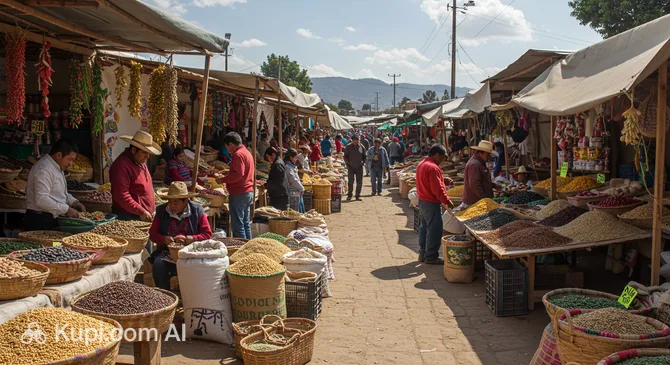
For those seeking an authentic experience and fresh farm products, it's worth visiting the La Pila Seed Market. This place reflects the traditional way of Mexican trade: it's always noisy, crowded, and offers a huge selection of local specialties, from spices to the traditional seeds and grains for which the region is famous.
La Pila Seeds Market. Illustration.
Source: Kupi.com AI
Traveler photos:
Souvenir shopping in the classic sense is practically non-existent here; however, you can bring home high-quality textiles or products from local artisans often sold at district markets (mercados). Shops typically operate from 10:00 to 20:00; shopping centers accept bank cards, but for market purchases, it's essential to have cash in Mexican pesos.