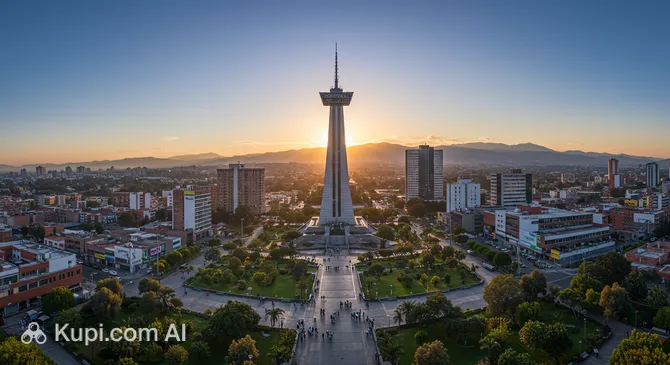
Tlalnepantla is a dynamic city in the State of Mexico that serves as a vital link in the northern part of the Mexico City metropolitan area. Its name, derived from the Nahuatl language, poetically translates to "land in the middle," highlighting the city's historical role as a commercial crossroads between various tribes. Today, it is a major industrial center where the modern pace of life coexists with deep cultural roots.
Tlalnepantla. Illustration.
Source: Kupi.com AI
Despite its industrial status, the city possesses an interesting historical heritage. Here, you can find traces of the ancient Chichimec and Aztec civilizations, as well as monuments of colonial architecture. With a population of over 650,000, the city creates the atmosphere of a bustling metropolis with a developed infrastructure, wide highways, and many modern shopping areas.
A visit to Tlalnepantla offers a glimpse into the real, non-touristic life of the region and an opportunity to explore unique archaeological zones, such as Tenayuca. The city invites those seeking an authentic experience in the heart of the Valley of Mexico, offering a blend of business activity and hidden historical treasures.
Weather Overview
Weather in Tlalnepantla is determined by its location in the Valley of Mexico at an altitude of about 2,250 meters above sea level. A temperate climate prevails here, with a clear division between the dry season (November–May) and the rainy season (June–October). Due to the altitude, exhausting heat is rare, and nights bring a pleasant coolness.
Expect warm days with typical temperatures around +22...+26°C during the spring months, which are considered the hottest. In winter, daytime temperatures hover around +20°C, but at night the thermometer can drop to +6°C, requiring warm clothing. During the rainy season, precipitation most often occurs in the afternoon in the form of short but intense downpours.
Average monthly temperature
Average monthly precipitation
Interesting Facts
The name Tlalnepantla comes from the ancient Nahuatl language and means "land in the middle," which perfectly describes the city's position as a crossroads for trade routes between the tribes of the Valley of Mexico.
The Tenayuca archaeological zone was founded by the Chichimec people around 1200 AD, becoming one of the first major settlements in the region after the fall of the Toltec civilization.
Tlalnepantla received official municipality status within the State of Mexico in 1825, shortly after the country gained independence.
The city made an incredible leap in the 20th century, transforming from an agricultural center into one of the most powerful industrial and transport hubs in all of Latin America.
Despite its industrial appearance, the city has preserved unique monuments, such as the Santa Monica hacienda, a rare example of colonial architecture that has survived to this day within the city limits.
How to Get There
Tlalnepantla is located in the north of the Mexico City metropolitan area, making it easily accessible for travelers arriving in the capital. The main transport flow passes through a network of high-speed highways connecting the city with central metropolitan districts. To plan your route in advance and choose the best transport, we recommend reviewing detailed information on how to get to this part of the state.
While the city itself does not have its own airport, its proximity to the capital's international aviation hubs allows you to reach it in 30–50 minutes. Traveling by car is the most comfortable option, though traffic congestion during peak hours can significantly increase travel time. Suburban trains are also popular, providing a stable connection between residential areas and business centers.
Station
Passenger traffic
Distance
Buenavista Station
7
11 km
Buenavista Station
7
11 km
2
173 km
To move around within the region, you can also use the local network of buses and "peseros" (shuttle taxis). They link Tlalnepantla with neighboring municipalities and the nearest metro stations. Travelers should remember that the city's layout is oriented toward car traffic, so using a taxi or a rental car is often the most practical solution.
Main Attractions
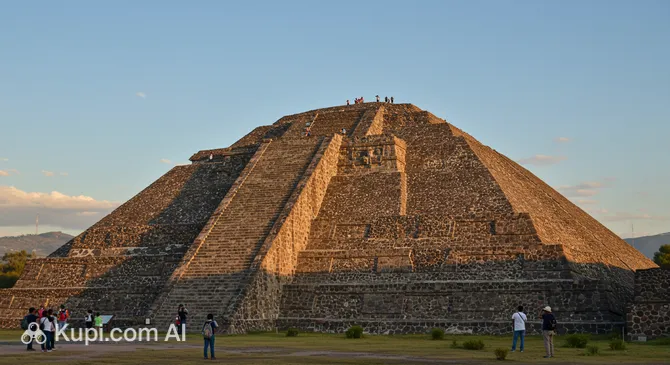
One of the city's most impressive locations is the Tenayuca Archaeological Zone. This ancient monument of Chichimec and Aztec architecture is famous for its massive double pyramid, the base of which is surrounded by a wall of stone serpents. Visiting this site allows you to touch the pre-Hispanic history of the region and appreciate the scale of ancient engineering solutions.
Tenayuca Archaeological Zone. Illustration.
Source: Kupi.com AI
Traveler photos:
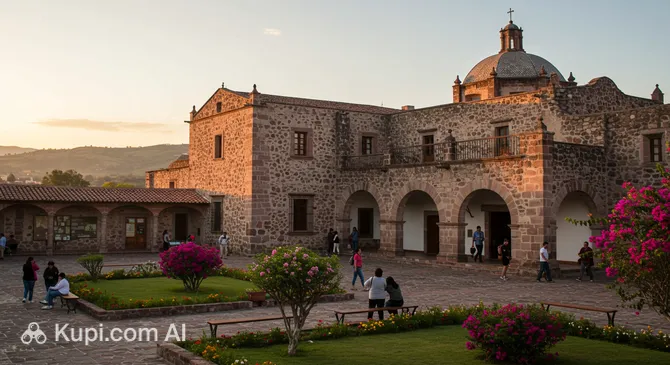
To learn about the colonial era, head to the Santa Monica Hacienda Museum. This old hacienda has perfectly preserved the spirit of the past and showcases the magnificent architectural heritage of that time. Walking through its halls, tourists can get a glimpse into the daily life of the Mexican nobility of past centuries and enjoy the silence of its shady courtyards.
Hacienda Santa Monica Museum. Illustration.
Source: Kupi.com AI
Traveler photos:
The spiritual heart of the city is the Archdiocese of Tlalnepantla. The majestic cathedral building attracts attention with its austere beauty and is an important point on the cultural and religious map of the region. Additionally, for family leisure, the city offers modern venues such as the Mini Mundos theme park, which features replicas of world landmarks.
Local Cuisine
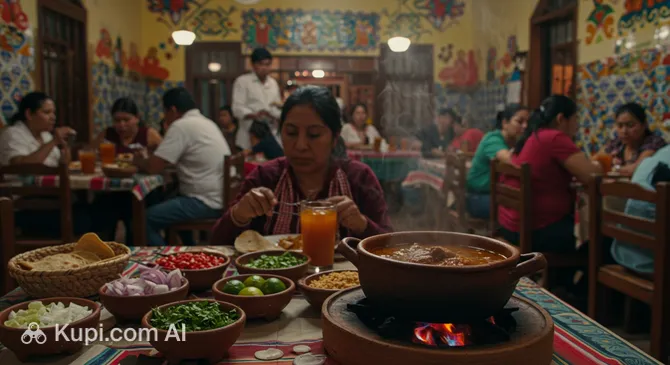
The local cuisine of Tlalnepantla is a vibrant reflection of the gastronomic traditions of central Mexico. Here you will find all the classic dishes of the region: aromatic tamales, hearty enchiladas, and crispy chilaquiles with spicy salsa. Be sure to try the traditional tripe soup at Pancita Don Poncho, a place famous for its homemade recipes and authentic atmosphere.
Pancita Don Poncho. Illustration.
Source: Kupi.com AI
Traveler photos:
For meat lovers, Lagrange Churrascaria is an excellent choice, serving various types of grilled meats. The food culture in the city centers around cozy family eateries known as comedores and bustling markets where food is prepared right in front of you. For breakfast, locals often choose atole—a warm corn-based drink—or classic Mexican chocolate.
The city's gastro scene is also represented by modern chain restaurants in shopping malls, but the true flavor of the "land in the middle" is revealed in small street stalls selling quesadillas and tacos. The combination of affordable prices and generous portions makes exploring the local cuisine a pleasant addition to the trip, allowing you to feel the true rhythm of life in a Mexican metropolis.
Travel Tips
Traveling to Tlalnepantla is a great chance to see modern Mexico beyond the usual tourist routes. Here are some practical tips to help you organize your trip as comfortably as possible.
Clothing and Essentials: The city is located at a significant altitude, so the weather can be changeable. Bring items for layering: it can be hot during the day and cool in the evenings. Comfortable shoes are a must for visiting archaeological zones.
Transport: It is recommended to use official taxi apps (Uber, Didi) instead of hailing a car on the street. For trips to central Mexico City, the Tren Suburbano suburban train is the most reliable option.
Finances: The official currency is the Mexican Peso (MXN). Cards are accepted in shopping centers, but always carry small-denomination cash for bus fares and market purchases.
Health and Safety: Tlalnepantla is an industrial center, so air quality can be low during the dry season. Drink only bottled water and avoid walking in remote areas at night.
Communication: The primary language is Spanish. English is understood by staff at major hotels and chain stores, but knowing basic Spanish phrases will significantly ease your communication with locals.
Local Etiquette: Mexicans are very polite. Greet people with "Buenos días" or "Buenas tardes"; this opens many doors and makes interaction more pleasant.
What to Avoid: Do not display valuables or large amounts of money on public transport. Avoid walking alone on the outskirts of the city, especially after sunset.
Pro Tip: If you plan to visit the Tenayuca archaeological zone, do so in the morning when it is not too hot and there is less traffic on the way.
By following these simple rules, you can focus on exploring the unique heritage of this region and enjoy the hospitality of the local people.
Entertainment & Nightlife
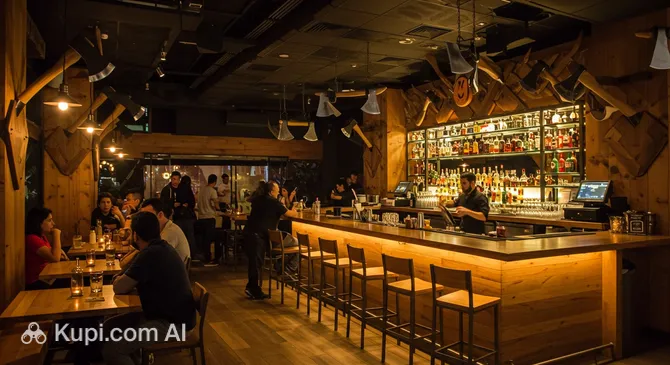
Nightlife in Tlalnepantla is quieter and more local than in the capital's center, primarily concentrated around large shopping complexes and modern districts. A popular spot for an evening out with friends is Hacha México Arboledas, which offers a relaxed atmosphere. Most establishments close by midnight, and the crowd consists mainly of locals and office employees.
Hacha México Arboledas. Illustration.
Source: Kupi.com AI
Traveler photos:
For fans of good food and friendly gatherings, Sumo Buffet Bar, Tlalnepantla is an excellent choice. Here, you can enjoy a variety of snacks and drinks in a modern interior. If you are looking for vibrant dancing and large nightclubs, locals usually recommend heading to neighboring areas of Mexico City via official taxis or ride-sharing apps.
Daytime entertainment in the city is geared towards family leisure. Children and adults alike can spend time at places like the Satélite Adventure Labyrinth or visit themed amusement parks. Shopping centers, such as Plaza Tlalne Fashion Mall, also serve as primary venues for leisure, offering cinemas, gaming zones, and numerous restaurants.
Parks & Museums
Although Tlalnepantla is primarily known as an industrial hub, it hides unique cultural treasures. The main historical site is the Santa Cecilia Acatitlan Archaeological Zone. This place is unique because it preserves one of the few fully reconstructed double pyramids in the Aztec style in Mexico, allowing for a detailed look at ancient architecture.
An important public space in the city is Explanada Tlalnepantla. This vast square is the heart of cultural life, where festivals and city holidays are held. It is a great place to see how a modern metropolis integrates its historical past with the rhythm of today.
The Tenayuca Archaeological Zone also serves as a rare green oasis amidst the urban sprawl, perfect for a stroll. The lack of classic parks in this area is compensated for by these iconic sites where history and nature intertwine. For travelers seeking large-scale botanical gardens or world-class art galleries, a short trip to central Mexico City is also recommended.
Getting Around
Tlalnepantla's transport system is fully integrated into the overall network of the Mexico City metropolitan area. The main types of public transport here are buses and minibuses, known as "combis." They connect residential neighborhoods with key transport hubs and the nearest metro stations, ensuring the daily mobility of hundreds of thousands of people.
Payment in a "combi" is made in cash to the driver, so tourists are advised to carry small Mexican peso coins. The fare depends on the route and distance. The Tren Suburbano (suburban train) also passes through the city, providing the fastest and most comfortable way to reach the center of the capital, bypassing highway traffic jams.
Within the city itself, the infrastructure is largely oriented toward car owners, with pedestrian zones concentrated only in the historical center and near shopping malls. For safe and convenient travel at any time of day, it is best for tourists to use Uber or Didi apps. These services operate reliably here, help avoid translation difficulties, and provide a fixed trip cost.
Accommodation
Tlalnepantla is not a classic tourist resort, so the local accommodation market is primarily geared toward business travelers and people working in the industrial sector. Modern mid-range hotels and budget inns located along major highways predominate here. These options are convenient for those who need quick access to enterprises or commercial zones.
For tourists planning a longer stay, renting an apartment is a good option. The main concentration of high-quality housing is found in areas with developed infrastructure, such as near Plaza Tlalne Fashion Mall. By staying here, guests gain access to shops, restaurants, and entertainment centers right at their doorstep.
If you are looking for luxury resorts or hotels with high-level tourist services, consider staying in neighboring districts like Satélite or in the center of Mexico City. It is recommended to book accommodation in advance, especially during major business exhibitions, when demand for rooms in Tlalnepantla's business hotels increases significantly.
Nearby Cities
Tlalnepantla serves as an excellent starting point for exploring the northern part of the Valley of Mexico and neighboring municipalities. Thanks to its strategic position at the intersection of major highways, the city allows tourists to easily plan day trips to interesting locations in the State of Mexico and the capital itself.
Just a few kilometers away is Naucalpan, one of the country's largest industrial and business centers, which also offers modern parks and shopping zones. For a quieter introduction to the region, it is worth visiting Ciudad López Mateos, where residential neighborhoods sit alongside green areas. Tultitlán, reflecting the industrial character of the region, may also be of interest.
Exploring these destinations will help you better understand the scale of the metropolitan area and see the diversity of life in Mexican cities. Regardless of the path chosen, the proximity to central Mexico City always leaves the opportunity to end the day by visiting the country's main museums or theaters, which can be reached from Tlalnepantla in less than an hour.
Shopping & Souvenirs
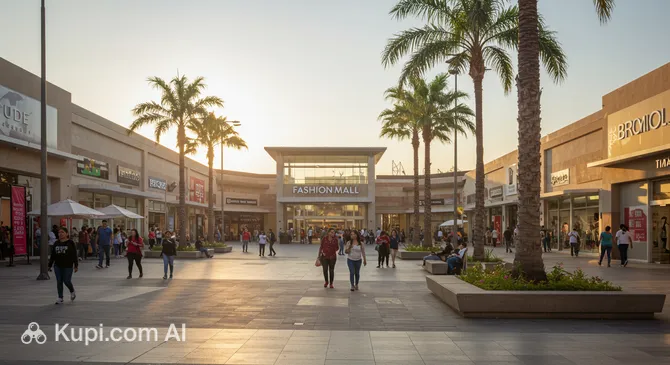
Shopping in Tlalnepantla primarily involves visiting large-scale shopping complexes, which serve as the main leisure centers for residents. The most popular spot is Plaza Tlalne Fashion Mall. Here, international brands of clothing, electronics, and accessories are gathered under one roof, while spacious food courts and cinemas make it an ideal place to spend an entire day.
Plaza Tlalne Fashion Mall. Illustration.
Source: Kupi.com AI
Traveler photos:
Another significant destination for shopping enthusiasts is Town Center El Rosario. This modern shopping center offers a wide range of everyday goods and popular Mexican brands. Shops here usually operate from early morning until late evening, and both cash pesos and international bank cards are accepted.
If you are looking for authentic gifts, it is worth checking out the local food markets where you can buy traditional Mexican spices, sauces, and sweets. However, for exquisite souvenirs and handicrafts, it is better to head to the markets in central Mexico City, as trade in Tlalnepantla is more focused on the practical needs of metropolis residents.