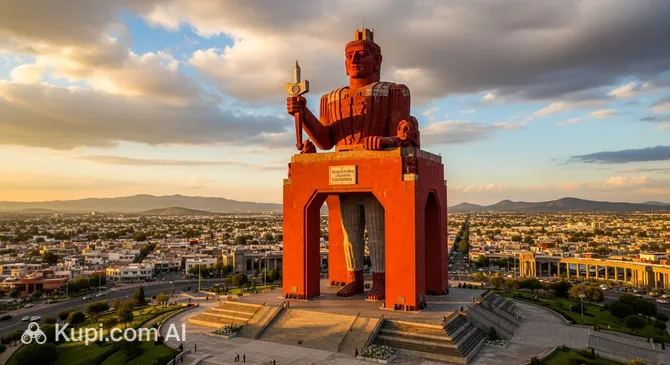
Located on the northeastern border of the Mexico City metropolis, Chimalhuacán is a vibrant and densely populated city in the State of Mexico, forming part of one of Mexico's largest urban agglomerations. Founded in 1890, it has evolved from a small settlement into a major urban center with a population of over 614,000 people. The city covers an area of about 46 square kilometers and is characterized by dense, low-rise architecture typical of the capital's dynamic suburbs.
Chimalhuacan. Illustration.
Source: Kupi.com AI
The city's atmosphere is permeated by the everyday rhythm of working and middle-class life. Chimalhuacán largely serves as a "bedroom community" for those working in Mexico City, yet it possesses its own unique character. The region's rich cultural heritage is rooted deep in the past, as evidenced by the city's name itself, which translates from Nahuatl as "place of those who have shields." You can learn more about how this region developed by exploring the city's history.
The main visual landmark and a point of pride for locals is the grand Guerrero Chimalli statue, which towers over the cityscape. Although the city is not a typical tourist hub, it attracts travelers wishing to see the real, unvarnished life of modern Mexico beyond the popular guidebooks. Visiting this city offers a chance to immerse yourself in an authentic urban environment and feel the energy of a Mexican suburb.
Weather Overview
Chimalhuacán is located in a subtropical highland climate zone, which ensures mild and comfortable temperatures throughout the year. The average annual temperature fluctuates between 16–18°C. Winters here are dry and clear, with cool nights (minimum around 7°C) and warm days. Summer brings long-awaited moisture: the rainy season lasts from June to September, when most precipitation falls, refreshing the city air.
Expect a warm summer with daytime highs up to 24–26°C and occasional downpours, which usually occur in the afternoon. Winter months, by contrast, are characterized by sunny weather and an absence of rain. If you want more accurate forecasts, it is worth checking the current city's climate before your trip.
An important feature of the region is the air quality. Due to its location in the valley and dense traffic, smog is sometimes observed in Chimalhuacán, especially on windless winter days. Nevertheless, the proximity to the mountains and occasional rains help clear the atmosphere, making city walks pleasant, especially in the morning hours.
Average monthly temperature
Average monthly precipitation
Interesting Facts
This Mexican city hides several curious facts that help in better understanding its identity and history:
Etymology of the name: The word "Chimalhuacán" comes from the ancient Aztec language, Nahuatl, and literally means "place of those who have shields."
Giant Warrior: The 60-meter Guerrero Chimalli statue was created by the famous Mexican sculptor Sebastián. It weighs about 600 tons and is one of the tallest monuments in the country.
Urban Growth: Since its official founding in 1890, the city has transformed from an agricultural area into a densely built-up suburb, becoming an integral part of Greater Mexico City.
Geographical Details: The city is located at an altitude of about 2,240 meters above sea level, which is typical for the highlands of central Mexico.
Visual Accessibility: Due to the predominance of low-rise residential buildings, the city's main landmarks are visible from several kilometers away.
How to Get There
The transport accessibility of Chimalhuacán is directly linked to its role as an important suburb of the Mexican capital. The city is located in close proximity to Mexico City, making travel between them quick and convenient. The main flow of passengers uses the Mexibús system (Line 3), which reliably connects municipal districts with the capital's metro hubs. To plan your route in advance, it is useful to study the details of how to get to the city by various means of transport.
If you are arriving from afar, the nearest major air hub is Mexico City International Airport (Benito Juárez, MEX). A trip from the airport to Chimalhuacán by car or taxi takes about 20–40 minutes under favorable traffic conditions. However, keep in mind that traffic jams at the capital's exits during peak hours can increase this time by 50–100%.
For travelers who prefer land transport, bus routes are available from major Mexico City terminals such as TAPO (Eastern Terminal) or the Northern Bus Station. Comfortable buses from companies like ADO or Estrella Roja run to the nearest transport hubs, from where you can reach Chimalhuacán itself via local minibuses known here as "combis."
Station
Passenger traffic
Distance
Buenavista Station
7
20 km
Buenavista Station
7
20 km
2
199 km
Main Attractions
Chimalhuacán is primarily a residential area, but it contains sites that are impossible to miss. The absolute dominant feature is the giant Aztec warrior statue, "Guerrero Chimalli." This monument, standing 60 meters tall (including its base), is visible from almost anywhere in the city due to the lack of high-rise buildings. The red steel giant, holding a shield and sword, symbolizes the strength and protection of the residents, becoming the true hallmark of the municipality.
Local squares, such as the Plaza de la Constitución, serve as the heart of social life. Local festivals, fairs, and cultural events take place here. These are the spots where you can observe the daily lives of citizens, listen to street musicians, and try traditional Mexican snacks in an authentic setting. The architecture here is simple and functional, reflecting the city's rapid growth in the 20th century.
For those interested in modern suburban infrastructure, it is worth checking out large shopping areas like Tu Spacio Integral or the central department stores. Although these places are geared toward shopping, they are major focal points for local residents. In the absence of traditional museums, these spaces shape the modern face and culture of Chimalhuacán, making it interesting for urban environment researchers.
Local Cuisine
The gastronomy of Chimalhuacán is classic Mexican cuisine in all its diversity. A street food culture reigns here, and at every turn, you can find taquerías and small family-run eateries known as fondas. Be sure to try tacos al pastor (marinated pork with pineapple) and various antojitos — hot corn tortillas with different fillings, ranging from cheese to exotic zucchini flowers.
The local cuisine does not claim to be refined, but it wins you over with its honesty and rich flavors. Quesadillas and thick soups are also popular. If you want to refresh yourself, try aguas frescas — non-alcoholic drinks based on fruits, grains, or flowers, and for those who like something stronger, local bars will always offer a classic michelada (beer with lime juice and spices) or traditional pulque.
The city's rhythm of life dictates its own rules: main meals here take place in simple establishments with communal tables where workers and employees dine. This creates a special atmosphere of being part of the region's life. Although there are no Michelin-starred restaurants in the city, the sincere hospitality and authentic recipes make a gastronomic introduction to Chimalhuacán a memorable event for any foodie.
Travel Tips
Planning a visit to Chimalhuacán? These tips will help make your trip comfortable and safe, allowing you to focus on exploring this energetic suburb.
Clothing and gear: The city is in the highlands, so evenings can be cool. Bring layers of clothing and definitely comfortable shoes for walking along busy streets.
Transport nuances: Use Mexibús for trips to Mexico City. Purchase a transit card in advance, as drivers do not accept cash. For moving within the city, it's better to choose official taxis.
Finances: The main currency is the Mexican peso. While malls accept cards, you will need cash for markets and "combis." It is best to look for ATMs in large shopping complexes.
Safety: Stick to central, well-lit streets. Do not display expensive gadgets or jewelry, and use only verified taxi services after dark.
Language barrier: The primary language is Spanish. English is not widely spoken here, so learn a few basic phrases or have an offline translator handy.
Etiquette and communication: Locals value politeness. Always say hello ("Buenos días" or "Buenas tardes") when entering small shops or cafes.
What to avoid: Do not drink tap water — use only bottled water. Also, avoid walking in remote industrial zones on the outskirts.
Extra tip: Be sure to visit the area by the Guerrero Chimalli statue in the late afternoon, when the lighting is best for photos.
May your introduction to the real, living Mexico be filled with interesting discoveries and pleasant impressions!
Entertainment & Nightlife
Nightlife in Chimalhuacán is predominantly local in nature and concentrated in small establishments. You won't find massive nightclubs or world-famous concert halls here; however, the city center features cozy karaoke bars and cafes that broadcast football matches. The atmosphere in these places is very simple and friendly, with the main crowd consisting of locals relaxing after a day's work.
For those seeking large-scale entertainment, proximity to Mexico City is the deciding factor. Most residents head to the capital for vibrant nightlife, concerts, or theater productions, which is a 30 to 60-minute journey. Popular destinations include the Polanco or Zona Rosa districts, where nightlife buzzes until morning. Within Chimalhuacán itself, family entertainment is popular, such as going to the cinemas in shopping malls or strolling through evening plazas.
During the day, entertainment is mostly limited to visiting shopping centers and participating in street fairs, which often take place on weekends. These fairs are a great place to feel the local flavor and find interesting goods. When planning evening leisure in the city, it is important to keep safety in mind: it is better to choose establishments in central, well-lit areas and use official taxis or ride-hailing apps.
Parks & Museums
Green spaces in Chimalhuacán are not very extensive, which is typical for the densely built-up suburbs of Mexico City. The main spot for walking and relaxation for citizens is the area around the famous Guerrero Chimalli statue. Although this space more closely resembles a modern plaza, it serves as the primary cultural and social center where residents gather with their families on weekends.
In the city itself, you can also find small, cozy squares, such as Plaza Zaragoza in the central part, which provide a much-needed breath of fresh air amidst the urban bustle. Due to the shortage of large parks within the municipality, nature lovers often head to neighboring districts or to the famous Chapultepec forest park in Mexico City, which is quite accessible by public transport.
Museum activity in the city is limited, and there are no large world-class galleries here. Cultural life is manifested in folk crafts, street murals, and temporary exhibitions organized by local authorities in the central squares. Chimalhuacán is a place where history and culture live not in museum halls, but on the busy streets and in the traditions of its local inhabitants.
Getting Around
The public transport system in Chimalhuacán is well-integrated into the overall network of Mexico City. The main link is Mexibús — a system of rapid transit buses running in dedicated lanes. Mexibús Line 3 directly connects the city with the capital's metro, helping to avoid major traffic jams. This is the most reliable and fastest way to get around, especially during peak hours.
Within the city and between neighborhoods, minibuses (combis) operate actively. They run on fixed routes and are the primary mode of transport for local residents. A trip on them is inexpensive (about 10–15 pesos), but they can be crowded, and navigation for a tourist might be difficult due to the lack of clear bus stop signs. Regular city buses are also popular.
To pay for travel on Mexibús and metrobuses, special electronic cards are used, which can be purchased and topped up at station terminals. If you prefer comfort, you can use taxis or apps like Uber and DiDi, which are active in the region. However, remember that due to chaotic urban development and dense traffic, a car trip during peak hours (7–9 AM and 5–8 PM) can take significantly longer than planned.
Accommodation
The choice of accommodation options directly in Chimalhuacán is quite limited, as the city is not a classic tourist destination. Most available facilities are budget motels and guesthouses geared toward short-term stays for travelers in transit. You can also find apartments for long-term rent here, which are often chosen by expats or specialists working in the region.
For more comfortable stays, many tourists prefer to book accommodation in neighboring areas that are more developed in terms of hotel infrastructure or in the eastern part of Mexico City. There, you can find hotels from well-known international chains and cozy boutique hotels. Nevertheless, using vacation rental services like Airbnb allows you to find decent apartment options right in Chimalhuacán, providing a better feel for the local atmosphere.
When choosing a place to stay, it is recommended to focus on proximity to main transport arteries and Mexibús lines to simplify travel around the metropolitan area. Traveler tip: book your accommodation in advance, especially if your trip coincides with local holidays, and always check for essential amenities like stable water supply and internet access.
Nearby Cities
Chimalhuacán is a convenient starting point for exploring the eastern part of the Valley of Mexico, where modern suburbs sit alongside sites rich in history. Within a radius of just a few kilometers are cities, each with its own unique character and well worth a day trip.
Very close by is Nezahualcóyotl — one of the country's most populous municipalities, known for its energetic street life and cultural centers. For history buffs, a trip to Texcoco is an excellent choice. This city is famous for its archaeological zones, ruins of ancient palaces, and beautiful colonial architecture. It is also worth noting Chicoloapan and Atenco, which offer a calmer atmosphere and a traditional Mexican way of life.
Exploring the surroundings will allow you to see the contrasts of the Mexican region: from endless residential blocks to quiet historical centers. The developed network of suburban buses and Mexibús makes such trips affordable and easy to organize, opening up new facets of the State of Mexico for the traveler.
Shopping & Souvenirs
Shopping in Chimalhuacán is focused on daily needs and offers a glimpse into typical Mexican consumer life. There are no luxury boutiques here, but large shopping centers like Tu Spacio Integral are well-represented. In such complexes, you can find everything from popular clothing brands to electronics and household goods. Also scattered throughout the city are Coppel department store chains and Oxxo stores, which operate almost around the clock.
For true local flavor, head to the traditional markets (mercados). These are noisy, vibrant places selling the freshest fruits, vegetables, spices, and meat. Markets are the heart of the city; here you can not only make purchases but also try freshly prepared food right at the stalls. There aren't many specific souvenirs for tourists here, but as keepsakes, you can bring back high-quality local textiles or handicraft items that are sometimes found at fairs.
Shops usually operate from morning until late evening, while markets are most active in the first half of the day. Large retail outlets readily accept bank cards, however, for purchases at markets and in small shops, you must have cash in Mexican pesos. Tax-free shopping is virtually non-existent in this region, as commerce is targeted at the domestic market.