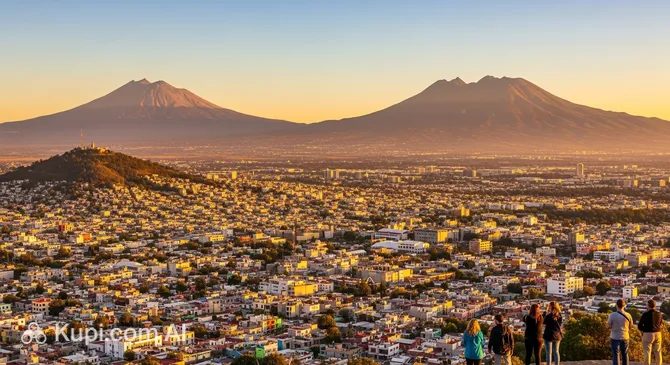
Ixtapaluca is a dynamically developing city in the State of Mexico, forming an important part of the eastern metropolitan area of the Mexican capital. Although this location in Mexico is primarily known as a major residential and industrial district, it possesses a unique character of its own. Here, the everyday bustle of a modern metropolis meets the echoes of ancient civilizations, creating an atmosphere of authentic, non-touristic life.
Geographically, the city is situated in the Valley of Mexico, surrounded by picturesque mountain landscapes. With a population of over 540,000 people, Ixtapaluca is home to thousands of families and workers. Ixtapaluca. Illustration.
Source: Kupi.com AI
Despite the dense urban development, the proximity to majestic volcanoes gives the area a special flavor, serving as a reminder of nature's power existing alongside the urban sprawl.
If you choose to explore the past and heritage of this region, you will find that the history of these lands dates back to the pre-Columbian era. Tucked away among modern neighborhoods are archaeological sites such as the ruins of Acozac, while Mount Tlaloc, once a sacred site for the Aztecs, towers over the city. Visiting Ixtapaluca is a chance to see the "other side" of Mexican life and touch history away from the usual tourist routes.
Weather Overview
The climate in Ixtapaluca is determined by its location in a high-altitude valley and is characterized as subtropical highland. The weather here has two distinct seasons: dry and rainy. From November to April, the city experiences clear and dry weather, with daytime temperatures usually ranging between a pleasant +20°C and +25°C, while nights can be quite cool.
The rainy season occurs from May to October. During these months, short but intense downpours are frequent, especially in the afternoon. Air temperatures remain comfortable, rarely exceeding +27°C, though it can feel stuffy due to high humidity and dense urban development. If you want to know more details, you can explore the city's climate by month.
Precipitation during this period can be significant, especially in July and August when the number of rainy days reaches its peak. In contrast, during the dry season, rain is rare, making it the most favorable time for walking tours of archaeological sites and mountain hikes. In winter, be prepared for temperature inversions, which sometimes lead to smog accumulation over the valley.
Average monthly temperature
Average monthly precipitation
Interesting Facts
Ancient Heritage: The city territory contains the Acozac archaeological zone, which dates back to the pre-Hispanic era and is protected by the National Institute of Anthropology and History (INAH).
Sacred Mountain: Ixtapaluca is located at the foot of Mount Tlaloc—a site that was one of the Aztecs' most important religious centers, home to one of the highest altitude temples in the world.
Demographic Giant: The city ranks 10th in population in the State of Mexico, making it one of the fastest-growing and most densely populated municipalities in the region.
Part of the Metropolis: Ixtapaluca is officially part of the Greater Mexico City metropolitan area, which is considered one of the largest and most populous urban zones on the planet.
Bird Paradise: It is home to El Nido—a unique aviary recognized as one of the most significant centers for the conservation of rare bird species in Mexico.
How to Get There
The transport accessibility of Ixtapaluca is defined by its close link to the capital. The main flow of travelers arrives from Mexico City by bus or taxi. The journey from major transport hubs, such as the TAPO terminals or the Pantitlán metro station, usually takes 30 to 60 minutes; however, during peak hours, traffic jams on the Mexico-Puebla highway can significantly increase travel time.
The nearest major air hub is Mexico City International Airport (AICM), located approximately 45 kilometers away. A car trip from the airport to central Ixtapaluca takes about an hour. You can also use taxi services or ride-hailing apps, which provide maximum comfort when traveling with luggage.
While traditional rail service for passengers is limited, the Mexibús system (Line 1) effectively connects the city with key points in the metropolitan area, serving as a surface metro. This is a convenient and budget-friendly way to reach transfer hubs while bypassing the main road congestion.
Station
Passenger traffic
Distance
Buenavista Station
7
30 km
Buenavista Station
7
30 km
2
212 km
Main Attractions
Although Ixtapaluca is not a traditional tourist hub, it can surprise the curious traveler with its hidden treasures. One of the most significant attractions is the ruins of Acozac. This is an archaeological zone where remains of ancient pre-Hispanic structures are preserved. A walk among these stones allows you to feel the connection between eras and see how ancient architecture fits into the landscape of a modern suburb.
For nature and bird enthusiasts, El Nido Aviario is a must-visit. It is one of the largest aviaries in Latin America, home to a vast number of bird species, many of which are endangered. The site is perfect for family outings and educational walks, offering guests a rare opportunity to see exotic avian diversity near the bustling metropolis.
Active travelers should look towards Mount Tlaloc. It is not just a peak for hiking, but a place of deep historical significance—it was once home to one of the highest Aztec temples, dedicated to the rain god. And for those seeking spiritual and physical purification, the city offers Temazcal Ameztli—a traditional Mexican steam bath where rituals are performed according to ancient customs.
Local Cuisine
The gastronomic face of Ixtapaluca is a true celebration of Mexican street food. At every turn, you can find taco stalls where meat (al pastor or carnitas) is prepared right before your eyes and served with aromatic salsas and guacamole. Traditional tortillas are the foundation of most local dishes, and their scent fills the city streets, especially during morning and evening hours.
Among drinks, pulque is particularly popular—an ancient fermented beverage made from agave sap that has remained relevant since pre-Hispanic times. For those who prefer something lighter, agua fresca is always available—refreshing drinks made from water, sugar, and fresh tropical fruits that perfectly quench thirst on a hot afternoon.
Food culture here is closely tied to markets and shopping centers. Locals often dine in small fondas (family cafes) in central squares, which serve home-cooked food at affordable prices. Despite the lack of fine dining, the food in Ixtapaluca wins you over with its authenticity and rich flavors characteristic of the entire Valley of Mexico region.
Travel Tips
Preparing for a trip to Ixtapaluca will help you make your journey as comfortable and safe as possible. These practical tips are based on the specifics of life in the Mexican capital's suburbs.
Clothing and Items: Choose light and comfortable clothing made from natural fabrics, but be sure to bring a warm sweater or windbreaker for cool evenings, as the temperature at this altitude drops quickly after sunset. Don't forget comfortable shoes for walking on hilly terrain and a type A/B power adapter (American standard).
Transport: For getting around the city and trips to Mexico City, it is best to use Uber or Didi—this is more reliable and comfortable than the minibuses, which are overcrowded during peak hours. If you plan to use Mexibús, purchase a fare card in advance.
Finances: Always carry cash in Mexican pesos. Large shopping centers accept cards, but in markets, small shops, and on public transport, you will only need cash.
Health and Safety: Drink exclusively bottled water; tap water in this region is not potable. Pharmacies can easily be found in shopping centers and on main streets.
Security: Stick to central, busy districts and commercial zones. Try to avoid walking on the outskirts and in industrial zones, especially after dark.
Communication: The primary language here is Spanish. English is not widely spoken, so it is useful to learn basic phrases or have an offline translator handy. A local SIM card (e.g., Telcel) can be bought at any shopping mall.
Local Etiquette: It is customary to say hello when entering a shop or cafe ("Buenos días" or "Buenas tardes"). Mexicans are very friendly and appreciate politeness in communication.
What to Avoid: Do not openly display expensive jewelry or electronics on public transport and in crowded places. This simple rule will help avoid unnecessary attention.
Following these simple rules will allow you to focus on exploring the local culture and make your visit to Ixtapaluca a pleasant experience.
Entertainment & Nightlife
Nightlife in Ixtapaluca is predominantly local in character and centered around large shopping and entertainment complexes. The main evening leisure hub for residents is Cinepolis MacroXE, where you can watch the latest movie releases in comfortable theaters. In the same area, you'll find gaming lounges like Video Juegos Yeph, which are popular among youth and video game enthusiasts.
There are virtually no classic nightclubs or noisy bar streets in the city. For vibrant parties and concert programs, residents usually head to neighboring Mexico City, as the journey to the capital's entertainment districts is relatively short. Within Ixtapaluca itself, the evening atmosphere is calmer and more family-oriented: people prefer dining in cozy cafes or spending time in parks.
For those seeking daytime entertainment, the city offers modern shopping centers with children's play areas and food courts. Despite the lack of a boisterous night scene, Ixtapaluca remains a safe place for evening strolls through well-lit central plazas, where life continues late into the evening thanks to street vendors and local festivities.
Parks & Museums
Green spaces in Ixtapaluca are represented by small squares and municipal parks that serve as the main recreation spots for residents. Despite dense urbanization, efforts are made to maintain areas for family leisure. One of the most interesting natural attractions is Mount Tlaloc, which attracts hiking enthusiasts with its trails and the opportunity to enjoy panoramic views of the valley.
In terms of cultural heritage, the most significant site is the Acozac archaeological site. While it is not a classic museum in a building, the ruins represent an open-air museum where you can see the foundations of ancient pyramids and residential complexes. This site is a must-visit for those interested in the region's pre-Columbian history who want to see authentic monuments of the past without the tourist crowds.
Otherwise, Ixtapaluca does not yet boast an abundance of art galleries or large museums. Residents usually head to the museums of Mexico City, which are relatively close by, for high culture. Nevertheless, local community centers sometimes host exhibitions of local art reflecting the life and traditions of the residents of the eastern metropolitan zone.
Getting Around
The public transport system in Ixtapaluca is well-developed enough to provide connections with the vast metropolis of Mexico City. The backbone of intra-city and suburban transport consists of minibuses known as combis, as well as RTP buses. They run along the main thoroughfares, linking residential neighborhoods with commercial zones and key transfer hubs.
Mexibús plays a vital role in the transport system. This bus rapid transit line allows you to quickly and relatively comfortably reach the Pantitlán station, which is one of the capital's largest metro hubs. This helps avoid the chronic traffic jams that often occur at city exits during morning and evening rush hours.
Taxis and ride-hailing services like Uber or Didi are extremely popular in Ixtapaluca and are considered a more comfortable alternative to public transport, especially in the evening. Prices are quite affordable; however, tourists are recommended to always confirm the cost in advance or use official services to ensure safety and budget predictability.
Accommodation
The choice of accommodation in Ixtapaluca is primarily geared toward those visiting on business or planning an extended stay. Most offerings consist of practical rental apartments and small guesthouses. In the area of the Macro Plaza shopping center, you can find several budget accommodation options suitable for a short stopover.
It is worth noting that the city has virtually no luxury five-star hotels or large international hotel chains. Most accommodation facilities are motels and private apartments offering basic amenities. For travelers accustomed to a high level of service and developed hotel infrastructure, it is often more practical to book a hotel in the eastern part of Mexico City and visit Ixtapaluca as a day trip.
If you are planning a trip to this region, it is recommended to book accommodation in advance through popular online services, especially if you are looking for a specific level of comfort. The price range here is significantly lower than in the capital's center, making Ixtapaluca an attractive option for budget-conscious travelers wanting to experience the real life of Mexican suburbs.
Nearby Cities
Thanks to its location, Ixtapaluca serves as a convenient starting point for exploring the eastern part of the State of Mexico. Nearby is the city of Chalco, known for its shopping areas and bustling markets. It's a great place for those who want to shop and feel the rhythm of a traditional Mexican commercial hub.
For lovers of history and colonial architecture, Xico is an interesting destination. This city has preserved the charm of provincial Mexico and offers guests leisurely walks through old streets. Also within a short drive are smaller settlements like San Buenaventura and Cocotitlan, which allow you to see a calmer and more measured life outside the noisy capital.
Exploring the surroundings of Ixtapaluca will help you better understand the diversity of the region. Whether it’s a quick trip to bustling Mexico City or a visit to the quiet San Pablo Atlasalpan, each nearby town will add new colors to your journey through this part of the country.
Shopping & Souvenirs
Shopping in Ixtapaluca is focused on the daily needs of residents and offers excellent opportunities for those who want to purchase goods at local prices. The city's main retail hub is the modern Macro Plaza complex (also known as MacroXE). It features clothing, electronics, and appliance stores, as well as a large food court and a cinema, making it a popular spot for family leisure.
For those seeking a more authentic experience, it is worth visiting the city's central markets. Here you can find everything from fresh produce, vegetables, and fruits to clothing and household goods. The markets of Ixtapaluca are noisy, vibrant places where life teems from early morning, and they are the best place to feel the local flavor and perhaps find interesting artisanal crafts.
There are few specialized souvenir shops for foreign tourists, as the city is not a mass tourist destination. However, as a gift, you can bring back quality local textiles or traditional Mexican sweets bought at the market. Most stores operate from 10:00 to 20:00-21:00, and it is preferable to pay with cash pesos at markets and in small shops.