Support

Cuauhtemoc

About

Cuauhtémoc is more than just a district; it is the cultural and historical heartbeat of Mexico City, the capital of Mexico. Located in the very center of this vast metropolis, Cuauhtémoc serves as the perfect starting point for exploring the multifaceted Mexican capital. Geographically, it stretches across a plain surrounded by bustling streets, green parks, and impressive architectural ensembles, each holding its own unique history.

With a population of about 180,000, Cuauhtémoc is one of Mexico City's most densely populated and dynamic areas. It is the city's vital administrative core, housing government offices, major business districts, and prestigious residential zones. The district is famous for its striking diversity: luxurious historical mansions harmoniously coexist with modern office buildings, cozy coffee shops, and colorful local markets.
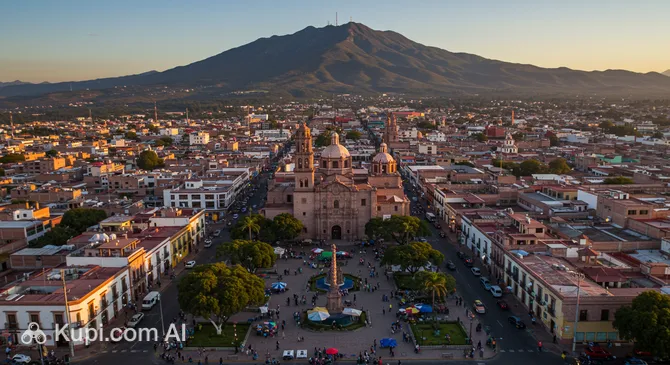
Cuauhtémoc. Illustration.
Source: Kupi.com AI

The atmosphere in Cuauhtémoc is truly cosmopolitan. On its streets, you can easily encounter artists, students, businesspeople, and travelers from all corners of the globe. By day, it is a bustling business hub, and as evening falls, it transforms into the epicenter of cultural life, offering guests and residents numerous exhibitions, concerts, and gastronomic festivals.

Cuauhtémoc attracts tourists with its unique blend of past and present. Here, you can feel the spirit of ancient civilizations while strolling among magnificent colonial buildings, and simultaneously admire the boldness of modern skyscrapers. Vibrant Mexican culture is evident at every turn—in the aromas of street food, the displays of numerous museums, and the infectious rhythms of street festivals. Key features of the district include its rich history, architectural diversity, and vibrant cultural scene.

If you want to see the real Mexico in all its variety, feel its energy, and immerse yourself in its unique atmosphere, Cuauhtémoc will be an unforgettable discovery for you. This district is a must-see on the itinerary of every curious traveler.

You can find more interesting facts on the Cuauhtémoc city history page

Weather Overview

The weather in Cuauhtémoc is characterized by noticeable seasonal changes. Generally, the climate here can be described as temperate, with a warm and humid summer period and a cooler, dry winter. Expect warm summers with frequent rain and cool, dry winters.

The warmest month is usually May, when the average temperature is around 18.6°C, and the maximum can reach 26.2°C. The coolest months are January and December, with an average temperature of around 12.0°C and minimum values dropping to 4.6°C - 5.2°C. The highest amount of precipitation falls during the summer months, especially in July and August, when about 6 mm of rainfall is recorded with up to 27 rainy days. Conversely, winter months are very dry, with minimal precipitation in January, February, and December.

To learn more about the climate features and plan your trip in the best way, check out the detailed weather information: Cuauhtémoc climate.

Average monthly temperature

Average monthly precipitation

Interesting Facts

In addition to its famous landmarks, Cuauhtémoc, one of Mexico City's central districts, holds many fascinating stories and features that make it a truly unique place. Here are just a few interesting facts that will help you see it in a new light:

  • The district is named after Cuauhtémoc, the last Aztec ruler, who became a symbol of courage and resistance for the Mexican people. His monument is located here—a notable architectural structure with a dome and eight columns, decorated with carved images and scenes from Aztec life.

  • Cuauhtémoc is home to many of the most iconic attractions in Mexico and its capital, including the majestic Palace of Fine Arts, the central Zócalo square, and the Templo Mayor Museum archaeological complex, where you can see the ruins of ancient Aztec temples.

  • Cuauhtémoc is a true melting pot of cultural traditions. Life here is constantly buzzing thanks to street festivals, craft fairs, and culinary workshops. The local flea market is particularly popular, where you can find real treasures: from antiques to unique handmade souvenirs.

  • This district has inspired many outstanding figures of Mexican art. Legendary artists such as Diego Rivera and Frida Kahlo lived and worked here. Their legacy can still be seen today not only in galleries but also on the streets of Cuauhtémoc in the form of colorful murals.

How to Get There

The most convenient way to reach Cuauhtémoc, one of Mexico City's vibrant central districts, is by air via the capital's airports. The main transport hub is Benito Juárez International Airport (MEX). This is the country's largest international airport, located within Mexico City itself, just about 10.2 km from the heart of Cuauhtémoc. A taxi ride from here to your hotel in Cuauhtémoc usually takes about 35-45 minutes, depending on traffic.

Another modern and major option is Felipe Ángeles International Airport (NLU), also serving Mexico City but located further away, approximately 39.6 km north of Cuauhtémoc. The journey from this airport to the center of the district by car can take about 1 hour 20 minutes to 1 hour 30 minutes. Additionally, you can consider Toluca International Airport (TLC), located about 42.9 km away. It handles both international and domestic flights, and the trip to Cuauhtémoc from there will take approximately 1 hour 25 minutes to 1 hour 45 minutes.

Since Cuauhtémoc is an integral part of Mexico City, it is well-connected to these airports. Upon arrival, you can easily reach your destination in Cuauhtémoc using official airport taxis, ride-sharing apps, or by utilizing Mexico City's extensive public transport system, including the metro, with many stations located directly within the Cuauhtémoc district.

For your convenience, here is a summary of the main airports serving Cuauhtémoc:

AirportPassenger trafficDistance
Benito Juarez International Airport45.4 mln10 km
Felipe Angeles International Airport6.3 mln40 km
Toluca International Airport1.7 mln43 km
Huejotzingo Airport790 93189 km
Queretaro Intercontinental Airport2.1 mln169 km

Main Attractions

Cuauhtémoc, being one of the central and historically richest districts of Mexico City, offers travelers a unique opportunity to immerse themselves in Mexico's wealthy culture and history. Many of the capital's iconic landmarks, which attract tourists from all over the world, are concentrated here.

Zócalo (Plaza de la Constitución) is the heart of Mexico City and one of the largest city squares in the world. It is surrounded by significant buildings such as the Metropolitan Cathedral of the Assumption of the Most Blessed Virgin Mary, the National Palace—where you can see Diego Rivera's famous murals—and the ruins of the ancient Aztec city of Tenochtitlan (Templo Mayor). The Zócalo is not just a historical center, but also the site of major national holidays and cultural events, making it a must-visit to understand the spirit of the Mexican capital.

Palacio de Bellas Artes (Palace of Fine Arts) is a magnificent building that serves as a true symbol of Mexican culture and art. Its impressive architecture combines Art Nouveau and Art Deco styles. Inside the palace, there is an opera house, a concert hall, as well as the National Museum of Art and the Museum of Architecture. Of particular value are the monumental murals by prominent Mexican artists such as Diego Rivera, José Clemente Orozco, and David Alfaro Siqueiros. A visit to the Palace of Fine Arts allows you to enjoy world-class art and architectural masterpieces.

Monumento a la Revolución (Monument to the Revolution) is a majestic monument dedicated to the Mexican Revolution of the early 20th century. It was originally designed as part of a new legislative palace building, but historical events changed its purpose. Today, it is not only an important historical symbol but also a mausoleum for the heroes of the revolution. Tourists are drawn to its monumental architecture and the opportunity to take an elevator to the observation deck under the dome, which offers a breathtaking panoramic view of Mexico City. The National Museum of the Revolution is also located at the base of the monument.

Alameda Central is the oldest public park in the Americas, located adjacent to the Palace of Fine Arts. This green oasis in the center of the bustling metropolis offers an excellent opportunity for relaxation and leisurely strolls among beautiful fountains, sculptures, and well-maintained paths. The park is popular with both locals and tourists and often serves as a venue for various cultural events and exhibitions. The famous Benito Juárez monument, the Juárez Hemiciclo, is also located here.

Local Cuisine

The gastronomy of Cuauhtémoc is a true journey into a world of vibrant flavors, where ancient Aztec traditions, Spanish heritage, and modern culinary trends of Mexico harmoniously intertwine. Local cuisine is famous for its aromatic dishes prepared with the freshest ingredients, complemented by spicy chili-based sauces and fragrant herbs, making it incredibly attractive to gourmets.

Be sure to try the famous tacos al pastor—juicy pork marinated in spices and roasted on a vertical spit, served in corn tortillas with pineapple and cilantro. Equally popular are chilaquiles—pieces of corn tortilla fried and simmered in a spicy sauce, often served with cheese, cream, and an egg for breakfast. Street food here is a culture in its own right: don't miss the fragrant elotes (grilled corn with cheese and spices) or the freshest quesadillas made right before your eyes, as well as sweet churros.

To refresh yourself, try traditional aguas frescas—light fruit waters—or enjoy a cup of strong Mexican coffee in one of the cozy cafes. Locals and tourists alike enjoy dining both in authentic restaurants offering Mexican classics and at bustling street markets. Cuauhtémoc's farmers' markets are a kaleidoscope of tastes and aromas, where you can not only grab a snack but also purchase fresh fruit, local cheeses, sausages, and exotic spices.

Those with a sweet tooth will enjoy local desserts such as the delicate pastel de tres leches ("three milks" cake), exotic fruit ice creams, or chocolate pastries. For those who want to dive deeper into Cuauhtémoc's gastronomic world, the city offers culinary workshops and food tours. And if you're lucky, you might catch one of the annual food festivals where top chefs present their culinary masterpieces and introduce the latest trends in Mexican cuisine.

Travel Tips

Welcome to Cuauhtémoc, one of the most dynamic and culturally rich districts of Mexico City! To make your journey through this amazing place as comfortable and memorable as possible, we have prepared some practical tips.

  1. Clothing and Essentials: The climate in Mexico City, where Cuauhtémoc is located, is generally temperate, but the weather can be changeable. We recommend bringing clothes that can be easily layered. It can be warm during the day and cool in the evenings. Be sure to bring comfortable shoes for long walks through historical streets and parks. Don't forget sunscreen, a hat, and a light jacket or sweater. Electrical outlets in Mexico follow the American standard (Types A and B), so you may need an adapter. For visiting churches and religious sites, choose modest clothing that covers your shoulders and knees.
  2. Transport: Getting around Cuauhtémoc and Mexico City in general is convenient by public transport. You have the Metro (a very extensive and affordable system) and the Metrobus (rapid transit buses on dedicated lines) at your service. Taxis are also widespread; for safety, it is recommended to use official taxis (sitio) or car-hailing apps (such as Uber or Didi). Renting a car may not be the best option due to heavy traffic and parking difficulties, especially in central areas.
  3. Finances: The local currency is the Mexican Peso (MXN). You can exchange currency at banks or exchange offices ("casas de cambio"), which often offer a better rate, especially at the airport or in tourist zones. Credit and debit cards (Visa, Mastercard) are accepted in most hotels, restaurants, and large stores. However, it's always useful to carry some cash for small purchases, markets, or tips. ATMs (cajeros automáticos) are widely available. Tipping in Mexico is a common practice: in restaurants, it is customary to leave 10-15% of the bill if service is not included.
  4. Health and Safety: Pharmacies ("farmacias") are easy to find, and many operate 24/7. If you need medical assistance, Mexico City has high-quality private clinics serving tourists; ensure your travel insurance covers medical expenses. Cuauhtémoc, like any large urban area, has safer and less safe zones. Take standard precautions: keep an eye on your belongings, avoid displaying expensive jewelry, and don't walk alone in poorly lit or deserted places after dark. It is recommended to drink only bottled water.
  5. Communication: The official language is Spanish. In Cuauhtémoc's tourist areas, hotels, and some restaurants, staff may speak English, but knowing a few basic phrases in Spanish (e.g., "Hola" - hello, "Gracias" - thank you, "¿Cuánto cuesta?" - how much does it cost?) will be very helpful and appreciated by locals. A local SIM card can be purchased at mobile phone shops or OXXO stores. Wi-Fi is available in most hotels, cafes, and restaurants. Map apps (Google Maps, Waze), translators, and taxi apps can be very useful.
  6. Local Etiquette: Mexicans are generally very friendly and polite. It is customary to greet people ("Buenos días" – good morning, "Buenas tardes" – good afternoon/evening, "Buenas noches" – good evening/night). Using "usted" (the formal "you") when speaking with strangers or elders is a sign of respect. In public places, try not to speak too loudly. Patience and a smile will help you build rapport.
  7. What to Avoid: Try not to drink tap water—always buy bottled. Also, be cautious with street food; choose places with many locals, as this is usually a sign of quality and freshness. Do not get into unlicensed taxis, especially if you're hailing them on the street at night.
  8. Special Feature of Cuauhtémoc: The Cuauhtémoc district is the heart of Mexico City, housing many historical landmarks, including parts of Paseo de la Reforma, as well as the trendy Roma and Condesa neighborhoods with their parks, cafes, and art galleries. Don't be afraid to explore the district on foot—this way you can better feel its atmosphere and find hidden gems. Keep in mind that Mexico City is at a high altitude (about 2,240 meters above sea level), so give yourself time to acclimate during the first few days.

We hope these tips help you plan an unforgettable trip to Cuauhtémoc and enjoy everything this wonderful district of Mexico City has to offer. Have a great trip!

Entertainment & Nightlife

Cuauhtémoc, one of the central and most vibrant districts of Mexico City, offers plenty of opportunities for those seeking vivid experiences after sunset. The nightlife here is diverse and capable of satisfying a wide range of tastes, from trendy clubs to cozy bars with a unique atmosphere.

The main hubs of nightlife in Cuauhtémoc are the Roma Norte and Condesa neighborhoods. Here you will find countless stylish bars, restaurants with signature cuisine open late, and clubs playing everything from electronic music to Latin American rhythms. The atmosphere in these areas is usually lively and cosmopolitan, with a crowd consisting of trendy youth and the creative intelligentsia. Another popular neighborhood is Juárez, especially the part known as Zona Rosa, which is famous for its numerous bars and clubs, including establishments for the LGBTQ+ community. In the Historic Center (Centro Histórico), you can also find interesting spots, such as traditional Mexican cantinas or rooftop bars with magnificent city views.

The choice of venues is vast: from noisy dance clubs where the fun doesn't stop until morning to more tranquil cocktail bars where you can enjoy signature drinks in an elegant setting. Many mezcalerías offer tastings of various types of mezcal. The dress code in most places is quite casual, though some more prestigious clubs might not admit guests in overly sporty attire. Most establishments start filling up closer to midnight, especially on Fridays and Saturdays, and stay open until 3-4 AM, with some going even later.

When planning an evening out, keep in mind that the most popular places can be overcrowded, especially on weekends, so it's better to arrive early or be prepared to wait a bit. Prices vary: you can find both budget-friendly bars and quite expensive establishments. For getting around at night, it is recommended to use official taxis or popular ride-sharing apps. This is not only more convenient but also safer.

Regarding safety, popular tourist zones like Roma, Condesa, and the well-lit parts of Zona Rosa are quite safe at night, but you should always take standard precautions: stay on well-lit and crowded streets, don't leave your drinks unattended, and keep an eye on your belongings. Calling a taxi through an app or asking the venue staff to do so is a good way to get back to your hotel safely.

During the day, Cuauhtémoc also keeps you entertained. Numerous museums are located here, especially in the Historic Center, including the National Palace and the Museum of Fine Arts. Fans of theatrical arts will find interesting productions in local theaters. For walks and relaxation, the district's many parks are perfect, such as Parque México in Condesa, where you can take a break from the city's hustle and bustle.

Parks & Museums

Cuauhtémoc, one of the central and most bustling districts of Mexico City, offers its guests a rich combination of green oases for relaxation and impressive cultural institutions that preserve the history and art of Mexico. Here, everyone will find something for themselves, from quiet parks to world-famous museums.

Among the district's green zones, Alameda Central stands out—the oldest public park in the Americas. It is a beautiful place for strolling among fountains, sculptures, and well-kept flowerbeds, where you can take a break from the city's noise. Equally attractive is Parque México in the colorful Condesa neighborhood (part of which is in Cuauhtémoc), known for its Art Deco architecture, duck pond, and numerous paths perfect for running or a leisurely walk. This park is a real magnet for locals and tourists, especially on weekends.

The cultural life of Cuauhtémoc is just as vibrant. One of the main symbols not only of the district but of all Mexico City is the magnificent Palacio de Bellas Artes (Palace of Fine Arts). It is not just an opera house, but also a museum where you can see famous murals by Diego Rivera, José Clemente Orozco, and David Alfaro Siqueiros, as well as attend world-class temporary exhibitions. Its impressive architecture, blending Art Nouveau and Art Deco styles, deserves special attention.

For those interested in ancient history, a visit to the Museo del Templo Mayor (Templo Mayor Museum) is a must. Located right next to the ruins of the main Aztec temple in the historic center, the museum offers a unique opportunity to immerse yourself in the world of pre-Columbian civilization, see artifacts found during excavations, and learn about the rituals and daily life of the ancient inhabitants of Tenochtitlan.

The historical and architectural heritage of Cuauhtémoc is immense. A large part of the Historic Center of Mexico City, a UNESCO World Heritage site, including the Zócalo, the Metropolitan Cathedral, and the National Palace, is located right here. A walk along the famous Paseo de la Reforma avenue with its numerous monuments, including the famous "Angel of Independence," will also provide unforgettable impressions. The district abounds with theaters, cultural centers, and galleries offering a diverse program.

For an authentic experience, head to one of the local markets, such as Mercado de San Juan, known for its exotic products and delicacies. Or simply wander through the streets of the Roma Norte or Condesa neighborhoods, enjoying their bohemian atmosphere, cozy cafes, and street art.

Getting Around

Getting around Cuauhtémoc and its surroundings is quite convenient thanks to a well-developed public transport system, which is part of the extensive transport network of a major city. For tourists, this means a wealth of options for reaching attractions, restaurants, and other locations.

The core of the transport system consists of the Metro and the Metrobús. The subway is one of the largest in the world, and many of its stations are located directly in Cuauhtémoc or nearby, providing quick access to various areas. Metro lines are easily identified by colors and numbers. The Metrobús is a system of rapid transit buses running in dedicated lanes, which allows them to avoid traffic jams. Metrobús routes also cover key points in Cuauhtémoc. Additionally, there is an extensive network of city buses (including RTP and private "microbuses" or "peseros") and trolleybuses that can take you to more remote corners.

To pay for travel on most types of transport, a single rechargeable card called the "Tarjeta de Movilidad Integrada" (Integrated Mobility Card) is used. This card can be purchased and topped up at metro ticket offices, machines at Metro and Metrobús stations, and in some authorized stores. It is valid for travel on the Metro, Metrobús, trolleybuses, some RTP buses, and even on the Cablebús cable car system and the Tren Ligero light rail, although the latter may be less relevant for travel strictly within Cuauhtémoc. The cost of a trip, for example on the Metro, is usually only a few pesos, making public transport very affordable. Some "microbuses" still accept cash payments.

Tourists are encouraged to purchase an "Tarjeta de Movilidad Integrada" card immediately upon arrival for convenience. You validate the card when passing through turnstiles at metro stations or when boarding Metrobús buses and other types of transport equipped with readers. Public transport usually starts operating early in the morning (around 5:00-6:00 AM) and ends around midnight, but schedules may vary slightly for different types of transport and on weekends. You can plan your routes using online maps or special mobile apps.

In addition to public transport, alternative ways of getting around are popular in Cuauhtémoc. Taxi services are widespread—it is recommended to use official taxis from stands ("sitio") or to call cars via apps. Ride-hailing services like Uber or DiDi are also very popular and offer competitive prices. For short trips and sightseeing, you can use the Ecobici public bike-sharing system, with stations frequently found in central areas, including Cuauhtémoc. It's a great way to explore the city at a leisurely pace.

Accommodation

In Cuauhtémoc, one of the central districts of Mexico City, travelers will find a wide range of accommodation options to suit every taste and budget. There are budget hostels and guest houses, perfect for economical tourists, as well as mid-range hotels offering comfort and good service at a reasonable price. For those who prefer luxury, high-end hotels and boutique hotels with exquisite designs and first-class service are available. Apartment rentals are also popular, which is particularly convenient for families or long-term stays.

When choosing a place to stay in Cuauhtémoc, it is worth paying attention to areas close to major attractions and transport hubs. For example, the zones around Paseo de la Reforma or near the Roma Norte and Condesa neighborhoods (which, although separate districts, border Cuauhtémoc and are easily accessible) offer many hotels and convenient access to cultural sites, restaurants, and shops. Cuauhtémoc's central location makes it an excellent starting point for exploring all of Mexico City.

As for prices, they vary from very affordable in hostels to significant amounts per night in luxury hotels. It is recommended to book accommodation in advance, especially if your trip coincides with the peak tourist season or major city events, to ensure you get the best choice and prices. Most hotels and apartments can be easily booked through popular online platforms, although some travelers prefer direct booking through hotel websites.

Nearby Cities

For those looking to explore the surroundings, Cuauhtémoc serves as an excellent starting point for day trips to several interesting nearby locations:

Just a few kilometers from Cuauhtémoc is the vast Mexico City. This is a wonderful opportunity to explore other districts of the capital, visit world-famous museums and historical monuments, or simply immerse yourself in the bustling life of the metropolis without traveling far. Such a trip will allow you to get to know the heart of Mexico more deeply.

Another close neighbor, Naucalpan, located just 8 kilometers away, offers the chance to see another side of the urban agglomeration. This can be interesting for comparison or for finding specific local attractions, parks, or shopping zones that complement your experience in Cuauhtémoc.

CityPopulationDistance
Colonia San Rafael29 6311 km
Mexico City21 804 0004 km
Saudade do Iguaçu9 0165 km
Benito Juarez17 6186 km
Naucalpan913 6818 km

These nearby destinations provide an insight into the diverse culture and landscapes of the region.

Shopping & Souvenirs

Cuauhtémoc, being one of the key and most vibrant districts of Mexico, offers tourists a wide selection of shopping opportunities. Modern shopping galleries with global brand boutiques harmoniously coexist with authentic markets where you can find unique items from local artisans. The district is known for its handicrafts, high-quality silver, and traditional clothing that reflect the country's multifaceted culture.

Among the main shopping arteries of Cuauhtémoc, the famous Paseo de la Reforma avenue stands out. Along this wide street, numerous shops are concentrated, from expensive boutiques to more affordable brands, as well as large hotels that often house shopping galleries. Neighborhoods such as Roma Norte and Condesa (partially within or bordering Cuauhtémoc) are also worth noting, as they are famous for their independent designer stores, vintage shops, and concept showrooms. Don't overlook the Zona Rosa, located within Cuauhtémoc, where you can find jewelry stores, souvenir shops, and boutiques.

Several notable shopping centers are located in Cuauhtémoc and its immediate surroundings. One of the most famous is Reforma 222, a modern complex on Paseo de la Reforma, offering visitors a wide range of clothing, footwear, accessories, and electronics stores, as well as restaurants, cafes, and a cinema. Another large shopping center that might be of interest is Forum Buenavista, located on the district's border and easily accessible by public transport. It attracts many shoppers with its variety of stores across different categories and entertainment options.

Visiting the markets in Cuauhtémoc is an essential part of the shopping experience and a great way to immerse yourself in local culture. Be sure to stop by the La Ciudadela Artisan Market (Mercado de Artesanías La Ciudadela)—it is a true treasure trove of Mexican crafts. Here you will find a huge selection of ceramics, textiles, leather goods, silver jewelry, masks, sombreros, and much more. For foodies and those seeking gastronomic experiences, the San Juan Market (Mercado de San Juan) is recommended, known for its assortment of delicacies, including exotic fruits, seafood, cheeses from all over the country, and even unusual products like edible insects.

From Cuauhtémoc, as from Mexico in general, you can bring back many interesting and authentic souvenirs. Silver items are particularly popular, especially those made in the style of the masters from Taxco. Look out for bright, painted Talavera pottery, colorful textiles—sarapes, rebozos, embroidered blouses, and dresses. Also prized are woven baskets, hats, leather goods, and, of course, the famous alebrijes—hand-painted fantastical animal figurines. Don't forget gastronomic souvenirs: high-quality tequila or mezcal, Mexican coffee, or natural vanilla make excellent gifts.

Most shops and shopping centers in Cuauhtémoc are open daily, usually from 10:00 or 11:00 AM until 8:00 or 9:00 PM. Markets typically open earlier, from early morning, and may close around 6:00 or 7:00 PM. International credit cards (Visa, MasterCard) are widely accepted in large stores, boutiques, and shopping centers. However, in markets and small private shops, it is preferable to pay in cash in Mexican pesos (MXN). It is recommended to always carry some cash for small purchases.

Tourists shopping in Mexico can take advantage of the Value Added Tax (IVA) refund system. To do this, you must make a purchase of a certain minimum amount in stores participating in the Tax Free program. At the time of purchase, you need to request a special tax refund receipt. By presenting this receipt, your passport, and the purchased goods (in unused condition) at customs when leaving the country, you can receive a refund. It is best to check the conditions and procedure directly in stores or at special Tax Free points at the airport.

Reached the end of the page?

That means the route is fully explored