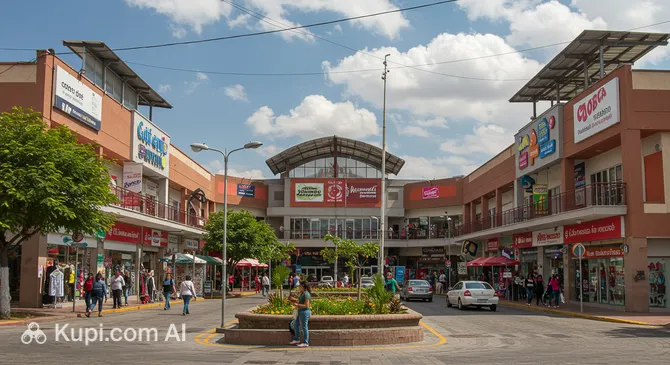
Nezahualcóyotl is more than just a city; it is one of the most dynamic and densely populated municipalities in the State of Mexico. As part of the giant Mexico City metropolitan area, it rose literally from nothing—built on the drained bed of the ancient Lake Texcoco. Today, it is a vast metropolis that impresses with its scale and the bustling energy of everyday life.
The city's geographical location at an altitude of 2,200 meters above sea level defines its climate, while its population of over 1.1 million people makes it one of the country's largest urban centers. The history of the city's founding is unique: at the beginning of the 20th century, there were only marshlands here, but after large-scale reclamation projects and the construction of dams in the 1940s, the territory began to be actively settled by colonists.
Nezahualcoyotl. Illustration.
Source: Kupi.com AI
The city was named in honor of the legendary poet-king Nezahualcóyotl, whose name translates to "fasting coyote." His legacy as a sage and patron of the arts is still revered by local residents. Tourists are drawn here by the opportunity to see "the real Mexico" outside the usual resort zones, explore modern monumental architecture, and feel the rhythm of life in a massive metropolis.
A visit to Nezahualcóyotl is an excellent addition to a trip to Mexico City, allowing for a deeper understanding of the social and cultural fabric of the modern country. We invite you to explore this city of contrasts, where the history of ancient civilizations intertwines with 20th-century urbanism.
Weather Overview
The climate in Nezahualcóyotl is typical of the central Mexican highlands. The city is located in the Valley of Mexico, so a temperate and comfortable temperature regime prevails here. The average annual temperature is about 16°C, with daytime temperatures usually warming to a pleasant 22–25°C, while at night it can drop to 7–10°C.
There are two main seasons throughout the year: dry and rainy. From May to October, rainstorms frequently occur in the region, peaking in July and August—during these months, more than 200 mm of precipitation falls. Winter (from November to April) is characterized by dry and sunny weather; however, strong winds are possible at this time of year, kicking up dust from the open spaces of the former Lake Texcoco. When planning a visit, it is worth checking the detailed climate of the city to choose the right wardrobe.
The best time for a trip is during the spring months (March-April) or late autumn, when there is little rain and the air temperature is most stable. Expect warm summers with occasional afternoon thunderstorms and cool, clear winter nights. Due to the high altitude, acclimatization may take a couple of days, so don't forget sun protection and staying hydrated.
Average monthly temperature
Average monthly precipitation
Interesting Facts
The city is named after the great poet-king Nezahualcóyotl (1402–1472), who became famous for creating a library and an academy of music in ancient Texcoco.
The entirety of Nezahualcóyotl is built on the former bed of Lake Texcoco, which was completely drained at the beginning of the last century.
The city's coat of arms, approved in the 1990s, features a coyote's head with its tongue out and a golden collar, symbolizing the royal lineage of its patron.
The city received official municipality status relatively recently—on April 23, 1963, merging several informal settlements.
It is one of the most densely populated areas in the world, with over a million people living in an area of approximately 63 square kilometers.
How to Get There
Nezahualcóyotl boasts excellent accessibility thanks to its location in the eastern part of the capital's metropolitan area. The city is fully integrated into the regional road network, making it convenient for both short trips and long stays. Most tourists find out how to get to the city by looking for transport hubs in neighboring Mexico City.
The nearest major air hub is Mexico City International Airport (AICM). From the airport terminals, the center of Nezahualcóyotl can be reached by taxi in 45–60 minutes. Public transport is also available, including the metro system and suburban buses that run regularly. There are no direct passenger rail lines within the city itself, as the primary focus is on road transport and the metro.
Intercity buses are actively used for travel between cities. The main departure point from the capital toward Nezahualcóyotl is the North Bus Terminal (Terminal Norte). A trip by private or rental car from the center of Mexico City will take about an hour, though heavy traffic during peak hours should be taken into account.
Station
Passenger traffic
Distance
Buenavista Station
7
18 km
Buenavista Station
7
18 km
2
199 km
Main Attractions
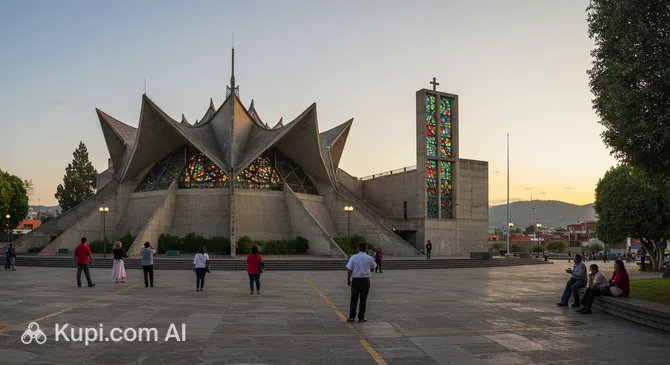
Nezahualcóyotl offers guests a chance to explore architectural and cultural sites that reflect both the city's religious life and its unique history. One of the main spiritual landmarks is the Cathedral of Jesus, Lord of Mercy. This modern, majestic building serves as a hub for local residents and impresses with its scale and interior decor.
Cathedral of Jesus the Lord of Mercy. Illustration.
Source: Kupi.com AI
Traveller photos:
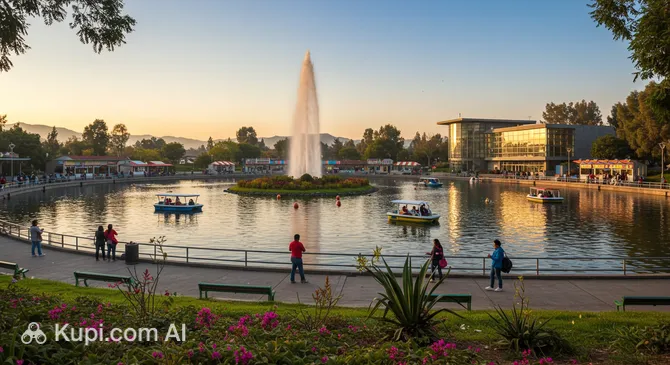
For those seeking a quiet break and a walk in the fresh air, the Artificial Lake Chimalhuacán is an excellent choice. This area is an important recreational zone where you can enjoy water views and escape the urban bustle, serving as a reminder that this entire valley was once covered by lakes.
Chimalhuacán Artificial Lake. Illustration.
Source: Kupi.com AI
Traveller photos:
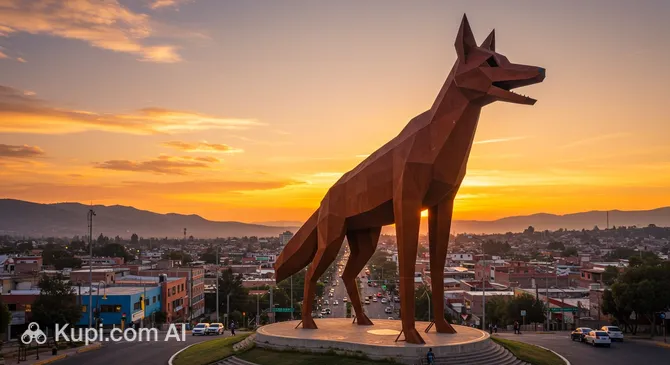
A symbol of the city and a tribute to its great namesake is the El Coyote monument. The sculpture depicts a coyote's head with a royal necklace, referring to the municipality's coat of arms and the Aztec heritage of the ruler Nezahualcóyotl. It is one of the most recognizable spots in the city and a must-visit for fans of monumental art.
El Coyote. Illustration.
Source: Kupi.com AI
Traveller photos:
Local Cuisine
The gastronomic scene in Nezahualcóyotl is a true celebration of central Mexican flavors. The local diet is based on dishes made from corn, chili, and meat, prepared according to ancient recipes. Be sure to try traditional barbacoa (slow-cooked meat) and classic Mexican tacos, which are sold on almost every corner in street taquerías.
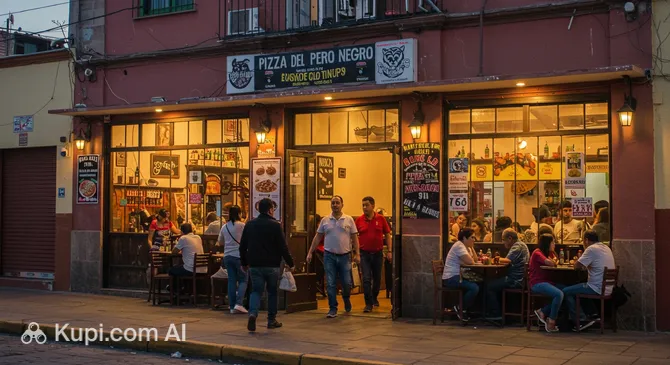
If you want to have a bite in a more familiar setting, check out Pizza del Perro Negro. This establishment is famous for its creative approach to pizza with unusual toppings that blend elements of fast food and Mexican cuisine. Another popular spot for a hearty lunch is the restaurant Los Cocos, which serves fresh seafood dishes and traditional snacks.
Pizza del Perro Negro. Illustration.
Source: Kupi.com AI
Traveller photos:
The street food culture in the city is thriving: tamales, quesadillas, and hot elotes (corn on the cob) can always be found in markets and squares. As for drinks, locals prefer aguas frescas (refreshing fruit waters), atole, and, of course, pulque. An evening meal in a local cantina with live mariachi music is the best way to feel the hospitable character of Nezahualcóyotl's residents.
Travel Tips
Preparing for a trip to Nezahualcóyotl will help you make your journey as comfortable and safe as possible. These tips from experienced travelers will allow you to adapt more quickly to the local pace of life.
Clothing and gear: Considering the altitude of 2,200 meters, bring light clothing for the day and a warm jacket or sweater for the evening. Comfortable closed-toe shoes are a must for walking through markets and city streets. Don't forget sunscreen—the sun is very strong at this altitude.
Transport: Use the metro during the day to avoid traffic jams. For trips after sunset, always call an Uber or an official taxi through an app.
Finances: Always carry cash pesos (small denominations). Cards are accepted in shopping malls, but at markets and street cafes, you will only need physical cash.
Health: Drink only bottled water and use it even for brushing your teeth. Due to the altitude, slight shortness of breath is possible, so drink more clean water to help with acclimatization.
Communication: The primary language is Spanish. English is understood in large shopping centers, but in regular neighborhoods, it is helpful to know basic phrases: "Gracias," "¿Cuánto cuesta?", "Por favor."
Local Etiquette: Mexicans are very polite. Always say hello when entering a shop or restaurant ("¡Buenos días!" or "¡Buenas tardes!").
What to avoid: Do not display expensive gadgets or jewelry in crowded places. Avoid walking alone in unfamiliar outlying areas, especially at night.
Useful App: Download Google Maps offline and a taxi-hailing app in advance. This will significantly simplify navigation in the massive metropolis.
Following these simple rules will allow you to enjoy the city's flavor and bring home only positive impressions of your trip to this amazing corner of Mexico!
Entertainment & Nightlife
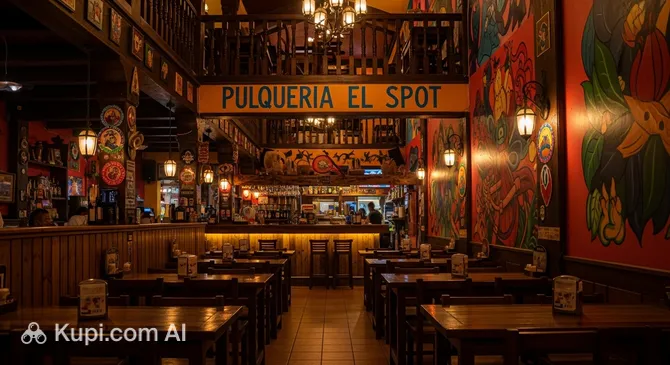
Entertainment in Nezahualcóyotl is closely tied to Mexican traditions and centered in cozy local venues. If you want to experience an authentic atmosphere, be sure to visit traditional pulquerías. For example, Pulquería El Spot offers a chance to try the ancient Aztec drink, pulque, in a modern and friendly setting.
Pulqueria El Spot. Illustration.
Source: Kupi.com AI
Traveller photos:
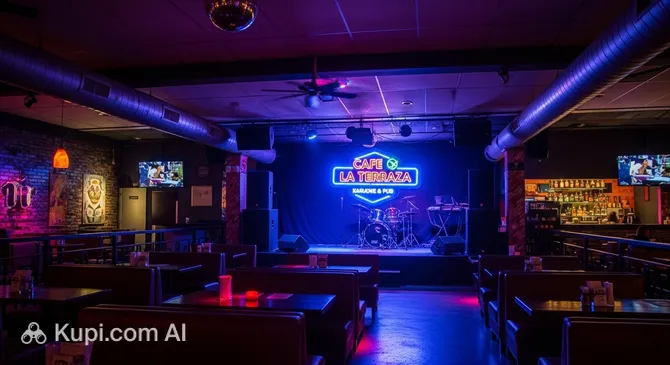
You can continue your introduction to the local culture at La Diosa del Pulque, a popular gathering spot for youth and lovers of traditional culture. Evening leisure in the city is hard to imagine without music and dancing—locals love karaoke and live performances. A popular spot for a fun evening is La Terraza Karaoke & Pub, where you can not only sing your favorite hits but also enjoy drinks with friends.
Café La Terraza Karaoke & Pub. Illustration.
Source: Kupi.com AI
Traveller photos:
Daytime activities include visiting municipal parks and sports complexes, which often host local festivals and celebrations. While many prefer to travel to the neighboring capital for loud nightclubs, the nightlife in Nezahualcóyotl itself is characterized by the warmth of family cantinas and affordable prices. For safety late at night, it is recommended to use official taxi apps.
Parks & Museums
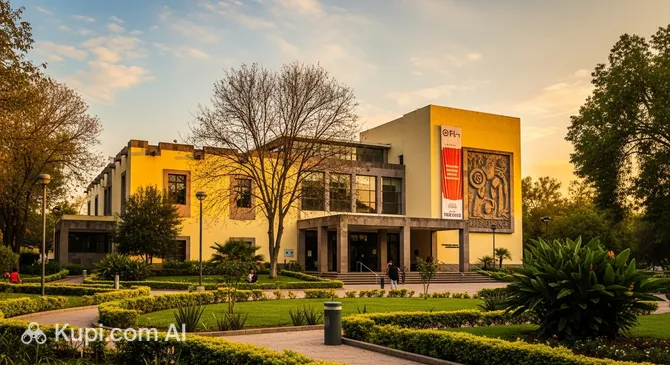
Despite the dense urban development, there are places in Nezahualcóyotl where you can connect with nature and history. A key site is the Natural History Museum — Parque del Pueblo. This unique complex combines a zoo, a planetarium, and educational exhibits. The park is perfect for family vacations: it has many shaded paths and playgrounds for children.
Natural History Museum – Parque del Pueblo. Illustration.
Source: Kupi.com AI
Traveller photos:
City parks are often established on the sites of former vacant lots, transforming into modern green zones with sports courts and picnic areas. While there are fewer large art galleries here than in the center of Mexico City, the street culture and murals on the walls of buildings are themselves a kind of open-air museum, telling the story of modern Mexican society.
For a deeper dive into the region's archaeological heritage, it is worth visiting nearby Texcoco, where exhibits tell the story of the reign of the poet-king Nezahualcóyotl. Within the city itself, the focus is on public spaces where residents meet for cultural events and festivals, maintaining a spirit of neighborliness and community.
Getting Around
Nezahualcóyotl's transport system is inextricably linked to the Mexico City network, ensuring high mobility for residents and tourists. The main role in passenger transport is played by metro stations on Lines A and B, such as Pantitlán, Nezahualcóyotl, and Tepecalco. The metro is the fastest and most budget-friendly way to reach the capital's center, bypassing the megalopolis's famous traffic jams.
Within the city itself, numerous minibuses (colectivos) and RTP system buses operate. These minibuses cover even the most remote areas, but for tourists, a ride on them can be quite an adventure due to the lack of clear schedules. Metro fares are paid using a single rechargeable card, while in the minibuses, you usually need to pay the driver in cash upon entry.
As an alternative to public transport, taxi services and Uber are widely available. This is the safest and most comfortable option for getting around in the evening. Bike rentals are poorly developed in the city, as heavy traffic and the layout of the streets make cycling difficult. When planning trips, it is important to consider peak hours (from 7 to 10 AM and from 6 to 9 PM), when the load on roads and the metro reaches its maximum.
Accommodation
Accommodation options in Nezahualcóyotl are primarily geared toward practical travelers and those visiting the region on business. Mid-range hotels (3–4 stars) predominate here, along with numerous budget-friendly motels and apartments available through popular rental services. Luxury five-star hotels from international chains are best sought in neighboring Mexico City, from which Nezahualcóyotl is easily accessible by transport.
When choosing a place to stay, it is worth looking at areas located near metro stations (Lines A and B), such as Pantitlán or Santa Marta. Staying in this part of the city significantly simplifies travel throughout the entire metropolitan area. The general price range here is noticeably lower than in the central districts of the capital, making the city attractive for budget tourism.
It is recommended to book accommodation in advance, especially if your trip coincides with major Mexican holidays or festivals in the State of Mexico. International booking systems can be used to find suitable options. When checking into smaller local hotels, it is useful to have cash pesos on hand, as card terminals are not available everywhere.
Nearby Cities
Thanks to its location, Nezahualcóyotl is an excellent starting point for exploring the eastern part of the Valley of Mexico. Just a few kilometers away are cities with rich history and interesting attractions. For example, neighboring Chimalhuacán is famous for its cultural traditions and proximity to natural recreation areas.
For those interested in Aztec history, a trip to Texcoco is a must. It was the capital of the ancient Acolhua kingdom, ruled by the great Nezahualcóyotl. Today, ruins of pyramids and temples can be seen there. It is also worth visiting the city of Ixtapaluca, where archaeological zones and interesting examples of colonial architecture have been preserved.
A journey through the surrounding areas will help you better understand how the region developed after the great lake was drained. We recommend setting aside a couple of days to explore these destinations to see the contrast between the ultra-modern districts of the megalopolis and the quiet historical centers of neighboring municipalities.
Shopping & Souvenirs
Shopping in Nezahualcóyotl offers travelers a unique blend of modern shopping complexes and colorful local markets. While the city is not a center for luxury brands, it is ideal for purchasing quality everyday goods, clothing, and authentic souvenirs. The main shopping zones are concentrated in the municipality's center (Ciudad Neza) and along the main avenues.
For those who prefer comfortable shopping with air conditioning and food courts, the doors of major malls are open. For example, Plaza Ciudad Jardín is a huge shopping center built on the site of a former landfill, which became a symbol of the city's environmental rebirth. Also popular is Plaza Centro Tepozán, which features a wide selection of electronics, fashion, and home goods stores.
Ciudad Jardín Plaza. Illustration.
Source: Kupi.com AI
Traveller photos:
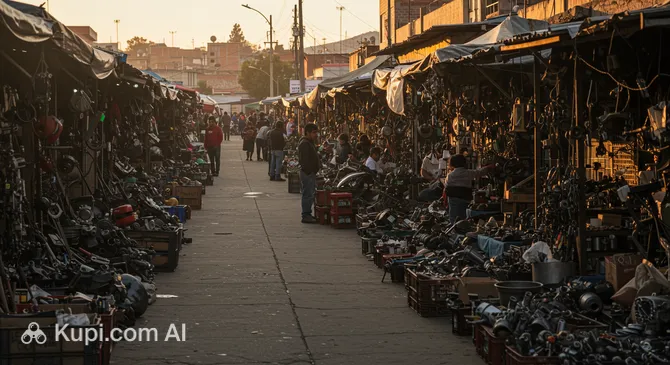
If you are looking for authentic Mexican souvenirs, head to the local markets. Look for items with Aztec motifs, traditional sombreros, and ceramics. Keep an eye out for products featuring the city's symbol—the coyote. Markets operate from early morning until late evening; payment is most often accepted in cash pesos, although credit cards work without issues in major stores.