Support

Valladolid

About

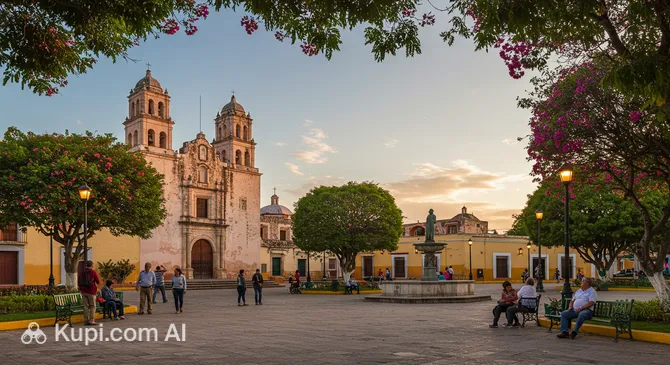
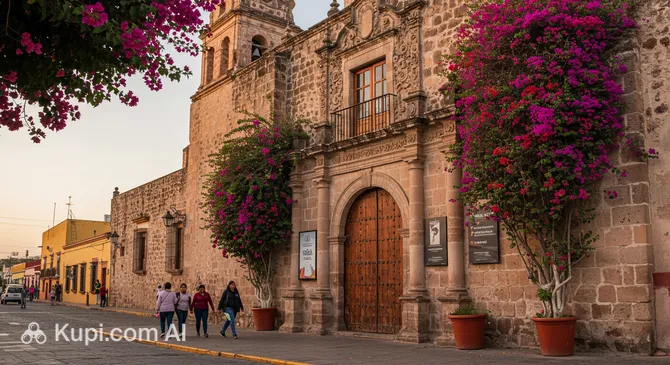
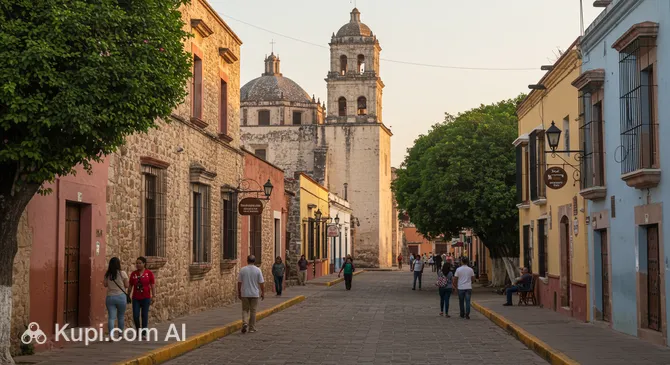
Valladolid is a charming colonial city that is rightfully called the heart of the Yucatan Peninsula in Mexico. It attracts travelers with its authentic atmosphere, colorful streets, and rich history. Valladolid holds the proud status of a "Magical Town" (Pueblo Mágico), awarded for its cultural heritage and unique character, allowing visitors to immerse themselves in real Mexican life away from the hustle and bustle of major resorts.

The city is conveniently located about two hours from Cancun and two and a half hours from Merida, the capital of the state of Yucatan. Valladolid's population is just under 50,000, which creates a cozy and friendly environment. There is a slow pace here, perfect for those who want to relax while strolling through cobbled streets lined with the pastel facades of old houses.
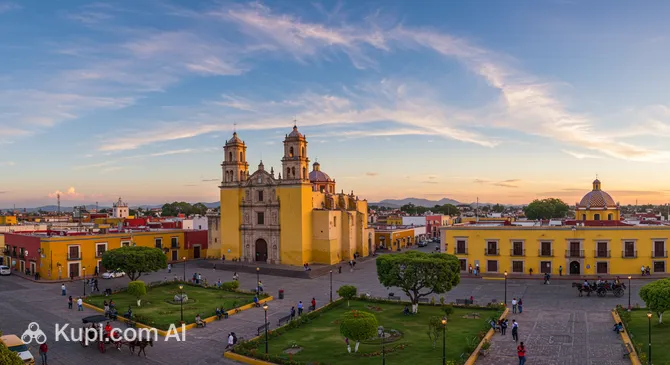
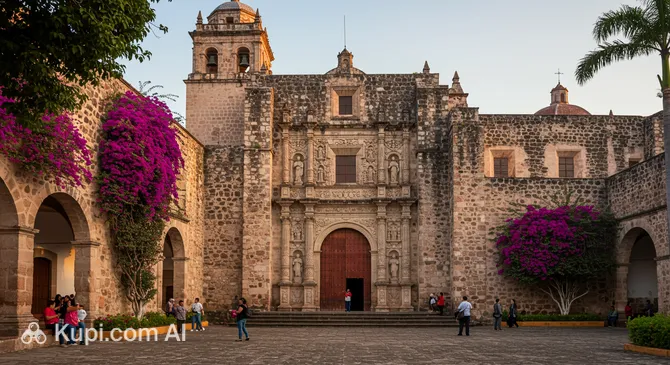
Valladolid. Illustration.
Source: Kupi.com AI

Valladolid is famous for its landmarks and serves as an excellent starting point for exploring the region. Be sure to visit the central square – Francisco Cantón Rosado Park, where local life hums, and the majestic San Servacio Cathedral. Near the city are famous Mayan archaeological zones such as Chichen Itza and Ek Balam, as well as numerous mysterious cenotes – natural sinkholes with crystal-clear water, perfect for a refreshing swim.

Valladolid is a place where history meets modernity, where you can enjoy unique Yucatecan cuisine and feel the true spirit of Mexico. This city will undoubtedly leave warm memories and a desire to return again.

You can find more interesting facts on the history of Valladolid page.
Weather Overview

In Valladolid, you can expect hot weather throughout the year. Look forward to warm and mostly dry months from November to April, when rainfall is minimal, and a more humid but still very warm period from June to October, characterized by an increase in rainy days. Average monthly temperatures range from 23.9°C in January to a peak of 29.6°C in May. To get more detailed information and plan your trip according to weather conditions, we recommend visiting the Climate in Valladolid page.

Average monthly temperature

Average monthly precipitation

Interesting Facts

In addition to its famous colonial streets and proximity to cenotes, Valladolid hides many amazing stories and little-known details. This city in Mexico, located on the Yucatan Peninsula, never ceases to surprise its guests. Here are just a few curious facts about it:

Convent of San Bernardino of Siena. Illustration.
Source: Kupi.com AI

Traveler photos:

  • Originally, Valladolid was not founded in its current location! The city was first established in another spot, but due to swampy terrain and problems with access to drinking water, it had to be moved to the site of the ancient Mayan city of Zaci.

  • Valladolid played a key role in the history of the Yucatan, becoming the place where the Caste War began in 1847. This was one of the largest and longest uprisings of the indigenous Mayan population against Spanish rule, leaving a deep mark on the culture and identity of the region.

  • According to one city legend, a secret underground passage is hidden beneath the famous Convent of San Bernardino de Siena, built in the 16th century. It is believed that this tunnel led to one of the cenotes, providing the monks with water and serving as a reliable shelter in times of danger.

  • Due to its elegant colonial architecture, well-kept streets, and rich history, Valladolid earned the poetic nickname "The Pearl of the East" or "Sultana of the East" (La Sultana del Oriente). This emphasizes its cultural and historical significance for the entire Yucatan Peninsula.

How to Get There

The colonial city of Valladolid, located in the heart of the Yucatan Peninsula, can be reached in various ways, primarily through the international airports of neighboring cities. Valladolid itself does not have its own airport, but its strategic position ensures convenient transport links.

The main hub for most travelers heading to Valladolid is Cancun International Airport (CUN). This major international airport is located in the city of Cancun, about 143 km east of Valladolid. A trip by car or a comfortable bus (e.g., the ADO company) will take about 2 - 2.5 hours.

Another convenient arrival point is Tulum International Airport (TQO). It is located about 81 km south of Valladolid, in the city of Tulum, making it the closest of the recently opened major airports. The road from here to Valladolid by car or taxi will take about 1.5 hours.

You can also consider flying into Manuel Crescencio Rejón International Airport (MID), located in the capital of the state of Yucatan, Merida. The distance from Merida to Valladolid is about 154 km to the west, and the trip by car or bus usually takes 2 - 2.5 hours. This airport serves both domestic and some international flights.

From any of these airports, you can get to Valladolid by intercity buses (the ADO company is the most popular), rent a car (which gives more flexibility for exploring the region), or use taxi or private transfer services. It is recommended to check bus schedules or book a car in advance, especially during the high tourist season.

For clarity, here is a summary of the main airports used to reach Valladolid:

AirportPassenger trafficDistance
Tulum International Airport1.1 mln81 km
Cozumel Airport677 503134 km
Cancun International Airport32.8 mln143 km
Manuel Crescencio Rejon International Airport3.7 mln154 km
Chetumal Airport433 527242 km

Main Attractions

Valladolid, a charming colonial city on the Yucatan Peninsula in Mexico, offers travelers many interesting sites. Here are just a few of the top attractions you shouldn't miss:

One of the most significant historical buildings in Valladolid is the Convent of San Bernardino de Siena. This impressive Franciscan monastery, founded in the 16th century, strikes visitors with its monumental architecture and rich history. Inside, you can see ancient frescoes and altarpieces, as well as visit a small museum. In the evening, a light show telling the history of the city and the region is often projected onto the convent walls.

Convent of San Bernardino of Siena. Illustration.
Source: Kupi.com AI

Traveler photos:

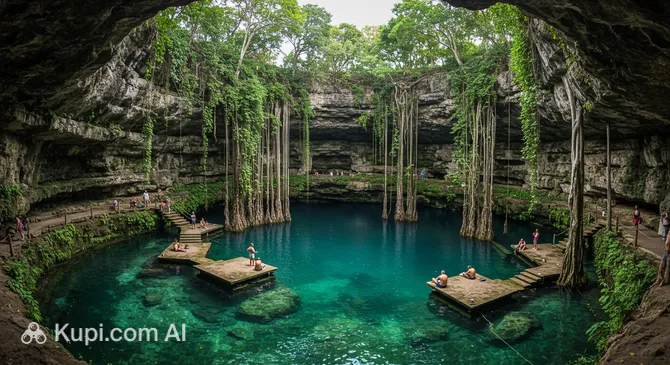
You can't visit Valladolid without seeing at least one cenote. Cenote Zaci is a unique natural formation, a partially collapsed karst sinkhole with fresh water located right within the city limits. Here you can swim in the cool water while admiring hanging tree roots and the play of light. It's a great place to refresh yourself and get in touch with Yucatan's nature.

Cenote Zaci. Illustration.
Source: Kupi.com AI

Traveler photos:

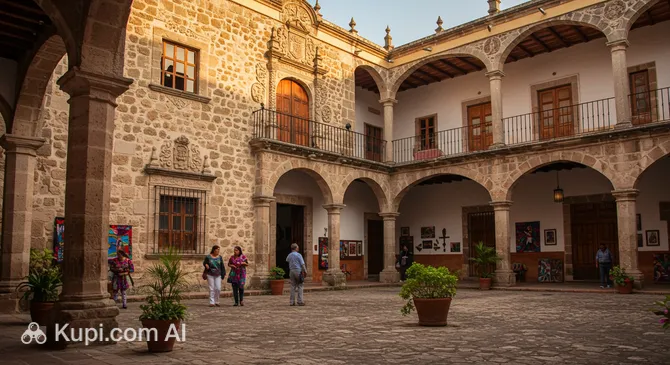
Art and Mexican culture lovers should definitely stop by Casa de los Venados. This private house-museum houses one of the largest private collections of Mexican folk art. The owners, an American couple, warmly conduct tours, sharing stories about the exhibits collected from across the country. Visits are available by prior appointment and offer a true immersion into the vibrant and unique world of Mexican crafts.

Casa de los Venados. Illustration.
Source: Kupi.com AI

Traveler photos:

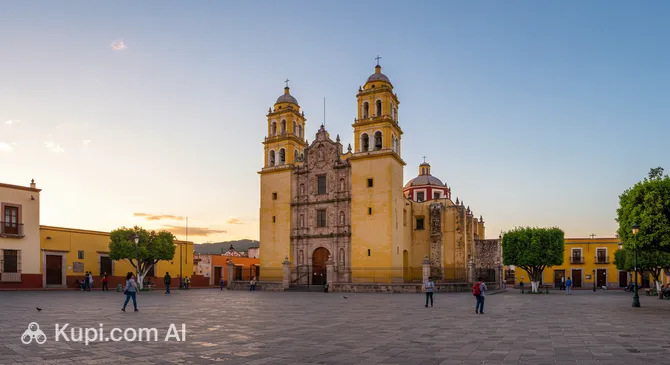
In the heart of the city, at the Francisco Cantón Rosado Main Square, stands the San Servacio Church. This Catholic temple, built on the site of an ancient Mayan structure, has a complex history—it was destroyed and rebuilt in the 18th century. Its two majestic bell towers and carved facade are hallmarks of Valladolid. Inside, you can appreciate the peaceful atmosphere and traditional decor.

San Servacio Church. Illustration.
Source: Kupi.com AI

Traveler photos:

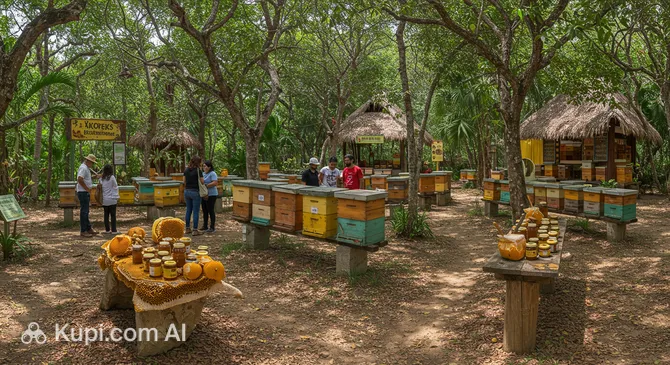
For a unique and educational experience, head to the Xkopek Beekeeping Park. This is not just an apiary, but a real ecological project dedicated to the conservation of local bee species, including the stingless Melipona bees revered by the ancient Maya. Here you can learn a lot of interesting things about bee life, the honey production process, and its healing properties, as well as taste and purchase natural honey.

Xkopek Beekeeping Park. Illustration.
Source: Kupi.com AI

Traveler photos:

Local Cuisine

Valladolid is a true gastronomic paradise for connoisseurs of authentic Yucatecan cuisine. The city is famous for its unique flavors and recipes passed down from generation to generation. One of the main dishes that you should definitely try is cochinita pibil. Tender pork marinated in sour orange juice and achiote paste (from annatto seeds), then slow-roasted in banana leaves, traditionally in an earth oven (pib). This aromatic dish is usually served with pickled red onions and warm corn tortillas.

Another gastronomic pride of Valladolid is longaniza de Valladolid. This special smoked pork sausage, seasoned with local spices, has a rich flavor and aroma. It is often served with refried beans, salsa, and fresh vegetables. Also worth noting are tamales colados – delicate corn cakes steamed in banana leaves, filled with chicken or pork, and generously drizzled with tomato sauce.

Street food in Valladolid is a pleasure of its own. Be sure to try marquesitas – crispy wafer rolls that are prepared right in front of you and filled with Dutch Edam cheese and, if desired, condensed milk or chocolate. Local markets are a great place to discover fresh exotic fruits, vegetables, and other local products. There you can also find coconut and pumpkin-based sweets.

Among drinks, refreshing aguas frescas are popular in Valladolid – natural drinks made from fruits, flowers, or seeds, such as horchata (from rice), jamaica (from hibiscus flowers), and tamarindo. For those who prefer something stronger, it's worth trying Xtabentún – a traditional Yucatecan liqueur based on honey and anise, with roots in Mayan culture.

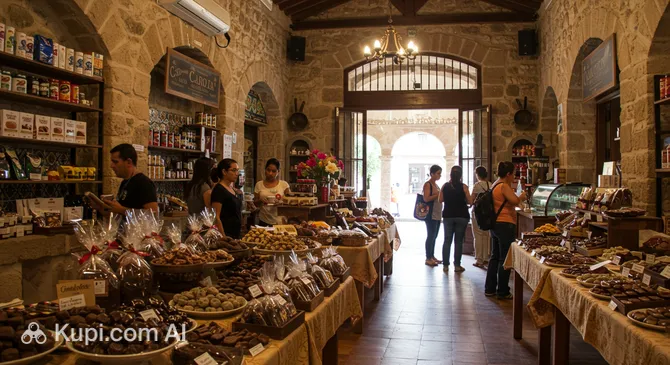
Carolin Cacao Cafe Boutique. Illustration.
Source: Kupi.com AI

Traveler photos:

The food culture in Valladolid is diverse. Locals and tourists alike can enjoy a meal in cozy family restaurants or in more refined establishments. One of the interesting places where you can try local delicacies and cocoa-based drinks is Carolin Cacao Cafe Boutique. The city is also known for its gastronomic festivals, which are held periodically and provide an opportunity to get acquainted with the culinary diversity of the region.

Overall, the gastronomic scene of Valladolid is distinguished by its authenticity, use of fresh local ingredients, and deep connection to Mayan traditions. It is a place where everyone will find a dish to their liking, from hearty meat delicacies to light street snacks and exotic drinks.

Travel Tips

Welcome to charming Valladolid! To make your journey through this colonial city in the heart of the Yucatan, Mexico, as comfortable and memorable as possible, we have prepared some useful tips.

  1. Clothing and Items: What to Bring

    Valladolid is located in the hot and humid climate of the Yucatan, so choose lightweight, breathable clothing made from natural fabrics (cotton, linen). Shorts, T-shirts, and sundresses will be your best friends. For evening walks or protection from mosquitoes, a light sweater or long-sleeved shirt might be useful. Comfortable shoes are a must for exploring cobbled streets and cenotes – sandals or light sneakers. Don't forget sunscreen with a high SPF, a hat, sunglasses, and insect repellent. For electrical appliances, you will need an adapter (type A and B sockets are used in Mexico, voltage is 127V). When visiting churches, such as San Servacio Cathedral, show respect by covering your shoulders and knees.

  2. Transport: How to Get Around the City

    Valladolid is a compact city, and its historic center is perfect for walking. This is the best way to feel the city's atmosphere. For longer distances, such as to cenotes or archaeological zones like Chichen Itza, you can use local buses (colectivos) or taxis. Taxis are relatively inexpensive, but always agree on the price before the trip begins. Car rental can be a good option if you plan to travel extensively around the area and value independence.

  3. Finances: Currency, Cards, and Tipping

    The local currency is the Mexican Peso (MXN). You can exchange US dollars or Euros at banks or exchange offices (casas de cambio). Credit and debit cards (Visa, Mastercard) are accepted in most hotels, restaurants, and large stores. However, always carry some cash for small purchases at markets, small shops, and for paying entrance fees at some cenotes. ATMs (cajeros automáticos) are quite common. Tipping (propina) is an important part of the service culture in Mexico; in restaurants, it is customary to leave 10-15% of the bill if it is not included automatically.

  4. Health and Safety: Be Careful

    Valladolid is considered one of the safest cities in the Yucatan. Nevertheless, follow standard precautions: watch your belongings, do not carry large sums of money, and do not leave valuables unattended. Drink only bottled water. Pharmacies (farmacias) are easy to find, and many common medicines are sold without a prescription. Travel medical insurance is always recommended.

  5. Communication: Language and Connectivity

    The official language is Spanish. In tourist areas, many people speak English, but knowing a few basic phrases in Spanish (e.g., "Hola" – hello, "Gracias" – thank you, "Por favor" – please, "¿Cuánto cuesta?" – how much does it cost?) will significantly ease your communication and be warmly received by locals. Wi-Fi is available in most hotels, cafes, and restaurants. For constant connectivity, you can purchase a local SIM card (e.g., Telcel).

  6. Local Etiquette: Respect and Friendliness

    Mexicans are very friendly and hospitable. A simple "Hola" or "Buenos días" (good morning) with a smile is always appropriate. Show respect for local traditions and customs. Be patient if things don't happen as quickly as you are used to – the slow pace of life (mañana-style) is valued here. When photographing locals, especially those in traditional dress, always ask for permission.

  7. What to Avoid: Important Points

    Try not to drink tap water – always buy bottled. Also, avoid displaying expensive jewelry or large amounts of money in public places to avoid attracting unnecessary attention. Do not neglect sunscreen, even in cloudy weather – the sun in the Yucatan is very active.

  8. Additional Tip: The Magic of Cenotes and Local Color

    Be sure to visit several cenotes around Valladolid – these are unique natural sinkholes with crystal-clear water, sacred to the Maya. Also, don't miss the colorful facades of the houses – look into the courtyards (patios), where cozy cafes or shops are often hidden. Try the local Yucatecan cuisine – it is delicious (e.g., cochinita pibil or sopa de lima).

Valladolid is a city with a unique atmosphere where history meets vibrant culture. By following these simple tips, you can fully enjoy its beauty, hospitality, and make your trip unforgettable. Have a nice trip!

Entertainment & Nightlife

In the evening, Valladolid charms with its quiet and authentic atmosphere, offering guests cozy options for relaxation after a busy day. While it is not a city of loud nightclubs, you can spend a wonderful time in traditional Mexican cantinas, stylish bars, and restaurants, enjoying local drinks and cuisine.

The main evening life is concentrated around the Francisco Cantón Rosado main square and on the picturesque Calzada de los Frailes. Here you will find many establishments where you can relax with a cocktail or a glass of wine. The atmosphere in most places is laid-back, and the crowd is a mix of locals and tourists. The dress code is usually casual, though smart casual may be appropriate for some of the more refined restaurants. Establishments usually come to life towards the evening and stay open until late at night, especially on weekends.

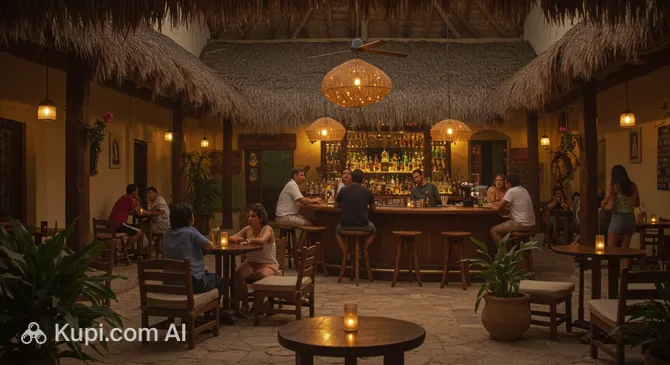
Nena Nena. Illustration.
Source: Kupi.com AI

Traveler photos:

Among specific spots, the bar Nena Nena is worth noting, known for its pleasant atmosphere and good selection of drinks. For dinner or evening coffee, you can stop by Carolin Cacao Cafe Boutique, which offers a cozy setting. Many restaurants in the center also offer live music or small cultural performances in the evenings. Prices in Valladolid's bars and restaurants are generally moderate.

Practical tips: The best time for evening walks and visiting bars is after 8:00 PM, especially on Friday and Saturday. Getting around the city center at night is convenient on foot. For longer trips or if you are returning late, you can use taxi services. It is recommended to check the number of a local taxi service in advance or ask your hotel or establishment to call a car for you. Central areas of Valladolid are considered quite safe for evening walks, but one should always follow standard precautions.

During the day, Valladolid also offers many interesting activities. You can visit the Museum of Valladolid to learn more about the region's history or spend time in nature at the Xkopek Beekeeping Park. The historic center is rich in sights such as the Convent of San Bernardino de Siena and the majestic San Servacio Church, which are also worth your attention.

Parks & Museums

Valladolid is a charming city where the colonial past meets the natural treasures of the Yucatan. Travelers will find not only well-kept green spaces for relaxation but also a rich cultural heritage embodied in museums and ancient architecture.

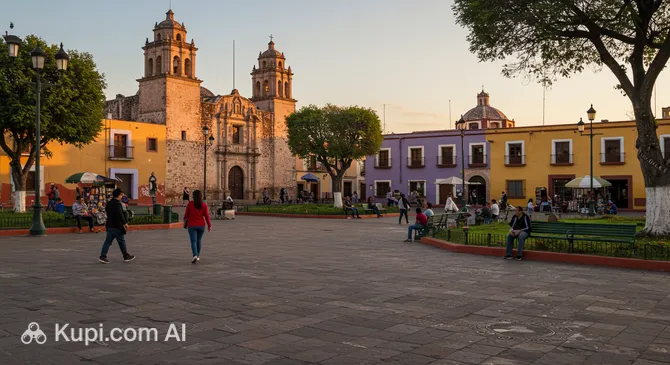
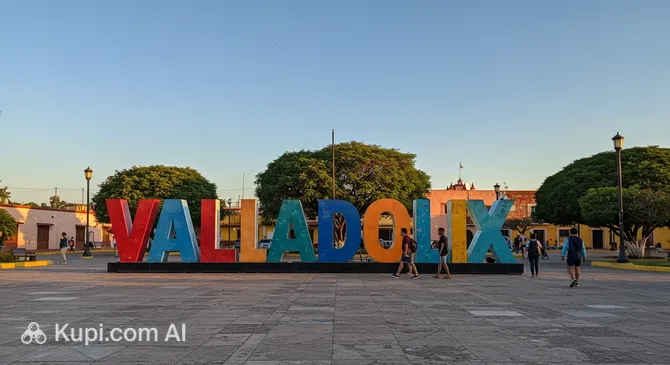
The center of social life and a favorite spot for leisurely strolls is the Francisco Cantón Rosado Main Square (Parque Principal Francisco Cantón Rosado). Here you can relax in the shade of sprawling trees, observing the city's slow pace and admiring the colonial buildings. Nearby are the famous Valladolid Letters — a popular spot for souvenir photos. Another attractive green oasis is San Juan Park, which offers a peaceful atmosphere for rest. For a unique experience of immersion into nature and Mayan culture, visit the Xkopek Beekeeping Park, where you can learn about the traditions of breeding Melipona bees and walk through an exotic garden. And, of course, it's impossible to imagine Valladolid without its cenotes: Cenote Zaci, located right in the city center, offers a chance to refresh yourself in the crystal-clear waters of a karst lake.

Francisco Cantón Rosado Main Square. Illustration.
Source: Kupi.com AI

Traveler photos:

Valladolid Letters. Illustration.
Source: Kupi.com AI

Traveler photos:

San Juan Park. Illustration.
Source: Kupi.com AI

Traveler photos:

To delve deeper into the history and culture of the region, be sure to stop by local museums. The Museum of Valladolid (Museo de Valladolid) holds exhibitions telling the history of the city and its surroundings, from the Mayan era to the present day. For lovers of Mexican folk art, Casa de los Venados is a real discovery — a private house-museum with an impressive collection of artworks from all corners of the country. This place allows you to see unique handmade items and learn more about rich Mexican traditions.

Valladolid Museum. Illustration.
Source: Kupi.com AI

Traveler photos:

The architectural heritage of Valladolid is equally remarkable. The majestic San Servacio Church (Iglesia de San Servacio), dominating the main square, is one of the main symbols of the city, striking in its history and architecture. Not far from the center rises the monumental Convent of San Bernardino de Siena (Convento de San Bernardino de Siena) — one of the oldest Franciscan monasteries in the Yucatan, which impresses with its size and atmosphere of tranquility. A walk along the picturesque Calzada de los Frailes, connecting the city center with the convent, is a journey back in time in itself, thanks to its colorful houses, cozy boutiques, and cafes.

Calzada de los Frailes. Illustration.
Source: Kupi.com AI

Traveler photos:

Insider Tip: To truly feel the charm of Valladolid, take a stroll along Calzada de los Frailes in the evening, when the daytime heat subsides, and stop by one of the local cafes. And if you are looking for solitude, explore the lesser-known cenotes around the city — this will give you unforgettable impressions and the chance to enjoy nature away from the main tourist routes.

Getting Around

Planning a trip to Valladolid and wondering how to get around the city? The public transport system here is quite simple and oriented toward the needs of both locals and tourists who prefer authentic ways to move around.

The main form of public transport in Valladolid consists of local buses and shared taxis known as "colectivos". Buses run along the main streets, connecting the center with more distant neighborhoods. Colectivos are minibuses or cars that follow fixed routes but are often ready to stop upon a passenger's request. This is a very popular and economical way to travel. Given the compact size of the city's central part, many attractions are within walking distance.

The fare payment system in Valladolid is straightforward: as a rule, payment is made in cash directly to the driver upon boarding. The cost of travel on buses and colectivos is low, making them an affordable option. There are typically no specialized transit cards or mobile apps for public transport payment in the city. It is recommended to have small change with you for convenience.

Here are some practical tips for tourists:

  • Tickets for buses and colectivos are purchased from the driver.
  • To stop a bus or colectivo at the stop you need (or just on the street if it's a colectivo), let the driver know in advance. Sometimes a simple wave of the hand is enough.
  • Public transport usually starts early in the morning and ends in the evening, but frequency may decrease during late hours.
  • Routes are not always obvious, so don't hesitate to ask the driver or locals if the transport goes in your desired direction.

In addition to public transport, there are other ways to get around Valladolid. Taxis are easy to find, especially in the city center, near the bus station, and by major hotels. It is recommended to agree on the fare before the trip begins, as taximeters are not always used. For exploring the city and its picturesque surroundings, including nearby cenotes, bicycle rental is very popular. Many hotels and specialized rental points offer this service. Car rental is also possible, especially if you plan longer trips around the region.

Accommodation

In Valladolid, you will find a variety of accommodation options suitable for any budget and preference. The city offers a wide range of lodging: from cozy budget hostels and guesthouses to charming boutique hotels, many of which are located in restored colonial buildings, and even more luxurious options with pools and gardens.

Many tourists prefer to stay in the historic city center, as it provides easy access to the main attractions, such as the Francisco Cantón Rosado Main Square, the San Servacio Church, and the Convent of San Bernardino de Siena. The area around the colorful Calzada de los Frailes street is also popular for its stylish hotels, cafes, and boutiques. As an example of an attractive accommodation option, the Quinta Marciala Hotel Boutique can be mentioned, offering a comfortable stay.

Quinta Marciala Boutique Hotel. Illustration.
Source: Kupi.com AI

Traveler photos:

Regarding booking, it is recommended to take care of accommodation in advance, especially if your trip falls during the high tourist season (usually the winter months and Easter holidays) or during local festivals. Prices range from very affordable in hostels to higher in premium hotels. You can book accommodation through popular online platforms, travel agencies, or directly through hotel websites.

Nearby Cities

For those who want to explore the surrounding area, Valladolid serves as an excellent starting point for day trips to several interesting nearby locations:

CityPopulationDistance
Chemax14 88528 km
Espita11 55137 km
Chichen Itza38 km
Tizimin46 97151 km
Izamal16 19589 km

These nearby destinations provide insight into the diverse culture and landscapes of the region. A trip to any of these towns will enrich your journey with new impressions and an introduction to life on the Yucatan Peninsula.

Shopping & Souvenirs

Valladolid offers a charming shopping experience, far from the hustle of major commercial metropolises. The city is famous for its authentic handmade goods, textiles, and local products, making it an ideal place to find unique souvenirs and immerse yourself in Yucatecan culture. Here you will find many small shops and workshops offering goods that reflect the region's rich heritage.

The main shopping areas in Valladolid are the streets around the Francisco Cantón Rosado Main Square, where many stores with souvenirs, clothing, and local delicacies are concentrated. Special attention should be paid to the picturesque Calzada de los Frailes. This cobbled street leading to the Convent of San Bernardino de Siena is dotted with boutiques, art galleries, and shops offering exquisite handmade items, clothing by local designers, and unique decor pieces.

Calzada de los Frailes. Illustration.
Source: Kupi.com AI

Traveler photos:

If you prefer a more modern shopping format, there is the Plaza Bella Valladolid shopping center. Here you can find a variety of stores offering clothes, shoes, accessories, as well as a supermarket and a food court. It's a convenient place for those looking for familiar brands or wanting to make practical purchases.

Plaza Bella Valladolid. Illustration.
Source: Kupi.com AI

Traveler photos:

An integral part of shopping in Valladolid is a visit to the local Municipal Market (Mercado Municipal). Although not listed as a major attraction, such markets are usually the heart of Mexican cities. Here you will find fresh fruits, vegetables, spices, local cheeses, and sweets, as well as rows of crafts, ceramics, and textiles at affordable prices. It's a great place to feel the local flavor and try authentic products.

Among the typical souvenirs worth bringing from Valladolid, Yucatecan hammocks (hamacas) stand out, known for their quality and comfort. Also popular are traditional men's "guayabera" shirts, "jipijapa" palm fiber hats, embroidered clothing (especially the women's "huipil" blouses), leather goods, and woodcrafts. Look for local honey and chocolate – for example, you can visit Carolin Cacao Cafe Boutique to taste and purchase high-quality cocoa products.

Shops in Valladolid are generally open from 9:00-10:00 AM to 7:00-8:00 PM. Some smaller shops may close for siesta (lunch break) in the middle of the day, usually from 2:00 PM to 4:00 PM. In tourist areas, shops may stay open longer and without a break. Mexican Pesos (MXN) are accepted for payment. In most shops, restaurants, and hotels, you can pay with credit cards (Visa, Mastercard); however, cash is preferred at markets and small souvenir shops.

Foreign tourists may be eligible for a VAT refund (in Mexico, this is IVA) on some goods purchased in stores participating in the Tax Free program. Look for corresponding "Tax Free" or "IVA Devolución" signs and remember to ask the seller for the necessary documents (factura) to process the tax refund at the airport when leaving the country. There are usually minimum purchase amounts to qualify for the refund.

Reached the end of the page?

That means the route is fully explored