Support

Tizimin

About

Tizimín is the heart of the real Yucatan, a city where you can experience the authentic atmosphere of the peninsula, undiluted by mass tourism. It is nestled in the north of the state, about an hour and a half's drive from bustling Merida and quite close to the Gulf of Mexico coast. This is a place where colorful Mexico reveals itself to travelers from its most sincere and hospitable side.

With a population of about 47,000, Tizimín remains a compact and very friendly city. A measured pace of life reigns here: Spanish is heard on the streets, and locals are always happy to help guests. The unique history of Tizimín can be traced in its architecture and traditions, harmoniously combining ancient Mayan heritage with Spanish colonial features. A walk through the shady alleys and a visit to the old buildings allow you to immerse yourself in the atmosphere of quiet provincial comfort.
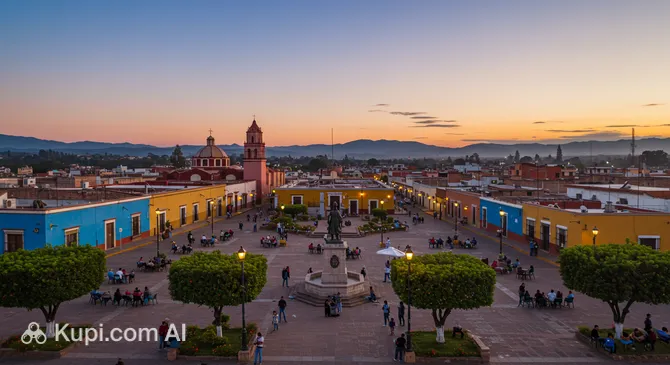
Tizimin. Illustration.
Source: Kupi.com AI

Geographically, the city is very well-positioned: it serves as an excellent starting point for trips to nature reserves, where you can see pink flamingos and mangroves, as well as to majestic Mayan ruins. In the very center of Tizimín, it's worth spending time at the neat main square, visiting local churches, and stopping by the traditional market to appreciate the flavors of regional cuisine.

Tizimín is ideal for those who want to get to know the country's authentic culture away from tourist clichés and bustle. Be sure to include this city in your itinerary if you are looking for new experiences and want to see the life of the Mexican heartland from the inside.

Weather Overview

The climate in Tizimín can be described as tropical and hot, making the city an attractive destination for sun-seekers at any time of year. It almost never gets cold here: even in the "coolest" winter months of December and January, the average temperature stays at a comfortable 24°C, and at night it rarely drops below 20°C.

If you are planning a trip, it is worth considering the division into dry and wet seasons. The period from January to April is considered the most favorable for excursions: rainfall is minimal, and the number of rainy days does not exceed 3–6 per month. March and April are particularly sunny, with temperatures warming up to 27–29°C, which is perfect for city walks and trips to natural attractions.

The hot season begins in May, when temperatures can reach 35°C. Summer and early autumn bring not only heat but also heavy rainfall. From June to October, the number of rainy days increases sharply (up to 16–19 days per month), so an umbrella and a raincoat will be essential companions for any traveler. To choose the ideal dates for your visit, the detailed weather in Tizimín with monthly forecasts will help you properly plan your wardrobe and activities.

Overall, expect a hot summer with high humidity and frequent rain showers, followed by a very warm and dry winter, which is excellent for exploring Yucatecan culture.

Average monthly temperature

Average monthly precipitation

Interesting Facts

Beyond its main attractions, Tizimín holds many fascinating secrets and legends that reveal themselves only to the most curious travelers. This city is full of surprises hidden in its name, history, and daily traditions.

  • "Place of the Jaguar". The city's name has deep roots and, translated from the Mayan language, means "place of the jaguar." This powerful animal holds a central place in local folklore and legends, symbolizing strength and the residents' mystical connection with nature.

  • Trading Heritage. During the colonial era, Tizimín was a crucial trading hub for the surrounding villages. This tradition lives on today: weekly city fairs are famous for their color, where you can find not only fresh produce but also rare handicrafts and, rumor has it, even exotic animals.

  • Secrets of Old Buildings. Legends of hidden treasures and spirits guarding the city's historic buildings are popular among locals. These stories give walks through the old streets a special atmosphere of mystery and adventure.

  • Sacred Waters. The city is surrounded by many cenotes—natural limestone sinkholes that have been considered sacred by the Mayan people since ancient times. Some are open to the public, allowing you to swim in crystal-clear water and touch the natural magic of the region.

  • Guardians of Tradition. Tizimín is the birthplace of many artists whose names are revered in the Yucatan. Authenticity is carefully preserved here: for example, the holiday of Hanal Pixán (the Mayan Day of the Dead) is celebrated with great fanfare, featuring colorful processions rarely seen in more touristy areas.

How to Get There

When planning a trip to this colorful corner of the Yucatan, it is worth thinking through the logistics in advance, as the city of Tizimín itself does not have its own airport. However, thanks to its favorable location, getting here from the region's major transport hubs is easy. You can find out all the ways to get to the city on our separate page, and below we will look at the main air gateways welcoming tourists.

Most often, travelers choose Cancun International Airport (CUN). This is the region's largest aviation hub, receiving flights from all over the world. It is located in the city of Cancun, about 133 km from Tizimín. The journey by rental car or taxi will take about 2 hours, and regular buses make this route affordable and comfortable.

Another popular option is flying into the state capital, Merida. Here you will find Manuel Crescencio Rejón International Airport (MID). The distance to Tizimín is about 158 km, which will require approximately 2.5 hours of travel by road. This airport is convenient for those who want to combine their trip with a tour of Merida's colonial architecture.

It is also worth considering the new Tulum International Airport (TQO), located in the city of Tulum. It is even closer than Cancun—only 120 km from Tizimín, and the road from here will take less than 2 hours. This is an excellent alternative for those planning a vacation on the Riviera Maya before heading into the heart of the peninsula.

For clarity, here is a summary of the main airports through which you can reach Tizimín:

AirportPassenger trafficDistance
Tulum International Airport1.1 mln120 km
Cancun International Airport32.8 mln133 km
Cozumel Airport677 503145 km
Manuel Crescencio Rejon International Airport3.7 mln158 km
Campeche International Airport107 892286 km

As for rail connections, there is currently no active railway station in the city of Tizimín. Roads remain the primary method of ground travel. Travelers often use comfortable intercity buses (such as ADO), which connect Tizimín with Cancun, Merida, and Valladolid, or rent a car for more freedom of movement along the picturesque roads of the Yucatan.

Main Attractions

Tizimín is a city that charms with its tranquility and deep connection to tradition. There is no hustle and bustle of megacities here, but there are unique architectural monuments and natural wonders that allow you to touch the true soul of the Yucatan. A walk through the local attractions will give you the feeling of discovering something sacred and authentic.

The main symbol of the city and its spiritual center is the majestic Church of the Three Kings (Parroquia de los Santos Reyes). This monumental temple, built in the 17th century, is visible from almost any point in the center. It is famous for its high walls and austere facade, but the main treasure is hidden inside—the revered statues of the three biblical magi. It is here that thousands of pilgrims flock in January, turning the quiet city into the center of a grand celebration. The church is worth visiting for its historical atmosphere and the chance to see one of the region's most important religious monuments.

Nature lovers should definitely head to Cenote Kikil, located just a few kilometers north of the city limits. This is an impressive open body of water of an almost perfect circular shape, surrounded by lush greenery and flowers. Unlike many popular cenotes, it is rarely crowded here, allowing you to enjoy the silence and the singing of birds. The complex features a restaurant and well-maintained gardens, making it an ideal spot for a relaxed half-day getaway.

To dive into the ancient history of the region, head to the Kulubá Archaeological Zone (Zona Arqueológica de Kulubá). Although it is some distance from the city (about 37 km), the trip is worth it. This ancient Mayan city is less famous than Chichen Itza but impresses with its architecture, including the "Palace of the Masks" and residential complexes nestled in the jungle. Here you can explore the ruins almost in solitude, feeling like a true discoverer of forgotten civilizations.

The heart of Tizimín's social life is Francisco Cantón Rosado Park (Parque Francisco Cantón Rosado). This is a classic Mexican square with neat paths, benches, and shady trees. In the evening, the park comes alive: locals come out for a walk, and street vendors offer traditional treats such as crispy marquesitas. This is the best place to observe the city's measured pace of life and relax after excursions.

Local Cuisine

The cuisine of Tizimín is a vibrant quintessence of Yucatecan flavors, where Mayan culinary traditions intertwine with colonial heritage. A trip here is unimaginable without tasting cochinita pibil—tender pork slow-roasted in banana leaves with orange juice and local spices (achiote). Another must-have menu item is poc chuc—juicy charcoal-grilled pork chops traditionally served with a marinated red onion salad and fresh, hot tortillas.

The city is famous for its farms, so fresh homemade cheese and curd have become gastronomic symbols here. Their taste is noticeably different from store-bought counterparts due to their richness and naturalness. Strolling past street stalls, look for fragrant tamales with various fillings and classic tortillas, which are often handmade right in front of you. Fans of piquant flavors should try the local sauces (salsas) based on chili and lime, which perfectly complement any dish.

A special place in the food culture is held by the traditional drink atole. This thick, warming drink based on corn dough often has aromatic cinnamon and chocolate added—an ideal choice for a traditional breakfast. If you find yourself in the city during religious holidays or fairs, you will be lucky enough to see a true street feast: stalls are filled with fried bananas and sweet pastries with coconut and pumpkin. The most adventurous foodies might decide to try exotic local game dishes, such as stewed iguana or quail prepared according to ancient recipes.

To truly understand the gastronomic soul of Tizimín, tourists should head to the municipal market. It is not just a place of trade but a center of social life, where locals usually have breakfast and lunch. Here, among the noisy stalls, you can not only eat tasty and inexpensive food but also chat with producers, learn the secrets of dish preparation first-hand, and immerse yourself in the authentic atmosphere of the Mexican province, far from refined tourist restaurants.

Travel Tips

Preparing for your trip to Tizimín is the key to ensuring your introduction to the "City of Kings" goes smoothly and comfortably, leaving only pleasant memories. To help you feel confident away from the busy resort areas and enjoy the authentic atmosphere of the Mexican heartland, we have gathered several important practical recommendations for you.

  1. Clothing and Essentials. Given the hot Yucatan climate, opt for loose clothing made of natural fabrics like cotton or linen. Be sure to bring comfortable shoes for walking on uneven sidewalks and a hat for sun protection. Since Tizimín is a city with strong Catholic traditions, modest clothing covering shoulders and knees is required to visit churches (especially the Church of the Three Kings). Also, bring a power adapter (Type A or B, as in the US).

  2. Transport. The historic city center is compact and best explored on foot. For short distances, use the colorful local transport—tricitaxis (motorized rickshaws); it's cheap and lets you feel the city's rhythm. Apps like Uber hardly work here, so rely on official white taxis. If you plan to visit the surrounding cenotes or the Kulubá ruins, renting a car is the best solution.

  3. Finance. The official currency is the Mexican peso. While larger supermarkets and some hotels accept cards, Tizimín is provincial, and cash is king. For market purchases, taxis, and street food, be sure to have small bills. ATMs of reliable banks can be found around the main square (Plaza Principal). Tipping is welcomed: it is customary to leave 10–15% of the bill in cafes.

  4. Health and Safety. Tizimín is a quiet and safe city, but standard precautions are wise: don't leave belongings unattended and avoid unlit outskirts at night. The main health rule is to drink only bottled water, even for brushing teeth. Pharmacies are common in the center, but few are open 24/7, so it's better to pack a basic first-aid kit in advance. Always use repellent, especially if heading to cenotes or walking in the evening.

  5. Communication. The primary language is Spanish. Unlike Cancun, not everyone here knows English, so learn a few basic phrases ("Hola," "Gracias," "Cuánto cuesta")—this will go a long way with the locals. We recommend downloading offline maps and a translator app beforehand. For cellular service, buy a local SIM card (e.g., Telcel) at any 24-hour OXXO store.

  6. Local Etiquette. Tizimín residents are very polite and friendly. It is customary to say hello ("Buenos días/tardes") when entering a shop, getting into a taxi, or simply addressing a passerby. Life here flows slowly, and no one is in a hurry, so be patient in lines or when waiting for your order in a restaurant—it's part of the local "mañana" culture.

  7. What to Avoid. Don't walk through the city in beachwear or swimsuits. Tizimín is not on the coast, and such attire is considered inappropriate and provocative here. Also, avoid photographing locals (especially elderly people or members of the indigenous Mayan population) without their explicit permission.

  8. Local Tip. Tizimín is an important livestock center in the region, so you can buy excellent leather goods here at prices significantly lower than in resorts. Look for shops selling local shoes, belts, and bags—they make practical and long-lasting souvenirs.

By following these simple rules, you will quickly become one of the locals in this hospitable city. Tizimín opens up to those who respect its traditions and are ready to embrace its slow but soulful way of life. Have a pleasant journey!

Entertainment & Nightlife

The nightlife in Tizimín is fundamentally different from the noisy parties of Cancun or Playa del Carmen. Here you won't find the neon signs of massive nightclubs or queues for face control. Evening leisure in this city is saturated with authentic provincial charm, tranquility, and tradition. It is the perfect place for those who want to spend an evening in quiet conversation, enjoying local cuisine and cool drinks in the company of friendly locals.

The epicenter of evening activity is the main square area—Francisco Cantón Rosado Park (Parque Francisco Cantón Rosado). As the sun sets, the heat subsides, and the streets around the park come alive. It is a kind of open-air "nightclub" for the locals. Street musicians play here, families go for walks, and the air is filled with the aromas of street food. This is where you should start your evening: try traditional marquesitas (crispy wafers with cheese and chocolate) or esquites (corn in a cup) while watching the city's steady rhythm.

If you are looking for a place to sit with a glass of something stronger, look for traditional cantinas and bars. In Tizimín, the drinking culture is closely linked to food: when you order a beer, you often receive botanas—various snacks—for free. The atmosphere in such establishments is very simple and casual, with no dress code—shorts and a T-shirt are perfectly appropriate. The crowd here is diverse, but mostly consists of local men discussing the news over a drink.

Among specific establishments where you can spend a pleasant evening, Restaurante Los Tres Reyes stands out. Located right by the main square, it offers an excellent view of the city center. While it is primarily a restaurant, an animated atmosphere prevails in the evening, and you can order cocktails and listen to music. Another popular spot for a dinner that turns into a late-night hangout is the pizzerias and taquerias on Calle 51. For example, locals often gather at places like Pizzeria La Barata, where you can eat and drink beer affordably in a relaxed setting.

As for daytime entertainment before diving into the evening life, Tizimín offers several interesting locations. The city's main pride is La Reina Zoo (Parque Zoológico La Reina). Recently renovated, it has become a great place for family walks, where you can see tapirs, jaguars, and exotic birds absolutely free of charge. During the day, you can also visit small museums at the churches or simply stroll through the colonial streets.

Practical tips for evening walks:

  • Safety: Tizimín is a very safe city. The center and the park area are well-lit and patrolled. However, as anywhere else, it is not advisable to wander alone into remote, unlit outskirts late at night.
  • Transport: The popular tricitaxis (motorized rickshaws) usually stop working around 10:00–11:00 PM. If you stay out late, it's better to ask the staff of the establishment to call you an official taxi.
  • Prices: Nightlife here is very budget-friendly. Dinner with drinks will cost significantly less than on the coast.
  • Time: Establishments close quite early by Mexican standards; many kitchens stop serving by 10:00 PM, so plan your dinner in advance.

Parks & Museums

Tizimín is a city where cultural heritage is not hidden behind glass displays but lives in the streets, in the architecture, and in the shady alleys. Although you won't find massive galleries of modern art here, this corner that Mexico is proud of offers travelers cozy green zones and historical monuments that allow you to touch the colonial past and the region's rich nature.

One of the city's main natural attractions is La Reina Zoo (Parque Zoológico La Reina). This park has an interesting history: it was opened after Queen Elizabeth II's visit in 1975 and named in her honor. Having recently undergone a major reconstruction, the zoo has become a modern space for family relaxation. Here you can see inhabitants of the local fauna, including majestic jaguars, tapirs, and various tropical birds, in conditions as close to natural as possible. It is an ideal place for those who want to get to know the Yucatan's wildlife without traveling deep into the jungle.

The heart of city life remains Francisco Cantón Rosado Park (Parque Francisco Cantón Rosado). Located in the very center, it is a classic example of colonial urban planning. This is not just a square but a true meeting place for generations: here, under the canopy of ancient trees, locals escape the midday heat, and tourists can enjoy an atmosphere of peace. The park is surrounded by historic buildings with arched galleries, making it a great starting point for an architectural stroll through the city.

In the absence of large traditional museums, the role of the main keeper of history is played by the Church of the Three Kings (Parroquia de los Santos Reyes) and its former monastery. This monumental 17th-century structure impresses with its size and austere beauty. Inside the temple, you can see ancient altars and, of course, the sacred figures of the three magi, for whom pilgrims travel here. The architecture of the building itself, with its high vaults and massive walls, serves as a visual aid to the history of the Spanish conquest and the Christianization of the region.

Nature lovers should pay attention to the Cenote Kikil Ecotourism Park, located on the northern outskirts of the city. This is not just a swimming spot, but a well-maintained natural area with gardens where local plants and flowers are grown. Here you can walk along the paths, observe wild birds, and appreciate the beauty of the open cenote, which looks like a small lake framed in greenery. The complex is excellent for a relaxed vacation in the lap of nature.

For those looking for hidden gems, we suggest looking into the Tizimín Catacombs. Although access may be limited and often requires a local guide, legends of underground tunnels connecting the church with other important city buildings stir the imagination. This place adds a touch of mysticism to the image of a quiet provincial town and will be of interest to fans of urban legends.

Getting Around

The transport system in Tizimín differs significantly from what residents of megacities are used to. Due to the city's compact size and provincial layout, there are no subways, trams, or an extensive network of city buses. Public transport is organized simply and intuitively, focusing primarily on the needs of locals for short-distance travel.

The most popular, affordable, and colorful way to get around the city is the tricitaxi. These are local motorized rickshaws—motorcycles with an attached covered passenger cabin in the front or back. They cruise all the streets and are easy to catch with a wave of your hand. This is an ideal option for short trips from the hotel to the central square or market. The ride is breezy and allows you to feel the rhythm of local life, though we're not talking about luxury-class comfort here.

For longer trips or travel with luggage, it's better to use classic taxis. Official cars are usually white with distinctive markings. They can be found at special stands (sitios) located near Francisco Cantón Rosado Park, by the bus station, and near major supermarkets. Unlike tricitaxis, cars provide air conditioning, which is a lifesaver in the midday heat.

The payment system in Tizimín is exclusively traditional: cash only. Transport cards, passes, or contactless phone payments do not work here. Tourists are strongly advised to always have small bills and coins (pesos) with them, as drivers often don't have change for large banknotes. The fare for a tricitaxi is fixed and very low, while the price for a taxi ride is best negotiated with the driver in advance before getting into the car, as meters are rarely used.

Ride-hailing apps like Uber or Didi are practically non-existent in Tizimín or have very few cars. Therefore, you should rely on finding transport "live" on the street or ordering a car through your hotel reception. City buses and colectivos (minibuses) are mainly used for connections with neighboring villages and cities rather than for moving within Tizimín itself.

Given the city's layout, one of the best alternatives to transport remains walking. The historic center is very compact, and the main attractions are within walking distance of each other. If you plan to explore the surroundings, renting a car would be a wise decision, as bike rental points in the city are rare and do not have a centralized system.

Accommodation

Accommodation options in Tizimín differ significantly from what tourists are used to seeing on the Riviera Maya coast. Here, you won't find massive "all-inclusive" chain resorts or luxury five-star complexes. Instead, the city offers guests cozy, functional, and authentic places to stay. The foundation of the hotel stock consists of small mid-range hotels, family-run inns (posadas), and budget hostels. Many of them are located in historic buildings with interior courtyards, allowing you to feel the atmosphere of colonial Mexico.

When choosing a place to sleep, the best decision is to stay in the historic center (El Centro), within walking distance of the main square and Francisco Cantón Rosado Park. This is a strategically convenient location: the main attractions, market, taxi stands, and best dining establishments are all nearby. Staying in the center will allow you to walk safely in the evenings and always be in the thick of things without wasting time commuting from the outskirts.

An important piece of advice for planning your trip concerns booking time. During most of the year, finding a vacant room in Tizimín is easy even a few days before arrival. However, the situation changes drastically in January, when the famous Fair of the Three Kings takes place. During this period, thousands of pilgrims and traders flock to the city, and accommodation is booked months in advance, while prices can increase several times over. If your trip falls at the beginning of the year, take care of your lodging as far in advance as possible.

Pricing in the city is very democratic and wallet-friendly: the cost of living here is significantly lower than in Cancun or Tulum. Most options fall into the budget and mid-price segments. Regarding payment and booking methods, larger hotels are listed on popular online platforms and accept cards. However, small family guesthouses often prefer cash in pesos, and booking a room is sometimes more reliable by phone or through messaging apps if you speak Spanish.

Nearby Cities

For those who want to explore the surroundings, Tizimín serves as an excellent starting point for day trips to several interesting nearby locations:

Just a few hours away is Merida—the majestic state capital known as the "White City." This destination is perfect for history and culture enthusiasts: here you can stroll along the grand Paseo de Montejo, visit the magnificent Mayan World Museum, and enjoy refined colonial architecture. Merida offers a stark contrast to quiet Tizimín, plunging travelers into the bubbling life of a large city with rich traditions.

For those dreaming of turquoise seas and white sand, the Caribbean coast resorts like Cancun and Playa del Carmen are excellent choices. A trip here takes about two hours, allowing for a full day on the beach, shopping in modern malls, or visiting famous amusement parks. Playa del Carmen also attracts visitors with its famous Fifth Avenue—a pedestrian street with many restaurants, bars, and souvenir shops.

CityPopulationDistance
Espita11 55122 km
Valladolid48 97351 km
Chemax14 88559 km
Chichen Itza68 km
Izamal16 19594 km

These nearby destinations provide an overview of the region's diverse culture and landscapes.

Shopping & Souvenirs

Shopping in Tizimín is strikingly different from the glossy windows of Cancun or Merida. Here, you won't find massive shopping malls with global brands or luxury boutiques. Trade in this city is exclusively utilitarian and authentic, oriented toward the needs of locals and farmers. For a tourist, this is a great opportunity to purchase high-quality local products at prices free from "tourist markups" and immerse yourself in the true atmosphere of the Mexican province.

The main commercial life bustles in the historic city center (El Centro). Key retail outlets are concentrated on the streets adjacent to the central square and Francisco Cantón Rosado Park. Strolling through these blocks, you will encounter many small family shops, pharmacies, and stalls selling everything from clothing and footwear to household goods. This is the best place for a leisurely promenade, during which you can peek into windows and chat with sellers.

There are no large malls in the usual sense in Tizimín. If you need groceries, hygiene products, or basic items, you should head to chain supermarkets such as Bodega Aurrera or Super Che. They offer a standard assortment of goods and accept bank cards, making them convenient islands of civilization for travelers accustomed to comfort.

The true heart of local trade is the Municipal Market (Mercado Municipal). This colorful place is where you can buy the freshest tropical fruits, vegetables, spices, and flowers. The market is not just a trading platform but a center of social life where the latest news is exchanged. In addition to food, you can find rows of inexpensive clothing and handicrafts here. It's best to come in the morning when the selection is greatest and the air hasn't yet heated up from the midday sun.

Speaking of souvenirs, Tizimín is famous as a livestock center, so the main local products are leather goods. Here you can profitably buy high-quality footwear (especially boots and sandals), belts, bags, and handmade wallets. Prices for these will be significantly lower than on the coast. Also, look for traditional Yucatecan clothing: men's guayabera shirts and women's huipil dresses with bright embroidery. Foodies should bring home some famous local cheese or honey.

Shops in the city usually open around 9:00 AM and work until 8:00 or 9:00 PM. However, it's worth noting that many small private shops may close for a siesta during the hottest hours of the day (roughly from 2:00 PM to 4:00 PM). On Sundays, many shops operate on a reduced schedule or are closed entirely. As for payment, cash reigns supreme in Tizimín. Bank cards are accepted only in supermarkets and some hotels, so always have a supply of pesos, especially small bills, with you.

The Tax Free (Moneyback) system exists in Mexico, but using it in Tizimín will be extremely difficult. Most local shops do not participate in this program, as the city is not a mass destination for international shopping tourism. It's better to process tax refunds for large purchases in the shopping centers of Cancun or Merida before flying out of the country.

Reached the end of the page?

That means the route is fully explored