Support

Bharatpur

About

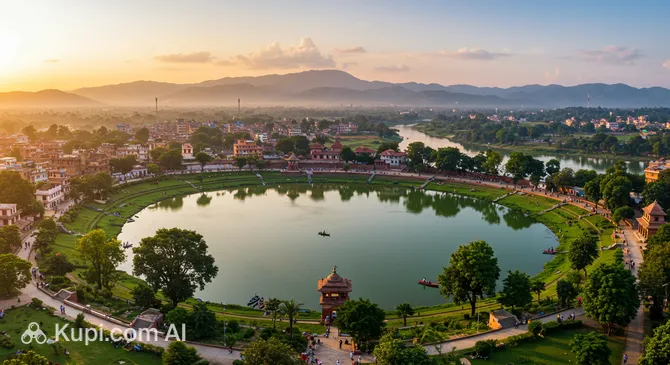
Bharatpur is a true emerald in the heart of Nepal, nestled comfortably on the fertile plains near the Rapti River. Surrounded by dense jungles and picturesque rural landscapes, the city is located in the central part of the country within the Chitwan District. This location makes it a vital transport hub and an excellent starting point for exploring the region.
Bharatpur. Illustration.
Source: Kupi.com AI

With a population of approximately 369,000 people, Bharatpur is one of the country's largest cities and a significant economic and administrative center. Life here is bustling: the streets are filled with vibrant markets where you can find local goods and souvenirs, while numerous cozy cafes and artisan shops invite you to soak in the authentic atmosphere and experience the friendly nature of the locals.

The main draw for tourists in Bharatpur is its close proximity to the famous Chitwan National Park, a UNESCO World Heritage site, where you can go on a safari to see rare animals in their natural habitat. The city itself offers an immersion into traditional Nepalese life, providing opportunities to get to know local culture and hospitality. Additionally, Bharatpur serves as a convenient stopover for those traveling between the capital, Kathmandu, and the popular tourist city of Pokhara.

Bharatpur is an ideal destination for those seeking a combination of wilderness adventure and the chance to touch unique culture and history. If you dream of experiencing the spirit of the real Nepal—unhurried and full of bright colors—be sure to include Bharatpur in your itinerary!

You can find more interesting facts on the Bharatpur city history page.
Weather Overview

In Bharatpur, you can expect a warm summer with frequent rains and cool, mostly dry winters. The summer months, especially from May to September, are characterized by average temperatures around 25-27°C. This period is also the wet season with regular precipitation, peaking in July (about 20 mm) and a significant number of rainy days (ranging from 23 to 31 per month). In winter, from November to March, average temperatures vary: around 19.5°C in November, dropping to 13.8°C in January, and rising again to 21.1°C in March. Precipitation becomes rare during this period, especially in November and December, when it is almost non-existent. The warmest months are June, July, and August with an average temperature of about 27°C, while the coldest is January (averaging 13.8°C). For a more detailed look at the weather conditions, including monthly information, visit the Bharatpur Climate page.

Average monthly temperature

Average monthly precipitation

Interesting Facts

Beyond its main attractions, Bharatpur holds many fascinating secrets and little-known details that make it even more appealing to the curious traveler. Here are just a few:

Chaubiskothi. Illustration.
Source: Kupi.com AI

Traveler photos:

  • Many know Bharatpur as the gateway to the famous Chitwan National Park, but not everyone realizes it is one of Asia's premier wildlife viewing destinations. Here, you can go on a safari in search of Bengal tigers, one-horned rhinoceroses, and elephants, and see over 500 species of birds—a true paradise for birdwatchers.

  • The city's historical center, Durbar Square, holds not only ancient palaces and temples but also many mysteries. For instance, the Mukundeshwor Mahadev Temple, an important pilgrimage site, is shrouded in fascinating local legends passed down through generations.

  • Langur Hill offers more than just scenic views of Bharatpur and its surroundings; it provides a panorama considered one of the best spots for photography and contemplation in the region. It is an ideal place for inspiration and beautiful shots.

  • Bharatpur is often called the "Heart of Chitwan." This affectionate nickname reflects not only its key role in the region and proximity to the national park but also a special atmosphere of hospitality that makes every traveler feel at home.

How to Get There

When planning a trip to this picturesque corner of the country, it is important to think about logistics in advance. You can find more details on how to get to Bharatpur to choose the most suitable route. Since the city is a major transport hub, routes lead here from various parts of the country; however, most tourists prefer a combined option: a flight to the nearest major air hub followed by a ground transfer.

The nearest major international hub is Tribhuvan International Airport (IATA: KTM), located in Nepal's capital, Kathmandu. It is approximately 91 km from Bharatpur. Despite the relatively short distance, a trip by taxi or bus can take several hours. This is due to the challenging mountain terrain, winding roads, and potential traffic congestion leaving the Kathmandu Valley. Travelers should allow extra time for the journey.

An alternative option is flying through regional airports. For example, Simara Airport (IATA: SIF) is located in the town of Simara, just 78 km from the destination, making it the closest civil airport to Bharatpur among available hubs. You might also consider Bhairahawa Airport (IATA: BWA) in Siddharthanagar (about 103 km). Transfers from these points will also take time due to local road conditions but may be convenient when planning complex itineraries through the country.

Below is information on the main airports used to reach the region:

AirportPassenger trafficDistance
Pokhara Airport74 km
Simara231 29178 km
Tribhuvan International Airport5.0 mln91 km
Bhairawa Airport70 000103 km
Gorakhpur Airport867 994142 km

Road transport remains the key method of connecting Bharatpur with the rest of Nepal. Regular tourist and intercity buses run from Kathmandu and Pokhara. Although the overland journey takes up a significant part of the day, it allows you to enjoy breathtaking views of Nepal's nature, river valleys, and the Himalayan foothills.

Main Attractions

Bharatpur, a lively city in Bagmati Province, offers its guests several interesting places worth visiting. Although the city is best known as a transport hub and the gateway to Chitwan National Park, it also has its own attractions that can pique a traveler's interest.

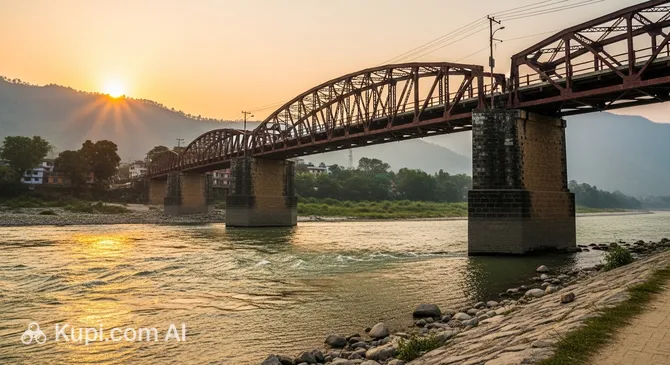
One of the notable modern structures is the Pulchowk Bridge over the Narayani River. This bridge is not only a vital transport artery connecting different parts of the region but also a popular spot for walks. It offers picturesque views of the Narayani River and its surroundings, especially at sunset. For many tourists and locals, the bridge serves as an excellent spot for photography and quiet contemplation of nature.

Pulchowk Narayani Bridge. Illustration.
Source: Kupi.com AI

Traveler photos:

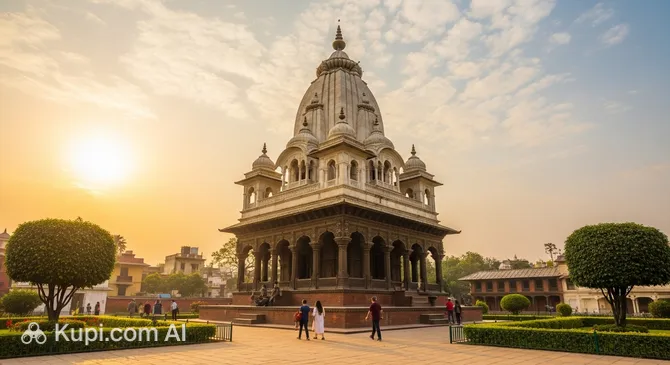
Another interesting site in Bharatpur is Chaubiskoti. This name, which translates to "24 cottages" or "24 hills," refers to a historically significant area or monument. Often, such places in Nepal are associated with ancient settlements, temples, or important events. A visit to Chaubiskoti can provide insight into the local culture and history of the region, offering tourists a glimpse into the area's past.

Chaubiskothi. Illustration.
Source: Kupi.com AI

Traveler photos:

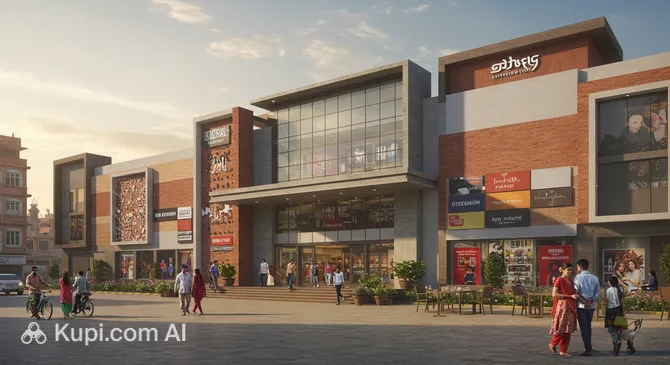
For those looking for modern conveniences and shopping opportunities, Landmark Mall is an attractive option. This shopping center offers a variety of stores, cafes, and entertainment venues. It is a good place to spend a few hours, especially if you want to purchase souvenirs or local goods, or simply relax in an air-conditioned environment.

Landmark Mall. Illustration.
Source: Kupi.com AI

Traveler photos:

While Bharatpur may not possess the same abundance of ancient monuments as some other Nepalese cities, its modern attractions and proximity to natural wonders make it an important stop for many travelers.

Local Cuisine

The gastronomic world of Bharatpur is an exciting journey through the flavors of Nepalese and Tharu cuisine, where fresh vegetables, rice, aromatic spices, and gifts from the local jungles play a leading role. Culinary traditions are carefully preserved here, offering guests authentic and hearty dishes.

Be sure to start your acquaintance with the local cuisine with dal bhat—the staple diet for many Nepalis. The dish consists of rice served with a thick lentil soup and is accompanied by various vegetable curries, spicy sauces, and sometimes pieces of meat. Another culinary hit is momo, juicy Nepalese dumplings. They are either steamed or fried, and fillings vary widely from meat to vegetables, generously seasoned with spices.

In addition to these two pillars of local gastronomy, it is worth trying dishes made from fresh fish caught in the nearby rivers or even sampling some wild game if you are looking for something exotic. At the bustling markets, you can find many savory snacks, fresh fruits, and nuts. Among drinks, aromatic masala tea and freshly squeezed juices are particularly popular. For dessert, don't miss the chance to try sel roti—traditional Nepalese rice donuts often served with tea.

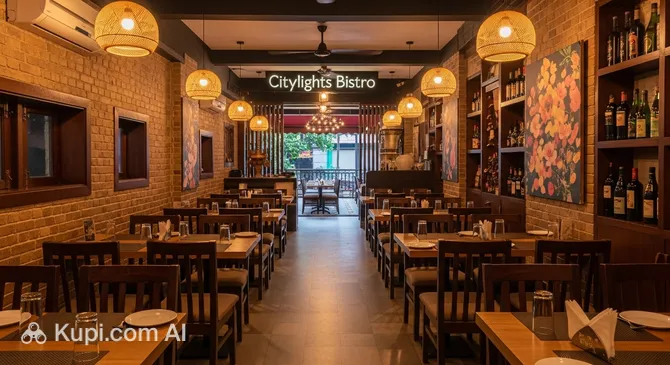
The food culture in Bharatpur is very accessible. You can enjoy delicious food in small family-run cafes or right on the street, where local cooks prepare simple yet incredibly fragrant dishes over an open fire. Markets are also a magnet for foodies, offering fresh produce and local delicacies. For a more formal dinner or to explore a diverse menu, you can visit one of the city's restaurants, such as Citylights Bistro. Occasionally, the city hosts food festivals where you can dive deeper into the region's culinary traditions.

Citylights Bistro. Illustration.
Source: Kupi.com AI

Traveler photos:

Travel Tips

Welcome to Bharatpur! To make your journey through this interesting city in Nepal as comfortable and memorable as possible, we have prepared a few practical tips. We hope they will help you better prepare and enjoy every moment of your trip.

  1. Clothing and Essentials: Preparing for Terai Weather and Cultural Nuances.

    Bharatpur is located in the lowland Terai region, so the climate here is warm. In summer (March-October), it is hot and humid, especially during the monsoon season (June-September)—bring light, breathable cotton or linen clothing, a raincoat, and an umbrella. In winter (November-February), days are warm, but evenings can be chilly, so a light jacket or sweater will come in handy. Be sure to bring comfortable walking shoes, sunscreen, a hat, and insect repellent. Don't forget a universal power adapter (Nepal uses Type C, D, and M sockets). When visiting temples and other religious sites, choose modest clothing that covers shoulders and knees, and be prepared to remove your shoes before entering.

  2. Transport in Bharatpur: Getting Around the City.

    The main forms of public transport in Bharatpur are local buses and minibuses (often called "hiaces"). Cycle rickshaws and auto-rickshaws are also popular for short trips. Taxis are available, but always agree on the fare in advance if there is no meter in the car. Taxi-hailing apps like Pathao or Tootle might be available, but it is best to check their prevalence locally. Hiring a car with a driver is a more common and often safer option than driving yourself, given the local traffic conditions.

  3. Finances: Nepalese Rupees, Cards, and Tipping.

    The local currency is the Nepalese Rupee (NPR). You can exchange money at banks or licensed exchange offices; rates at hotels are usually less favorable. Credit and debit cards (Visa, Mastercard) are accepted in major hotels and some restaurants and shops, but cash remains the primary means of payment, especially in markets and smaller establishments. ATMs are available, but it is better to use those belonging to major banks. A recommended daily budget can vary from 2,500-3,500 NPR for a budget traveler to 5,500-7,500 NPR for a more comfortable stay (excluding expensive excursions). Tipping is not mandatory but appreciated (usually 5-10% in restaurants for good service, as well as for guides and drivers).

  4. Health and Safety: Taking Care of Yourself in Nepal.

    There are pharmacies in Bharatpur, but it is better to bring a basic first-aid kit with you. For medical assistance, contact local hospitals or clinics; be sure to arrange travel insurance before your trip. Drink only bottled or boiled water, and wash your hands and fruit thoroughly. Bharatpur is generally considered a safe city, but follow standard precautions: keep an eye on your belongings, avoid wearing expensive jewelry openly, and be cautious in secluded areas after dark.

  5. Communication: Language, Connectivity, and Useful Phrases.

    The official language is Nepali. In the tourist areas of Bharatpur, hotel and restaurant staff usually speak English. Learn a few simple phrases in Nepali: "Namaste" (Hello/Goodbye), "Dhanyabad" (Thank you), "Kati ho?" (How much?). For convenient communication and internet access, it is recommended to buy a local SIM card (e.g., Ncell or Nepal Telecom)—this can be done upon arrival by presenting your passport and a photograph. Wi-Fi is available in most hotels and many cafes.

  6. Local Etiquette: Respecting Bharatpur's Traditions.

    Nepalis are very hospitable. The traditional greeting is "Namaste" with palms pressed together at the chest. Always remove your shoes when entering someone's home or a temple. Avoid pointing at people or objects with your foot, as feet are considered unclean. Use your right hand for eating and for passing money or items. Always ask permission before photographing locals. Try to dress modestly, especially women, to show respect for the local culture.

  7. What to Avoid: For a Smooth Trip.

    Refrain from public displays of affection (e.g., hugging or kissing), as this may be perceived inappropriately. Also, try not to engage in discussions on political or religious topics unless you are confident in your knowledge and tact. Criticizing local customs or traditions is considered impolite.

  8. Special Tip for Bharatpur: Gateway to Chitwan and Tharu Culture.

    Bharatpur is often called the gateway to the famous Chitwan National Park, where you can see rhinos, tigers, crocodiles, and many species of birds. If you plan to visit the park, book your safari in advance, especially during the tourist season. Additionally, Bharatpur and its surroundings offer a wonderful opportunity to experience the unique culture of the Tharu people, the indigenous population of the Terai region. Visit Tharu villages to see their traditional way of life and art.

We hope these tips make your stay in Bharatpur pleasant and worry-free. Enjoy the hospitality of Nepal and the wonderful atmosphere of this city!

Entertainment & Nightlife

Bharatpur, while not a metropolis with a non-stop 24-hour lifestyle, offers its guests and residents enough options for evening and nighttime leisure. You can find places here to spend quality time after a busy day, enjoying delicious food, drinks, and socializing.

The majority of evening entertainment is concentrated in the central areas of the city and near major hotels. The atmosphere in Bharatpur's venues is predominantly relaxed and friendly, where you can meet both locals and tourists. The musical backdrop ranges from traditional Nepalese melodies to popular international hits. Most bars and restaurants stay open until late evening, and some clubs operate until the early morning, especially on weekends. There is usually no specific dress code, though a neat appearance is appreciated.

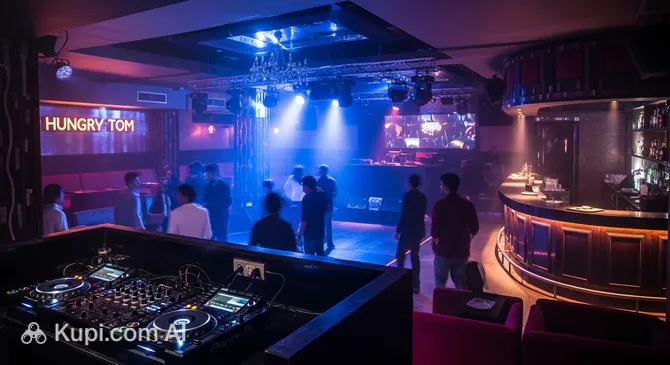
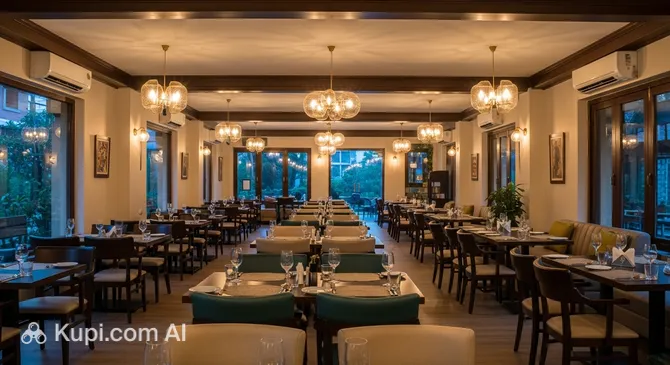
Among the popular spots for evening relaxation, several establishments stand out. If you are looking for a club atmosphere, check out Hungry Tom, where you can dance and enjoy drinks. For a more peaceful evening with dinner, Citylights Bistro offers a diverse menu in a cozy setting. Another dining option is Fine Diners, well-regarded for its cuisine.

Hungry Tom. Illustration.
Source: Kupi.com AI

Traveler photos:

Fine Diners. Illustration.
Source: Kupi.com AI

Traveler photos:

When planning a night out, it is best to head to these venues after 8:00 PM - 9:00 PM, when they begin to come alive. Prices in Bharatpur's bars and restaurants are generally moderate. For moving around at night, it is recommended to use taxi services; these can be called via an app or requested through your hotel or venue staff. From a safety perspective, central and well-lit areas are considered calm enough for walks, though it is always wise to take standard precautions, especially late at night.

During the day, there is also plenty to do in Bharatpur. You can visit local markets, stroll through the city streets to observe the local architecture, or stop by shopping centers like Landmark Mall. Nature lovers and those seeking quiet relaxation can find interesting walking spots nearby, such as the area around the Pulchowk Bridge over the Narayani River or the Chaubiskoti district.

Parks & Museums

Bharatpur, an important transport hub and commercial center of Nepal, offers its guests not only a convenient starting point for exploring the surroundings but also a chance to connect with nature and local culture. While the city may not boast an abundance of traditional parks and large museum complexes in the conventional sense, its charm lies elsewhere.

The main natural gem drawing tourists to the Bharatpur area is undoubtedly Chitwan National Park, a UNESCO World Heritage site. Located just a few kilometers south of the city, this park is home to rare animal species, including Bengal tigers and one-horned rhinoceroses. Jungle safaris, bird watching, and canoeing on the Rapti River provide unforgettable experiences. Bharatpur itself is situated on the banks of the Narayani River, where walks along the shore can be a pleasant addition to your stay, particularly near the Pulchowk Bridge, which offers scenic views.

Pulchowk Narayani Bridge. Illustration.
Source: Kupi.com AI

Traveler photos:

Bharatpur's cultural heritage and history are reflected in its iconic sites rather than in classic museums. One such place is Chaubiskoti—a historical complex whose name, according to some versions, is associated with "twenty-four koti" (fortifications or settlements). This site is significant for understanding the region's past and its administrative structure in earlier times. Although it may not be a grand structure today, its historical aura attracts inquisitive travelers.

Chaubiskothi. Illustration.
Source: Kupi.com AI

Traveler photos:

The architectural landmark and key infrastructure object is the aforementioned Pulchowk Bridge over the Narayani River. It not only connects the banks but also serves as a popular spot for locals and tourists, offering panoramic views of the river and surrounding landscapes, especially at sunset.

For a deeper immersion into local life, visit Bharatpur's bustling city markets, where you can observe the daily hustle and bustle, sample local delicacies, and perhaps find interesting handmade souvenirs. It is also worth paying attention to small local temples and shrines, which often remain off the main tourist trails but preserve the spirit of the real Nepal and allow you to feel its authentic atmosphere.

Getting Around

Public transport in Bharatpur is primarily represented by buses and various types of shared taxis, which are the most affordable ways to move around the city and its surroundings. There are no metros, trams, or trolleybuses in the city.

The backbone of the transport system consists of local buses that run along various routes, connecting central areas with the outskirts. Also popular are tempos (three-wheeled motor-rickshaws or small minibuses), which often follow fixed routes but can be more flexible regarding stops. For short trips, especially in the central part, you can use the services of cycle rickshaws or auto-rickshaws (tuk-tuks).

The payment system for public transport in Bharatpur is predominantly cash-based. Bus tickets are usually purchased directly from the conductor or driver upon boarding. The fare depends on the distance and is generally low. It is recommended to carry small bills for convenience. Specialized transit cards or mobile apps for city transport payments are generally not available.

Tourists should keep a few practical points in mind. Buses may not always adhere to a strict schedule, and stops are not always clearly marked—often a bus can be stopped with a wave of the hand. Confirm the route and fare with the conductor or locals. Public transport typically operates from early morning until evening, but the frequency of service may decrease in later hours. Route names and stops may be listed in the local language, so it is useful to have a map or the name of your destination written in Nepali.

As an alternative to public transport, taxis are available in Bharatpur. They can be found at stands near major hotels and markets or ordered by phone. It is recommended to agree on the fare in advance, as meters are not always used. For short distances, the aforementioned auto-rickshaws and cycle rickshaws are convenient, where it is also customary to agree on a price before the trip begins. Formal car-sharing systems or developed bike rentals are generally not present in the city, but some hotels or guesthouses may offer bicycles for rent for exploring the neighborhood.

Accommodation

In Bharatpur, tourists can find a variety of accommodation options to suit different budgets and preferences. The city offers everything from budget-friendly guesthouses and mid-range hotels to more comfortable options, including resort hotels. The choice of accommodation often depends on the purpose of the trip and the desired level of comfort.

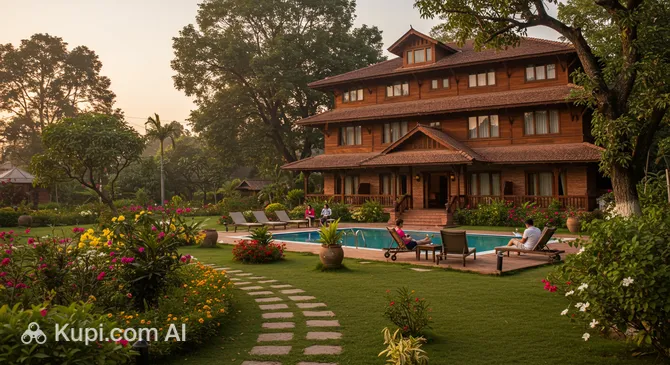
When choosing a place to stay, it is worth looking at areas located near major transport hubs or attractions. Central districts typically offer easy access to shops, restaurants, and local markets. One of the well-known accommodation options in the city is the Bharatpur Garden Resort, which offers a comfortable stay.

Bharatpur Garden Resort. Illustration.
Source: Kupi.com AI

Traveler photos:

When planning your trip, especially during peak tourist seasons, it is recommended to book accommodation in advance. This helps ensure availability and potentially secure better rates. Accommodation options in Bharatpur can be found across various price categories, from budget to more expensive. Bookings can be easily made via popular online platforms or by contacting the hotels directly.

Nearby Cities

For those wishing to explore the surrounding area, Bharatpur serves as an excellent starting point for day trips to several interesting nearby locations.

Here are a few options that might interest you:

  • Jitpur: Located just 61 km away, Jitpur (also known as Jitpur Simara) is the closest option for a short trip. This developing city in the Terai region offers a glimpse into the culture and daily life of lowland Nepal, which differs from the mountain regions.

  • Pokhara: Approximately 75 km from Bharatpur lies Pokhara, one of Nepal's most famous and picturesque cities. It attracts tourists with Phewa Lake, magnificent views of the Himalayas (including Annapurna and Machapuchare), and wide opportunities for active leisure, from boat trips to paragliding.

  • Birgunj: At a distance of about 81 km is Birgunj, an important trade and industrial center of Nepal located on the border with India. A trip here might be interesting for those who want to see the dynamic life of a border town, its markets, and understand its role as a key trade gateway for the country.

For a more detailed overview, below is a table with information about some nearby cities:

CityPopulationDistance
Meghauli24 km
Bandipur12 45027 km
Gorkha35 00039 km
Balua13 05757 km
Taulaha22 32158 km

These nearby destinations provide an insight into the diverse culture and landscapes of the region, complementing the experience of visiting Bharatpur itself.

Shopping & Souvenirs

Shopping in Bharatpur offers tourists a chance to immerse themselves in a local trading culture that differs from major metropolises. Here, you won't find massive luxury malls with global brands, but you can purchase authentic goods, souvenirs, and items made by local artisans. The city is better known for its markets and small shops where you can find unique things and feel the true flavor of Nepal.

The main shopping areas in Bharatpur are the central streets and the districts around the main transport arteries. These areas are concentrated with diverse shops, ranging from small stalls selling clothing and fabrics to electronics and household goods stores. Walking through these busy streets can be an interesting experience in itself, allowing you to observe the daily life of the city's residents.

If you prefer more organized shopping, there are several shopping centers in Bharatpur. One notable example is Landmark Mall. Here, you can find clothing, footwear, and accessory stores, as well as a food court and entertainment zones. It is a good place to escape the heat and find products from both local and some international brands.

Local markets hold a special place in Bharatpur's commercial life. While they may not be as large or tourist-oriented as those in Kathmandu, you can always find fresh fruits and vegetables, spices, as well as household items and affordable clothing. Visiting a market is a great way to see the real life of the city and perhaps find interesting local products or handmade souvenirs.

As souvenirs from Bharatpur and Nepal in general, tourists often bring back pashmina items (shawls, scarves), traditional Nepalese "topi" hats, wood and metal crafts, Buddhist thangkas (paintings on fabric), singing bowls, as well as fragrant Nepalese tea and spices. Look for shops specializing in souvenirs or small craft stalls.

Shops in Bharatpur are usually open from 10:00 AM to 6:00 PM or 8:00 PM, though hours can vary, especially for small private stalls and markets. Major stores and shopping centers may stay open later. Regarding payment, cash (Nepalese Rupees) is the most common method, especially in markets and small shops. Credit cards may be accepted in larger retail outlets and hotels, but it is always better to carry enough cash. ATMs are available in the city for withdrawals.

The possibility of a tax refund (Tax Free) for tourists in Bharatpur, as in Nepal as a whole, is not a widespread practice for most everyday goods and souvenirs. If you make a large purchase in a specialized store, it's worth asking the seller about the possibility of arranging documents for a VAT refund, but do not rely on this heavily during regular shopping.

Reached the end of the page?

That means the route is fully explored