Support

Haarlem

About

Haarlem is a charming and historically significant city in the Netherlands, often referred to as the "city of flowers" or "little Amsterdam" due to its picturesque canals, magnificent architecture, and unique atmosphere of peace and comfort. It offers travelers a unique blend of rich history and the modern Dutch lifestyle.

Located in the province of North Holland, just a few kilometers west of Amsterdam and near the North Sea coast, Haarlem is the administrative center of the province. The city has a population of about 163,000 people. The climate here is a temperate maritime climate, with mild, humid winters and warm but not hot summers, making it pleasant to visit at any time of year.

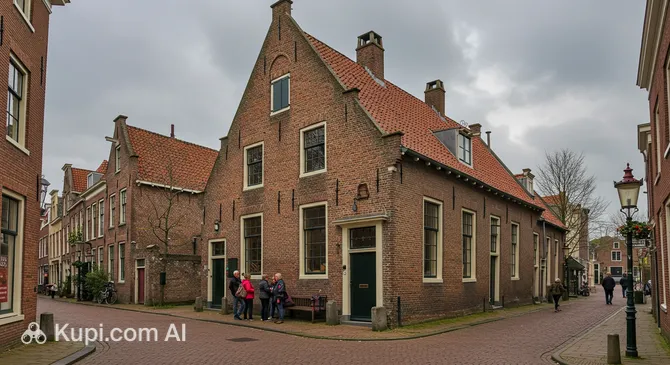
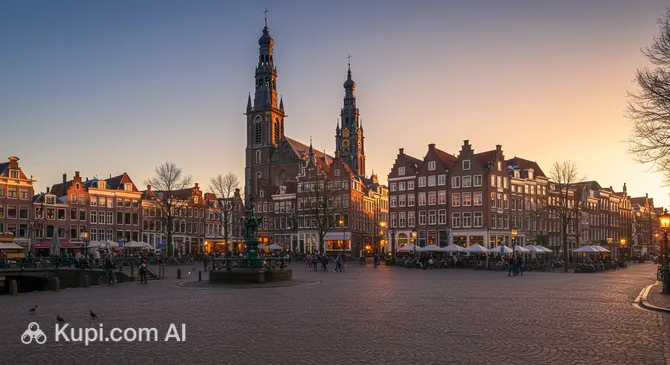
Haarlem. Illustration.
Source: Kupi.com AI

Among the key attractions of Haarlem, the central square Grote Markt stands out as one of the most beautiful in the country, dominated by the majestic St. Bavo's Church (Grote Kerk). Art lovers should certainly visit the Frans Hals Museum, which houses an impressive collection of works by masters of the Dutch Golden Age. Haarlem is also famous for its hofjes—idyllic inner courtyards with former almshouses that seem to transport you back in time—and the Teylers Museum, the oldest museum in the country, featuring an amazing collection of art, scientific instruments, and fossils.

Haarlem is an ideal destination for those who want to get a deeper look at Dutch culture, enjoy leisurely walks along the canals, explore historic streets, and discover a city with a rich heritage and a welcoming atmosphere. A visit to Haarlem will undoubtedly leave you with the warmest memories.

You can find more interesting facts on the Haarlem city history page

Weather Overview

The climate in Haarlem is typically maritime, with mild temperature fluctuations throughout the year. Summers are generally pleasantly warm: in July and August, the average temperature stays around 18-19°C, with maximum values reaching 20-21°C. Winters are cool but without severe frosts—in January and February, the average temperature is about 5-6°C. Precipitation is distributed fairly evenly throughout the year, although autumn and early winter (October–December) can be Rainier, with 16–19 rainy days per month. In general, expect a moderately warm summer with occasional rain and cool, humid winters. For a detailed study of weather conditions by month, including the number of sunny days and other useful information, you can visit the Haarlem Climate page.

Average monthly temperature

Average monthly precipitation

Interesting Facts

In addition to its famous canals and historic buildings, Haarlem holds many surprising stories and little-known details that make it even more attractive to curious travelers. Here are just a few interesting facts about this charming Dutch city:

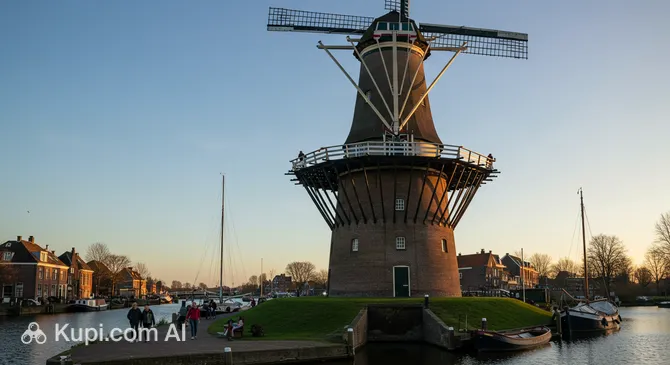
De Adriaan Windmill. Illustration.
Source: Kupi.com AI

Traveler photos:

  • The famous Harlem neighborhood in New York was named after the Dutch Haarlem. In 1658, Dutch settlers established the settlement of Nieuw Haarlem (New Haarlem) on Manhattan island.

  • Haarlem is home to the Teylers Museum—the oldest public museum in the Netherlands. It opened back in 1784 and has since remained virtually unchanged in its original concept, presenting a unique collection of art, scientific instruments, and fossils.

  • The symbol of the city, the Molen de Adriaan windmill, which you see today, is actually a faithful reconstruction. The original mill, built in 1779, burned down in 1932 and was only restored in 2002 thanks to the efforts of local residents.

  • Haarlem is famous for its hofjes—cozy inner courtyards with former almshouses. There are more than 20 such hidden gems in the city, many of which were founded in the 17th and 18th centuries and still maintain an atmosphere of privacy and tranquility.

  • During World War II, the ten Boom family hid Jews and members of the Resistance from the Nazis in their home in Haarlem. Today, the Corrie ten Boom House tells this touching story of courage and self-sacrifice.

How to Get There

The most convenient way to reach Haarlem is by air through one of the nearby international airports. The main and most convenient option is Schiphol Airport (AMS), located in Amsterdam, just about 11.6 km from Haarlem. This is one of Europe's largest and busiest airports, from where Haarlem can be easily reached by train (direct trips take about 15-20 minutes) or by taxi/bus in approximately 30-40 minutes.

Another option is Rotterdam The Hague Airport (RTM), located in Rotterdam, about 50.1 km from Haarlem. Although it is significantly smaller than Schiphol, it serves a number of European destinations. From there, you can reach Haarlem by public transport (often with a transfer) or by taxi in about 1-1.5 hours.

For clarity, here is a summary of the main airports through which you can reach Haarlem:

AirportPassenger trafficDistance
Amsterdam Airport Schiphol66.8 mln12 km
Rotterdam The Hague Airport2.1 mln50 km
Eindhoven Airport6.8 mln116 km
Antwerp International Airport239 517134 km
Weeze Airport2.0 mln135 km

Railway connection is another convenient way to get to Haarlem. Although the city itself has its own major station (Haarlem Centraal), which receives many regional and national trains, for international travelers or those arriving from more distant parts of the Netherlands, the key transfer hub is Amsterdam Centraal. This largest railway station in the country is located in Amsterdam, about 17.3 km from Haarlem. Trains depart regularly from here to Haarlem, and the trip takes only 15-20 minutes.

You can also consider Rotterdam Centraal station if your route goes through Rotterdam. It is located approximately 52.8 km from Haarlem, and from there you can reach Haarlem by train, usually with one transfer, in about 50-70 minutes.

Below is information about some railway stations that may be convenient for a trip to Haarlem:

StationPassenger trafficDistance
Amsterdam Centraal Station70.1 mln17 km
Hilversum Railway Station8.5 mln40 km
Rotterdam Centraal Station40.9 mln53 km
Ede-Wageningen Station9.1 mln81 km
Breda Station13.2 mln89 km

Main Attractions

Haarlem, with its rich history and culture, offers travelers many fascinating places. Among them, the following attractions stand out, allowing for a deeper acquaintance with this charming Dutch city:

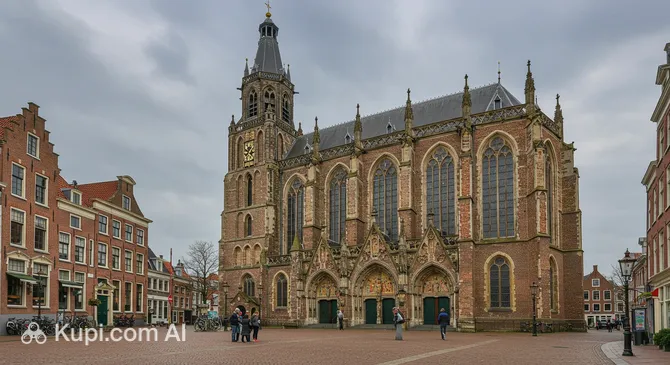
One of the city's main gems is Grote Kerk (St. Bavo's Church). This majestic Gothic church dominates the central Grote Markt square and is considered a symbol of Haarlem. Its construction began as far back as the 14th century. Tourists are drawn not only by the impressive architecture and rich history but also by the famous Müller organ, once played by Mozart and Handel. If possible, it is worth climbing the tower to enjoy a panoramic view of the old city.

Grote Kerk (St. Bavo Church). Illustration.
Source: Kupi.com AI

Traveler photos:

A visit to the Teylers Museum—the oldest museum in the Netherlands, founded in 1784—is a must. The uniqueness of this place lies in the fact that it has preserved its authentic 18th-century atmosphere. Visitors can expect an amazing collection of artworks, including drawings by Michelangelo and Rembrandt, vintage scientific instruments, impressive fossils, minerals, and numismatic rarities. It is a true immersion into the Age of Enlightenment.

Teylers Museum. Illustration.
Source: Kupi.com AI

Traveler photos:

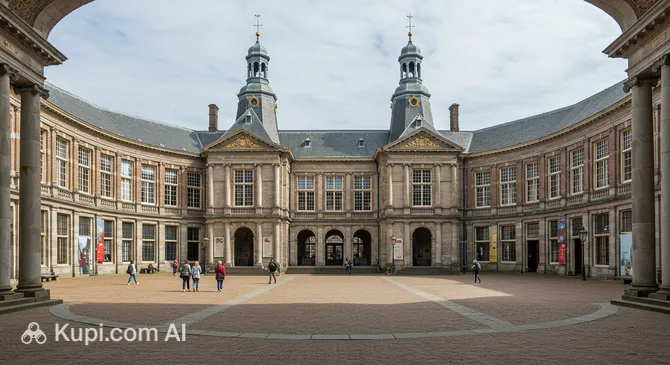
For fans of painting, the Frans Hals Museum is highly recommended. It is dedicated to the work of one of the greatest portraitists of the Dutch Golden Age, Frans Hals, as well as his contemporaries. The museum houses the world's largest collection of Hals' own works, allowing visitors to trace the evolution of his unique style. The exhibition also includes works by other masters of the Haarlem school, providing a comprehensive overview of the art of that period.

Frans Hals Museum. Illustration.
Source: Kupi.com AI

Traveler photos:

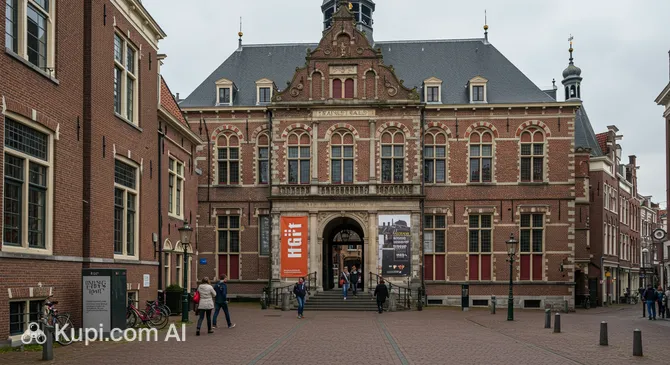
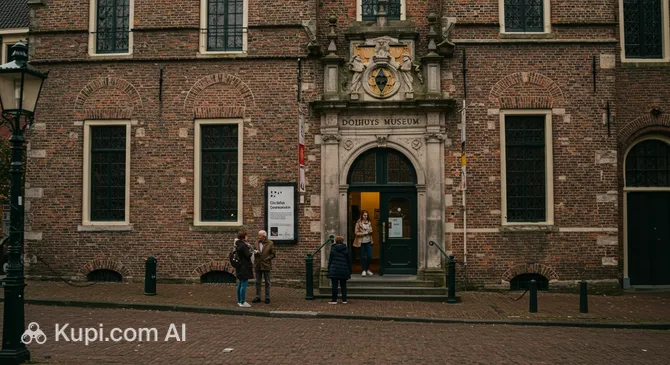
For those looking for unusual experiences, the Dolhuys Museum, also known as the Museum of the Mind, will be of interest. It is located in a historic building that formerly served as a leprosarium, an asylum for the insane, and a psychiatric hospital. The museum's exhibits explore the fascinating and sometimes complex history of the human mind, the perception of mental disorders, and the boundaries between normalcy and "otherness." It is a thought-provoking place that offers a non-standard look at human nature.

The Dolhuys Museum. Illustration.
Source: Kupi.com AI

Traveler photos:

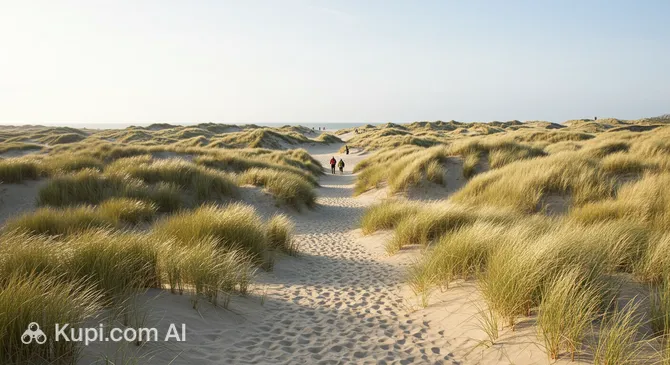
If you want to take a break from the city bustle and enjoy nature, head to Zuid-Kennemerland National Park. This vast park, stretching between Haarlem, Zandvoort, and the North Sea coast, offers magnificent landscapes with dunes, forests, and beaches. It is an ideal place for hiking and cycling, wildlife watching—including Highland cattle and roe deer—as well as simply breathing in the fresh sea air.

Zuid-Kennemerland National Park. Illustration.
Source: Kupi.com AI

Traveler photos:

Local Cuisine

Haarlem's gastronomic scene is a delightful journey for any foodie, offering a harmonious blend of traditional Dutch flavors and modern culinary trends. The city is famous for its cozy cafes, elegant restaurants, and lively markets where everyone will find something to their liking. Quality local products and the atmosphere of gezelligheid (Dutch coziness), which makes any meal special, are highly valued here.

While in Haarlem, be sure to try classic Dutch treats. Start with haring—lightly salted young herring traditionally eaten with onions and pickles, which is particularly popular in early summer. It's impossible to resist the aroma of freshly baked stroopwafels—thin waffles with a caramel filling that pair perfectly with a cup of coffee. And, of course, don't forget patat (fries), which are served here in paper cones with various sauces, such as classic mayonnaise or the savory "oorlog" sauce (mayonnaise, peanut sauce, and fresh onions).

Among drinks, beer holds a special place. Haarlem has a rich brewing history, and the local Jopenbier, brewed according to restored medieval recipes in a former church, is a true source of pride for the city. For fans of stronger spirits, it's worth trying jenever—traditional Dutch juniper gin. Naturally, the Dutch are great coffee lovers, so you'll find many places serving excellent espresso or koffie verkeerd (coffee with a lot of milk).

The food culture in Haarlem is diverse. Locals and tourists love to spend time in numerous eetcafés (snack bars), where you can eat affordably and tastily in a relaxed setting. On Saturdays, a lively market unfolds on the central Grote Markt square, offering fresh produce, cheeses, pastries, and street food. For a more formal dinner, the city has many restaurants for every taste, from traditional Dutch cuisine to exotic dishes. For example, you can stop by PeperZout Haarlem Turkish-Mediterranean Restaurant to discover interesting flavor combinations.

PeperZout Haarlem Turkish Mediterranean Restaurant. Illustration.
Source: Kupi.com AI

Traveler photos:

Travel Tips

Welcome to Haarlem! To make your trip to this charming Dutch city as comfortable and rewarding as possible, we have prepared some practical tips. They will help you better navigate the place and enjoy every moment of your stay.

  1. Clothing and Essentials: The climate in the Netherlands is maritime, so the weather in Haarlem can be changeable. Layered clothing is recommended to easily adapt to temperature changes. Be sure to bring a raincoat or umbrella, especially in autumn and winter. Don't forget comfortable shoes for walking on the cobblestones of the old city. For electrical appliances, you will need an adapter (Type F sockets are used in the Netherlands). When visiting churches, such as the Grote Kerk, it is advisable to stick to a modest style of clothing (shoulders and knees covered).
  2. Transport in the City: Haarlem is a compact city that is pleasant to explore on foot or by bicycle (rentals are available everywhere). Public transport is mainly represented by buses, which connect different parts of the city and its surroundings. For trips to Amsterdam and other cities, it is convenient to use trains—Haarlem railway station is an important transport hub. Taxis are available, and apps like Uber also work. A rental car is unlikely to be needed for moving around the city itself; besides, parking can be expensive and limited.
  3. Finance: The official currency in the Netherlands is the Euro (EUR). You can exchange money at banks or exchange offices. Credit and debit cards (Visa, Mastercard) are accepted almost everywhere; American Express is less common. Maestro cards are also very common. ATMs (Geldautomaat) are easy to find. Be sure to notify your bank about your trip to avoid card blocking. An approximate daily budget (excluding accommodation) might be 70-150 euros. Tipping in restaurants is not mandatory but appreciated (5-10% of the bill or rounding up) for good service. In taxis, it's customary to round up the amount; in bars, you can leave small change.
  4. Health and Safety: Pharmacies (Apotheek) are easy to find, but not all are open 24/7; information about duty pharmacies can be found online ("dienstapotheek"). For EU citizens, it's recommended to have a European Health Insurance Card (EHIC). Tourists from other countries must take out travel insurance. In emergencies, call 112. Haarlem is a very safe city. Nevertheless, observe standard precautions: watch your belongings in crowded places and at stations.
  5. Communication: The official language is Dutch. However, the vast majority of the population, especially in the tourism sector, speaks English excellently. Learning a few simple phrases in Dutch ("Hallo"—hello, "Dank u wel"—thank you, "Alstublieft"—please/here you go) will be a pleasant gesture. SIM cards from local operators can be bought in supermarkets or specialized stores. Free Wi-Fi is available in many cafes, hotels, and public places. Useful apps: 9292 (public transport route planner) and Buienradar (rain forecast, very relevant!).
  6. Local Etiquette: The Dutch are usually direct but polite and friendly. It is customary to say hello ("Hallo" or "Goedendag"). In public places, try not to make noise. Punctuality is valued when communicating with locals. If you accidentally find yourself on a bicycle path, give way to cyclists—it's their territory.
  7. What to Avoid: Try not to walk on bicycle paths—they are intended exclusively for cyclists, who can move quite fast and assertively. Also, avoid loud conversations and noisy behavior in residential neighborhoods, especially in the evening and at night, so as not to disturb local residents.
  8. A Special Tip for Haarlem: Be sure to explore the hofjes—charming hidden courtyards with former almshouses. Many of them are open to visitors during certain hours. This is a unique opportunity to peek into the quiet, secluded side of the city. However, remember that these are residential spaces, so behave respectfully and quietly.

We hope these tips help you plan an unforgettable trip to Haarlem. Enjoy its beauty, history, and unique atmosphere!

Entertainment & Nightlife

When the sun sets over the picturesque canals of Haarlem, the city doesn't go to sleep but instead offers its guests a cozy and diverse evening program. The nightlife here differs from that of noisy metropolises; it is more intimate, soulful, and centered around traditional Dutch bars, stylish pubs, and restaurants where you can enjoy time in friendly company.

The main concentration of evening venues is in the historic center, especially around the Grote Markt square and adjacent streets such as Warmoesstraat, Spekstraat, and Zijlstraat. Here you will find many so-called "brown cafes" (bruine kroeg)—traditional pubs with wooden furniture and a relaxed atmosphere where you can enjoy local beer, including the famous Jopenbier. The atmosphere in such places is usually very welcoming, and the crowd is mixed—from locals to tourists. Most bars are open until 1–2 AM on weekdays and until 2–3 AM on weekends. There is usually no specific dress code; comfortable style is valued.

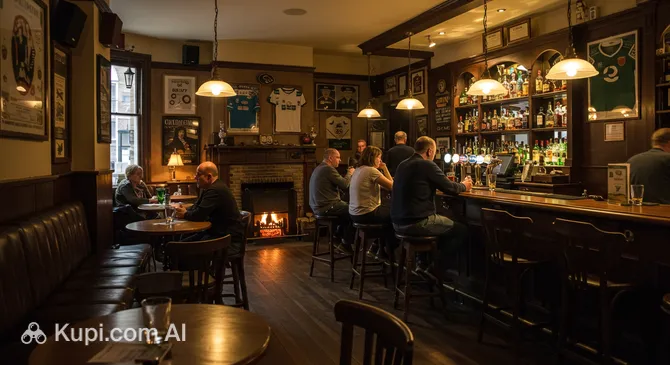
For lovers of an Irish atmosphere and good beer, The Wolfhound Irish Bar & Kitchen is an excellent choice, where live music nights often take place. If you prefer a late dinner in a stylish setting, look at Sukiya Sushi & Fusion, which offers Asian cuisine. It is also worth mentioning PeperZout Haarlem Turkish-Mediterranean Restaurant, where you can enjoy Mediterranean dishes in a pleasant evening setting.

The Wolfhound Irish Bar & Kitchen. Illustration.
Source: Kupi.com AI

Traveler photos:

Although Haarlem is not famous for large nightclubs, you can find several places with dance music, especially on weekends. Concert venues like Patronaat regularly host both local and international performers of various genres. Average drink prices in bars are comparable to other Dutch cities: a glass of beer will cost about 5-7 euros, and cocktails are 8-12 euros. It is best to arrive at the bars after 9:00 PM when the city comes alive.

Getting around Haarlem at night is quite safe, especially in the central areas. The city is well-lit, and many people walk late. To return to your hotel, you can use a taxi (it is recommended to order via an app or by phone) or night buses if your route allows. Central areas are safe for night walks, but as everywhere, you should observe basic precautions.

During the day, Haarlem offers a rich cultural program: you can visit world-famous museums such as the Teylers Museum or the Frans Hals Museum, stroll through historic hofjes, or relax in one of the picturesque parks like Haarlemmer Kweektuin, or head out into nature at Zuid-Kennemerland National Park. Thus, Haarlem offers a harmonious combination of daytime cultural discoveries and pleasant evening entertainment.

Parks & Museums

Haarlem is not just about picturesque canals and ancient architecture, but also about wonderful opportunities for outdoor relaxation and immersion in a rich cultural heritage. The city offers guests both peaceful green zones and fascinating museums, each telling the story and soul of this amazing place in its own way.

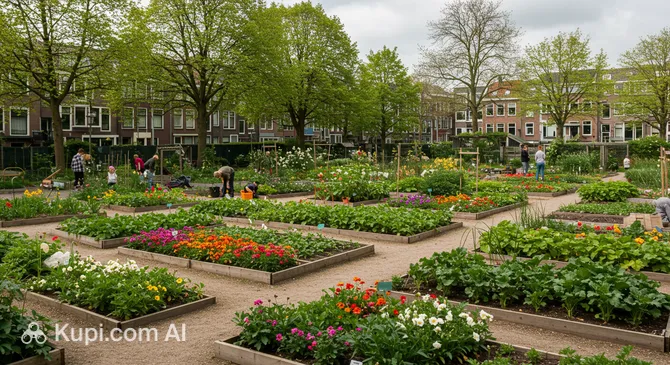
For those seeking connection with nature, a visit to Zuid-Kennemerland National Park is a must. Located near the city, this vast park with its dunes, forests, and North Sea beaches is the perfect place for long walks, cycling trips, and wildlife observation. You can start your acquaintance with the park at the Kennemerduinen Visitor Centre, where they will provide you with all the necessary information. Within the city limits, a pleasant discovery will be the Haarlemmer Kweektuin—a charming urban garden often called the "green heart" of Haarlem. This is a lovely place for a quiet break, a picnic, or simply to enjoy the silence among flowers and greenery. One should not forget Haarlemmerhout—the oldest public park in the Netherlands, established back in the 16th century, which offers shady alleys and a historic atmosphere.

Haarlemmer Kweektuin. Illustration.
Source: Kupi.com AI

Traveler photos:

Kennemer Dunes Visitor Center. Illustration.
Source: Kupi.com AI

Traveler photos:

Haarlem's cultural life is equally rich. The city prides itself on its world-class museums. The Teylers Museum, the oldest in the country, impresses with a unique collection of artworks, scientific instruments, and fossils that preserves the spirit of the Enlightenment. Art lovers should definitely visit the Frans Hals Museum, which houses a magnificent collection of works by the Golden Age master and his contemporaries, allowing for a deep dive into the art of that period. Be sure to stop by the Corrie ten Boom House—this place tells a touching and important story of courage and humanity during World War II, leaving a deep mark on every visitor's soul. For those looking for unusual experiences, the Dolhuys Museum (Museum of the Mind) invites reflection on the boundaries of normalcy and perception of the world.

Corrie ten Boom House. Illustration.
Source: Kupi.com AI

Traveler photos:

In addition to these iconic spots, Haarlem itself, with its historic center, famous hofjes (cozy inner courtyards), the majestic Grote Kerk (St. Bavo's Church), and the photogenic Molen de Adriaan windmill, is a true open-air museum where every corner breathes history.

Quick tip: After a busy day in the museums, take a stroll through one of the quiet hofjes or relax in the Haarlemmer Kweektuin to fully experience the multifaceted character of Haarlem—a city where culture and nature harmoniously complement each other.

Getting Around

Getting around Haarlem and its surroundings is quite simple thanks to a well-developed public transport system. Although the city itself is compact and many attractions are within walking distance, knowing the transport nuances will make your trip even more comfortable.

The main form of public transport in Haarlem is buses. They are operated by the Connexxion company and cover the entire city, as well as connecting it with nearby settlements. The routes are well-thought-out, and buses run quite frequently, especially during the day. Railway connection also plays an important role: Haarlem Centraal station is not only a beautiful historic Art Nouveau building but also a major transport hub, from where it's easy to reach Amsterdam (the trip takes only 15-20 minutes), Leiden, The Hague, Rotterdam, and the beaches of Zandvoort.

To pay for travel on public transport in the Netherlands, including Haarlem, the OV-chipkaart system is used—this is a rechargeable smart card that can be purchased at stations, in some supermarkets, and tobacco kiosks. Anonymous cards (anonieme OV-chipkaart) exist, which are ideal for tourists. Also becoming increasingly popular is the OVpay system, allowing you to pay for travel with a contactless bank card (debit or credit) or a smartphone with NFC function. It is important to remember that when using both OV-chipkaart and OVpay, you must tap the card on the validator when entering (check-in) and when exiting (check-out) the bus or when passing through turnstiles at the railway station. If you forget to "check-out," a higher amount may be charged from the card. Single bus tickets can be bought from the driver (usually by card only, cash is not accepted, and it is more expensive), and for the train—at machines at stations or online.

Practical tips for tourists: It is convenient to plan routes and find schedules using the national 9292 app or the 9292.nl website, and for trains—via the NS (Dutch Railways) app or ns.nl website. Train tickets can be bought at the yellow-and-blue machines at stations (accepting cards and sometimes coins) or online. Buses usually run from early morning until late evening, but the frequency of trips decreases in the evening hours and on weekends. Railway service is very intensive, especially on popular routes.

Alternative ways of moving around: The bicycle is perhaps the most Dutch and one of the most convenient ways to explore Haarlem. There are numerous bicycle rental points in the city, and bicycle paths are laid everywhere. Taxis are available; they can be ordered by phone, through apps (e.g., Uber), or found at special stands, but it is a relatively expensive form of transport. Car sharing is also present, but for short tourist trips, it may be less convenient. And, of course, the historic center of Haarlem is perfectly suited for walking.

Accommodation

In Haarlem, travelers will find a wide range of accommodation options to suit various preferences and budgets. The city offers everything from cozy budget hostels and guest houses to stylish boutique hotels, comfortable mid-range hotels, and short-term rental apartments. Because of this, everyone will be able to find the perfect option for their stay in this charming Dutch city.

The most popular areas for tourists to stay are traditionally the historic city center, especially in the vicinity of the Grote Markt square and along the picturesque canals. Staying here provides easy access to many main attractions, restaurants, and shops. The areas adjacent to the central railway station are also convenient, which is especially relevant for those planning frequent trips to Amsterdam or other cities in the Netherlands.

The price range for housing in Haarlem varies: you can find budget options as well as mid-range and higher-end hotels offering an expanded range of services and exquisite design. Renting apartments or rooms through online platforms is also a popular choice, especially for families or those who prefer more independence and home comfort.

It is recommended to book accommodation in Haarlem in advance, especially if your trip falls during the peak tourist season (summer months, periods of festivals, or major events). This will allow you to choose from a larger number of options and possibly find better deals. The main booking methods are popular international online platforms (e.g., Booking.com, Expedia, Airbnb), as well as direct booking through hotel websites.

Nearby Cities

For those who want to explore the surroundings, Haarlem serves as an excellent starting point for day trips to several interesting nearby places:

Hoofddorp, located just 10 km away, is the main town of the Haarlemmermeer municipality. This modern city, built on the site of a drained lake, attracts visitors with its shopping centers and convenient transport links, including proximity to Schiphol Airport.

Zaanstad, located about 11 km to the north, offers a unique opportunity to immerse yourself in traditional Dutch culture. Its main attraction is the famous Zaanse Schans windmill village, where you can see ancient crafts and architecture.

Zaandam, part of the Zaanstad municipality (about 14 km from Haarlem), is known for its unusual architecture, a striking example of which is the Inntel Hotels Amsterdam Zaandam. The city also preserves the memory of Peter the Great, who stayed here to study shipbuilding.

CityPopulationDistance
Bloemendaal23 4783 km
Heemstede27 5454 km
IJmuiden48 3208 km
Velsen-Zuid68 6178 km
Zandvoort17 1688 km

These nearby destinations provide an insight into the diverse culture and landscapes of the region.

Shopping & Souvenirs

Haarlem offers a truly delightful experience for shopping lovers, combining the charm of historic streets with a variety of stores. Here you won't find giant shopping malls, but instead, you can enjoy leisurely walks through cozy streets, discovering both well-known brands and unique independent boutiques. The city is famous for its pleasant shopping atmosphere, where everyone will find something to their taste, from fashionable clothing to local delicacies.

The main shopping artery of Haarlem is Grote Houtstraat. This long street is filled with the windows of large chain stores, fashion brands, and department stores. If you are looking for something more original, turn onto Kleine Houtstraat. This street has repeatedly been recognized as one of the most pleasant for shopping in the Netherlands thanks to its abundance of independent boutiques, designer shops, concept stores, and specialized little shops. It is also worth paying attention to streets such as Zijlstraat, Barteljorisstraat, and Warmoesstraat, where many interesting retail points are also concentrated.

Shopping in Haarlem is primarily about the pleasure of walking the streets and visiting individual shops, rather than trips to huge indoor shopping centers typical of metropolises. In the historic center, you're more likely to find small shopping galleries or large department stores, but the main charm lies in exploring the unique little shops located along the old streets. If you need a more traditional large shopping center, such complexes are usually located on the outskirts of the city, but the heart of Haarlem offers a more authentic Dutch shopping experience.

An essential item on the program for any visitor to Haarlem should be a visit to the local markets. Every Saturday, a lively and colorful market unfolds on the central Grote Markt square, where you can find fresh farm products, famous Dutch cheeses, flowers, clothing, souvenirs, and much more. This is a great opportunity not only to shop but also to feel the local atmosphere. On Mondays, a fabric market (lapjesmarkt) is often held on the same square, attracting handicraft lovers.

As souvenirs from Haarlem, you can bring traditional Dutch treats: of course, Dutch cheese, fragrant stroopwafels (thin waffles with caramel filling), or tulip bulbs (depending on the season). A bottle of local Jopenbier beer, brewed according to old recipes, also makes an excellent gift. Additionally, in souvenir shops, you will find items featuring views of Haarlem, reproductions of paintings by the famous artist Frans Hals, or works by local craftsmen.

Most shops in Haarlem are open from 9:00 or 10:00 AM to 5:30 or 6:00 PM from Monday to Saturday. On Thursdays, the city traditionally holds an evening shopping night (koopavond), when many shops are open until 9:00 PM. On Sundays (koopzondag), many shops in the city center also open their doors to shoppers, usually in the afternoon. The main method of payment is bank cards; Maestro and V PAY cards are very common in the Netherlands, but Visa and Mastercard credit cards are also widely accepted. While cash is still in use, paying by card is often the preferred method, especially in small shops.

Tourists residing outside the European Union can take advantage of the opportunity for a Value Added Tax refund (Tax Free) on goods purchased in the Netherlands. To do this, look for stores with the corresponding "Tax Free Shopping" logo. Generally, you need to make a purchase for a certain minimum amount in one store, ask the seller for a special tax refund form, and present it along with the receipts and unopened goods to customs when leaving the EU.
Reached the end of the page?

That means the route is fully explored