Support

The Hague

About

The Hague is a fascinating city that, despite not being the official capital, serves as the political and administrative heart of the Netherlands. Here, amid historic buildings and modern office districts, you will find the royal residence, the seat of government and parliament, and various international courts. The city’s atmosphere is notably calmer than energetic Amsterdam, offering travelers a blend of aristocratic dignity and coastal charm.

Geographically, The Hague is located in the west of the country, right on the shores of the North Sea. With a population of over 548,000, it is the third-largest city in the country. Thanks to its proximity to the water and an abundance of green spaces, the air feels fresh here, and the city's historical heritage is harmoniously complemented by modern architectural designs and diplomatic polish.
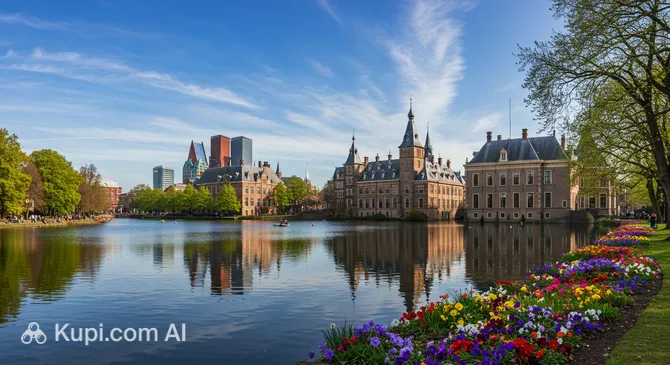
The Hague. Illustration.
Source: Kupi.com AI

Among the main magnets for travelers are the majestic Binnenhof complex and the famous beaches of the Scheveningen district. The city is ideal for those who appreciate thoughtful strolls through world-class museums, exquisite architecture, and the opportunity to swap a business suit for casual seaside attire in just fifteen minutes.

We invite you to discover this "stately yet unhurried" center, where every neighborhood tells its own story—from medieval legends to global legal initiatives of the modern day. A visit to this city will be one of the most memorable and meaningful parts of your journey through the country.
Weather Overview

The climate in The Hague is distinctly temperate maritime, largely determined by the proximity of the North Sea. The water softens temperature fluctuations: winters are mild but windy, with average temperatures around +2…+6 °C, while summers are cool and refreshing. The weather in The Hague is highly changeable, so sunshine can be replaced by a brief shower several times a day.

In the summer months, especially July and August, daytime temperatures usually hover between +18…+22 °C, although they can rise higher on occasional hot days. Expect pleasant warmth with periodic refreshing breezes that make strolling along the Scheveningen promenade especially comfortable. Autumn and spring are characterized by frequent clouds and increased winds, typical for coastal areas.

Thanks to constant sea winds, the air in the city is always clean, making it an excellent place to relax. Snow rarely falls in winter and melts quickly; the prevailing weather is cloudy with light rain. When packing, be sure to bring a windproof jacket and an umbrella—these are the most essential accessories for a comfortable exploration of the city at any time of year.

Average monthly temperature

Average monthly precipitation

Interesting Facts

The Hague is full of surprising discoveries that often escape the average tourist's notice. Here are a few facts to help you get to know the city better:

  • The city is not officially the capital of the country, but it is home to the Noordeinde royal palace, the parliament, and all ministries, making it the "de facto" political center of the state.

  • The Binnenhof complex is considered the world's oldest parliament building still in use for its original purpose—its history began in the 13th century as a hunting castle for the Counts of Holland.

  • For a long time, The Hague did not formally hold city status and was considered "Europe’s largest village," as rulers were reluctant to grant it city rights for tax reasons.

  • The city is home to the Haagse Markt, one of the largest open-air markets in Europe, where the city’s cultural diversity is showcased through exotic produce and goods from all over the world.

  • The Madurodam miniature park is not just an attraction, but a 1:25 scale model of the country, with its proceeds going to charitable causes.

How to Get There

Thanks to its location in the densely populated Randstad region, The Hague enjoys excellent transport links. You can find more details on how to get to the city in our guide, but the railway remains the primary mode of travel in the region.

The city does not have its own major airport, but travelers typically use Schiphol Airport (AMS) in Amsterdam, which is just a 30–40 minute direct train ride away. Also nearby is Rotterdam The Hague Airport (RTM), which focuses on regional flights. From there, you can reach the city center by bus or metro in less than half an hour.

AirportPassenger trafficDistance
Rotterdam The Hague Airport2.1 mln16 km
Amsterdam Airport Schiphol66.8 mln41 km
Antwerp International Airport239 51799 km
Eindhoven Airport6.8 mln101 km
Brussels Airport23.6 mln131 km

The railway service is a point of pride for the city. The Hague has two main stations. Den Haag Centraal is the terminus for many lines and is located in the heart of the city. Den Haag HS (Hollands Spoor) is the city's oldest station, serving transit trains traveling from Amsterdam toward Rotterdam and Brussels. Both stations are conveniently connected to the city's tram network.

StationPassenger trafficDistance
Rotterdam Centraal Station40.9 mln20 km
Amsterdam Centraal Station70.1 mln53 km
Hilversum Railway Station8.5 mln62 km
Breda Station13.2 mln62 km
Ede-Wageningen Station9.1 mln94 km

For those traveling by car, the city is accessible via the A4 and A12 motorways. However, keep in mind that traffic jams often occur at the entrances during peak hours, and parking in the city center is among the most expensive in the country. A smart solution is to leave your car at one of the Park + Ride (P+R) lots on the outskirts and continue your journey by public transport.

Main Attractions

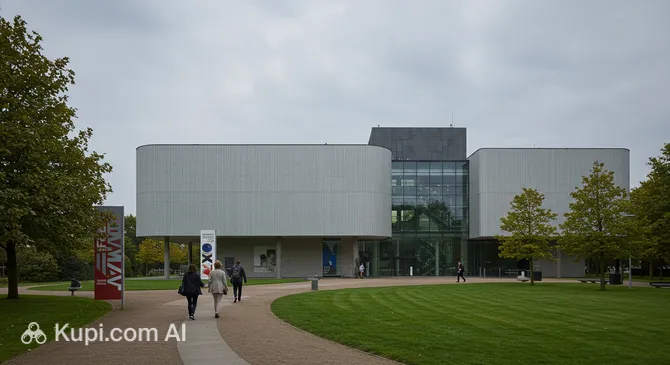
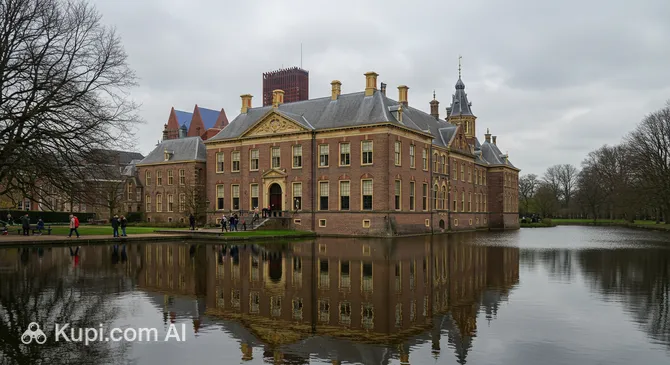
The main attractions of The Hague allow you to touch great art and feel the spirit of centuries-old history. One of the city's gems is the Mauritshuis, an art museum housed in a 17th-century mansion, which is home to Vermeer's famous "Girl with a Pearl Earring" and masterpieces by Rembrandt. This intimate palace by the Hofvijver lake is a must-visit for all lovers of classical painting.

Mauritshuis. Illustration.
Source: Kupi.com AI

Traveler photos:

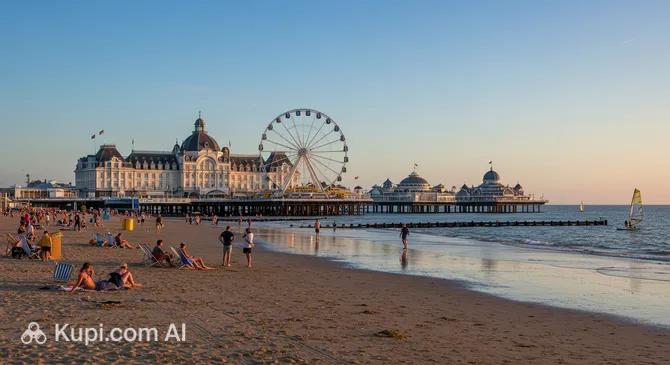
For those who prefer active recreation and seaside scenery, the Scheveningen Beach is the main draw. It is more than just a coastline; it is a full-fledged resort with a wide promenade, a legendary pier, and a vast selection of restaurants. Here, you can enjoy the fresh sea breeze or ride the Ferris wheel while admiring the sunset over the North Sea.

Scheveningen Beach. Illustration.
Source: Kupi.com AI

Traveler photos:

Technophiles and car history enthusiasts should definitely visit the Louwman Museum. It houses one of the world's oldest and most complete private car collections, including unique specimens ranging from early carriages to futuristic concept cars. The exhibition is curated with incredible attention to detail, telling the story of transport evolution over the decades.

Louwman Museum. Illustration.
Source: Kupi.com AI

Traveler photos:

Don't forget to visit the political heart of the city, the Binnenhof complex, and the Madurodam park, where the entire country is recreated in miniature. The majestic Peace Palace, home to the UN International Court of Justice, is also an important symbol of the city, highlighting its key role in global jurisprudence.

Local Cuisine

The gastronomic scene in The Hague is a vibrant mix of traditional Dutch flavors, fresh seafood, and a rich colonial heritage. Be sure to try the famous herring (haring), sold at specialized stalls throughout the city. On the coast, in the Scheveningen area, it's worth tasting kibbeling—tender pieces of white fish fried in batter—or fresh mussels.

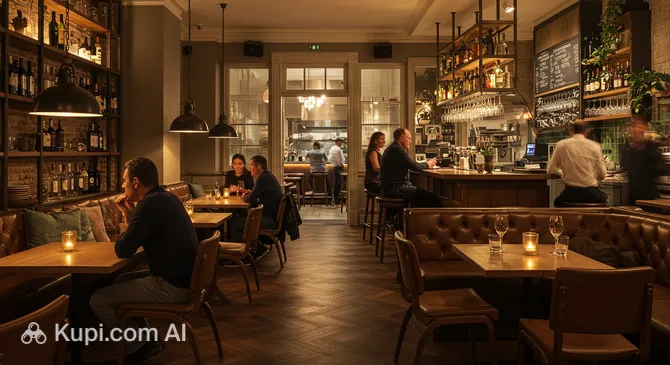
Indonesian cuisine holds a special place in the city's culinary culture, having become almost native here. A traditional rijsttafel (rice table) lunch, consisting of many small bowls with various meat, vegetable, and spicy dishes, will be an unforgettable experience. If you are looking for authentic Asian flavors in a stylish setting, check out the Little V restaurant, which is famous for its Vietnamese cuisine.

Little V. Illustration.
Source: Kupi.com AI

Traveler photos:

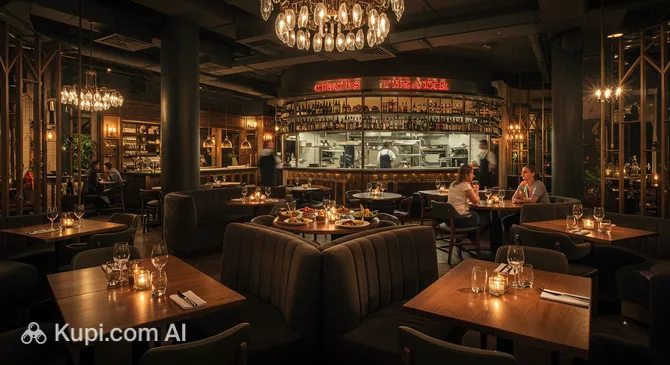
For a more formal evening or a cultural outing, the area around Plein square is perfect, home to exquisite bistros and classic restaurants. Those looking for a combination of dinner and entertainment can visit the AFAS Circustheater in Scheveningen, which often hosts shows accompanied by gastronomic sets.

Circus Theater. Illustration.
Source: Kupi.com AI

Traveler photos:

Don't forget dessert: it's customary in The Hague to serve warm stroopwafels (syrup waffles) or delicate poffertjes (mini pancakes) with powdered sugar with your coffee. The local café and bakery scene is actively developing, offering both classic recipes and modern vegan and craft options to satisfy the most discerning gourmets.

Travel Tips

Preparing for your trip to The Hague will be easier and more enjoyable with our practical recommendations, designed to ensure your holiday goes perfectly.

  1. Clothing and Essentials: Coastal weather is changeable, so be sure to bring a windproof jacket and dress in layers. Comfortable shoes are your best friend, as you'll be doing a lot of walking. There is no specific dress code for churches, but for visiting official events in the city center, smart casual is a better choice.
  2. Transport: The best way to get around is the tram. Use a contactless bank card for payment (check-in/check-out system). If you plan to travel a lot, consider renting a bike, but be careful on the roads!
  3. Finances: The currency is the Euro. Cards are accepted almost everywhere (including markets), but it's useful to have some cash for small purchases at street stalls. Tips are usually included in the bill, but it's customary to leave about 5–10% in restaurants for good service.
  4. Health and Safety: The city is safe, but keep an eye on your belongings in crowded places like Scheveningen or the train stations. Pharmacies (Drogist) can be identified by signs with a green cross.
  5. Communication: Almost all residents speak excellent English. However, a greeting like "Goede dag" (Good day) or "Dank u" (Thank you) will be received with great appreciation.
  6. Local Etiquette: Punctuality is highly valued here. The Dutch appreciate directness in communication, so don't be surprised by honest and clear answers. Be polite and always say hello when entering small shops.
  7. What to Avoid: Never walk on dedicated cycle lanes (usually paved with red tiles)—it is dangerous and irritates the locals.
  8. Pro Tip: Book tickets for the Mauritshuis and Madurodam online in advance to avoid wasting time in queues, especially on weekends.

We wish you an unforgettable trip and wonderful impressions of this amazing city on the shores of the North Sea!

Entertainment & Nightlife

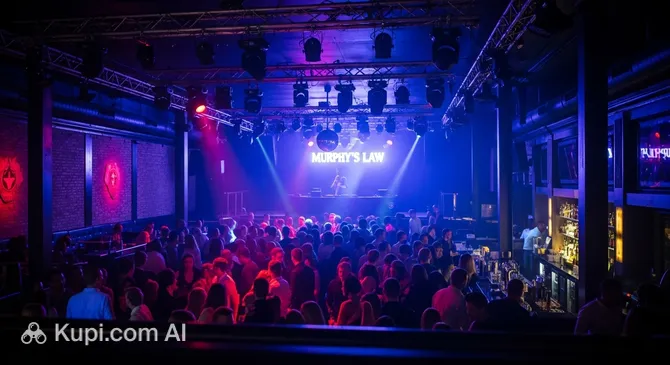
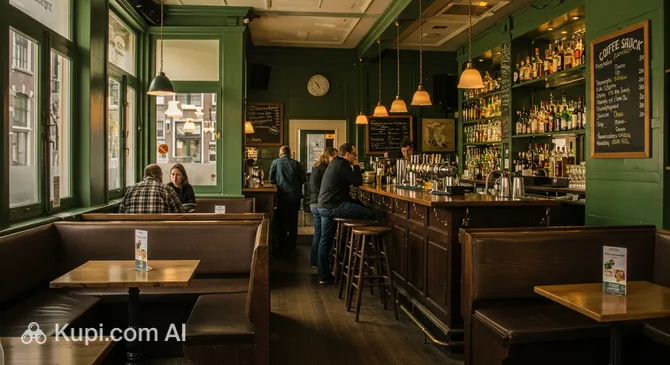
Entertainment in The Hague is centered in several key locations, each with its own unique character. Evening life in the historic center thrives at Plein and Grote Markt. Here, bar and café terraces fill with locals and office workers immediately after the workday ends, creating a lively atmosphere. For those who enjoy cozy settings and good music, Murphy’s Law pub is an excellent choice, known for its hospitality and drink selection.

Murphy's Law. Illustration.
Source: Kupi.com AI

Traveler photos:

A completely different atmosphere reigns on the coast in Scheveningen. In summer, beach clubs and bars on the sand become the epicenter of parties with DJ sets and open-air concerts. During the day, the attractions on the pier are popular, including the famous SkyView Ferris Wheel, which offers breathtaking views of the sea and the city skyline. For those looking for a specific Dutch experience, the well-known Dizzy Duck Coffeeshop operates in the center, attracting visitors with its style and reputation.

Coffeeshop Dizzy Duck. Illustration.
Source: Kupi.com AI

Traveler photos:

The city's cultural offerings are further enhanced by numerous cinemas, theaters, and concert halls. Although the nightlife here might seem less boisterous than in neighboring Amsterdam, The Hague offers high-quality and safe leisure options. Late at night, taxis are the most convenient way to get around, and for those craving large-scale club parties, night trains to Rotterdam or Amsterdam will get you to your destination in less than an hour.

Parks & Museums

The Hague is rightfully considered one of the "greenest" cities in the country. In the very center lies the ’s-Gravenhaagse Bos forest park, surrounding the royal residence. It is an ideal place for walking and jogging in the shade of ancient trees. Along the coast stretches the Westduinpark dune strip, where you can enjoy wild nature and sea views while following winding bike paths.

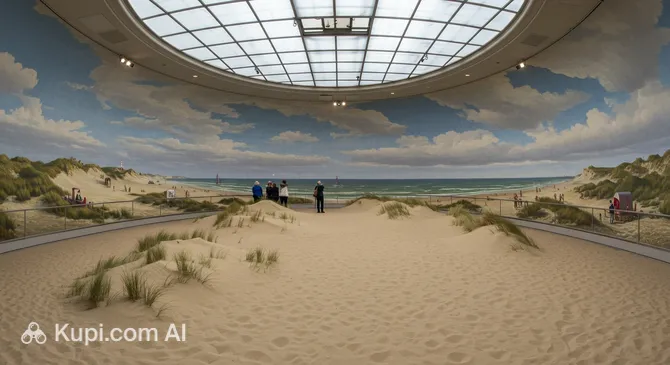
The city's museum life is incredibly rich. In addition to the famous Mauritshuis, it's worth visiting the Panorama Mesdag—a unique 19th-century canvas that creates a complete illusion of being on the seashore in an old fishing village. It is the largest circular painting in the world preserved in its original form. Another unusual spot is the Van Kleef Distillery Museum, where you can learn about the history of traditional Dutch drink production in the authentic setting of an old distillery and pharmacy.

Panorama Mesdag. Illustration.
Source: Kupi.com AI

Traveler photos:

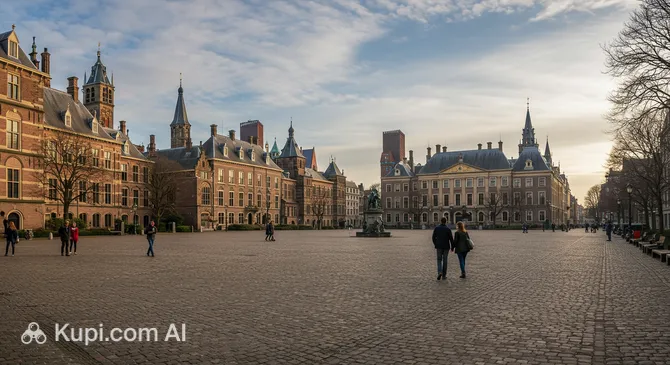
For lovers of history and landmark sites, the Het Plein square is a central point, surrounded by majestic ministry buildings and historic mansions. Here, life pulses with the city's rhythm, combining official solemnity with the coziness of numerous cafes.

Het Plein. Illustration.
Source: Kupi.com AI

Traveler photos:

Don't forget the Kunstmuseum Den Haag, which houses the world's largest collection of works by Piet Mondrian, and Escher in Het Paleis, located in the former winter palace of Queen Mother Emma. The abundance of parks and galleries in The Hague allows you to create an ideal itinerary where contemplating art masterpieces harmonizes with relaxation in nature.

Getting Around

The public transport system in The Hague is recognized as one of the most efficient in the country. The backbone of city transport is an extensive network of HTM trams, which connect the stations with Scheveningen beach, the historic center, and residential areas. Trams run frequently, and their routes are designed so that you can reach most attractions without having to transfer.

In addition to trams, numerous buses run throughout the city, supplementing the network in less accessible neighborhoods. For trips to neighboring cities like Delft or Rotterdam, it's convenient to use RandstadRail—a light rail and suburban train system. All transport operates under a unified payment system, making regional travel intuitive for tourists.

To pay for travel, the simplest method is to use contactless bank cards (the OV-pay system)—just tap your card on the validator when entering and exiting the vehicle. You can also purchase single tickets from the driver or at special machines at major stations. Transport starts running early in the morning and ends around midnight, after which night buses operate on key routes.

Don't forget the most popular way to get around: the bicycle. The Hague is crisscrossed with bike lanes, and rental points (OV-fiets and private companies) can be found at every turn. If you prefer a car, remember the difficulties with parking in the center. The best option is to use taxis or car-sharing services for short trips when public transport is no longer running.

Accommodation

The hotel infrastructure in The Hague is capable of meeting the needs of many different types of travelers. Due to its status as a diplomatic center, there are many high-end chain hotels and business hotels located in close proximity to government buildings and international organizations. If your goal is a business trip or visiting museums, the city center offers comfortable accommodation options surrounded by historic architecture.

A completely different experience awaits those who choose to stay in the coastal area. The Scheveningen district features resort hotels, apartments, and cozy guesthouses. This is an ideal choice for a summer holiday if you want to wake up to the sound of the waves and have direct access to beach entertainment. Prices here can fluctuate significantly depending on the season and weather.

For budget travelers, the city has modern hostels and affordable apartment hotels located a bit further from the main attractions but in areas with good transport links. If you plan to visit during the peak summer season or during major international forums, we strongly recommend booking your accommodation in advance, as demand for quality options during these periods is extremely high.

Nearby Cities

Thanks to the country's compact size and excellent roads, The Hague serves as an ideal base for exploring the surroundings. In just 10–15 minutes by train or even by tram, you can reach the ancient city of Delft. This city enchants with its canals, leaning towers, and the famous blue-and-white porcelain that has been produced here for centuries.

For lovers of modern architecture and large-scale shopping, Rotterdam is a mandatory stop, with the trip taking about 25 minutes. If you want to immerse yourself in the atmosphere of classic university towns, head to Leiden, the birthplace of Rembrandt, where you can stroll endlessly along quiet waterways and historic university buildings.

Very close by are cozy suburbs such as Rijswijk and Leidschendam, which offer a slower pace of life and picturesque parks. Another interesting destination is Scheveningen, which, although part of The Hague, feels like a separate seaside resort with a unique atmosphere.

CityPopulationDistance
Rijswijk55 2204 km
Scheveningen58 8504 km
Leidschendam10 4827 km
Nootdorp19 0007 km
Delft103 5818 km

Exploring nearby cities allows you to see the full diversity of Dutch culture—from futuristic ports to fairytale medieval squares. All these destinations are easily accessible by public transport, making day trips from The Hague as comfortable and rewarding as possible.

Shopping & Souvenirs

Shopping in The Hague has a special charm, blending modern shopping streets with historic arcades. The city's main shopping artery is Grote Marktstraat, home to large department stores and flagship shops of international brands. This is a bustling pedestrian zone, always filled with residents and visitors alike.

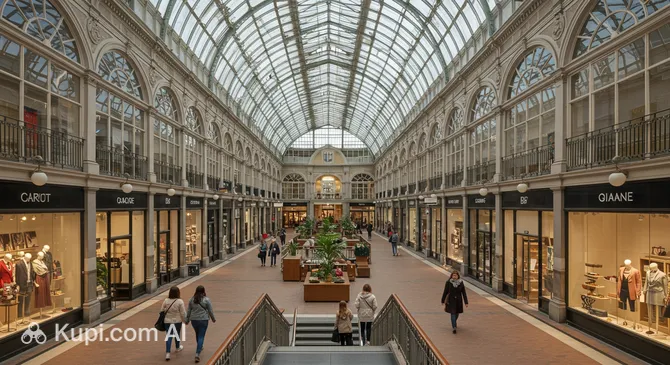
If you are looking for something more refined and atmospheric, head to De Passage. This magnificent 19th-century covered gallery is reminiscent of Parisian shopping arcades. Under its glass vaults are boutiques selling designer jewelry, high-end coffee, and unique gifts. Even if you don't plan on buying anything, the architecture of this place is worth your attention.

The Passage. Illustration.
Source: Kupi.com AI

Traveler photos:

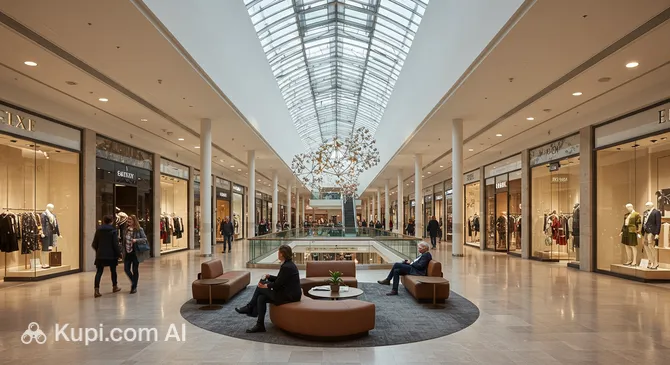
For those who prefer large-scale formats, the modern Westfield Mall of the Netherlands is open just outside the center—a true paradise for shopaholics with hundreds of stores and entertainment zones. And those who appreciate local flavor and fresh produce must visit the Haagse Markt. This market is striking in its scale and variety: from Dutch cheeses and fish to exotic fabrics and spices.

Shopping Mall. Illustration.
Source: Kupi.com AI

Traveler photos:

As souvenirs from The Hague, people most often bring back famous Delft porcelain (though produced in the neighboring city, the selection here is huge), packs of stroopwafels, and, of course, local cheese. Shops are generally open from 10:00 to 18:00, and on Thursdays—the "shopping evening"—the doors of many boutiques in the center remain open until 21:00. Most places accept international bank cards, and Tax Free shopping is available for tourists from non-EU countries.

Reached the end of the page?

That means the route is fully explored