Support

Arctic University Museum of Norway

About

The Arctic University Museum of Norway is the oldest scientific institution in Northern Norway, opening doors to the fascinating world of polar research and the region's ancient history. Founded in 1872, it has become the cultural heart of Tromsø. Here, under one roof, more than two million objects are gathered, telling the story of the harsh Arctic nature, archaeological discoveries, and the unique traditions of northern peoples.
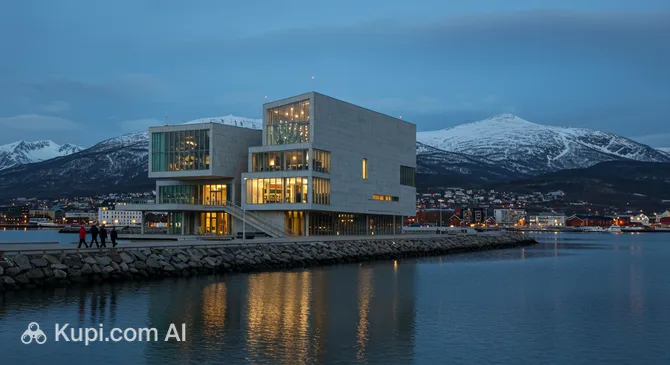
Arctic University Museum of Norway
Arctic University Museum of Norway. Иллюстрация. Источник: Kupi.com AI

The museum is part of the University of Tromsø and is a large-scale complex covering natural sciences and culture. Among its most impressive exhibits are massive whale skeletons, ancient fossils, a unique ichthyosaur skeleton, and a large nugget of pure gold. This is a place where academic knowledge meets engaging visual installations, making science accessible to every traveler.

Of particular value is the collection dedicated to Sámi culture, which is considered one of the most significant in the world. The museum's displays are regularly updated based on the latest scientific research, allowing guests to see an up-to-date picture of the changes in Arctic nature. In the future, a move to a new modern building in the very center of the city is planned, which will make this unique site even more accessible to guests of the polar capital.

Contacts

For information about special exhibitions or to organize group tours, you can contact the museum administration directly. The staff is always ready to help visitors plan their visit effectively.

How to contactContact
AddressLars Thørings veg 10, 9006 Tromsø, Norway
Phone+47 77 64 50 01
Websiteuit.no

What to Do

In the museum's halls, visitors will find an exciting journey through the millennia. In the natural history section, represented by the exhibitions "TellUs" and "UnNaturally", you can trace the evolution of life in the North — from prehistoric fossils to modern inhabitants of the tundra. The realistic skeletons of marine giants and interactive projectors recreating the magical glow of the Northern Lights leave a special impression.

Archaeology enthusiasts should definitely visit the section dedicated to the Viking Age. The exhibition "Dig a grave – bury a boat" detailedly recreates boat burial rituals, showcasing the rich inventory found in ancient graves in Northern Norway. Additionally, a rare collection of medieval church art is presented here, where biblical stories are closely intertwined with motifs of daily life in the North during the 18th century.

A central place in the exposition is occupied by the permanent exhibition "Samekulturen". This is one of the largest collections dedicated to the Sámi people. Here you can see traditional clothing, household items, and hunting tools that helped the indigenous people survive and thrive in the extreme conditions of the North for centuries. The museum offers more than just a viewing of exhibits; it provides a deep immersion into the philosophy and lifestyle of Arctic cultures.

Getting There

The museum is located at Lars Thørings veg 10, on the scenic southern tip of Tromsøya island. The walk from Tromsø city center takes about 30 minutes — it is a pleasant stroll along the coast through a park area.

If you prefer public transport, use buses No. 20, 24, 26, or 28. The nearest stop is within walking distance of the museum entrance. It is also easy to get here from Tromsø Airport on buses No. 20 or 24 in about 20–30 minutes.

For those who value comfort, city taxi services are always available — a trip from the central district takes no more than 10–15 minutes. During the summer, cycling is a popular way to get around, and you can rent a bike at one of the many rental points in the city.

Ближайший город: Tromsø

History & Facts

The history of this scientific institution began in 1872, although the idea for its creation arose even earlier. The inspiration came from teacher P. Schmidt, who, along with marine biologist Michael Sars, collected specimens of northern fauna. The official opening took place thanks to the efforts of geologist Karl Pettersen and support from the King, as well as numerous private contributors.

In the first decades of its existence, the museum did not have its own permanent home. From 1874, the collections were exhibited in a Baptist church building, and only in 1894 did the institution move into its own four-story building, which at the time was considered one of the largest in Tromsø. The museum moved to its current building on the south of the island in 1962.

A significant milestone in the museum's development was its merger with the Arctic University of Norway in 1977. This allowed for the integration of cultural and educational activities with deep scientific research. Today, the museum manages not only the exhibition halls but also several other sites, including a botanical garden and historical vessels.

For a century and a half, the museum has played a key role in preserving Sámi heritage and studying the region's archaeology. Its scientists have included such prominent figures as Just Qvigstad, who dedicated decades of his life to studying Sámi culture, and O.M. Nicolaissen, who made invaluable contributions to archaeological excavations in Northern Norway.

Time Needed

To see all the key exhibits at a leisurely pace, an average tourist will need 2 to 3 hours. This is enough time to get acquainted with the rich collection of Arctic nature, examine whale skeletons, and immerse yourself in the history of the Sámi people.

If you plan to study the archaeological finds in detail or are visiting the museum with children, who will surely enjoy the interactive zones imitating the Northern Lights, you should set aside half a day for the visit. Also, consider time for a break at the cozy museum café or a stroll through the surrounding park.

Working Hours

The museum's operating hours depend on the season, which is important to consider when planning your trip. During the summer season (from June 15 to August 15), the doors are open longer:

  • Monday – Friday: 10:00 – 18:00
  • Saturday – Sunday: 11:00 – 17:00

During the rest of the year (from August 16 to June 14), the museum operates on a shorter schedule:

  • Monday – Friday: 10:00 – 16:30
  • Saturday – Sunday: 11:00 – 16:00
DayWorking hours
Понедельник10:00 – 16:30
Вторник10:00 – 16:30
Среда10:00 – 16:30
Четверг10:00 – 16:30
Пятница10:00 – 16:30
Суббота11:00 – 16:00
Воскресенье11:00 – 16:00

Nearby

A visit to the museum can be perfectly combined with a walk around the southern part of the island. The surrounding area is rich in both modern entertainment centers and quiet historical spots that help you dive deeper into the atmosphere of this northern city.

NameDistance
Folkeparken0.3 km
Telegrafbukta0.4 km
Polaria1.8 km
Bastard Bar2.1 km
Huken Brygg2.1 km
Risø Food and Coffee Bar2.2 km
Emma's Dream Kitchen2.3 km

Reached the end of the page?

That means the route is fully explored