Support

Lofoten War Memorial Museum

About

In the heart of the picturesque town of Svolvær is a place that transports visitors back to one of the most dramatic eras of the 20th century. This is the Lofoten War Memorial Museum (Lofoten Krigsminnemuseum)—a unique collection of World War II artifacts, recognized as one of the most impressive private collections in Norway.
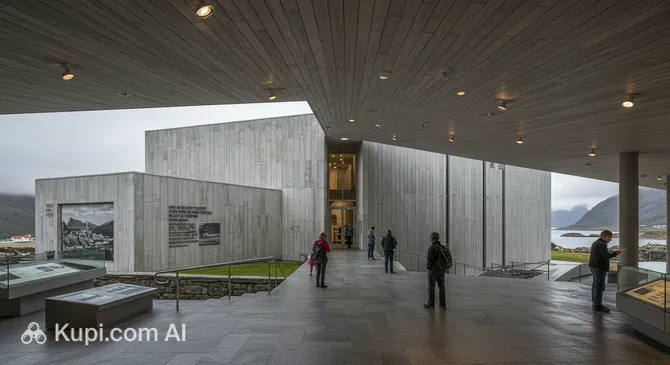
Lofoten War Memorial Museum
Lofoten War Memorial Museum. Иллюстрация. Источник: Kupi.com AI

The museum is dedicated to the events of 1940–1945 that took place beyond the Arctic Circle. Its creators have managed to gather an incredible amount of authentic items: from rare examples of military uniforms and weapons to personal letters and photographs that have never been published before. It is not just an exhibition of equipment, but a deeply emotional narrative about people's lives under occupation and the heroism of the local population.

Among the most valuable exhibits, you can see the flag from the legendary German cruiser Blücher and the cap of Norwegian hero Birger Eriksen. The museum is famous for its dense, almost intimate display, where every object has its own story, turning an ordinary tour into a fascinating journey into the past of the northern islands.

Contacts

For more details regarding your visit or to organize group tours, you can contact the museum administration directly.

How to contactContact
AddressFiskergata 3, 8300 Svolvær, Норвегия
Phone+47 91 73 03 28
Websitewww.lofotenkrigmus.no

What to Do

Visiting the museum is an opportunity to see the country's largest collection of military uniforms and equipment. By examining the detailed mannequins, you can gain an insight into how soldiers from various armies were equipped for harsh Arctic conditions. Special attention should be paid to the displays of rare radio equipment and everyday items that illustrate the daily lives of both military personnel and civilians.

Be sure to study the section dedicated to the famous Lofoten raids. It features documents and photographs detailing the Allied operations that became a major milestone in the region's history. Don't miss the personal belongings of the resistance heroes—letters and diaries provide a living connection to the past and reveal the scale of the personal tragedies of those years.

The atmosphere of the museum encourages thoughtful contemplation. Thanks to the compact layout of the exhibits, you literally find yourself surrounded by history. We recommend paying attention to the propaganda materials of that era—they clearly demonstrate the complexity of the ideological confrontation in occupied Northern Norway.

Getting There

The museum is located at Fiskergata 3, practically in the very heart of Svolvær. If you are already in the center or staying at one of the waterfront hotels, it is no more than a 5–10 minute walk. The town harbor serves as a perfect landmark, from which the museum doors are just a couple of hundred meters away.

For those arriving from other regions of Norway, the most convenient option is to use Svolvær Airport (SVJ). A taxi or bus ride from the terminal to the city center takes about 10–15 minutes. Ferries from Bodø or the famous Hurtigruten liners, which dock at the port within walking distance of the museum, are also popular ways to reach the town.

Travelers with rental cars will find the museum easily by following the signs to the port area. Although the building is located in a dense urban area, you can always find parking spaces nearby to leave your car and continue exploring on foot.

Ближайший город: Svolvaer

History & Facts

The story of this unique place began with the passion of one man—William Hakvaag. For decades, he painstakingly gathered fragments of the past, and on June 15, 1996, his private collection officially opened its doors to the public. In 2010, the project attained a new status by joining the Museum Nord association, allowing for even more effective preservation of the region's cultural heritage.

The exhibition focuses on the dramatic period from 1940 to 1945. A special place in Lofoten's history is held by Operation Claymore—the first large-scale raid by British forces, carried out on March 4, 1941. This Allied foray into Svolvær and its surroundings was of colossal importance: fish oil factories (used for explosives) were destroyed, and vital German code materials were captured.

The museum halls bring to life the stories of the local resistance, known as Milorg. Visitors can learn how Norwegian fishermen and islanders utilized the harsh Arctic conditions for intelligence and sabotage, helping to bring the occupation to an end. Every exhibit here—from propaganda posters to old radio stations—is a genuine silent witness to those times.

Time Needed

To thoughtfully explore the museum's rich collection, you will typically need 1 to 2 hours. This is enough time to browse hundreds of uniforms at a leisurely pace, read the accompanying documents, and absorb the personal stories of the people who lived through that era.

If you are a true military history enthusiast, you may need a bit more time, as the density of small details and rare artifacts per square meter is truly impressive. For the average tourist, the visit will be an excellent educational addition to a walk around the city.

Working Hours

The museum's schedule is quite flexible, allowing for visits during the day or even during an evening stroll through town. The doors are usually open during the following hours:

  • Monday – Friday: 11:00–16:00 and 18:30–22:00
  • Saturday: 11:00–15:00 and 18:30–22:00
  • Sunday: 12:00–15:00 and 18:30–22:00

Please note that opening hours may vary depending on the season. It is recommended to check the museum's official website before your visit to confirm current information for a specific date.

DayWorking hours
понедельник11:00–16:00, 18:30–22:00
вторник11:00–16:00, 18:30–22:00
среда11:00–16:00, 18:30–22:00
четверг11:00–16:00, 18:30–22:00
пятница11:00–16:00, 18:30–22:00
суббота11:00–15:00, 18:30–22:00
воскресенье12:00–15:00, 18:30–22:00

Nearby

The museum's location in the heart of the city makes it easy to combine a historical excursion with a visit to other interesting sights. A stroll along the embankment will give you classic views of fishing huts and the rugged northern nature.

Exploring the surrounding area will help you dive deeper into the atmosphere of the Lofoten Islands, where modern gastronomy and art sit side-by-side with centuries-old fishing traditions.

NameDistance
Styrhuset Pub0 km
Sakura Lofoten0.1 km
Magic Ice Lofoten0.2 km
Laura's Cafe0.2 km
Alti Svolvær0.4 km
Devil's Gate2.6 km

Reached the end of the page?

That means the route is fully explored