Support

La Glorieta José Galvez

About

Imagine an elegant wooden pavilion perched on a rocky shore right above the waters of the Pacific Ocean. The José Gálvez Gazebo is more than just an architectural structure; it is a true symbol of the city of Ilo. Located on a natural outcrop, it is connected to the city's Billinghurst Square by a picturesque wooden bridge, creating a perfect setting for a stroll.
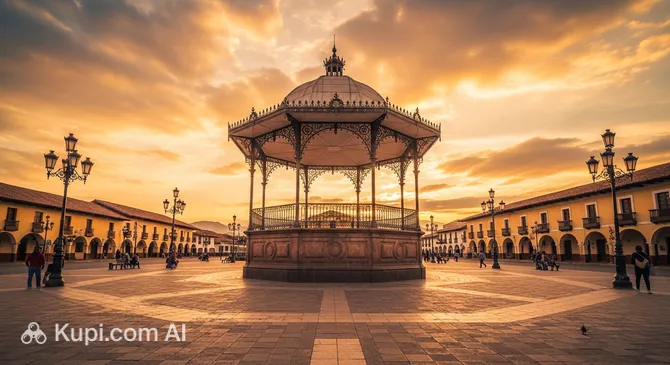
José Gálvez Gazebo
José Gálvez Gazebo. Иллюстрация. Источник: Kupi.com AI

This emblematic lookout pavilion was built in Peru over a century ago. Named after the hero José Gálvez, it serves as an important historical testament to the transformation of a small port into a modern city. For locals, this place is the heart of the city's identity and a source of great pride.

Today, La Glorieta José Galvez serves as a magnificent observation deck. It offers breathtaking panoramic views of the endless sea and the rugged coastline. It is a place where history meets natural beauty, consistently drawing travelers with its tranquility and aesthetics.

Contacts

To plan your visit to this picturesque location, it is helpful to know its exact location and the city's official resources.

How to contactContact
Address9M43+FQW Muelle artesanal, Ilo 18601, Перу
Websitempi.gob.pe

What to Do

The main reason to visit the pavilion is for the stunning panoramic views. Here, you can spend hours watching the waves crash against the rocks and breathing in the salty sea air. The José Gálvez Gazebo is considered one of the best spots in the city for photography, especially during the "golden hour" at sunrise or sunset, when the sky is painted in incredible hues.

Those who enjoy observing local life will find it interesting to watch the activity at the nearby artisanal port. From the platform, you can clearly see the movement of fishing boats and the bustle on the piers, allowing you to feel the true spirit of a port city. Inside the pavilion itself, there are shaded rest areas where you can simply sit in silence and take a break from the city's hustle and bustle.

For curious tourists, a visit to the gazebo is an excellent starting point for a historical route. After exploring the pavilion, you can take a walk to the central Plaza de Armas or explore the old piers, immersing yourself in the maritime heritage of this region.

Getting There

Finding your way to this landmark is easy, as it is located in the heart of the port district. The José Gálvez Gazebo is situated at Muelle Artesanal (the artisanal pier), in close proximity to the historic city center. From the main square, Plaza de Armas, you can easily reach it on foot while enjoying the sea breeze.

If you prefer more comfort, you can use a local taxi. Just tell the driver the name of the pavilion, and you will be taken to the artisanal pier area. For those traveling by rental car, it is most convenient to park on nearby streets, such as Avenida 28 de Julio, from where a special wooden bridge leads to the gazebo.

Travelers arriving from other regions of the country usually reach the city by intercity buses running along the Pan-American Highway. After arriving at the bus station, you can take a taxi or catch local public transport heading toward the port.

Ближайший город: Ilo

History & Facts

The history of this elegant structure began in 1915. The initiative for its construction came from the city's residents themselves, who petitioned Mayor Augusto Díaz Peñalosa to beautify the coastline. The pavilion was designed as an extension of the bridge connecting Billinghurst Square to a natural rocky outcrop and was named after the national hero José Gálvez.

In the early 20th century, the landscape around the gazebo looked different: it was surrounded by numerous beaches, such as La Lechuga and Peña Blanca, which eventually disappeared during urban development. In those days, the area was home to the grand mansions of influential families and the customs building of the Peruvian Steamship Company, highlighting its status as the center of the port's business and social life.

An interesting fact: in 1972, the area near the pavilion was used for unloading fish from vessels using a crane system. The catch was transferred right there into trucks to be sent to processing plants. Despite this industrial past, the José Gálvez Gazebo has retained its charm and, after several restorations, remains the primary symbol of the region's historical heritage today.

Time Needed

For a leisurely stroll across the wooden bridge and to enjoy the views from the pavilion's platform, 30 minutes to 1 hour is sufficient for most visitors. This is plenty of time to take beautiful photos and soak up the Pacific Ocean atmosphere.

If you decide to combine your visit to the gazebo with an exploration of nearby historical buildings or want to spend more time watching the activity at the artisanal port, we recommend setting aside about 1.5–2 hours for your walk. It is especially pleasant to linger here around sunset.

Working Hours

The attraction is open to visitors daily from 06:00 to 23:30. This wide time range allows you to see the pavilion in various lighting conditions.

Morning hours are ideal for those seeking solitude, while the evening attracts lovers of romantic sunsets. Nevertheless, before your visit, it is recommended to check the city's official website for information on any temporary restrictions or maintenance work.

06:00–23:30

Nearby

Exploring the port's surroundings will allow you to dive deeper into the city's atmosphere and find interesting locations for relaxation and entertainment. Both historical spots and modern parks are located right next to the waterfront.

NameDistance
Parque de los Héroes1.2 km
Cracken Gastronomía Marina1.3 km
Amar Restaurant – Marine and Creole Flavors1.3 km
Monkey Beach Club2.1 km
Montecarlo Beach2.3 km
Puerto Inglés Beach2.5 km

Reached the end of the page?

That means the route is fully explored