Support

Museo del Mar de Arica

About

Imagine a place where the secrets of the Pacific depths come to life — that is exactly what the Arica Sea Museum (Museo del Mar de Arica) is. This specialized museum, located in the coastal city of Arica, is a must-see for everyone in love with the sea. Situated in the heart of Chile, it offers visitors a unique immersion into the world of marine flora and fauna, while also introducing the region's rich coastal culture.
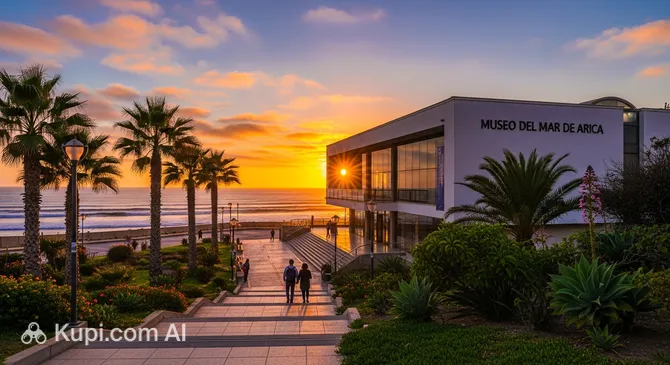
Arica Sea Museum
Arica Sea Museum. Иллюстрация. Источник: Kupi.com AI

The museum occupies a cozy, modern building and is famous for its impressive collection, which includes rare shells, ancient fossils, and detailed ship models. Special attention is given here to the unique ecosystem of the Atacama Desert and its connection to the ocean. The exhibition clearly demonstrates how the sea has served as the primary source of food and inspiration for local residents for centuries, including members of the ancient Chinchorro culture.

High ratings and warm reviews from travelers confirm that this museum is one of the city's most interesting locations. Thanks to its proximity to popular beaches and the center of Arica, a visit here will be the perfect addition to a stroll along the coast. It is not just an exhibition of artifacts, but a true center for the conservation of marine biodiversity, where every exhibit tells its own amazing story of life in the ocean depths.

Contacts

If you are planning a visit to this wonderful corner of maritime history, you will find the museum's current contact information useful. It is conveniently located and accessible both for walking and by transport.

How to contactContact
AddressSangra 315, 1000000 Arica, Arica y Parinacota, Чили
Websitewww.museodelmar.cl

What to Do

A visit to the Arica Sea Museum turns into a captivating journey through the depths of the Pacific. The main visual highlights of the exhibition are the impressive skeletons of whales, sharks, and turtles that were found along the region's coast. Visitors have a rare opportunity to examine the structure of these giants up close, appreciating the scale of marine life. The shell collection is striking in its variety of shapes and colors — from tiny specimens to giant shells displayed in thematic showcases.

History and technology enthusiasts will enjoy the halls featuring ship models and exhibits dedicated to the development of seafaring and trade. Here you can learn about how the port of Arica functioned in different eras and what tools local fishermen used. A special atmosphere is created by the panoramic windows offering picturesque views of the ocean, allowing you to instantly connect museum knowledge with reality.

The museum is perfect for families: educational programs and interactive elements make studying marine biology interesting even for the youngest guests. After exploring the main exhibition and taking the mandatory photos against the backdrop of unique fossils, tourists often head to nearby beaches for surfing or quiet relaxation, to feel for themselves the marine energy they just learned about in the museum halls.

Getting There

Finding the museum is very easy: it is located at Sangra 315, right in the heart of the city, just a few minutes' walk from the famous Morro de Arica hill. If you are staying in the city center or walking along the waterfront, the path to the entrance will take no more than 10–15 minutes. For example, you can reach it from St. Mark's Cathedral in just a fifteen-minute stroll.

For those who prefer public transport, any buses or shared taxis (colectivos) heading to the city center and stopping on Sangra Street will work. If you are coming from distant beaches like El Laucho, a taxi ride will take just a couple of minutes, while a walk along the shore is about 500 meters. Travelers arriving from the airport will find it most convenient to use a taxi or transfer — the journey takes 20 to 30 minutes depending on traffic.

Drivers should keep in mind that the museum is located in a busy tourist area, so parking will be necessary on nearby streets. Thanks to its location, the Sea Museum fits perfectly into a weekend itinerary, combined with a visit to La Lisera beach or a tour of the port's historical monuments.

Ближайший город: Arica

History & Facts

The exhibition of the Arica Sea Museum is inextricably linked to the rich past of this region. The history of coastal exploration here dates back to ancient times, when the territory was inhabited by the Chinchorro culture. These ancient sailors and fishermen became world-famous for their unique practice of mummification, which originated here thousands of years before the appearance of the great Egyptian pyramids. The museum emphasizes this connection, showing how the sea has always been the main source of life and inspiration for the locals.

The city of Arica itself began to play a key role on the world map starting in the 16th century. After the founding of the Spanish settlement in 1541, the port became a vital link in the famous "Silver Route." It was through this bay that silver mined in the Potosí mines was exported, turning the city into a prosperous commercial hub. In the museum's halls, you can find echoes of that era when maritime caravans connected the Atacama desert with distant Europe.

During the colonial period, the port's prosperity was sustained not only by metals but also by the export of agricultural products from the fertile Azapa and Lluta valleys. Sailors and traders from all over the world brought their traditions here, forming a unique cultural layer that the museum carefully preserves today. Exhibits tell of times when the bay was filled with the masts of sailing ships, and every arriving vessel brought news from across the ocean.

Today, the museum acts as a guardian of both history and ecology. Combining archaeological finds with modern data on the biodiversity of the Pacific Ocean, it reminds visitors of the importance of preserving the fragile coastal ecosystem. This place is rightfully considered the "northern gateway" to the country's maritime heritage, uniting centuries-old traditions with care for the ocean's future.

Time Needed

To leisurely explore all the thematic halls and examine the details of the shell and fossil collection, an average visitor will need from 1 to 2 hours. This time is quite sufficient to read the exhibit descriptions and get acquainted with the main sections of the exhibition.

If you are planning a visit with children, who will surely want to linger longer by the skeletons of large marine animals, or if you want to take high-quality photos of the ship models, it is better to schedule about 2.5 hours. The museum is not very large, but its exposition is dense and fascinating enough to hold the attention of a curious tourist.

Working Hours

When planning your visit, keep in mind that the museum follows a classic schedule for cultural institutions in the region. Monday is a day off, when the museum doors are closed to visitors. From Tuesday to Sunday, the exhibition is open to everyone from 11:00 AM to 7:00 PM.

We recommend checking the museum's official website before your trip, as opening hours may change slightly on public holidays or during special events. Evening visiting hours are particularly convenient for combining an exploration of the exhibits with a sunset walk along the Arica waterfront.

DayWorking hours
понедельникЗакрыто
вторник11:00–19:00
среда11:00–19:00
четверг11:00–19:00
пятница11:00–19:00
суббота11:00–19:00
воскресенье11:00–19:00

Nearby

Exploring the museum's surroundings is a great way to complement your experience. Its location in the historical and tourist center of the city allows you to move from the biological wonders of the ocean to monuments of architecture and history in just a few minutes.

Nearby you will find both quiet squares for relaxation and majestic observation decks offering panoramic views of the coast. Walking through these places will help you better feel the atmosphere of the port and learn more about the region's colonial past.

NameDistance
St. Mark's Cathedral0.2 km
Colón 10 Site Museum0.3 km
Vicuña Mackenna Square0.3 km
Economy Market Hall0.4 km
Morro de Arica0.5 km
Museum of History and Arms0.6 km
Carlos Ibáñez del Campo Park0.6 km

Reached the end of the page?

That means the route is fully explored