Support

Coron

About

Coron is not just a point on the map, but a true gateway to one of the most picturesque corners of the Palawan province. This bustling town is located on the southern coast of Busuanga Island, part of the Calamian Islands group. Tourists often get confused with the names: it is important to remember that the settlement itself (Coron Town) is located on Busuanga, but it serves as the main starting point for boat tours to the neighboring protected Coron Island. For many nature lovers, a journey to the Philippines begins right here.

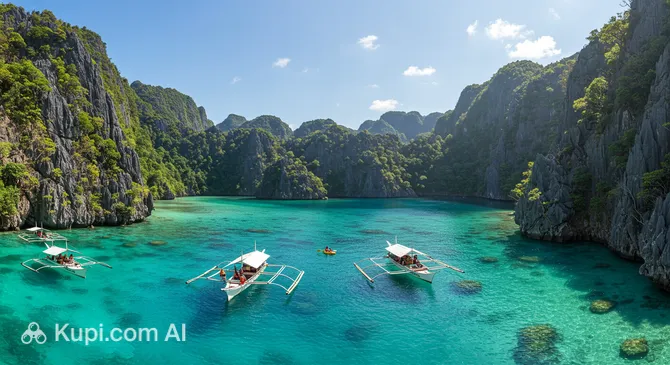
Coron. Illustration.
Source: Kupi.com AI

Despite having a population of about 65,000, the town maintains the atmosphere of a cozy coastal village. All the necessary infrastructure is here: small hotels, cafes, and a colorful market, but the real magic is hidden beyond the town limits. Coron attracts travelers with its fantastic landscapes: sheer limestone cliffs, turquoise lagoons, and crystal-clear lakes, among which Lake Kayangan stands out as one of the cleanest in Asia.

For divers, this region is a cult destination. The underwater world here is unique thanks to the presence of sunken Japanese ships from World War II. Diving to these sites allows you to literally touch the past and learn more about Coron's history hidden in the depths of the sea. This destination is perfect for both adventure seekers and those dreaming of enjoying the peace of white-sand beaches far from civilization.

Weather Overview

Coron welcomes travelers with stable tropical warmth. Average air temperatures stay in the range of 26.8°C to 28.5°C year-round, with May usually being the hottest month. Expect sunny and dry winters and springs, followed by a wet season with frequent tropical downpours during the summer and autumn months.

The most comfortable time to visit is from January to April, when rainfall is minimal (about 1–2 mm) and rainy days are practically non-existent. From June to October, the climate picture changes: rain can occur very frequently, peaking in July with 29 rainy days. When planning your vacation, be sure to check the detailed weather in Coron to choose the best time for boat trips and diving.

Average monthly temperature

Average monthly precipitation

Interesting Facts

Beyond its breathtaking landscapes, Coron holds many fascinating secrets and unique features that reveal themselves only to curious travelers. Here are a few facts that will help you see this place in a new light:
  • Sacred Tagbanwa Land. Coron Island is inhabited exclusively by members of the indigenous Tagbanwa tribe. Interestingly, most of this territory is closed to visitors, not only foreign tourists but also ordinary Filipinos. Travelers are allowed to step onto only specific beaches and visit certain lakes, which preserves the atmosphere of mystery and the sanctity of the tribe's ancestral lands.

  • Underwater History Museum. The surrounding waters hide traces of large-scale events from World War II. Japanese ships, attempting to maneuver among the sharp rocks, were wrecked here and now rest on the bottom. These sunken vessels have turned into unique diving sites, allowing for a literal journey back in time.

  • Sanctuary Status since 1967. The unique nature of the island was recognized as a national treasure more than half a century ago. Coron is home to many endemic species of birds, mammals, and reptiles, making it a true treasury of the region's biodiversity.

  • Preserving Authenticity. Despite its growing global popularity, Coron has not turned into a typical "glossy" resort. The town and its surroundings retain their pristine charm, allowing guests to get acquainted with the traditional way of life of the locals and feel the true island atmosphere.

How to Get There

A journey to this amazing corner of the Philippines most often begins with a flight, as the island location dictates its own logistics. To plan the perfect route, you can find out more about how to get to Coron by exploring all available options, from planes to ferries.

The main air gateway for tourists is Busuanga Airport (IATA: USU), also known as Francisco B. Reyes Airport. It is important to note that there is no airport in Coron Town itself; it is located in the neighboring municipality of Busuanga, about 9.8 km from the center of Coron Town. This is a regional transport hub with average passenger traffic, receiving flights from Manila, Cebu, and other major cities. The trip from the terminal to the hotel by minibus or taxi takes about 35 minutes, allowing you to enjoy your first views of the island.

Another popular option, especially for those combining islands, is El Nido Airport (IATA: ENI). It is located in the town of El Nido on the neighboring island of Palawan, at a distance of about 123.3 km from Coron in a straight line. There is no direct land connection, but fast ferries and boats run between El Nido and Coron. This airport has medium passenger traffic and is often used by travelers wishing to visit both gems of Palawan in one trip.

For clarity, here is a summary of the main airports in the region:

AirportPassenger trafficDistance
Busuanga Airport341 54610 km
El Nido355 458123 km
San Vicente Airport3 000194 km
Boracay Airport3.8 mln197 km
Evelio Javier Airport15 000241 km

Rail service on the islands of Palawan province, including Busuanga Island where Coron is located, is completely non-existent. Trains do not run here, so tourists should not look for train stations. The main alternative to land transport is ferries and speedboats connecting Coron with Manila, Puerto Princesa, and El Nido, while inside the island, tricycles, jeepneys, and rented scooters are used for getting around.

Main Attractions

The main treasure of the region and its most recognizable landmark is Lake Kayangan. This body of water, hidden in the embrace of majestic limestone cliffs, is often called the cleanest lake in Asia. The water here is so transparent that the bottom is visible even at great depths. Tourists are attracted not only by swimming in the refreshing mix of fresh and salt water but also by the famous viewpoint on the way to the lake: this is where the classic panoramic photo of Coron, which graces most Philippine guidebooks, is taken.

Another geological wonder is the Twin Lagoon. This site consists of two bodies of water separated by a black karst wall. The uniqueness of the location lies in how you get from the first lagoon to the second: at low tide, you must swim under a rock arch, and at high tide, you climb over a ladder. The water here has the amazing property of a thermocline, where layers of cold fresh water mix with warm salt water, creating unusual sensations while swimming.

For those who don't mind physical activity, Mount Tapyas is a must-visit. This is the best observation deck, located directly in the town. To reach the huge white cross at the summit, you need to climb over 700 steps, but the reward is worth it. From here, a breathtaking view opens up over the entire town, the harbor, and a chain of distant islands, and the sunsets observed from this point are considered some of the most beautiful in the province.

After a busy day, travelers head to the Maquinit Hot Springs. This is a rare natural phenomenon — one of the few saltwater thermal springs in the world. Surrounded by mangroves, these natural pools are filled with hot water from an underground volcano. Visiting this place is the perfect way to relax tired muscles and enjoy the silence under the starry tropical sky.

Local Cuisine

Coron's gastronomic scene is inextricably linked to the sea, as the basis of the local diet is the freshest bounty of the ocean. In numerous coastal restaurants, you'll be offered crabs, shrimp, squid, and various fish caught just a couple of hours ago. Local chefs prepare them simply but with soul, allowing you to enjoy the true taste of the products without excessive spices.

Among the dishes you must try, Kinilaw stands out. This is a Filipino variation of ceviche, where raw fish is marinated in vinegar with the addition of lime juice (calamansi), ginger, onions, and hot chili peppers. Another gastronomic symbol of the region is Sinigang. This sour soup, which in Coron is often made with seafood, is perfect for restoring strength after a day spent in the water. The sourness of the broth is usually provided by tamarind or other local fruits.

Coron is also known for its sweets and snacks. Be sure to look for cashew nut products: here they are roasted, candied, and added to pastries. The local factory Melbs is considered one of the best places to buy such souvenirs. On a hot afternoon, the best salvation is Halo-halo — the famous Filipino dessert made of shaved ice, condensed milk, jelly, and pieces of sweet fruit.

The food culture in town is very democratic. There are no pretentious establishments with a strict dress code; most tourists and locals eat in open cafes overlooking the sea or at the busy town market. It is at the market where you can find the ripest tropical fruits, including mango, papaya, durian, and the exotic lanzones, which is particularly popular and delicious in this part of Palawan province.

Travel Tips

Preparing for a trip to Coron is the key to ensuring that your adventure in the Philippines goes smoothly and carefree. To let you focus on the beauty of the lagoons and the underwater world, we have gathered the most relevant and useful recommendations for this region.

  1. Clothing and gear. The climate here is hot and humid, so bring light, quick-drying clothes. The most important accessory in Coron is aqua shoes (reef shoes). The bottom in many lagoons is rocky and sharp, and sea urchins are common. We also highly recommend purchasing a 10–20 liter waterproof dry bag: during boat trips, spray flies everywhere, and this is the only way to keep your phone and camera dry.
  2. Transport. There are no conventional taxis or buses in town. The main way to get around is by tricycles (motorcycles with a sidecar). Within the town center, the fare is fixed and low (usually 10–20 pesos per person), but for trips to the hot springs or distant beaches, you need to agree on the price in advance. If you are a confident rider, renting a scooter is a great option for freedom of movement.
  3. Finances. The official currency is the Philippine peso. Despite the development of tourism, Coron remains a place where cash is king. Cards are only accepted in large hotels and some dive centers, often with a commission. There are few ATMs in town, and they often run out of money or lose their connection. Best advice: bring a sufficient supply of cash (USD or EUR) and change it at official exchange offices in the center.
  4. Health and safety. You cannot drink tap water; use only bottled water, even for brushing your teeth. The sun is very active, so SPF 50+ sunscreen is a must. There are pharmacies in town (e.g., Mercury Drug), but the range of products may differ from what you're used to, so it's better to pack a personal first aid kit at home. Also, don't forget repellents: mosquitoes can be quite persistent in the evening.
  5. Communication and internet. Most locals speak English very well, so there is practically no language barrier. Wi-Fi in hotels is often slow and congested. For a stable connection, it's better to buy a local SIM card (Globe or Smart) immediately upon arrival at the airport. Note that in the open sea during excursions, the signal often disappears completely.
  6. Local etiquette. Filipinos are very friendly and smiling. It is not common to raise your voice or show impatience here — this is considered rude and "losing face." Any issues are resolved faster with a smile and politeness. When entering private homes or some shops, it is customary to take off your shoes — look for shoes at the doorstep.
  7. What to avoid. It is strictly forbidden to take out corals, shells, and sand — baggage is carefully checked at the airport, and fines for this are very high. Also, avoid using ice in small street cafes if you are not sure of its origin, to avoid ruining your vacation with an upset stomach.
  8. Excursion lifehack. Standard group tours (Joiner tours) start around 9:00 AM, and popular locations are already crowded by then. If your budget allows, rent a private boat and leave at 7:30–8:00 AM. This will allow you to see the famous Lake Kayangan and the lagoons in silence, before the main mass of tourists arrives.

Coron is a place that teaches you to slow down and enjoy the moment. Follow these simple tips, respect the local nature and culture, and this amazing island will give you some of the most vivid impressions of your life.

Entertainment & Nightlife

Nightlife in Coron Town is cardinally different from noisy metropolises or the party-centric Boracay. Here, you won't find huge nightclubs with laser shows and strict face control. Evenings in this corner of Palawan are permeated with a relaxed "island" atmosphere: it's a time for acoustic music, meeting divers from all over the world, and heartfelt conversations under the open sky. The main fun begins right after sunset, when tourists return from boat tours, and continues until about midnight or 1:00 AM.

The epicenter of evening activity is the main street — National Highway — as well as the adjacent alleys in the port area. This is where most bars and restaurants are concentrated. The dress code in these establishments is as casual as it gets: shorts, t-shirts, and flip-flops are the most popular attire. The crowd is very diverse, from backpackers to professional divers, creating a friendly and safe atmosphere.

Among the popular places to visit, No Name Bar stands out. This establishment has become legendary thanks to its laid-back atmosphere and affordable prices. It's always crowded, loud music plays, and visitors often stay late discussing the day's adventures. If you're looking for a place with live music and Jamaican vibes, check out Kuridas Bar (often called Tribu Kuridas). This colorful place, decorated in a reggae style, is known for its cocktails and performances by local bands that create an incredibly positive mood.

Food lovers should head to the Coron Night Market in the waterfront area. Towards evening, stalls with street food are set up here. This is a great opportunity to try local barbecue (Isaw), fresh grilled seafood, and Filipino desserts at very low prices. The atmosphere here is authentic: the smoke from the grills, the sound of voices, and the smell of spices create a true Asian flavor.

As for daytime entertainment within the town, Coron doesn't boast theaters, large museums, or amusement parks. This small settlement is focused on ecotourism. In their free time between boat trips, travelers usually visit numerous spas for a traditional Filipino hilot massage or browse the souvenir shops in the center. The lack of urban hustle during the day is compensated for by the coziness of small coffee shops where you can wait out the heat.

Practical tips for evening strolls:

  • Safety: The town center and tourist streets are safe for night walks. However, it's worth avoiding dark, unlit alleys on the outskirts and being mindful of stray dogs, which become more active at night.
  • Transport: After 10:00 PM, catching a tricycle can be harder, and drivers often overcharge. Agree on the fare before getting into the vehicle. The average price around town at night can be 30–50 pesos per person.
  • Money: Many bars and the night market only accept cash. ATMs may be closed or out of service, so make sure to have a supply of small bills in advance.

Coron is a place where nightlife serves as a pleasant addition to natural beauty. Live communication and simplicity are valued here, so when planning a trip to the Philippines, set yourself up for calm and soulful evenings under the tropical sky.

Parks & Museums

The town of Coron and its surroundings are, first and foremost, an open-air natural sanctuary where the boundaries between town parks and wild nature are often blurred. You won't find huge botanical gardens or museum complexes of capital-city scale here, as the main exhibits of this region are created by nature and history, not by exhibition curators. Nevertheless, there are several significant places in and around the town where you can relax in the shade of trees or dive into the archipelago's past.

Lualhati Park is perhaps the most popular public space within the town limits. Located on reclaimed land along the waterfront, this park serves as the main meeting place for locals and tourists. There is no lush vegetation here, but the spacious paved esplanade is perfect for evening walks and jogs. Tourists come here for the view: it offers a magnificent panorama of the harbor and the silhouette of Coron Island, which resembles a sleeping giant. It is the best place in town to watch the sunset without climbing the mountains.

Coron Town Plaza is a small but cozy green space in the very heart of the settlement. It is the heart of Coron's social life, where town festivals, sporting events, and concerts are often held. The square is surrounded by old trees that provide welcome shade in the hot afternoon. For a traveler, this is a great spot to observe the steady rhythm of islander life, take a break after excursions, and see how the town lives beyond the tourist trails.

Speaking of natural areas, one cannot fail to mention the Siete Pecados Marine Park. Although it is a marine site, it functions as a protected natural area located just a few minutes' boat ride from town. It is a group of seven small rocky islets around which fishing is prohibited. Thanks to this, the coral reef here thrives, and tourists can see one of the richest ecosystems in the region just by snorkeling on the surface.

The cultural scene of the region is specific: there are practically no classic museums in Coron itself, but history is literally tangible here. The nearest and most significant museum site is on a neighboring island — the Culion Museum and Archives. The trip there takes some time by boat, but it is worth it. The museum is located in a former leprosarium building and details the history of the fight against leprosy in the Philippines, and also displays medical instruments and personal belongings of patients from the last century. This is a poignant and very informative place, important for understanding the history of the entire Palawan region.

The sunken ships of Coron Bay are often called the second "museum," albeit an informal one. Local guides and divers treat these sites with great respect, like historical monuments. For those who don't scuba dive, there are photo galleries and small displays in some of the town's dive centers where you can see maps of the Japanese fleet's ship locations and artifacts recovered from the bottom that tell of the events of 1944.

Among the architectural landmarks, the San Agustin Parish Church stands out. This modest but elegant building is the spiritual center of the town. The church is interesting for its simple architecture, characteristic of provincial Philippines, and wooden interior elements. Attending a Sunday service allows you to see the locals dressed up and hear traditional Catholic hymns, which are an important part of Filipino culture.

Insider Tip: If you want to see the "unpolished" Coron, go for a walk east of the town center towards the mangrove forests. There, along wooden walkways laid through the thickets, you can find quiet corners where absolute silence reigns, broken only by the splash of water and the cries of birds — an ideal place for meditative relaxation away from the noise of boat engines.

Getting Around

The transport system in Coron differs significantly from the typical urban infrastructure of large cities. You won't find a metro, trams, or large regular buses here. The town is compact, and its transport network is simple and intuitive, allowing tourists to quickly adapt to the local rhythm of life. The main burden of passenger transportation falls on small vehicles, ideally suited for the island's narrow streets and dirt roads.

The main and most colorful means of transportation is the tricycle — a motorcycle with a covered sidecar. This is the local equivalent of a taxi, which can be caught with a wave of the hand anywhere in town. Tricycles come in different configurations but usually accommodate 2 to 4 passengers. They cruise throughout the town and take tourists to the nearest land attractions, such as the hot springs or the start of the Mount Tapyas trail.

For travel over longer distances, such as to other villages on Busuanga Island or to the airport, jeepneys and shuttle vans are used. Jeepneys are long, brightly colored vehicles that serve as public transport for locals. They don't have a strict schedule (depart when full) or fixed stops in the conventional sense: you just need to tell the driver where to stop. Minivans, on the other hand, most often work as transfers: they can be booked through a hotel or found at special stands.

The payment system in Coron's public transport is conservative: cash only. There are no transport cards, validators, or mobile apps for paying for travel. Payment is handed directly to the driver at the end of the trip. It is extremely important to have small bills and coins with you, as tricycle drivers often do not have change for large banknotes.

The fare for a tricycle within the town center (Poblacion) is usually fixed and amounts to a small sum per person (around 10–20 pesos) for a short trip in "shuttle" mode, where the driver picks up other passengers. If you want to hire a tricycle as a private taxi (special trip) or go outside the center, the price must be agreed upon in advance. Bargaining is appropriate, but within reasonable limits.

A popular alternative to public transport is scooter rental. This gives you complete freedom of movement and allows you to explore the island at your own pace. Rental points are located on the main street and at many hotels. To rent, you will need a driver's license (international or national with an English translation) and a passport as a deposit or for a copy. Traffic in town can be chaotic, so beginners should be careful.

Apps for calling a taxi, such as Grab or Uber, do not currently exist in Coron. All transport is caught "on the fly" or ordered through the reception of your accommodation. Given the small size of the town, many tourists prefer to get around the center on foot — it's free, healthy, and allows you to get a better look at local architecture and life.

Accommodation

Where to stay:

The choice of accommodation in Coron has expanded significantly in recent years, turning the town from a modest backpacker's refuge into a resort with a variety of options for every taste and budget. Today, you can find everything here: from simple bamboo bungalows and budget hostels with dorm beds to stylish boutique hotels and luxury island resorts offering high-end seclusion. The main dilemma for a tourist is choosing a location: stay in the bustling center or head to the isolated islands.

Most travelers prefer to stay in the town itself — Coron Town Proper. This is a strategically convenient choice: this is where the port is located, from where boats depart every morning for tours A, B, C, and D. Staying in the center provides walking access to the best restaurants, souvenir shops, and travel agencies. However, be aware that the town can be noisy due to tricycle traffic. If you are looking for peace but don't want to leave the main island, look for hotels located on the hills or slightly off the main National Highway.

For those who value modern comfort and high-level service within the town limits, The Funny Lion is an excellent example. This boutique hotel has established itself as one of the coziest places with a pool and a rooftop bar, perfect for watching sunsets over the bay. This is a "middle ground" choice: you are in comfortable isolation, yet only a few minutes' drive from the town's hustle and bustle.

If your goal is complete escapism and tropical luxury far from civilization, consider staying at private island resorts around Busuanga. A prominent representative of this category is Two Seasons Coron Island Resort & Spa. Staying here is fundamentally different from staying in town: think overwater bungalows, private beaches, and absolute silence, broken only by the sound of the waves. However, keep in mind that transfers to town from such resorts take time and cost extra money.

Booking tips and prices:

  • Price range: Budget guesthouses and hostels offer a night's stay from $10–15. Mid-range hotels with air conditioning and breakfast will cost $50–100. The cost of a night in a luxury island resort starts at $300–400 and can be significantly higher.
  • When to book: Coron is a very popular destination. During peak season (December to May, as well as Chinese New Year and Easter), the best options are booked 2–3 months in advance. It is highly recommended to book accommodation in advance through major online platforms.
  • Features: In many budget places, showers may only have cold water (which is actually pleasant in the heat), and Wi-Fi can be spotty. Read reviews carefully before booking if hot water and stable internet are critical for you.

Nearby Cities

For those who want to explore the surroundings, Coron serves as an excellent starting point for day trips to several interesting nearby places:

San Jose is the nearest major urban center, located on the neighboring island of Mindoro, across the strait from Busuanga Island. It is a busy commercial hub and an important transport link for the region. Travelers often consider it as the next point on their itinerary after visiting Palawan or as a starting point for exploring the untouched nature of Western Mindoro. The city attracts with its authentic atmosphere, bustling markets, and proximity to national parks.

Sablayan is another interesting settlement worth the attention of nature and diving enthusiasts. This town is known as the main gateway to the famous Apo Reef, which is the second-largest contiguous coral reef in the world. Although the distance requires logistics planning, for many divers based in the region, Sablayan becomes a key point for organizing expeditions to this underwater wonder.

CityPopulationDistance
Busuanga25 61727 km
Culion23 21329 km
San Jose153 267105 km
Calintaan30 190120 km
Sablayan92 598122 km

These nearby destinations provide an insight into the diverse culture and landscapes of the region.

Shopping & Souvenirs

General Overview

Shopping in Coron has its own unique characteristics and differs significantly from the typical shopping experience in major Philippine metropolises. Here, you won't find multi-story malls with global clothing brands or luxury boutiques. The town's commercial sphere is oriented toward the basic needs of residents and the desire of tourists to take home a piece of tropical paradise. Coron is famous primarily for its gastronomic souvenirs and handicrafts. This is a place where the purchasing process turns into warm communication with sellers, and the main products are the freshest gifts of nature and unique handmade items.

Main Shopping Areas and Streets

All the commercial life of the town is concentrated along the main transport artery — National Highway. Strolling along this street in the central part of the town (Poblacion), you will encounter many souvenir shops, stores with beachwear, and snorkeling gear. Here you can buy everything you need for your vacation: from dry bags and water shoes to sunglasses and hats. The concentration of shops is particularly high in the area adjacent to the town plaza and the port, where tour boats depart.

Shopping Centers

There are no large chain malls like SM or Robinsons in Coron, which are common in Manila or Cebu. Shopping centers here are represented by small department stores and public complexes. The main place to buy groceries and basic necessities is Prince Hypermart — a popular supermarket among locals and tourists. It's also worth mentioning Coron Town Center, which is more of a compact shopping gallery with a set of essential shops and cafes than a classic mall. This gives the town a special charm, sparing it from the hustle and bustle of giant shopping floors.

Markets

The heart of local trade is the Coron Public Market, located right by the water near the pier. This colorful place is a must-visit, even if you don't plan on buying anything. In the morning, you can see an incredible variety of freshly caught fish, crabs, and lobsters at prices significantly lower than in restaurants. In the fruit sections, the counters are bursting with sweet mangoes, pineapples, and bananas. In the evening, a night market unfolds on the waterfront, selling not only street food but also inexpensive clothing, accessories, and trinkets.

Souvenirs

The main gastronomic brand of Coron is cashew nuts (Kasoy). Palawan is considered the "cashew capital," and here they are prepared in dozens of ways: roasted with garlic, in caramel, salted, or dried. The famous shop Coron Harvest is considered the best place to buy them, but excellent nuts can also be found in ordinary souvenir shops. Other popular items include:

  • Pearls: Cultured pearl jewelry costs less here than in the capital, but it's important to know how to distinguish real pearls from plastic.
  • Coconut Oil: Locally produced natural oil, an excellent skin care product after tanning.
  • Wood and Shell Crafts: Figurines, keychains, and decor items made by local artisans.
  • Coron T-shirts: A classic souvenir with prints of local landscapes.

Opening Hours and Payment

Most shops and souvenir stores open around 8:00–9:00 AM and work until 7:00–8:00 PM. The market starts coming to life at dawn, around 5:00 AM, when fishermen bring in their catch. As for payment, Coron is "Cash Only" territory. Credit cards are only accepted in a few large hotels, some restaurants, and dive centers, often with an additional 3–5% commission. There are few ATMs in town, and they are often empty or not working due to connection problems, so it is highly recommended to have a sufficient supply of pesos with you.

Tax Free

The Tax Free system is practically non-applicable in Coron. Since there are no large brand stores or retail chains participating in international VAT refund programs, tourists cannot issue the relevant receipts. Shopping here is more spontaneous and market-based, where prices are already low, and instead of processing tax refunds, it is common to simply bargain in a friendly way with the seller.
Reached the end of the page?

That means the route is fully explored