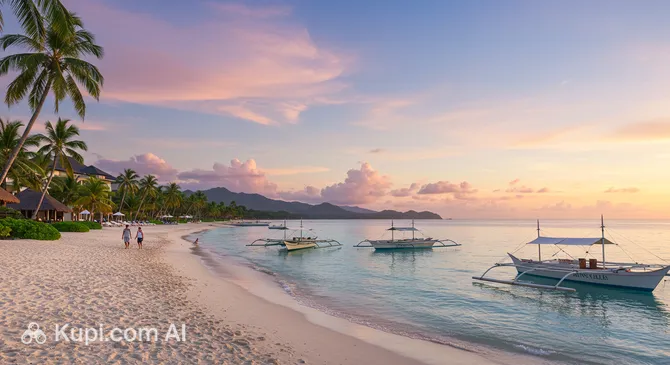
Lapu-Lapu City is a picturesque and dynamically developing city located on Mactan Island, just off the main island of Cebu in the Philippines. It occupies a strategic position in the central part of the archipelago, washed by warm sea waters, and serves as an important gateway for tourists due to its proximity to Mactan-Cebu International Airport.
Lapu-Lapu City. Illustration.
Source: Kupi.com AI
With a population of about 497,000 people, Lapu-Lapu City offers a wonderfully harmonious atmosphere where modern resort zones sit alongside traditional Philippine neighborhoods, creating a unique local flavor. The city is famous for its magnificent beaches and rich marine sanctuaries, attracting diving and snorkeling enthusiasts from all over the world.
In addition to beach holidays, Lapu-Lapu City attracts visitors with its rich history. It is home to significant monuments dedicated to the heroic Battle of Mactan, one of the key events in the country's history. Adventure seekers and underwater explorers will also find plenty of natural attractions here. Lapu-Lapu is the perfect place to relax, enjoy the sea, and simultaneously immerse yourself in the culture and traditions of the Philippines.
In Lapu-Lapu City, a tropical climate awaits you, remaining warm and humid year-round. Average monthly temperatures are stable here, ranging from about 26.4°C (in January and February) to 28.3°C (in May). Minimum nighttime temperatures usually hover around 25°C (for example, 24.7°C in February), while daytime maximums can reach 30.4°C, as seen in May.
Expect warm weather with typical temperatures in the range of 25°C to 30°C and frequent, though not very heavy, rainfall throughout the year. The number of rainy days in a month varies from 21 (in March) to 30 (in December), with monthly precipitation ranging from 4 mm in March to 10 mm in months such as June, July, October, and December. For more detailed information on weather conditions, you can visit the Lapu-Lapu City weather page.
Average monthly temperature
Average monthly precipitation
Interesting Facts
Beyond its famous beaches and resorts, Lapu-Lapu City holds many fascinating stories and unique features that make it more than just a tourist destination, but a place with a rich heritage. The city offers much more than just a seaside holiday, and here are a few interesting facts that will help you see it in a new light:
Mactan Shrine. Illustration.
Source: Kupi.com AI
Traveler photos:
The city is named after Chieftain Lapu-Lapu, who is considered the first Filipino hero. It was he who, in 1521, repelled the Spanish conquistadors led by Ferdinand Magellan and emerged victorious in the Battle of Mactan, stopping the first attempt to colonize the islands.
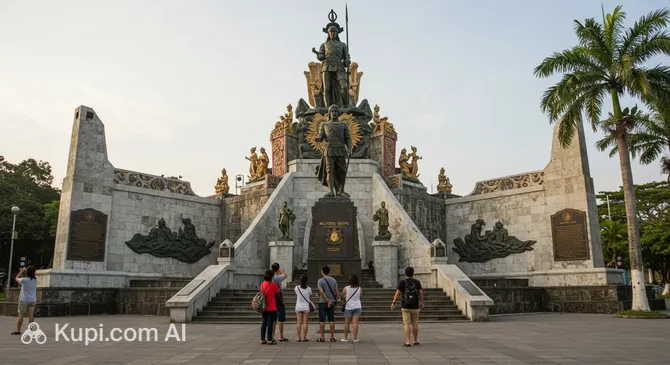
The city is home to the Mactan Shrine, which features not only the Lapu-Lapu Monument, but also an obelisk in honor of Magellan and the Magellan Marker, indicating the presumed spot where the famous navigator died. This makes the shrine a unique site of memory for a pivotal historical event.
Lapu-Lapu City is often unofficially called the "Historic Resort City." This nickname emphasizes the unique combination of rich historical heritage related to the Battle of Mactan and modern tourism opportunities with magnificent beaches and hotels.
Mactan Island, where Lapu-Lapu City is located, is famous throughout the Philippines as a center for guitar craftsmanship. Local artisans create high-quality handcrafted guitars, and visiting one of the many guitar factories is a popular itinerary item for many tourists wishing to see the manufacturing process and perhaps purchase a unique musical instrument.
Every April, Lapu-Lapu City hosts the colorful "Kadaugan sa Mactan" festival, which translates to "Victory at Mactan." The festival's main event is a theatrical reenactment of the famous 1521 battle, attracting many spectators and participants.
How to Get There
The primary and most convenient way to reach Lapu-Lapu City is by air. The city is served by several airports, the most important of which is Mactan-Cebu International Airport.
Mactan-Cebu International Airport (IATA: CEB) is the main air gateway serving Lapu-Lapu City and the entire island of Cebu. While nominally listed as being in Cebu City, it is actually located on Mactan Island, just 1.9 km from the center of Lapu-Lapu City. This major international airport handles high passenger traffic, receiving flights from many countries as well as domestic Philippine flights. Due to its proximity, a taxi or bus ride from the airport to your hotel in Lapu-Lapu City will only take about 10-20 minutes.
If you are considering alternative routes or arriving from other islands, other airports can be considered, though they will require more travel time to reach Lapu-Lapu City. For example, Bohol-Panglao Airport (IATA: TAG) is located in Tagbilaran on the neighboring island of Bohol, about 85 km away. Traveling from there to Lapu-Lapu City takes about 3-4 hours, including a ferry crossing. Another option is Bacolod-Silay International Airport (IATA: BCD), located in Bacolod on Negros Island, at a distance of about 115 km. The journey from this airport to Lapu-Lapu City also requires a combination of ground transport and a ferry crossing, and can take over 4 hours.
For clarity, here is a summary of the main airports through which you can reach Lapu-Lapu City:
Besides air travel, Lapu-Lapu City can be reached by sea. Ferries from other islands in the Philippines regularly arrive at the ports of neighboring Cebu City, from where Lapu-Lapu City is easily accessible by taxi or local bus via one of the bridges connecting the islands. There is no direct rail link to Lapu-Lapu City, as the railway network in the Philippines is limited and does not cover this region.
Main Attractions
Lapu-Lapu City, located on Mactan Island, is famous not only for its beautiful beaches but also for its rich history and modern leisure opportunities. The city offers tourists a unique blend of cultural heritage and dynamically developing infrastructure. Here are a few key attractions that are definitely worth a visit during your stay.
One of the most iconic places is the Mactan Shrine. This historical park is dedicated to the famous Battle of Mactan, which took place in 1521. It was here that the Filipino chieftain Lapu-Lapu defeated the expedition of Ferdinand Magellan. Within the shrine grounds, you will see the majestic Lapu-Lapu Monument, erected in honor of the national hero, as well as the Magellan Marker, set at the presumed site of the navigator's death. Visiting this site is an opportunity to touch an important chapter of Philippine history.
Mactan Shrine. Illustration.
Source: Kupi.com AI
Traveler photos:
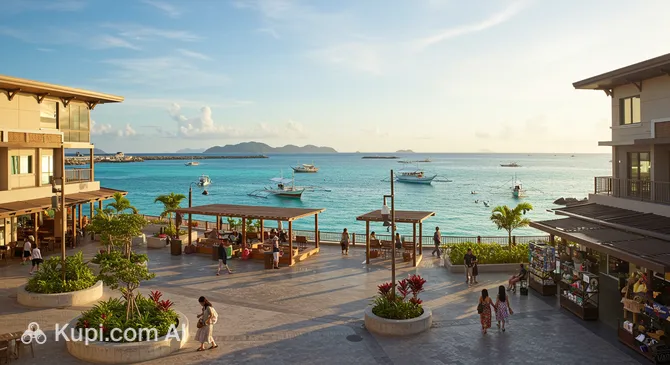
For those interested in the city's modern life and comfortable relaxation, Mactan Newtown is worth noting. This is a fast-developing district that offers an excellent combination of beach holidays, shopping, and entertainment. It features modern residential complexes, hotels, numerous restaurants and cafes, as well as its own well-equipped beach. Mactan Newtown is a wonderful place for walks and getting to know the modern side of Lapu-Lapu City.
The Mactan Newtown. Illustration.
Source: Kupi.com AI
Traveler photos:
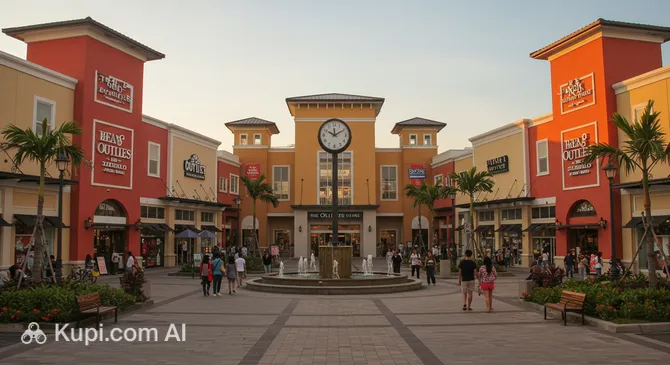
Shopping lovers should definitely check out The Outlets at Pueblo Verde. This open-air shopping complex offers a wide range of products from well-known international and local brands at attractive prices. Here you can find clothing, shoes, accessories, sporting goods, and much more. It is a great place to update your wardrobe or purchase souvenirs while enjoying a pleasant atmosphere and great deals.
The Outlets at Pueblo Verde. Illustration.
Source: Kupi.com AI
Traveler photos:
Besides these iconic sites, Lapu-Lapu City has other interesting landmarks, such as old churches like the St. Joseph the Worker Parish, as well as lively shopping centers like City Time Square, where you can find entertainment for every taste.
Local Cuisine
The cuisine of Lapu-Lapu City is a true gastronomic adventure, immersing you in a vibrant world of Philippine flavors with a special emphasis on the freshest seafood. Thanks to its coastal location, the city is famous for its abundance of seafood, prepared in a wide variety of ways that preserve its natural taste and freshness.
Among the dishes that are definitely worth a try is "sinigang"—a flavorful, sour soup that can be made with fish, shrimp, or meat, and is perfectly refreshing in the tropical climate. Another staple of Philippine cuisine, also popular in Lapu-Lapu, is "adobo"—tender meat or chicken stewed in soy sauce, vinegar, garlic, and spices. Of course, you cannot miss the fresh crabs, squid, and lobsters, which are often grilled right on the shore.
Street food in Lapu-Lapu City also deserves attention. Here you can taste fried "bangus" (milkfish), sweet fried bananas known as "banana-cue," and traditional rice cakes called "puto." Popular drinks include fresh juices made from exotic fruits like mango and pineapple, as well as iced tea. For those who prefer something stronger, local beers or rum complement the seafood dishes perfectly.
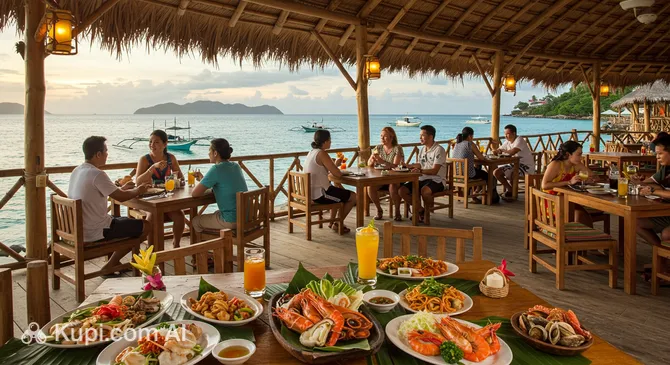
Locals and tourists enjoy food in a variety of settings: from cozy seaside restaurants serving the fresh catch of the day to lively street stalls and markets offering authentic snacks. One such establishment where you can enjoy meals in a pleasant atmosphere by the water is Buko Seaside Bar and Restaurant. The city is also known for its farmers' markets, where an abundance of tropical fruits, vegetables, and spices can be found. Occasionally, food festivals are held here to showcase the culinary diversity of the Philippines.
Buko Seaside Bar and Restaurant. Illustration.
Source: Kupi.com AI
Traveler photos:
The gastronomic scene of Lapu-Lapu City attracts tourists with its focus on fresh seafood, prepared in both traditional Philippine styles and with modern touches. Be sure to try the aromatic "sinigang" and succulent "adobo" here, and enjoy the variety of grilled fish and seafood. The general character of the local cuisine is a combination of freshness, bold flavors, and hospitality, making every meal a true pleasure.
Travel Tips
Welcome to Lapu-Lapu City! To make your trip through this vibrant city in the Philippines as comfortable and memorable as possible, we have prepared some practical tips. They will help you better navigate and enjoy every moment of your stay.
Clothing and Essentials:
Lapu-Lapu City has a tropical climate, so choose light and breathable clothing made of natural fabrics (cotton, linen). Don't forget a swimsuit, sunscreen, a hat, and sunglasses. Comfortable shoes, such as sandals or light sneakers, are essential for walking. Bring a light wrap or raincoat, especially if traveling during the rainy season (usually from June to November). For visiting churches and other religious sites, choose modest clothing that covers shoulders and knees. A universal power adapter might also be useful (Type A, B, and C sockets are used in the Philippines, with 220V voltage).
Getting Around Town:
The most colorful and affordable form of public transport is the jeepney. For short trips, tricycles (motorcycles with sidecars) are popular. Taxis are also available, but always agree on the price in advance or ask to turn on the meter. It is convenient to use the Grab mobile app to order a taxi or private car. Car rental is possible, but keep in mind that traffic can be quite chaotic, especially during rush hour. Many tourists prefer to hire a car with a driver for a day of sightseeing.
Finances: Currency, Cards, and Tipping:
The local currency is the Philippine Peso (PHP). You can exchange currency at banks, official exchange offices in shopping malls, or at the airport (rates may be less favorable). Credit and debit cards (Visa, Mastercard) are accepted in most hotels, large stores, and restaurants. However, it is always useful to have cash for small purchases, public transport fares, and markets. ATMs are widely available. As for the daily budget, Lapu-Lapu City offers options for travelers with different financial means: from budget holidays staying in guesthouses and eating at local eateries to a more luxurious stay at resorts with fine dining restaurants. Overall, the city allows you to plan a trip within a reasonable budget, but the final amount will depend on your preferences. Tipping is not strictly mandatory but is always welcomed for good service (usually 5-10% in restaurants if a service charge is not included in the bill, and small amounts for porters and drivers).
Health and Safety:
Pharmacies (e.g., Mercury Drug, Watsons) are easy to find, and some operate 24/7. If you need medical assistance, contact one of the city's clinics or hospitals; travel insurance is recommended. Lapu-Lapu City is generally safe for tourists, especially in resort areas. However, as in any major city, follow basic safety precautions: watch your belongings in crowded places, avoid displaying expensive jewelry, and do not leave valuables unattended. Drink only bottled water and be selective when choosing street food, opting for popular and clean-looking spots.
Communication and Internet:
The official languages are Filipino (Tagalog) and Cebuano. However, English is widely spoken, especially in the tourism sector, so communication problems shouldn't arise. Learning a few phrases in Cebuano, such as "Salamat" (Thank you) or "Maayong buntag" (Good morning), will be a pleasant gesture. A local SIM card (Globe or Smart operators) can be bought at the airport or in cellular shops. Wi-Fi is available in most hotels, cafes, and malls. Useful apps include Grab (for transport and food delivery).
Local Etiquette:
Filipinos are very hospitable and friendly. When greeting, a smile and a nod are enough. A handshake is appropriate in more formal settings. Use polite forms when addressing elders or respected individuals. Avoid public displays of anger or loud arguments, as this is considered impolite. Pointing with lips is a common gesture. Show respect for local traditions and customs.
What to Avoid:
Try not to criticize local customs, religion, or politics, especially if you are unfamiliar with the context. It is also not recommended to take photos of people without their permission, particularly in private settings. Excessive alcohol consumption in public places may be viewed negatively.
Bonus Tip – Island Adventures:
Lapu-Lapu City is located on Mactan Island, which is an excellent starting point for sea excursions and visiting neighboring islands (island hopping). Don't miss the chance to go snorkeling or diving in the crystal-clear waters. If your visit falls in April, try to attend the "Kadaugan sa Mactan" festival, dedicated to Lapu-Lapu's historic victory.
We hope these tips help you plan an unforgettable trip to Lapu-Lapu City. Enjoy the hospitality, culture, and beauty of this amazing place!
Entertainment & Nightlife
Lapu-Lapu City offers a variety of options for evening and night leisure, although it is not as famous for a wild nightlife as some other major cities. Nevertheless, you can find cozy bars, restaurants with live music, and places to enjoy yourself after sunset.
Most of the evening entertainment is concentrated along the coast of Mactan Island, especially in areas adjacent to resort hotels. Many hotels have their own bars and lounges open to non-guests as well. Venues in the Mactan Newtown area are also popular, offering modern cafes and restaurants that stay open until late evening. The atmosphere in most places is quite relaxed and conducive to socializing. The crowd is mixed—both tourists and locals. The dress code is usually casual or smart-casual, especially in more prestigious hotel venues.
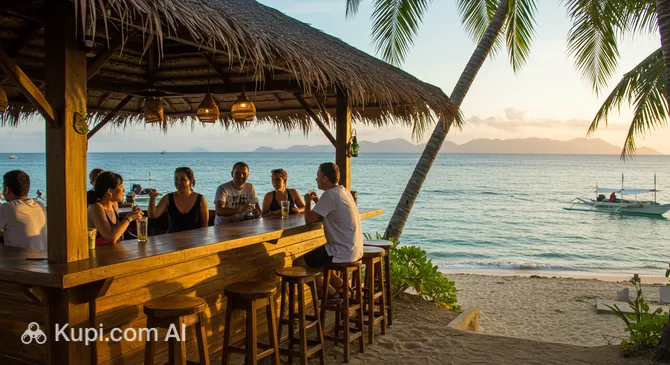
Marina Seaview Resto Lounge. Illustration.
Source: Kupi.com AI
Traveler photos:
Among the specific places worth mentioning is the Marina Seaview Resto Lounge, where you can enjoy drinks and dishes with a view of the sea. Another popular spot is Buko Seaside Bar and Restaurant, which offers a more laid-back atmosphere right by the water. Many restaurants and bars feature live music in the evenings, especially on weekends. Most venues operate until midnight or slightly later.
Practical Tips: The best time to visit bars and late-night restaurants is after 8:00 PM or 9:00 PM. Prices can vary from moderate in local establishments to higher in hotel restaurants. For getting around at night, it is most convenient to use taxis or ride-hailing apps. It is recommended to use official taxis or order a car through the hotel reception. In general, Lapu-Lapu City is considered quite safe; however, as anywhere else, you should follow standard precautions: stay on well-lit streets and do not leave valuables unattended.
Regarding daytime entertainment, Lapu-Lapu City is known for its historical landmarks, such as the Mactan Shrine and the Lapu-Lapu Monument. Water sports, diving, and beach relaxation are also popular. While the city doesn't have large amusement parks or many theaters, its cultural heritage and natural beauty offer plenty to do during daylight hours. For shopping, you can visit The Outlets at Pueblo Verde or City Time Square.
Parks & Museums
Lapu-Lapu City invites travelers to get acquainted with its rich historical heritage and enjoy its coastal beauty. Although the city may not abound with traditional parks and museum complexes in the classical sense, it offers unique places where history and nature are harmoniously intertwined.
The city's main green and historical zone is the Mactan Shrine. This is not just a park, but a place of national pride dedicated to the Battle of Mactan in 1521. Here, visitors can stroll through well-maintained grounds, learn more about key events in Philippine history, and see important monuments. This site is interesting for both history buffs and those looking for a quiet place for a walk.
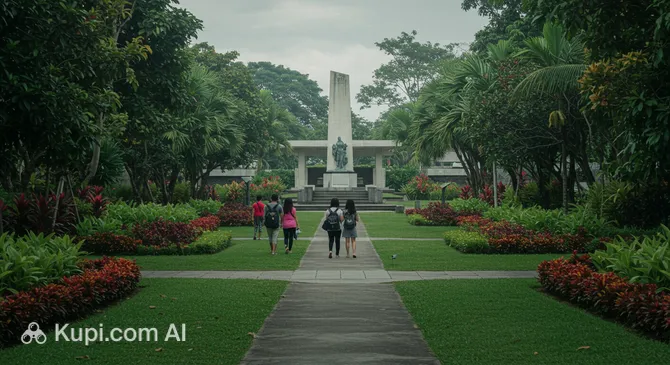
Another place for peaceful rest and reflection could be the Mactan Island Memorial Garden. Although it is primarily a memorial space, it is often described as a quiet, green area suitable for a calm time and learning about the local culture of remembrance.
Mactan Island Memorial Garden. Illustration.
Source: Kupi.com AI
Traveler photos:
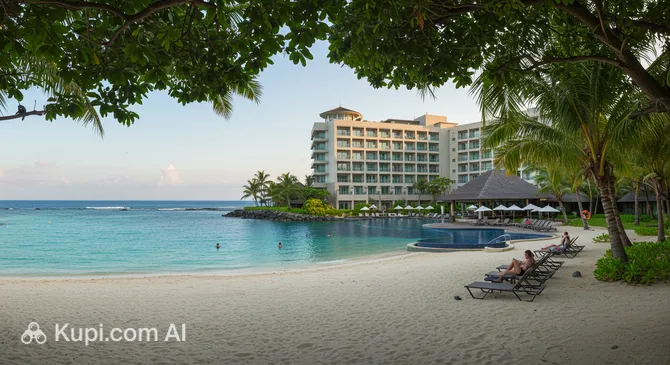
Additionally, Lapu-Lapu City is famous for its beaches. While they are not parks in the strict sense, the coastal areas of Mactan Island offer magnificent natural landscapes, opportunities for relaxation by the water, and a chance to enjoy the tropical atmosphere. Many resorts, such as Maribago Bluewater Beach Resort, offer access to well-kept beach zones ideal for relaxation.
Maribago Beach Resort. Illustration.
Source: Kupi.com AI
Traveler photos:
In Lapu-Lapu City, history comes alive not so much in the halls of traditional museums as in open-air historical sites. These places serve as living testimonies to the past of the city and the country. Centrally located among them is the previously mentioned Mactan Shrine, which houses two major monuments.
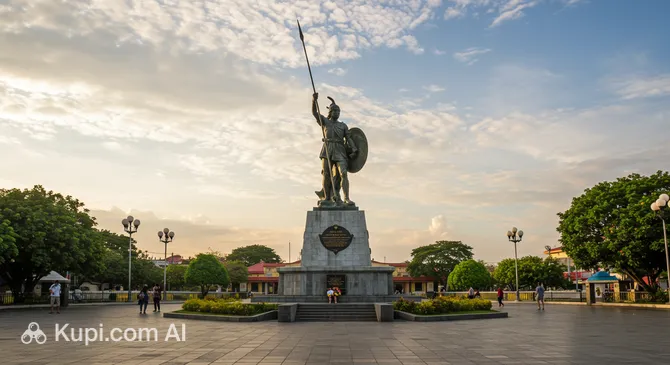
The Lapu-Lapu Monument is a majestic statue of the chieftain who is considered the first national hero of the Philippines for repelling the Spanish colonizers. The monument is a symbol of Philippine bravery and independence, attracting many tourists who wish to touch history.
Lapu-Lapu Monument. Illustration.
Source: Kupi.com AI
Traveler photos:
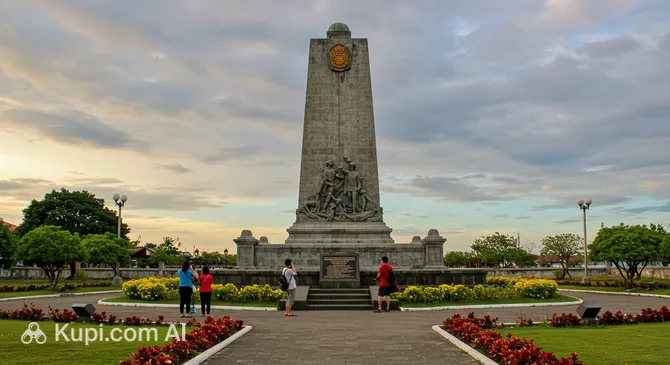
Nearby is the Magellan Marker, set in honor of the famous navigator Ferdinand Magellan, who died here during the Battle of Mactan. This monument reflects another side of the historical events and is an important point for understanding the multilayered history of the island.
Magellan's Marker. Illustration.
Source: Kupi.com AI
Traveler photos:
These historical objects, though not museums in the classical sense, offer a deep immersion into the culture and past of Lapu-Lapu City, making them must-visits.
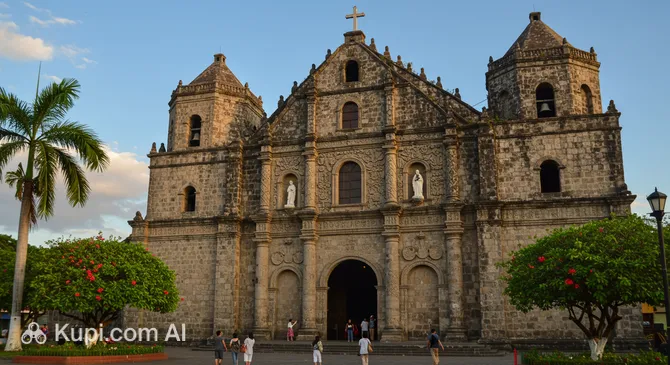
For a more authentic experience, besides the main attractions, peek into the local markets to feel the true flavor of the city. Also, take note of small chapels and parish churches, such as the St. Joseph the Worker Parish or the Santo Niño de Cebu-Mactan Parish. These active churches are an important part of the daily life and spiritual culture of local residents, offering a glimpse into their traditions.
Saint Joseph the Patriarch Parish. Illustration.
Source: Kupi.com AI
Traveler photos:
Getting Around
Getting around Lapu-Lapu City can be done via several types of public transport, each with its own characteristics. The city's transport system is adapted to local conditions and offers tourists an authentic experience of daily life.
The most colorful and iconic modes of transport are jeepneys and tricycles. Jeepneys are brightly decorated buses, converted from American military jeeps, running on fixed routes. Payment is made in cash directly to the driver or conductor; travel cards for these types of transport are generally not used. The cost of a jeepney ride is very affordable, usually starting from 10-20 Philippine Pesos for short distances. A tricycle ride will cost a bit more, roughly 20-50 Pesos for a short distance, and it is always best to agree on the price in advance as it is negotiable. The route is often indicated on a sign on the windshield or the side of the jeepney. Tricycles, which are motorcycles with a passenger sidecar, are ideal for short trips or for reaching places where jeepneys don't go.
Also, buses run in and around Lapu-Lapu City, especially on routes connecting the city with other towns on Mactan Island and the neighboring island of Cebu. Buses offer more comfortable conditions for longer trips compared to jeepneys. Bus fares are also usually paid in cash to the conductor, and like jeepneys, travel cards are not common here. Bus fares are also quite affordable, typically starting from 15-25 Pesos for trips within the city or short distances between towns.
For more comfortable and faster travel, taxis are always available. They can be hailed on the street or ordered through a hotel. In recent years, mobile apps for taxis and ride-sharing, such as Grab, have gained popularity, offering a convenient way to call a car with a pre-determined fare. This can be especially convenient for tourists unfamiliar with local rates. Regarding bike rentals and car sharing, these services have not yet gained wide popularity in Lapu-Lapu City. While private offers for scooter or bicycle rentals can sometimes be found, centralized rental or car-sharing services are rare.
Tourists planning to use public transport in Lapu-Lapu City are recommended to always carry small cash for fares, as drivers may not always have change for large bills. Most types of public transport operate from early morning until late evening, but the frequency may decrease during night hours. Check the routes and be ready for the fact that a jeepney ride can be a real adventure!
Accommodation
In Lapu-Lapu City, travelers will find a variety of accommodation options to suit both budget travelers and those seeking a luxury holiday. Choices range from inexpensive guesthouses and hostels to comfortable mid-range hotels, upscale resorts, and apartments for short-term rent.
Many tourists prefer to stay in resort hotels located along the coast of Mactan Island, which offer picturesque views and easy access to beaches. Areas close to Mactan-Cebu International Airport are also popular due to their convenient location. Among the well-known hotels offering quality service are, for example, the Maribago Bluewater Beach Resort and the Maayo Hotel.
Maayo Hotel. Illustration.
Source: Kupi.com AI
Traveler photos:
As for the price range, in Lapu-Lapu City you can find both budget options and luxury offers. Accommodation can be booked through popular international online booking platforms as well as directly on hotel websites. It is highly recommended to book your stay in advance, especially if your trip is planned for the peak tourist season or during major local festivals, to guarantee the best choice and more favorable prices.
Nearby Cities
For those looking to explore the surroundings, Lapu-Lapu City serves as an excellent starting point for day trips to several interesting nearby locations.
For instance, Cebu City, the provincial capital, beckons with its rich historical heritage, including Magellan’s Cross and the Basilica Minore del Santo Niño, as well as the lively atmosphere of a major city. Just a few kilometers away is Mandaue, an important commercial and industrial center interesting for its modern infrastructure. For a more relaxed holiday and a look at local life, you might consider a trip to Talisay, which offers views of coastal areas and local markets.
Here are some of the nearby cities that could be the destination for your day trip:
These and other nearby destinations allow for a deeper acquaintance with the diverse culture, history, and natural beauty of the Cebu province, enriching your travel experience in the Philippines.
Shopping & Souvenirs
Shopping in Lapu-Lapu City: From Modern Malls to Local Souvenirs
Lapu-Lapu City offers tourists diverse shopping opportunities, combining modern shopping centers with authentic local markets and souvenir shops. While the city is not known for exclusive goods, you can find both international brand products and unique Philippine items that serve as excellent reminders of your trip.
Major Shopping Hubs and Malls
Unlike cities with distinct shopping streets, shopping in Lapu-Lapu City is mainly concentrated in and around several large shopping centers. One popular destination is The Outlets at Pueblo Verde. This is an excellent place for those seeking branded goods at discounted prices. It features a good selection of clothing, footwear, and accessories.
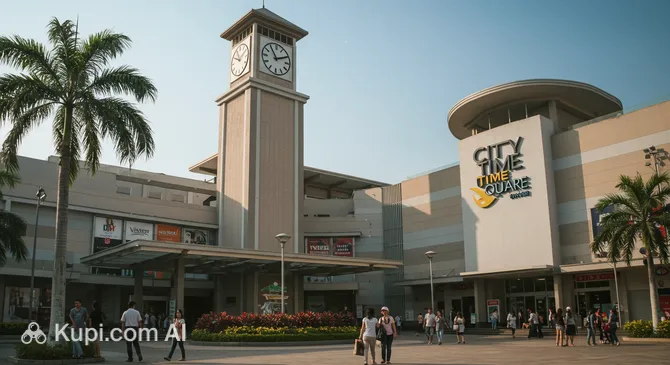
Another significant shopping complex is City Time Square Mactan. It offers visitors not just shops but also various restaurants and entertainment venues, making it a convenient place for family leisure.
City Time Square. Illustration.
Source: Kupi.com AI
Traveler photos:
Markets and Souvenirs
For a more authentic experience, it is worth visiting local markets (palengke), where you can find fresh fruit, seafood, as well as inexpensive daily goods and local delicacies. Souvenir shops are often found in tourist areas and near popular attractions. For souvenirs from Lapu-Lapu City, tourists often choose shell crafts, pearls (be careful when buying to avoid counterfeits), carved wooden figurines, abaca (Manila hemp) products, and local sweets like dried mango, otap (brittle puff pastry), or piñato (peanut brittle). T-shirts and other apparel with local symbols are also popular.
Opening Hours and Payment
Large shopping malls in Lapu-Lapu City typically operate from 10:00 AM to 8:00 PM or 9:00 PM; the schedule may vary slightly on weekends and holidays. Smaller shops and markets may have their own more flexible schedules. In malls and large stores, international credit cards (Visa, Mastercard) are accepted. However, at markets and small souvenir shops, it is preferable to carry cash in Philippine Pesos (PHP).
Tax Free
The Tax-Free return system in the Philippines is not as widespread or standardized as in some other tourist countries. Although some large department stores catering to tourists may offer this service, you should not count on a ubiquitous VAT refund option. If you plan on major purchases, it is recommended to check the possibility of a Tax-Free arrangement at the specific store in advance.