Support

Sibonga

About

Sibonga is a charming and cozy town located in the south of Cebu Island, in the heart of the Philippines archipelago. It is often called a gem among green hills and tropical landscapes. Reaching Sibonga from the island's capital, Cebu City, takes about two hours, making it accessible for travelers seeking both a relaxing getaway and cultural discoveries.

With a population of about 53,424 people, Sibonga retains the unique atmosphere of a small provincial town where every guest feels welcome. Despite its size, the town plays a significant role in the cultural and religious life of the region, attracting pilgrims and fans of traditional Philippine festivals.
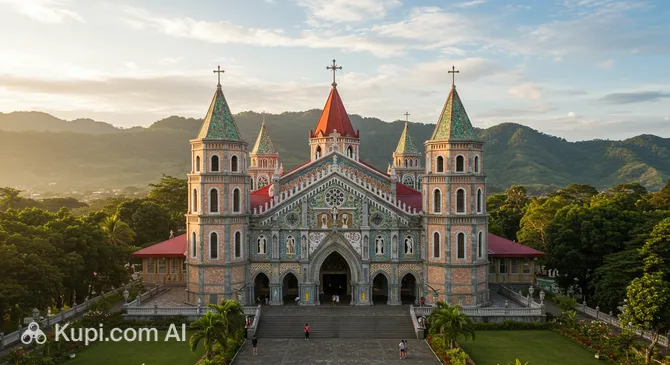
Sibonga. Illustration.
Source: Kupi.com AI

The main appeal of Sibonga lies in its soulful atmosphere and the opportunity to immerse oneself in authentic local life. Here, you can enjoy leisurely strolls through picturesque streets and visit vibrant morning markets with the freshest fruits and seafood. The town is also known for its architectural landmarks and serves as an important pilgrimage center, giving it special cultural significance.

Sibonga is the ideal destination for those who want to recharge their spirits, enjoy the beauty of nature, get acquainted with rich Filipino culture, and take home unforgettable memories. This town warmly welcomes everyone seeking peace and genuine discovery.

You can find more interesting facts on the history of the city of Sibonga page.

Weather Overview

The weather in Sibonga is characterized by year-round warmth and high humidity. Average monthly temperatures fluctuate only slightly, remaining in a comfortable range from 25.5°C to 27.8°C. Minimum nighttime temperatures rarely drop below 24°C, while maximum daytime temperatures can reach nearly 30°C, especially in April and May.

Precipitation in Sibonga falls fairly evenly throughout the year; however, the volume is low, usually from 4 to 10 mm per month. At the same time, the number of rainy days remains high, varying from 20 days in March to 29 days in December, suggesting frequent but likely brief showers. The \"driest\" months in terms of rainfall are March and April, while the \"wettest\" is December. Overall, expect warm weather with frequent but light precipitation throughout the year. You can find more detailed information on the Sibonga climate page.

Average monthly temperature

Average monthly precipitation

Interesting Facts

Beyond its picturesque landscapes, Sibonga holds several fascinating stories and features that make this town truly unique. Here are just a few that can intrigue any traveler:

  • The town's main sanctuary, the Simala Church, also known as the Monastery of Mary, Mother of Eucharist, is not just a religious site but a true architectural marvel resembling a fairytale castle. Legends say that after the monastery was built on this hill, miraculous healings occurred, making it one of the most revered pilgrimage sites in the Philippines.

  • Sibonga is a place where ancient traditions come to life during colorful festivals. Annual religious celebrations turn the town's streets into a swirling stream of music, dance, and the aromas of local delicacies, allowing guests to dive headfirst into the region's authentic culture.

  • The hospitality of Sibonga's residents is more than just words. Locals are happy to share ancient legends passed down through generations. Here, you can hear captivating stories about sea spirits, magical hills, and mysterious artifacts found in the town's surroundings.

How to Get There

When planning a trip to this picturesque corner of the Philippines, it is worth thinking through your route in advance. The main way for international tourists to reach the town is by air followed by ground transportation. You can find out more about how to get to Sibonga to choose the most convenient option for you.

There is no airport in the town of Sibonga itself, but you can fly into Mactan-Cebu International Airport (IATA: CEB) in Cebu City, which is about 51 km from Sibonga. This is the main gateway to the region with a very high passenger flow. The journey from the airport to the town by taxi or transfer will take approximately 1 hour and 40 minutes.

Other nearby airports are located on neighboring islands, which would require an additional ferry crossing. For example, Bohol-Panglao (IATA: TAG) is located in Tagbilaran (about 55 km in a straight line), and Bacolod-Silay International Airport (IATA: BCD) is in Bacolod City. Using these airports makes sense if you are planning a combined trip across several islands.

For clarity, here is a summary of the main airports in the region:

AirportPassenger trafficDistance
Mactan-Cebu International Airport11.3 mln51 km
Bohol-Panglao1.7 mln55 km
Dumaguete Airport650 83185 km
Bacolod-Silay International Airport1.9 mln103 km
Mambajao64 000150 km

Since there is no rail service on Cebu Island, the main mode of travel after landing remains the road network. Buses and vans regularly run from the provincial capital to Sibonga, making the trip accessible and straightforward.

Main Attractions

Sibonga, nestled comfortably in the province of Cebu in the Philippines, offers travelers several remarkable sites where spirituality, history, and the charm of local life intertwine. This town is more than just a point on a map; it is an opportunity to touch the unique culture of the region.

Undoubtedly, the main attraction drawing pilgrims and tourists from around the world is the Monastery of the Holy Eucharist, better known as the Simala Shrine. This majestic structure, resembling a fairytale castle, is striking for its scale, whimsical architecture, and rich interior decoration. People come here seeking spiritual solace, to pray, and to enjoy the peaceful atmosphere of this holy place.

For lovers of history and colonial architecture, a visit to the Sts. Peter and Paul Parish Church of Sibonga is a must. This ancient church, founded in the 19th century, is an important historical and religious center of the town. Its stone walls preserve the memory of the past, while the interior is filled with an atmosphere of tranquility and reverence.

To feel the rhythm of local life, it is worth taking a stroll through the Sibonga Public Plaza. As in many Philippine towns, the plaza is the heart of community life. Here, you can rest in the shade of trees, watch the daily routines of the townspeople, and in the evening, perhaps witness a local festival or event. It is a great place to feel like a part of the local community.

Local Cuisine

The gastronomy of Sibonga, like that of the entire island of Cebu, is famous for its fresh seafood, fragrant pork dishes, and an abundance of tropical fruits. A trip here is a wonderful opportunity to experience the vibrant flavors of Filipino cuisine, where traditions are combined with the accessibility and freshness of local products.

Be sure to try the famous Lechon Cebu – a whole roasted suckling pig with incredibly crispy skin and tender meat, considered one of the best in the Philippines. Equally worthy of attention are the various dishes made from freshly caught fish and seafood, prepared on the grill or as kinilaw – a local version of ceviche. A traditional accompaniment to many dishes is puso (hanging rice) – rice boiled in woven pouches made from coconut leaves, which gives it a special aroma.

To cool off on a hot day, choose natural juices made from mango, pineapple, or calamansi, as well as fresh coconut juice (buko). Among alcoholic beverages, local beer like San Miguel is popular. In some areas of Cebu, you can also try tuba – a traditional coconut wine that is part of the local culture.

The dining culture in Sibonga, as in the rest of Cebu province, involves both meals in cozy family restaurants and exploring street food. Numerous carenderias (small local eateries) offer home-cooked dishes at affordable prices. In the evening, street stalls with grilled meat and seafood come to life. Local markets are not just places to buy fresh produce, but also a chance to observe daily life and occasionally snack on something authentic.

Sibonga's gastronomic scene offers tourists a unique experience of immersing themselves in Cebuano culture through its flavors. Tasting juicy lechon, enjoying the freshest seafood prepared according to traditional recipes, and feeling the hospitality of locals at a shared table—all of this makes a culinary journey through this region of the Philippines truly memorable.

Travel Tips

Welcome to Sibonga! To make your journey to this charming corner of the Philippines as comfortable and pleasant as possible, we have prepared some practical tips. We hope they help you better prepare and enjoy every moment of your stay.

  1. Clothing and Essentials: In Sibonga, as in most of the Philippines, a tropical climate prevails, so choose light, breathable clothing made from natural fabrics. Don't forget swimwear, sunscreen, a hat, and sunglasses. Be sure to bring comfortable walking shoes, possibly for uneven terrain. If you plan to visit churches or other religious sites, ensure you have modest clothing that covers your shoulders and knees. A universal power adapter may also come in handy.
  2. Local Transport: The main modes of transport in Sibonga will likely be tricycles (motorcycle taxis with sidecars) and jeepneys for short trips around the town and its outskirts. For longer distances, buses may be available. Taxis as you might know them may not be as common as in large cities. Confirm the tricycle fare in advance. Renting a scooter could be an option for independent exploration, but be careful on local roads.
  3. Finances: The local currency is the Philippine Peso (PHP). It is recommended to exchange money at banks or official exchange offices in larger cities or upon arrival at the international airport. In Sibonga, exchange options may be limited, and the rate less favorable. Credit cards may be accepted in some hotels or large stores, but cash will be preferred for daily expenses at markets, in small cafes, and for transport fares. ATMs may exist, but it's best not to rely on them as your sole source of cash. Tipping is generally welcomed (around 10% in restaurants if a service charge is not included) but is not strictly mandatory.
  4. Health and Safety: There should be small pharmacies in town (often called \"botika\") where you can buy basic medications. In case of serious health issues, a trip to a larger city with a hospital, such as Cebu City, may be necessary. Drink only bottled water. Sibonga is likely a quiet place, but always follow basic safety precautions: watch your belongings, don't leave valuables unattended, and avoid walking alone in poorly lit areas late at night.
  5. Communication: The official languages in the Philippines are Filipino (Tagalog) and English. In Cebu province, where Sibonga is located, Cebuano (Visayan) is widely spoken. English is well-understood by many locals, especially the youth and those working in the service industry. Learning a few simple phrases in Cebuano, like \"Salamat\" (thank you) or \"Maayong buntag/hapon/gabii\" (good morning/afternoon/evening), is always appreciated. Local SIM cards (Globe or Smart) are easy to buy and offer affordable mobile internet. Wi-Fi may be available in hotels and some cafes.
  6. Local Etiquette: Filipinos are known for their hospitality and friendliness. A smile and polite address will help establish rapport. When communicating with elders or in formal settings, the respectful \"po\" or \"opo\" is sometimes used (though this is less common in Cebuano than in Tagalog). Avoid public displays of anger or loud arguments. It is considered impolite to refuse offered treats if possible.
  7. What to Avoid: Try not to criticize local customs, food, or lifestyles, even if they differ significantly from what you're used to. Do not take photos of people without their permission, especially children. Also, be respectful of religious sites and traditions.
  8. Extra Tip: Be sure to visit the local market! It's a great place to see daily life, try fresh fruit, and perhaps find unique local products or souvenirs. Don't hesitate to chat with the vendors—it's part of the authentic experience.

We hope these tips make your trip to Sibonga even more memorable. Enjoy the beauty of this place, its culture, and the hospitality of the locals!

Entertainment & Nightlife

Sibonga, a charming town in the Philippines, offers its guests a chance to immerse themselves in a quiet and authentic atmosphere for evening relaxation rather than the noisy nightlife of a metropolis. Here, the focus shifts from loud clubs to cozy local establishments where you can enjoy the local flavor after a day full of impressions.

Evening entertainment in Sibonga is predominantly centered around small family-run restaurants serving Filipino cuisine and modest bars. Karaoke, popular throughout the country, is also a common way to spend the evening. Most activity is usually observed along the central streets or near the main square. The atmosphere in such places is generally very welcoming and relaxed, encouraging conversation. The dress code here is simple—casual, comfortable clothing is perfectly appropriate.

In Sibonga, you are unlikely to find large, well-known nightclubs or bars with big names that would be listed in a guidebook. The charm of evening leisure here lies in the small, authentic establishments that are best discovered by walking through the city center or following the advice of locals and hotel staff. They will be able to suggest the spots popular among the residents. These places usually operate until late in the evening, especially on weekends, offering refreshing drinks and a chance to have a good time in company.

Practical tips for evening leisure in Sibonga:

The most comfortable time for evening walks and visiting establishments is after 7:00 PM – 8:00 PM, when the daytime heat subsides. Prices in local cafes and bars are usually very affordable, making evening leisure accessible. For getting around after dark, the most common transport is local tricycles. It is recommended to agree on the fare in advance or ask your hotel staff to help call a reliable driver, especially if you plan to return late. In general, Sibonga is considered quite safe; however, do not forget basic precautions: avoid poorly lit and deserted streets, especially alone, and keep an eye on your belongings.

During the day, Sibonga also offers opportunities to get acquainted with local life. Guests can explore the surroundings, learn about the local culture, and enjoy the natural beauty of the region. While there may not be large world-class museums or major amusement parks, the true charm of Sibonga lies in its authenticity and the chance to sink into the unhurried pace of Philippine provincial life.

Parks & Museums

Sibonga, a charming town in the Philippines, offers travelers a pleasant combination of peaceful natural corners and places that preserve a rich cultural heritage. While there may not be large city parks in the traditional sense, its natural beauty and historical landmarks more than make up for it.

Instead of formal parks, Sibonga provides the chance to enjoy coastal scenery and the tranquility of the countryside. Walks along the shoreline or exploring the surrounding green hills will allow you to appreciate the natural charm of the region. One of the most visited spots, whose grounds feature well-maintained landscaping, is the area surrounding the famous Simala Shrine. Although it is primarily a pilgrimage site, its vast and beautifully designed territories provide space for quiet walks and contemplation.

The main cultural and spiritual center attracting many visitors is the aforementioned Monastery of the Holy Eucharist, better known as the Simala Shrine. This impressive castle-like structure is striking in its architecture and serves not only as a place of worship but also as a kind of museum of religious art and artifacts associated with miracles. It is often called the \"Castle of Miracles\" and will certainly interest both pilgrims and lovers of unusual architecture and spiritual atmosphere.

The historical heart of the city beats in its old Nuestra Señora del Pilar Parish Church. Built during colonial times, this church is a beautiful example of Spanish religious architecture and carries the spirit of the past. It is interesting both for its architecture and as a place reflecting the town's centuries-old history and deep religious traditions.

While walking through Sibonga, you can also take note of the surviving ancestral houses from the colonial era. Although they are not official museums, their architecture speaks to the rich past and cultural influences that shaped the town's appearance. These houses add charm to the streets and allow you to imagine what life was like in Sibonga many years ago.

For a more authentic experience, stop by the Sibonga Public Market to observe daily life and perhaps try fresh local products. In the evening, find a quiet spot on the coast to enjoy a colorful sunset—it is a simple yet unforgettable impression of your stay in Sibonga.

Getting Around

When planning your travel around Sibonga, keep in mind that the public transport system here has its own local flavor and differs from large metropolises. The transport network is based on traditional regional modes of transport that will allow you to reach various points in the town and its surroundings.

The main \"workhorses\" in Sibonga, as in many other settlements in the region, are jeepneys and tricycles. Jeepneys are brightly decorated, modified American jeeps from the World War II era that run on more or less fixed routes. They accommodate quite a few passengers and are a very affordable way to get around. Tricycles are motorcycles with an attached passenger sidecar, ideal for short \"door-to-door\" trips or along narrow streets where a jeepney cannot always pass.

Also, for shorter distances or in places where jeepneys do not go, locals and tourists can use habal-habal—a motorcycle taxi where the passenger sits behind the driver. This type of transport is particularly convenient for trips to the countryside or along hilly roads. For longer trips, such as to other towns in the province, you can use buses, which usually depart from makeshift stops or small terminals.

The payment system for public transport in Sibonga is predominantly cash-based. There are generally no complex systems with transport cards or mobile apps for fare payment here. Fare for a jeepney is usually passed to the driver or conductor (if there is one) during the ride or upon exiting. The amount depends on the distance. For tricycles and habal-habal, it is best to agree on the fare with the driver in advance, before starting the journey, especially if the route is non-standard or if you are hiring the transport for an individual trip.

Tourists should keep a few practical points in mind. To stop a jeepney or tricycle, just signal the driver with your hand. Jeepney routes are often written on their sides or windshields, but do not hesitate to ask the driver or locals if it goes in the direction you need. Public transport usually operates most actively during the daytime, from early morning until evening. At night, the amount of available transport can significantly decrease.

As for alternatives, familiar taxi services or car-sharing may not be developed in a small town like Sibonga. The main alternative for individual trips remains tricycles, which can be hired for a trip along your specific route (a so-called \"special trip\"). Bicycle rentals might also not be very common, but the chance to rent a bicycle or motorbike can sometimes be found through local guesthouses or small private rentals.

Accommodation

When planning a trip to Sibonga, you will find a variety of accommodation options to suit different preferences and budgets. The town offers a range of choices from more modest guesthouses and small hotels to comfortable mid-range options. You might also find apartments or houses for short-term rent, which is especially convenient for families or groups of travelers.

When choosing a place to stay in Sibonga, it is worth paying attention to areas located near the town center or major transport routes. Such a location will provide easy access to local shops and eateries and allow for more convenient exploration of the surroundings. Although Sibonga is not a massive metropolis, choosing a strategically located accommodation will make your stay more comfortable.

The town features various types of hotels and guesthouses. While specific well-known hotels may vary, travelers can usually find suitable options that meet their expectations for comfort and service. It is recommended to check reviews and photos on popular booking platforms to select the most appropriate option.

To ensure you have the best choice and prices, especially if your trip falls during the peak tourist season or local holidays, it is recommended to book your accommodation in advance. This will help avoid situations where all suitable options are already taken. Early booking also often provides the opportunity to take advantage of better offers.

The price range for accommodation in Sibonga can vary from budget options to mid-level offerings. Most hotels and guesthouses can be booked through popular online platforms and travel aggregators. Some smaller establishments may also accept bookings directly via phone or email.

Nearby Cities

For those who want to explore the surroundings, Sibonga serves as an excellent starting point for day trips to several interesting nearby locations.

For instance, just 9 km away is Carcar, a charming city with well-preserved colonial architecture and historic houses. It is also famous for its local delicacies, such as chicharon, and high-quality handmade shoes. Another popular destination is Talisay (about 35 km), known for its beaches and opportunities for relaxation by the water, as well as the famous Cebuano lechon.

In addition to these cities, there are other options for short trips. In the table below, you will find more information about some of the settlements near Sibonga:

CityPopulationDistance
Carcar136 4539 km
Barili80 71511 km
Argao78 18713 km
Dumanjug57 82314 km
Alcantara17 17117 km

These nearby destinations offer wonderful opportunities to get acquainted with the diverse culture, rich history, and picturesque landscapes of the Cebu region, complementing your stay in Sibonga.

Shopping & Souvenirs

Shopping in Sibonga offers an authentic local experience rather than an introduction to large shopping malls. The town is not famous for any specific goods known nationwide; however, you can find fresh produce, essential items, and some products from local artisans here. Main commercial activity is focused on the daily needs of the residents.

The primary shopping area of Sibonga, as in many Philippine towns of this size, is the central part (Poblacion), especially the area around the local public market. Small shops, stalls, and street vendors are located here, offering a variety of goods—from food to clothing and household sundries.

You are unlikely to find large modern shopping centers common in the big cities of the Philippines in Sibonga. Shopping here is of a more traditional nature. Small local stores and department stores satisfy the basic needs of residents and offer a basic range of products.

At the center of Sibonga's commercial life is the Public Market. This is a bustling place where you can buy fresh fruits, vegetables, seafood, meat, and local delicacies. The market is not just a place for shopping but also a chance to observe the daily lives of the townspeople and feel the local flavor. Inexpensive clothing, footwear, and household items can also be found here.

As souvenirs from Sibonga, you can bring home items made by local craftsmen if you can find them in the market or in small shops. These could be woven baskets, shell crafts, or wood carvings. Popular Filipino souvenirs that can also be found here include dried mangoes, coconut oil, or local sweets. However, specialized souvenir shops are few, and the selection may be limited.

Shops and the market in Sibonga usually open early in the morning and operate until evening. The public market is most active in the morning hours. As for payment, the preferred method is cash (Philippine Pesos). The ability to pay by bank card is extremely rare, mainly in some of the larger stores, if any exist.

The possibility of a tax refund (Tax Free) for tourists in the Philippines exists, but it is usually processed at large shopping centers and international airports upon departure from the country. In small towns like Sibonga, such a service is generally not provided directly in stores.

Reached the end of the page?

That means the route is fully explored