Support

Legazpi

About

Legazpi is the true gateway to a world of volcanic wonders and emerald landscapes in the Philippines! This charming city is nestled in the southeastern part of Luzon Island, on the picturesque coast of the Bicol Peninsula. Its main natural landmark and symbol is the majestic Mayon Volcano, whose perfectly symmetrical cone rises proudly over the city, attracting travelers from all over the world.

With a population of about 210,000 people, Legazpi is the administrative center of Albay province and a key transport hub for the region. A wonderfully friendly atmosphere prevails here: bustling markets, welcoming locals, and a festive feeling literally fills the air. The city impresses with its harmonious blend of modern infrastructure and lush tropical gardens, with the impressive silhouette of Mayon always on the horizon.

Legazpi. Illustration.
Source: Kupi.com AI

Legazpi is an ideal destination for lovers of adventure and pristine nature. The main attraction is certainly Mayon Volcano, where you can take a thrilling jeep safari across the lava fields at its foot. Outdoor enthusiasts can also conquer scenic hills, explore hidden waterfalls, or simply enjoy unforgettable sunsets against the backdrop of this natural wonder.

A trip to Legazpi offers a unique opportunity to immerse yourself in the atmosphere of a true Philippine province, where ancient traditions coexist harmoniously with modernity, and each new day promises vivid impressions and amazing discoveries. Don't miss the chance to get to know this amazing place!

You can find more interesting facts on the history of Legazpi page.
Weather Overview

The weather in Legazpi is characterized by consistent warmth and high humidity throughout the year. Average monthly temperatures stay in the range of 25.5°C in January to 28.4°C in May. Maximum daytime temperatures can reach 31.3°C (in May), while minimum nighttime temperatures rarely drop below 23.1°C (in February).

Precipitation falls regularly throughout the year, which is typical for a tropical climate. The highest amount of rainfall (about 14 mm) and the greatest number of rainy days (up to 31) are usually observed in July. March is a relatively drier month, with about 3 mm of precipitation and 16 rainy days. Overall, expect warm weather with frequent but usually not overly intense rains. For more detailed information, explore the climate of Legazpi.

Average monthly temperature

Average monthly precipitation

Interesting Facts

Beyond its famous attractions and stunning views of Mayon Volcano, Legazpi holds many surprising stories and cultural features. Ready to see the city from an unexpected side?

Albay Park and Wildlife. Illustration.
Source: Kupi.com AI

Traveler photos:

  • Origin of the Name: The city of Legazpi is named after the famous Spanish conquistador Miguel López de Legazpi. He played a key role in the early history of the Philippines, founding the first European settlements in the archipelago and initiating Spanish colonization.

  • The Heart of Fire and Legends – Mayon Volcano: Not far from Legazpi rises Mayon Volcano, known for its nearly perfect conical shape. It is the most active volcano in the Philippines and is considered sacred by the locals. Many ancient legends of love and tragedy are associated with Mayon, one of which says the volcano is a petrified princess eternally mourning her lover.

  • Silent Witnesses of the Past – Cagsawa Ruins: One of the most iconic and photographed places near Legazpi is the Cagsawa Ruins. This is all that remains of a Franciscan church after the catastrophic eruption of Mayon Volcano in 1814. The lonely bell tower rising against the backdrop of the majestic volcano serves as a powerful reminder of the force of nature and the resilience of the human spirit.

  • Festival of Ancient Heroes – Ibalong Festival: Every August, Legazpi comes alive with the colorful Ibalong Festival. This celebration is dedicated to the epic heroes and myths of the ancient Bicol region. The city streets fill with grand costume parades, energetic music, and traditional dances, turning Legazpi into a massive open-air stage.

How to Get There

The primary way to reach the city of Legazpi, especially for tourists coming from afar, is by air. The city is conveniently located for air travel thanks to several airports in the region, the main one being Bicol International Airport.

The main air gateway to Legazpi is Bicol International Airport (IATA: DRP). It is a large and modern international airport located in the town of Daraga, just 7.4 km from the center of Legazpi. A trip by taxi or bus to the city will take approximately 30-40 minutes. The airport receives flights from Manila and other key cities in the Philippines.

Another option is to fly into Naga Airport (IATA: WNP), which is located in the town of Pili, about 71 km north of Legazpi. This is a medium-sized airport also serving domestic flights. The journey from Naga Airport to Legazpi by car or bus will take about 2–2.5 hours. This option may be convenient if you plan to visit other towns in the Camarines Sur province before traveling to Legazpi.

For clarity, here is summary information on the main airports from which you can reach Legazpi:

AirportPassenger trafficDistance
Bicol Airport662 5807 km
Virac Airport53 26570 km
Naga Airport71 48771 km
Masbate Airport75 00086 km
Catarman National Airport50 000120 km

In addition to flights, Legazpi can be reached by intercity buses from Manila and other major cities on Luzon Island. Bus service in the Philippines is quite developed, although the journey can be long. Rail travel to Legazpi is currently not a primary mode of transport for tourists. Traveling by rental car is also possible, which offers more flexibility in exploring the region.

Main Attractions

Legazpi, located in the province of Albay in the Philippines, offers tourists not only breathtaking views of Mayon Volcano but also a range of interesting attractions worth visiting. The city is rich in history and culture, which is reflected in its architecture and heritage sites.

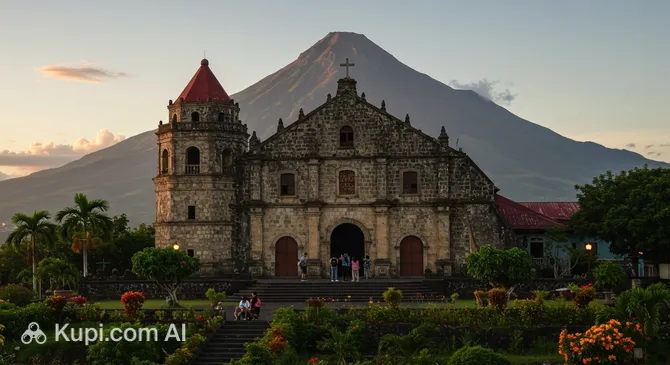
One of the most iconic landmarks is Daraga Church (Our Lady of the Gate Parish). This historical church, built in 1773, is situated on a hill with a panoramic view of Mayon Volcano and the city. It is known for its unique Baroque architecture, featuring a facade decorated with volcanic stone carvings. Daraga Church is recognized as a National Cultural Treasure of the Philippines and attracts both pilgrims and enthusiasts of history and architecture. A visit here is a chance to touch the rich past of the region.

Daraga Church. Illustration.
Source: Kupi.com AI

Traveler photos:

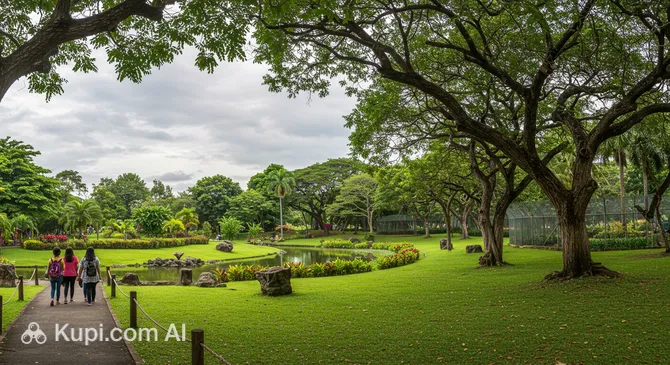
For nature lovers and families, Albay Park and Wildlife is an excellent choice. Here, you can see various representatives of local fauna, including rare species of Philippine animals. The park offers well-maintained green areas for walks and picnics, as well as educational programs introducing visitors to the importance of wildlife conservation. It’s a great place to spend a few hours outdoors and learn more about the animal world of the Philippines.

Albay Park and Wildlife. Illustration.
Source: Kupi.com AI

Traveler photos:

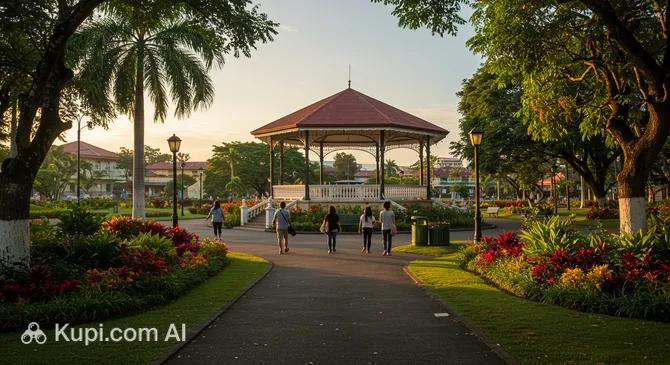
Another popular spot in Legazpi is Peñaranda Park. Located in the heart of the city, this public park is a vital hub of community life. Named after a former governor, it serves as a venue for various events, festivals, and a place for citizens to relax. The park features monuments, fountains, and shaded alleys where one can escape the tropical sun. Visiting Peñaranda Park allows you to feel the city's atmosphere and observe the daily life of its residents.

Peñaranda Park. Illustration.
Source: Kupi.com AI

Traveler photos:

Local Cuisine

The gastronomy of Legazpi is a true feast for the taste buds, dominated by three key ingredients: fragrant coconut milk, piquant chili peppers (locals call them "sili"), and the freshest seafood. While traveling in Legazpi, be sure to try the legendary dish "Bicol Express". This consists of tender pork or seafood simmered in thick coconut milk with a generous amount of hot chili. The dish is the signature of the entire Bicol region and a point of pride for local chefs.

In addition to "Bicol Express," it’s worth trying "laing"—taro leaves stewed in coconut milk, often with the addition of shrimp, fish, or meat, and seasoned with ginger, garlic, and chili peppers. Another local delicacy is "pinangat", where taro leaves are stuffed with a mixture of fish or shrimp, shredded coconut, and spices, wrapped into parcels, and also simmered in coconut milk. These dishes perfectly reflect the fusion of local culinary traditions and the rich natural bounty of the region.

As for drinks, refreshing calamansi juice (a local citrus), freshly squeezed tropical fruit juices like mango and pineapple, and "buko juice" (coconut water) are popular in Legazpi. Local beers and the traditional palm drink "tuba" can also be found. Street food in Legazpi is a gastronomic adventure in itself. On busy streets and markets, you will find various "inihaw" skewers of meat or seafood, fried "banana-cue," "puto" rice cakes, and various coconut-based sweets.

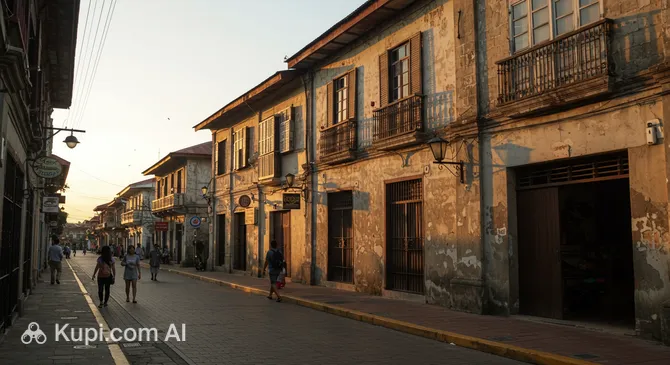
Old Albay. Illustration.
Source: Kupi.com AI

Traveler photos:

Local residents often eat in small family eateries called "carinderias," where homemade dishes are served at affordable prices. Tourists can choose between these and larger restaurants offering both traditional Bicolano cuisine and international dishes. One way to get acquainted with local cuisine is to visit Old Albay restaurant. Furthermore, Legazpi is famous for its food festivals, such as the "Tabak Festival," and street fairs during the "Ibalong Festival," where you can sample the region's best dishes and encounter local culinary talent. Legazpi is undoubtedly an attractive destination for gourmands seeking authentic and vibrant flavor experiences.

Travel Tips

Welcome to Legazpi! To make your trip to this charming city at the foot of Mayon Volcano as comfortable and pleasant as possible, we have prepared some practical tips. They will help you better navigate and enjoy every moment of your stay.

  1. Clothing and Essentials

    Legazpi has a tropical climate, so choose light, breathable clothing made from natural fabrics (cotton, linen). Be sure to bring a swimsuit, sunglasses, a hat, and sunscreen. Don't forget comfortable walking shoes and perhaps a light jacket or raincoat, especially if traveling during the rainy season (usually from June to November). When visiting churches and other religious sites, show respect by covering your shoulders and knees. You might also need a universal adapter for electronics (the Philippines uses type A, B, and C sockets).

  2. Local Transport

    Getting around Legazpi is quite simple. Here are the main options:

    • Tricycles: The most common transport for short trips. Always agree on the price before the ride.
    • Jeepneys: Bright and colorful, they run on set routes and are a very affordable way to get around.
    • Taxis: Less common than tricycles. Some may operate without a meter, so also confirm the cost in advance. Popular ride-hailing apps like Grab are becoming increasingly available.
    • Car Rental: Possible, but for most tourists, local transport will suffice given the traffic conditions.
  3. Finances

    A few points regarding money:

    • Currency: Local currency is the Philippine Peso (PHP).
    • Money Exchange: It is best to exchange currency at banks or official exchange offices in shopping malls.
    • Bank Cards: Large hotels, restaurants, and shops accept international credit and debit cards (Visa, Mastercard). However, always have cash for smaller establishments, markets, and tricycle fares.
    • ATMs: Quite common in commercial areas.
    • Estimated Budget: An average daily budget (excluding accommodation) might be 1,500-3,000 PHP.
    • Tipping: Not mandatory but appreciated for good service (about 10% in restaurants if a service charge is not included).
  4. Health and Safety

    Important aspects for your peace of mind:

    • Pharmacies: Available in the city, some operate 24/7 or have extended hours in shopping malls.
    • Medical Care: There are hospitals and clinics in Legazpi. Be sure to take out travel insurance before your trip.
    • Safety: Legazpi is generally safe for tourists. Follow standard precautions: watch your belongings, especially in crowded places, and avoid poorly lit areas at night.
    • Mayon Volcano: This is an active volcano. Always pay attention to official warnings and recommendations from local authorities regarding its activity and restricted zones.
  5. Communication

    How to stay connected:

    • Language: Official languages are Filipino (Tagalog) and English. The local Bicolano language is also spoken.
    • English: Widely spoken, especially in the tourism sector; communication problems usually do not arise.
    • Useful phrases in Bicolano: "Marhay na aga/hapon/gab-i" (Good morning/afternoon/evening), "Dios mabalos" (Thank you).
    • SIM Card: Easy to buy at the airport or mobile phone shops (popular operators are Globe and Smart).
    • Wi-Fi: Available in most hotels, cafes, and some public places.
  6. Local Etiquette

    Filipinos are very hospitable and friendly. A smile and polite address are always appropriate. When speaking with elders or in formal settings, use respectful particles "po" and "opo." Try to be patient and respectful of local customs.

  7. What to Avoid

    A couple of points to keep in mind:

    • Showing disrespect to Mayon Volcano: This is an iconic and revered site for locals. Do not litter and behave respectfully.
    • Photographing people without their permission: It is always better to ask before taking a photo.
  8. Special Tip for Legazpi

    Be sure to try the local Bicolano cuisine, known for its spiciness and use of coconut milk (gata). Dishes like "Bicol Express" or "Laing" will give you unforgettable gastronomic impressions. If you are not a fan of spicy food, you can always ask for the dish to be prepared in a less piquant version.

We hope these tips help you plan an unforgettable trip to Legazpi. Enjoy the beauty of nature, the hospitality of the locals, and the unique atmosphere of this Philippine city!

Entertainment & Nightlife

Legazpi, famous for its breathtaking views of Mayon Volcano, offers guests not only daytime adventures but also various opportunities for evening leisure. The nightlife here might not be as boisterous as in major metropolises, but it has its own special charm, offering cozy places for dinner, pleasant conversation, and relaxation after a full day of exploration.

The main centers for evening entertainment in Legazpi are concentrated along central streets like Rizal Street and near large shopping complexes, such as the area around SM City Legazpi. Here you will find many restaurants offering both local and international cuisine, many of which are open until late. While the loud nightclub scene is less prominent compared to large capitals, karaoke bars (KTV) and some venues with live music are very popular and offer a great time. Occasionally, the city hosts evening events or small night markets where you can try local food and buy souvenirs—it's best to check for these events upon arrival.

The atmosphere in most of Legazpi's evening venues is quite relaxed and friendly. The crowd is mixed—from locals to tourists. No special dress code is usually required; neat casual clothing is appropriate almost everywhere. Restaurants generally operate until 10:00-11:00 PM, while some bars or KTVs may stay open later, especially on weekends.

When planning an evening out, it’s best to start with dinner around 7:00-8:00 PM. Prices in most Legazpi establishments are quite affordable, especially compared to the capital. To get around the city at night, you can use tricycles or taxis. It is recommended to use official taxis or call them through your hotel reception, especially late at night. Although Legazpi is generally considered safe, it is always worth following standard precautions: avoid poorly lit and deserted streets and keep an eye on your belongings. Walking through busy central areas in the evening is usually safe.

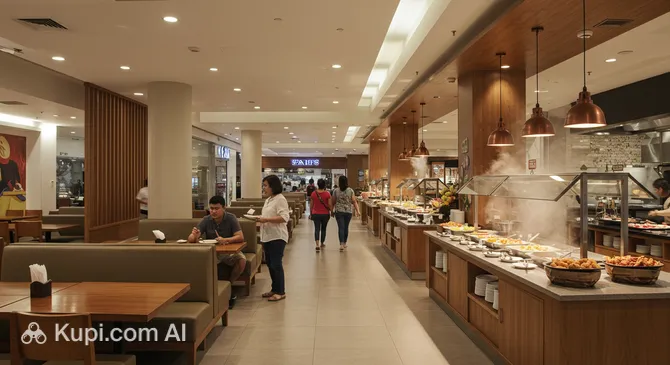
Among the popular spots for dinner and evening pastimes, Old Albay stands out, offering local cuisine in an authentic atmosphere. Another venue worth visiting is Tong Yang (SM City Legazpi), known for its buffet and grill format where you can enjoy a variety of dishes.

Tong Yang (SM City Legazpi). Illustration.
Source: Kupi.com AI

Traveler photos:

During the day, Legazpi also offers plenty of interest. You can visit Albay Park and Wildlife for family fun or stroll through the scenic Peñaranda Park. History and architecture lovers will appreciate Daraga Church with its rich past. For shopping and entertainment, shopping centers such as CityMall Legazpi or LCC Mall Legazpi are suitable.

Parks & Museums

Legazpi offers its guests not only breathtaking views of Mayon Volcano but also pleasant green spots for relaxation and the chance to experience the region's rich cultural and historical heritage.

Among the city's green zones, Albay Park and Wildlife stands out. It is a great place for family leisure, where you can not only walk through shaded alleys but also see representatives of local fauna, making it interesting for visitors of all ages. Another popular spot is Peñaranda Park, located in the heart of the city. This historic park often serves as a venue for various city events and festivals, acting as an important public space and gathering place for local residents.

Albay Park and Wildlife. Illustration.
Source: Kupi.com AI

Traveler photos:

Although Legazpi may not have many traditional museums, its history and culture are vividly reflected in its architectural monuments and historical sites. The main treasure is certainly Daraga Church (full name—Our Lady of the Gate Parish). This magnificent example of Baroque colonial architecture, built from volcanic stones, is listed as a National Cultural Treasure of the Philippines. The church is situated on a hill offering a breathtaking view of Mayon Volcano and the city, making a visit there especially memorable for any tourist interested in history and architecture.

Daraga Church. Illustration.
Source: Kupi.com AI

Traveler photos:

For a deeper immersion into the city's atmosphere, take a walk through the streets of the historical district, such as the area around Old Albay, where you can find cozy local cafes and observe the daily life of the residents. Also, don't miss the chance to visit local markets—it's a wonderful way to get to know local products, souvenirs, and crafts, and to feel the authentic spirit of Legazpi.

Getting Around

Public transport in Legazpi consists mainly of traditional Philippine modes. The most popular and accessible means of getting around the city and its surroundings are jeepneys and tricycles. Jeepneys follow fixed routes, usually indicated on their sides or windshields. These are bright, often decorated vehicles that have become a symbol of Philippine culture. Fare in a jeepney is paid in cash directly to the driver or conductor; the cost depends on the distance but is usually very low.

Tricycles (motorcycles with sidecars) are another common way to get around, especially convenient for short trips or for reaching places not served by jeepneys. The fare for a tricycle ride should be negotiated with the driver in advance, as there are no fixed rates and it can vary depending on the distance and time of day. Buses also operate in Legazpi, connecting the city with other towns in Albay province and more distant regions.

For payment, cash is used in most cases. It is recommended to carry small bills and coins, as drivers may not always have change for large notes. Specialized tourist passes or transport cards covering all types of transport are generally not available in Legazpi. Public transport hours can vary, but jeepneys and tricycles are usually available from early morning until late evening. At night, the amount of transport may decrease.

As an alternative to public transport in Legazpi, you can use taxis, which can be found at large hotels and shopping centers or called by phone. Ride-hailing services via mobile apps like Grab are also popular, offering more predictable costs and booking convenience. Renting motorcycles or scooters is also possible and can be a convenient option for exploring the city and its scenic surroundings, including Mayon Volcano, independently.

Accommodation

In Legazpi, tourists will find a variety of accommodation options to suit different budgets and preferences. The city offers everything from budget guesthouses and hostels for thrifty travelers to comfortable mid-range hotels and more luxurious resort complexes. Apartment rentals are also available, which can be a convenient option for families or long-term stays.

Many tourists prefer to stay in areas close to main attractions and transport hubs. The central part of the city, as well as areas with a good view of Mayon Volcano, are particularly popular. Proximity to shopping centers and restaurants is also an important factor when choosing accommodation.

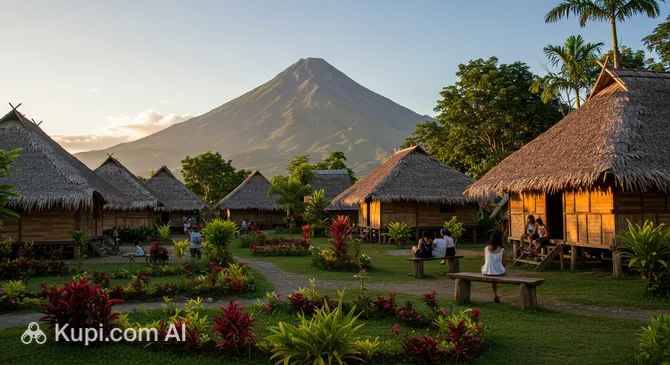
Among the accommodation options, one can highlight, for example, Your Brother Tribal Village, which offers a unique staying experience. The choice of a specific hotel depends on your preferences and budget. There are other hotels in the city offering comfortable stays as well.

Your Brother House Tribal Village. Illustration.
Source: Kupi.com AI

Traveler photos:

Regarding prices, you can find options ranging from budget-friendly to more expensive. It is recommended to book accommodation in advance, especially if your trip coincides with the peak tourist season or public holidays. For searching and booking, it is convenient to use popular online platforms, or you can book directly through hotel websites or by phone.

Nearby Cities

For those who want to explore the surroundings, Legazpi serves as an excellent starting point for day trips to several interesting nearby places:

From Legazpi, several noteworthy spots are easily accessible. For example, Daraga, located just a few kilometers away, is famous for its historical church (Our Lady of the Gate Parish), built on a hill overlooking Mayon Volcano, and its proximity to the famous Cagsawa Ruins. The town of Tabaco attracts travelers with the beautiful St. John the Baptist Church and is known as the production center for traditional Filipino "tabak" knives. A bit further away, Sorsogon City, the capital of the eponymous province, serves as the gateway to natural wonders such as Bulusan Volcano Natural Park and is the starting point for trips to Donsol for whale shark watching (though Donsol itself is a separate municipality).

CityPopulationDistance
Daraga133 8937 km
Camalig72 04212 km
Manito26 16214 km
Guinobatan85 78616 km
Jovellar17 79517 km

These nearby destinations provide a more complete picture of the diverse culture, history, and natural landscapes of the Bicol region, making your trip to Legazpi even more fulfilling and memorable.

Shopping & Souvenirs

Shopping in Legazpi offers tourists both modern shopping centers and colorful local markets where unique souvenirs and delicacies can be found. The city is not a global fashion hub, but you can purchase high-quality local goods here, especially abaca products and pili nut treats, for which the Bicol region is famous.

The main points of interest for shoppers are several large shopping complexes and the central city market. While there aren't many European-style pedestrian shopping streets, most stores are concentrated in commercial areas and inside malls. The streets around the central market are also lively and offer many small shops.

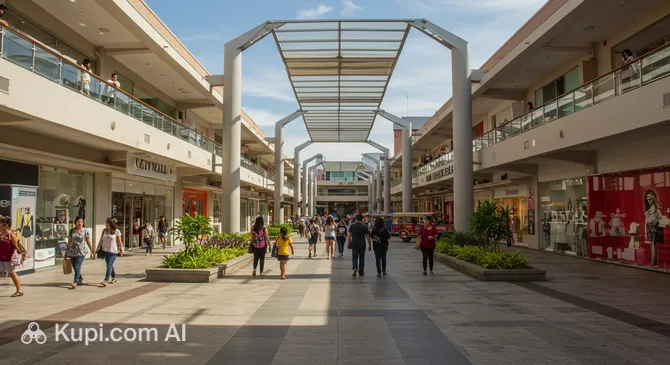
Among the shopping centers, CityMall Legazpi and LCC Mall Legazpi stand out. Here you will find supermarkets, clothing and shoe stores of well-known brands, electronics, pharmacies, food courts, and entertainment zones. These malls offer comfortable air-conditioned shopping conditions, which is especially pleasant in hot weather.

City Mall Legazpi. Illustration.
Source: Kupi.com AI

Traveler photos:

Legazpi Public Market is an excellent place for those who want to immerse themselves in the local atmosphere and buy fresh produce, seafood, fruit, as well as local delicacies and souvenirs at lower prices. Here you can find handmade goods, textiles, and woven items. The market is usually bustling from early morning.

For souvenirs from Legazpi, it’s worth bringing back:

  • Abaca (Manila hemp) products: bags, wallets, hats, decor items.
  • Pili nut products: candies, oil, roasted nuts. This is the signature of the Bicol region.
  • Souvenirs featuring Mayon Volcano: T-shirts, magnets, keychains.
  • Local sweets and delicacies such as "pinangat" (a dish made of taro leaves and coconut milk).

Most shops and shopping centers in Legazpi are open daily, usually from 10:00 AM to 8:00 or 9:00 PM. Markets start earlier, often from 6:00-7:00 AM. Large stores and shopping centers accept credit cards (Visa, Mastercard), but cash (Philippine Pesos) is preferred in markets and smaller shops. It is recommended to always carry some cash.

Information on the Tax-Free system (VAT refund for tourists) in the Philippines is not as widely promoted as in some other countries. Tax refund options are usually limited and may only be available in very large department stores or specialty shops for significant purchases. It is recommended to inquire directly at the point of purchase if you are making an expensive acquisition.

Nearby cities

Reached the end of the page?

That means the route is fully explored