Lipa is a remarkable city on the island of Luzon, located in the province of Batangas in the Philippines. Thanks to its location in a valley between Mount Maculot and Mount Malarayat at an altitude of over 300 meters above sea level, the city enjoys an unusually cool climate for these latitudes. Today, Lipa is an important commercial and industrial hub of the region, where dynamic development exists alongside a rich colonial heritage.
With a population of approximately 373,000, Lipa is considered one of the most prosperous cities in the province. Due to its abundance of majestic cathedrals and monasteries, it is often called the "Little Rome of the Philippines." The deep roots of the city's history are inextricably linked to the era of Spanish rule, when Lipa became famous as the "coffee capital," supplying aromatic beans to many countries around the world.
Lipa. Illustration.
Source: Kupi.com AI
For travelers, Lipa reveals itself as a place with a cozy atmosphere where you can enjoy a cup of the famous strong Kapeng Barako coffee, visit ancient cathedrals, or take a walk through picturesque farms. It is an ideal spot for those who want to see the authentic life of the Philippine province without giving up the comforts of modern urban infrastructure.
Weather Overview
The climate in Lipa is significantly milder and more pleasant than in most lowland cities of the Philippines. Due to its altitude of about 312 meters above sea level, the city is often called the "summer retreat" of Batangas province. The average annual temperature here stays around a pleasant 26–27°C, making walks in the local weather comfortable even in the middle of the day.
The driest and sunniest period lasts from January to April: during this time, rain is rare, and the temperature gradually rises from an average of 25.5°C in January to a peak of 28.3°C in April. The rainy season begins in May, reaching its peak in July and September, when a significant amount of precipitation falls. During these months, humidity increases and showers become frequent, but they are usually short-lived.
A special charm of Lipa is its cool nights and early mornings from December to February, when temperatures can drop to a refreshing 23°C. This time is considered ideal for visiting: you can enjoy the fresh mountain air and the absence of sweltering heat, making it the best period for sightseeing and exploring coffee plantations.
Average monthly temperature
Average monthly precipitation
Interesting Facts
The city of Lipa holds many fascinating details that make it distinct from other Philippine settlements.
First in the Province: Lipa was the first settlement in Batangas to be granted city status (city charter) in 1947, solidifying its role as an administrative and economic leader.
A Coffee Legend: The city is considered the home of the first coffee tree in the Philippines. The Kapeng Barako variety became a true cultural symbol of the region, and in the 19th century, Lipa was among the wealthiest cities in the world due to its coffee exports.
A Phoenix City: Lipa has literally risen from the ashes: in 1754, it was wiped out by a devastating eruption of the Taal Volcano, and it later suffered significant damage during World War II.
Natural Air Conditioning: Due to its elevation (up to 372 meters), the average temperature here is 3–5 degrees lower than in coastal cities, making Lipa's climate one of the most pleasant on Luzon island.
Little Rome: The city earned this nickname due to its high concentration of religious institutions, convents, and seminaries, making it an important center of Catholicism in the country.
How to Get There
Lipa is conveniently located just 78 kilometers south of Manila, making it easily accessible for travelers. The main route from the capital is via the South Luzon Expressway (SLEX). A trip by car or regular bus usually takes between 1.5 to 2.5 hours; however, during peak hours, travel time can increase significantly due to traffic. To plan your trip more comfortably, it is helpful to check up-to-date information on how to get to the city in advance.
The nearest major aviation hub to Lipa is Ninoy Aquino International Airport (MNL) in Manila. From the airport terminals, you can take a taxi, use a transfer service, or head to bus stations in the Pasay or Alabang districts, where buses frequently depart for Batangas with a scheduled stop in Lipa.
Railway connections in the region are less developed than road transport and mainly consist of lines connecting Manila's suburbs. Nevertheless, Lipa remains an important transport hub, from where it is easy to take a bus or jeepney to any point in the Batangas province, including the popular diving resorts of Anilao or the Batangas City ferry port.
Station
Passenger traffic
Distance
Calamba railway station
6
29 km
Dr. Santos station
6
63 km
FTI railway station
5
64 km
Asia World station
6
65 km
Manila International Airport LRT Station
6
66 km
Main Attractions
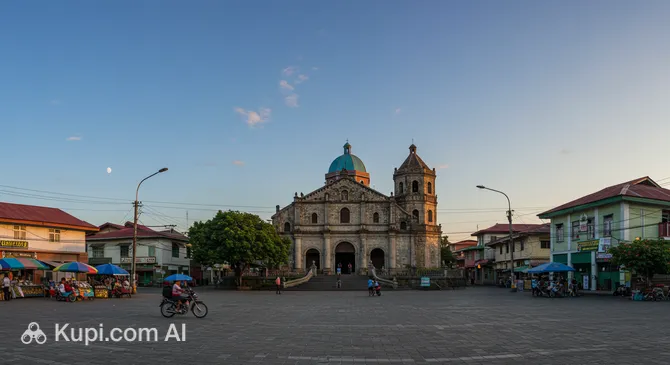
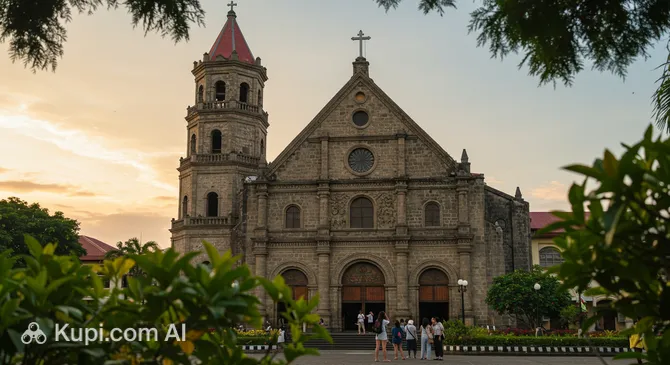
Despite its status as an industrial center, Lipa carefully preserves its architectural treasures, the most prominent of which is the Metropolitan Cathedral of Saint Sebastian. This majestic Renaissance-style building impresses with its monumentality and rich interior decoration. The cathedral was fully restored after being damaged during World War II and today serves as the spiritual heart of the entire Batangas province.
Metropolitan Cathedral of San Sebastian. Illustration.
Source: Kupi.com AI
Traveler photos:
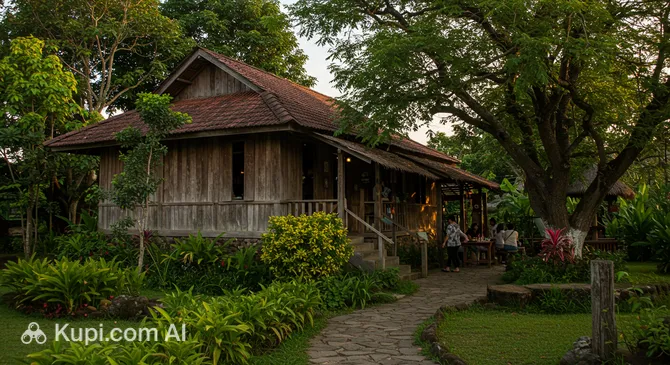
For those seeking rural idyll and picturesque views, a visit to The Old Grove Farmstead is a must. This location is styled after a traditional Dutch farm, complete with a red windmill, a cozy pond, and charming animals. The farm is immensely popular among photography enthusiasts and families with children, offering a peaceful outdoor retreat surrounded by greenery.
The Old Grove Farmstead. Illustration.
Source: Kupi.com AI
Traveler photos:
You can conclude your city walk at a place like Lipa City Park. This is a popular recreation area for locals, where you can rest in the shade of trees or observe the slow rhythm of city life. Although the city is not overwhelmed with classic museums, the very atmosphere of its old streets and markets, filled with the aroma of coffee, is a living attraction in itself.
Local Cuisine
A gastronomic journey to Lipa is unthinkable without a cup of Kapeng Barako. This is the city's signature—an incredibly strong and aromatic Liberica coffee with woody notes. You can find it everywhere: from modern coffee shops to stalls at the central market, where beans are sold in massive sacks. Locals take pride in the fact that their coffee is a "drink for the strong-willed."
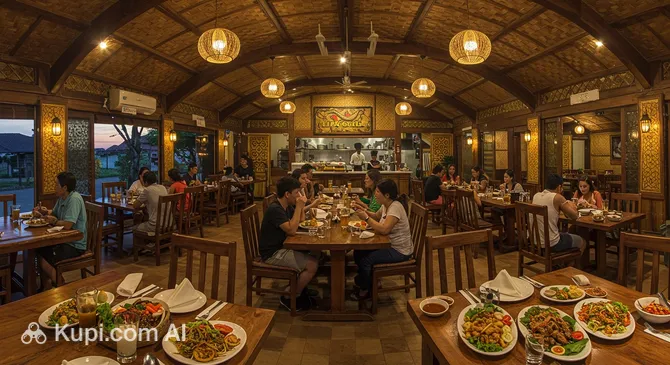
The local cuisine is based on hearty meat dishes typical of Batangas province. Be sure to try Lomi—a thick egg noodle soup with pork cracklings and egg, which is prepared here with special skill. Also highly regarded are Bulalo (a rich beef shank soup) and Crispy Pata (deep-fried pork trotter). To experience traditional Filipino cuisine in a cozy setting, you can visit Lipa Grill, which serves excellent flame-grilled dishes.
Lipa Grill. Illustration.
Source: Kupi.com AI
Traveler photos:
For a more refined dinner or a special occasion, the The Golden Tree restaurant is a great choice, offering a blend of local flavors and modern service. The food culture in Lipa is closely tied to the markets, where you can always find the freshest tropical fruits and traditional sweets. The city's gastro scene offers honest, simple, and very filling food that warms you up perfectly on the cool evenings of this highland region.
Travel Tips
Preparing for a trip to Lipa will be easier and more enjoyable with these practical tips to help you settle into the coffee capital of the Philippines.
Clothing and Essentials: Due to the high altitude, evenings in Lipa can be cool, so be sure to bring a light jacket or sweater. When visiting cathedrals, choose clothing that covers your shoulders and knees. Comfortable shoes are essential for walking through the hilly terrain and markets.
Transport: To get around the city, it's most convenient to use the Grab app—it's reliable and saves you from having to negotiate fares. For short distances, try tricycles, but confirm the price beforehand.
Finances: While malls accept cards, you'll need cash in Philippine pesos for markets and jeepneys. There are plenty of ATMs in the center, but it's better to have a supply of small bills for transport fares.
Health: Do not drink tap water—use only bottled water. In Lipa's tropical climate, always keep mosquito repellent and sunscreen with you, even if the sky seems cloudy.
Communication: Most residents of Lipa speak English well. However, a greeting like "Kumusta" (How are you?) or a word of thanks like "Salamat" will help you quickly build rapport with the locals.
Etiquette: Filipinos are very polite and appreciate a smile. Avoid raising your voice or showing anger openly in public places—it is considered extremely rude.
What to Avoid: Do not leave your valuables unattended in crowded places like markets, and try not to use public transport (jeepneys) during the busiest peak hours to avoid the crush.
Pro Tip: Visit Lipa between December and May to catch the dry season and fully enjoy walks through the coffee farms.
By following these simple rules, you can focus on the main thing—exploring the hospitable culture of Batangas and tasting the best coffee in the country!
Entertainment & Nightlife
Nightlife in Lipa is generally quiet and family-oriented, differing significantly from the noisy parties of major metropolises. Most activity after sunset is concentrated around large shopping complexes and chain establishments. Popular forms of recreation among locals include karaoke bars (KTV), where you can spend an evening with friends, and cozy cafes featuring live acoustic music.
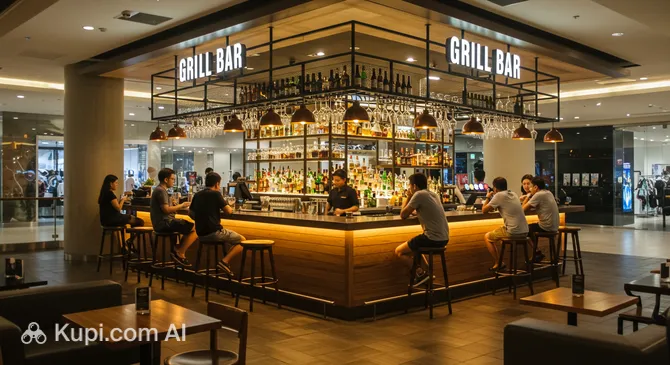
If you're looking for a dinner spot with a relaxed atmosphere, check out the Grill bar at SM City Lipa Mall. Both young people and families often gather here to enjoy grilled dishes and cool drinks. Another excellent option is Gerry's Grill Lipa, known for its consistently delicious cuisine and hospitality. Most establishments close before midnight, so it's best to plan your evening outings early.
Grill Bar at SM City Lipa Mall. Illustration.
Source: Kupi.com AI
Traveler photos:
During the day, entertainment shifts toward shopping, visiting cinemas in malls, or taking trips to coffee plantations. During holidays, you might catch colorful festivals on the streets of Lipa dedicated to local coffee or religious celebrations, filling the city with dancing and vibrant costumes. For those seeking more active nightclubs, a trip to nearby Manila is usually recommended, which can be reached by taxi or bus.
Parks & Museums
Lipa is a city where nature and religion intertwine, creating unique spaces for exploration. While there aren't massive state museums here, the historical heritage lives within the walls of its temples. A key site is the Metropolitan Cathedral of Saint Sebastian, which houses small exhibits detailing the church's role in the city's life and the history of the coffee boom. A visit here allows you to feel the spirit of "Little Rome."
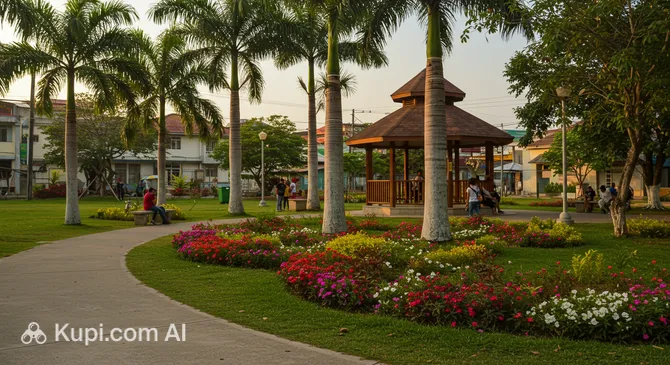
Among the city's green zones, Lipa City Park stands out. It is a cozy place where you can escape the urban bustle, walk along the paths, or simply relax on a bench while observing the lives of the townspeople. The park serves as an important public space for local events and holidays, remaining an island of tranquility in the dynamically developing center.
Lipa City Community Park. Illustration.
Source: Kupi.com AI
Traveler photos:
For those who prefer agrotourism, The Old Grove Farmstead is an interesting option. This is not just a farm, but an entire open-air art space imitating pastoral European landscapes. Here, you can not only interact with animals but also enjoy well-thought-out landscape design. The city's proximity to Lake Taal also provides opportunities for quick nature trips for more extensive hikes and views of the volcanic scenery.
Getting Around
The transport system in Lipa is typical for large Philippine cities and offers travelers a chance to immerse themselves in local flavor. The main form of public transport is the legendary jeepney—brightly painted, elongated jeeps that run along fixed routes between districts (barangays). This is the most budget-friendly way to get around, and the fare is passed to the driver through other passengers.
For traveling short distances or through the narrow streets of the center, tricycles (motorcycles with a covered sidecar) are ideal. They function like taxis and can take you directly to the doors of your hotel or attraction. It is best to agree on the price with the tricycle driver in advance. If you prefer a more familiar service, the Grab app works excellently in Lipa, allowing you to call a comfortable taxi with a fixed price.
Despite the lack of a metro or trams, the city has a well-developed network of bus terminals with departures to Manila and other cities in Luzon. During peak hours (morning and evening), traffic jams often occur on the central streets, so tourists are advised to plan their trips with extra time. Bicycles and scooters are also gaining popularity among young people due to the hilly terrain and pleasant climate, but because of the heavy traffic, beginners should be cautious on the roads.
Accommodation
Accommodation options in Lipa are primarily geared toward business travelers and families seeking a quiet getaway away from the hustle and bustle of the big city. The scene is dominated by quality mid-range hotels and cozy guesthouses. Popular chain hotels located near main roads and shopping centers offer modern amenities, swimming pools, and conference rooms, which is convenient for those visiting for business or in transit.
For a short visit, it is best to choose the Sabang or Balintawak areas, as they are in close proximity to transport hubs, restaurants, and shops. If you plan to stay in Lipa longer, consider renting apartments or houses through booking services like Airbnb—this will allow you to experience the rhythm of the local community in residential neighborhoods.
Those looking for a more secluded or unique stay might enjoy farm stays and resorts on the outskirts of the city, for example, in the Mataasnakahoy area. Accommodation prices in Lipa remain quite affordable compared to Manila or popular beach resorts. During local holidays and festivals, rooms in the best hotels fill up quickly, so we recommend booking your stay at least a couple of weeks in advance.
Nearby Cities
Thanks to its central location in the Batangas province, Lipa serves as an excellent starting point for exploring the picturesque surroundings of Luzon island. Just a half-hour drive away, you'll find quiet settlements and natural parks offering a completely different pace of life and unique landscapes.
Only a few kilometers away is Anilao—the number one destination for diving and snorkeling enthusiasts. Despite its small size, this coastal area is famous for its world-class coral gardens. It's also worth visiting neighboring Lumban or the cozy Mataasnakahoy, which is famous for its panoramic views of Lake Taal and the volcano.
City
Population
Distance
Anilao
30 520
4 km
Lumban
32 330
6 km
Mataasnakahoy
30 621
8 km
Balete
30 090
10 km
Padre Garcia
51 853
11 km
For a longer trip, consider a visit to Batangas City or the historic town of Taal, known for its well-preserved Spanish architecture. Exploring these places will allow you to dive deeper into Filipino culture and enjoy a variety of nature—from mountain ranges to the sea coast.
Shopping & Souvenirs
Shopping in Lipa is an exciting mix of modern malls and colorful local markets. The city is an important trading hub for the province, so you can find almost anything here: from branded clothing to unique handicrafts and fresh farm products. The city's main pride remains coffee-related goods and local textiles.
For those who prefer comfort and a wide selection, the best place is SM City Lipa. This is a massive complex where international brands, cinemas, food courts, and entertainment zones are gathered under one roof. Another popular shopping destination is Robinsons Place Lipa, which offers an excellent selection of home goods and electronics.
City Lipa Mall. Illustration.
Source: Kupi.com AI
Traveler photos:
If you're looking for authentic souvenirs, head to the Central Market. Here, you should buy the famous Kapeng Barako coffee in beans or ground form, as well as local sweets made from cane sugar. It is customary to bargain at the markets, especially when buying handmade items. Shops in malls usually operate from 10 AM to 9 PM and accept international cards, while at the markets, you will definitely need cash in Philippine pesos.