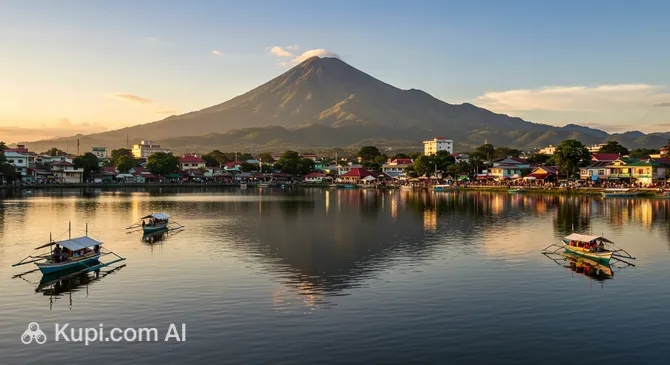
Located in the southern part of Laguna province in the Philippines, San Pablo is a remarkable destination often called the "City of Seven Lakes." This first-class city harmoniously blends dynamic urban development with the tranquility of natural landscapes nestled at the foot of the majestic Mount San Cristobal. Spanning nearly 198 square kilometers, it is the largest city by land area in its province and serves as an important cultural and economic hub for the region.
San Pablo City. Illustration.
Source: Kupi.com AI
The city is famous for its rich history, dating back to the 16th century when missionaries established a settlement here. Today, San Pablo attracts travelers with its unique "countryside" climate, which offers a welcome coolness and a break from the hustle and bustle of Manila. With a population of about 285,000, it maintains the atmosphere of a welcoming yet self-sufficient and lively community.
The main magnets for tourists are the seven crater lakes that surround the city like a precious necklace. Here, you can stroll along the shores of Sampaloc Lake (the largest of the seven), admire authentic colonial architecture, or immerse yourself in the atmosphere of local markets. San Pablo is an ideal destination for those seeking a balance between modern infrastructure and the pristine natural beauty of the Philippines.
Weather Overview
A tropical climate prevails in San Pablo, which feels milder and cooler than in coastal areas thanks to its proximity to the mountains and abundance of water bodies. Air temperatures remain comfortable throughout the year, usually ranging from +23°C to +31°C. The warmest months are April and May when the air can reach its maximum heat, while the period from December to February is considered the "coolest."
This region is characterized by a clear division of seasons. The dry season lasts from December to May — an ideal time for eco-tourism and walks by the lakes. The rainy season begins in June and peaks in July and August, when rainfall can exceed 300-400 mm per month. Nevertheless, even during the rainy period, the city's climate remains attractive due to the freshness and abundance of greenery.
The lakes and their surrounding volcanic cones create a unique local ecology, contributing to good airflow and clean air. Travelers are recommended to plan their visit for the first half of the year to fully enjoy the beauty of the natural landscapes without the risk of being caught in prolonged monsoon rains.
Average monthly temperature
Average monthly precipitation
Interesting Facts
San Pablo is the largest city in Laguna province by land area, covering more than 197 square kilometers.
The city's seven lakes are volcanic in origin and are crater lakes; the largest, Sampaloc, covers an area of about 104 hectares.
The settlement's historical name was the village of Sampaloc, but in 1586, it was renamed San Pablo de los Montes in honor of Saint Paul the Hermit.
San Pablo received its official city status on May 7, 1940, and its first mayor was Potenciano Malvar.
The city has been an independent Catholic diocese since 1967, highlighting its high spiritual and administrative significance in the region.
How to Get There
San Pablo enjoys good transport accessibility, making it a popular destination for short trips from the capital. The city is located approximately 82 kilometers southeast of Manila, and the primary way to get here is by land. A trip by bus or car via Alaminos usually takes between 2 and 3 hours, though potential traffic jams leaving Manila should be considered, especially during peak hours. Detailed information on routes can be found in the section on the city's transport accessibility.
There is no airport in San Pablo itself, so travelers typically use the country's main gateway in Manila. From there, you can reach the city by taxi or by transferring to a regular bus heading towards Laguna or Quezon province.
Railway service in the region is provided by the Philippine National Railways (PNR). Although trains run less frequently than buses, this option may be of interest to those who prefer rail travel. The railway connects the city with key points in the province, providing an alternative way to get around.
Station
Passenger traffic
Distance
Calamba railway station
6
24 km
FTI railway station
5
58 km
Dr. Santos station
6
59 km
Asia World station
6
61 km
Manila International Airport LRT Station
6
62 km
Main Attractions
The main treasures of San Pablo are its natural wonders, namely the famous seven lakes. The largest of them, Lake Sampaloc, is surrounded by a well-maintained trail about 7 kilometers long, which has become a favorite spot for morning jogs and leisurely walks for both locals and visitors. For those seeking a closer connection with nature, Lakes Pandin and Yambo are perfect, offering eco-tourism activities and bamboo raft rides.
The city's architectural landscape is equally interesting. Be sure to visit the majestic San Pablo Cathedral, built in the colonial style, and the historic Fule-Malvar Mansion, which preserves the memory of prominent figures in Philippine history. While walking through the center, stop by Doña Leonila Park and the Veterans Monument — these sites are important cultural landmarks reflecting the city's heritage.
City San Pablo Mall. Illustration.
Source: Kupi.com AI
Traveler photos:
Fans of modern leisure and shopping should check out the SM City San Pablo mall, which houses various shops and entertainment zones. Even as the city retains its provincial charm, infrastructure like the Old City Hall and cozy public squares make a stay here comfortable and full of experiences.
Local Cuisine
The gastronomic identity of San Pablo is inextricably linked to the region's natural wealth. Since Laguna province is famous for its coconut plantations, many local dishes are prepared using coconut meat and coconut milk. You should definitely try the traditional bola-bola (chicken balls) and fresh fish caught in the local lakes. The cuisine here is simple yet incredibly flavorful and unique.
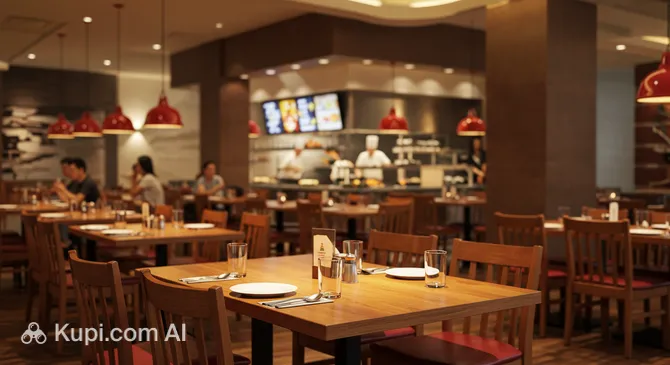
For a taste of classic Filipino cuisine with a modern twist, Gerry's Grill, SM San Pablo is ideal. They serve excellent sinigang, adobo, and grilled seafood. If you want to combine a meal with aesthetic pleasure, head to Sulyap Gallery Café, Boutique Hotels and Restaurant. This place is famous for its pistachio cake and traditional Filipino coffee, while the atmosphere of the historic mansion adds a special charm to dinner.
Gerry's Grill, SM San Pablo. Illustration.
Source: Kupi.com AI
Traveler photos:
The dining culture in the city is well-developed: from colorful street food stalls where you can grab a quick bite to family restaurants by the water. Local markets are great for buying fresh tropical fruits and coconut-based sweets. San Pablo offers guests an authentic gastronomic experience where Filipino hospitality traditions meet the use of the freshest local ingredients.
Travel Tips
Preparing for a trip to San Pablo will be easier and more pleasant if you use tips from experienced travelers to help you quickly adapt to the local rhythm of life.
Clothing and Essentials: Choose light clothing made of natural fabrics, as humidity can be high. For walks around the lakes, comfortable sports shoes are a must. When visiting San Pablo Cathedral, observe the dress code: shoulders and knees should be covered.
Transport: Use jeepneys or tricycles to get around the city. If planning a trip from Manila, choose morning departures to avoid multi-hour traffic jams leaving the capital.
Finance: The official currency is the Philippine Peso (PHP). Cards are accepted in large malls, but always carry cash for markets, tricycles, and small cafes. ATMs are concentrated in the city center and shopping malls.
Health and Safety: Drink only bottled water. In crowded places, especially markets, watch your belongings — pickpocketing can occur. Standard vaccinations for tropical countries are recommended before the trip.
Communication: The main language is Tagalog, but English is widely spoken, especially among young people and hotel staff. Knowing simple phrases like "Salamat" (thank you) will earn you a smile from the locals.
Local Etiquette: Filipinos are very friendly and value politeness. Greetings are often accompanied by a slight bow or a smile. Showing aggression or arguing loudly is considered bad manners here.
What to Avoid: Do not visit remote areas near the lakes alone after dark. Also, try not to plan important trips during the height of the rainy season (July-September) due to the risk of flooded roads.
Extra Tip: The best time to visit the lakes is early morning when the air is still fresh and the glassy surface of the water is perfect for photos.
By following these simple rules, you can fully immerse yourself in the atmosphere of the "City of Seven Lakes" and get the most out of your journey.
Entertainment & Nightlife
Entertainment in San Pablo is of a calm and contemplative nature, perfectly suited for those who want to escape the frantic pace of major metropolises. Most evening activity is centered around the Lake Sampaloc shoreline, where cozy cafes with water views open up. Locals enjoy spending time here over a cup of coffee, taking in the fresh air and quiet surroundings.
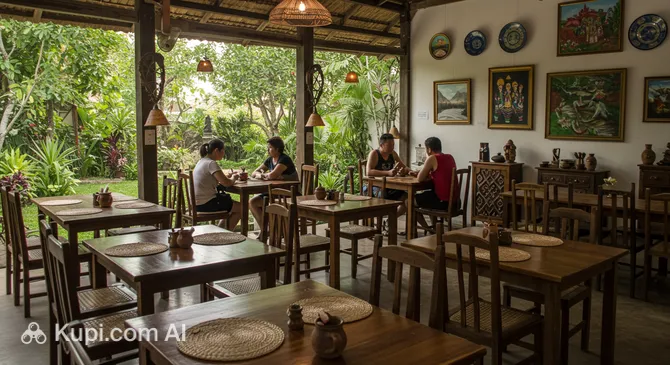
If you are looking for a place for a delicious dinner in pleasant company, stop by Gerry's Grill, SM San Pablo. This establishment is famous for its grilled dishes and welcoming atmosphere. For a more refined and cultural experience, the Sulyap Gallery Café, Boutique Hotels and Restaurant is an excellent choice, where you can enjoy local cuisine while browsing collections of antiques and art in the gallery.
Sulyap Gallery Café, Boutique Hotels and Restaurant. Illustration.
Source: Kupi.com AI
Traveler photos:
Vibrant nightlife with world-class clubs and bars is virtually non-existent here, reflecting the city's provincial status. However, seasonal festivals and religious holidays add local flavor, filling the streets with music and bright colors. Those craving active parties are usually advised to visit neighboring cities like Los Baños or Santa Rosa, located about an hour's drive away.
Parks & Museums
The park zones of San Pablo are closely intertwined with its famous lakes, which serve as natural oases of peace and greenery. Doña Leonila Park, located on a hill by Lake Sampaloc, offers some of the best panoramic views of the water and Mount San Cristobal. In the city center, the City Plaza is a popular spot for walks — a well-kept space where city events are held and locals meet.
For those interested in history and art, the Fule-Malvar Mansion is a must-see. This colonial-style mansion is not only impressive for its architecture but also serves as a venue for learning about the heritage of the city's prominent families. If you are looking for a more modern format, visit the Sulyap Gallery Café, Boutique Hotels and Restaurant, where an antique gallery harmoniously neighbors a cozy cafe.
The recreation areas at Lakes Pandin and Yambo can also be considered open-air natural museums. The traditional way of life is preserved here, and the region's flora and fauna are presented in all their beauty. Although there are no large national museums in the city, local exhibits in public buildings and historic homes provide a complete picture of the region's rich culture.
Getting Around
The public transport system in San Pablo is typical of most Philippine cities and offers tourists several colorful ways to get around. The backbone of local traffic consists of jeepneys — brightly painted minibuses that ply set routes between various city districts. This is the most affordable type of transport, allowing you to quickly reach the center or the shores of the lakes.
For short distances or trips into narrow streets, tricycles — motorcycles with a covered sidecar — are ideal. It is best to agree on the fare for a tricycle ride in advance, as they do not have meters. Intercity travel is provided by comfortable buses that connect San Pablo with Manila, Calamba, and other major cities in Laguna province.
Fare for jeepneys and tricycles is paid only in cash using small bills or coins, so it is always useful to have some on hand. If you prefer a more modern and familiar service, taxi services are available in the city, and the Grab app also works, allowing you to call a car at a fixed price. Railway service (PNR) is also available in the city, but trains run on a schedule and are more commonly used for longer trips towards the capital.
Accommodation
Accommodation options in San Pablo are primarily geared towards eco-tourists and those seeking a quiet getaway surrounded by nature. The most popular areas to stay are near the Lake Sampaloc shoreline and the central part of the city, where cozy guesthouses and mid-range hotels are located. Room rates are quite affordable and consistent with Philippine averages.
For those who prefer a high level of comfort and a wide range of services, the Auravel Grande Hotel and Resort is an excellent choice. This modern complex offers guests a swimming pool, spacious rooms, and quality service, making it one of the best options in the city for both family vacations and business trips.
Long-term rental apartments can also be found in residential areas, which is convenient for travelers planning to stay in Laguna for an extended period. During the peak tourist season or during local festivals, it is recommended to book accommodation in advance, as the best options near the lakes fill up quickly. Overall, San Pablo offers a decent selection of budget and quality accommodation without the excess of luxury resorts.
Nearby Cities
San Pablo serves as an excellent starting point for exploring the picturesque province of Laguna and neighboring regions. The city's surroundings are rich in natural attractions, thermal springs, and historical monuments, all easily reachable on a day trip via public transport or a rental car.
Just 14 kilometers away is Los Baños, famous for its hot springs at the foot of Mount Makiling and its prestigious university. Also worth a visit is the town of Nagcarlan, home to a unique underground cemetery from the Spanish colonial era. For those who want to experience rural life and nature, Calauan is an interesting destination.
City
Population
Distance
Calauan
87 693
8 km
Bay
67 182
10 km
Tiaong
106 265
12 km
Nagcarlan
64 866
12 km
Los Baños
115 353
14 km
Exploring nearby cities will allow you to delve deeper into the atmosphere of the Philippine province. Each of these destinations offers its own unique experience: from gastronomic discoveries to active recreation in the mountains or along the shores of Laguna de Bay.
Shopping & Souvenirs
Shopping in San Pablo offers travelers a mix of modern retail spaces and colorful traditional markets. The primary destination for large-scale shopping and family leisure is SM City San Pablo. Here you can find international brands, electronics, a large food court, and cinemas. It is a modern hub that provides capital-city levels of comfort in the heart of the province.
City San Pablo Mall. Illustration.
Source: Kupi.com AI
Traveler photos:
Those who want to feel the true local flavor should head to the market near City Plaza and the central shopping streets. The atmosphere is lively, and the stalls are overflowing with fresh tropical fruits, fish, and vegetables. Common souvenirs from San Pablo include coconut-based products, woven goods, and religious artifacts that reflect the city's spiritual significance.
Most shops in malls are open daily from 10:00 AM to 9:00 PM, while markets open early in the morning. Major malls accept international bank cards, but you will definitely need cash (Philippine pesos) for markets and small shops. The Tax-Free system for tourists in the Philippines is still developing, so don't expect significant tax refunds on small purchases.