Support

Auschwitz II-Birkenau Main Gate

About

The Main Gate of Auschwitz II-Birkenau, also known as the "Gate of Death," is one of the most significant and recognizable historical sites in the world. Located in the town of Oświęcim in present-day Poland, this gate served as the main entrance to the former Nazi extermination camp of Auschwitz II-Birkenau, which was part of a larger camp complex.
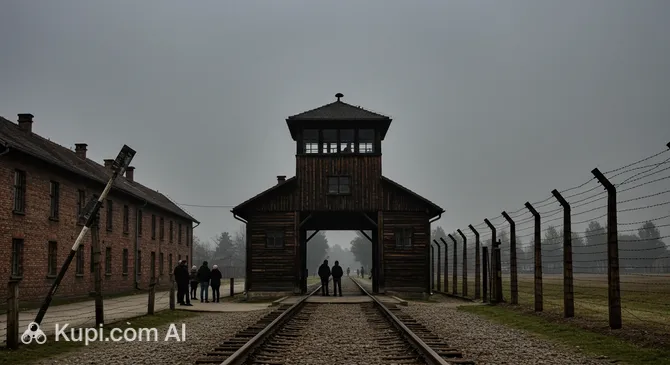
Auschwitz II-Birkenau Main Gate. Illustration.
Source: Kupi.com AI

Traveler photos:

Architecturally, the gate consists of a brick building with a high watchtower and a central archway through which the railway tracks passed. It was through these tracks that trains filled with prisoners arrived at the camp. Today, this image has become a powerful and tragic symbol of the Holocaust, reminding us of the millions of victims and the crimes against humanity committed during World War II.

A visit to this site leaves a profound impression. Today, the Main Gate of Auschwitz II-Birkenau is a central part of the Auschwitz-Birkenau State Museum. The entire memorial complex is included in the UNESCO World Heritage List, serving as an eternal warning and a place of remembrance for future generations.

Contacts

To plan your visit to the Auschwitz-Birkenau Memorial and Museum, it is recommended to check the current information regarding opening hours, visiting rules, and ticket bookings in advance. All necessary information can be found on the museum's official website or by contacting the administration directly using the provided contact details.

How to contactContact
Address32-600 Oświęcim, Poland
Phone number+48 33 844 80 99
Websitewww.auschwitz.org

What to Do

Visiting the Main Gate of Auschwitz II-Birkenau is a deeply moving and important experience that allows one to realize the scale of historical events. The gate, also known as the "Gate of Death," is the central and most recognizable symbol of the entire memorial complex. Visitors see the brick tower with the entrance arch through which the railway tracks entered the camp. This is where the trains with prisoners arrived, and today the site serves as a powerful reminder of the tragedy of the Holocaust.

Viewing the gate is part of a general tour of the former Auschwitz II-Birkenau camp. Passing through them, you enter a vast area where you can see preserved and restored wooden barracks, the remains of crematoria and gas chambers, and memorial markers. A walk along the railway tracks to the memorial plaques at the end of the platform allows for a better understanding of the camp's layout and a chance to honor the victims.

Guided tours are available at the complex in Oświęcim, providing detailed historical context and telling the stories of the people who were here. Many visitors bring flowers or light memorial candles to show their respect. Visiting this landmark site in Poland is not a recreational activity, but an opportunity for deep reflection and the preservation of historical memory.

Getting There

The Main Gate of Auschwitz II-Birkenau is located in the town of Oświęcim in Poland, approximately 70 kilometers west of Krakow. Krakow is most often the starting point for visitors. The most common way to reach the memorial is by public transport. Trains and buses run regularly from Krakow, with the journey taking an average of 1.5 to 2 hours.

Upon arrival at the Oświęcim railway station, you can take local buses to reach the first part of the complex, the Auschwitz I museum. A free shuttle bus runs between the two parts of the memorial (Auschwitz I and Auschwitz II-Birkenau), taking you directly to the Main Gate. This shuttle operates at regular intervals throughout the day, making it much easier to navigate the vast territory of the complex.

If you are traveling by car, take the A4 motorway from Krakow and then turn onto road No. 933, following the signs for Oświęcim. There are several paid parking lots near the museum where you can leave your vehicle during your visit. Organized tours from Krakow are also a popular option, as they include round-trip transfers and often the services of a guide.

Nearest city: Oswiecim

History & Facts

The Main Gate of Auschwitz II-Birkenau is one of the most recognizable and tragic symbols in world history. Construction of the Auschwitz II-Birkenau camp began in 1941 by order of the Nazi leadership as part of the Auschwitz concentration camp complex in Oświęcim. The gatehouse, with its watchtower, served as the main entrance to the camp where the railway tracks entered. It was here that trains arrived carrying prisoners from all over occupied Europe.

This entrance earned the somber nickname "the Gate of Death," as it was the last sight of freedom for hundreds of thousands of people. Upon arrival, prisoners faced a brutal selection process: some were immediately sent to gas chambers, while others were sent to forced labor under inhumane conditions. The tragic history of this site ended on January 27, 1945, when the camp was liberated, putting an end to the systematic killings.

After the war ended, the Auschwitz-Birkenau State Museum was founded on the site of the former camp in 1947 to preserve the memory of the victims and serve as a warning to future generations. In 1979, the memorial complex was added to the UNESCO World Heritage List. Today, the Main Gate and the entire museum complex in Poland are an essential place of pilgrimage and education, visited annually by millions of people to honor the memory of the deceased and reflect on the lessons of history.

Time Needed

When planning a visit to the Main Gate of Auschwitz II-Birkenau, keep in mind that it is the entrance to a vast memorial complex. Viewing the gate itself takes little time, but to properly understand the history of this site, it is recommended to set aside significantly more time. On average, for a meaningful visit that includes the main parts of the complex, you should plan for at least 3-4 hours.

This time will allow you to join a guided tour covering both Auschwitz I and Auschwitz II-Birkenau, where the famous gate is located. If you plan a deeper immersion, exploring the exhibits on your own and visiting all available displays without rushing, the visit may take nearly an entire day. Given the scale of the territory, allowing this amount of time will enable you to fully grasp the historical significance of this memorial.

Working Hours

The Auschwitz-Birkenau Memorial and Museum, which includes the Main Gate of Auschwitz II-Birkenau, is open to visitors year-round, except for a few holidays: January 1, December 25, and Easter Sunday. Opening hours depend on the season: from April to October, the museum is open from 8:00 AM to 7:00 PM, and during the winter period, from November to March, it is open from 8:00 AM to 5:00 PM.

Please note that entry to the grounds stops 90 minutes before the official closing time. Given the immense historical significance and the large number of visitors, it is highly recommended to book tickets in advance through the memorial's official website, especially during the high tourist season. This will allow you to plan your visit and guarantee entry at your chosen time.

7:30 – 15:00

Nearby

A visit to the Auschwitz-Birkenau memorial complex leaves a deep and lasting impression. To better process what you have seen and get a sense of the modern life of the town, it is worth spending some time exploring the surroundings. A walk through Oświęcim and its vicinity will help provide a more complete picture of the history of this place and its significance in the modern world.

While the main purpose of the visit is the memorial, there are other sites in and around the town that can complement your trip. They allow you to see how history intertwines with the present and offer an opportunity for quiet reflection after visiting such a significant historical monument.

NameDistance
Auschwitz II-Birkenau Memorial and Museum0.6 km
Auschwitz-Birkenau – Judenrampe0.6 km
Kebab Burger Allis1.7 km
Auschwitz-Birkenau Memorial and Museum1.8 km
Oświęcim Pet and Fishing Store Aquarium2.1 km
Niwa Shopping Gallery2.1 km
Oświęcim Castle Museum2.8 km

Have you reached the end of the page?

So the route has been studied inside and out