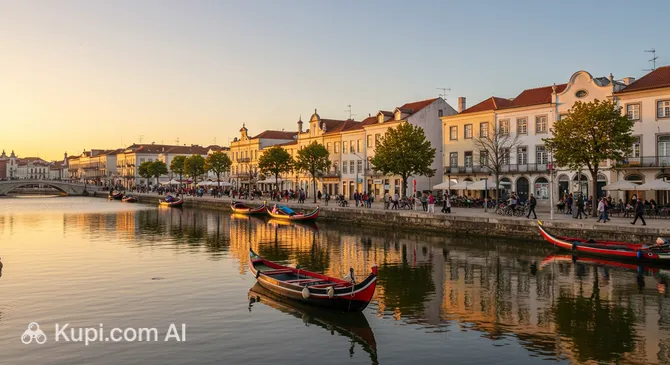
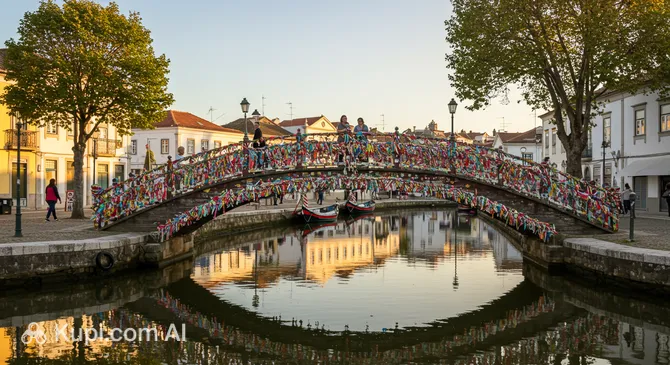
Aveiro is a charming city in central Portugal, nestled comfortably on the banks of the picturesque Ria de Aveiro lagoon, just a few kilometers from the Atlantic Ocean. This city is known for its unique atmosphere, where history harmoniously blends with modernity, and its water canals give it a special charm and lightness.
Aveiro. Illustration.
Source: Kupi.com AI
With a population of about 78,000 people, Aveiro is often called the "Venice of Portugal." Although there are only three main canals and colorful moliceiro boats glide slowly along them rather than gondolas, this comparison perfectly conveys the city's unique aquatic essence. A walk through its narrow streets reveals elegant Art Nouveau buildings that decorate the embankments and create a unique romantic mood.
The key features attracting travelers here are, of course, its picturesque canals and traditional moliceiro boats, on which you can take a fascinating trip. In addition, Aveiro is famous for its Art Nouveau architecture and its proximity to the famous beaches of Costa Nova with their characteristic striped houses. One should not forget the local salt pans, where you can learn about traditional methods of salt production.
Aveiro is a city that is definitely worth a visit to enjoy its calm pace, explore its rich cultural heritage, and simply relax your soul while wandering along its embankments and bridges. It offers the perfect combination of a relaxed holiday and interesting discoveries for every traveler.
The weather in Aveiro is characterized by a mild maritime climate. Summer here is warm and sunny, especially in July and August, when the average temperature stays around 21.5°C, and the maximum can reach 26°C. Precipitation in the summer months is minimal. Winters are mild, with an average temperature of about 10-12°C, but rainier, especially from October to March. Expect a warm and mostly dry summer with comfortable temperatures and mild, wetter winters. The highest amount of rainfall occurs in the autumn-winter period, while July and August are the driest months.
To find out a detailed weather forecast for the near future and get more information about climatic conditions, you can visit the Aveiro Climate page.
Average monthly temperature
Average monthly precipitation
Interesting Facts
Aveiro, the charming city of canals, never ceases to amaze its guests. Besides the picturesque views and famous moliceiro boats, it holds many curious details and traditions that not everyone knows about.
Aveiro Salt Pans. Illustration.
Source: Kupi.com AI
Traveler photos:
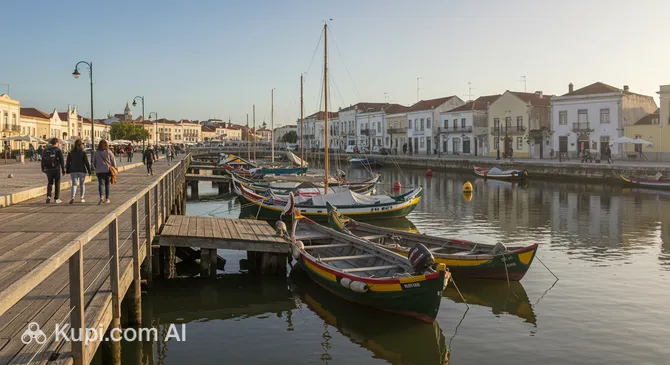
Although Aveiro is often compared to Venice, its colorful moliceiro boats have a unique history. Originally designed for collecting seaweed, today they are hand-painted with scenes that are often funny, ironic, or even cheeky, reflecting local folklore. A ride on such a boat from Cais dos Moliceiros is not just a boat trip, but an immersion into local culture.
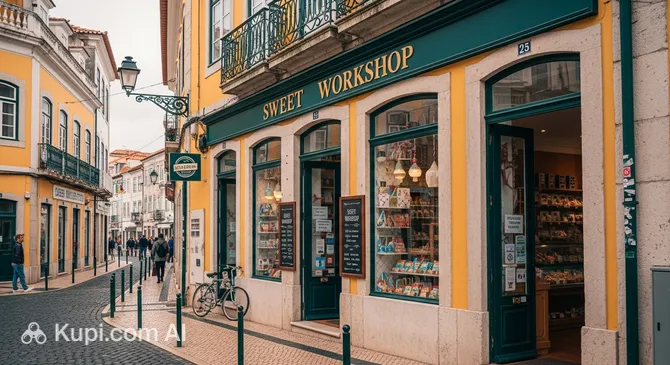
The city is the birthplace of one of the most unusual Portuguese desserts — ovos moles. This sweet, whose roots go back to convent recipes, is made from egg yolks and sugar. Its uniqueness lies not only in the taste but also in the shape: the candies are often made in the form of seashells, fish, or barrels, paying tribute to the maritime heritage of Aveiro. You can try them, for example, at the Oficina do Doce.
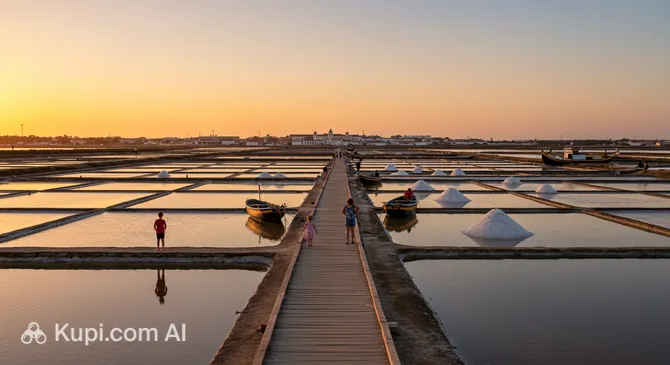
Salt from Aveiro, extracted from the vast salt pans using ancient technologies, is known here as "white gold" (Ouro branco). These fields, especially picturesque at sunset, are not only an important part of the city's economy and history but also a kind of open-air work of art, where you can also visit the Troncalhada Salt Pan Ecomuseum.
Aveiro is not just canals and sweets, but also a major university center. Thanks to the University of Aveiro, one of the most significant in Portugal, the city is filled with youthful energy. On the streets, you can often meet students in traditional black academic gowns (traje académico), especially during university festivals and ceremonies.
How to Get There
There are various ways to get to Aveiro, but most often tourists choose a flight to one of Portugal's major international airports followed by a trip by ground transport. To plan your route in the most detail, we recommend checking the information on the how to get to Aveiro page, where all available options are gathered.
Since Aveiro does not have its own airport, travelers usually fly into the nearest major cities. The most convenient option is Porto Airport (OPO), also known as Francisco Sá Carneiro Airport. It is located in the city of Porto, approximately 67.5 km from Aveiro. It is a modern international hub with a high passenger flow. The journey from the airport to Aveiro by car or taxi will take about 1 hour. There is also a convenient train and bus connection between the cities.
Another popular option is Lisbon Portela Airport (LIS), the country's main gateway. It is located in the capital, Lisbon, at a distance of about 210.5 km from Aveiro. It is Portugal's largest airport, receiving flights from all over the world. The journey from here to Aveiro will take more time — about 2–2.5 hours by car or train, but thanks to the developed transport network, the trip will be comfortable.
For clarity, here is a summary of the main airports in the region:
Regarding rail connections, it is worth noting that Aveiro has its own station; however, in the context of international routes through neighboring Spain, major hubs in Galicia can be considered. The nearest on the list is Vigo Railway Station. Please note that this station is not in Aveiro but in the Spanish city of Vigo, about 177 km away. This could be an option for those traveling through the north of the Iberian Peninsula.
Another major transport hub is Ourense Railway Station. It is also located in Spain, in the city of Ourense, about 199 km from Aveiro. Traveling from there will require transfers or a car rental, so this route is more often chosen by tourists combining visits to both countries.
Below is a table with data on the nearest major railway stations in neighboring regions:
In addition to air travel and trains, Aveiro is conveniently reached by car. The city is located near Portugal's main highways (A1 and A25), which provides excellent links to both Porto and Lisbon. Bus services are also well-developed: comfortable express buses regularly run between Aveiro and other major cities in the country.
Main Attractions
Aveiro, often called the "Venice of Portugal," charms with its picturesque canals, bright moliceiros boats, and unique architecture. The city offers many interesting places capable of surprising even the most seasoned traveler.
Aveiro Salt Pans. Illustration.
Source: Kupi.com AI
Traveler photos:
One of the main hallmarks of the city is the Aveiro Salt Pans. These extensive salt marshes have not only played an important role in the region's economy for centuries but today also present an amazing sight, especially at sunset. Here you can learn about traditional salt extraction methods and watch the birds that find refuge here. A visit to the Troncalhada Salt Pan Ecomuseum will complete the experience, allowing for a deeper dive into the history of salt production.
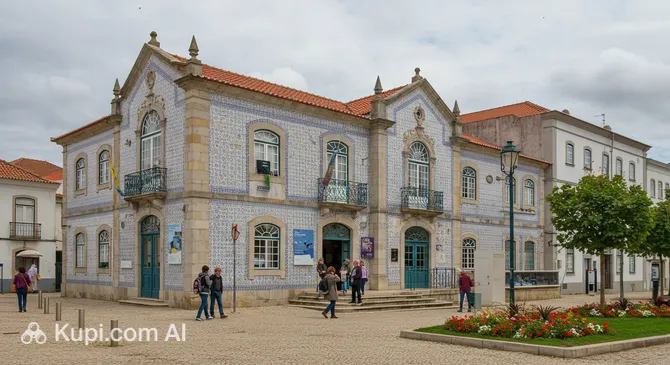
For lovers of history and art, a must-visit is the Museum of Aveiro, located in the former Dominican Monastery of Jesus. The crown jewel of its collection is considered the tomb of Princess Saint Joana, daughter of King Afonso V. The museum also houses a rich collection of religious art, sculpture, painting, and ceramics, telling the story of the region's cultural heritage.
Aveiro Museum. Illustration.
Source: Kupi.com AI
Traveler photos:
It's impossible to imagine Aveiro without its famous moliceiros boats. The best place to admire them and set off on a water tour of the canals is the Cais dos Moliceiros. These brightly painted boats, once used for harvesting seaweed, are today one of the main tourist attractions, offering a unique view of the city from the water.
Moliceiros Pier. Illustration.
Source: Kupi.com AI
Traveler photos:
If you want to take a break from the city bustle and enjoy nature, head to Infante Dom Pedro Park. This large and well-maintained park offers shady alleys, picturesque ponds, fountains, and picnic spots. It is a wonderful place for a leisurely walk or family vacation.
Among modern attractions, the Friendship Ties Bridge (Ponte Laços de Amizade) stands out. This pedestrian bridge over one of the canals has become a popular spot for lovers and friends who, by tradition, tie colorful ribbons to its railings, symbolizing their feelings and wishes. The bridge is an excellent spot for photos and adds a modern charm to the city.
Local Cuisine
The gastronomic scene in Aveiro is a real discovery for connoisseurs of authentic Portuguese cuisine, where traditions are closely intertwined with the gifts of the Atlantic. The city's hallmark is undoubtedly ovos moles — delicate sweets made from egg yolks and sugar, often shaped like shells, fish, or barrels. This dessert, inherited from convent recipes, can be found in almost every pastry shop and cafe in the city.
Due to its coastal location, Aveiro is famous for its fresh fish and seafood dishes. Be sure to try caldeirada de enguias — a thick and aromatic eel stew that is considered a local delicacy. Various ways of preparing cod (bacalhau), mussels, and oysters are also popular. Many restaurants offer grilled dishes, which preserves the natural flavor of the products.
Sweet Workshop. Illustration.
Source: Kupi.com AI
Traveler photos:
The food culture in Aveiro is diverse. Locals and tourists love dining in traditional restaurants that serve hearty Portuguese dishes. City markets are a great place to try fresh produce, local cheeses, and sausages. Don't pass by the street stalls where you can grab a snack of roasted chestnuts (in season) or fresh pastries. To dive deeper into the world of local desserts, it's worth visiting the Oficina do Doce, where you can not only taste but also learn more about the creation of the famous ovos moles. Popular drinks include local wines, especially whites from the Bairrada region, as well as various liqueurs. Non-alcoholic beverages are equally popular: refreshing freshly squeezed juices, especially orange (sumo de laranja natural), various local lemonades like Sumol, and traditional herbal teas (chás), which are excellent for quenching thirst.
Aveiro often hosts gastronomic festivals dedicated to seafood, ovos moles, or regional wines. This is a wonderful opportunity to experience the city's culinary richness in a festive atmosphere. Overall, the gastronomic scene of Aveiro is characterized by fresh ingredients, loyalty to tradition, and special attention to seafood and unique local sweets.
Travel Tips
Welcome to charming Aveiro! To make your journey through the "Venice of Portugal" as comfortable and memorable as possible, we have prepared some practical tips to help you better navigate this beautiful city.
Clothing and Essentials: The climate in Aveiro is temperate maritime, with mild winters and warm but not sweltering summers. We recommend bringing clothing that can be layered. In summer, light items, sunscreen, and a hat will be useful. In spring and autumn, don't forget a windbreaker or a light jacket and an umbrella in case of rain. Comfortable shoes are a must-have for walking along the city's cobbled streets. Don't forget an adapter for European-type (F) sockets. When visiting churches, choose modest clothing that covers the shoulders and knees.
City Transport: Aveiro is a fairly compact city, and its historical center is easy to explore on foot. One of the highlights is the BUGA (Bicicleta de Utilização Gratuita de Aveiro) free bicycles, which can be picked up at special stands. There are also city buses covering most of the city and its surroundings. Taxis are available and can be called by phone or found at stands. Renting a car might be necessary if you plan to explore the region, but it is not essential for getting around Aveiro itself.
Financial Matters: The official currency in Portugal is the Euro (EUR). Bank cards (Visa, Mastercard) are accepted in most shops, restaurants, and hotels. ATMs (marked as "Multibanco") are widespread. It is recommended to have a small amount of cash for minor purchases or at markets. Before your trip, notify your bank of your travel to avoid card blocks. Tips in restaurants are usually 5-10% of the bill if you are satisfied with the service, but they are not always included in the bill and are at your discretion.
Health and Safety: Aveiro is generally a safe city. Pharmacies (Farmácia) are marked with a green cross; there are always duty pharmacies open 24/7 (information can be found on the doors of other pharmacies or online). If medical assistance is needed, tourists should contact local medical centers (Centro de Saúde) or the hospital. The emergency number is 112. As in any tourist destination, keep an eye on your belongings, especially in crowded places, to avoid minor thefts.
Language and Communication: The official language is Portuguese. In tourist areas, hotels, and restaurants, many people speak English. However, locals will appreciate it if you learn a few basic phrases in Portuguese, such as: "Olá" (Hello), "Bom dia / Boa tarde / Boa noite" (Good morning / Good afternoon / Good evening), "Por favor" (Please), "Obrigado / Obrigada" (Thank you — masc./fem.). A local SIM card can be purchased at mobile stores. Free Wi-Fi is available in many cafes, restaurants, and hotels.
Local Etiquette: Portuguese people are friendly and polite. It is customary to say hello when entering small shops or cafes. A handshake is a common form of greeting when meeting someone. When communicating, try to be polite and not too loud in public places. If you are invited to someone's home, a small souvenir or a bottle of wine would be appropriate.
What to Avoid: Try not to compare Portugal with Spain in a negative light — this can be taken sensitively. Also, avoid photographing people without their permission, especially when it concerns private life. Don't expect all shops to be open without a break; some small establishments may close for lunch (approximately from 1:00 PM to 3:00 PM).
Additional Tip: Be sure to try the local delicacy — ovos moles de Aveiro (a sweet made of egg yolks and sugar, often in the shape of shells or fish). And, of course, do not miss the opportunity to ride a traditional moliceiro boat along the city's picturesque canals — it's the best way to feel the atmosphere of the "Venice of Portugal."
We hope these tips help you plan an unforgettable journey and fully enjoy the hospitality and beauty of Aveiro. Have a great trip!
Entertainment & Nightlife
Aveiro, known for its picturesque canals and moliceiros boats, offers not only charming daytime walks but also a fairly lively nightlife, especially thanks to its large number of students. When the sun goes down, the city transforms, offering various options for evening and night leisure.
The main center of nightlife in Aveiro is the area around Praça do Peixe (Fish Square) and its surrounding streets. Many bars, cafes, and small clubs are concentrated here, coming to life as the night approaches. The atmosphere here is usually very friendly and relaxed, with a young crowd predominating, yet open to all ages. The dress code in most establishments is casual.
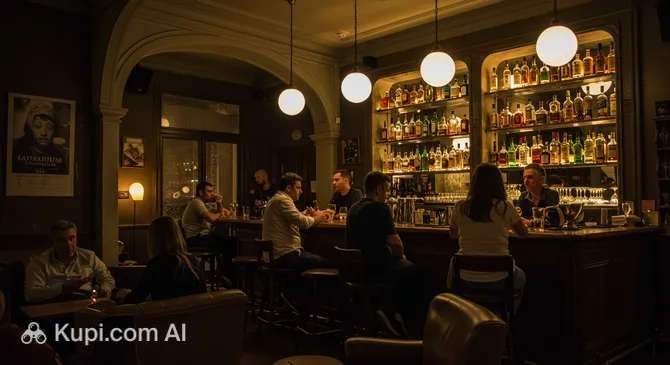
Among the popular spots is the Alavarium Cocktail Bar, where you can enjoy a wide selection of cocktails in a stylish setting. Another establishment worth visiting is Yeah Aveiro, which offers a more energetic atmosphere and often live music or DJ sets. Many bars start filling up after 10:00-11:00 PM, while clubs come alive even later and stay open until the early morning.
Alavarium Cocktail Bar. Illustration.
Source: Kupi.com AI
Traveler photos:
Practical tips for nightlife in Aveiro:
The best time to start the evening is around 10:00 PM, when the bars begin to fill up. Prices in the bars and clubs of Aveiro are generally moderate, especially compared to major European capitals. The city center is compact enough that you can move between venues on foot. Taxis are available for longer distances or late at night. You can call a taxi by phone or find them at stands, for example, in the Praça do Peixe area.
Regarding safety, Aveiro is considered a fairly safe city. However, as elsewhere, it is worth observing standard precautions: keep an eye on your belongings and avoid poorly lit and deserted places late at night. Walking along the central streets where the nightlife is concentrated is usually safe.
During the day, Aveiro also offers many interesting activities. You can visit the Museum of Aveiro, located in a former monastery, or take a walk through the picturesque Infante Dom Pedro Park. Also of interest is the Fábrica Centro Ciência Viva de Aveiro, especially if you are traveling with children. For shopping enthusiasts, there are shopping centers such as Forum Aveiro.
Parks & Museums
Aveiro, known as the "Venice of Portugal," charms not only with its picturesque canals but also offers guests beautiful green areas for relaxation and interesting museums that introduce the city's rich culture and history.
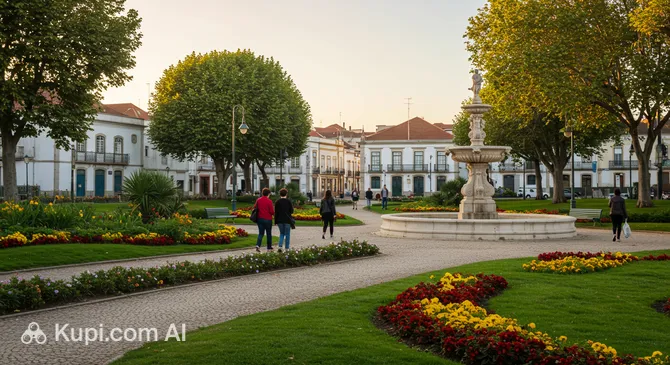
Among the urban oases, Infante Dom Pedro Park stands out as the oldest and largest park in Aveiro. It is an ideal place for leisurely strolls among ancient trees and along a picturesque lake with the possibility of boat rides. The park also features several monuments and fountains that add to its romantic charm. Another popular spot for outdoor relaxation is Baixa de Santo António Park, a more modern park located near the central canals. It is perfect for family vacations and picnics. One cannot overlook the unique Aveiro Salt Pans, which are not only an important part of the region's economy but also an interesting natural area where you can observe birds and learn about traditional salt extraction methods.
Infante Dom Pedro Park. Illustration.
Source: Kupi.com AI
Traveler photos:
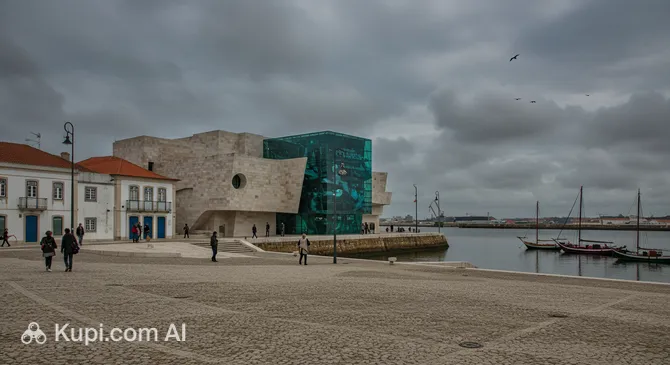
The cultural life of Aveiro is concentrated in its museums. One of the main ones is the Museum of Aveiro, located in the former Monastery of Jesus. It houses an impressive collection of religious art, including the famous portrait of Princess Saint Joana, as well as exhibits detailing the city's history. For those interested in the region's maritime history, the Maritime Museum of Ílhavo and the Codfish Aquarium is a must-visit. it is dedicated to fishing traditions, especially cod fishing, which played a key role in the life of Aveiro. The museum also includes an aquarium where you can see marine life. Families with children and the curious will enjoy the Fábrica Centro Ciência Viva de Aveiro — an interactive science museum where you can spend time in a fun and educational way.
Ílhavo Maritime Museum and Codfish Aquarium. Illustration.
Source: Kupi.com AI
Traveler photos:
Besides parks and museums, the city itself is an open-air attraction. Walk along the canals, admire the colorful moliceiros boats, many of which are moored at Cais dos Moliceiros, and pay attention to the Art Nouveau buildings scattered throughout the center. For a deeper dive into the city's traditional industry, visit the Troncalhada Salt Pan Ecomuseum, where you can learn all the intricacies of salt production and even try your hand as a salt worker.
Getting Around
Getting around Aveiro is quite simple thanks to its compact size and developed public transport system. The main mode of transport here is the bus, but there are other convenient ways to explore the city.
Buses in Aveiro are operated by a company providing routes both within the city and to its surroundings. The network is quite extensive and allows you to reach most places of interest to tourists. Schedules are generally followed, and information about routes and travel times can be found at stops or on the transport company's website.
The fare payment system for buses is standard. You can purchase a ticket directly from the driver, but it might be slightly more expensive. A more economical option is to buy multi-trip tickets or day passes, which can be purchased at special kiosks or machines. The cost of travel is generally affordable. Don't forget to validate your ticket when boarding the bus.
Buses in Aveiro usually run from early morning until late evening; however, on weekends and holidays, the schedule may change and the intervals between buses may increase. It is recommended to check the operating hours of your desired route in advance.
One of the wonderful features of Aveiro is the BUGA (Bicicleta de Utilização Gratuita de Aveiro) free bicycle rental system. It is a great and eco-friendly way to get to know the city, especially its picturesque canals and bridges. BUGA rental points are located in different parts of the city, and you can take a bicycle by leaving a small deposit or providing an ID. The city is very convenient for cycling thanks to its flat terrain.
Traditional moliceiros boats must also be mentioned. Although they today serve a more tourist function, a trip on such a boat through the canals of Aveiro is not only a fascinating adventure but also a unique way of moving, allowing you to see the city from an unusual perspective. It is a great alternative to walking tours for getting to know the central part of the "Venice of Portugal."
Additionally, taxi services are always available in Aveiro. They can be found at special ranks or called by phone. For short distances, especially in the historical center, it is very pleasant to get around on foot, enjoying the atmosphere of the city, its architecture, and numerous cafes.
Accommodation
When planning a trip to Aveiro, you will find a variety of accommodation options to suit any budget and preference. The city offers a wide range of lodging: from cozy guesthouses and budget hostels to comfortable mid-range hotels and modern apartments available for short-term rent. Every traveler will be able to find something suitable here.
The most popular areas for tourists to stay are the historical city center, especially the quarters along the picturesque canals, such as Bairro da Beira-Mar. Staying here provides easy access to major attractions such as the Museum of Aveiro, Cais dos Moliceiros, and numerous cafes and restaurants. The areas adjacent to the railway station are also convenient if you plan to travel actively around the surroundings.
Friendship Ribbon Bridge. Illustration.
Source: Kupi.com AI
Traveler photos:
While Aveiro has many hotels, ranging from small family-run ones to larger ones, specific well-known chains may not be as widely represented as in mega-cities. Local guesthouses (alojamento local) and apartments are very popular and often offer a more authentic living experience. It is recommended to check reviews and location when choosing.
As for booking, it is strongly recommended to reserve accommodation in advance, especially if your trip coincides with the peak tourist season (summer months and holiday periods). This will allow you not only to guarantee availability but also to choose the best option in terms of price-quality ratio. The price range varies from budget options to mid-range and higher-class offers. The most common booking methods are popular online platforms and, in some cases, direct booking through the websites of hotels or guesthouses.
Nearby Cities
For those who want to explore the surrounding area, Aveiro serves as an excellent starting point for day trips to several interesting nearby places:
For example, just 5 kilometers away is Ílhavo, known for its Maritime Museum, where you can immerse yourself in the rich history of Portuguese navigation and fishing. Another popular choice is Águeda (about 19 km), which transforms every summer thanks to the AgitÁgueda art festival and its famous installation of thousands of soaring umbrellas.
Here are a few more cities in the vicinity of Aveiro that are also worth considering for day trips:
City
Population
Distance
Gafanha da Nazaré
14 021
4 km
Ílhavo
38 598
5 km
Murtosa
10 585
11 km
Vagos
22 851
12 km
Estarreja
26 997
14 km
These nearby destinations offer a variety of experiences, allowing for a deeper acquaintance with the culture, history, and natural beauty of the Central Portugal region.
Shopping & Souvenirs
Aveiro offers its guests pleasant shopping opportunities, where modern shopping centers harmoniously coexist with charming traditional shops. The city is especially famous for its unique sweets, high-quality ceramics, and products inspired by the sea and the centuries-old tradition of salt mining. Here, everyone will find something to their liking, from fashion novelties to authentic local souvenirs.
The main shopping areas are concentrated in the historical center of Aveiro, especially along the picturesque canals and on the busy pedestrian streets. Strolling through them, you will discover many small boutiques, souvenir shops, local artisan stores, and confectioneries. Such a walk is not just shopping, but an opportunity to enjoy the atmosphere of the city and its architecture.
For those who prefer "one-stop" shopping, Aveiro has several modern shopping centers. One of the most popular is Forum Aveiro, which is conveniently located in the very heart of the city and offers a beautiful view of one of the canals. Here you will find a wide range of clothing, shoe, and accessory stores, electronics, cosmetics, as well as a spacious food court and a multi-screen cinema.
Forum Aveiro. Illustration.
Source: Kupi.com AI
Traveler photos:
Another large shopping complex worth visiting is Glicínias Plaza. It is located a bit further from the historical center but is easily accessible by public transport or car. Glicínias Plaza features many international and Portuguese brands, offering goods for every taste and budget.
Glicínias Plaza. Illustration.
Source: Kupi.com AI
Traveler photos:
Be sure to stop by the Mercado Municipal de Aveiro (Aveiro Municipal Market), located near the Cojo canal. It is a colorful place where you can buy the freshest fruits, vegetables, fish, meat, local cheeses, and other delicacies. The market is a great place to immerse yourself in the daily life of the locals and buy edible souvenirs. Sometimes on weekends, you can also stumble upon small flea markets or craft fairs in various parts of the city.
Speaking of souvenirs, the main gastronomic symbol of Aveiro is ovos moles — delicate pastries made of egg yolks and sugar, which are often packed in original wooden barrels or ceramic molds in the shape of shells and fish. Be sure to visit the Oficina do Doce to try and purchase these famous desserts. Also popular with tourists are local ceramic products with traditional patterns, the famous Portuguese azulejo tiles, and various salt-related products — from edible and flavored salt to salt-based cosmetics, which can be found in the shops near the Aveiro Salt Pans.
Most shops in Aveiro are open from Monday to Saturday, typically from 10:00 AM to 7:00 or 8:00 PM. Some small private shops may close for a lunch break (siesta) from approximately 1:00 PM to 3:00 PM. Shopping centers usually operate without a break from 10:00 AM to 10:00 PM or 11:00 PM and are often open on Sundays. Cash (euros) and bank cards (Visa, Mastercard) are widely accepted. American Express cards may not be accepted in all establishments.
Non-EU residents can take advantage of the VAT (IVA) refund through the Tax Free system. To do this, you must make a purchase of a certain minimum amount in a participating store and ask for a special Tax Free check. The tax refund can be obtained at the airport when departing from an EU country by presenting the checks and purchased goods.