Support

Beja

About

Beja is a charming and peaceful city located on an elevation in the heart of the Alentejo region. It boasts a relaxed atmosphere, perfect for travelers wishing to experience authentic culture and enjoy the picturesque landscapes of the "golden" plains.

Beja. Illustration.
Source: Kupi.com AI

Geographically, the city is situated in the southern part of the country, and it is here that Portugal reveals a new side: hot summers, endless wheat fields, and olive groves create a unique local flavor. Despite its relatively small size, with a population of about 35,000 people, the city is an important administrative center and a guardian of the region's cultural traditions.

The rich history of Beja spans thousands of years, beginning with Celtic settlements and flourishing during the Roman Empire under the name Pax Julia. Traces of the past are visible at every step, harmoniously intertwining with the measured pace of modern life.

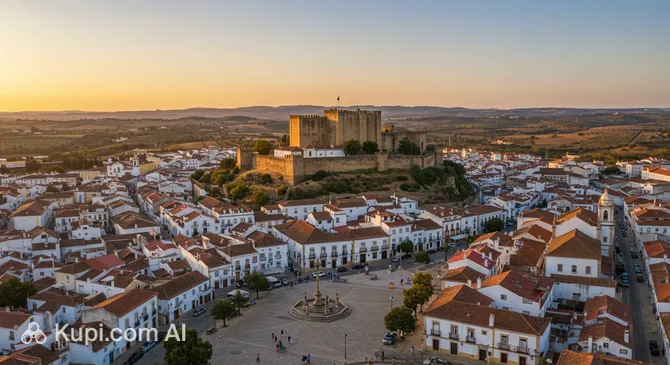
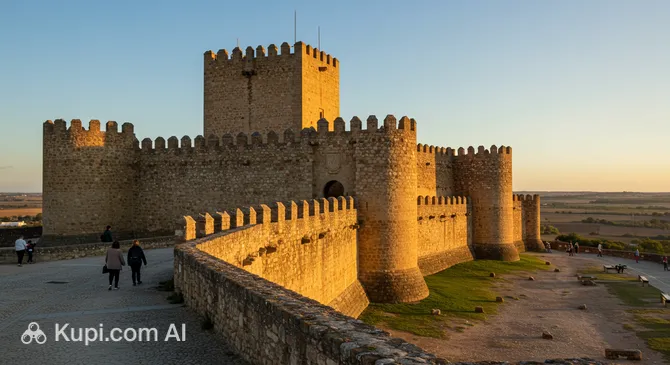
Among the main attractions, the majestic Beja Castle (Castelo de Beja) stands out. Its main tower (Torre de Menagem) rises 40 meters high and is considered the tallest medieval keep in the country—from its summit, breathtaking views of the city and its surroundings unfold. Also of particular note is the Queen Eleanor Regional Museum, housed within the walls of an ancient convent, which features a unique collection of archaeological finds and works of art.

A visit to Beja will be an unforgettable experience for lovers of architecture and leisurely strolls. This place invites you to stop, breathe in the warm Alentejo air, and touch the centuries-old secrets of this amazing land.

Weather Overview

The climate of Beja is characteristic of the inland areas of Alentejo: dry heat prevails in summer and moderate coolness in winter. The hottest months are July and August, when the average temperature is around 26°C, and maximum values often exceed 33°C with a total absence of precipitation.

The winter period is mild, with average figures around 11-12°C in January and December, while nighttime temperatures rarely drop below 6°C. If you are planning a trip in spring, note that March and April can be cloudy: statistics show up to 10 rainy days per month, although the total volume of precipitation remains small.

Expect a sunny and very warm summer, as well as a mild winter with occasional precipitation in the spring season. To choose the perfect time for walking along the fortress walls, we recommend checking what weather in Beja is forecast for your travel dates.

Average monthly temperature

Average monthly precipitation

Interesting Facts

In addition to the main attractions, Beja holds many fascinating secrets and historical layers that reveal themselves to curious travelers. This city was the stage for important diplomatic agreements of antiquity and the birthplace of one of Portugal's most touching literary legends.
  • In ancient times, the city bore the proud name of Pax Julia. Historians believe that this name was given by Julius Caesar himself in honor of a peace treaty concluded here with the Lusitanians. This status turned the settlement into one of the key legal and administrative centers of the Roman Empire on the peninsula.

  • A romantic story about the "Portuguese Letters" is inextricably linked with the city. Legend has it that in the 17th century, the nun Mariana Alcoforado, who lived in the convent (where the Regional Museum of Beja — Queen Eleanor Museum is located today), wrote five incredibly touching letters to a French officer. These texts subsequently became classics of world Baroque literature.

  • Beja Castle impresses not only with its monumentality but also with its unique observation platform. To reach the top of the main tower, you must climb 183 steps of a steep spiral staircase. The effort is worth it: they say that in exceptionally clear weather, you can even spot the lands of neighboring Spain from the battlements.

  • Beja possesses one of the rarest and most significant collections of Visigothic art in Europe. Artifacts from the 5th to 8th centuries, presented in local exhibitions, recall a time when the city was a thriving bishop's residence, long before the foundation of the Portuguese kingdom.

Beja Castle. Illustration.
Source: Kupi.com AI

Traveler photos:

How to Get There

When planning a trip to the heart of the Alentejo region, it is important to think about logistics in advance, as the city is located away from bustling metropolises. You can find all the details and alternative routes by following the link: more on how to get to Beja. Most tourists arrive here through Portugal's major international airports, renting a car or using bus services.

Since there is no civilian airport in Beja itself, the most convenient option for most travelers is Lisbon Portela Airport (LIS). It is the main international hub of the country, located in the capital, Lisbon, about 140 km from the destination. The drive by taxi or rented car along scenic Portuguese highways will take about 2 hours. The airport accepts flights from all over the world and has excellent infrastructure.

Another popular option, especially during the summer season, is Faro Airport (FAO), serving the southern Algarve region. It is located in the city of Faro, approximately 111 km from Beja. This is an excellent choice if you want to combine a beach holiday with a trip inland. The drive from here will take about 1 hour and 40 minutes. You can also consider arriving in neighboring Spain, for example, at Seville Airport (SVQ), which is 186 km away.

For clarity, here is a summary of information on the main airports:

AirportPassenger trafficDistance
Faro Airport9.8 mln111 km
Badajoz Airport75 416133 km
Lisbon Portela Airport35.1 mln140 km
Cascais Municipal Aerodrome35 000152 km
Seville Airport8.1 mln186 km

If you prefer rail transport and are traveling across the Iberian Peninsula, keep in mind that the nearest major international hubs are located in Spain. For example, Santa Justa station is located in the city of Seville, about 180 km from Beja. It is a large station with high passenger traffic, where high-speed trains arrive. From there, to get to the Portuguese border and then to Beja, you will have to use a bus or transfer, which will take more than 2.5 hours.

Also relatively close is Huelva Station in the Spanish city of the same name (about 117 km from Beja). In Beja itself, there are no major international stations listed, so when planning a route by rail, it is recommended to check connections with local transport in advance.

Below is a table of the nearest major railway stations (predominantly Spanish) that can be used as transit points:

StationPassenger trafficDistance
Huelva Station295 000117 km
Badajoz Railway Station125 198124 km
Mérida Railway Station470 592166 km
Santa Justa Railway Station10.1 mln180 km
Cáceres Railway Station426 505205 km

Main Attractions

Attractions:

Beja is a city with a rich heritage, where every street breathes history. The main points of interest are compactly located in the historical center, allowing you to explore them on foot while enjoying the atmosphere of old Portugal. Here is a list of places you should definitely include in your travel itinerary.

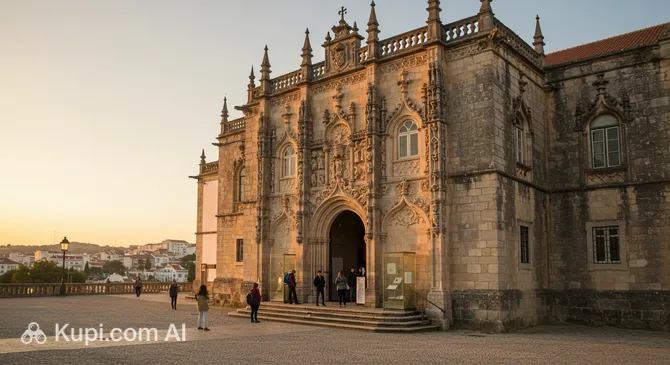
The undisputed landmark of the city is Beja Castle. This is a majestic fortification built in the 13th century on the foundations of a Roman fortress. The castle's pride is its marble keep (Torre de Menagem), about 40 meters high. Tourists climb up here to see a stunning panorama of the city and the endless Alentejo plains. The castle's architecture is an interesting mix of styles, including Gothic and Manueline elements, making it a true open-air history textbook.

Regional Museum of Beja – Queen Leonor Museum. Illustration.
Source: Kupi.com AI

Traveler photos:

An equally important cultural site is the Regional Museum of Beja — Queen Eleanor Museum. It is located in the building of the former Convent of Nossa Senhora da Conceição, founded back in the 15th century. The museum attracts visitors not only with its collection of archaeological finds, paintings, and church plate but also with the interior itself: the walls here are richly decorated with gilded carvings and magnificent azulejo tiles. Furthermore, this place is shrouded in the legend of the famous "Portuguese Letters" written here by the nun Mariana Alcoforado.

If you want to take a break from historical excursions and enjoy the silence, head to the Beja Public Garden. This is a picturesque 19th-century style park located in the very center of the city. Here you can walk along shady alleys, admire a classical gazebo, fountains, and a pond with ducks. The garden is a favorite vacation spot for both locals and tourists seeking cool shade on hot days.

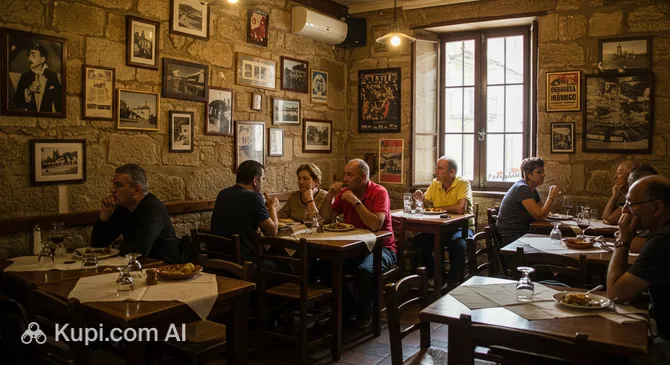
To fully immerse yourself in the atmosphere of the region, pay attention to the gastronomic attractions as well. The Adega Tipica 25 de Abril restaurant is an excellent place to get acquainted with traditional Alentejo cuisine. Here, in an authentic setting, you can try hearty local dishes and appreciate the hospitality of Beja's residents, turning lunch or dinner into part of your cultural program.

Local Cuisine

Beja's cuisine is a gastronomic mirror of the Alentejo region: hearty, flavorful, and based on simple but incredibly high-quality farm products. There is a cult of bread, olive oil, and fresh herbs here, such as coriander and oregano. Locals value "slow food," so lunches and dinners here take place unhurriedly, accompanied by long conversations.

Among the main dishes that are a must-try, Carne de Porco à Alentejana stands out. This is a surprising combination of pork marinated in wine and clams, served with fried potatoes. Another gastronomic hallmark is Açorda—a thick soup based on bread, garlic, olive oil, and cilantro, often served with a poached egg. Meat lovers will also enjoy Ensopado de Borrego—a fragrant lamb stew that literally melts in your mouth.

Adega Típica 25 de Abril. Illustration.
Source: Kupi.com AI

Traveler photos:

For those with a sweet tooth, Beja offers unique "convent sweets" (Doçaria Conventual), whose recipes were kept secret for centuries. The most famous dessert is Porquinho Doce—a marzipan sweet shaped like a little pig, as well as Pão de Rala, a cake with almonds and pumpkin.

It is customary to accompany the meal with the magnificent wines of the Alentejo region, which are famous for their richness and fruity notes. Among non-alcoholic drinks, freshly squeezed juices and strong coffee, which is drunk at any time of day, are popular. Locals prefer to dine in cozy family taverns called "tascas," where portions are generous and the atmosphere is home-warm.

If after a hearty dinner you want to change the scene and have a glass of beer or a cocktail in a more relaxed atmosphere, you can drop into Pub Sports Café. This is a popular meeting place where you can not only relax but also feel the rhythm of the city's modern life, watching sports broadcasts in the company of locals.

Travel Tips

Welcome to Beja! This cozy city in the heart of the Alentejo region will give you an unforgettable experience. To ensure your trip goes smoothly and comfortably, we have gathered some practical recommendations to help you feel confident in any situation.

  1. Clothing and Seasonality. In summer, it can be very hot in Beja, with temperatures often exceeding 30°C, so light natural clothing, sunglasses, and a hat are essential attributes. In winter, the climate is mild; a demi-season jacket or sweater is enough. Since the historical center is paved with cobblestones, choose the most comfortable flat-soled shoes for walking, leaving heels behind.
  2. Transport. Beja is a compact city, and its main attractions are best explored on foot. Public transport within the city is rarely required by tourists. However, if you plan to explore the surrounding wineries and Alentejo landscapes, we strongly recommend renting a car. Taxis in the city are available and inexpensive, and popular car-hailing apps also work.
  3. Finance. The official currency is the euro (€). Cards are accepted in most restaurants and supermarkets, but in small family cafes, souvenir shops, or at the market, cash may be required, so always have small bills with you. ATMs (Multibanco) are widespread. Tipping is not mandatory but welcomed: 5–10% of the bill will be a sign of gratitude for good service.
  4. Health and Safety. The city is very calm and safe for tourists. Pharmacies are easily recognized by the green cross sign (Farmácia), and duty departments work around the clock. The main health tip concerns the climate: in summer, avoid dehydration and heatstroke, and always carry water with you. Tap water is safe, but due to a specific taste, many prefer bottled.
  5. Communication. Locals speak Portuguese. English is common in the tourism sector and among young people, but the older generation may not speak it. Learn a couple of polite words: "Olá" (Hello) and "Obrigado/a" (Thank you)—this will immediately win over your interlocutor. A SIM card for internet can be purchased at mobile shops in the city center, and Wi-Fi is available in almost all cafes.
  6. Local Etiquette. A measured pace of life is accepted in Alentejo; they don't like rushing here. Be prepared for the fact that service in restaurants may be slow—this is part of the local slow living culture. When entering small shops or elevators, it is customary to greet those present.
  7. What to Avoid. Do not try to communicate with locals in Spanish, assuming they understand it or that it is the same thing. The Portuguese are proud of their identity, and such behavior may be perceived as disrespectful. Better to use English or sign language.
  8. Opening Hours (Siesta). Keep local schedules in mind. Many shops, small museums, and government institutions close for a lunch break (often from 1:00 PM to 3:00 PM). Plan your day to dedicate this hot time to lunch in a cool restaurant or relaxation, leaving shopping and excursions for the morning or evening.

Beja is a place where time flows a little slower, allowing you to enjoy every moment. Follow these simple tips, respect local traditions, and your immersion into the atmosphere of the Portuguese province will be easy and pleasant!

Entertainment & Nightlife

Nightlife in Beja has its own special, intimate character. Since it is not a large metropolis or a coastal resort, you won't find huge nightclubs with world-class DJs here. However, thanks to the presence of the Polytechnic Institute, many students live in the city, which gives the evening streets liveliness and energy. The main format of entertainment here consists of long dinners that transition into bar hangouts and live music in cozy venues.

The center of evening activity is the historical part of the city. Narrow cobbled streets hide many small bars and cafes that come to life after sunset. The atmosphere in the establishments is very democratic and friendly: there is no strict dress code or face control. The crowd is a mix of locals, students, and tourists enjoying the cool air after a hot day in Alentejo.

For the beginning of an evening or a late dinner, Pizzeria Milano is a great choice. This establishment is popular for its casual atmosphere and the opportunity to have a hearty meal before heading out to explore the city's bar scene. Large groups of friends often gather here to discuss night plans over a glass of wine or beer.

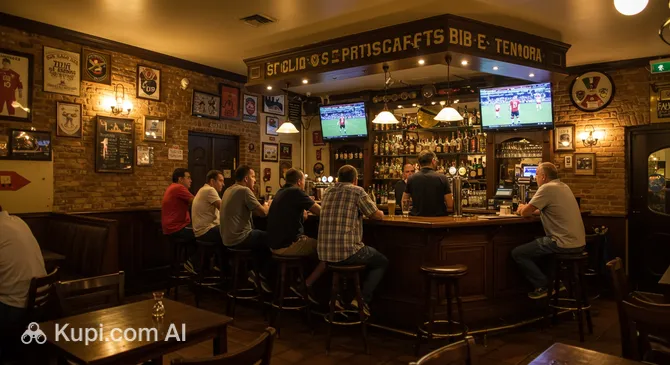
If you are looking for a place where you can not only have a drink but also immerse yourself in the city's social life, be sure to drop by Pub Sports Café. It is one of the key points on the map of Beja's nightlife. The interior, decorated in a classic style, encourages conversation, and screens with sports broadcasts gather fans during important matches. On regular days, it's just a great place with a wide selection of drinks and a lively atmosphere.

The Pub Sports Caffe. Illustration.
Source: Kupi.com AI

Traveler photos:

Practical tips:

  • Time: Nightlife here starts late. Bars begin to fill up closer to 11:00 PM, and the peak of the fun occurs at midnight and later.
  • Prices: The cost of drinks and snacks in Beja is significantly lower than in Lisbon or the Algarve. A glass of beer or wine will be very budget-friendly.
  • Transport: Since the main establishments are concentrated in the center, it is best to move between them on foot. If your hotel is on the outskirts, calling a taxi at night won't be difficult, and the ride will be inexpensive.

In terms of safety, Beja is one of the calmest cities in Portugal. You can walk through the lit streets of the center even late at night without any fears. Nevertheless, as everywhere else, it is worth following basic rules of caution and not leaving personal belongings unattended.

As for cultural entertainment, the main center of attraction is the Pax Julia Municipal Theater (Pax Julia Teatro Municipal). This is the city's primary stage, where concerts, theatrical productions, and film screenings are regularly held. If you prefer a quieter and more intellectual pastime, we recommend checking the theater's schedule before your trip—famous Portuguese artists and musical groups often perform here.

Parks & Museums

Beja's cultural landscape is not limited to fortress walls alone. This city offers travelers a harmonious combination of well-kept green oases, providing relief from the Alentejo summer heat, and deep, rich exhibitions telling the thousand-year history of the region. A walk through local parks and museum halls will allow you to see the city from a new, more intimate and contemplative side.

The main green "heart" of the city is rightfully considered the Beja Public Garden. It is a classic romantic-era park created in the 19th century, which serves as an ideal sanctuary for those seeking peace and coolness. Here you can take a leisurely stroll among century-old trees, admire the elegant cast-iron bandstand (coreto), and enjoy the view of the pond where ducks and swans live. The garden is decorated with traditional benches featuring azulejo tiles and sculptures that create an atmosphere of a bygone era.

Another important natural zone is the City Park (Parque da Cidade). Unlike the historical garden, this is a more modern and spacious area oriented towards active recreation. There are convenient paths for running and cycling, vast lawns for picnics, and an artificial lake. This place is especially popular among families with children and those who want to feel the rhythm of everyday life of local residents away from the tourist center.

Among the museum spaces, the undisputed leader is the Regional Museum of Beja — Queen Eleanor Museum. Located in the ancient Convent of Nossa Senhora da Conceição, it is a masterpiece of architecture in its own right. Visitors are drawn to the rich collection, which includes Roman tombstones, medieval heraldry, and 16th-18th century paintings. The convent's interiors are particularly breathtaking: walls covered with magnificent azulejo panels and Baroque gilded carvings make viewing the exhibits a true aesthetic pleasure.

No less significant for understanding the city's history is the Visigothic Nucleus (Núcleo Visigótico) of the regional museum, located in the Church of Santo Amaro. This is one of the oldest churches in the city, which has preserved features of pre-Romanesque architecture. Inside, one of the most important collections of Visigothic art in Iberia is gathered: carved columns, capitals, and architectural fragments from the 5th-8th centuries. For lovers of the early Middle Ages, this place is a real treasure trove, allowing you to touch an era from which very few monuments have survived.

Art lovers should check out the Jorge Vieira Museum (Museu Jorge Vieira). It is dedicated to the work of one of the most prominent Portuguese sculptors of the 20th century. The contrast is interesting: modern, often surrealistic terracotta figures are exhibited in the historical building of the Governor's House next to the castle. This is a small but very expressive gallery that shows that Beja is open not only to the past but also to contemporary artistic forms.

Insider Tip: Be sure to visit the Museological Center of Rua do Sembrano (Núcleo Museológico da Rua do Sembrano). This is a unique space where, under the glass floor of a modern building, you can see archaeological layers of different eras—from the Iron Age to Roman times. Walking literally "on history" leaves a strong impression, and admission here is often free.

Getting Around

The transport system in Beja is arranged as simply and conveniently as possible for a city of this size. Since it is a relatively small and cozy settlement, there are no subways, tram lines, or trolleybuses. The historical center is quite compact, and most major attractions are within walking distance of each other, making walking the primary and most pleasant way to get around.

The only type of public transport within the city is buses, a network known as Urbanos de Beja. Several routes connect the historical core with residential areas, the train station, the hospital, the university campus, and large supermarkets on the outskirts. The buses are modern and comfortable, running regularly on weekdays; however, it is worth considering that on weekends and holidays, intervals increase and the number of trips is reduced.

The payment system is intuitive and does not require complex preparation. For tourists, the most convenient option is to buy a single ticket directly from the driver upon entry. The cost of the trip is very affordable. We strongly recommend having small coins or bills of small denomination (5 or 10 euros) with you, as the driver may not have change for large banknotes. You don't need to validate such a ticket; it is valid for one trip.

Taxis serve as a popular alternative to buses. Cars can be found at specially equipped stands (Praça de Táxis), which are located at strategic points: near the train station, the bus station, and on central squares. Trips are metered, and rates are moderate. Popular mobile apps for calling drivers may also work in the city, but classic taxis are often more accessible and reliable.

For travelers wanting full freedom of movement, car rental is the best choice. This is especially relevant if you plan not to limit yourself to the city limits but to explore the picturesque surroundings of the region. The parking situation in Beja is generally calm: there are both paid zones in the center and free parking lots a little further away. However, be careful in the old part of the city—the streets there can be very narrow and have one-way traffic.

Active lifestyle enthusiasts should consider a bicycle. The terrain of the city and its surroundings is relatively flat, making cycling easy and enjoyable. Rental points are not as numerous as in large metropolises, but bicycles can often be rented through a hotel reception or at local travel agencies.

Accommodation

Accommodation options in Beja fully correspond to the spirit of this calm and welcoming city. Here you will not find huge chain resorts or noisy hotel complexes typical of the coast. Instead, travelers are offered a cozy choice of housing: from budget hostels and family guesthouses (Alojamento Local) to comfortable mid-range hotels and apartments.

A special highlight of the region is the historical hotels, often located in restored old buildings, such as former convents or estates. Staying in such a place allows you to dive deeper into the Alentejo atmosphere, combining modern comfort with unique architectural heritage.

When choosing an area to stay, most tourists prefer the historical center. By staying here, you will be within walking distance of the main attractions, such as the majestic Beja Castle. This is an ideal option for those planning to move around on foot and enjoy evening walks through old streets. If you are traveling by car, it makes sense to consider modern hotels a bit further from the fortress walls: it's easier to find parking there, and the rooms are often more spacious.

Booking tip: Although Beja is not as crowded with tourists as Lisbon, the number of high-quality accommodations here is limited. We strongly recommend booking your housing in advance, especially if your trip falls during the peak summer season (July–August) or during local festivals.

The price range in the city can be characterized as moderate and affordable. Even hotels with a high level of service here cost less than in the country's popular tourist centers. Booking is easily done through major international online platforms, but many small guesthouses also readily accept direct orders by phone or email.

Nearby Cities

For those who want to explore the surrounding area, Beja serves as an excellent starting point for day trips to several interesting nearby locations. Thanks to its convenient location, it is easy to reach both the historical gems of Alentejo and the coast.

One of the most popular destinations is Evora, located just an hour's drive away. This museum-city is a UNESCO World Heritage site and captures the imagination with its beautifully preserved Roman Temple of Diana and the famous Chapel of Bones. If you want to change the scenery and see the ocean, head to Setubal. This port city is famous for its fish restaurants and proximity to the picturesque Arrabida Natural Park. Also worth noting is Silves—the ancient capital of the Moorish Algarve with an impressive red stone castle.

CityPopulationDistance
Serpa15 62324 km
Aljustrel9 25731 km
Moura15 16739 km
Reguengos de Monsaraz10 82854 km
Evora56 59662 km

These nearby destinations allow you to get a feel for the diverse culture and landscapes of the region, making your trip even more fulfilling.

Shopping & Souvenirs

Shopping in Beja is not a chase for global brands in huge glass skyscrapers, but a measured and pleasant introduction to the local consumer culture. The city offers an authentic experience: here they value craftsmanship, high-quality products, and personal interaction with the seller. Purchases here become part of the cultural program, allowing you to take home a piece of the Alentejo region's soul.

The heart of the city's commercial life is its historical center. The main shopping artery is the pedestrian street Portas de Mértola and its adjacent alleys. Here, among the beautiful facades of buildings, are many small boutiques with clothes, shoes, accessories, and home goods. A walk through this area allows you to combine viewing architecture with searching for interesting items, from modern fashion to traditional Portuguese goods.

If you are used to the format of large malls, keep in mind that Beja retains its provincial charm and does not abound in giant shopping and entertainment complexes. For large-scale shopping, locals head to Beja Retail Park, located on the outskirts of the city. Large chain stores for electronics, sporting goods, and supermarkets are concentrated there. In the city itself, there are also several small shopping galleries, but the main emphasis is precisely on street retail.

You can feel the true Alentejo flavor at the Municipal Market (Mercado Municipal). This place is a must-visit for gourmets. Here, farmers sell the freshest vegetables, fruits, olives, and homemade bread. The market is the perfect place to buy famous local cheeses and meat delicacies. If you are interested in antiques and vintage, it's worth checking the schedule for flea markets that periodically set up in city squares.

The selection of souvenirs in Beja will delight connoisseurs of unique gifts. First of all, pay attention to products made of cork oak (bags, wallets, jewelry)—Portugal is a world leader in this industry. The region is also famous for its painted ceramics and pottery. You can't leave without gastronomic souvenirs: a bottle of Alentejo red wine, high-quality olive oil, or a jar of local honey. For more intellectual gifts, art books, and replicas of historical finds, you can drop by the shop housed within the Regional Museum of Beja — Queen Eleanor Museum.

When planning your shopping time, remember the traditional schedule. Most street shops open around 9:30 or 10:00 AM and work until 7:00 PM, but with a mandatory lunch break (siesta), which usually lasts from 1:00 PM to 3:00 PM. Large supermarkets and stores in retail parks often work without breaks and close later, around 10:00 PM. On Sunday, many small shops in the center may be closed.

Regarding payment, large stores and supermarkets accept international bank cards without problems. However, in small souvenir shops, cafes, or at the market, it is preferable to have cash euros with you, as terminals may be absent or not accept cards from foreign banks.

Tourists residing outside the European Union can use the Tax Free system when buying goods for a certain amount (usually over 50–60 euros in one receipt). Look for tax refund operator logos in windows and don't forget to ask for a special form when making a purchase to get part of the VAT back when leaving the country.
Reached the end of the page?

That means the route is fully explored