Support

Loule

About

Loulé is a true gem of southern Portugal, nestled in the heart of the Algarve region. The city is famous for its mild climate with warm winters and hot summers, as well as its incredibly picturesque landscapes, where the majesty of the mountains meets the proximity of the Atlantic Ocean. The atmosphere of Loulé is a rare combination of leisurely southern pace and a festive spirit that can be felt literally in the air.
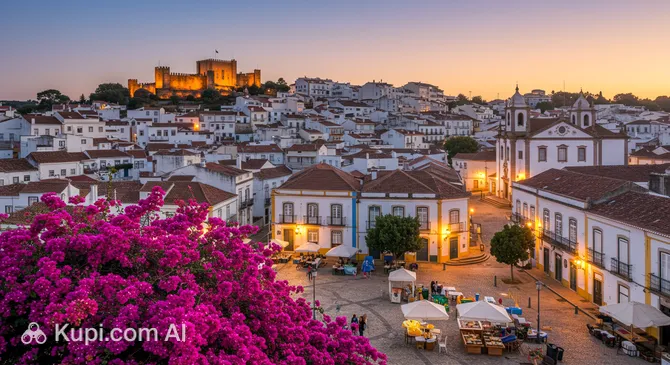
Loulé. Illustration.
Source: Kupi.com AI

With a population of about 70,000 people, Loulé is the largest municipality in the Algarve and an important administrative and cultural center. Ancient cobbled streets, modern buildings, and a rich cultural heritage blend here with surprising harmony. The city's hallmark is undoubtedly its famous neo-Arabic style market, which has served as the heart of local life for over a century, offering visitors fresh produce and local handicrafts.

In addition to the lively market, Loulé attracts history buffs with its ancient castle and numerous churches. The city is also an excellent starting point for exploring the surroundings: from here, it's a stone's throw to the popular beaches of the Algarve, while mountain trails beckon nature lovers and outdoor enthusiasts. Strolling through the shaded squares of Loulé, you can feel the spirit of authentic Portugal with its cozy cafes and hospitable residents.

Loulé is perfect for those seeking authentic experiences away from the hustle and bustle of big resorts, yet who value comfort and a variety of leisure activities. This city will undoubtedly inspire you and leave you with the warmest and most unforgettable memories of your journey.

You can find more interesting facts on the history of the city of Loulé page.
Weather Overview

The weather in Loulé is characterized by warm and sunny summers with very little rainfall, especially in July and August, when average temperatures are around 25°C, and maximums can exceed 31°C. Winters here are mild, with average temperatures around 11-13°C, and wetter, with the highest number of rainy days occurring between November and April, although total rainfall remains moderate. Spring and autumn offer comfortable temperatures, ideal for walking and exploring the city.

In general, expect Loulé to have hot, dry summers and mild winters with occasional rain. To learn more about the weather by month, you can check the Loulé climate.

Average monthly temperature

Average monthly precipitation

Interesting Facts

Beyond its well-known attractions, Loulé hides many surprising details and stories that make it truly special. Ready to discover a few of them?

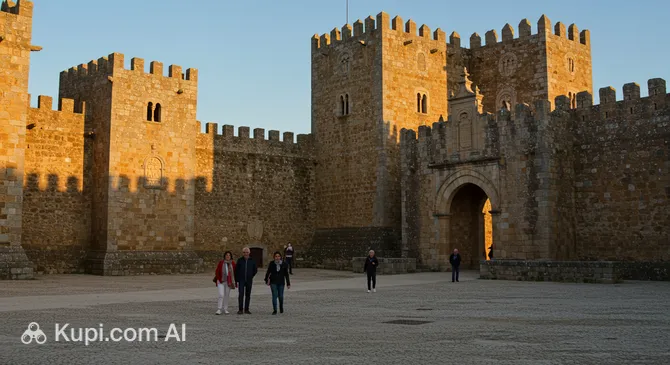
Loulé Castle. Illustration.
Source: Kupi.com AI

Traveler photos:

  • The famous Mercado de Loulé, built in 1908, stands out for its unusual neo-Arabic style. Its bright onion domes and oriental motifs in the architecture are quite rare for the Algarve region and give the building a unique character.

  • Ancient craft traditions still thrive in Loulé. Local artisans continue to hand-weave baskets, sew hats, and create ceramic items using techniques passed down through generations. These authentic products can be found at local markets.

  • The majestic Loulé Castle, one of the city's key historical sites, has deep Moorish roots. Its ancient walls remember the times of Arab rule on the Iberian Peninsula, which adds to its historical significance.

  • The annual Loulé Carnival is more than just a colorful street parade. It is considered one of the oldest and most authentic carnival celebrations in all of Portugal, attracting thousands of visitors with its century-old history and vibrant traditions.

How to Get There

When planning a trip to the sunny Algarve, it is important to think about your route in advance. Loulé is conveniently located near the region's main transport arteries, making it easily accessible for tourists. You can find all the details and consider all ways to get to the city on a separate page, but below we will look at the main transport hubs.

The most convenient way to reach the city is by air. Loulé itself does not have an airport, but the international Faro Airport (FAO) is just 14.5 km away. This is the main air gateway for the Algarve region, receiving many flights from across Europe. A trip from the airport to the center of Loulé by taxi or transfer will take only about 20–25 minutes. You can also use the bus, which is slightly longer but more economical.

Another popular option is flying into the capital's Lisbon Portela Airport (LIS). It is located in Lisbon, about 207 km from Loulé. This is the country's largest hub, where most transatlantic and international flights arrive. From Lisbon, you can comfortably reach Loulé by train or express bus; the journey takes about 2.5–3 hours.

If you are traveling through Spain, you might consider Seville Airport (SVQ), located in the city of Seville. It is approximately 191 km from Loulé. This is a great option for those planning a road trip across the south of the Iberian Peninsula. The drive in a rented car will take about 2 hours along the highway.

For convenience, here is a summary of the main airports:

AirportPassenger trafficDistance
Faro Airport9.8 mln15 km
Jerez Airport948 936180 km
Seville Airport8.1 mln191 km
Lisbon Portela Airport35.1 mln207 km
Cascais Municipal Aerodrome35 000211 km

Regarding rail connections, it is worth noting that major international interchanges are somewhat further away. For example, Santa Justa station is located in Seville (Spain), about 183 km from Loulé. This is a major station with high passenger traffic, convenient for those coming from Madrid or other Spanish cities. From there, you will have to reach Portugal by bus or rental car.

Another option is Huelva Station, located in the Spanish city of Huelva, 95.8 km from Loulé. This is the closest Spanish train station to the Portuguese border. The journey from there to Loulé by car takes just over an hour.

Below is a table of the nearest major railway stations in the neighboring region (Spain), which may be useful when planning complex routes:

StationPassenger trafficDistance
Huelva Station295 00096 km
Cádiz Station1.6 mln169 km
Jerez Railway Station1.9 mln176 km
Santa Justa Railway Station10.1 mln184 km
Badajoz Railway Station125 198215 km

In general, for most tourists, the optimal route remains flying into Faro Airport followed by a short taxi or bus ride to the city. If you prefer ground transport, Portugal has a well-developed network of intercity buses and trains connecting Loulé with Lisbon and other cities in the country.

Main Attractions

Loulé, a charming city in the Algarve region of Portugal, offers tourists a rich historical heritage and picturesque corners. Here, everyone will find something to their liking, from ancient castles to peaceful shrines and colorful markets that reflect the authentic spirit of the region.

One of the city's main jewels is Loulé Castle. This medieval fortification, presumably of Moorish origin, rises majestically over the old town. Visitors can walk along its ancient walls, enjoying panoramic views of Loulé, and immerse themselves in the atmosphere of past centuries. Inside the castle is also the Municipal Museum of Archaeology, which displays finds telling the story of the region from prehistoric times.

Loulé Castle. Illustration.
Source: Kupi.com AI

Traveler photos:

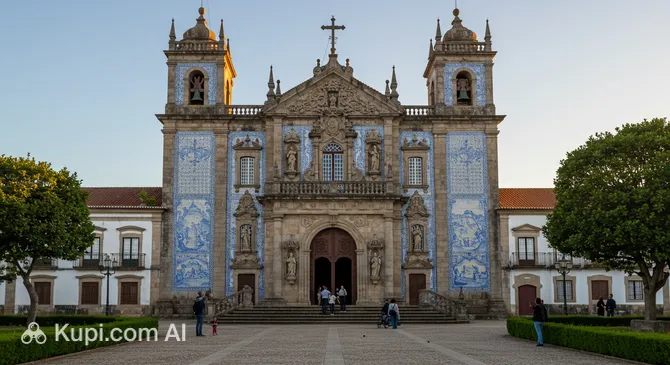
An equally significant place of pilgrimage and tourist interest is the Sanctuary of Our Lady of Piety (Mãe Soberana). Located on top of a hill, it offers breathtaking views of the city and its surroundings. The sanctuary is famous for its annual Festa da Mãe Soberana, one of the largest religious events in Portugal, which attracts thousands of believers and tourists with its color, processions, and deep traditions.

Sanctuary of Our Lady of Piety (Sovereign Mother). Illustration.
Source: Kupi.com AI

Traveler photos:

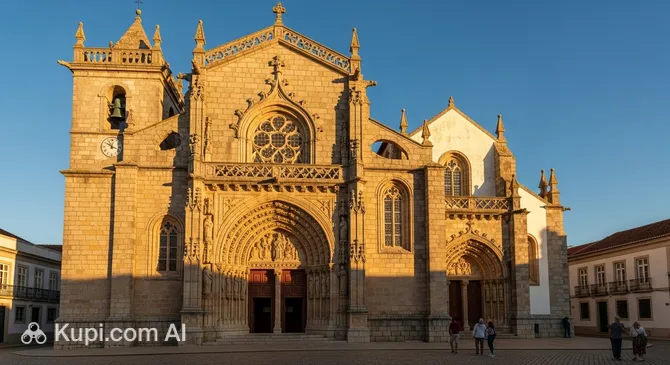
Among the religious buildings worthy of attention, the Church of Saint Francis stands out. This church is an interesting example of architecture with Gothic and Manueline elements. Its interior is decorated with traditional Portuguese azulejo tiles depicting scenes from the life of Saint Francis, making it especially informative for lovers of art and religious history.

St. Francis Church, Loulé. Illustration.
Source: Kupi.com AI

Traveler photos:

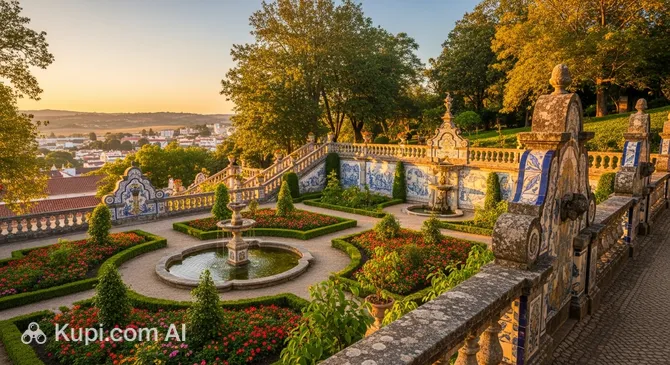
For a quiet break and pleasant walks, the Jardim dos Amuados (Garden of the Sulking) is ideal. This cozy and shaded city garden, located near the historical center, is a wonderful place to escape the summer heat and enjoy the greenery and flowers. Here you can simply sit on a bench, read a book, or observe the leisurely local life, feeling a sense of peace and harmony.

Garden of Amuados. Illustration.
Source: Kupi.com AI

Traveler photos:

Local Cuisine

The gastronomy of Loulé is a vibrant reflection of the culinary traditions of the Algarve region, where fresh local products play the leading role. The heart of the city's gastronomic life is undoubtedly its famous market. Here you will find an abundance of fresh seafood, aromatic cheeses, excellent olive oil, and honey, which is considered some of the best in Portugal. Local sausages and sweets based on almonds and figs, which have become a hallmark of Loulé, deserve special attention.

While traveling in Loulé, be sure to try cataplana – a traditional dish of seafood or meat stewed with vegetables in a special copper pot. Equally popular are freshly caught grilled sardines, especially in the summer season, as well as the hearty dish of pork stew with clams (carne de porco à alentejana). For dessert, treat yourself to Dom Rodrigo cakes, a delicate delicacy made from egg yolks, sugar, and almonds, or other local sweets often featuring figs and carob.

Among the drinks, the local Algarve wines are worth noting, which perfectly complement any meal. Try both white and red varieties to get a full impression. Popular non-alcoholic drinks include freshly squeezed juices, especially orange juice, as the Algarve is famous for its citrus fruits.

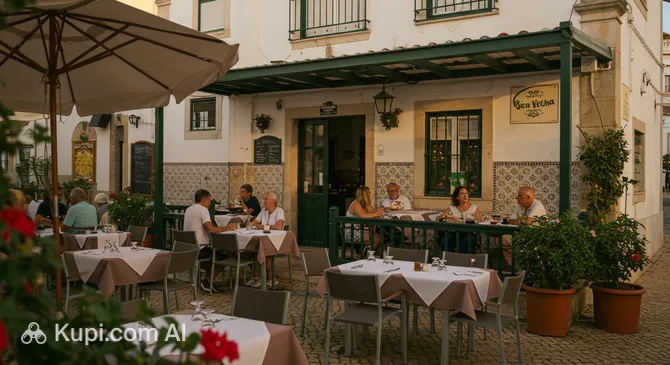
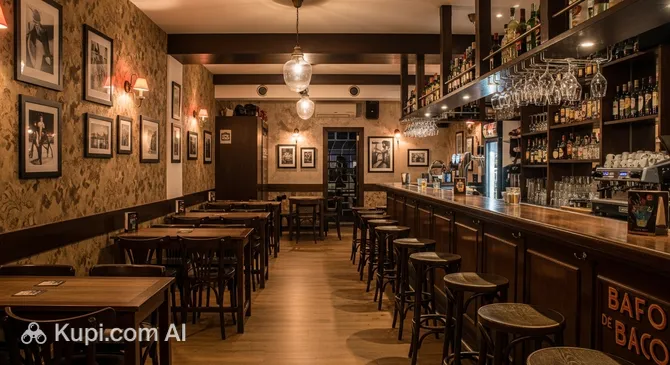
The food culture in Loulé is diverse. Locals and tourists alike love to visit traditional restaurants where you can taste authentic dishes. One such place is the Bica Velha Restaurant, known for its cozy atmosphere and quality cuisine. Street food is also noteworthy – at markets and fairs, you can find fresh fruit, homemade pies, and a variety of snacks. The Saturday markets are particularly colorful, turning into a real gastronomic celebration. For those looking for a more informal setting, bars such as Bafo de Baco or Taberna dos Frades offer drinks and light snacks.

Bica Velha Restaurant. Illustration.
Source: Kupi.com AI

Traveler photos:

Loulé is also known for its gastronomic festivals, which are regularly held in the city. On such days, the streets are filled with the aromas of cooking food, chefs and local cooks share their secrets, and tastings are accompanied by music and dancing. This is an excellent opportunity to immerse yourself in the local culture and try all the best that Loulé's cuisine has to offer.

Travel Tips

Planning a trip to charming Loulé? Wonderful! To ensure your journey through this sunny city in Portugal goes smoothly and leaves only pleasant impressions, we have prepared some practical tips.

  1. Clothing and Essentials: The climate in Loulé is Mediterranean, so in summer (June-August), bring light, breathable clothing made of natural fabrics, a hat, sunglasses, and sunscreen with high SPF. In spring (April-May) and autumn (September-October), the weather is pleasant, but evenings can be cool – a light jacket or sweater will come in handy. In winter (November-March), temperatures rarely drop low, but rain is possible, so it's worth bringing warm clothes and an umbrella. Be sure to bring comfortable shoes for walking on the cobbled streets of the old town. Don't forget a power adapter (type F sockets are used in Portugal). When visiting churches, such as the Igreja Matriz de São Clemente, it is customary to cover shoulders and knees.
  2. Transport: The center of Loulé is quite compact and easy to explore on foot. For trips around the city and to nearby settlements, you can use local buses (for example, the Eva Transportes company). Taxis are available, and you can also use ride-hailing apps if they operate in the region. Car rental is a good option if you plan to actively explore the Algarve region, its numerous beaches, and other towns. Note that parking in the historic center may be paid or time-limited.
  3. Finances: The local currency is the Euro (EUR). You can exchange money at banks or exchange offices (câmbios), but the rate at the airport is usually less favorable. Credit and debit cards (Visa, Mastercard) are widely accepted in most shops, restaurants, and hotels. However, it is always useful to have some cash with you for small purchases at the market, in small cafes, or for paying bus fares. ATMs (Multibanco) are easy to find throughout the city. Tipping in Portugal is not strictly mandatory but is welcomed as a sign of gratitude for good service (usually 5-10% of the bill in restaurants).
  4. Health and Safety: Loulé is generally considered a safe city. Nevertheless, observe usual precautions: keep an eye on your belongings, especially in crowded places like the market or during festivals, and do not leave valuables unattended or in plain sight in the car. Pharmacies (farmácias) are marked with a green cross; some of them are open 24 hours according to a duty schedule (farmácia de serviço). For EU citizens, it is recommended to carry a European Health Insurance Card (EHIC). Tourists from other countries are strongly advised to take out full travel insurance covering medical expenses.
  5. Communication: The official language is Portuguese. In tourist areas, hotels, restaurants, and large shops, staff often speak English, and sometimes other European languages. However, locals will appreciate it if you learn a few basic phrases in Portuguese: "Olá" (Hello), "Bom dia" (Good morning), "Boa tarde" (Good afternoon), "Obrigado/Obrigada" (Thank you – said by men/women), "Por favor" (Please), "Quanto custa?" (How much does it cost?). A local SIM card for mobile internet and calls can be purchased at mobile operators' stores (MEO, Vodafone, NOS). Wi-Fi is widely available in hotels, cafes, and some public places.
  6. Local Etiquette: Portuguese people are generally friendly, polite, and hospitable. It is customary to say hello and goodbye when entering and leaving small shops or cafes. A handshake is the common form of greeting when meeting. Using the informal "tu" is common among young people, but with older people or in a formal setting, it is better to use the respectful "você" or forms with "o senhor/a senhora". Be patient – the pace of life here can be more relaxed.
  7. What to Avoid: Try not to compare Portugal with Spain in conversations with locals; the Portuguese are very proud of their unique culture, history, and identity. Also, avoid loud conversations and boisterous behavior in public places, especially in churches and during religious holidays.
  8. Extra Tip: Be sure to visit the famous Loulé Municipal Market (Mercado Municipal de Loulé). It is not just a place to buy the freshest produce, fish, cheeses, and local delicacies, but also a true architectural gem in the Neo-Moorish style. It is especially lively here on Saturdays when farmers from all over the area arrive. This is a great place to feel the authentic atmosphere of the city and purchase unique souvenirs and products from local artisans.

We hope these tips help you better prepare for your trip and enjoy every moment in sunny and welcoming Loulé. We wish you an unforgettable journey through the Algarve region!

Entertainment & Nightlife

Loulé, a charming town in the Algarve, offers its guests not only a rich history and culture but also a cozy, albeit not boisterous, nightlife. Evenings here are spent in a relaxed atmosphere, perfect for socializing and enjoying the moment. Most evening activity is concentrated in the historic city center, where narrow streets come alive at dusk.

Nightlife in Loulé primarily consists of traditional bars, wine cellars, and restaurants where you can taste local delicacies and drinks. There are no massive nightclubs with deafening music, but there are plenty of establishments with a soulful atmosphere. Places where you can listen to live music, especially fado, are quite popular. The crowd is generally mixed—locals and tourists looking for an authentic Portuguese experience. The dress code is usually casual and relaxed. Most bars are open until late in the evening, especially during the tourist season.

Bafo de Baco. Illustration.
Source: Kupi.com AI

Traveler photos:

Among specific establishments where you can enjoy a pleasant evening, Bafo de Baco is worth mentioning, known for its friendly atmosphere and good selection of drinks. Another popular spot is Taberna dos Frades, where you can immerse yourself in a traditional Portuguese setting. These places are excellent for relaxing after a busy day and soaking up the local flavor.

For evening strolls, it is best to come to the city center after 8:00 PM or 9:00 PM, when restaurants and bars begin to fill up. Prices in Loulé's establishments are generally moderate. You can get around the city center at night on foot, but if you are staying on the outskirts, it is better to take a taxi. Taxi services operate in the city and can be called by phone or found at designated stands.

Loulé is considered a fairly safe city; however, as elsewhere, basic precautions should be taken at night: do not leave your belongings unattended and avoid poorly lit, deserted streets. Central areas where nightlife is concentrated are generally well-patrolled.

During the day, Loulé also offers plenty of interest. You can visit historical landmarks such as Loulé Castle or the Sanctuary of Our Lady of Piety. It is also worth taking a walk through the picturesque Jardim dos Amuados. There are other interesting places in the city, including churches and monuments, that tell the story of its rich history.

Parks & Museums

Loulé, a charming town in the heart of the Algarve, invites travelers not only to enjoy its historical heritage but also to relax in its cozy green spaces. While the city is better known for its cultural monuments, there are pleasant spots for walking and deepening your knowledge of the region's history.

For those looking for a piece of nature in the city, the Jardim dos Amuados (Garden of the Sulking) will be a pleasant discovery. This small but very well-maintained garden in the historical center offers a peaceful atmosphere for a break from the city bustle, with beautiful flower beds and shaded benches. Although Loulé is not famous for an abundance of large park areas, this garden is the city's main green oasis. In addition, small squares and landscaped plazas also contribute to the charm of city strolls.

Central to Loulé's cultural life is the majestic Loulé Castle. This medieval fortress of Arab origin is not only an impressive architectural monument but also the guardian of the city's history. Within its walls is located the Municipal Museum, where you can learn about different eras, from the Roman period to the present day, through archaeological finds and historical exhibits. A visit to the castle is a true immersion into the past of Loulé and the entire region.

In addition to the castle, Loulé is proud of its churches, which are also important cultural sites. The Church of Saint Francis attracts attention with its characteristic architecture and interior decoration. Equally significant is the Sanctuary of Our Lady of Piety (Mãe Soberana), located on a hill with a panoramic view of the city; it is an important place of pilgrimage, reflecting deep religious traditions. These places allow you to touch the spiritual and cultural life of Loulé.

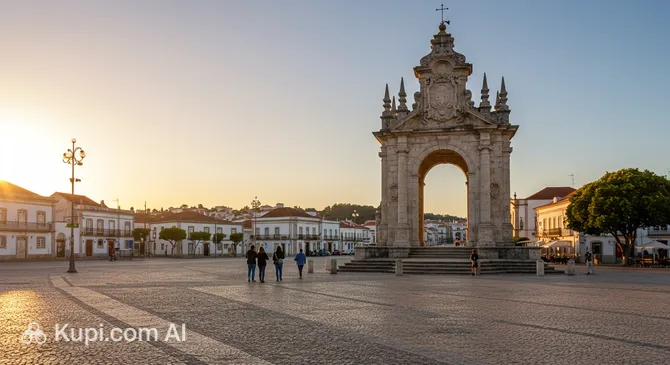
The historical atmosphere of the city is complemented by the Monument to Engineer Duarte Pacheco, dedicated to the outstanding statesman who contributed to the development of the region. This monument is one of the city's recognizable landmarks and serves as a reminder of its recent history.

Engineer Duarte Pacheco Monument. Illustration.
Source: Kupi.com AI

Traveler photos:

For a more authentic experience, stroll through the narrow streets of the old town around the famous Loulé market. Here you can find small handicraft workshops where local artisans create traditional products, and cozy taverns offering local cuisine. Sometimes, in unremarkable courtyards and on quiet squares, charming details are hidden that tell the story of Loulé's daily life as well as any museum exhibit.

Getting Around

When planning your travel around Loulé, you will find that the public transport system here is quite simple and primarily focused on bus services. This is a convenient way to reach various areas of the city and its surroundings.

The main form of public transport in Loulé is the bus. Local routes connect central parts of the city with residential areas and key points such as the market or the station. Regional buses also exist, which can take you to neighboring towns and resorts in the Algarve. There are no trams, trolleybuses, or metros in Loulé, which is typical for cities of this size in the region.

The fare payment system on buses is usually straightforward. Single-trip tickets can most often be purchased directly from the driver when boarding the bus. Sometimes multi-trip or day passes may be available, which can be bought at special kiosks or the bus station, if one exists and serves urban routes. Fares are generally low. It is recommended to have small change for paying the driver.

Tourists should pay attention to the bus schedules, which are usually posted at stops or available online on the websites of the region's transport companies. Buses typically start running in the early morning and finish in the evening, with a possible reduction in service on weekends and holidays. Ticket validation occurs upon purchase from the driver, or if it is an electronic ticket or card, it must be tapped against a special device upon entry.

As an alternative to public transport, taxis are always available in Loulé. They can be found at stands near popular tourist spots, stations, or called by phone. For more independent travel, especially if you plan to explore the surroundings, you might consider renting a car or a scooter. In some parts of the city and region, bicycle rentals may also be available, which is a great way to enjoy the local scenery in good weather. Check for the availability of popular ride-hailing or car-sharing apps upon arrival, as their availability can change.

Accommodation

Loulé offers a variety of accommodation options to suit travelers with different preferences and budgets. Here you can find cozy guesthouses and apartments for independent living, as well as traditional hotels. Options range from budget to more comfortable choices, offering a good selection for every traveler wishing to experience the charm of the Algarve region.

When choosing a place to stay in Loulé, it is worth paying attention to the central part of the city, especially the areas adjacent to the historic center and the famous market. This will put you within walking distance of the main attractions, such as Loulé Castle or the Sanctuary of Our Lady of Piety, as well as numerous cafes and restaurants. For those seeking a quieter setting, options on the outskirts of the city or in its surroundings are also available and provide easy access to the center.

Loulé Castle. Illustration.
Source: Kupi.com AI

Traveler photos:

The price range for accommodation in Loulé is quite wide: from affordable options for budget-conscious tourists to mid-range and higher-end offerings. It is recommended to book accommodation in advance, especially if your trip coincides with the peak tourist season or major festivals for which Loulé is famous. The most popular booking methods are international online platforms and hotel websites, as well as contacting the chosen hotel or guesthouse directly. Although specific famous hotels are not listed in the available data, the city offers a wide range of options for a comfortable stay.

Nearby Cities

For those who want to explore the surrounding area, Loulé serves as an excellent starting point for day trips to several interesting nearby locations:

CityPopulationDistance
Quarteira16 13111 km
Sao Bras de Alportel10 66212 km
Faro64 56015 km
Olhao45 39620 km
Albufeira44 16821 km

These nearby destinations offer a glimpse into the diverse culture and landscapes of the Algarve region. Each of these towns offers its own unique attractions: from historical centers and castles to picturesque beaches and natural parks. For example, Faro, the capital of the Algarve, will enchant you with its old town and marina. Albufeira is known for its beaches and lively nightlife, while Silves, the former capital of the region, will impress you with its majestic red sandstone castle.

Shopping & Souvenirs

Loulé offers an engaging shopping experience, especially for those looking for authentic goods and handmade souvenirs. The city is famous for its traditional crafts and lively market, where you can immerse yourself in the local atmosphere and find unique items that reflect the culture of the Algarve region. Here, the focus shifts from major international brands to local shops and workshops.

The main shopping spots are concentrated in the historic center of Loulé. Stroll through the narrow cobbled streets radiating from the famous Municipal Market, and you will discover many small independent shops offering ceramics, leather goods, textiles, and local delicacies. Praça da República and the adjacent avenues are also popular shopping locations where a variety of goods can be found.

While Loulé is not famous for giant modern shopping centers in the very heart of the city, retail parks and malls can be found on its outskirts or in larger neighboring Algarve towns if you need a wider selection of international brands. However, for a true immersion into the local flavor, the traditional shops and workshops in the center are best.

The crown jewel of shopping in Loulé is undoubtedly the Municipal Market (Mercado Municipal de Loulé). Housed in a historic building with striking Moorish motifs, this indoor market is open daily except Sundays and is a true feast for the senses. Here you will find the freshest local produce – fruits, vegetables, fish, meat, cheeses, bread, and pastries – as well as handicrafts, flowers, and regional delicacies. On Saturdays, the area around the market often expands with additional stalls, including a farmers' market, and sometimes a gypsy market can be found on the outskirts of town, offering a wide range of goods from clothing to household items.

As souvenirs from Loulé, it is worth bringing back items that reflect local traditions. Painted ceramics (azulejos), cork products (bags, wallets, hats), leather goods, and copperware (a traditional craft of Loulé) are popular choices. Don't forget gastronomic souvenirs: regional honey, the strong spirit medronho, piri-piri sauce, and traditional sweets (doces regionais). Woven baskets and palm leaf products are also characteristic of this region of Portugal.

Most shops in Loulé typically operate Monday through Saturday, from approximately 9:00-10:00 AM to 7:00 PM. Small family-owned shops may close for a lunch break (siesta) from 1:00 PM to 3:00 PM, especially outside the peak tourist season. The Municipal Market opens early in the morning and closes in the afternoon. Credit and debit cards are accepted in most shops and restaurants, but it is always useful to have some cash on hand, especially for purchases at the market or in small shops.

For tourists residing outside the European Union, there is an opportunity to make Tax Free purchases and reclaim VAT on certain goods. Look for shops with the "Tax Free" logo. Upon purchase, you will need to fill out a special form, which must then be presented at customs when leaving the EU to receive a refund. Check the minimum purchase amount required for Tax Free processing.

Reached the end of the page?

That means the route is fully explored