Support

Braga

About

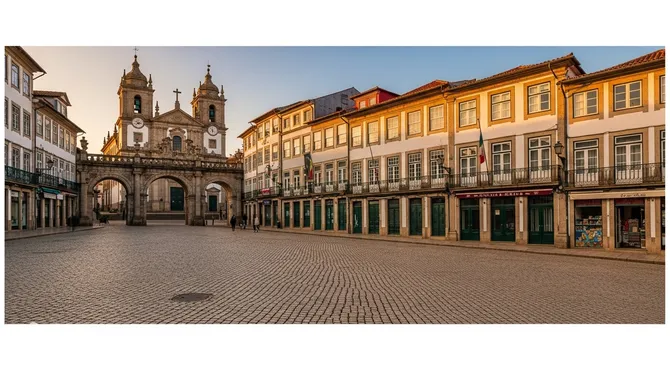
Braga is a true northern gem, nestled comfortably among the green hills and vineyards of the picturesque Minho region. The city is located about 50 kilometers north of Porto and is home to nearly 181,500 people. If your destination is sunny Portugal, then this administrative center, with its harmonious blend of antiquity and modernity, will be a wonderful stop on your itinerary.

Braga. Illustration.
Source: Kupi.com AI

It is one of the oldest settlements in the country, known since Roman times as Bracara Augusta. The city's rich history can be felt at every turn, from ancient gates to majestic palaces. Braga is often called the "religious capital" or the "city of archbishops," as it has been the residence of the primate since 1505, and the number of churches and their architectural splendor amaze even the most experienced travelers.

The city center is almost entirely pedestrianized, creating a special, relaxed atmosphere. It's a pleasure to get lost in the labyrinth of narrow streets, relax in shaded gardens, or enjoy a coffee in one of the lively squares. Braga is perfect for those seeking a balance between cultural enrichment and a comfortable vacation: there are many restaurants, shops, and unique architectural ensembles that inspire with their beauty.

Weather Overview

The climate in this region is mild, making travel here comfortable almost year-round. Expect warm, sunny summers with minimal rainfall and cool, rather wet winters. The hottest months are July and August: the average temperature reaches 21.1°C, and during the daytime, the air warms up to 26.4°C. This is an ideal time for walking, as rain occurs very rarely—only 3–5 days per month.

As autumn arrives and through the winter, the weather becomes more unpredictable. November and December are the rainiest months, with up to 16 days of precipitation recorded. However, you shouldn't fear severe cold: even in January, the average minimum is around 4.2°C, and during the day the temperature often rises to 12.4°C. Spring brings gradual warming, and by May, average temperatures reach a pleasant 15.7°C.

To pack correctly and choose good dates for tours, we recommend checking the current weather in Braga in advance. If your trip falls between October and April, be sure to bring an umbrella and waterproof shoes so the changeable weather doesn't stop you from enjoying the beauty of the ancient city.

Average monthly temperature

Average monthly precipitation

Interesting Facts

In addition to its main attractions and its title as the "city of archbishops," Braga holds many fascinating secrets and historical details. Here are a few facts that will help you see this ancient corner of the Minho region from a new perspective:

  • Roman Heritage. The city was founded by the Romans in 14 AD under the name Bracara Augusta and served as the administrative center of northwest Iberia. This makes Braga one of the oldest cities not only in Portugal but in the entire Iberian Peninsula.

  • An Adage of Antiquity. The local cathedral is so significant to history that the expression "Older than Braga Cathedral" has become established in the Portuguese language. This phrase is used when someone wants to emphasize the exceptional age of an object or event.

  • Unique "Water" Elevator. The funicular leading to the sanctuary on the hill is a true marvel of 19th-century engineering. It was the first such mechanism on the Iberian Peninsula and remains the oldest in the world powered by water counterweights: water is filled into the tank of the upper car, and its weight pulls the lower car up.

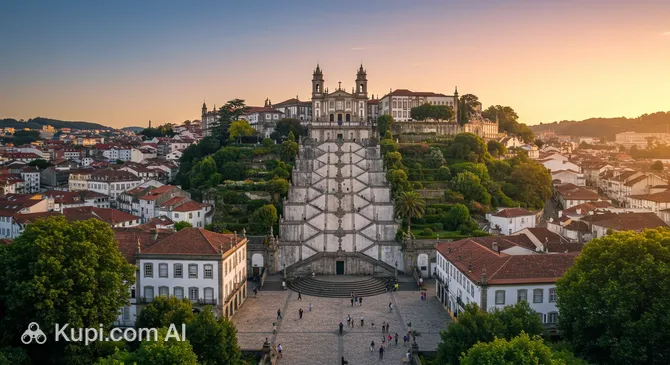
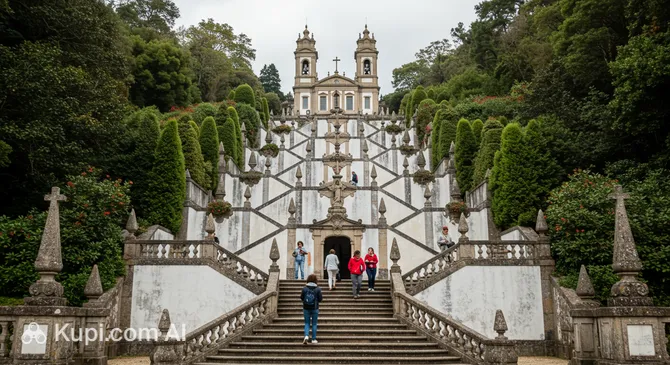
  • Staircase of the Five Senses. The famous Baroque Bom Jesus do Monte Staircase is not just a path upwards, but a complex symbolic ensemble. Part of its flights is decorated with fountains, each allegorically depicting one of the five human senses: sight, hearing, smell, taste, and touch.

  • Cradle of the Monarchy. Braga played a key role in the formation of the state: Henry of Burgundy, father of the first King of Portugal, Afonso Henriques, is buried here.

Bom Jesus do Monte Staircase. Illustration.
Source: Kupi.com AI

Traveler photos:

How to Get There

When planning a trip to the heart of the Minho region, it's important to think about logistics in advance. The city has excellent transport accessibility, and you can learn more about how to get to Braga to choose the optimal route. Most tourists arrive here via international air hubs located in neighboring major cities in Portugal and Spain.

The most convenient and popular option is Porto Airport (IATA: OPO), also known as Francisco Sá Carneiro Airport. Braga doesn't have its own airport, but this major international hub is just 39 km from your destination. Due to its proximity, a taxi or transfer will take you only 45–50 minutes. This is the main air gateway for the region, receiving many flights from all over the world.

An alternative solution is arriving via Spain, which is particularly convenient for multi-city tours. The nearest option is Vigo Airport (IATA: VGO), located 78 km from Braga. A car trip from here will take approximately 1 hour and 15 minutes. Travelers also often choose Santiago de Compostela Airport (IATA: SCQ), located 150 km away. This is a popular hub for those who want to visit the famous pilgrimage center of Galicia before traveling to Portugal.

For clarity, we have prepared summary information on the main airports within accessibility range:

AirportPassenger trafficDistance
Porto Airport15.9 mln39 km
Vigo Airport1.1 mln78 km
Santiago de Compostela Airport3.6 mln150 km
A Coruna Airport1.3 mln195 km
Matacan Airport21 100254 km

If you prefer ground transport or are planning a complex route across the Iberian Peninsula, you can use the rail connections via neighboring Spanish regions. For example, Vigo Railway Station is about 80 km from Braga. This is a convenient transfer point for those moving north to south along the Atlantic coast.

Another important transport hub is Ourense Railway Station, located 99 km away. This is a major station connecting Galicia with central Spain. Using these stations as transit points allows you to diversify your journey and enjoy the scenic views on the way to Portugal.

Below is information about the nearest major railway stations outside Portugal that may be useful when planning your route:

StationPassenger trafficDistance
Vigo Railway Station1.3 mln80 km
Pontevedra Railway Station1.6 mln99 km
Ourense Railway Station2.2 mln99 km
Lugo Railway Station67 603178 km
A Coruña Railway Station1.9 mln201 km

Main Attractions

Braga is a veritable open-air museum where every stone breathes history. The concentration of architectural monuments here is so high that even a simple walk turns into a fascinating tour. To ensure you don't get lost in this diversity, we've highlighted the key sites that form the city's unique character and are must-visits.

Start your introduction to the city at its spiritual heart. The majestic Braga Cathedral (Sé de Braga) is the oldest cathedral in Portugal, with construction beginning in the 11th century. The building is a stunning mix of architectural styles, from austere Romanesque to whimsical Manueline and lavish Baroque. Inside, the double organ and the chapel with the tombs of historical figures deserve special attention. This place is literally steeped in centuries of prayer and history.

Raio Palace. Illustration.
Source: Kupi.com AI

Traveler photos:

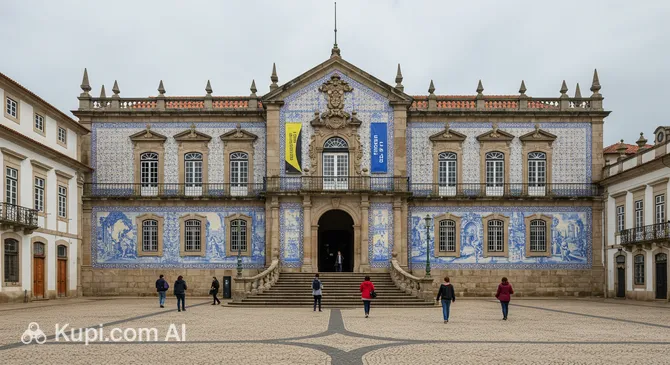
If you're looking for the perfect photo location and want to see a masterpiece of civil architecture, head to the building known as the Raio Palace. This 18th-century mansion is unmistakable thanks to its facade, richly decorated with blue azulejo tiles and elegant granite window frames. Built in the Mexican Baroque style, the palace now functions as a museum where you can learn more about the heritage of the local Brotherhood of Mercy.

An absolute symbol of the region is the famous Bom Jesus do Monte Staircase, leading to the sanctuary of the same name at the top of the hill. This grand zigzagging Baroque path is traversed not only by pilgrims but also by tourists wishing to enjoy the stunning panorama of the city. The white flights of stairs, decorated with statues and fountains, create an incredible visual rhythm, drawing the eye up to the church at the summit. This site is included in the UNESCO World Heritage list and offers a sense of peace and grandeur.

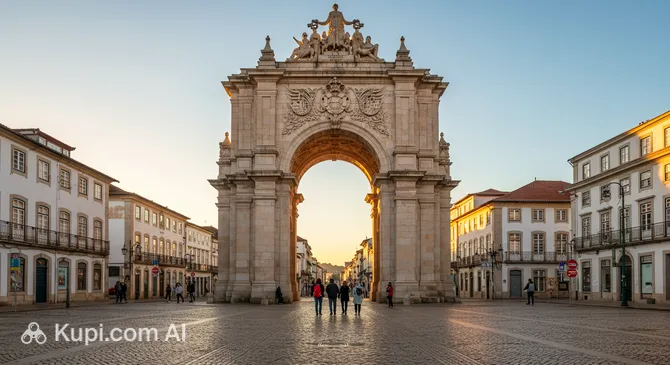
While walking through the historic center, you'll inevitably pass through a monumental arch. This is the Arco da Porta Nova, which, paradoxically, never had doors. Built in the 18th century on the site of the old medieval gates, it became a symbol of the city's hospitality and its openness to the world. The arch connects the labyrinth of ancient streets with more modern districts and serves as an excellent landmark for travelers.

Arco da Porta Nova. Illustration.
Source: Kupi.com AI

Traveler photos:

For those who love to immerse themselves in the atmosphere of an aristocratic past, we recommend visiting the Biscainhos Museum. It is located in a 17th-century Baroque palace where the interiors, furniture, ceramics, and everyday objects of the Portuguese nobility have been preserved. The magnificent gardens hidden behind the palace walls give this place a special charm. It is a quiet oasis with well-kept flowerbeds and fountains, perfect for taking a break from the city bustle.

Local Cuisine

Local cuisine:

Braga's gastronomy is a true celebration of flavor, harmoniously intertwining the ancient culinary traditions of the Minho region with modern trends. The local cuisine is characterized by its heartiness and the use of simple but high-quality products. The pride of the table is cod dishes (bacalhau). Be sure to try "Bacalhau à Braga"—cod fried with potatoes and plenty of onions, generously seasoned with olive oil and spices.

Among the city's unique delicacies, "Frigideiras de Braga" hold a special place—appetizing puff pastry pies with a meat filling. This dish, whose history dates back to Roman times, is often served for breakfast or as a hearty snack. In cool weather, locals and tourists alike are warmed by "Papas de Sarrabulho"—a thick, rich soup with meat, blood sausage, and spices, which is considered a winter classic of the region.

A meal in Braga is unthinkable without a glass of the famous Vinho Verde ("green wine"). This light, refreshing, and slightly fizzy drink is produced right here in the historic province. Those with a sweet tooth should visit local pastry shops for "Fidalguinhos"—traditional dry almond biscuits shaped like crossed legs, which, according to legend, parodies the idle lifestyle of the nobility.

The food culture here is incredibly wide-ranging: from bustling farmers' markets with fresh cheeses to cozy family taverns. To appreciate local hospitality and meat dishes, you can visit Churrasqueira Nacional steakhouse or stop by the colorful restaurant Tasquinha do Fugacal. And for those who want to end the evening in a more modern setting with a cocktail, the Antù Braga bar is a great choice.

Travel Tips

Welcome to Braga! To make your trip through the "city of archbishops" as comfortable as possible and leave you with only pleasant memories, we've gathered some important recommendations. These simple tips will help you settle in faster, avoid tourist traps, and feel at home in this cozy corner of the Minho region.

  1. Clothing and Footwear. The most important rule in Braga is to forget about heels. The historic center is paved with traditional cobblestones (calçada portuguesa), which can be slippery, especially after rain. Choose maximum comfort footwear with flat soles. Since there are many active churches in the city, modest clothing covering shoulders and knees is required for visits. If you're going in winter or late autumn, be sure to bring an umbrella and a waterproof jacket—rain is not uncommon here.
  2. Transport. The historic center is compact, and it's best to explore it on foot. For trips to distant attractions (like Bom Jesus), it's convenient to use the TUB city buses or a taxi. Uber and Bolt apps work great here, and trips are inexpensive. Renting a car is only worth it for trips outside the city; inside Braga, a car will be a burden due to narrow streets and paid parking.
  3. Finances. The official currency is the Euro. Most restaurants and shops accept international cards, but small coffee shops or souvenir stalls may ask for cash or only accept local Multibanco cards. Always have some change with you (coins and 5-10 euro notes). Tipping in Portugal is not mandatory but appreciated: it's customary to round up the bill or leave 5–10% for good service.
  4. Health and Safety. Braga is a very calm and safe city where you can walk even late in the evening. However, in tourist areas, keep an eye on your bags. Pharmacies (Farmácia) are easily recognized by a green cross; duty pharmacies working 24/7 are marked with a "Farmácia de Serviço" sign. The emergency number is 112.
  5. Communication. Locals speak Portuguese. Young people and tourism industry workers generally have a good command of English. An important nuance: try not to address locals in Spanish immediately—it might be perceived as disrespectful. It's better to start in English or learn a few phrases in Portuguese, like "Olá" (Hello) and "Obrigado" (Thank you). Wi-Fi is available in many cafes and public areas.
  6. Local Etiquette. Portuguese people are polite and value greetings. When entering a shop or cafe, it's customary to say "Bom dia" (Good morning) or "Boa tarde" (Good afternoon). Lunch here usually lasts from 1:00 PM to 3:00 PM, and dinner starts no earlier than 7:30–8:00 PM. In churches, maintain silence and do not use flash when taking photos if a service is underway.
  7. What to Avoid. Don't try to rush everything. The pace of life in Braga is steady, and rushing in a restaurant or shop might seem strange. Also, avoid discussing football topics if you don't understand the nuances: locals are passionate fans of their club "Braga," and debates can be heated.
  8. Coffee Culture. Coffee here is a ritual. If you just ask for "café," you'll be brought a strong espresso (locals call it "cimbalino"). If you want coffee with milk, order "meia de leite" (in a large cup) or "pingado" (espresso with a drop of milk). It's customary to drink coffee not on the go, but sitting at a table or the counter, enjoying the moment.

By following these simple rules, you can avoid minor inconveniences and focus on the main thing—the beauty of the ancient architecture and the hospitality of the locals. May your journey to Braga be easy, delicious, and inspiring!

Entertainment & Nightlife

Entertainment:

Braga may seem like a serious and reserved city by day, but as twilight falls, it reveals a completely different side. Thanks to the presence of the large University of Minho, a young and energetic atmosphere prevails here. The city's nightlife isn't about the pretentious glamour of capital clubs, but rather cozy, accessible, and very lively fun concentrated around the historic center and the university campus.

An evening in Braga typically starts late. Locals head out for dinner around 8:00 PM and move on to bars closer to midnight. The epicenter of bar culture is the narrow streets around the Cathedral (Sé). Here, you can find establishments for every taste, from quiet wine bars to noisy pubs with live music. A great example of a popular spot is the bar Atípica. This place is famous for its original decor and relaxed atmosphere, where you can try signature cocktails or a glass of local wine in the company of friends.

Lustre. Illustration.
Source: Kupi.com AI

Traveler photos:

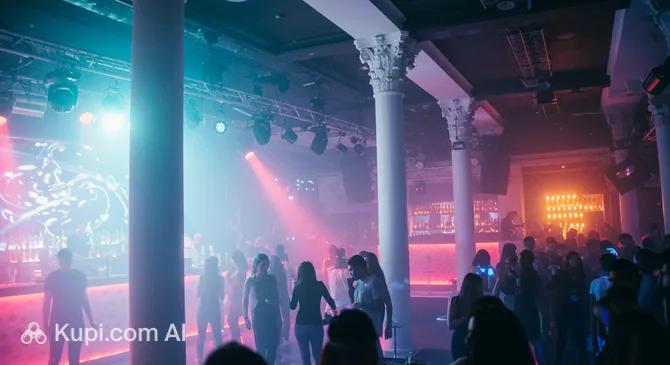
If you're in the mood to dance until dawn, the city's nightlife offers several worthy options. Clubs here usually open after midnight, but the peak of the fun is around 2–3 AM. One of the trendiest and most well-known spots is the club Lustre. Located in a historic building, this venue combines chic decor with modern electronic music, attracting both students and an older crowd. Famous DJs often perform here, and there is a face control policy, so it's worth dressing neatly, though a strict formal dress code is not required.

Regarding atmosphere and safety, Braga is one of the calmest cities in Europe. Night walks here are comfortable, and conflicts are extremely rare. The crowd is generally friendly and open. Prices for drinks and entry tickets are noticeably lower than in Lisbon or Porto: a cocktail might cost 5–7 euros, and a beer around 2–3 euros. Getting home at night is easiest via taxi through the Uber or Bolt apps, which operate 24/7 and are inexpensive.

For those who prefer daytime entertainment over night parties, the city also offers a wide range of leisure activities. Shopping enthusiasts can spend time in the modern Braga Parque shopping center, which features international brands, a cinema, and a food court. And if you're traveling with children or looking for active recreation, check out Monkey Park Braga—an entertainment complex that will provide plenty of excitement for young tourists.

Parks & Museums

While Braga is often called the city of churches, it can also surprise nature lovers and those who want to dive deeper into history through museum exhibits. The city harmoniously combines the stone grandeur of architecture with cozy green zones where you can take a breath after intense tours, while local museums hold evidence of a multi-century past, dating back to Roman times.

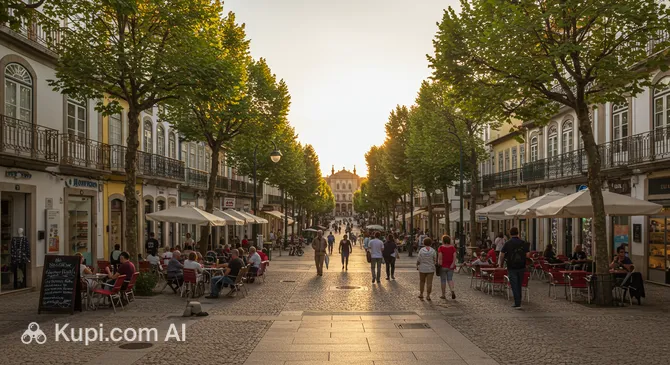
The heart of urban life in the open air is Avenida Central Park. This is not just a square, but a true city living room, decorated with bright flower beds and surrounded by historical buildings. It's pleasant to stroll in the shade of the trees here, observing the slow pace of life of the locals. On holidays, the park becomes the center of events, but on weekdays, it's an ideal place for a short break with a book or a cup of coffee bought from a nearby kiosk.

Avenida Central Park. Illustration.
Source: Kupi.com AI

Traveler photos:

For those seeking communion with nature and panoramic views, Monte do Picoto Park is a must-visit. Located on an elevation, it offers perhaps the best viewpoint over the city. This is an extensive green area with local vegetation, ideal for picnics and walks away from the city hustle. Another popular holiday spot is Parque da Ponte, which seamlessly flows into sports zones and a stadium, creating a great space for active leisure.

A cultural program in Braga is impossible without a dive into antiquity, as the city stands on the ruins of the ancient capital of the Gallaecia province. The main guardian of these secrets is the D. Diogo de Sousa Archaeological Museum. Its collection is considered one of the best in the region and covers the period from the Paleolithic to the Middle Ages, with a special emphasis on the Roman heritage: coins, ceramics, and household items found during excavations.

To see history in its primal form, head to the Thermae of Maximinus. These ruins of public baths discovered by archaeologists give a unique insight into the daily life and engineering skill of our ancestors. No less impressive is the Idol Fountain—a rare surviving example of a Roman sanctuary dedicated to a water deity, carved directly into the granite rock.

Fans of medieval architecture and sacred art should check out the Coimbras Chapel and House museum complex. The elegant Manueline-style tower and the chapel itself, hidden in the courtyard, represent a jewel of 16th-century architecture. And a reminder of the city's fortified past is the lonely Torre de Menagem (Keep)—all that remains of Braga's once-powerful medieval castle.

Insider tip: If you want to combine a museum visit with a walk in a garden but are tired of the crowds, return to the Biscainhos Museum. Entry to its magnificent Baroque garden is often free or costs a symbolic amount, even if you don't go into the museum itself. It is a quiet oasis with fountains and peacocks in the very center of the city, which not all tourists know about.

Getting Around

The public transport system in Braga is arranged simply and logically, making getting around the city comfortable even for those here for the first time. It's important to note right away: there is no metro or trams in the city. The historic center is compact enough to be explored on foot, enjoying the architecture. However, for trips to distant areas, the university, or the famous sanctuary on the hill, you will need buses.

The primary and virtually only form of public transport is the buses of the TUB company (Transportes Urbanos de Braga). They are easy to recognize by their signature colors. The route network covers the entire city and the nearest suburbs. Buses run regularly, usually from early morning (around 6:00–7:00 AM) until midnight. There are schedules at the stops, and modern digital displays at key stations show arrival times in real time.

Special attention should be paid to the unique vehicle that has become a symbol of the city—the Bom Jesus Funicular (Elevador do Bom Jesus). This is not just an attraction, but the world's oldest functioning water-powered funicular, built back in the 19th century. It connects the lower part of the park with the top of the hill where the sanctuary is located. A ride on it is a mandatory part of the itinerary, allowing you to save energy before exploring the sights.

The fare payment system is flexible. The simplest option for a tourist is to buy a single ticket directly from the driver upon boarding (cash payment, preferably with small coins). This costs slightly more than pre-payment (around 1.55–2.00 euros). If you plan to travel a lot, it's more profitable to purchase a reloadable card at TUB kiosks or authorized shops. With such a card, the cost of a single trip is significantly reduced. Don't forget to tap your card against the validator every time you enter the bus.

As an alternative to public transport, taxi services and ride-hailing apps like Uber and Bolt work excellently in Braga. Cars arrive quickly, and trip prices within the city are very affordable (often within 5–7 euros for a trip across the center). Classic taxis (black with a green roof or beige) can be found at special ranks at the station and main squares. Bicycle rental is growing in the city, but due to the hilly terrain and cobblestones, it's an option for sports enthusiasts rather than for relaxed strolls.

For convenience in route planning, we recommend using Google Maps or the official TUB mobile app, which navigate the local transport scheme well. If you arrive in the city by train, the railway station is only a 15–20 minute walk from the historic center, but if desired, you can take a bus from right there to almost any point in the city.

Accommodation

Where to stay:

The choice of accommodation in Braga is pleasantly surprising in its diversity and, importantly, its more affordable prices compared to neighboring Porto or the capital. The city offers options for every taste and budget: from cozy family-run guesthouses (Alojamento Local) hidden in ancient mansions to modern chain hotels and luxury resort complexes. Travelers can choose between full immersion in the historical atmosphere or a relaxed stay in nature.

The most popular area to stay is undoubtedly the historic center. By staying here, you will be within walking distance of the main attractions, restaurants, and cafes. Living in the heart of the city means waking up to the sound of church bells and being able to stroll through pedestrian streets late into the evening. However, keep in mind that older buildings may lack elevators, and noise from busy streets may be audible in the rooms.

Historic Centre of Braga. Illustration.
Source: Kupi.com AI

Traveler photos:

For those looking for peace, privacy, and panoramic views, the area around the Bom Jesus do Monte sanctuary is an ideal choice. Higher-class hotels are located here on the hillside, often occupying restored historical buildings. This is a great option for a romantic weekend or a peaceful getaway, but you will need a taxi or bus to travel to the city center.

Budget travelers and young people should look at the hostels, of which there are plenty in student-filled Braga, or at inexpensive hotels near the railway station. The station location is particularly convenient for those planning to use the city as a base for exploring the Minho region or who have an early departure.

Booking tip: Braga is a popular destination, especially during religious holidays. If your trip falls during Easter week (Semana Santa), which is celebrated here on a grand scale, or during the summer "White Night" festival, it is necessary to book accommodation several months in advance. At other times, you can usually find a suitable option a couple of weeks before your visit.

The price range in the city varies from budget (hostels and inexpensive apartments) to mid-range and high (boutique hotels and spa resorts). Booking is most conveniently done through popular international online platforms, where you can read reviews and compare prices. Many small guesthouses also accept direct bookings through their websites, sometimes offering a small discount or a welcome bonus.

Nearby Cities

For those who want to explore the surrounding area, Braga serves as an excellent starting point for day trips to several interesting nearby locations:

CityPopulationDistance
Vila Verde47 88812 km
Amares18 88912 km
Povoa de Lanhoso21 88614 km
Barcelos120 39116 km
Guimarães158 12416 km

Just 16 kilometers away is Guimarães, a city that proudly bears the title "cradle of Portugal." This is where the country's first king, Afonso Henriques, was born. The city's historic center is included on the UNESCO World Heritage list and enchants with its medieval squares, majestic castle, and the Palace of the Dukes of Braganza. It is a must-visit place to understand the origins of the Portuguese nation.

Another interesting destination is Barcelos. This picturesque town is known worldwide thanks to the legend of the rooster, which became the national symbol of the country. If you find yourself here on a Thursday, you'll experience one of the largest and most colorful fairs in the region, where you can buy famous local ceramics, traditional embroidery, and fresh farm products.

For those who prefer seascapes, Vila do Conde is an excellent choice. This coastal city is famous for its long golden beaches, ancient port, and the impressive Santa Clara Aqueduct, which stretches for several kilometers. Here you can enjoy a quiet walk along the embankment, try the freshest seafood, and learn about the traditional art of bobbin lace-making.

These nearby destinations provide a glimpse into the diverse culture and landscapes of the region.

Shopping & Souvenirs

Shopping in Braga is a harmonious combination of old traditions and modern comfort. Unlike busy metropolises, the shopping process here takes place at a more relaxed and measured pace. The city offers an excellent choice: from colorful shops with handmade goods in the pedestrian zone to spacious shopping complexes with international brand stores. It is an ideal place to update your wardrobe and find unique gifts that recall the culture of the Minho region.

The main shopping artery of the city is rightfully considered the Historical Center of Braga. Most of the action happens on the pedestrianized Rua do Souto and its adjacent alleys. Here, among majestic facades and flower beds, are numerous clothing boutiques, shoe stores, and jewelry shops. A walk through this area turns into a real pleasure: modern store windows sit alongside century-old coffee shops, and street musicians create a unique atmosphere.

For those who prefer large-scale shopping in one place, Braga offers several excellent options. The most popular and beloved by locals is the Braga Parque shopping center. This is a large modern complex where dozens of mass-market stores, a cinema, and a large food court are gathered. Here you can find everything from electronics to fashion accessories. Another significant point of attraction is Nova Arcada—the newest mall, located a bit further from the center, known for being home to the region's only IKEA store, as well as many spacious boutiques.

To feel the true taste of local life, it's worth visiting the city market—Mercado Municipal de Braga. This is not just a place for trade, but a cultural space where farmers offer fresh vegetables, fruits, cheeses, and flowers. Although the market is mainly focused on food, you can buy excellent gastronomic souvenirs here: homemade bread, olive oil, or traditional cured meats.

When choosing gifts to remember your trip, pay attention to the unique craft products. The region's trademark is "Lenços de Namorados" (Lovers' Handkerchiefs)—linen handkerchiefs with bright embroidery and romantic verses. Local religious attributes are also popular, as Braga is the spiritual capital of the country: elegant candles and figurines of saints are made here with special craftsmanship. Music lovers will enjoy the cavaquinho—a small Portuguese guitar, and gourmets will definitely appreciate a bottle of young Vinho Verde wine.

When planning your shopping trip, take the local schedule into account. Small street shops are usually open from 9:30 AM to 7:00 PM, but many of them close for a lunch break (siesta) from 1:00 PM to 3:00 PM. Most street shops do not open on Sundays. Shopping centers, on the other hand, are open daily from 10:00 AM to 11:00 PM without breaks. Card payments are accepted almost everywhere, but for purchases at the market or in small kiosks, it's better to have cash in euros.

Tourists residing permanently outside the European Union can use the Tax Free system. When purchasing goods for a certain amount (usually over 50–60 euros on one receipt) in stores marked with a special sign, you are entitled to a VAT refund. Don't forget to ask the seller for a special form to process the refund at your departure airport.
Nearby cities

Reached the end of the page?

That means the route is fully explored