Support

Humacao

About

Humacao is often called a true diamond of the east coast. This cozy city, stretching along the waters of the Atlantic Ocean, offers travelers the perfect balance between relaxed beach holidays and natural adventures. Located in Puerto Rico, just an hour's drive from the island's capital, it welcomes guests with a warm sea breeze and lush tropical greenery.

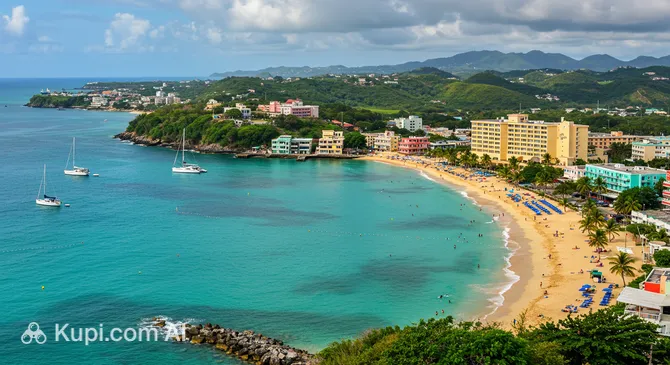
Humacao. Illustration.
Source: Kupi.com AI

Despite its relatively small size and population of about 17,600 people, the city plays an important administrative role in the region while maintaining a surprising sense of intimacy. You won't find the overwhelming noise and bustle of huge metropolises here; instead, Humacao immerses you in the unhurried and cheerful rhythm of Caribbean life. It is a place where the genuine hospitality of the locals harmoniously blends with the aromas of fresh seafood and the sound of the surf.

The region's main pride is its unique landscapes. Travelers come here to visit the Reserva Natural de Humacao—a true paradise for fans of ecotourism, cycling, and birdwatching. Although the rich history of Humacao has left its mark on the city's culture, today it is better known for its golden beaches and opportunities for outdoor activities. If you are looking for an authentic atmosphere and communion with nature, this sunny corner is an excellent choice for your trip.

Weather Overview

The climate in this region is typically tropical, making it an attractive destination for a beach holiday at any time of year. The air temperature here is remarkably stable: the thermometer rarely drops below 22°C even on the coolest nights and rises to a comfortable 29°C in the middle of the day. Expect warm summers with high humidity and mild, pleasant winters perfect for walking.

The hottest period is traditionally August, with an average temperature of 27.2°C, while January and February bring refreshing coolness, with figures dropping to 24°C. It is worth noting a feature of the local climate: rains occur here quite often, from 20 to 27 days per month, but the total volume of precipitation remains low (only 2–7 mm). This means that tropical showers are usually short-lived and quickly replaced by bright sunshine, without interfering with tourists' plans.

The highest amount of rainfall occurs in September and October, so for fans of the driest possible weather, it's better to aim for the beginning of the year. To choose the perfect dates for your trip and pack your suitcase correctly, we recommend checking the current weather in Humacao for the time of your visit in advance.

Average monthly temperature

Average monthly precipitation

Interesting Facts

In addition to its main attractions, Humacao hides many fascinating secrets and stories that reveal themselves only to curious travelers. Here are a few facts that will let you look at this city from a new perspective:

  • Heritage of the Taino Chief. The city's name is rooted in ancient times and is associated with the name of the Indian cacique (chief) Humacao. He ruled these lands before the arrival of Europeans, and preserving his name in the city's title is a tribute to the indigenous culture of the Taino people.

  • Legends of Pirate Treasures. Local folklore is full of stories about sea raiders. There is a belief that ancient pirate hoards are hidden in the tangled mangroves of the coastal zone. Although no gold has been found yet, these stories give walks along the coast a special spirit of adventure.

  • The Canarian Connection. Humacao has a unique demographic history: the first European settlement here was founded in the early 18th century by immigrants from the Canary Islands. This influence can still be traced in some local traditions and the unique mentality of the residents.

  • Contrasts of the Reserve. The Reserva Natural de Humacao is amazing because you can find beaches here that are practically untouched by mass tourism. It is one of the few places in the region where you can have a private photo session against the backdrop of wild nature and the Atlantic Ocean without encountering crowds of vacationers.

How to Get There

When planning a trip to the east coast of Puerto Rico, it is important to study all ways to get to Humacao in advance to choose the most convenient route. Since the city is located on an island, the main way to reach the region is by air followed by ground transportation.

The main air gateway for tourists is Luis Muñoz Marín International Airport (IATA: SJU). Keep in mind that this airport is not in Humacao itself but in the capital, San Juan, approximately 37 km from the destination. It is the region's largest transport hub, receiving many international flights. The trip from here to Humacao by taxi or rental car will take roughly 1 hour and 15 minutes, depending on traffic.

Alternatively, you can consider arriving via Mercedita Airport (IATA: PSE), located in the city of Ponce. This is a less busy regional hub, located about 80 km from Humacao. Traveling by car from Ponce will take longer—about 2 hours and 20 minutes—but the road passes through the picturesque landscapes of the southern coast.

For clarity, here is a summary of the main airports through which you can reach the region:

AirportPassenger trafficDistance
Antonio Rivera Rodriguez Airport15 00035 km
Luis Muñoz Marín International Airport13.2 mln37 km
Benjamin Rivera Noriega Airport45 00057 km
Mercedita Airport258 00080 km
Cyril E. King Airport1.6 mln92 km

Rail service in Puerto Rico is not used for intercity passenger transport, so it is impossible to reach Humacao by train. Cars remain the primary means of moving around the island. Tourists often rent a car directly at the arrival airport or use local taxis and shuttle taxis known as "públicos," which run between major cities.

Main Attractions

Humacao offers guests a variety of leisure activities: from immersion in wildlife to exploring architectural heritage and resort luxury. The city is famous for its picturesque spots that allow you to see different sides of Puerto Rico.

The undisputed gem of the region is the Humacao Nature Reserve (Reserva Natural Efraín Archilla Diez). This unique protected area is where lagoons meet the ocean, creating an ideal environment for many birds and marine life. Travelers come here to rent a kayak and navigate water trails through mangroves or ride a bike along well-maintained paths. This place offers a rare sense of harmony with nature and tranquility.

History and aesthetics enthusiasts should pay attention to the Casa Roig Museum. This majestic mansion, built in 1919 for a wealthy sugar planter, is considered one of the best examples of Prairie School architecture in the Caribbean. The building was designed by the famous architect Antonin Nechodoma. Today, you can not only admire the restored interiors and mosaics but also visit art exhibitions regularly held within the museum's walls.

The Palmas del Mar area offers a special atmosphere—it is a large-scale resort complex that is essentially a "city within a city." Tourists come here for the first-class infrastructure: it features two championship golf courses, a massive tennis center, and an equestrian club. Even a simple walk through the resort's grounds, with its manicured gardens, yacht marina, and numerous restaurants, will provide plenty of pleasant impressions.

For a quiet break by the water, Punta Santiago beach is an excellent choice. This is a popular spot among locals, known for its tall palm towers and views of the small island of Cayo Santiago, inhabited by monkeys. The beach is equipped with everything necessary for picnics, and the nearby historical pier has become a symbol of the city and a popular location for memorable photos.

Local Cuisine

The gastronomic scene in Humacao is a bright and appetizing reflection of the culinary traditions of the entire island of Puerto Rico. Proximity to the ocean dictates the main rules of local cuisine: fresh seafood reigns here, often reaching the table just a few hours after being caught. In the menus of coastal restaurants and cafes, a special place is occupied by oysters, mussels, and various fish prepared using aromatic spices, fresh herbs, and tropical sauces.

The true king of the local table is mofongo. This hearty and colorful dish is a dense mash of fried green plantains mixed with garlic and oil. It is usually served in the form of a "volcano" filled with a juicy stuffing of shrimp, chicken, or meat, and generously drizzled with a savory broth. As an ideal side dish or standalone snack, be sure to order tostones—crispy, golden slices of fried plantain that pair perfectly with any main course.

Street food in Humacao deserves special attention. Walking through the city, it's hard to resist the aroma of empanadillas—delicious fried turnovers filled with meat, cheese, or seafood. For dessert, locals prefer coconut and sugar-based sweets, as well as fresh exotic fruits. At farmers' markets, the stalls are always full of ripe guava, papaya, and mango, the flavors of which are particularly vivid in this climate.

The drink culture here harmoniously complements the food. On a hot day, fresh juices made from tropical fruits or cold coconut water are the most refreshing. Among alcoholic beverages, tourists and locals prefer the famous Puerto Rican rum, which is enjoyed both neat and in cocktails, as well as light local beer. Food in Humacao is not just about satisfying hunger but a reason for celebration: gastronomic festivals are held throughout the year, where you can immerse yourself in the atmosphere of Caribbean hospitality to the sound of live music.

Travel Tips

A trip to Humacao promises to be unforgettable, but like any journey, a little preparation will make your holiday much more comfortable. We have gathered a list of useful recommendations for you to help you enjoy the Caribbean atmosphere without unnecessary worries and feel like a local in this hospitable city.

  1. Clothing and Essentials. Given the tropical climate, prioritize loose clothing made of natural fabrics such as cotton or linen. Be sure to bring comfortable closed shoes for walks in the nature reserve, sunglasses, and a hat. A light raincoat won't hurt either—tropical showers here are short-lived but can catch you by surprise.
  2. Transport. The most reliable way to get around is renting a car, as public transport in the region is poorly developed and runs irregularly. Having a car will give you the freedom to visit remote beaches and neighboring towns. It's better to book a taxi in advance through your hotel or verified apps, as "catching" a car on the street can be difficult.
  3. Finances. The official currency is the US dollar. Credit cards are accepted in most restaurants, hotels, and supermarkets, but always carry some cash in small bills. You will need them for purchases at small street food kiosks or souvenir shops. Tipping is part of the culture here: it is customary to leave 15–20% of the bill.
  4. Health and Safety. The sun in Humacao is very active, so using a cream with high SPF is mandatory even in cloudy weather. We also recommend using repellents, especially in the evening or when visiting mangrove forests. There are pharmacies and medical centers in the city, but it's better to arrange travel insurance in advance.
  5. Communication. The primary language of communication is Spanish, however, in tourist areas like the Palmas del Mar resort, the staff speaks English well. If you have a US mobile provider, roaming likely won't be needed (check your plan), and Wi-Fi is available in almost all cafes. Learn a few phrases, for example, "Hola" (Hello) and "Gracias" (Thank you)—the locals will appreciate it.
  6. Local Etiquette. Puerto Ricans are very friendly and open. It is customary to say hello when entering a shop or an elevator. If you pass by people who are eating, a polite gesture would be to say "Buen provecho" (Enjoy your meal). Life here flows at a relaxed pace, so don't rush the service staff—show patience and a smile.
  7. What to Avoid. Never leave valuables, bags, or gadgets in plain sight in a rental car, even if you are stepping away for just a few minutes. Also, be careful with swimming on wild beaches: always pay attention to warning flags, as ocean currents can be strong and unpredictable.
  8. Local Delicacy. While in Humacao, be sure to try granitos. This unique local snack consists of fried rice flour sticks, often with cheese inside. They are sold at small kiosks and are the perfect option for a snack during a walk around the city.

Humacao is a place where time slows down, allowing you to truly relax and reset. By following these simple tips, you can focus on the main things: the beauty of nature, the taste of local cuisine, and the sound of ocean waves, making your vacation as pleasant and safe as possible.

Entertainment & Nightlife

The nightlife in Humacao is drastically different from the loud parties of the capital, San Juan. Here you won't find multi-story nightclubs with laser shows; instead, the city offers something else—an atmosphere of sophisticated resort relaxation and authentic Caribbean fun. An evening in Humacao means live music, cocktails by the sound of the ocean, and cozy bars where time flies by.

The epicenter of evening entertainment for tourists is the Palmas del Mar district. This is a huge resort complex that operates by its own rules. The main point of attraction here is Palmanova Plaza. At dusk, it transforms into a lively hub with restaurants and bars where both hotel guests and locals gather. The crowd here is respectable, and the dress code is "resort casual": light trousers and a shirt for men, and cocktail dresses or elegant sundresses for women.

Among the establishments in Palmas del Mar, Norberto's Piano Bar & Lounge stands out. This place is famous for its refined atmosphere, excellent wine list, and, of course, live piano music that creates the perfect backdrop for a romantic evening. If you want something more dynamic and casual, check out Chihuahua Tex Mex Cantina. It’s always noisy and fun, they serve excellent margaritas, and rhythmic music often plays in the evenings, encouraging easy conversation.

For those who love relaxing by the water, we recommend heading to the marina area and visiting La Pescadería. This open-air venue is located right by the yacht dock. In the evening, a special magic reigns here: you can enjoy the fresh sea breeze, watch the sunset, and sip cool drinks in a relaxed setting.

To experience true Puerto Rican flavor, there is the Punta Santiago district. This place is popular for so-called "chinchorreo"—traditional bar-hopping where people move from one small kiosk or bar to another, trying snacks and drinks. The atmosphere here is simpler and more folk-oriented, prices are lower than at the resort, and the fun often spills out onto the street. However, for nighttime strolls in this area, it's better to use a taxi or car and follow general safety precautions.

Practical Tips:

  • Transport: Within Palmas del Mar, many people get around by golf carts even at night—it’s convenient and safe. If you plan to travel outside the resort, be sure to rent a car or arrange a taxi in advance, as catching a car on the street at night is practically impossible, and Uber may take a long time to find a driver.
  • Safety: The Palmas del Mar territory is guarded and considered one of the safest places on the island for night walks. In the city center and Punta Santiago area, it's better to stick to well-lit streets and crowded places.
  • Opening Hours: Bars in the resort area usually work until midnight or 1:00 AM, and later on weekends. On weekdays, life quiets down quite early, around 10:00 PM–11:00 PM.

While Humacao is primarily about beaches and nature, cultural leisure is also available. The Humacao Fine Arts Center (Centro de Bellas Artes de Humacao) regularly hosts theatrical productions, concerts, and exhibitions, which can be a great start to the evening before heading to a restaurant. The city also has modern cinemas and shopping centers for more traditional pastimes.

Parks & Museums

Humacao offers travelers a harmonious blend of protected natural areas and historical heritage, allowing for a better understanding of the culture of Puerto Rico's east coast. Although the city is not overloaded with large museum complexes, the sites available here are unique and deeply connected to the history of sugar plantations and the island's ecology.

The main natural treasure of the region is undoubtedly the Humacao Nature Reserve (Reserva Natural Efraín Archilla Diez). This is a vast territory where freshwater lagoons mix with salty seawater, creating an ideal habitat for herons, iguanas, and turtles. For tourists, this place is primarily interesting for its developed ecotourism infrastructure: there is a network of well-maintained trails for hiking and cycling, and the water canals can be explored by rented kayaks. It's a rare opportunity to see untouched Caribbean nature in close proximity to the city.

Another important green zone is The Pterocarpus Forest, located within the Palmas del Mar area. This is one of the largest remaining swamp forests of its type in the Caribbean. The park's main feature is a long wooden boardwalk built among giant trees with whimsical roots. A walk here gives a sense of complete solitude and coolness even on the hottest day, and ornithology enthusiasts will be able to observe rare bird species in their natural habitat.

Among cultural institutions, the Casa Roig Museum occupies a central place. This architectural masterpiece was built in 1920 for the wealthy sugar planter Antonio Roig. The building was designed by the famous Czech architect Antonin Nechodoma in the Prairie School style, making it unique for a tropical climate. Visitors come here to admire the restored interiors, elegant stained glass, and mosaics, as well as to visit rotating art exhibitions held regularly in the mansion's halls.

In the very heart of the city, on the main square, stands the Concatedral Dulce Nombre de Jesús (Co-Cathedral of the Sweet Name of Jesus). This is not just an active church but also an important historical monument reflecting the island's religious traditions. The cathedral's architecture combines simplicity and majesty, and its location on a traditional Spanish square (Plaza de Recreo) makes it an ideal starting point for exploring the historical center of Humacao.

Fans of science and the starry sky will be interested to learn about the Astronomical Observatory at the University of Puerto Rico in Humacao. Although it is primarily an educational and scientific institution, it periodically holds "open house nights" for the public, allowing a look at the tropical sky through professional telescopes.

Insider Tip: Be sure to visit the historical pier in the Punta Santiago area at sunset. Although the pier itself, once part of the sugar industry, is now closed to walkers due to its dilapidated state, the view of it against the ocean and the island of Cayo Santiago creates an incredibly cinematic picture, perfectly capturing the atmosphere of old Humacao.

Getting Around

The transport system in Humacao differs significantly from familiar European or North American models. Here you won't find a metro, trams, or strict urban bus schedules at stops. Public transport in the city is quite underdeveloped and primarily oriented toward local residents moving during the day, so it's important for tourists to plan their logistics in advance.

The main form of public transport consists of so-called públicos. These are shuttle taxis (usually minibuses or minivans) that run on specific routes, connecting the city center (Casco Urbano) with the outskirts and neighboring municipalities. You can identify them by special coding on the license plates (usually ending in "P" or "PD") and the destination indicated on the windshield. They do not have a fixed schedule: the vehicle departs when all passenger seats are filled.

The payment system in "públicos" is as simple and conservative as possible: electronic passes or contactless cards do not work here. Payment is made only in cash directly to the driver upon entry or exit. The fare is very affordable and varies from $1 to $3 depending on the distance. Travelers are strongly recommended to carry small bills ($1, $5) and coins, as the driver may not have change for large banknotes.

It is important to consider the operating hours of these shuttles. They start running early in the morning (around 6:00 AM–7:00 AM), but their activity drops sharply after 4:00 PM–5:00 PM. On weekends, the number of trips is reduced, and on Sundays, finding an active route can be extremely difficult. Therefore, you should not rely on this type of transport for evening trips to a restaurant or returning from the beach at sunset.

Given the characteristics of local transport, the main and most reliable alternative for tourists is renting a car. This gives you complete freedom to move between beaches, the nature reserve, and resort areas. Rental points are available both in the city itself and in nearby districts. The road network is well-developed, and navigation is intuitive.

For one-off trips, taxi services and popular aggregators like Uber are available. However, it's worth remembering that the waiting time for a car can be longer than in the capital, especially if you are outside the Palmas del Mar resort area. Within the Palmas del Mar resort complex itself, golf carts are widely used. This is a popular and eco-friendly way to move around the extensive resort territory, allowing you to comfortably get from your villa to the beach or a restaurant.

Accommodation

The choice of accommodation in Humacao has its own specifics and differs significantly from standard tourist zones. Here you will find almost none of the usual high-rise hotels of international chains. The main focus in the region is on vacation rentals: from cozy studios and townhouses to luxurious private villas. This makes the city an ideal destination for family vacations or long-term stays where space and home comfort are valued.

The undisputed center of attraction for tourists is the Palmas del Mar district. This is a gated resort community often called a "city within a city." Travelers choose this area for its exceptional security, well-maintained grounds, and developed infrastructure. Staying here grants access to tennis centers, golf courses, and beach clubs. Accommodation options range from apartments overlooking the marina to exclusive homes on the first coastline.

For those seeking a more authentic experience and affordable prices, the Punta Santiago area is an interesting option. Housing here is represented by small guest houses and apartments rented out by locals. Staying in this part of town puts you within walking distance of the nature reserve and popular local cafes, and allows you to observe the unhurried life of a fishing village.

Booking Tip: Since a large part of the housing market consists of private apartments and villas, the best deals disappear very quickly, especially during the period from December to April (high season). We recommend booking accommodation at least 2–3 months before the trip. Also, read the rental terms carefully: a separate cleaning fee is often added to the cost of the stay, which makes short-term rentals for 1–2 days less cost-effective.

The price range in Humacao can be described as mid-range and above. Budget options (economy class) are harder to find here than in larger cities. The bulk of offers are aimed at comfortable relaxation and cost between $150 and $400 per night depending on the season and luxury level. Booking is most convenient through popular online aggregators and vacation rental platforms, which guarantees transaction security and that photos match reality.

Nearby Cities

For those who want to explore the surrounding area, Humacao serves as an excellent starting point for day trips to several interesting nearby locations. Thanks to its convenient location on the east coast, it's easy to reach both the bustling capital and unique natural attractions from here.

Just an hour's drive away is San Juan—the capital of Puerto Rico. This is a must-visit for any tourist: here you can wander the cobblestone streets of Old San Juan, see the majestic forts of El Morro and San Cristóbal, and enjoy a vibrant nightlife and world-class shopping.

Fans of sea adventures should head to Fajardo. This city is known for its huge marina and proximity to the famous bioluminescent lagoon, Laguna Grande, where the water glows in the dark. Ferries to the paradise islands of Culebra and Vieques also depart from here.

If you are interested in culture and botany, pay attention to Caguas, often called the "Creole Heart" of the island. It features a beautiful botanical garden, tobacco and folk art museums, allowing for a deeper dive into Puerto Rican traditions.

CityPopulationDistance
San Lorenzo8 62815 km
Ceiba13 00020 km
Rio Grande12 21621 km
Caguas74 50224 km
Canovanas12 21126 km

These nearby destinations provide an insight into the region's diverse culture and landscapes, making your vacation in Humacao even more fulfilling and memorable.

Shopping & Souvenirs

Shopping in Humacao is more of a pleasant and relaxed addition to a beach holiday than a large-scale boutique marathon. The city doesn't claim to be a fashion capital, but it offers excellent conditions for buying everything you need: from beach gear and quality summer clothes to unique artisanal products. Local trade is focused on the comfort of vacationers, combining familiar American brands with the charm of Caribbean shops.

The main tourist shopping is concentrated in the Palmas del Mar resort area, particularly at Palmanova Plaza. This is a picturesque Mediterranean-style spot where you can find cozy boutiques with resort wear, accessories, and jewelry. A walk here is aesthetically pleasing: shops are adjacent to cafes, and shopping can be combined with a cup of coffee. In the historical center of the city (Casco Urbano), the atmosphere is different: there are small private shops, pharmacies, and stalls with everyday goods where locals shop.

The main point of attraction for shopping enthusiasts is the Plaza Palma Real shopping center. This is a large open-air mall located on Highway 3. It features well-known international and American chain stores such as Walmart, Marshalls, and JCPenney. Tourists often come here to buy branded clothing, shoes, and cosmetics at prices that are often lower than in Europe or the US mainland. The center is convenient for its navigation and large parking lot.

While Humacao has no large permanent bazaars, the market culture here is alive and interesting. Farmers' markets (Mercado Agrícola) are periodically organized in the city and at the resorts, where local farmers offer fresh tropical fruits, homemade jams, and pastries. This is a great opportunity to taste the true flavors of Puerto Rico and buy edible gifts directly from the producers.

As souvenirs from Humacao, it's worth bringing back products that reflect the soul of the island. First and foremost, this means premium-class Puerto Rican coffee and local rum, which is considered some of the best in the world. Fans of folk art should look for pilones—traditional wooden mortars for spices—as well as colorful masks made of coconut or papier-mâché, associated with carnival traditions. In the souvenir shops of Palmas del Mar, you can also find high-quality ceramics and paintings by local artists featuring seascapes.

Stores in large shopping centers usually work from Monday to Saturday from 9:00 AM to 9:00 PM, and on Sunday on a reduced schedule, from 11:00 AM to 5:00 PM or 6:00 PM. Small private shops in the city center may close earlier and take a break for a siesta. The main payment method is US dollars. Credit cards (Visa, MasterCard, AmEx) are accepted almost everywhere, including supermarkets and restaurants, however, for purchases at markets or street food kiosks, it is necessary to have cash with you.

A Sales and Use Tax (IVU) of 11.5% applies in Puerto Rico. It is usually not included in the price tag and is added at the checkout. There is no classic Tax Free system with instant tax refunds in the city for foreign tourists. A tax refund procedure exists only for certain categories of goods bought in specialized stores and is processed at the port or airport of departure, but it is quite complex and rarely used for standard tourist purchases.
Reached the end of the page?

That means the route is fully explored