Support

Birobidzhan

About

Birobidzhan is a fascinating city with a unique atmosphere, serving as the administrative center of the Jewish Autonomous Oblast in Russia. It is a place where Russian and Jewish cultures intertwine, creating a unique flair that attracts travelers interested in the history and diversity of the country.

Located in the Far East on the banks of the picturesque Bira River, Birobidzhan welcomes guests with a humid continental climate and distinct seasons. The city's population is approximately 73,600 people, giving it the cozy feel of a small but significant cultural hub. Founded in 1931, the city has preserved its original history ever since.
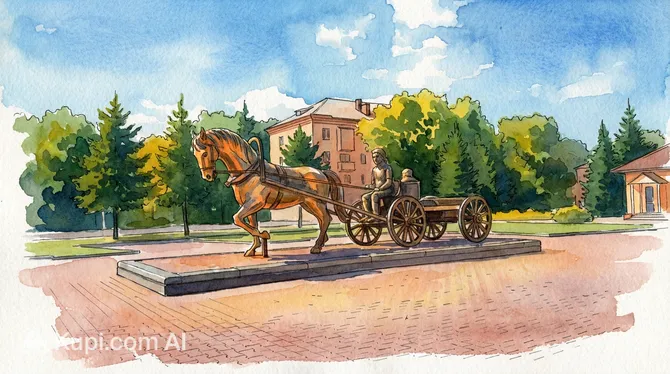
Birobidzhan. Illustration.
Source: Kupi.com AI

Among the key features of Birobidzhan is its unique status as the center of Jewish autonomy, which is reflected in its architecture, monuments, and cultural life. A must-visit is the Birobidzhan "Beit Menachem" Synagogue, which serves as both a religious and an important cultural site. Stroll through the central streets to see the monument to Sholem Aleichem, the famous Yiddish writer whose name is inextricably linked to the idea of creating a Jewish cultural hearth in the Far East. Also of interest is the Regional Lore Museum, where you can learn more about the history and traditions of the region.

Birobidzhan is a city that offers more than just sights. It is an opportunity to touch a unique page of history and culture. Come and discover this hospitable and distinctive corner of the Far East!

You can find more interesting facts on the history of Birobidzhan page.

Weather Overview

The weather in Birobidzhan is characterized by significant seasonal fluctuations. Expect warm summers with occasional rain and very cold, mostly dry winters. The average temperature in July, the warmest month, is about +21.7°C, with rain possible as it is one of the wettest periods with roughly 15 rainy days. January, conversely, is the coldest month with an average temperature of around -21.5°C and minimal precipitation. Spring and autumn are transitional seasons with gradual temperature changes and moderate precipitation. For more detailed information on weather conditions, you can visit the Climate of Birobidzhan page.

Average monthly temperature

Average monthly precipitation

Interesting Facts

In addition to its well-known attractions, Birobidzhan holds many surprising details and facts that make it truly special. Here are just a few that offer a fresh look at this Far Eastern city:

  • On the streets of Birobidzhan, you can see a phenomenon unique to Russia: bilingual signs. The names of streets and government institutions are duplicated in Russian and Yiddish, emphasizing the city's special status as the center of the Jewish Autonomous Oblast.

  • The city still publishes one of the world's oldest Yiddish newspapers—"Birobidzhaner Shtern," which translates to "The Birobidzhan Star." This is a living testament to the preservation and development of Jewish culture in the region.

  • The city got its unusual name from two rivers—the Bira and the Bidzhan. The Bira River, on whose banks Birobidzhan is located, is an important waterway for the region and a scenic ornament of the city.

  • Birobidzhan is the capital of the Jewish Autonomous Oblast. This is the only official Jewish administrative-territorial entity in Russia. After the establishment of the State of Israel, the JAO became a unique global example of Jewish autonomy existing within another state.

How to Get There

When planning a trip to the capital of the Jewish Autonomous Oblast, it is helpful to research the route in advance. You can find all ways to get to the city on our detailed page. Below, we look at the main transport hubs through which tourists typically arrive in this region.

Birobidzhan itself does not have a civilian airport that handles regular passenger flights. The main air gateway for travelers is Khabarovsk Novy Airport (IATA: KHV), located in the neighboring city of Khabarovsk. It is approximately 169 km from Birobidzhan. This is a major transport hub receiving flights from many cities across the country. A trip from the airport to Birobidzhan by taxi or intercity bus usually takes about 2.5–3 hours. You can find detailed information about Khabarovsk Airport.

There are also geographically close airports in China, such as Fuyuan Dongji Airport (IATA: FYJ) in the city of Fuyuan (about 124 km) and Jiamusi Dongjiao Airport (IATA: JMU) in the city of Jiamusi. However, keep in mind that they are in another country, and a route through them will require crossing an international border. You can find more details about these airports here: Fuyuan Dongji Airport and Jiamusi Airport.

For clarity, here is summary information on the main airports:

AirportPassenger trafficDistance
Fuyuan Dongji Airport200 000124 km
Khabarovsk2.4 mln169 km
Jiamusi Airport1.0 mln284 km

Railway travel is one of the most popular and convenient ways to reach the city, as the Trans-Siberian Railway passes through it. The main station where most trains arrive is Birobidzhan-1. It is located directly within the city limits, just 0.7 km from the center, making arrival very comfortable. From the station, you can reach your hotel on foot or by taxi in a matter of minutes.

If direct tickets are unavailable, a convenient transfer option is the Khabarovsk-1 station in Khabarovsk, located about 161 km from Birobidzhan. This is a large railway hub with high passenger traffic, with regular suburban trains and long-distance trains running to Birobidzhan. Travel time by train between these cities is about 2–3 hours.

Below is a table with nearby and significant railway stations:

StationPassenger trafficDistance
Birobidzhan-1 Station550 0001 km
Birakan Station91 km
Izvestkovaya Station103 km
Kuldur Station105 km
Brusit Station105 km
Lagar-Aul Station127 km

Main Attractions

In addition to the iconic sites already mentioned, Birobidzhan offers travelers other interesting spots that reveal different facets of its character. These attractions allow for a deeper immersion into the city's atmosphere, everyday life, and cultural diversity.

One such place is the Bira River Embankment. It is not just a picturesque waterfront area, but also a favorite spot for locals and visitors to stroll. Here you can enjoy the calm flow of the river that gave the city half of its name, admire the views, or simply take a break from the urban bustle. It is especially pleasant to spend time here on warm summer evenings while watching the sunset.

For lovers of art and culture, a visit to the Regional Philharmonic is a great addition to the itinerary. As a key cultural institution of the Jewish Autonomous Oblast, it regularly delights audiences with various concert programs—ranging from classical music to performances by local and visiting ensembles. Checking the Philharmonic's schedule will help you better understand the cultural richness of life in Birobidzhan and perhaps attend a vibrant event.

An iconic symbol greeting many guests, especially those arriving by train, is the "Menorah" monument located on Station Square (Privokzalnaya Ploshchad). This majestic seven-branched candelabrum is not only a striking piece of monumental art but also carries deep meaning, reflecting Birobidzhan's unique status as the center of Jewish culture in the Far East. A photo in front of this monument is a great souvenir of a visit to this distinctive city.

Local Cuisine

The gastronomic scene in Birobidzhan is an intriguing weave of Russian, Far Eastern, and, of course, Jewish culinary traditions. This unique combination makes exploring the local cuisine an essential part of any trip to the capital of the Jewish Autonomous Oblast. Here, you can taste familiar dishes as well as discover new flavors.

Among the dishes you should definitely try in Birobidzhan, Jewish specialties hold a special place. Look for gefilte fish—stuffed fish prepared according to traditional recipes, often served cold. Another iconic dish is forshmak, an appetizing snack made from minced herring. You may also find different types of tzimmes (a sweet vegetable stew) or chicken dishes prepared according to Jewish culinary customs. Naturally, there are also Russian classics: hearty pelmeni (dumplings), rich soups, and various dishes made from local river fish.

Regarding drinks, traditional Russian non-alcoholic options such as kvass and mors (berry drink) are popular in Birobidzhan, especially during the warmer months. Tea is drunk everywhere, often with local herbs or berries. As for alcoholic beverages, as in all of Russia, you can find vodka and various tinctures. Some establishments may also offer locally brewed beer.

Dining culture in Birobidzhan is quite diverse. Locals and tourists can find establishments for every taste and budget: from cozy cafes for a quick bite to restaurants offering a more substantial menu with Russian and Jewish cuisine. While specialized kosher restaurants may be few, elements of Jewish cooking are often integrated into the menus of many establishments. Overall, the city's gastronomic atmosphere is hospitable and inviting, offering travelers both home-style and more refined meals.

Travel Tips

Planning a trip to Birobidzhan? Wonderful! To ensure your journey through this unique city in Russia is as comfortable as possible and leaves only pleasant impressions, we have prepared some practical tips. They will help you navigate the local scene and avoid possible inconveniences.

  1. Seasonal Wardrobe and Essentials: The climate in Birobidzhan is continental: summers are warm and sometimes hot, while winters are freezing and snowy. In summer, bring light clothing, but don't forget a sweater or windbreaker for evening walks and in case of rain. In winter, warm outerwear, a hat, scarf, gloves, and insulated boots are essential. Comfortable walking shoes are a must year-round. If you plan to visit the synagogue, women are advised to cover their shoulders and knees, and men should cover their heads (kippahs are often provided at the entrance). Don't forget a universal adapter for electronics if your plugs differ from Russian ones.
  2. Getting Around: Birobidzhan is relatively small, and the center is pleasant to explore on foot. The main types of public transport are buses and marshrutkas. For taxis, it is convenient to use popular Russian mobile apps (like Yandex Go) or local taxi services. Renting a car might be unnecessary for travel within the city, but it could be useful if you plan to explore the surrounding areas of the Jewish Autonomous Oblast.
  3. Financial Matters: The official currency is the Russian ruble (RUB). You can exchange currency at banks. "Mir" system bank cards are accepted everywhere. UnionPay cards may also be accepted in some places. Please note that Visa and Mastercard cards issued outside of Russia may not work due to restrictions; check this in advance and carry enough cash. ATMs are available. Tipping in restaurants and cafes is usually 5-10% of the bill and is at your discretion, but always appreciated for good service.
  4. Health and Safety: There are pharmacies in Birobidzhan, and some may be open 24/7 (it's best to check addresses in advance). Tourists are advised to have an insurance policy for medical assistance. The city is generally considered safe, but standard precautions apply: keep an eye on your belongings in crowded places and avoid poorly lit or deserted areas after dark.
  5. Language and Connectivity: The official language is Russian. Although Birobidzhan is the center of the Jewish Autonomous Oblast and some signs are in Yiddish, Russian is the primary language of communication. The level of English proficiency among the local population may be low, especially outside of tourist infrastructure. Learning a few basic phrases in Russian is always appreciated. A local SIM card with internet access can be purchased at mobile stores. Wi-Fi is available in many cafes, restaurants, and hotels.
  6. Local Etiquette and Communication: Be polite and friendly when interacting with locals. A standard greeting is a handshake (especially between men). It is customary to behave with restraint in public places. If you want to take a photo of someone, it is better to ask for permission. Residents of Birobidzhan are usually hospitable and happy to help if you ask a question.
  7. What to Avoid: Try to avoid heated political discussions if you are unsure of the context. Also, as in many Russian cities, excessively loud behavior or open consumption of alcohol in non-designated public areas can be perceived negatively and may even lead to issues with law enforcement.
  8. The Essence of Birobidzhan: Be sure to take time to feel the unique atmosphere of the city, where Russian and Jewish cultures merge. Notice the architecture, the monuments, and even the street names. Visiting the local market can be an interesting experience—you can find fresh products and chat with vendors to feel the local flavor.

We hope these tips make your stay in Birobidzhan even more pleasant and rewarding. The city will gladly reveal its unique sides to you. We wish you an unforgettable journey!

Entertainment & Nightlife

In the evening, Birobidzhan offers its guests various opportunities for relaxation and entertainment, albeit in a calmer and more intimate setting than in bustling metropolises. Nightlife here is generally concentrated in the city center and geared more toward locals, giving it a special, authentic feel.

The main venues for evening leisure in Birobidzhan are various cafes and bars. Many of them stay open until late and offer a cozy atmosphere for meeting friends or relaxing quietly. Some venues may transform into small dance floors on weekends or offer live music. There are few full-scale nightclubs in the European sense, and their operation often depends on the season and day of the week. The atmosphere in such places is usually friendly and informal, without a strict dress code. Most activity typically starts around 10:00 PM–11:00 PM and lasts until 2:00 AM–3:00 AM.

The main magnets for evening entertainment are usually found along central streets, such as Sholem Aleichem Street and the surrounding areas. Here you can find establishments with a variety of music and drinks. Since a specific list of venues (e.g., from a CSV file) was not provided, we recommend that tourists check local online event listings or ask residents for current popular spots once they arrive.

The average bill in Birobidzhan's bars and cafes is generally moderate, making evening outings quite affordable. For getting around the city at night, taxis are the most convenient option. It is recommended to use official taxi services or verified mobile apps. The central districts of Birobidzhan are generally considered safe for evening walks; however, as in any city, standard precautions should be taken: avoid poorly lit and deserted areas, especially when alone.

As for daytime entertainment, Birobidzhan offers a rich cultural program. You can visit the Regional Lore Museum to learn about the history of the region or the JAO Museum of Modern Art. Those who enjoy outdoor walks will appreciate the city parks. Theatrical life is represented by performances at the Regional Philharmonic, where you can enjoy concerts and plays. These cultural sites will help you get to know the city better before diving into its evening atmosphere.

Overall, evening Birobidzhan offers a peaceful and soulful experience. It is a great opportunity to spend time in good company, enjoy the local atmosphere, and end a busy day at one of the city's cozy establishments, discovering its nightlife without any excessive fuss.

Parks & Museums

Birobidzhan delights its guests not only with its unique history but also with opportunities for cultural enrichment and outdoor recreation. The city offers both cozy green corners for leisurely strolls and educational museums, each reflecting its original spirit and rich heritage in its own way.

Among the city's green zones, the City Park of Culture and Leisure holds a special place. It is a traditional gathering spot for locals and tourists, where you can enjoy fresh air, walk along well-kept alleys, or simply relax on a bench. For families with children, rides and playgrounds are often available. Another favorite spot for walking is the Bira River Embankment. It offers scenic views of the river that gave the city part of its name and is a wonderful place for an evening promenade or a morning jog, allowing you to feel the tranquility and beauty of Far Eastern nature within the city limits.

A cultural itinerary in Birobidzhan is unthinkable without visiting its museums. The key institution is the Regional Lore Museum. Its exhibits cover the history of the Amur region's development, the nature of the Jewish Autonomous Oblast, the life and culture of indigenous peoples, and the unique path of the region's formation as a center of Jewish culture in the Far East. It is a great place to gain a deep understanding of Birobidzhan's history and identity. For lovers of visual arts, the JAO Museum of Modern Art will be of interest, featuring works by local artists and masters from other regions that reflect current creative pursuits and cultural diversity.

One cannot overlook the Birobidzhan "Beit Menachem" Synagogue. While it is an active religious center, it also performs an important cultural and educational function. Visitors can learn more about the traditions of Judaism and the history of the city's Jewish community. The city's architectural face is complemented by iconic monuments, such as the statue of writer Sholem Aleichem and the majestic "Menorah" on Station Square, which have become symbols of Birobidzhan.

For those seeking authentic experiences, we suggest not limiting yourself to the central streets. Peek into quiet city courtyards to see the everyday life of Birobidzhan, or visit the Regional Philharmonic to appreciate the local cultural scene. Sometimes the most vivid impressions are hidden in details not always found on standard tourist routes.

Getting Around

Getting around Birobidzhan is quite simple thanks to the established public transport system. The backbone of the city's transport network consists of buses and marshrutkas (shuttle buses), which cover most districts and connect the center with the outskirts. Given the city's size, there are no subways, trams, or trolleybuses, but the existing bus network handles the passenger flow well, allowing residents and guests to reach their destinations.

The fare payment system in Birobidzhan's public transport is quite traditional. Typically, payment is made in cash directly to the driver or conductor (if there is one on the route) upon entering or, less frequently, upon exiting the vehicle. The fare is usually fixed and very affordable. Currently, information on the widespread use of specialized long-term transport cards or mobile app payments for public transport in Birobidzhan is limited, so tourists are advised to carry small denominations of cash for convenience.

Bus or marshrutka tickets, if issued, are generally purchased right inside the vehicle. Validation usually consists of the act of paying the fare. Public transport in Birobidzhan usually starts running early in the morning (around 6:00–7:00 AM) and operates until late evening (approximately until 9:00–10:00 PM). However, exact schedules and intervals may vary depending on the specific route, day of the week (transport runs more frequently on weekdays than on weekends or holidays), and season. It is recommended to check the current schedule at stops or ask locals, especially if you plan to travel in the early morning or late evening hours.

In addition to public transport, you can always use taxis to get around Birobidzhan. Both local taxi fleets and popular Russian ride-hailing apps operate in the city, which is a convenient option, especially in the evening or when traveling with luggage. For short distances, especially in the central part of the city where the main attractions are concentrated, a walk is an excellent option. This is not only healthy but also allows you to get better acquainted with the atmosphere of Birobidzhan. Car-sharing options or a widely developed city bike-rental network may currently be limited in Birobidzhan, so buses, marshrutkas, and taxis remain the primary choices for most trips around the city.

Accommodation

Birobidzhan offers guests a variety of accommodation options capable of satisfying the needs of both budget travelers and those who prefer more comfort. In the city, you can find budget options such as hostels or guest houses, as well as mid-range hotels offering standard services. Short-term apartments are also available for rent, which can be a convenient choice for families or groups planning a longer stay.

When choosing a place to stay, tourists should look at the central districts of Birobidzhan. Staying here provides easy access to main attractions, cultural sites, shops, and cafes. Proximity to the Birobidzhan-1 Railway Station, an important transport hub, can also be a significant factor for those arriving by train or planning further travel around the region.

Birobidzhan naturally has hotels offering different levels of service. Since no specific list of hotels was provided for this request, we cannot list specific examples with links. To choose the most suitable option, we recommend using popular online booking services or reading reviews from other travelers.

Regarding booking, it is highly recommended to arrange your accommodation in advance, especially during major city events or peak tourist seasons. This will help you select the best option in terms of price and quality. Prices for accommodation in Birobidzhan vary from very affordable in hostels to moderate in mid-level hotels. There may be few luxury resorts or premium hotels given the city's size and tourist flow. Booking is convenient through well-known online platforms or, in some cases, directly via hotel websites or by phone.

Nearby Cities

For those looking to explore the surroundings, Birobidzhan serves as an excellent starting point for day trips to several interesting nearby locations:

CityPopulationDistance
Fuyuan480 000112 km
Tongjiang180 000131 km
Obluchye8 540140 km
Khabarovsk616 242161 km
Fujin470 000184 km

These nearby destinations offer insight into the region's diverse culture and landscapes. A trip to Khabarovsk, a major administrative and cultural center of the Far East, will introduce you to its rich history and the Amur River embankment. Komsomolsk-on-Amur is interesting for its industrial history and architecture. Blagoveshchensk, located on the border with China, attracts visitors with its unique blend of Russian and Asian cultures. Smaller cities like Belogorsk and Svobodny can offer a more peaceful getaway and a look at life in the Russian heartland.

Shopping & Souvenirs

Shopping in Birobidzhan is more about practical purchases and finding unique local souvenirs than chasing global brands. The city is not a major fashion hub, but you can buy everything you need and bring home something that reflects its distinctive character—an interesting mix of Russian Far Eastern culture and Jewish traditions.

The main shopping areas of Birobidzhan are concentrated in the city center. Stroll along Sholem Aleichem Street and adjacent streets, such as Prospekt 60-letiya SSSR. Here you will find various shops: from grocery and hardware stores to clothing, footwear, books, and electronics. These are typically small local outlets and some federal chains.

There may be few of the large multi-story shopping malls common in megacities. However, the city has local shopping centers and department stores where different departments—from clothing and cosmetics to household appliances—are gathered under one roof. These complexes are usually located in busy areas and are popular shopping spots for locals.

The central market occupies a special place in the commercial life of Birobidzhan, as it does in many Russian cities. Here you can always find fresh local products: vegetables, fruits, meat, fish, and dairy. In addition to the food stalls, the market often features non-food items—clothing, shoes, household goods, and sometimes small souvenir stands. Visiting the market is also an opportunity to immerse yourself in the local atmosphere and chat with vendors.

For souvenirs from Birobidzhan, look for items reflecting its unique status. These could be objects with Jewish symbols (e.g., decorative menorahs, hamsas, souvenirs with Yiddish inscriptions), books on the history of the Jewish Autonomous Oblast, and magnets or postcards with city views (such as the Sholem Aleichem monument or the Menorah on Station Square). Also of interest are crafts by local artisans or traditional Far Eastern products if available—such as local honey, pine nuts, or taiga teas.

Most shops in Birobidzhan follow a standard schedule: approximately from 10:00 AM to 7:00 PM or 8:00 PM. Large supermarkets and some shopping centers may have longer hours, such as until 9:00 PM or 10:00 PM. Some small grocery stores may be open 24/7. The main method of payment is Russian rubles (cash). "Mir" system bank cards are accepted almost everywhere. UnionPay cards may be accepted at some outlets. It is important to remember that Visa and Mastercard cards issued outside of Russia will likely not work due to current restrictions, so it is recommended to carry a sufficient supply of cash or a "Mir" card.

The possibility of Tax Free shopping for foreign tourists in Birobidzhan is likely limited. The Tax Free system in Russia operates in specific stores, usually in major cities and for significant purchase amounts. If you make a large purchase in a big store, you can ask the seller about this possibility, but do not count on it as a standard service in most of the city's retail outlets.

Reached the end of the page?

That means the route is fully explored