Support

Hluhluwe

Attractions

About

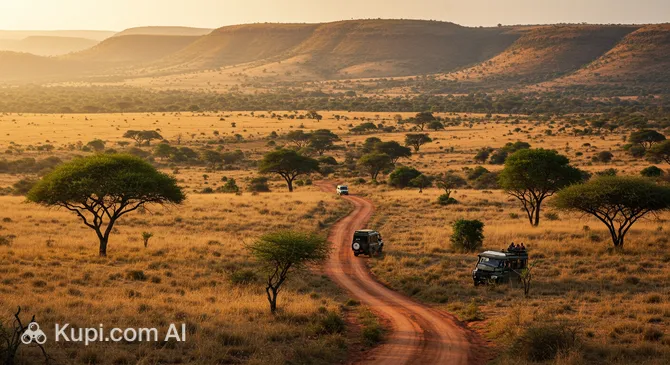
Hluhluwe is a true African oasis, nestled among the green hills and endless savannas of KwaZulu-Natal province. This small but colorful town in eastern South Africa serves as the main gateway to the world of wildlife and authentic Zulu culture. An atmosphere of tranquility and the anticipation of adventure reigns here, and every sunset paints the sky in incredible shades unique to this continent.

Hluhluwe. Illustration.
Source: Kupi.com AI

The main point of attraction for travelers is its proximity to the legendary Hluhluwe–Imfolozi Park. The history of Hluhluwe is inextricably linked with this reserve, which is considered the oldest in Africa and was founded back in 1895. It is here that tourists have a unique chance to encounter the famous "Big Five": elephant, lion, leopard, buffalo, and rhino in their natural habitat.

In addition to exciting safaris, the region offers a deep dive into local traditions. Travelers can visit cultural villages, learn about the life and legends of the Zulu people, and taste exotic dishes of the local cuisine. Evenings here are usually spent by the fire under the starry sky, enjoying the aroma of a traditional African barbecue.

Hluhluwe is worth visiting to feel the rhythm of real Africa, where nature dictates its own rules. It is an ideal destination for those seeking unity with the world around them and dreaming of taking home vivid memories of a wild and beautiful land.

Weather Overview

The climate in this region is subtropical, providing comfortable travel conditions almost year-round. Expect warm and humid summers followed by mild and dry winters, which are considered one of the best periods for animal observation.

The summer months (December to February) are the hottest here: the average temperature stays around 25°C, and during the day the air often warms up to 28°C. This time of year is also the richest in rainfall—January and February can have up to 14–16 rainy days, which makes the savanna emerald green.

In winter, from June to August, it becomes cooler and drier. Daytime temperatures remain pleasant, ranging from 19–23°C, but nights can be fresh, with a minimum around 14–15°C. There is very little precipitation during this period, especially in July.

To properly plan your safari wardrobe and choose the ideal season for your trip, you'll find a detailed monthly weather in Hluhluwe very useful.

Average monthly temperature

Average monthly precipitation

Interesting Facts

Besides its main attractions, Hluhluwe holds many fascinating secrets that reveal themselves only to inquisitive travelers. This region surprises not only with its wildlife but also with its unique achievements in environmental protection and unexpected craft traditions.
  • World center for rhino rescue. It was here, in the local national park, that one of the most successful species conservation operations in history unfolded. At the beginning of the 20th century, only a few dozen southern white rhinos remained, but thanks to the efforts of local specialists, their population was restored to thousands of individuals, saving the species from total extinction.

  • The continent's oldest reserve. Hluhluwe–Imfolozi Park proudly holds the title of the oldest in Africa and the second oldest in the world. It was founded in 1895 and to this day remains a benchmark for wildlife protection, inhabited by the famous "Big Five" and over 340 bird species.

  • Gastronomic and craft surprises. The town's surroundings are famous not only for safaris but also for their farms. Here you can find productions making cheeses according to old Swiss recipes, brewing local beer, and growing exotic fruits. Additionally, the region is known for artisans who conduct masterclasses in glassblowing and leatherworking.

  • Seclusion in the heart of nature. Unlike many other popular African reserves, the local landscapes with hills and thick acacia thickets allow you to avoid tourist crowds. This place is perfect for those who want to enjoy the silence and feel like an explorer.

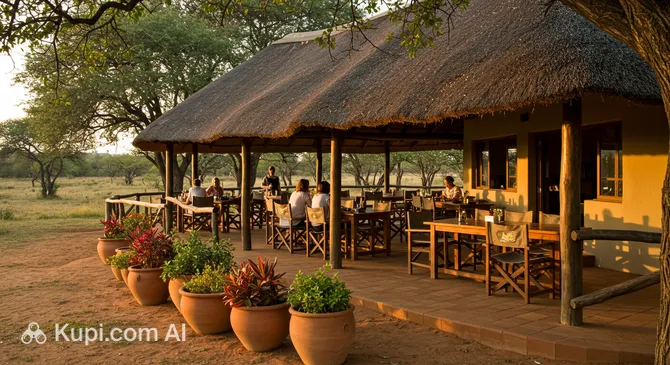
Hluhluwe Hotel Restaurant. Illustration.
Source: Kupi.com AI

Traveler photos:

How to Get There

When planning a trip to the heart of Zululand, keep in mind that a direct flight to the town is not possible. Nevertheless, getting here is easy if you use one of the region's major aviation hubs and continue your journey along scenic roads. You can find all the ways to get to the city on a separate page, and below we will look at the most popular options.

There is no airport in Hluhluwe itself, so most tourists choose to fly into King Shaka International Airport (DUR), located in Durban. This is the main international hub of the province, located about 210 km from Hluhluwe. A trip from here by rental car or taxi along the N2 highway will take about 2.5–3 hours. This is the most comfortable and reliable route, as the airport receives many flights and offers excellent service.

Geographically, the closest is King Mswati III International Airport (SHO) in Manzini, at a distance of about 193 km. However, keep in mind that it is located in the neighboring Kingdom of Eswatini, which will require crossing a national border. Another option is flying into Maputo International Airport (MPM) in Mozambique (235 km from Hluhluwe), but this route also involves passing through border control.

For clarity, here is a summary of the main airports:

AirportPassenger trafficDistance
Richards Bay Airport35 00082 km
King Mswati III International Airport70 000193 km
King Shaka International Airport5.0 mln209 km
Maputo International Airport1.1 mln235 km
Pietermaritzburg Airport144 458257 km

Rail connections to Hluhluwe for passenger transport are practically non-existent, and there are no convenient stations nearby. The main way to move around the region remains by car. After arriving at one of the airports, it is highly recommended to rent a car: this will give you the freedom of movement to visit national parks and reserves, where public transport runs very rarely.

Main Attractions

Hluhluwe is not just a point on the map, but a center of attraction for everyone who dreams of seeing wild Africa in all its glory. The main attractions of the city and its surroundings are related to unique nature, the protection of rare animal species, and the cultural heritage of the region. There are no noisy entertainment centers here, but there are places where you can lock eyes with a cheetah or see herds of elephants at a watering hole.

The undisputed leader among tourist spots is Hluhluwe–Imfolozi Park. It is the oldest proclaimed nature reserve in Africa, known worldwide for its successful white rhino rescue program. The park's hilly landscapes are incredibly picturesque and differ from the familiar flat savannas. People come here for safaris to see the "Big Five" and enjoy untouched nature, where animals feel like the rightful owners.

For those who want to learn more about predators, the Emdoneni Cheetah Project is a must-visit. This is not a zoo, but an educational center dedicated to the care of orphaned or injured animals, such as cheetahs, servals, caracals, and African wild cats. Visitors can not only learn about the habits of these graceful animals but also be present during their feeding, which leaves an unforgettable impression.

Reptile lovers should stop by Zulu Croc park. This place offers a safe but exciting experience of observing Nile crocodiles and various species of snakes. During tours, guides share amazing facts about the lives of these ancient creatures, and the brave can even hold small reptiles in their hands under the supervision of specialists. This is a great opportunity to dispel myths about Africa's cold-blooded inhabitants.

To touch the local culture and take home a piece of Zulu craftsmanship, visit the Ilala Weavers center. It houses a museum of traditional weaving, as well as workshops where the famous baskets and beadwork jewelry are created. This place allows for a deeper understanding of the life and art of the Zulu people, and offers the chance to purchase high-quality authentic handmade souvenirs.

Local Cuisine

The gastronomic scene in Hluhluwe is a fascinating journey where authentic Zulu traditions and European influences intertwine. Food here often becomes an extension of the safari: many dishes are prepared over an open fire, and dinners take place under the sounds of the night savanna. The local cuisine is simple, hearty, and incredibly aromatic thanks to the use of fresh farm products and spices.

The main delicacy that every tourist should definitely try is biltong. This dried meat, made from beef, ostrich, or game, is considered the perfect snack for long bush drives. For those who love the exotic, local chefs offer bolder options: spicy antelope curry or tender crocodile roast. A special place on the table is occupied by traditional meat and vegetable stews, which are slowly simmered in cast-iron three-legged pots over coals.

Hluhluwe Hotel Restaurant. Illustration.
Source: Kupi.com AI

Traveler photos:

Despite the distance from major cities, you can find amazing gastronomic treasures in the town's surroundings. Cheeses are produced here according to old Swiss recipes, which pair perfectly with local craft beer. On street stalls and in markets, there is always an abundance of fresh tropical fruits, homemade jams, and Zulu bread, cooked on steam or over coals.

The dining culture in Hluhluwe is mainly centered around lodges and hotels, where guests are offered a high level of service. For example, a popular spot for an evening meal is the Restaurant at the Hluhluwe Hotel, where you can enjoy dinner in a peaceful setting. If you are looking for a place for a quick and familiar snack for the whole family, you can stop by Wimpy—a well-known chain offering breakfasts and burgers. However, the most memorable experience will be a boma dinner under the open sky by the fire, often organized for safari park guests.

Travel Tips

A trip to Hluhluwe promises to be an exciting immersion into the world of wildlife, but for a comfortable stay in the heart of Zululand, you should consider a few important nuances in advance. These practical tips will help you avoid common mistakes, properly prepare for your safari, and enjoy your trip without extra worries.

  1. Clothing and equipment. The weather here can be changeable, so dress in layers. It can be quite chilly in an open jeep on an early morning safari—be sure to bring a fleece or windbreaker, while a light T-shirt and shorts will come in handy during the day. Opt for neutral-colored clothing (khaki, beige, brown) to avoid attracting insects or startling animals. Don't forget comfortable closed shoes, a hat, sunglasses, and high-SPF sunscreen.
  2. Transport issue. There is no public transport for tourists in the town itself or its surroundings, and taxi services are poorly developed. The only reliable way to get around is by renting a car. Note that traffic in South Africa is on the left. For trips to national parks, it's better to choose a vehicle with high ground clearance (a crossover or SUV) to feel comfortable on gravel roads and have a better view.
  3. Finances and payment. The national currency is the South African Rand (ZAR). Most lodges, supermarkets, and gas stations accept international bank cards, but cash is necessary. You'll need it for buying souvenirs at roadside markets, paying for small services, and tipping guides or car guards (it's customary to leave 10–15% of the bill). ATMs can be found in the town's shopping centers.
  4. Health and first aid kit. The Hluhluwe region is considered a low-risk malaria area; however, precautions are strongly recommended during the wet summer season. Consult a doctor before your trip and be sure to use high-quality mosquito repellents. There are pharmacies in the town's shopping centers, but they don't operate 24/7, so it's better to have a basic set of medicines with you.
  5. Communication and language. The main language of communication in the tourism sector is English; it's understood almost everywhere. Local residents speak Zulu, and you'll show respect if you learn the greeting "Sawubona" (Hello). For stable connection and internet, it's better to buy a local SIM card (Vodacom or MTN operators) upon arrival, as Wi-Fi in remote lodges can be slow.
  6. Rules of conduct in parks. While in the reserves, never exit your vehicle outside specially fenced picnic areas or viewing decks. Wild animals can be camouflaged in the grass just a meter away from you. It is also strictly forbidden to feed animals, especially monkeys and baboons: this makes them aggressive and dangerous to people.
  7. Safety. Hluhluwe is a fairly quiet town, but general precautions are necessary. Don't leave valuables, bags, or electronics in plain sight in your car, lock the doors while driving, and avoid walking in unlit areas after dark.
  8. Working hours. Life here is dictated by daylight hours. Shops in town often close as early as 17:00 or 18:00. Pay special attention to the national park gate times: entry and exit are strictly regulated, and being late can result in a fine; moreover, driving in the reserve after dark without a guide is prohibited.

By following these simple rules, you can feel confident and focus entirely on the main thing—observing majestic elephants and graceful giraffes. May your African adventure be safe, comfortable, and full of the most vivid discoveries!

Entertainment & Nightlife

The nightlife in Hluhluwe is fundamentally different from the usual rhythm of noisy metropolises. Here you won't find neon signs, night club districts, or discos until dawn. Evening entertainment in this corner of South Africa is inextricably linked to nature and the safari atmosphere. With the onset of darkness, the town plunges into silence, broken only by the sounds of the wilderness, and the cozy bars and restaurants at lodges and hotels become the centers of attraction.

The main points of social activity in the evenings are hotel bars. These are places where travelers from all over the world gather to discuss the animals seen during the day and share their impressions. The atmosphere here is always relaxed and friendly, with a dress code of "safari casual" or simply comfortable clothing. One of the most popular places for such a pastime is the Restaurant at the Hluhluwe Hotel. Here you can not only have dinner but also spend time at the bar, which often features quiet music and a menu with an excellent selection of South African wines and local beers.

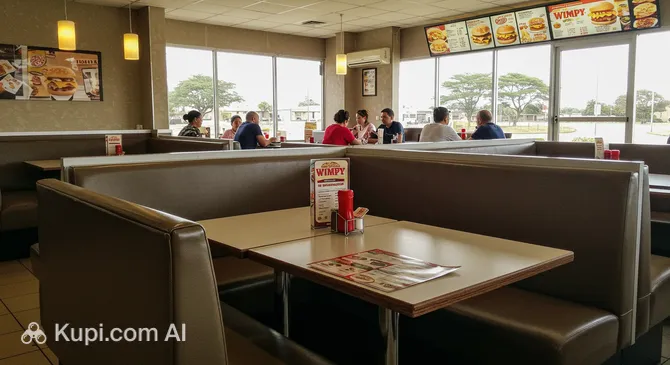
If you are looking for more familiar and quick food after a long day, you can stop by Wimpy. Although this establishment is better known as a daytime family restaurant, it remains one of the few places in town where you can have a predictable and hearty meal in the early evening, enjoying familiar service and a comfortable setting.

Wimpy. Illustration.
Source: Kupi.com AI

Traveler photos:

It is important to remember that the concept of "nightlife" ends quite early here. Most establishments close their kitchens around 9:00 PM or 10:00 PM. Some lodges organize traditional "boma" evenings—dinner under the open sky around a large fire. This is perhaps the most vibrant evening entertainment in the region: under the starry African sky, guests taste grilled meat and listen to stories from local guides.

Safety and transport are key aspects of evening recreation in Hluhluwe. It is categorically discouraged to walk on the city streets or outside the hotel grounds after sunset. This is due to both the crime situation and the risk of encountering wild animals that may approach populated areas. There is no public transport or standard taxi service at night. You should move between locations exclusively by rented car or use a transfer organized by your hotel.

As for daytime entertainment, it is educational in nature here. In their free time from safaris, tourists visit craft markets to buy Zulu souvenirs or go on excursions to cultural villages to see traditional dances. However, it is the evening gatherings by the fire or in the hotel bar that remain the primary way to relax and feel the unique rhythm of Zululand.

Parks & Museums

Hluhluwe is a place where the lines between city parks and wild nature are blurred, and the concept of a "museum" takes on a completely different meaning. Here you won't find classic exhibition halls with museum silence; instead, the history and culture of the region live under the open sky, and green zones are world-class protected areas where the main exhibits are centuries-old trees and rare animals.

The main natural landmark is undoubtedly Hluhluwe–Imfolozi Park. Although it is often mentioned as a safari destination, it should also be viewed as a grand natural monument. It is not just a territory with animals, but a complex ecosystem with hilly landscapes, dense forests, and river valleys. For tourists, it's an opportunity to see Africa as it was centuries ago. Entry through the Memorial Gate is very close to town, making the park accessible for daily visits.

Another important natural area in the vicinity is False Bay Park, part of the Isimangaliso Wetland Park, a UNESCO World Heritage site. It is located on the western shore of Lake St. Lucia. This place is unique because walking is permitted here, which is rare for reserves with large animals. Tourists come here for the Sand Forest—a rare type of vegetation—and to see fossils of ancient mollusks and ammonites right on the lakeshore.

The region's cultural heritage is best represented at the Ilala Weavers complex. This is more than just a souvenir shop; it houses a real museum of traditional Zulu weaving. The gallery contains an impressive collection of handmade baskets, some of which are historical artifacts. Visitors can watch artisans at work in real time, turning the visit into an interactive ethnography lesson. This place allows one to understand the deep symbolism of patterns and colors used in Zulu art.

For a full immersion in history, visit the DumaZulu Cultural Village. This is a "living museum" under the open sky, where the life of a traditional settlement (kraal) has been accurately recreated. There are no display cases—history is demonstrated through actions: spear making, pottery, beadwork, and energetic drum dances. This is a great opportunity for tourists to not just read a description plaque, but to personally touch the traditions of South Africa's largest ethnic group.

Lovers of more intimate natural zones will enjoy the private Bonamanzi Game Reserve. It is positioned as one of the best bird-watching spots in South Africa. The variety of biotopes—from savanna to forest—attracts ornithologists from all over the world. A boat trip on the Hluhluwe River in this area will bring peace and a chance to see crocodiles and hippos in a quiet setting.

Insider Tip: If you find yourself in the False Bay area, be sure to walk the Mpophu Trail. It is an easy route that doesn't require a guide but allows you to see many small antelopes, monkeys, and an incredible variety of butterflies while staying completely safe.

Getting Around

The public transport system in Hluhluwe differs significantly from the usual urban infrastructure of large metropolises. Here you won't find subways, trams, trolleybuses, or large municipal buses running on a strict schedule. The town is a small settlement geared toward car travelers, so transportation options for tourists without their own vehicle are extremely limited here.

The only form of mass public transport is minibus taxis. These are ubiquitous white minibuses that serve as the main means of transport for the local population. They connect the town center with surrounding villages and neighboring regions. These minibuses do not have fixed stops in the traditional sense: boarding and disembarking are carried out at the request of passengers or at informal transport hubs in the center.

The payment system in minibuses is extremely simple and conservative: only cash in local currency is accepted. No travel passes, transport cards, or mobile payment apps exist here. The fare is fixed and depends on the distance, with money passed directly to the driver or through the front passengers immediately after boarding. Prices are very affordable, but it can be difficult to find change for large bills, so it's better to have small change on you.

For most tourists, a ride in a local minibus taxi can be a real adventure, but not the most comfortable one. Drivers often have an aggressive driving style, and the cabins get packed tight. If you still decide to use this mode of transport for the local flavor, do so only during daylight hours and for short distances within the town. There's no need to validate anything—just take a free seat.

The main and most convenient alternative to public transport is renting a car. This is virtually a mandatory condition for a full holiday in the region, as most reserves and attractions are otherwise impossible to reach. Private transfer services provided by hotels and lodges are also widely available. This is the safest and most reliable way to get from the airport or go out for dinner if you are not driving.

It is worth considering that popular app-based taxi services (like Uber or Bolt) practically do not work in Hluhluwe due to the specifics of the region and low population density. You should not rely on them. Car-sharing and bike rentals as urban services are also absent here. Walking long distances is not recommended, especially in the evening, for safety reasons.

Accommodation

The choice of accommodation in Hluhluwe and its surroundings directly depends on the goals of your visit and your budget. Since the town is a tourist hub for safari enthusiasts, it offers a wide range of accommodation options: from budget guesthouses and campsites to luxurious private lodges offering all-inclusive service.

Geographically, accommodation options can be divided into two main categories: within the town limits and outside, closer to nature. Hotels and guesthouses in Hluhluwe town itself are convenient for logistics: supermarkets, gas stations, and the exit to the main N2 highway are nearby. This is an excellent choice for those planning a budget trip, traveling by rental car, and intending to visit the park independently at dawn.

If you want a full immersion in the African atmosphere, you should consider staying in the surrounding areas—in private game reserves or bush camps. Such lodges are often located in thick bush, and wild animals like antelope or giraffes can come right up to your cabin. Many of them are located along the road to the Memorial Gate of the Hluhluwe–Imfolozi Park.

Booking Tip: Demand for accommodation here is extremely high, especially during school holidays in South Africa and during the dry winter season (from June to August). It is recommended to book your accommodation 3–6 months before your trip. This especially applies to the state-run campsites inside the national park itself, which sell out instantly.

The price range varies significantly. Budget options (hostels and B&Bs) are inexpensive, while prices for staying at exclusive safari lodges can be comparable to the world's best resorts, as they often include meals and guided safari drives. It is most convenient to book through major international online platforms or directly on the lodges' websites.

Nearby Cities

For those who want to explore the surrounding area, Hluhluwe serves as an excellent starting point for day trips to several interesting nearby locations:

One of the most popular destinations is Durban. This major port city and resort offers a striking contrast to the wild nature of the savanna. People come here to stroll along the famous Golden Mile beachfront, visit the massive uShaka Marine World theme park, or enjoy a unique cuisine that blends Zulu and Indian traditions. The trip takes some time, but the ocean breeze and urban rhythm are well worth it.

Much closer is Vryheid—a historically significant town that was once the capital of the tiny New Republic (Nieuwe Republiek). This place will interest lovers of history and architecture: buildings from the end of the 19th century have been preserved here, including the old Raadsaal (council building) and a fort. The town's surroundings are also rich in natural springs and small reserves.

Also noteworthy is Pietermaritzburg, the capital of KwaZulu-Natal province. Often called the "City of Flowers," it boasts one of the best botanical gardens in the country and magnificent red-brick Edwardian and Victorian architecture. Here you can visit museums, art galleries, and the statue of Mahatma Gandhi, whose history is closely linked to this place.

CityPopulationDistance
Dukuduku11 km
Phinda25 km
Mkuze13 27351 km
Ubombo56455 km
Richards Bay57 38784 km

These nearby destinations allow you to get a sense of the diverse culture and landscapes of the region.

Shopping & Souvenirs

Shopping in Hluhluwe is practical and ethnographic rather than recreational. You won't find fashion boutiques of global brands or huge multi-story malls here. The town functions as an important logistical hub for travelers heading to the national parks, so local trade is focused on replenishing food supplies, travel gear, and purchasing authentic handicrafts. It's the perfect place to buy everything needed for a savanna picnic or to find a unique handmade gift.

All the commercial life of the town is concentrated along the main transport artery—the R22 road and its intersection with streets in the town center. It is here, in the compact center, that the main shops, pharmacies, and service points are located. Tourists don't need to wander through neighborhoods: everything necessary is within walking distance or a couple of minutes' drive from the central traffic circle.

There are no large shopping malls in the traditional sense here, but there are several convenient open-type shopping complexes. The most notable is Hluhluwe Mall. This is a modern one-story complex housing large supermarket chains (such as SuperSpar or Shoprite), outdoor clothing stores, ATMs, and shops with essential goods. Here you can buy quality food, meat for a barbecue (braai), drinks, and even camping furniture.

The most colorful shopping awaits tourists at local markets and in specialized shops. Be sure to pay attention to the roadside markets on the way to the Memorial Gate of the Hluhluwe–Imfolozi Park. Here, local artisans sell their wares right under the open sky. Additionally, the region is famous for the Ilala Weavers center, which is not just a shop, but a huge shopping gallery with a wide choice of high-quality traditional Zulu crafts.

From Hluhluwe, it's worth bringing back souvenirs that reflect the soul of Zululand. The main pride of local craftsmen is Zulu baskets, woven from palm leaves and colored with natural dyes; they are considered among the best in the world. Also popular is beadwork jewelry (bracelets, necklaces) with complex geometric patterns carrying specific meanings. Gastronomy lovers should buy biltong (dried meat) and local grill spices.

Shops in town usually operate Monday to Friday from 08:00 to 17:00 or 18:00. On Saturday, the working day is often shortened to 13:00 or 15:00, and on Sunday, only large supermarkets are open (usually until lunch). Credit cards (Visa, MasterCard) are accepted without issues in shopping centers and large shops; however, for purchases at roadside markets and from private traders, you will definitely need cash Rands.

A value-added tax (VAT) refund system for foreign tourists is in place in South Africa. If you make purchases of more than 250 Rands in shops that issue Tax Invoices, you can claim back 15% of the cost when leaving the country. Be sure to keep your receipts and present them along with the goods at the specialized VAT Refund Office at the international airport, such as King Shaka Airport in Durban, before your flight.
Reached the end of the page?

That means the route is fully explored