Support

Mbabane

About

Mbabane is the calm and compact administrative capital of Eswatini, located in the picturesque Highveld highlands. The city is nestled in the foothills of the Drakensberg Mountains, which provides it with fresh air and a cooler climate compared to the country's lowland regions. With a population of about 95,000, it serves as the main political and service center, home to government institutions and business life.

Unlike bustling metropolises, Mbabane has a moderate pace of life. The city is not overloaded with industry, making it a pleasant place for walking. Tourists value it as a convenient strategic base for exploring the kingdom: from here, it is easy to reach the main natural and cultural locations, including the famous Sibebe Rock and the tourist hub of the Ezulwini Valley.
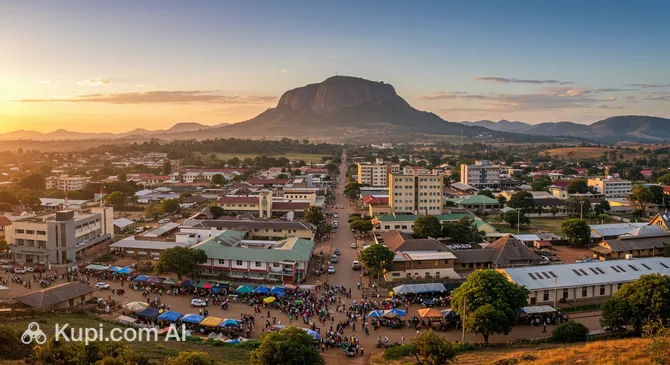
Mbabane. Illustration.
Source: Kupi.com AI

The city's rich historical heritage began to actively take shape at the turn of the 19th and 20th centuries when it became the administrative hub of the British protectorate. Today, modern architecture sits alongside colorful local markets, creating a unique look for an African capital.

We invite you to visit Mbabane to experience the hospitality of the Swazi people, enjoy the mountain landscapes, and discover the authentic culture of one of Southern Africa's smallest but most charming countries.
Weather Overview

The climate in Mbabane is noticeably milder and fresher than in the lowland regions of the country, thanks to its location in the Highveld highlands. The city is characterized by a moderately humid subtropical climate. Expect warm, rainy summers with frequent thunderstorms and cool, dry winters with clear sunny days but cold nights.

If you are planning a trip, keep in mind that the weather in Mbabane is highly seasonal: in January and February, the average maximum is around +25°C, while on winter nights in June and July, the temperature can drop to +6°C. Morning mists are a frequent occurrence in this region, giving the mountain landscapes a special air of mystery.

Due to the clear mountain air, the sun here is very strong, so travelers are advised to use sunscreen even in cool weather. The best time to visit is spring and autumn, when temperatures are most comfortable for walking the surrounding hills and sightseeing.

Average monthly temperature

Average monthly precipitation

Interesting Facts

  • Although the area was settled much earlier, the official history of Mbabane as a modern city dates back to 1902.

  • The capital was named after a local chief, Mbabane Kunene, who ruled the area when Europeans arrived.

  • The city is situated at an altitude of approximately 1,243 meters above sea level, making it one of the highest and coolest capitals in Southern Africa.

  • There is a beautiful version of the city's name translation from the local language—"valley of fast streams"—which highlights the picturesque mountain terrain of the area.

  • Mbabane became the administrative center of the British protectorate of Swaziland in 1903, replacing the city of Manzini in this role.

How to Get There

The transport accessibility of Mbabane is largely determined by its status as the administrative capital. While there is no major international airport within the city itself, it is connected by high-quality highways to key regional transport hubs. If you are planning a trip, more about how to get to the city can be found in current ground transport schedules.

The primary way to arrive from abroad is by flying into an airport in a neighboring country (most often South Africa) followed by a transfer by car or bus. Within the country, shared taxis (minibuses) are actively used, regularly running between the capital and other major settlements in Eswatini.

AirportPassenger trafficDistance
King Mswati III International Airport70 00057 km
Kruger Mpumalanga International Airport260 000105 km
Maputo International Airport1.1 mln150 km
Skukuza Airport146 000158 km
Singita Safari Lodge15 000171 km

Rail service in the region is limited and focused mainly on freight, so this mode of travel is practically non-existent for tourists. The main focus should be on road transport—rental cars or private taxis.

Travel from nearby tourist areas, such as the Ezulwini Valley, takes very little time, although small jams can occur at the entrance to Mbabane's administrative quarters during morning and evening rush hours. For travelers, the capital is convenient as it is the easiest place to find car rental points and travel agency offices.

Main Attractions

The main attractions of Mbabane are not limited to architectural monuments; they are largely natural sites and craft centers. One of the most famous locations in the vicinity is Sibebe Rock—a massive granite monolith considered the second largest in the world. Climbing it offers breathtaking views of the valleys and hills of the Hhohho District.

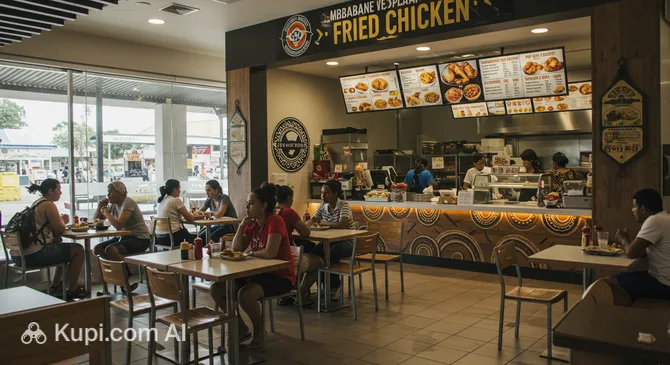
In the city center, the Mbabane Market often captures the attention of tourists. This is a lively and vibrant place where you can get a glimpse of the daily life of locals, purchase traditional medicinal herbs, fresh fruits, and unique handmade souvenirs. Also popular is Fried Chicken at Mbabane Plaza—an iconic spot in the city's main shopping center where you can grab a bite in a familiar setting.

Mbabane Plaza Fried Chicken. Illustration.
Source: Kupi.com AI

Traveler photos:

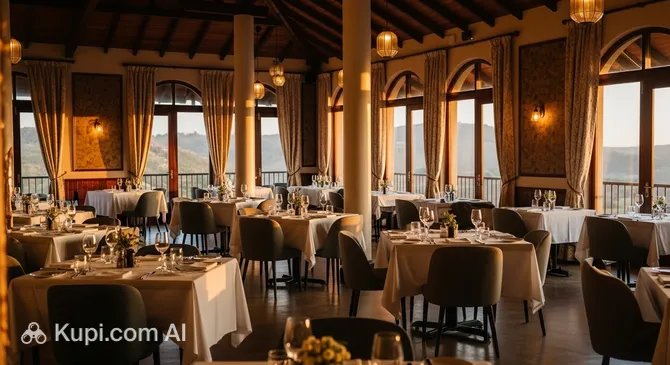
For those looking for evening entertainment and quality music, Solanis is well worth a visit. This venue is known as a cultural and entertainment hub that frequently hosts performances by local artists and DJs, allowing guests to immerse themselves in the modern atmosphere of the capital.

Solanis. Illustration.
Source: Kupi.com AI

Traveler photos:

Many travelers use Mbabane as a starting point for trips to the nearby Ezulwini Valley, which is home to national museums, royal residences, and cultural villages that complement the experience of visiting the capital.

Local Cuisine

Local cuisine in Mbabane is a harmonious blend of Swazi traditions and South African culinary influences. The staple of the diet is sishwala (a thick maize flour porridge), usually served with meat stews, vegetables, or thick sauces. City restaurants frequently feature beef and chicken dishes prepared over an open fire or slow-cooked in pots.

For a quick and popular bite, locals and tourists often head to Swazi Plaza, where the famous Fried Chicken at Mbabane Plaza is located. This spot is perfect for those wanting a familiar taste right in the middle of the city's hustle and bustle.

Mbabane Plaza Fried Chicken. Illustration.
Source: Kupi.com AI

Traveler photos:

If you're looking for a more atmospheric place where gastronomy meets entertainment, it's worth checking out Solanis. Here, you can not only sample local snacks but also enjoy drinks to the rhythms of modern African music. Among the drinks, be sure to try local beer or traditional ginger-based non-alcoholic beverages.

Solanis. Illustration.
Source: Kupi.com AI

Traveler photos:

Special attention should be paid to the city markets. This is where you can taste the most authentic street food and buy the freshest fruit grown in the fertile valleys of Eswatini. The city's culinary scene is constantly evolving, offering guests both traditional home-cooked meals and modern interpretations of African cuisine in hotel restaurants.

Travel Tips

Welcome to the capital of Eswatini! Preparing for your trip to Mbabane will help you feel confident and enjoy every moment in this mountain city.

  1. Clothing and essentials: Due to its high-altitude location, Mbabane is cooler than the rest of the country. Even in summer, bring a light jacket for evenings, and in winter, pack warm clothes as temperatures can drop significantly. For walking in the hills, comfortable shoes with good grip are essential.
  2. Transport: Taxis are the most convenient way to move around the city. For trips to neighboring towns, use minibuses ("combis"), but remember they only depart when full. For complete freedom, it's best to rent a car.
  3. Finance: The local currency is the Lilangeni (SZL), which is pegged to the South African Rand (ZAR) 1:1. Rands are accepted everywhere. Cards work in large shops and hotels, but always keep cash for markets.
  4. Health and Safety: The city is generally safe, but avoid walking alone at night in sparsely populated areas. Drink bottled water and use sunscreen even in cool weather.
  5. Communication: The official languages are SiSwati and English. English is widely spoken in government offices and tourist spots. Learn the simple greeting "Sawubona"—it always brings a smile to the locals.
  6. Local Etiquette: Swazis are very polite. Greeting is an important part of the culture. When giving or receiving items (like money in a shop), it is customary to use both hands or the right hand supported by the left at the elbow as a sign of respect.
  7. What to Avoid: Do not photograph government buildings, police, or military facilities without special permission—this can lead to legal issues.
  8. Specific Tip: Visit Mbabane during festivals (such as Umhlanga), but book accommodation several months in advance as the capital becomes the center of national celebrations.

May your journey to this amazing land be filled with bright discoveries and the warmth of meeting the local people!

Entertainment & Nightlife

Entertainment in Mbabane is characterized by a calm and local vibe. Unlike major global capitals, there isn't an endless row of nightclubs, but the city does offer several iconic spots for relaxation. The hub for evening leisure is Solanis—a popular venue where you can enjoy live music and DJ sets while meeting local youth.

Solanis. Illustration.
Source: Kupi.com AI

Traveler photos:

If you're looking for a more familiar fast-food format or a meeting spot in the center, stop by the Swazi Plaza shopping complex, home to Fried Chicken at Mbabane Plaza. This is one of the city's liveliest areas during the day and early evening, where life is always buzzing.

For those seeking grander entertainment, including casinos, spas, and upscale restaurants, locals recommend heading to the Ezulwini Valley, just a 15–20 minute drive away. This is where the region's main tourist infrastructure is concentrated, offering leisure for every taste.

Daytime entertainment in Mbabane itself involves strolling through local markets and visiting natural attractions like Sibebe Rock. Overall, the city's atmosphere is conducive to a safe and relaxed holiday, and taxis are easy to call through hotel receptions or find at designated stands in the center.

Parks & Museums

There are not many classic museum complexes in Mbabane itself, as the city is more focused on administrative functions. However, its surroundings offer unique natural areas that serve as alternatives to traditional parks. The main spot for outdoor recreation is Sibebe Rock—a giant granite hill located just a few kilometers from the center. It is an ideal place for hiking and bird watching, offering the best panoramic view of the capital.

The city's cultural life is closely linked to its markets, which function as open-air ethnographic galleries. At the Traditional Swazi Craft Markets, you can see the work of wood and stone carvers, as well as unique woven items. These markets are the best place to get acquainted with the living culture of the Swazi people, reflected in everyday objects and art.

If you are interested in modern culture and leisure, stop by Solanis, which often serves as a venue for creative meetings and cultural events. And for those who get hungry while exploring the city, the shopping center featuring Fried Chicken at Mbabane Plaza is a convenient stop between visiting administrative landmarks.

Mbabane Plaza Fried Chicken. Illustration.
Source: Kupi.com AI

Traveler photos:

For a full museum experience, travelers usually head to nearby Lobamba, home to the National Museum of Eswatini. However, it is Mbabane, with its mountain terrain and fresh Highveld air, that provides a sense of proximity to Africa's untouched nature right on the city's doorstep.

Getting Around

The public transport system in Mbabane is based on shared taxis (locals call them "combis") and private taxis. Minibuses are the most popular and budget-friendly way to get around both within the city and between settlements. The main minibus rank is in the city center, from where you can travel in any direction, including the Ezulwini Valley and Manzini.

For tourists, the most comfortable option is to use taxis. They are easy to find at designated ranks near major shopping centers like Swazi Plaza or can be booked through hotel reception. There are often no fixed metered rates, so it is advisable to agree on the fare in advance.

Payment in minibuses is made in cash to the driver or conductor. Keep in mind that combis depart only when full, so there may not be a strict schedule, though they run very frequently on major routes. During rush hours in the morning and evening, local congestion can occur at the entrances to the city center.

Walking in Mbabane can be challenging due to the hilly terrain and steep climbs, but the central part of the city is quite walkable. If you plan to actively explore the surroundings and natural attractions like Sibebe Rock, the most practical solution is to rent a car—this will give you full freedom of movement and comfort in the high-altitude conditions.

Accommodation

Visitors to Mbabane have a decent choice of accommodation options, primarily catering to business travelers and tourists using the city as a base. Cozy guest houses, mid-range city hotels, and apartments predominate here. Most high-quality accommodation options are concentrated in the city center and along the main roads leading to administrative buildings.

If you're looking for a place with rich history or modern amenities, look for hotels located on the heights: they offer beautiful panoramic views of the Highveld mountain slopes. In the heart of the city, places near shopping areas are popular, such as those near Swazi Plaza, where Fried Chicken at Mbabane Plaza is located.

Mbabane Plaza Fried Chicken. Illustration.
Source: Kupi.com AI

Traveler photos:

For those who prefer a more secluded stay or want to attend evening events like concerts at Solanis, consider guest houses in quiet residential neighborhoods. During the peak tourist season and during national holidays, it is recommended to book accommodation in advance, as the best options fill up quickly with business delegations.

It is also worth noting that many luxury resorts and spa hotels are located a 15-minute drive from Mbabane in the Ezulwini Valley. Many tourists choose to stay there, visiting the capital during the day to browse markets and handle administrative matters.

Nearby Cities

Mbabane serves as an excellent starting point for exploring the central part of the kingdom, thanks to its Highveld location and proximity to key cultural sites. Just 15 kilometers away is Lobamba—the country's spiritual and legislative capital. Here you can see the royal palace and visit the National Museum to dive deeper into Swazi traditions.

Thirty kilometers from the capital lies Manzini, Eswatini's main industrial and trade hub, famous for its busy markets. If you are looking for natural beauty and mountain landscapes, head north to the town of Pigg's Peak; the road there is renowned for its spectacular views and proximity to waterfalls.

CityPopulationDistance
Lobamba5 80015 km
Manzini110 50830 km
Piggs Peak5 75042 km
Barberton11 99763 km
Hlatikhulu2 74874 km

For longer trips, you might consider Barberton in neighboring South Africa or head south to Hlatikulu. Each of these destinations offers a unique look at the Southern African region, turning your stay in Mbabane into a rich and diverse adventure.

Shopping & Souvenirs

Shopping in Mbabane is an engaging mix of modern shopping centers and colorful African markets. The main place for daily shopping and meetings is Swazi Plaza. It is the city's largest shopping complex, where you can find everything from clothing and electronics to popular cafes like Fried Chicken at Mbabane Plaza.

Mbabane Plaza Fried Chicken. Illustration.
Source: Kupi.com AI

Traveler photos:

For those seeking authentic souvenirs, Mbabane Market is a must-visit. It offers a huge selection of handmade goods: the famous Swazi candles, woven baskets, beadwork, and wood carvings. By buying items at the market, you not only acquire a unique souvenir but also support local artisans.

Another interesting location is the Traditional Swazi Craft Markets, located on the outskirts of the city. These are ideal places to find ethnic decor and traditional clothing. The atmosphere here is more relaxed, allowing you to calmly appreciate the craftsmanship of local artisans.

Shops in Mbabane usually operate from 8:00–9:00 AM to 5:00–6:00 PM on weekdays, and close earlier on Saturdays. Large shopping centers may stay open later. Cards are accepted at many places, but for market purchases, it is essential to have cash—local Lilangeni or South African Rand.

Reached the end of the page?

That means the route is fully explored