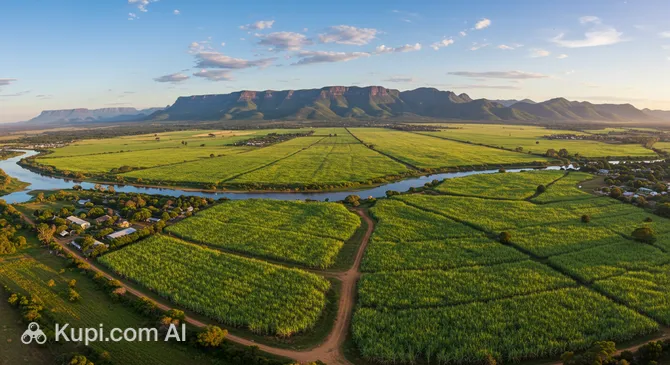
Malelane is a true gateway to the wild, nestled comfortably in the south of the Mpumalanga province. This picturesque town serves as the perfect starting point for travelers seeking to explore South Africa and its famous reserves. Situated on the banks of the Crocodile River, Malelane offers a unique combination of modern comfort and the pristine beauty of the African bush, where river inhabitants can be observed directly from the shore.
Malelane. Illustration.
Source: Kupi.com AI
Despite having a population of only about 22,778 people, the town boasts a dynamic atmosphere. Here, provincial tranquility blends harmoniously with a lively tourist scene. The history of Malelane is inextricably linked to the development of local agriculture and the town's emergence as an important hub for adventurers heading deep into the continent.
The main reason to visit these parts is its close proximity to the legendary Kruger National Park. In just a few minutes' drive from the town center, you can find yourself in the heart of the savannah to see the famous "Big Five" animals with your own eyes. In addition to thrilling safaris, the town is famous for its colorful sunsets, cozy cafes, and farmers' markets. Malelane is the ideal choice for those who dream of experiencing the real Africa without sacrificing safety and convenience.
Weather Overview
The climate in Malelane is subtropical, with distinct seasons, which is important to consider when planning your trip, especially if your goal is a safari. Summer here lasts from November to March and is characterized by high temperatures and humidity. The average temperature in these months stays around 25°C, with daytime maximums often reaching 29–30°C. This is the rainy season: for example, in December and January, up to 13–15 rainy days are recorded, turning the surrounding savannah into a green oasis.
The winter period, from June to August, by contrast, is considered the dry season. Rainfall during this time is practically absent (often 0 mm), forcing animals to gather at watering holes. Days remain sunny and pleasant with temperatures around 17–24°C, however, nights become cool, and the mercury can drop to 10–11°C. To plan your wardrobe accurately, we recommend checking what weather in Malelane is typical for your chosen month.
To sum up: expect hot summers with occasional tropical downpours and comfortable, dry winters with warm days and a refreshing chill at night.
Average monthly temperature
Average monthly precipitation
Interesting Facts
Beyond its main attractions and convenient location, Malelane holds several interesting features that make it a unique point on the map of South Africa. Here are a few curious facts about this town that might surprise you:
Golf in the Company of Wildlife. Malelane borders one of South Africa's most prestigious golf clubs — Leopard Creek Country Club. This course is known not only for hosting international tournaments but also for its unusual "spectators." Since the club is located on the bank of the river separating it from the national park, it’s common to see antelopes on the perfect greens, and hippos or crocodiles in the water hazards, giving the game a unique African flair.
"The Threshold of Adventure." The town holds the unofficial title of "Kruger's Gateway" thanks to the Malelane Gate checkpoint. It is one of the busiest and most convenient gates for entering the park, through which millions of tourists pass annually. For many travelers, this is where their first ever encounter with African wildlife begins.
Swazi Cultural Heritage. The surroundings of Malelane are a place where the traditions of the Swazi people are carefully preserved. Ancient customs are not forgotten here and manifest in everyday life, holidays, and crafts. Local markets are famous for handmade products, which are considered some of the best souvenirs in the Mpumalanga region.
Start of the Panorama Route. The town is often chosen as a strategic base for traveling along the famous Panorama Route. By staying here, tourists get a unique opportunity to combine a morning safari with a trip to the breathtaking views of the Blyde River Canyon and majestic waterfalls, all within reach for a day excursion.
How to Get There
Malelane enjoys a convenient location on the South African tourist map, serving as an important transport hub on the way to Kruger National Park. Travelers can choose various routes, but the fastest and most comfortable option remains a flight followed by a transfer. You can explore all ways to get to the city in more detail, while below we will cover the key nearby transport hubs.
The town of Malelane itself does not have its own airport, so most tourists fly into neighboring major cities. The most popular choice is Kruger Mpumalanga International Airport (IATA: MQP). It is located in the city of Mbombela, about 42.6 km from Malelane. This is a modern and busy aviation hub serving many flights. A trip from here by taxi or transfer takes about 1 hour and 25 minutes, traveling along the scenic roads of the province.
Another convenient option, especially for those planning to dive straight into the safari atmosphere, is Skukuza Airport (IATA: SZK). It is located right within the park territory in Skukuza, 60 km from Malelane. Although this airport is smaller, it is very popular with tourists. The drive to the town from here takes approximately 1 hour and 50 minutes.
For your convenience, here is a summary of the main airports:
Regarding rail connections, the railway in this region is practically not used for passenger tourist travel. There are no active railway stations convenient for travelers in or around Malelane. The main alternative to air travel is road transport. The town is located on the important N4 highway (Maputo Corridor), which connects Johannesburg with Mozambique, so many tourists prefer to rent a car or use intercity buses and private shuttles.
Main Attractions
While preparing for an exciting safari or relaxing after one, travelers in Malelane will find several useful and interesting spots. The town offers more than just basic infrastructure; it provides a chance to get closer to local life, pick up essentials, and sample authentic cuisine. Let's take a look at what should be included in your town itinerary.
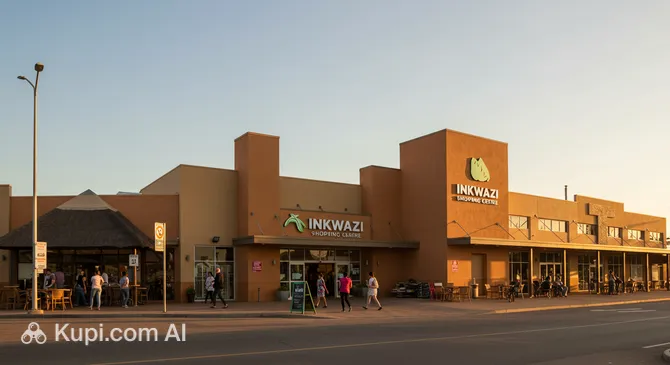
The main destination for shopping and trip preparation is the Inkwazi Shopping Centre. This isn't just a place to stock up on water and snacks at major supermarkets. Here, you will also find outdoor clothing stores, pharmacies, and ATMs. If you forgot your sun hat or are looking for repellent, this is the place to go. Additionally, small souvenir shops offer handmade items from local artisans to take home as a memento.
Inkwazi Shopping Centre. Illustration.
Source: Kupi.com AI
Traveler photos:
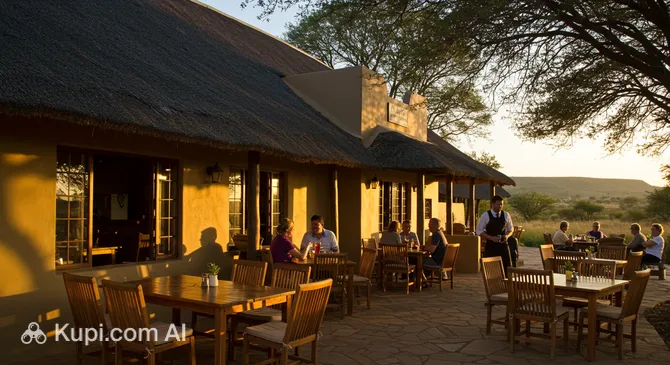
To enjoy a full dinner in a relaxed atmosphere, head to the Malelane Restaurant. The menu often features dishes for which South Africa is famous. We recommend trying the game steaks, such as kudu antelope, or sampling the traditional South African dish "bobotie"—a spiced meat pie. You can complement your dinner with a glass of the excellent local wine the region is so well-known for.
If you are short on time or looking for a quick and satisfying meal with the family, the Malelane Fried Chicken is an excellent choice. It’s a popular spot serving juicy chicken with a crispy golden crust. You can choose from various sides to accompany your main dish, from classic fries to fresh salads. It’s a simple, tasty, and affordable way to refuel before your next adventure.
Local Cuisine
Malelane's gastronomic scene is a vivid reflection of the "Rainbow Nation" culture, where African culinary traditions blend harmoniously with European influences. Thanks to the fertile lands of the Mpumalanga province and its subtropical climate, the cuisine here is characterized by an abundance of fresh produce and a special love for cooking over an open fire.
The main gastronomic ritual every tourist encounters is the braai—the South African version of a barbecue. It’s not just a way to grill meat, but an important social event. In local establishments like the Malelane Restaurant, you can often find impressively sized steaks and traditional farm boerewors sausages, seasoned with coriander and cloves, on the menu. For those seeking something exotic, the region offers game dishes: kudu antelope, ostrich, or warthog meat is considered a delicacy here and is worth trying at least once.
Malelane Restaurant. Illustration.
Source: Kupi.com AI
Traveler photos:
Malelane is located in the heart of an agricultural belt famous for its sugarcane plantations and fruit orchards. Therefore, fresh mangoes, avocados, papayas, and citrus fruits are always on the table, with flavors much richer than those found in northern latitudes. You can buy these gifts of nature, as well as local cheeses and honey, at small markets or by visiting the Inkwazi Shopping Centre, which hosts both major supermarkets and specialized shops.
The dining culture in the town is quite democratic. Both leisurely dinners in lodges and quick snacks are popular here. If you want a tasty and inexpensive lunch in a relaxed setting, locals often choose the Malelane Fried Chicken. Chicken dishes in various marinades are another staple of the local cuisine, perfect for a family lunch.
Among drinks, Amarula is king—a cream liqueur made from the fruit of the marula tree, which grows in the local bush. It is served over ice or added to desserts and coffee. Speaking of coffee, it is brewed strong and aromatic here, often with added spices. Beer lovers should look out for local lagers, which are perfectly refreshing on a hot afternoon, while wine connoisseurs should explore products from Western Cape wineries, which are widely represented on the wine lists of Malelane's restaurants.
Travel Tips
Malelane is not just a point on the map, but a launching pad for your great African adventure, so proper preparation plays a key role here. To ensure your trip to the gates of Kruger Park goes smoothly and leaves only pleasant memories, we have gathered the most important practical recommendations for tourists.
Clothing and Gear. Weather in the region is changeable: it can be cool on a morning safari (+10°C) and hot during the day (+30°C). Use the layering principle: a fleece jacket over a T-shirt is an ideal solution. For trips to the park, choose clothing in neutral, muted tones (khaki, beige, brown) to avoid attracting insects and animals. Be sure to bring comfortable closed shoes, a hat, and sunglasses. You will also need a Type M adapter (with three round pins), as European plugs do not fit here.
Transport. Public transport (minibus taxis) is chaotic and geared toward locals. The most reliable way to get around is car rental. This will give you the freedom to go to the national park and shops. If you don't drive, book transfers through your hotel. Taxi apps (Uber/Bolt) in Malelane are unstable due to the low number of drivers.
Finances. The official currency is the South African Rand (ZAR). Large shops and restaurants accept cards without issues, but cash is necessary for tips (usually 10–15%), paying car guards, and buying souvenirs at markets. It is safest to exchange currency at banks or withdraw it from ATMs located in shopping centers, avoiding street exchangers.
Health and Safety. Malelane is in a malaria risk zone, especially during the wet summer season. Be sure to use repellents and consult a doctor about prophylaxis before your trip. In terms of personal safety: do not walk on foot after dark, always lock car doors while driving, and do not leave valuables on the seats in plain sight.
Communication. English is widely spoken, and you will be understood almost everywhere. For internet and maps access, it is recommended to buy a local SIM card (Vodacom or MTN) at the shopping center. Note that to register a SIM card (RICA law), you will need a passport and proof of address (a hotel booking printout).
Local Etiquette. In South Africa, it is customary to be polite and relaxed. Always greet shop or petrol station staff before getting down to business ("Hello, how are you?"). Service speed may be slower than in Europe—this is part of "African time," so don't rush the waiters; just relax and enjoy the moment.
What to Avoid. It is categorically forbidden to feed wild animals, including monkeys and baboons, which may be found even on lodge grounds. This makes them aggressive and creates a danger to people. Also, never step out of your car in the national park except in specifically fenced areas.
Important Detail. Strictly monitor the opening hours of the park gates (Malelane Gate). They open at dawn and close at sunset (times change by season, usually closing at 17:30 or 18:00). Being even a minute late results in a heavy fine, so always plan your return with time to spare.
By following these simple rules, you can avoid minor hassles and focus on the main thing—the incredible nature and warm hospitality of Malelane. May your journey be safe, comfortable, and full of exciting discoveries!
Entertainment & Nightlife
Nightlife in Malelane has its own unique rhythm, completely dictated by the rules of a safari town. You won't find loud night clubs with neon signs or districts where the music blasts until dawn. Evening entertainment in this corner of South Africa is primarily about relaxing after a busy day, enjoying a delicious dinner in good company, and traditional "sundowners" (sunset drinks) overlooking the African wilderness.
The center of evening activity usually revolves around the restaurants and bars within hotels or lodges, as well as establishments along the main N4 road. The atmosphere is calm and friendly, perfect for long conversations about the animals spotted during the day. The dress code in most places is casual—casual or safari-chic is perfectly appropriate. It’s worth noting that the town quiets down quite early: many places close by 9:00 PM or 10:00 PM, as tourists and locals alike are used to rising at dawn.
For those looking for a classic dinner with a good selection of drinks, the Malelane Restaurant is a great option. This establishment is popular with both tourists and locals due to its cozy atmosphere. Here, you can order a glass of South African wine or craft beer while enjoying the evening breeze. It’s one of those places where you can truly experience the hospitality of Mpumalanga.
Malelane Restaurant. Illustration.
Source: Kupi.com AI
Traveler photos:
If you prefer a simpler and more casual setting or want a quick bite before bed, check out the Malelane Fried Chicken. Such places often become gathering points for young people and families, offering hearty food at affordable prices. While it’s not a bar in the traditional sense, it’s always lively and provides a good opportunity to observe the daily life of the townspeople.
Practical Tips and Safety:
Transport: Public transport does not run at night, and walking outside the secured hotel areas is not recommended for safety reasons. To move between a restaurant and your hotel, it’s best to ask staff to call a trusted taxi or use a rental car.
Prices: The average check for dinner with drinks at a restaurant is around 150–250 ZAR per person; fast food will be significantly cheaper.
Safety: Malelane is a relatively quiet town, but after dark, you should stick to well-lit areas and avoid deserted streets.
Regarding daytime entertainment, besides safaris, the town offers opportunities for leisurely pursuits. Sports enthusiasts can visit local golf courses, which are famous for their quality and picturesque views. The Inkwazi Shopping Centre is also popular, where you can not only shop but also spend a pleasant time in air-conditioned comfort, escaping the midday heat.
Parks & Museums
Malelane is a unique place where the concept of traditional museums and parks gives way to living history and untouched nature. The town may not boast large art galleries or fenced city gardens in the traditional sense, as it is part of a vast ecosystem, and its main "exhibition halls" are under the African sky.
Kruger National Park, which begins literally at the town's doorstep at the Malelane Gate, serves as the main natural park of the region. This is not just a reserve, but one of the most famous protected areas in the world. Tourists come here not for manicured flowerbeds, but to see the untouched bushveld, where elephants and lions live in their natural environment. The proximity to the gate allows residents and visitors to make even short trips into the park, making safaris a part of everyday life.
Another important natural area is the banks of the Crocodile River. While it is not a landscaped park with European-style benches, the southern bank of the river serves as a natural embankment and viewing platform. From here, safely within the grounds of lodges or special lookout points, you can watch hippos and crocodiles, as well as see animals coming to drink from the national park side. This location offers a sense of complete unity with nature without needing to leave civilization.
In terms of cultural heritage, Malelane offers immersion into history through architecture and atmosphere rather than museum display cases. One unofficial attraction is the grounds of the Leopard Creek golf club. This is not just a sporting facility, but an architectural and landscape masterpiece where manicured greens are harmoniously integrated into the wild. The club often displays sculptures and decorative elements inspired by local fauna and culture, functioning as a kind of open-air gallery.
The cultural component of the region is best explored through the heritage of the Swazi people. Instead of classic local history museums, craft centers and small private galleries within hotels are popular here, showcasing the work of local artisans. Wood carving, beadwork, and vibrant fabrics tell the history and mythology of the region more eloquently than any plaques. Travelers should look out for these creative corners to understand the soul of Mpumalanga.
Insider Tip: If you want to touch upon engineering history, look for the old railway bridge over the Crocodile River. Although it’s not an official museum, this landmark is a reminder of the times when the railway was the main artery connecting South Africa and Mozambique, and it serves as a great backdrop for atmospheric photos at sunset.
Getting Around
The public transport system in Malelane is quite simple and differs significantly from the infrastructure found in large metropolises. There is no metro, tram, trolleybus, or regular municipal bus service with a fixed schedule. Given the town's compact size, the transport network here is primarily geared toward the needs of local residents, and tourists most often choose alternative ways to get around.
The only form of mass public transport is minibus taxis. These are ubiquitous white minibuses that ply routes between the town center, residential areas, and surrounding settlements. They do not have fixed stops in the traditional sense: you can board or disembark almost anywhere along the route by signaling the driver with your hand. These minibuses depart based on when they are full rather than following a set timetable.
The payment system in minibus taxis is exclusively cash-based. Transport cards, travel passes, or contactless payment via apps do not work here. Passengers pass money to the driver or conductor (if there is one) immediately after boarding. The fare is fixed for specific zones but is not officially published anywhere, so it is better to clarify the price with the driver in advance. Tourists are strongly advised to carry small bills and coins, as getting change from large banknotes is often a problem.
For travelers not accustomed to local specifics, minibus taxis may seem too chaotic and uncomfortable. Therefore, the main alternative is car rental. This is the most popular way to get around, providing freedom and safety, especially if you plan to visit the national park. Rental agencies are usually located at the nearest airports or in larger cities, but rentals can also be arranged in advance.
Regarding taxis and modern services, popular apps (such as Uber or Bolt) may work inconsistently in Malelane due to the small number of drivers in the area. It is much more reliable to book an official taxi through your hotel or lodge reception. Additionally, many accommodation spots offer their own paid transfers to shopping centers or tourist sites. Bicycle rental and car-sharing are not developed in the town, and walking is only recommended for short distances during daylight hours around the central shopping areas.
Accommodation
The choice of accommodation in Malelane is directly linked to its main advantage—proximity to Kruger National Park. The town offers a wide range of accommodation options, from luxury lodges and boutique hotels to cozy Bed and Breakfasts (B&Bs) and self-catering apartments. The infrastructure here is well-developed to satisfy the needs of discerning travelers seeking exclusive service, as well as families with children looking for a budget-friendly holiday.
Areas to Stay:
The most prestigious and sought-after locations are the lodges and hotels situated along the southern bank of the Crocodile River. By staying here, tourists get a unique bonus: the opportunity to watch elephants, hippos, and buffaloes coming to drink, right from their room's terrace or the pool, without even entering the park. Another popular area is the vicinity of the golf club, where peace and quiet prevail. For those planning to enter the park at dawn, it’s most convenient to choose accommodation in the immediate vicinity of the Malelane Gate to minimize travel time in the morning.
Types of Accommodation:
Lodges and Resorts: Offer a full range of services, including restaurants, spas, and organized safaris. This is the choice for those who want maximum comfort and immersion in an atmosphere of African luxury.
Guest Houses and B&Bs: A very popular format in South Africa. These are usually small family-run hotels offering home comfort, hearty breakfasts, and personal attention from the hosts, who can often provide valuable route advice.
Self-catering: Cottages or chalets with their own kitchen and barbecue (braai) area. An ideal option for large groups and families, allowing you to plan your own meal schedule and save on restaurants.
Price Range and Booking:
The cost of accommodation varies from budget (inexpensive rooms in guest houses) to premium (exclusive suites with river views). It is highly recommended to book in advance, especially if your trip falls during peak periods: South African school holidays and the dry winter season (June to August), when wildlife viewing is at its best. Most properties are available on international booking platforms, though many small guest houses also accept direct bookings through their websites, which can sometimes be more cost-effective.
Nearby Cities
For those wishing to explore the surrounding area, Malelane serves as an excellent starting point for day trips to several interesting nearby locations:
The absolute leader for a short trip is Mbombela (formerly Nelspruit), the capital of the Mpumalanga province. Located just an hour's drive away, this city offers a great contrast to the wilderness: here you can visit the Lowveld National Botanical Garden with its picturesque waterfalls, go shopping in large malls, or use the city as a base for visiting the ancient Sudwala Caves.
For those willing to drive a bit further for a change of scenery, a trip toward Middelburg might be of interest. Although the journey takes over two hours, the route passes through scenic elevation changes, rising from the Lowveld to the Highveld. Middelburg is interesting for its historical architecture and is an important point on the cultural map of the region, often serving as a stop on the way to Johannesburg.
These nearby destinations provide an insight into the diverse culture and landscapes of the region.
Shopping & Souvenirs
General Overview. Shopping in Malelane is primarily utilitarian, focused on the needs of travelers heading to Kruger National Park and local residents. The town does not claim to be a fashion capital, but it has everything necessary for a comfortable stay and safari preparation. The selection ranges from high-quality gear and food items to unique craft products reflecting the region's culture.
Main Shopping Areas. The town's commercial life is compactly concentrated along the main transport artery—the N4 highway, which passes through the town, and on the adjacent central streets. Here, tourists won't have to search long for shops: most retail outlets are within walking distance of each other or a few minutes' drive away. This area is convenient as it allows you to quickly buy all essentials without deviating from your main travel route.
Shopping Centres. The heart of the town's retail trade is the Inkwazi Shopping Centre. This is a modern complex where major chain supermarkets, clothing stores, banks, and pharmacies are gathered under one roof. For tourists, it’s a strategically important location: here you can restock provisions before heading into the bush, buy items forgotten at home (like sunscreen or a hat), and purchase specialized khaki safari clothing.
Inkwazi Shopping Centre. Illustration.
Source: Kupi.com AI
Traveler photos:
Markets. Although there are no huge permanent bazaars in Malelane, the local flavor of trade is best felt in small street stalls and makeshift markets, often located by the roadside or near the entrance to the national park. Here, local artisans sell their products directly, and it is in such places that you can find the most authentic goods. Strolling through these rows is an opportunity not just to buy something interesting, but also to chat with the residents.
Souvenirs. From Malelane, it is worth bringing back souvenirs that will remind you of the African atmosphere. Beadwork and wirework items—bright jewelry and animal figurines created by hand—are particularly popular. Wood carvings like masks and figurines made from precious wood types are also valued. Don't forget gastronomic souvenirs: be sure to buy biltong (traditional dried meat) and macadamia nuts, which are grown in abundance in this region.
Opening Hours and Payment. Large shops and supermarkets in shopping centers usually operate from 08:00 or 09:00 until 18:00–19:00, with some grocery chains open until 20:00. On Sundays and public holidays, working hours may be reduced (often until 13:00 or 15:00). Bank cards are accepted almost everywhere in official shops and restaurants. However, for purchases at street markets and for tips, it is recommended to always carry cash Rand (ZAR).
Tax Free. South Africa has a Value Added Tax (VAT) refund system for foreign tourists. The tax rate is 15%. If you make purchases of more than 250 ZAR on one receipt and take the goods out of the country, you can claim a tax refund. To do this, be sure to ask the shop for a special Tax Invoice and present the goods and receipts to customs at the departure airport before checking in for your flight.