Support

Komatipoort

About

Komatipoort is a cozy and welcoming town, often called the "gateway" to the world of wildlife. Located in the far east of South Africa, in the Mpumalanga province, it attracts travelers with its unique atmosphere of tranquility and its immediate proximity to legendary nature reserves. This is a place where civilization harmoniously coexists with the untamed African savannah.

The town's geographical location is truly picturesque: it stands at the confluence of two major rivers — the Crocodile and the Komati, right on the border with Mozambique. With a population of about 20,500 people, Komatipoort retains the charm of a small provincial town, free from the bustle of megacities, where the air is always fresh and filled with the scents of nature. The climate here is subtropical, making it comfortable to visit almost year-round, especially for those who love the warmth.
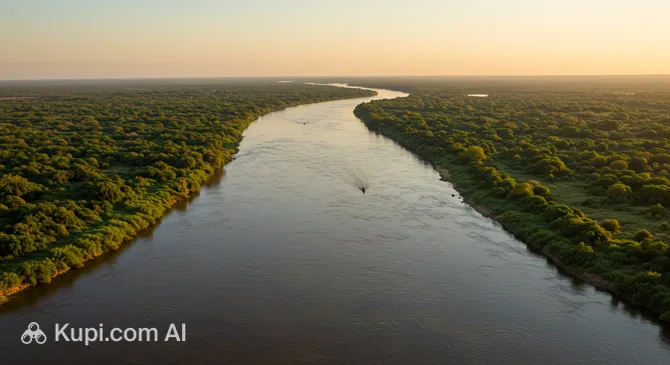
Komatipoort. Illustration.
Source: Kupi.com AI

The main point of attraction for tourists is, undoubtedly, its proximity to the Kruger National Park. The town is just a few minutes' drive from the Crocodile Bridge Gate, allowing you to embark on an exciting safari literally from your hotel doorstep. However, the settlement is interesting not only as a transit point. Inquisitive travelers will find the history of Komatipoort fascinating, as it is closely intertwined with the development of the region's railways and trade routes.

A relaxed pace of life prevails in Komatipoort. People come here to forget about business, watch fantastic sunsets over the river where hippos and elephants can often be seen, and enjoy heartfelt conversations in local cafes. This town will be the perfect start or end to your big African adventure, giving you warm memories and vivid emotions.
Weather Overview

The climate in Komatipoort is subtropical, ensuring comfortable travel conditions almost all year round. Summer here lasts from November to March and is characterized by high temperatures and increased humidity. In the hottest months, January and February, the average temperature is about 26.0°C, and during the day, the air often warms up above 30°C. During this period, the highest amount of rainfall occurs (up to 13 rainy days per month), which usually comes in the form of short but refreshing thunderstorms.

The winter season, occurring in June, July, and August, is distinguished by clear weather and a lack of rain: the number of wet days during this time is minimal (0–2 days). Days remain pleasant and warm with maximum temperatures around 25°C; however, nights become noticeably cool, with the thermometer potentially dropping to 12.8°C – 13.0°C. Expect a hot summer with periodic rain and mild, dry winters, which are ideal for wildlife viewing as the vegetation becomes less dense.

Spring and autumn serve as comfortable transition periods. For example, as early as September, daytime temperatures reach 29.0°C, and in May, it becomes cooler — averaging 21.5°C. To properly plan your wardrobe and choose the best time for your trip, we recommend checking the detailed weather in Komatipoort before departure.

Average monthly temperature

Average monthly precipitation

Interesting Facts

Komatipoort is not just a transit point on the map, but a place with a rich past and a unique flavor. Beyond its status as the primary "gateway" to the world of wildlife, this town holds several amazing stories and features that make it truly memorable.

  • A Telling Name. The town's name comes from the Komati River and the word "poort," which means "pass" or "gorge" in Afrikaans. This is a geographically accurate description of the place where the rushing river forced its way through the Lebombo Mountain range, creating a natural corridor to the Indian Ocean coast.

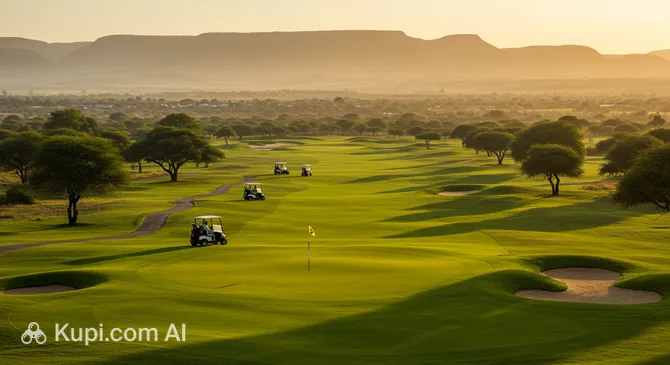
  • Sport Amidst Wildlife. The boundaries between civilization and the savannah here are very nominal. The local Kambaku Golf Club is famous for being home to many animals. Players often share the fairways with peacefully grazing antelopes, warthogs, and giraffes, turning a regular match into a real mini-safari.

  • Railway Heritage. The town's history is inextricably linked with the era of steam locomotives. Komatipoort emerged as a strategic station on the famous Eastern Line, connecting the gold mines of Johannesburg with the port of Maputo. The old station building still preserves the atmosphere of those times when travel was long and full of adventure.

  • Legends of the River Waters. In the vicinity of the town, where the Crocodile and Komati rivers meet, the traditions of the Shangaan people are still alive. Local guides can tell ancient legends about river spirits who, according to beliefs, guard these waters and the hippos and crocodiles that inhabit them.

Kambaku Golf Club. Illustration.
Source: Kupi.com AI

Traveler photos:

How to Get There

Komatipoort is situated in a strategically important location, and although there is no airport in the town itself, you can reach it via several neighboring transport hubs. To plan your route in detail, we recommend studying the detailed information on how to get to Komatipoort by various means. Most often, tourists fly to the nearest large cities and then use ground transfers.

The most popular and convenient option for most travelers is Kruger Mpumalanga International Airport (IATA: MQP). Please note that it is not located in Komatipoort, but in the city of Mbombela. This is a modern regional hub that accepts many flights. A trip from here by taxi or rental car will take approximately 1 hour to 1 hour 15 minutes.

Geographically closest is Maputo International Airport (IATA: MPM), located in the city of Maputo at a distance of about 82 km. However, it should be considered that this airport is in neighboring Mozambique, which will require crossing a state border. Travel time by car can vary depending on the congestion at the border post.

Another interesting option is Skukuza Airport (IATA: SZK), located in Skukuza, about 64 km from Komatipoort. This small but atmospheric airport is located directly within the national park, making your arrival here the start of an adventure.

For clarity, here is a summary of the main airports:

AirportPassenger trafficDistance
Skukuza Airport146 00064 km
Mala Mala15 00080 km
Maputo International Airport1.1 mln82 km
Londolozi Airport19 90085 km
Kruger Mpumalanga International Airport260 00085 km

Regarding ground transport, regular passenger rail service directly to Komatipoort is poorly developed for tourists. The main mode of travel remains the car. The town is on the N4 highway (Maputo Corridor), which provides excellent connections to Johannesburg and Mbombela. Many travelers prefer to rent a car at the arrival airport or use long-distance buses and private shuttles that run along this scenic route.

Main Attractions

Komatipoort is a unique place where the boundaries between urban life and the wild savannah are almost nominal. The main attractions here are created by nature itself, while the few architectural sites are harmoniously integrated into the surrounding landscape. People come here not for ancient monuments, but for unforgettable impressions of encounters with African fauna and an atmosphere of serenity.

The absolute jewel of the region is the Crocodile Bridge Gate to the Kruger National Park. Located just a few kilometers from the town, this entrance is considered one of the best spots for spotting the "Big Five." The area is famous for its high concentration of wildlife, including lions, rhinos, and elephants, which can often be seen right by the road. This is the ideal starting point for morning safaris, allowing you to dive into the world of wild nature just minutes after leaving your hotel.

For outdoor enthusiasts, the Kambaku Golf Club is a real find. This golf course is known nationwide not only for the quality of its fairways but also for its unusual "spectators." Situated at the confluence of two rivers, it has no fences separating it from the national park, so the game is often accompanied by peacefully grazing antelopes, warthogs, and even giraffes. It is one of the few places in the world where sport is so closely intertwined with a real safari.

Kambaku Golf Club. Illustration.
Source: Kupi.com AI

Traveler photos:

Another major point of interest is the confluence of the Crocodile and Komati rivers. This picturesque spot attracts not only photographers but also anglers from all over the world eager to catch the legendary tiger fish. Viewing platforms along the bank offer stunning views, and in the water, you can often spot hippos and crocodiles basking in the sun, the latter giving one of the rivers its name.

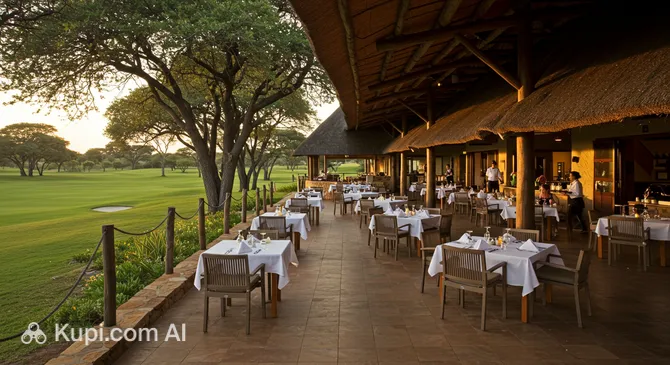
After a busy day, travelers often visit the Komatipoort Golf Club Restaurant. The establishment is famous for its spacious terrace with panoramic views of the river and the conservation area. It’s not just a place for dinner, but a full-fledged observation deck where you can enjoy the sunset and delicious food while watching elephants and buffaloes coming for an evening drink on the opposite bank.

Local Cuisine

The gastronomy of Komatipoort is a true journey through the culinary traditions of South Africa. Here, at the junction of cultures and natural zones, dishes absorb the aromas of the savannah, the freshness of river fish, and the tang of spices from various corners of the continent. The local cuisine is simple, hearty, and incredibly colorful, offering tourists an authentic experience without unnecessary pretension.

The king of the table here is undoubtedly the braai — the South African version of a barbecue, elevated to a cult status. Local masters grill everything over an open fire: from tender chicken and spicy "boerewors" farm sausages to exotic antelope meat or other game. Traditionally, the meat is served with a thick corn porridge called "pap", which replaces bread, and a spicy vegetable relish known as "chakalaka". This combination of flavors is considered the foundation of a South African feast and is a must-try.

For a quick snack or breakfast, it's worth trying vetkoek — traditional fried dough pastries. They are eaten both with a savory filling of minced meat and in a sweet version with syrup or honey. Thanks to the warm climate, the region is famous for its tropical fruits. Roadside stalls selling the freshest mangoes, litchis, avocados, as well as homemade passion fruit and guava jams are common.

As for drinks, it is customary to accompany a meal with a glass of excellent South African wine or a local lager, which is perfectly refreshing in the heat. Fans of non-alcoholic drinks will appreciate rooibos tea, which is drunk here at any time of day, as well as freshly squeezed juices from local fruits.

The dining culture in the town varies from street markets to cozy establishments with nature views. Gastronomic adventure lovers will appreciate the farm markets where you can buy organic products and rare delicacies. If you are looking for a place for a quiet dinner with a scenic view, you should visit the Komatipoort Golf Club Restaurant. Here you can not only enjoy local and European cuisine but also watch wild animals roaming near the terrace.

Travel Tips

Komatipoort is a place where civilization meets wild nature, so preparing for your trip requires special attention to detail. To ensure your journey to the borders of Kruger Park and Mozambique goes smoothly and safely, we have gathered the most important recommendations specifically relevant to this colorful town.

  1. Clothing and Gear. The climate here is hot, so favor clothing made of natural, breathable fabrics (cotton, linen) in neutral tones (khaki, beige), especially if you plan a safari. However, do not be deceived by the daytime heat: for morning drives in open jeeps, be sure to take a warm fleece jacket or windbreaker. You will also need a Type M power adapter (with three round pins), as European plugs do not fit here.
  2. Transport Independence. There is no conventional public transport or services like Uber in Komatipoort. Minibuses are used by locals and are often overcrowded, so the only comfortable option for a tourist is renting a car. A car will give you the freedom to visit the national park and shops on your own schedule.
  3. Financial Matters. The national currency is the South African Rand (ZAR). Visa and Mastercard are accepted in supermarkets and most lodges, but cash is necessary for tips, roadside market purchases, and small services. It is customary to leave tips for waiters and petrol attendants at filling stations in the amount of 10–15% of the bill.
  4. Health and Safety. Komatipoort is in a malaria risk zone, so before your trip, it is strongly recommended to consult a doctor about taking prophylactic medications and to actively use repellents. In terms of safety: avoid walking after dark. This is related not only to people but also to animals — hippos from the Crocodile River sometimes come ashore and can wander into the outskirts of the town.
  5. Communication and Internet. English is widely spoken and is the primary language of communication in tourism, although locals speak Afrikaans or Swati. For stable communication and navigation, it's better to buy a local SIM card (Vodacom or MTN operators provide the best coverage in this region) at the airport or supermarket, as Wi-Fi in remote lodges can be slow.
  6. Etiquette and Communication. South Africans are very friendly. It is customary to start a conversation with a polite greeting ("Hello, how are you?") and only then get down to business. Showing impatience is considered poor manners; a relaxed pace of life, often called "African time," prevails here, so treat small delays with understanding.
  7. What to Avoid. It is categorically forbidden to feed wild animals, even if they are "cute" monkeys near your hotel — it is dangerous for both you and them. Also, avoid swimming in the Komati and Crocodile rivers or walking at the very water's edge — the risk of crocodile or hippo attacks here is very real.
  8. Factor in Border Traffic. Since the town is a transit point to Mozambique, queues of trucks heading to the Lebombo Border Post often build up on the N4 highway. When planning trips around the area, allow extra time for potential traffic jams at the entrance and exit of the town.

Observing these simple rules will help you avoid everyday inconveniences and fully focus on the main thing — the incredible nature and hospitality of South Africa. May your holiday in Komatipoort be filled with only pleasant discoveries and exciting encounters!

Entertainment & Nightlife

Nightlife in Komatipoort is radically different from that of noisy metropolises. Here you won't find neon signs, multi-story nightclubs, or red-light districts. Evening entertainment in this border town is steeped in the "bushveld" atmosphere: it is quiet, soulful, and inextricably linked with nature. The main event of the evening here is the traditional "sundowner," when locals and tourists gather to watch the sunset with a glass of wine or a cocktail, enjoying the cool air after a hot day.

The center of evening activity is often the restaurants at lodges and hotels, as well as establishments along the main Rissik Street. The crowd here is mixed: tourists returning from safaris, farmers, and local residents. The dress code is almost everywhere democratic and casual, but for dinner in a nice restaurant, it's worth swapping hiking shorts for lightweight trousers. Most establishments close quite early, around 10:00 PM – 11:00 PM, so it's better to plan your evening leisure in advance.

One of the most popular places for evening relaxation is the Komatipoort Golf Club Restaurant. In the evening, this place is transformed: the terrace offers a view of the darkening river, the sounds of the nocturnal savannah can be heard, and bright southern stars light up the sky. It is the perfect place for a romantic dinner or a quiet conversation among friends accompanied by local cuisine.

Komatipoort Golf Club Restaurant. Illustration.
Source: Kupi.com AI

Traveler photos:

The Kambaku Golf Club itself also serves as a hub of attraction. Its bar, often called the "19th hole," is the heart of the town's social life. Not only players come here, but everyone wishing to discuss the news, watch sports broadcasts, and have a beer in a friendly atmosphere. Prices in the town's establishments are moderate; a dinner with drinks will cost less than in South Africa's major tourist centers.

Safety and Transport at Night:

Komatipoort is a relatively quiet town, but walking on foot after dark is strictly discouraged. Firstly, due to the proximity of wild nature, wild animals, including hippos, may appear on the outskirts' streets. Secondly, as everywhere in South Africa, precautions should be taken. For nighttime travel, use only a car (rental or a taxi called through the hotel). Street lighting is not available everywhere, so having a flashlight will not be superfluous.

Regarding daytime entertainment, there are no classic theaters or amusement parks here. Cultural leisure is replaced by trips to historical sites related to the railway or visiting colorful farm stalls in the vicinity. The main "theater" here remains nature, and the best "performances" are staged on the banks of the Komati and Crocodile rivers.

Parks & Museums

Komatipoort is a town where the concept of a "park" takes on a completely different scale, and the boundaries between museum exhibits and real life are blurred. Here you won't find the usual city squares with benches or classic art galleries in quiet halls. The "green zones" of this region are the endless expanses of the wild savannah, and the main keepers of history are the old railway tracks and nature itself.

The primary natural treasure is, of course, the Kruger National Park. While technically a reserve, for the residents and guests of Komatipoort, it functions as the main city park, starting literally at the doorstep. Entry through the Crocodile Bridge Gate provides access to one of the most animal-rich areas of the park. This is a place where, instead of walking down alleys, you set off on a journey through the world of wildlife, observing elephants, lions, and antelopes in their natural habitat.

Another unique green zone in the vicinity is Marloth Park, located just a 20-minute drive away. This is not just a nature reserve but a unique residential park-village where there are no fences between houses and the wild. Here you can have a picnic or take a walk (which is prohibited in Kruger), encountering zebras, kudu, and giraffes along the way, which roam freely between the cottages. For those seeking more manicured and man-made landscapes, an excellent alternative is the Kambaku Golf Club. Its territory is a picturesque oasis with perfectly manicured lawns, situated at the confluence of two rivers, where sport is harmoniously combined with the contemplation of nature.

Regarding cultural heritage, Komatipoort does not have traditional museums, but the town itself can be called a living monument to the era of railway development. A key historical site is the Komatipoort Railway Station. Built in the late 19th century as part of the Eastern Line (Oosterlijn) connecting the Transvaal with Delagoa Bay (now Maputo), it has preserved the atmosphere of colonial times. The old architecture of the station buildings and the view of the famous railway bridge over the Komati River serve as silent storytellers of the gold rush and trade routes of the past.

The role of art galleries in the town is fulfilled by numerous local artisan stalls and small art studios. In these improvised exhibition spaces, you can get acquainted with the work of Shangaan and Swazi masters. These are not just souvenirs, but real works of folk art: intricate wood carvings, bright fabrics, and beadwork jewelry, each carrying a piece of the region's cultural code. A walk through such places replaces a trip to an ethnographic museum, allowing you to communicate directly with the creators and learn about traditions firsthand.

Getting Around

The public transport system in Komatipoort differs significantly from what residents of major metropolises are used to. Due to the town's small size and its location in a rural area, there is no subway, tram, or city network of large buses running on a schedule. The main mode of transport for the local population is minibus taxis — white microbuses that connect the town center with residential areas and surrounding settlements.

These minibuses do not have fixed stops in the usual sense: boarding and disembarking are carried out on request or at certain gathering points (taxi ranks). There is also no fixed schedule — the vehicle sets off only when the cabin is completely filled with passengers. This is the most budget-friendly way to get around, but for tourists, it may seem chaotic and difficult to navigate without knowledge of local peculiarities and routes.

Fare payment in minibus taxis is made exclusively in cash to the driver or a special conductor upon boarding. No transport cards, travel passes, or mobile payment apps work here. The fare is fixed and low, but finding change for large bills can be difficult, so it is strongly recommended to have small coins and banknotes of small denominations with you.

The most convenient and safe alternative for travelers is renting a car. This is practically the only way to ensure freedom of movement, especially if you plan to visit the national park or remote lodges. Rental points are usually located at the nearest major airports, but car rentals can also be arranged through local hotels. Having your own car will allow you to be independent of schedules and travel in comfort in the heat.

Classic taxi or car-sharing services (like Uber or Bolt) are practically non-existent in Komatipoort or operate very inconsistently. If you do not drive, the best solution would be to order a private transfer through your hotel or lodge. Most accommodation places are happy to organize trips for their guests to shops, restaurants, or tourist sites for a fixed fee. Bicycle rental is rare and is most often offered as an activity within resort zones rather than as a full-fledged transport option.

It is important to remember that although the town center is compact enough for walking, traveling long distances on foot, especially after dark, is not recommended for safety reasons. This concerns not only the security situation but also the proximity of wild nature: on the outskirts of the town at night, it is quite possible to encounter wild animals that have come out of the conservation zone.

Accommodation

Where to stay:

Accommodation options in Komatipoort are as unique as the town itself. Here you won't find generic high-rise hotels from international chains. The backbone of the hospitality sector consists of atmospheric lodges, cozy guest houses (bed & breakfast), and self-catering cottages that blend perfectly into the surrounding landscape. Housing here is geared toward those seeking peace and proximity to nature, offering a range from budget rooms for transit travelers to luxurious villas for those who value comfort.

The most prestigious and sought-after area for staying is the Crocodile River shoreline. Hotels and lodges located here offer their guests a unique bonus: the opportunity to watch wild animals right from their balcony or terrace during breakfast. This is the "front line" of safari, where instead of a sea view, you get a panorama of the Kruger Park. For those planning an early departure to the reserve or crossing the border into Mozambique, it is more convenient to choose options closer to the town center or directly by the N4 highway.

Booking Tips:

As Komatipoort is a popular tourist hub, demand for good accommodation is always high. It is strongly recommended to book rooms in advance, especially if your trip falls during South African school holidays (December–January) or the Easter holidays. During the winter season (June to August), which is considered the best time for safari, spots in lodges with views also disappear very quickly.

The price range in the town is quite wide. Budget travelers can find affordable guest houses and campsites, while those seeking exclusive relaxation can choose private lodges with full board. Booking is most conveniently done through major international online platforms where current prices and reviews are presented, although many small family-run hotels also accept direct bookings through their websites or via email.

Nearby Cities

For those who want to explore the surroundings, Komatipoort serves as an excellent starting point for day trips to several interesting nearby places:

Mbombela (formerly Nelspruit). The capital of the Mpumalanga province is located less than 100 km from the town. It is a bustling center worth visiting for shopping in large malls (such as Riverside Mall) or visiting the National Botanical Garden, known for its rich collection of rare plants and picturesque waterfalls. Also nearby are the famous Sudwala Caves — some of the oldest on the planet.

Maputo (Mozambique). Due to its proximity to the border, travelers have the unique opportunity to make a day visit to the capital of the neighboring state, located just 80–90 km away. Maputo attracts with its colonial architecture, fresh seafood, and coastal city atmosphere. However, for such a trip, it is necessary to take care of visa formalities in advance and factor in time for customs clearance.

CityPopulationDistance
Malelane22 77844 km
Namaacha29 27261 km
Skukuza061 km
Matola1 032 19774 km
Sabi Sabi74 km

These nearby destinations allow you to get a sense of the diverse culture and landscapes of the region.

Shopping & Souvenirs

General Overview: Shopping in the town of Komatipoort is more practical than recreational. Being a border point and a "gateway" to national parks, the town serves as an excellent place to restock supplies before a safari or a trip to Mozambique. You won't find high-fashion boutiques or huge shopping galleries here, but you can purchase everything necessary for your journey: from high-quality equipment and groceries to authentic local delicacies. The atmosphere in the shops is calm and friendly, without the hustle and bustle of major metropolises.

Main Shopping Areas and Centers: The main shopping life is concentrated along the central Rissik Street and its surrounding blocks. This is where the main supermarkets, pharmacies, and specialty stores are located. The most well-known shopping complex is Komati Square. It is a compact but functional center where you can find a large grocery supermarket, outdoor clothing stores, banks, and camping gear stalls. It is a convenient place to buy everything at once without moving around the town.

Markets and Street Trade: The real flavor of the region is felt at small roadside markets and farmer stalls located along the N4 highway and at the entrances to the town. Mpumalanga province is famous for its agriculture, so it's worth looking here for the freshest seasonal fruits. Depending on the time of year, the stalls overflow with mangoes, litchis, avocados, papayas, and citrus fruits at very attractive prices. You can also often find sellers of macadamia nuts, which are grown in the vicinity.

Souvenirs: Tourists traveling through Komatipoort in South Africa most often bring back gastronomic souvenirs. Be sure to pay attention to biltong (cured meat) — the national pride of the country; in local butcher shops, it is prepared according to traditional recipes. Also popular are beadwork and wire items, wooden animal figurines, and woven baskets sold by local artisans on the streets. A bottle of local wine or Amarula liqueur, which can be purchased in specialty stores, would also make a good gift.

Opening Hours and Payment: Most shops operate Monday through Friday from 08:00 or 09:00 until 17:00–18:00. On Saturdays, the working day is often shortened until 13:00, and Sunday is a day off for many shops, although large supermarkets may work on weekends until lunchtime. Bank cards of international systems are accepted almost everywhere, but for purchases at street markets and from private traders, it is necessary to have cash Rands with you.

Tax Free: Since Komatipoort is in close proximity to the border with Mozambique (Lebombo Border Post), the issue of VAT refund is relevant here. Foreign tourists can claim back the Value Added Tax (15%) for goods purchased in South Africa for an amount exceeding 250 Rand. To do this, you must keep tax invoices and present them along with the goods and your passport at the customs office at the border when leaving the country.

Reached the end of the page?

That means the route is fully explored