Support

Mkuze

About

Mkuze is a small but atmospheric town located in the northern part of the KwaZulu-Natal province. It serves as a gateway to the world of wildlife and is an important transport and trade hub for the region. A trip here, to South Africa, promises tourists a unique combination of relaxing leisure and exciting adventures amidst the African wilderness.

The town takes its name from the Mkuze River, which plays a key role in the local ecosystem. The population here is small, around 13,000 people, which helps maintain a steady pace of life. The climate in the area is subtropical, with hot, humid summers and mild, dry winters, making it an attractive destination to visit at any time of year.
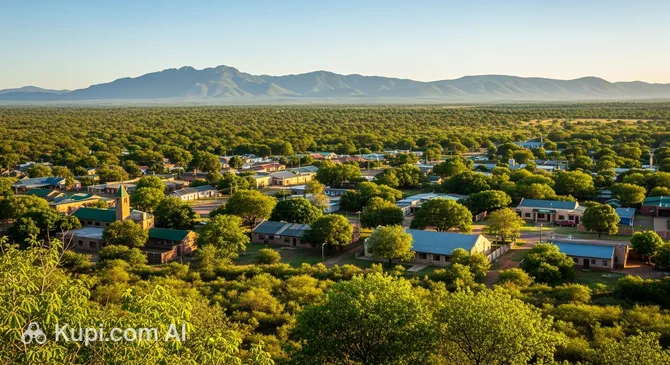
Mkuze. Illustration.
Source: Kupi.com AI

While it is known today as a popular tourist destination, the history of Mkuze is inextricably linked to agricultural development and the traditions of local communities. For a long time, the settlement developed as a center of trade while preserving its authentic character.

The main attraction of the surrounding area is the Mkhuze Game Reserve, which is part of the iSimangaliso Wetland Park. This place is considered a paradise for birdwatchers, as it is home to more than 400 species of birds, and you can also encounter lions, elephants, and rhinos. Another iconic spot is the mysterious Ghost Mountain (Tshaneni), which is associated with many local legends and offers stunning views of the surrounding countryside from its summit.

Mkuze is the perfect starting point for those wishing to explore Zululand and enjoy the beauty of the Elephant Coast. Be sure to include this town in your itinerary to experience true hospitality and see Africa's wildlife in all its splendor.

Weather Overview

The climate in this region is favorable for travel almost year-round, but each season has its own characteristics. To choose the perfect time for your trip, it is helpful to find out in advance what weather in Mkuze is expected during your visit dates.

The summer period, lasting from November to February, is characterized by high temperatures and increased humidity. The hottest month is usually January, when daytime temperatures reach 30.4°C, and average figures stay at 25.5°C. This is also when the highest amount of rainfall occurs: for instance, December can have up to 14 rainy days.

Winter (June–August) brings drier and cooler weather. July is the driest month, when there is practically no rainfall (0 mm), and the number of wet days is minimal. Days remain comfortable and sunny with temperatures around 24°C, but nights become noticeably fresher: the thermometer can drop to 11.6°C. Expect hot summers with occasional rains and mild, dry winters with cool evenings.

Average monthly temperature

Average monthly precipitation

Interesting Facts

Beyond the obvious beauty of the wilderness, the surroundings of Mkuze hide many amazing stories and legends passed down through generations. This town and its adjacent territories are full of mysteries that can surprise even the most experienced traveler.

  • The Mystery of Ghost Mountain. Towering nearby, Tshaneni Mountain, better known as "Ghost Mountain," is considered a sacred site and the ancient burial ground of the Ndwandwe clan chiefs. Locals claim that strange flickering lights can sometimes be seen on the slopes at night, accompanied by sounds echoing ancient battles.

  • Historical Battlefield. These lands witnessed one of the decisive battles in the history of South Africa. In 1819, at the foot of Ghost Mountain, the famous battle between the forces of the legendary King Shaka Zulu and Chief Zwide took place, forever changing the balance of power in the region.

  • The Giant Sycamore Forest. A unique ancient Sycamore Fig Forest has been preserved in the nearby reserve. This is a very rare ecosystem where massive trees create a thick natural canopy. Tourists can walk along special aerial boardwalks right through the treetops, which is a rarity for the country's national parks.

  • The "Shouting" River. It is believed that the name "Mkuze" comes from the Zulu word meaning "to shout" or "to call out." According to one version, this is related to the ancient practice of cattle herders: when crossing the river, they had to shout loudly and make noise to scare away crocodiles lurking in the water.

How to Get There

Mkuze is located in a picturesque corner of Zululand, away from the bustling metropolises, so the journey here often marks the start of an exciting safari tour. Since the town itself does not have a large passenger air hub, travelers usually fly into neighboring cities and then continue their journey by land. You can find out more details on how to get to Mkuze and consider all available routes, while below we will cover the most popular options.

The most convenient and popular option for most tourists is King Shaka International Airport (IATA: DUR), located in Durban. This is the region's major international air gateway with excellent infrastructure. The airport is approximately 238 km from Mkuze. A trip by rental car or taxi along the high-quality N2 highway takes roughly 2.5–3 hours, allowing you to enjoy views of the coast and the KwaZulu-Natal hills.

Geographically, the closest point of arrival is King Mswati III International Airport (IATA: SHO) in Manzini (Eswatini), which is about 143 km away. Travel time by car is around 2 hours, though it’s worth noting that this route involves crossing the state border between Eswatini and South Africa, which can take extra time.

Another alternative, especially for those combining their trip with a visit to Kruger Park, is Kruger Mpumalanga International Airport (IATA: MQP) in Mbombela. It is 264 km from Mkuze, and the transfer from there takes about 3–3.5 hours. This is an excellent choice for building a complex itinerary through the eastern part of the country.

For your convenience, here is a summary of the main airports:
AirportPassenger trafficDistance
Richards Bay Airport35 000124 km
King Mswati III International Airport70 000144 km
Maputo International Airport1.1 mln196 km
King Shaka International Airport5.0 mln238 km
Kruger Mpumalanga International Airport260 000265 km

Regarding rail connections, this is currently not a primary way for tourists to reach Mkuze. The town and its immediate surroundings lack large passenger stations suitable for regular travel. The railway in this region is predominantly used for industrial purposes.

Therefore, road transport remains the primary way to get around. Many travelers rent cars directly at their arrival airports. The roads leading to Mkuze, specifically the N2 highway, are in good condition, making the road trip comfortable and safe. Private transfer services and intercity buses running between the province's major cities are also available.

Main Attractions

The main draw for tourists in this region is undoubtedly the Mkhuze Game Reserve. Often referred to as the hidden gem of iSimangaliso Park, it is famous for its incredible biodiversity. Here you can go on a safari in search of the "Big Five," but the park's true hallmark is its birdwatching and unique hides, which allow photographers and nature lovers to get within arm's reach of the animals. Be sure to visit Nsumo Pan, home to hippos and Nile crocodiles, and take a walk through the ancient Sycamore Fig Forest, where giant trees create a fairytale atmosphere.

For those seeking a more exclusive wildlife experience, Manyoni Private Game Reserve is an excellent choice. Located very close to the town, it is known for its successful conservation programs for rare species. Here, you have a high chance of seeing not only lions and elephants but also rare predators like cheetahs and African wild dogs in their natural habitat. This location is ideal for those who prefer secluded safaris without large crowds of vehicles.

Outdoor enthusiasts and scenery lovers should pay attention to the legendary Ghost Mountain. A climb to its summit offers some of the best panoramic views of the Zululand plains and the Lebombo Mountains. The area is steeped in history and local folklore: guides often tell gripping stories of battles fought at its base and the ancestral spirits said to guard these lands.

Just a short drive from Mkuze is Jozini Dam (Lake Jozini), which offers a completely different type of leisure. It is the only body of water in South Africa where the famous tiger fish is found, making it a mecca for sport fishermen. Even if fishing doesn't interest you, a sunset boat cruise on the lake is an unforgettable experience: the water offers stunning views of the gorge, and elephants and buffalo are often spotted coming down to the banks to drink.

Local Cuisine

Mkuze's gastronomic scene is a reflection of the soul of KwaZulu-Natal: hearty, spicy, and inextricably linked to tradition. You are unlikely to find Michelin-starred fine dining here, but you can enjoy authentic African dishes prepared with heart. Food in this region is primarily about fresh farm products and famous South African meat.

The cornerstone of the local menu is the braai—a traditional barbecue that is considered more than just a way of cooking in South Africa; it is a true cultural ritual. In Mkuze, meat is grilled everywhere, from roadside cafes to elite safari lodges. Be sure to try boerewors—a spicy farm sausage coiled in a spiral. It is usually cooked over an open fire, giving it a unique smoky aroma.

For side dishes, locals prefer pap—a thick porridge made from maize meal, similar to polenta. On its own, it has a neutral taste, so it is served with chakalaka, a vibrant and spicy vegetable relish, or stewed spinach. This simple but very filling combination is a staple of the Zulu diet and allows tourists to touch the everyday culture of the region.

Since Mkuze is a gateway to the wilderness, restaurants at hotels and lodges often feature venison dishes. Steaks made from kudu, impala, or ostrich are considered delicacies. This meat is characterized by its low fat content and rich flavor, and is often served with fruit chutneys or red wine-based sauces.

As for drinks, the region's calling card is Amarula, a cream liqueur made from the fruit of the marula tree, which grows in the local bushveld. It is drunk over ice or added to coffee. For those who prefer non-alcoholic beverages, Rooibos tea is a must—this red herbal tea native to South Africa is an excellent thirst quencher on a hot day. Local beers are also popular and pair perfectly with meat dishes.

The food culture in Mkuze is divided into two directions. Tourists most often dine in so-called "bomas"—enclosed courtyards at lodges where tables are set under the open sky around a large campfire. Locals, on the other hand, prefer "shisa nyama" establishments: these are butcheries where you choose raw meat and it is grilled for you on the spot. Visiting such a place is the best way to immerse yourself in the informal and friendly atmosphere of the town.

Travel Tips

Preparing for a trip to Mkuze requires attention to detail, as this town is the gateway to the Zululand wilderness, where its own laws apply. To ensure your trip to South Africa goes smoothly and leaves only pleasant impressions, we have gathered the most important recommendations for you.

  1. Clothing and Gear. Since the main leisure activity here is safari, choose clothing in neutral natural tones (khaki, beige, brown) so as not to attract undue attention from animals and insects. Avoid bright colors and white. Be sure to bring a hat, sunglasses, and high-SPF sunscreen. Note that even in the hot season, morning and evening bush drives can be chilly, so a windbreaker or fleece jacket is essential.

  2. Transport. Public transport (minibus taxis) in the region is chaotic and not recommended for tourists. The only comfortable way to get around is by renting a car. It is advisable to choose a crossover or SUV with high ground clearance, as roads in reserves are often gravel. Download offline maps in advance, as GPS signals can be lost in remote areas.

  3. Finances. The official currency is the South African Rand (ZAR). Large supermarkets in Mkuze and lodges accept Visa and Mastercard, but carrying cash is mandatory. You will need it to pay for small souvenirs, tips for guides and petrol station attendants (it's customary to leave 5–10 Rand), and at some park entrance gates. It’s best to use ATMs in shopping centers or at gas stations during daylight hours.

  4. Health and Safety. Mkuze is in a zone where there is a risk (albeit low) of malaria, especially during the humid summer months. Be sure to consult a doctor before your trip and use repellents. It is recommended to drink only bottled water. From a safety perspective: do not display expensive items in public and always lock your car doors while driving.

  5. Communication. The primary language of communication with tourists is English, which is understood almost everywhere. The local population speaks Zulu. Learning a few words, such as "Sawubona" (Hello) or "Ngiyabonga" (Thank you), will win you the favor of the locals. For connectivity, it's better to buy a local SIM card (Vodacom or MTN) at the airport or a town supermarket, as roaming can be expensive and Wi-Fi in lodges isn't always stable.

  6. Local Etiquette. In Zulu culture, greetings are of great importance. It is considered rude to get straight to business or a question without saying hello and asking "how are you." Be calm and friendly when communicating. If you want to photograph local people, always ask for permission—it’s a sign of respect.

  7. What to Avoid. It is categorically forbidden to get out of the car within the reserves outside of specially designated areas, even if animals seem calm or are far away. Also, try to avoid driving on rural roads after dark: lighting is often absent, and cows, goats, or wild animals may wander onto the road.

  8. Useful Hack. Use the town of Mkuze as a logistics base. Prices in shops at lodges and inside reserves can be significantly higher. Stock up on water, snacks, batteries, and hygiene products at local supermarkets (for example, in Mkuze Corner) before heading into the wilderness for several days.

By following these simple rules, you can focus entirely on the beauty of African nature and the hospitality of the locals. May your adventure in Mkuze be safe, comfortable, and full of amazing discoveries!

Entertainment & Nightlife

Nightlife in Mkuze differs significantly from the usual rhythm of major metropolises or seaside resorts. Here, you won't find noisy districts with neon signs, multi-story nightclubs, or streets that never sleep. Evening entertainment in this corner of Zululand is closely tied to the rhythms of nature, an atmosphere of seclusion, and traditional hospitality. Most of the life after sunset takes place within the grounds of hotels, lodges, and a few local establishments where residents and travelers gather.

The center of evening leisure for most tourists is the bars and restaurants at their accommodation. The culture of "sundowners"—drinks at sunset—is practiced to perfection here. The evening usually begins on a terrace overlooking the bush or the Lebombo Mountains, where guests watch the sun go down with a glass of gin and tonic or local wine. The atmosphere in such places is relaxed, with a dress code of "safari chic" or casual; high heels and evening gowns would look out of place here.

If you want to experience the local flavor outside the hotel, the Mkuze Country Club is worth a visit. This is a classic country club that serves as the main social hub for local farmers and residents. Here you can find an affordable bar, simple but tasty food (steaks, burgers), and a pool table. It’s a place with a friendly atmosphere where it's easy to strike up a conversation with locals and catch up on the latest regional news. Prices here are quite democratic, and the crowd is calm and welcoming.

Another popular format for evening entertainment is "Boma" style dinners. Almost every major lodge, such as the famous Ghost Mountain Inn, organizes these evenings. Guests gather around a large campfire in an enclosed outdoor courtyard. These dinners are often accompanied by performances from Zulu dancers and musicians. This is perhaps the most vibrant "show" you can see in Mkuze at night, combining gastronomy with cultural immersion.

Regarding practical tips and safety, it is important to remember the following:

  • Transport: Mkuze does not have Uber or traditional taxi services operating at night. If you plan to dine outside your hotel, arrange a transfer at reception in advance or use a rental car.
  • Safety: Mkuze is a quiet town, but walking the streets on foot after dark is strongly discouraged. This is not only due to safety concerns (as is the case throughout South Africa, caution is needed) but also the risk of encountering wildlife or snakes, as well as poorly lit roads.
  • Operating Hours: Life here winds down early. Restaurant kitchens often close by 9:00 PM–9:30 PM, and while bars may stay open for the last customer, they usually empty by midnight as most guests have early morning safaris.

Daytime entertainment within the town itself is limited, as the main focus is on the surrounding nature. There are no theaters or large museums in the classic sense. However, you can visit local craft markets where Zulu baskets and beadwork are sold—it's like an open-air museum of living culture. During the day, you can also drop into small cafes at the shopping centers to grab a coffee and watch the steady pace of life in the African hinterland before heading back out to the reserve.

Parks & Museums

Mkuze is a unique place where the concept of city parks and museums transforms into something more grand and authentic. Here you won't find the usual manicured squares with fountains or classical art galleries in the silence of halls. The main "green zones" of this region are untouched reserves, and history and culture are written not in glass display cases, but in the landscapes of sacred mountains and the living traditions of South Africa's local communities.

The region's natural riches are its main pride, offering tourists access to unique ecosystems.

Sycamore Fig Forest. This place can be called a true natural cathedral. Located within the Mkuze Game Reserve, this ancient forest consists of massive fig trees that are centuries old. Their massive trunks and intertwined roots create a mystical atmosphere. This is one of the few areas in safari parks where walking tours are allowed (accompanied by a ranger), allowing you to feel the grandeur of nature not through a car window, but by being right inside it.

Nsumo Pan. A picturesque wetland system that serves as a home to a huge number of waterbirds, hippos, and crocodiles. Along the shores of this body of water are convenient viewing platforms and picnic spots. It is an ideal alternative to a city park: here you can spend hours watching pink pelicans and listening to the sounds of nature in the shade of fever trees.

Since there are no traditional museum buildings in the town itself, the cultural and historical heritage of the region is revealed through iconic sites and "living museums."

Ghost Mountain Historical Complex. This mountain can be considered the region's main open-air historical monument. It is the burial site of the Ndwandwe clan chiefs and a silent witness to fierce battles of the Anglo-Boer and Zulu wars. Although there are no ticket offices or tour guides with pointers, visiting the foot of the mountain with a local guide immerses you in history deeper than any textbook. Legends of spirits and real historical facts are intertwined here.

Zulu Cultural Villages. Instead of an ethnographic museum, visits to active traditional villages (cultural villages) are popular in Mkuze. These are "living" exhibitions where tourists can see the way of life of the Zulu people, get acquainted with the architecture of round huts, learn about the meaning of traditional beadwork patterns, and see ritual dances. This is an interactive experience that allows you not just to look at exhibits, but to interact with the keepers of the culture.

Insider tip: if you want to see local art, don't look for art galleries. Head to the small craft market at the entrance to the town or at the major lodges. It is there that local craftswomen sell unique "ilala" woven baskets, which are true works of art and carry the warmth of the hands that created them.

Getting Around

The public transport system in Mkuze differs significantly from the usual European or urban model. Since it is a small settlement, it completely lacks transport modes such as subways, trams, or city buses with fixed schedules. The urban infrastructure is compact, and the main movement of local residents is carried out using minibus taxis, which are called "kombi" or simply taxis here.

Minibus taxis are vans, most often white, running along specific routes but without a set schedule: the vehicle departs when the cabin is completely full. This is the most budget-friendly way to get around, but for a tourist, it may seem chaotic. Stops often occur on demand at any safe spot on the road, and directions are indicated using a special system of hand gestures understood by locals but difficult for newcomers.

The fare payment system in minibuses is exclusively cash-based. Transport cards, passes, or mobile apps do not work here. Payment is handed to the driver or a special conductor sitting near the door immediately after boarding. It is recommended to always carry small bills and coins, as change for large banknotes may not be available. The fare is fixed for specific sections of the route and is very low.

For travelers planning to visit this region, public transport is not a recommended way to get around due to comfort and safety concerns. Minibuses are often overcrowded and can travel at high speeds. Furthermore, they rarely enter the grounds of reserves or remote lodges where tourists are typically headed. Network taxi and car-sharing services (such as Uber or Bolt) practically do not operate in Mkuze or have a critically low number of vehicles.

The most reliable and convenient alternative is renting a car. This gives you freedom of movement and allows you to safely reach the attractions. Rental points are usually located at arrival airports, but car rentals can also be arranged through major hotels. Private transfers organized by hotels are also popular: a driver will meet you and deliver you to your destination in comfort, which is especially relevant for those traveling with luggage.

Accommodation

The choice of accommodation in Mkuze, as in the rest of Zululand, is primarily oriented toward nature and safari lovers. Here you won't find high-rise chain hotels or noisy backpaker hostels in the town center. Instead, the region offers accommodation that blends harmoniously into the landscape: from luxurious all-inclusive private lodges to cozy guest houses and atmospheric campsites within the reserves.

In terms of location, staying options can be divided into two main groups. The first is accommodation inside the reserves (for example, in Mkhuze Game Reserve or Manyoni Private Game Reserve). This is the choice for those who want to wake up to the sounds of the wilderness and be the first out on a morning safari. The second group consists of hotels and guest houses along the N2 highway and on the outskirts of Mkuze town itself. This area is convenient for transit travelers and those who want free access to shops and gas stations without being dependent on park gate closing times.

The most famous and iconic place to stay in this area is the Ghost Mountain Inn. This historical hotel, located at the foot of the legendary Ghost Mountain, combines colonial charm with modern comfort. It is not just a place to sleep, but a full resort with a swimming pool, spa, and its own safari guides. For a more budget-friendly and homestyle stay, numerous B&Bs (Bed & Breakfasts) and guest farms in the vicinity offer a warm welcome and a hearty breakfast.

If you are planning a trip, the booking tip is simple: do it in advance. Accommodation inside national parks (such as Mantuma Camp) is managed by Ezemvelo KZN Wildlife and is in high demand, especially during school holidays and the winter dry season (June to August). Spots are often booked out several months in advance.

The price range varies from affordable to exclusive. Campsites and self-catering facilities belong to the budget segment. 4-star hotels and private guest houses represent the mid-range price class. The most expensive option will be private safari lodges in closed reserves, where the high cost includes meals and bush drives. It is most convenient to book accommodation through major international online platforms or directly on the reserves' websites, which often guarantees the best prices.

Nearby Cities

For those looking to explore the surrounding areas, Mkuze serves as an excellent starting point for day trips to several interesting nearby locations:

The closest city to Mkuze is Vryheid, which can be reached in about an hour and a half. This direction will be of particular interest to history buffs, as the town is in the heart of the famous Battlefields region. Here you can visit museums and see architectural monuments that tell the story of the region's turbulent past and the events of the Anglo-Boer wars.

If you are up for a longer journey, Durban is well worth a visit. This major port city on the Indian Ocean coast offers a completely different vibe: the subtropical "Golden Mile" beaches, the famous uShaka Marine World aquarium, and colorful markets filled with Indian spices. The trip takes about three hours, but the variety of experiences makes it worthwhile.

Another option for a change of scenery is Mbombela (formerly Nelspruit), located in the neighboring Mpumalanga province. The city is surrounded by picturesque mountains and citrus plantations. This is a great opportunity to see the famous Lowveld National Botanical Garden and enjoy the cooler climate of the foothills.

CityPopulationDistance
Ubombo5648 km
Phinda37 km
Lavumisa3 69537 km
Hluhluwe51 km
Dukuduku62 km

These nearby destinations provide an insight into the diverse culture and landscapes of the region.

Shopping & Souvenirs

Shopping in Mkuze is primarily practical, which is not surprising for a small town that serves as a jumping-off point for safari tours. You won't find luxury brand boutiques or massive malls typical of megacities here. However, the town does an excellent job of providing travelers with everything they need: from groceries and hiking gear to unique items from local artisans reflecting rich Zulu culture.

Main commercial activity is concentrated in the town center and along the main road. This is a compact area where shops are within walking distance of each other. Tourists usually stop here to restock before heading into the reserves. You can find quality groceries, a pharmacy, ATMs, and clothing stores with affordable prices.

The town's primary retail hub is the Mkuze Corner complex. This is a modern open-air shopping center featuring large supermarket chains like SPAR, as well as electronics, clothing, and home goods stores. This is the most convenient spot for tourists: you can buy everything from batteries and repellents to meat for a traditional barbecue (braai). The premises have secure parking, which is important for travelers in rental cars.

While there are no classic oriental bazaars here, the role of markets is filled by numerous roadside stalls and informal trading spots of local residents. Often these are located right at the town entrances or along the N2 highway. This is where you should look for authentic flavor: fresh seasonal fruits (mangoes, avocados, lychees) sold by the bucket at very low prices, and handmade crafts.

Speaking of souvenirs, Mkuze and its surroundings are a great place to buy authentic Zulu products. Be sure to look for Ilala palm baskets. These watertight woven vessels were traditionally used to store liquids and grain, and today they are recognized as works of art. Also popular are vibrant beadwork jewelry (bracelets, necklaces), hand-carved wooden animal figurines, and fabrics with African prints. By purchasing these items from street vendors, you directly support local families.

Shops in the town typically operate Monday to Friday from 08:00 or 09:00 until 17:00. On Saturdays, working hours are shortened until 13:00, and many small shops are closed on Sundays. Large supermarkets in shopping centers are open daily and stay open longer, often until 19:00 or 20:00. Bank cards (Visa, Mastercard) are accepted without issue in official shops and at gas stations, however, you will definitely need cash Rands for purchasing souvenirs on the street or fruit by the road.

In South Africa, there is a Tax Free refund system for foreign tourists. The VAT rate is 15%. If you have made purchases worth more than 250 Rand at one store and received a special tax invoice, you can claim a refund when leaving the country. You can process the refund at international airports (for example, in Durban or Johannesburg) before passing through customs control by presenting your receipts and the purchased goods.

Reached the end of the page?

That means the route is fully explored