Support

Alcala de Henares

About

Alcalá de Henares is a true gem of Spain, nestled on the banks of the Henares River, just 35 kilometers northeast of Madrid. The city's name, which translates as "citadel on the Henares River," hints at its rich history and special atmosphere. It is not just a suburb of the capital, but an independent cultural center with a population of about 197,000 people, known as one of the oldest university cities in the country.
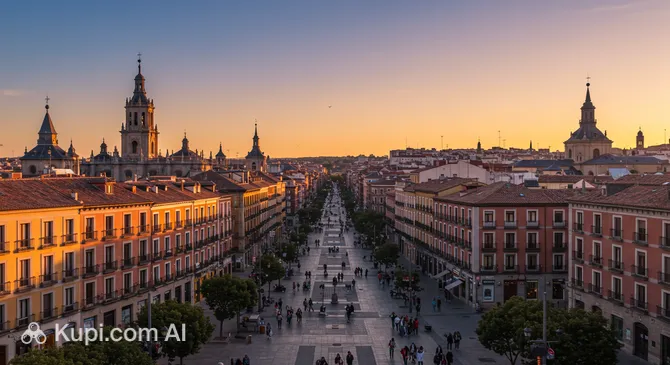
Alcalá de Henares. Illustration.
Source: Kupi.com AI

The historical center of Alcalá de Henares is so significant that it has been included in the UNESCO World Heritage List. The city charms visitors with its narrow arcaded streets, old squares, cozy cafes, and traditional tapas bars, creating a unique sense of immersion in authentic Spanish life.

One of the main highlights is the University of Alcalá, founded in 1499 by Cardinal Cisneros, which quickly became one of the most prestigious educational institutions in Europe. Furthermore, Alcalá de Henares is the birthplace of the great writer Miguel de Cervantes, author of the immortal "Don Quixote." His house-museum is a must-visit. Walking through the city is a real journey through time, from medieval monasteries to elegant Renaissance facades.

If you want to feel the true Spanish spirit mixed with the intellectual atmosphere of an ancient university town, Alcalá de Henares is the perfect place for you. This city is ideal for leisurely strolls, gastronomic discoveries, and getting to know the rich culture of Spain, far from the hustle and bustle of the metropolises.

You can find more interesting facts on the history of the city of Alcalá de Henares page.
Weather Overview

The weather in Alcalá de Henares is characterized by distinct seasons. Summers here are hot and mostly dry: in July and August, the average air temperature is around 26°C, and maximum figures often exceed 33°C, with practically no precipitation (0 mm, 2-3 rainy days). Winters in Alcalá de Henares are cool. The average temperature in January is about 5.5°C, and in December – about 6.9°C; precipitation is infrequent, but the number of rainy days can reach 7-8 per month. Spring and autumn months offer milder weather, though these periods have a higher probability of rain – for example, there are about 11 rainy days in April, and 9-10 in October and November. Overall, Alcalá de Henares is characterized by hot, sunny summers with minimal rainfall and cool winters with occasional rain. To learn more about the climatic conditions and choose the best time for your trip, check the detailed information on the Alcalá de Henares Climate page.

Average monthly temperature

Average monthly precipitation

Interesting Facts

Alcalá de Henares is more than just the birthplace of Cervantes and an ancient university center. The city holds many fascinating secrets and lesser-known facts that make it truly unique.

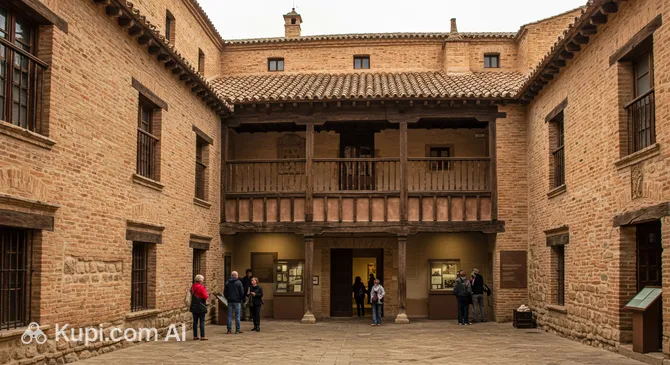
Cervantes Birthplace Museum. Illustration.
Source: Kupi.com AI

Traveler photos:

  • Alcalá de Henares is the home of Miguel de Cervantes, author of the immortal "Don Quixote." The city carefully preserves the Cervantes Birthplace Museum, where visitors can immerse themselves in the 16th-century atmosphere and see a unique collection of editions of the great novel in dozens of languages.

  • In 1998, the historic center of the city was included in the UNESCO World Heritage List. Remarkably, Alcalá de Henares was the first city in the world to be awarded this status specifically as a "university city," rather than just for its architectural monuments.

  • The local University of Alcalá, one of the oldest and most prestigious in Spain, made history by creating the famous "Complutensian Polyglot Bible" in the 16th century. It was the world's first multi-language edition of the Bible, including texts in Latin, Greek, and Hebrew.

  • Every October, Alcalá de Henares is transformed during the Cervantes Medieval Market, which is considered the largest in Europe. The streets fill with the atmosphere of the past thanks to musicians, artisans, actors, and street performers, while guests can sample dishes prepared according to ancient recipes.

How to Get There

Alcalá de Henares enjoys an exceptionally advantageous geographical location in the center of Spain, making a trip here easy and comfortable. Thanks to its proximity to the capital, travelers can take advantage of Madrid's developed transport infrastructure. To plan the perfect itinerary, we recommend checking all ways to get to the city and choosing the option that suits you best.

Alcalá de Henares does not have its own airport, but this is not a problem for tourists. The main gateway is Adolfo Suárez Madrid–Barajas Airport (IATA: MAD), located in Madrid. This is one of Europe's largest international hubs, receiving flights from all over the world. The airport is only 17 km from Alcalá de Henares, which is actually closer than it is to the center of the Spanish capital itself. A taxi or car ride takes about 20–30 minutes, and there is also a convenient bus service (route 824) and connections via commuter trains.

An alternative, though much more distant option, is Valladolid Airport (IATA: VLL). It is located in the city of Valladolid, approximately 184 km from Alcalá de Henares. This airport serves far fewer flights and is more suitable for those planning a trip through the Castile and León region. The travel time by taxi or bus from here is over 3 hours.

For clarity, here is a summary of information for the main airports:

AirportPassenger trafficDistance
Adolfo Suárez Madrid-Barajas Airport61.8 mln17 km
Valladolid Airport212 000184 km
Matacan Airport21 100188 km
Zaragoza Airport686 000236 km
Valencia Airport9.9 mln270 km

Rail travel is one of the most popular ways to reach the city. Although Alcalá de Henares has its own station, most tourists arrive via Madrid's main stations, which are linked to the city by the Cercanías commuter train lines (lines C-2 and C-7). The main hub is Atocha Station in Madrid, located about 28 km away. It is the country's largest station with an enormous passenger flow, and trains to Alcalá depart every 10–15 minutes. The commuter train journey takes about 40 minutes.

Another important entry point is Chamartín station, also in Madrid (about 26 km from Alcalá). Trains from Northern Spain arrive here. You can reach Alcalá de Henares from Chamartín on a direct commuter train in about 45–50 minutes. It is also worth mentioning the Guadalajara Railway Station in the neighboring city of Guadalajara (23 km). It is convenient for those traveling from the direction of Zaragoza or Barcelona on regional trains.

Below is information about the nearest major railway stations:

StationPassenger trafficDistance
Guadalajara Railway Station24 km
Chamartín Station36 mln27 km
Atocha Railway Station108 mln29 km
Segovia Guiomar Railway Station1.1 mln77 km
Toledo Railway Station1.9 mln88 km

Main Attractions

Alcalá de Henares, a city steeped in history and the birthplace of the great Miguel de Cervantes, offers travelers many fascinating places to explore. This UNESCO World Heritage city is famous for its university and beautifully preserved architecture.

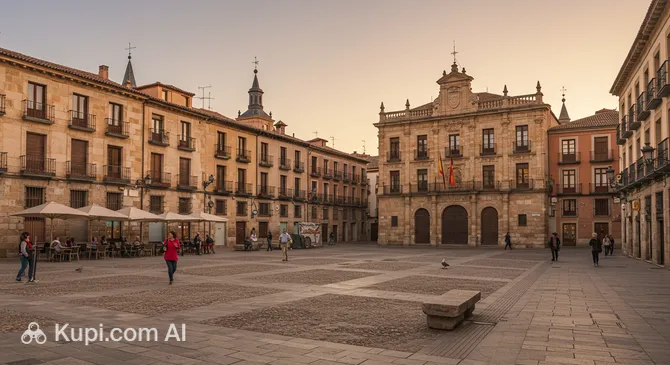
The heart of the city is undoubtedly Cervantes Square. This lively spot is surrounded by historic buildings, including the old university and the Corral de Comedias theater. In the center of the square stands a monument to the city's most famous son. It is a lovely place to stroll, soak in the atmosphere, and enjoy a coffee at one of the many cafes.

Cervantes Square. Illustration.
Source: Kupi.com AI

Traveler photos:

A mandatory stop for any tourist is the Cervantes Birthplace Museum. It is believed that the author of "Don Quixote" was born in this very building. The museum recreates the setting of a 16th-century Castilian house, allowing visitors to immerse themselves in the era and learn more about the writer's life and work. It is a unique opportunity to touch the history of world literature.

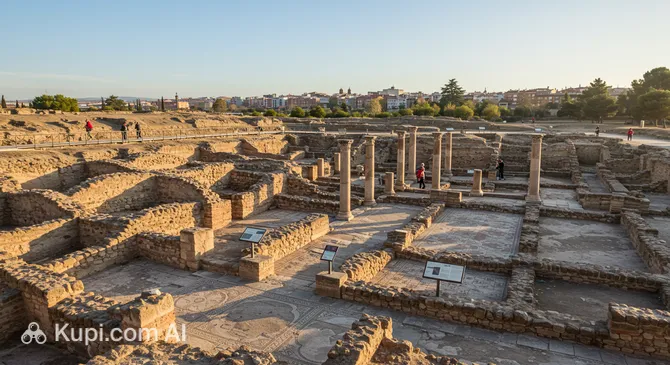
For those interested in ancient history, the Roman City of Complutum offers a fascinating journey into the past. This archaeological park showcases the ruins of an ancient Roman settlement, the predecessor to modern Alcalá. Excavations include remains of the forum, thermal baths, and residential houses with mosaics, making it an important historical site.

Roman City of Complutum. Illustration.
Source: Kupi.com AI

Traveler photos:

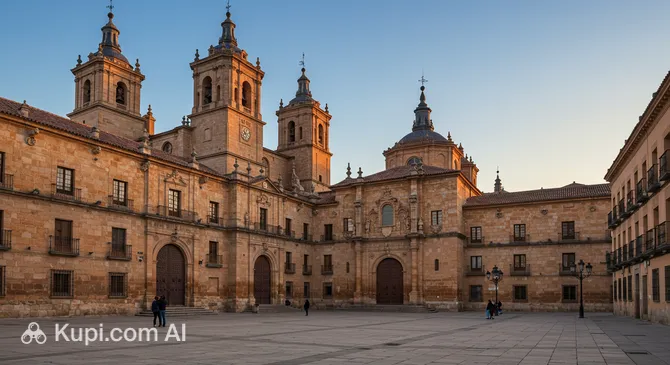
The majestic Archbishop's Palace is another iconic landmark in Alcalá de Henares. This impressive complex served as the residence for the Archbishops of Toledo and witnessed many historical events, including Christopher Columbus's first meeting with the Catholic Monarchs. Despite fires and renovations, the palace retains its grandeur and historical significance.

Archbishop's Palace of Alcalá de Henares. Illustration.
Source: Kupi.com AI

Traveler photos:

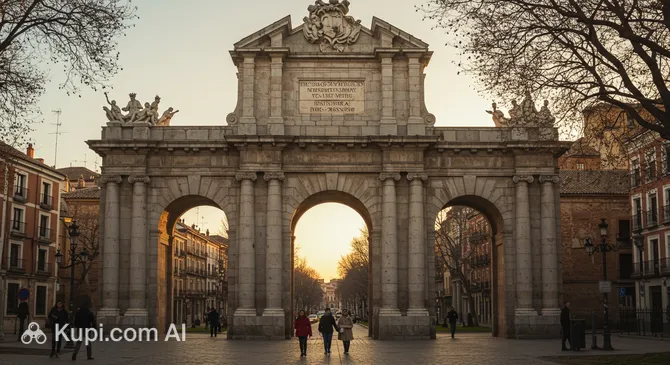
The Puerta de Madrid, a monumental gateway built in the 18th century, should not be overlooked. It served as the main entrance to the city from the direction of Madrid and is a fine example of Neoclassical architecture. A walk to these gates allows visitors to appreciate the city's former scale and take beautiful souvenir photos.

Puerta de Madrid. Illustration.
Source: Kupi.com AI

Traveler photos:

Local Cuisine

The gastronomy of Alcalá de Henares is a fascinating journey into the world of Castilian culinary traditions, seasoned with a university spirit and modern touches. The city is famous for its authentic flavors and a special dining culture where tapas turn into a real ritual. Here, everyone will find a dish to their liking, from hearty meat delicacies to exquisite sweets, with recipes passed down through generations.

Start your discovery of the local cuisine with tapas. In the city's numerous bars, a small portion of various snacks is offered with every drink: from classic jamón and Manchego cheese to fried eggplant with honey and appetizing croquettes. Don't miss the chance to try "migas" – a hearty dish made of fried breadcrumbs with sausage and garlic, originating from the rural kitchens of Castile. This simple yet incredibly tasty treat perfectly captures the spirit of local gastronomy.

For those with a sweet tooth, Alcalá de Henares offers real treasures. The city's signature treats are the "Alcalá almond candies" (almendras de Alcalá) – delicate, with a light nutty note, they pair perfectly with a cup of aromatic coffee. Another local celebrity is the "rosquillas de Alcalá", airy dough rings with sugar glaze. As for drinks, besides coffee, local wines or refreshing beer are traditionally served with tapas.

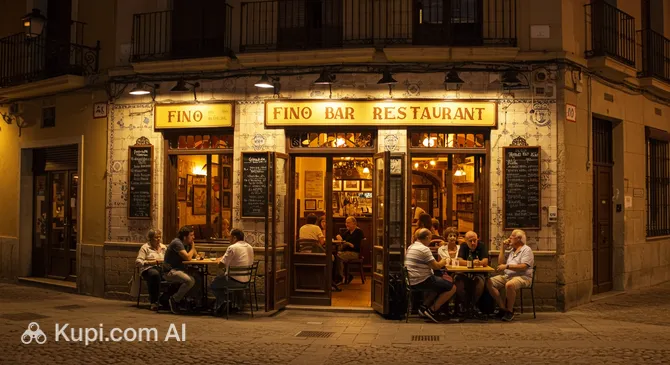
Fino Bar Restaurant. Illustration.
Source: Kupi.com AI

Traveler photos:

The dining culture in Alcalá de Henares centers around lively tapas bars and traditional restaurants, where locals and tourists enjoy socializing over delicious food. Many establishments, such as Fino Bar Restaurant or the cozy Taberna San Isidro, offer authentic dishes in a friendly atmosphere. It is also worth visiting the local markets for fresh products, homemade cheeses, and honey. The city is also known for its gastronomic festivals, especially the spring and autumn tapas and sweets celebrations, when Alcalá turns into a true paradise for gourmets.

Travel Tips

Planning a trip to the charming Alcalá de Henares? To ensure your journey goes smoothly and leaves you with only pleasant impressions, we have prepared some useful tips. Knowing these nuances will help you better navigate the city and enjoy its unique atmosphere in the birthplace of Cervantes.

  1. Clothing and essentials: The climate in Alcalá de Henares, as in all of central Spain, is continental. In summer, it is hot and dry (temperatures can rise to +35°C and above), so bring light, breathable clothing made of natural fabrics, a hat, sunglasses, and high SPF sunscreen. Winters are cool (averaging +5-10°C), sometimes with frosts, but snow is rare; you will need a warm jacket, sweater, hat, and gloves. In spring and autumn, the weather is changeable, so layering is very practical: t-shirts, light sweaters, and a windbreaker or mid-season jacket. Comfortable shoes are an absolute necessity year-round, as the historic center, paved with cobblestones, is best explored on foot. Don't forget an adapter for electrical appliances (Spain uses type F sockets). When visiting active churches and monasteries, such as the Magistral Cathedral, choose modest clothing that covers shoulders and knees.
  2. Getting around the city: Alcalá de Henares is quite compact, especially its historic part, which is easy and pleasant to explore on foot. For longer distances, you can use the city buses (Líneas Urbanas de Alcalá de Henares), which have a well-developed network of routes. Taxis are available; they can be found at designated ranks, hailed on the street, or called via phone or apps (e.g., Cabify, FreeNow). Renting a car might be justified if you plan to travel extensively around the Madrid area, but for Alcalá de Henares itself, it is not always advisable due to potential parking difficulties in the center. The city is also perfectly connected to the capital by Cercanías commuter trains (lines C2, C7, C8), making it a convenient base for trips to Madrid.
  3. Finances: The official currency in Spain is the Euro (EUR). You can exchange money at banks or exchange offices (casas de cambio), though rates at the airport or in highly touristy areas may be less favorable. It is often more convenient to withdraw cash from an ATM upon arrival. Bank cards (Visa, Mastercard) are accepted almost everywhere: in hotels, restaurants, and shops. American Express is accepted less frequently. Check with your bank about card usage terms abroad and any possible fees. ATMs (cajeros automáticos) are easy to find throughout the city. A rough daily budget (excluding accommodation) can range from 30-50 euros for a budget traveler to 70-100+ euros for a more comfortable stay. Tipping (propina) in Spain is not strictly mandatory but is always welcomed for good service. In restaurants, it is customary to leave 5-10% of the bill if you are satisfied. In bars, you can round up the bill or leave some small change.
  4. Health and safety: Alcalá de Henares is considered a safe city. Nevertheless, standard precautions are never out of place: keep an eye on your personal belongings, especially in crowded places (stations, tourist attractions), and do not leave valuables unattended in a car. Pharmacies (farmacias) are marked with a green cross; there are always duty pharmacies (farmacia de guardia) open 24 hours (their addresses can be found on the doors of other pharmacies or online). If medical assistance is needed, EU citizens can use the European Health Insurance Card (EHIC). Tourists from other countries are strongly recommended to take out travel medical insurance. The single emergency number is 112.
  5. Communication: The official language is Spanish. In the tourism sector (hotels, large restaurants, museums), staff often speak English; however, knowing a few basic Spanish phrases (e.g., "Hola" – Hello, "Adiós" – Goodbye, "Por favor" – Please, "Gracias" – Thank you, "¿Quanto cuesta?" – How much does it cost?, "No entiendo" – I don't understand) will be very useful and warmly welcomed by locals. A local SIM card can be purchased at mobile operator stores (Movistar, Vodafone, Orange) or electronics shops. Wi-Fi is available in most hotels and many cafes and restaurants; sometimes the city authorities provide free access in certain public areas. Useful apps include Google Maps, a translator, and public transport schedule apps.
  6. Local etiquette: Spaniards are generally friendly and sociable. It is customary to say hello ("Hola", "Buenos días/tardes/noches") and goodbye ("Adiós") when entering and leaving small shops and cafes. Siesta (afternoon rest) is still observed in some small establishments, which may be closed from around 14:00 to 17:00, though large stores and tourist sites usually work without a break. Dinner in Spain is quite late – restaurants usually start filling up after 21:00. Addressing someone as "tú" (informal you) is common, but "Usted" (formal you) is more appropriate for elderly people or in formal settings.
  7. What to avoid: Avoid loudly criticizing local traditions or customs, even if they aren't to your liking (such as bullfighting). Try to avoid sharp political discussions, especially on regional topics, if you aren't sure of the context. In restaurants and cafes, do not rush the waiters; for Spaniards, eating is a ritual to be enjoyed slowly. If you want the bill, say "La cuenta, por favor."
  8. Special feature of Alcalá de Henares: The city is inextricably linked with the name of Miguel de Cervantes. Be sure to visit his birthplace museum (Casa Natal de Cervantes) and walk along the historic Calle Mayor. The University of Alcalá is one of the oldest in Spain, and its historic buildings are a UNESCO World Heritage site; don't miss the chance to look into its magnificent courtyards (patios). If your trip falls in early October, you can catch the Cervantes Week (Semana Cervantina) – a grand celebration with a medieval market that takes the city back several centuries.

We hope these tips help you better prepare for your trip to Alcalá de Henares and get the most enjoyment out of discovering this amazing city, full of history and literature. We wish you an unforgettable experience!

Entertainment & Nightlife

Alcalá de Henares, known for its rich historical heritage and university, transforms after dark, offering guests and locals various options for evening and nightlife. While the city may not boast the same scale of nightlife as Madrid, it has a cozy and lively atmosphere, especially on weekends.

The main concentration of nightlife spots is in the historic city center, particularly around Calle Mayor and its adjacent streets, as well as around Cervantes Square. Here you will find many tapas bars, traditional taverns, and more modern pubs. The atmosphere in most venues is quite relaxed, and the crowd is mixed – from students to middle-aged patrons. The dress code is usually casual, unless it is a specific club.

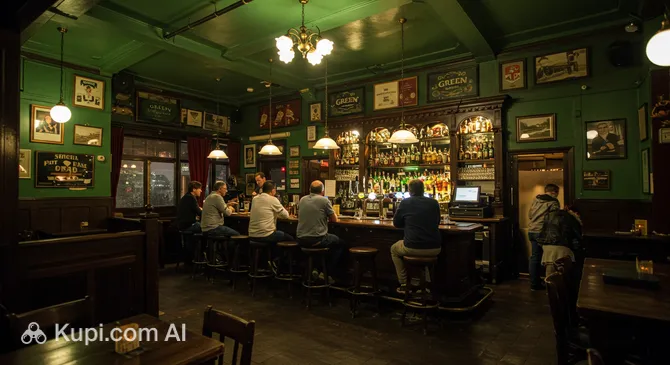
The Green Irish Pub. Illustration.
Source: Kupi.com AI

Traveler photos:

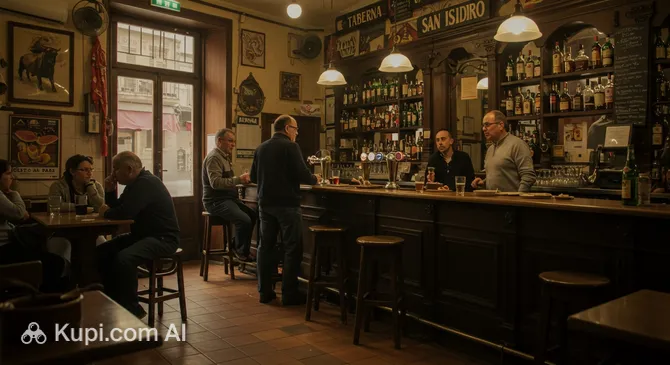
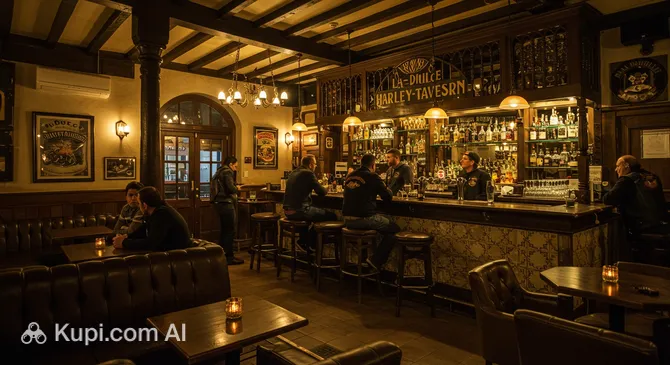
Popular spots for evening entertainment include Taberna San Isidro, where you can dive into an authentic Spanish atmosphere and enjoy local drinks and snacks. Another interesting venue is Taberna La Dulce Harley, which offers its own unique setting. For those looking for more of a club atmosphere with music and dancing, it is worth checking out the Green Irish Pub, which often attracts a younger crowd.

Taberna San Isidro. Illustration.
Source: Kupi.com AI

Traveler photos:

An evening typically begins with "tapeo" – a bar crawl for tasting tapas, which smoothly transitions into visiting pubs. Clubs generally start to fill up closer to midnight and stay open until early morning, especially on Fridays and Saturdays. Prices in Alcalá's bars and clubs are generally moderate, especially compared to the capital. At night, it is most convenient to get around the city by taxi; you can call one or find them at designated ranks. Central areas of the city are considered safe for night walks, but standard precautions should always be taken.

La Dulce Harley Tavern. Illustration.
Source: Kupi.com AI

Traveler photos:

During the day, Alcalá de Henares also offers many engaging activities. You can visit numerous museums, such as the Cervantes Birthplace Museum or the Regional Archaeological Museum of Madrid, or walk through historic landmarks like the Puerta de Madrid or the Laredo Palace. The city has theaters offering various productions, and for shopping enthusiasts, there is the Alcalá Magna Shopping Center. You can also spend pleasant time in parks, such as the Royal Botanical Garden Juan Carlos I.

Parks & Museums

Alcalá de Henares, a city with a rich historical heritage, offers its guests not only its famous university and architectural masterpieces but also wonderful opportunities for outdoor recreation and cultural immersion through its many museums. Everyone will find something for themselves here, whether it's a stroll along shady park alleys or learning about the life of the great Cervantes.

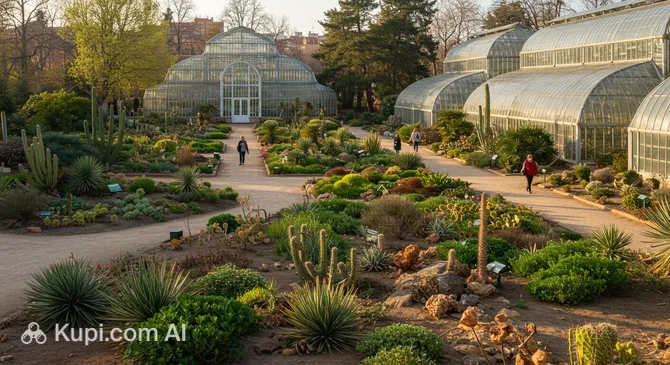
Among the city's green oases, the Royal Botanical Garden Juan Carlos I stands out. It is not just a park but a true scientific and educational center where you can see collections of plants from all over the world, themed gardens, and greenhouses. The garden is ideal for leisurely walks and studying flora. Another popular spot for relaxation is Sementales Park, offering spacious lawns, playgrounds, and shady corners perfect for spending time with family or friends in a peaceful atmosphere.

Royal Botanic Garden Juan Carlos I. Illustration.
Source: Kupi.com AI

Traveler photos:

Speaking of cultural heritage, one cannot fail to mention the Cervantes Birthplace Museum. This is the site where the great writer is believed to have been born. Visitors can dive into the atmosphere of 16th-17th century Spain, see everyday objects from that time, and learn more about the life and work of the author of "Don Quixote." Another landmark cultural institution is the Regional Archaeological Museum of Madrid, located in a former convent building. Its collection covers the region's history from prehistoric times to the Middle Ages, showcasing unique artifacts, including Roman mosaics from the ancient city of Complutum.

Cervantes Birthplace Museum. Illustration.
Source: Kupi.com AI

Traveler photos:

In addition to these key sites, Alcalá de Henares is rich in historical and architectural landmarks. Take a stroll through Cervantes Square, the heart of the city, admire the Archbishop's Palace, or explore the remains of the ancient Roman settlement at the Roman City of Complutum. For an authentic experience, peek into the courtyards of the old university buildings or find the lesser-known chapels scattered throughout the historic center, each holding its own piece of history.

Getting Around

When planning a trip to Alcalá de Henares, you can count on a convenient public transport system that makes it easy to move around the city itself and its surroundings, including Madrid. The transport network is based on city buses and commuter trains.

The main form of transport within Alcalá de Henares is the city bus system (autobuses urbanos). They cover most areas, including the historic center, the university, and residential neighborhoods. The route network is well-developed, allowing you to reach major points of interest. Buses run with reasonable regularity, but it's best to check the schedules at stops or on the transport company's website.

For trips to Madrid and other cities in the region, the Cercanías commuter trains are indispensable. Several lines pass through Alcalá de Henares (such as C-2, C-7, C-8), which will quickly take you to the capital. There are several railway stations in the city, the main one being "Alcalá de Henares," and the "Alcalá de Henares Universidad" station is also important for students and visitors to the university campus.

The payment system in Alcalá de Henares is integrated into the general transport system of the Madrid region (Consorcio Regional de Transportes de Madrid - CRTM). It is recommended to purchase a Tarjeta Multi – a rechargeable contactless card that can be loaded with single trips, 10-trip tickets (Bonobús), or longer-term passes. A single bus ticket can also be purchased from the driver, usually for cash (it's advisable to have small change), costing approximately 1.30-1.50 euros. Cercanías train tickets are purchased at machines or ticket offices at the railway stations, with prices depending on the travel zone.

The Tarjeta Multi can be purchased and topped up at tobacco shops (estancos), some newsstands, as well as at machines in Metro and Cercanías stations in Madrid. You must validate the card when entering a bus (by tapping it on a special device) or at the turnstiles of Cercanías stations. Public transport usually operates from early morning (around 6:00) until late evening (around 23:00-00:00), but the exact schedule depends on the specific route and day of the week.

In addition to public transport, other ways of getting around are available in Alcalá de Henares. Taxis can be found at designated ranks or called by phone. The historic city center is quite compact and perfect for walking. You might also consider renting a bicycle if you plan to explore the city at a more relaxed pace.

Accommodation

When planning a trip to Alcalá de Henares, you will find a variety of accommodation options to suit different preferences and budgets. The city offers a wide range of housing, from economical hostels and guest houses, perfect for budget travelers, to comfortable mid-range hotels and apartments, which are popular with families and those who prefer more independence.

The historic city center is a particularly convenient area for tourists to stay. By staying here, you will be within walking distance of most key attractions, such as Cervantes Square, the Cervantes Birthplace Museum, and the Archbishop's Palace. It is also worth considering options near the university campus, where a lively atmosphere prevails. While specific famous hotels are not mentioned in the available data, the city has many options that can be found on popular booking platforms.

Regarding the price range, you can find both budget options and mid-range accommodation in Alcalá de Henares. There are fewer luxury hotels here than in the major capital cities, but high-quality and cozy hotels are always available for guests. It is recommended to book accommodation in advance, especially if your trip coincides with the peak tourist season or during major city events and festivals. The most common booking methods are through online platforms and, in some cases, direct booking via hotel websites.

Nearby Cities

For those who want to explore the surroundings, Alcalá de Henares serves as an excellent starting point for day trips to several interesting nearby locations. Here are just a few ideas for your journey:

  • Madrid: Just 29 kilometers away is Spain's lively capital. Immerse yourself in the world of art at the Prado and Reina Sofia museums, stroll across the majestic Plaza Mayor, or relax in Retiro Park. Madrid offers an endless variety of experiences, from historical monuments to modern gastronomy and a vibrant nightlife.
  • Guadalajara: Located about 24 kilometers away, Guadalajara attracts visitors with its rich historical heritage. The main attraction is the impressive Infantado Palace (Palacio del Infantado) with its unique Isabelline-style facade. This city offers a calmer atmosphere for exploring Castilian culture and architecture.
  • Torrejón de Ardoz: The closest city to Alcalá, only 10 kilometers away, Torrejón de Ardoz will especially appeal to families with children. It is home to the famous Parque Europa, where you can see miniature copies of Europe's most famous monuments and enjoy various attractions and recreation areas.

Below is a table with other nearby cities that may also be interesting to visit from Alcalá de Henares:

CityPopulationDistance
Villalbilla15 8668 km
Meco15 1439 km
Daganzo de Arriba10 65010 km
Torrejón de Ardoz134 73310 km
Azuqueca de Henares35 23612 km

These nearby destinations allow for a deeper understanding of the diverse culture, history, and landscapes of the region, complementing the experience of staying in Alcalá de Henares.

Shopping & Souvenirs

Alcalá de Henares offers a pleasant experience for shopping enthusiasts, combining the charm of a historic city with modern shopping opportunities. While the city is not famous for world-exclusive goods, you can find quality Spanish products, fashion, books, and, of course, souvenirs related to Cervantes.

The city's main shopping artery is undoubtedly Calle Mayor. It is one of the oldest and longest arcaded streets in Europe, home to numerous shops for clothing, shoes, accessories, jewelry, and traditional stalls. A walk down this street is a pleasure in itself, allowing you to combine shopping with viewing historic architecture.

For those who prefer shopping in large malls, there are several options in Alcalá de Henares. One popular choice is the Alcalá Magna Shopping Center, which offers a wide selection of famous brands in clothing, electronics, and home goods, as well as restaurants and a cinema. Another large complex is the Alcalá de Henares Shopping Center, where you can also find a variety of shops and entertainment.

Alcalá Magna Shopping Center. Illustration.
Source: Kupi.com AI

Traveler photos:

The city has a Municipal Market (Mercado Municipal de Abastos), where you can buy fresh local products: fruits, vegetables, meat, cheeses, and more. Occasionally, fairs such as craft or book fairs are held in the city's squares, like Cervantes Square, where you can find interesting and unique items.

As souvenirs from Alcalá de Henares, tourists often choose items related to Miguel de Cervantes and his famous novel "Don Quixote." These can be books, figurines, magnets, or postcards. Local sweets are also popular, such as "costrada" (a layered cake) or "almendras garrapiñadas" (caramelized almonds). Ceramics and leather goods are also good choices.

Shops in Alcalá de Henares are typically open from Monday to Saturday, roughly from 10:00 to 14:00 and from 17:00 to 20:30. Many small shops observe the siesta (afternoon break). Large shopping centers often work without a break from 10:00 to 22:00. Most shops are closed on Sundays, except for some souvenir shops and stores in tourist areas, as well as some shopping centers that may have special hours. Common payment methods are cash and credit cards (Visa, Mastercard).

Tourists from non-European Union countries can use the Tax Free system for purchases over a certain amount in participating stores. This allows for a partial VAT refund. Don't forget to ask for a special Tax Free receipt at the store and present it along with your purchases at customs when leaving Spain.

Reached the end of the page?

That means the route is fully explored