Support

Lloret de Mar

About

Lloret de Mar is the true heart of the famous Costa Brava, picturesquely situated on the shores of the Mediterranean Sea. The city is nestled in lush pine groves, while its rocky coves and golden beaches create a unique Mediterranean landscape. Here, everyone will find their perfect spot: from bustling beaches to secluded bays and romantic viewpoints.
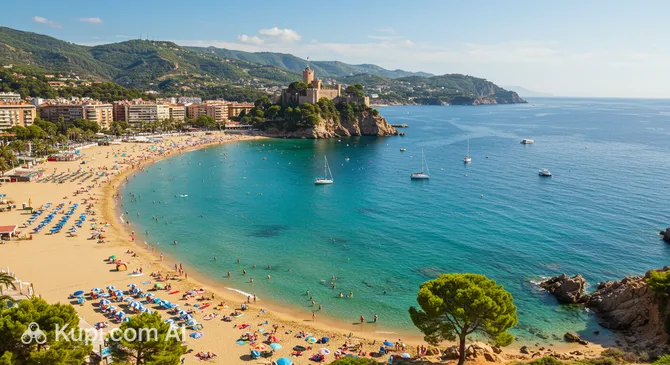
Lloret de Mar. Illustration.
Source: Kupi.com AI

With a population of about 39,000 people, Lloret de Mar is one of the most popular resorts in Spain, located just an hour's drive from Barcelona. This city is one of the oldest in the region, with a history dating back more than two thousand years. Today, the cultural heritage of Lloret blends harmoniously with modern entertainment and high standards of service, attracting tourists from all over the world, especially during the summer months.

It is not for nothing that Lloret de Mar is called the holiday capital of the Costa Brava. The city is famous for its magnificent beaches and crystal-clear sea, offering plenty of opportunities for active recreation. One of its signatures is its energetic nightlife with a variety of bars, clubs, and discos, which particularly attracts young people. However, the city also offers charming cozy streets in the old town, where you can feel the spirit of history, as well as excellent conditions for family holidays and nature lovers.

Visiting Lloret de Mar is worth it for its unique combination of antiquity and modernity, natural beauty, and the energy of a major resort. This city offers something for every guest: whether it's a relaxing beach holiday, fascinating excursions, gastronomic discoveries, or vibrant night adventures. Lloret de Mar awaits you to provide unforgettable experiences!

You can find more interesting facts on the history of Lloret de Mar page.
Weather Overview

The weather in Lloret de Mar is characterized by a mild Mediterranean climate. Summers here are warm and sunny, with average temperatures in July and August around 24-25°C, while maximum values can reach 29°C. Winters are mild, with average temperatures in January around 8°C and minimum temperatures rarely dropping significantly below 3-5°C. Precipitation is distributed throughout the year but is more likely in spring and autumn, while summer remains relatively dry, although brief rains are possible. Expect a warm summer with occasional rain and cool winters with low rainfall. To learn more about the weather by month, visit the Climate of Lloret de Mar page.

Average monthly temperature

Average monthly precipitation

Interesting Facts

Beyond its famous beaches and lively atmosphere, Lloret de Mar hides many fascinating stories and little-known details. This city is a true box of surprises for the curious traveler.

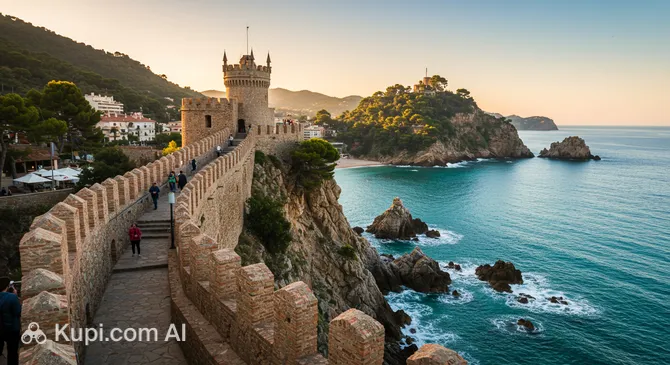
  • In Lloret de Mar, you will find the unique Sant Joan Castle, built back in the 11th century to protect the coast from pirate raids. It is well-preserved and open to visitors today, offering breathtaking views of the city and the endless sea.

  • On one of the city's boulevards stands an exact replica of the famous Canaletes Fountain from Barcelona. According to local legend, anyone who drinks its water will surely return to Lloret de Mar, and perhaps even stay here forever.

  • Lloret de Mar is rightfully considered a record-holder for the number of clubs and discos on the Costa Brava. Interestingly, the city's oldest club, Bumper’s, has been welcoming guests since 1978 and still attracts nightlife lovers from across Europe.

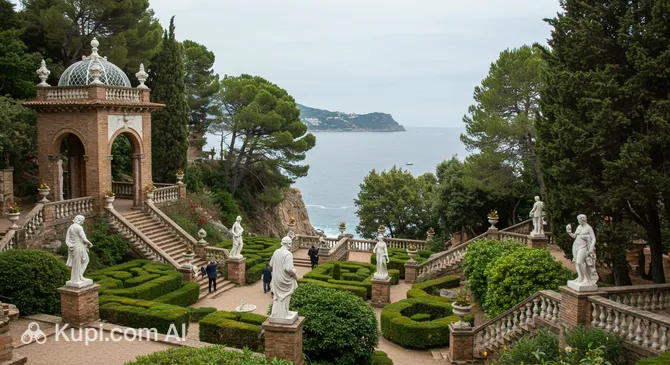
  • The city is proud of its Santa Clotilde Gardens – a true masterpiece of landscape art. Here, exotic plants harmonize with ancient statues, and the terraces offer sea views that look like they were taken straight from a postcard.

Santa Clotilde Gardens. Illustration.
Source: Kupi.com AI

Traveler photos:

How to Get There

Planning a trip to sunny Lloret de Mar? Getting to this popular resort on the Costa Brava is quite easy, mainly thanks to the well-developed transport links with major Spanish cities.

The most convenient way to reach Lloret de Mar is by air. Although the city does not have its own airport, there are several options nearby that serve international and domestic flights. This allows tourists to choose the most suitable route depending on their location and budget.

One of the main options is Barcelona — El Prat Airport (BCN). It is located in Barcelona, approximately 78 km southwest of Lloret de Mar. This is a very large international hub receiving flights from all over the world. A trip from the airport to Lloret de Mar by taxi or a special shuttle bus will take about 1.5-2 hours.

A closer option is Girona — Costa Brava Airport (GRO). It is located just 23 km north of Lloret de Mar, in the city of Girona. This airport is an important regional hub, popular with low-cost airlines and serving many European destinations. You can get from Girona — Costa Brava Airport to the resort by taxi or bus in about 45-60 minutes.

For convenience, here is a summary of the main airports that may be suitable for a trip to Lloret de Mar:

AirportPassenger trafficDistance
Girona-Costa Brava Airport2.0 mln23 km
Barcelona-El Prat Airport49.9 mln78 km
Llabanère Airport463 235116 km
Reus Airport1.2 mln153 km
Carcassonne Airport322 767174 km

Although there is no railway station in Lloret de Mar itself, you can reach the resort by rail via nearby cities. This can be a convenient option if you are traveling through Spain or from neighboring European countries by train. Buses and taxis run from the railway stations to Lloret de Mar.

The closest railway station to Lloret de Mar is Girona Railway Station (GIA), located in the city of Girona, about 31 km from the resort. This station serves both regional and long-distance trains. Buses run regularly from here to Lloret de Mar, and the journey takes about 1 hour. Taxi services are also available.

Another major railway hub is Sants station (YJB) in Barcelona, located at a distance of about 68 km. This is one of the main stations in Spain, where high-speed trains arrive from many cities across the country and from abroad. From Barcelona, you can reach Lloret de Mar by direct bus or by a combination of train and bus, with a total travel time of approximately 2 hours.

Here is information about some railway stations through which you can reach Lloret de Mar:

StationPassenger trafficDistance
Girona Railway Station3.6 mln31 km
Estació de França2.3 mln65 km
Sants Railway Station46.5 mln68 km
Perpignan Station2.1 mln111 km
Tarragona Camp Station2.5 mln148 km

In addition, Lloret de Mar can be reached by car via the extensive network of Spanish roads, including the AP-7 and C-32 toll motorways. If you travel by car, it will give you the freedom to move throughout the Costa Brava region.

Main Attractions

Lloret de Mar, a popular resort on the Costa Brava, offers its guests not only magnificent beaches but also many interesting attractions. Here, everyone will find something to their liking – from picturesque gardens and historical castles to modern entertainment centers.

One of the most enchanting places is the Santa Clotilde Gardens. These magnificent gardens, located on a cliff with stunning sea views, are designed in the Italian Renaissance style. A stroll through their shaded alleys, among fountains, sculptures, and well-tended plants, provides true aesthetic pleasure and allows you to relax away from the city's hustle and bustle. It is an ideal spot for romantic walks and beautiful photos.

Sant Joan Castle. Illustration.
Source: Kupi.com AI

Traveler photos:

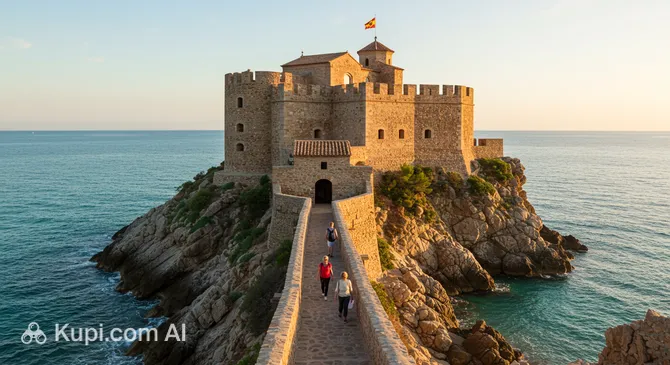
For history buffs and those seeking panoramic views, Sant Joan Castle is a must-visit. This medieval fortress, perched on a hill between the beaches of Lloret and Fenals, was built in the 11th century to protect against pirate raids. Although only the main tower and part of the walls remain from the original structure, the summit offers breathtaking views of the coast and the city.

Church of Sant Romà. Illustration.
Source: Kupi.com AI

Traveler photos:

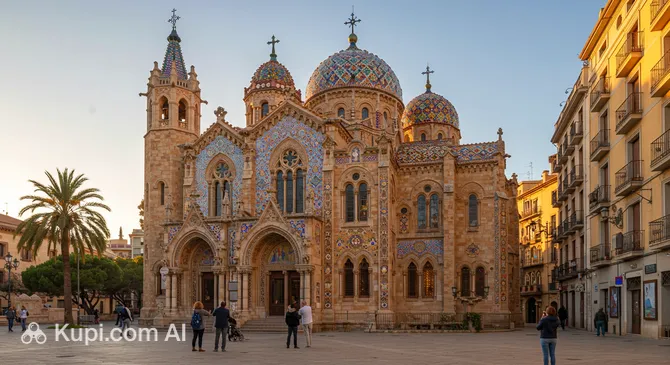
The Church of Sant Romà (Església de Sant Romà) is also not to be missed – it is one of the symbols of Lloret de Mar. This parish church, built in the early 16th century in the Gothic style, strikes visitors with its unusual exterior and bright, multi-colored domes that were added later. The church combines elements of Gothic and Modernism, making it a unique architectural monument.

Water World. Illustration.
Source: Kupi.com AI

Traveler photos:

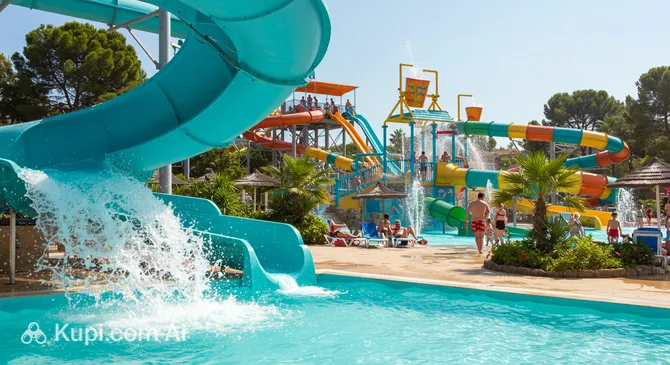
If you are traveling with family or simply love water activities, the Water World water park is an excellent choice. It is one of the largest water parks in Europe, offering a wide selection of slides, pools, and attractions for all ages. You can spend the whole day here enjoying the sun and fun.

In addition, while in Lloret de Mar, you should visit the picturesque Lloret de Mar Beach, which is the central and liveliest beach of the resort, as well as the Maritime Museum - Can Garriga, where you can learn more about the maritime history of the region.

Local Cuisine

The gastronomy of Lloret de Mar is a vibrant reflection of Catalan culinary traditions, where the main roles are played by the freshest seafood, seasonal vegetables, and aromatic olive oil. It is a true paradise for gourmets wishing to discover the authentic flavors of the Costa Brava. One of the most iconic dishes that you should definitely try is "suquet de peix" – a rich fish stew with potatoes, onions, and garlic, prepared according to local fishermen's recipes. This dish perfectly captures the spirit of coastal cuisine.

Beyond "suquet de peix," the gastronomic palette of Lloret de Mar is rich with other delights. Be sure to try "escalivada" – an appetizing dish of grilled vegetables (usually eggplant, peppers, onions, and tomatoes), which is often served as a side dish or a standalone appetizer. It is impossible to imagine a Catalan meal without tapas – here they are presented in all their diversity, with seafood options like mussels, squid, shrimp, and anchovies being particularly popular. And, of course, don't forget "pan con tomate" (pa amb tomàquet) – toasted bread rubbed with ripe tomato and drizzled with olive oil, a simple yet brilliant snack. For dessert, treat yourself to the delicate Crema Catalana with its crispy caramel crust.

Accompanying a meal in Lloret de Mar is usually done with local drinks. Refreshing sangria based on red wine with fruit is perfect for a hot day. It's also worth paying attention to local wines, especially white and rosé varieties from nearby wine regions. For those who prefer stronger drinks, there are interesting local liqueurs. Among non-alcoholic options, definitely try the freshly squeezed juices from juicy local fruits, which provide a boost of energy, or other refreshing drinks popular in Catalonia.

La Parrilla. Illustration.
Source: Kupi.com AI

Traveler photos:

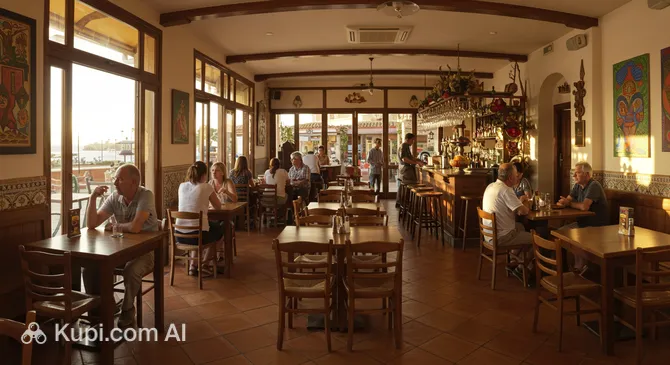
Dining culture in Lloret de Mar is diverse. Locals and tourists enjoy food in numerous restaurants offering both traditional and modern cuisine, as well as in more informal settings. For example, you can stop by La Parrilla to sample local dishes. City markets will delight you with an abundance of fresh fruits, cheeses, jamón, and homemade sausages, while street cafes offer quick and tasty snacks. The city's gastronomic scene is very lively, and everyone will find something to their taste, from fine restaurants to cozy tapas bars.

Travel Tips

Welcome to sunny Lloret de Mar! To make your trip through this vibrant resort town on the coast of Spain as smooth and pleasant as possible, we have prepared some practical tips to help you navigate here like a local.

  1. Clothing and Essentials: Lloret de Mar has a Mediterranean climate with hot summers and mild winters. In summer, you will need light clothing, swimwear, a hat, sunglasses, and high-SPF sunscreen. In spring and autumn, it's worth bringing items that can be layered (e.g., t-shirts and a light jacket or sweater for the evenings). In winter, a warmer jacket will be useful, but heavy winter gear is usually unnecessary. Comfortable shoes are an absolute must for walking around the city and along the scenic promenades. Don't forget a universal adapter for electrical appliances (Type F sockets are used in Spain). When visiting religious sites, such as the parish Church of Sant Romà, it is recommended to choose modest clothing that covers shoulders and knees.
  2. Transport: Moving around the center of Lloret de Mar and along the beach zones is convenient on foot. For longer trips, you can use local buses (LloretBus) that connect various city districts and neighboring coves. Taxis are also available; additionally, mobile apps for calling them, such as Cabify or local equivalents, may function. Renting a car will be useful if you plan to explore the Costa Brava region, but keep in mind that parking in Lloret de Mar, especially in high season, can be challenging and quite expensive. As an alternative for short trips, consider renting a scooter.
  3. Finance: The official currency in Spain, and therefore in Lloret de Mar, is the Euro (€). Credit and debit cards are widely accepted in most shops, restaurants, and hotels. ATMs (cajeros automáticos) are frequent; it is recommended to use ATMs belonging to banking institutions to avoid potential extra fees. It's more advantageous to exchange currency at banks or official exchange offices than at airports or hotels. An approximate daily budget for one person, excluding accommodation costs, can be €70-€150, depending on your preferences and holiday style. Tipping in Spain is welcomed but not always strictly mandatory. In restaurants, it's customary to leave 5-10% of the bill for good service. It's also considered good form to round up the amount for taxi drivers or in cafes.
  4. Health and Safety: Pharmacies (farmacias) are easy to find by the characteristic green cross. Some of them work 24/7 on a rotation system (farmacia de guardia – current information can be found in local directories or online). In case of emergency medical assistance, call 112. EU citizens will find the European Health Insurance Card (EHIC) useful. All other tourists are strongly recommended to take out travel insurance. Lloret de Mar is generally considered a safe city, however, you should be vigilant regarding pickpockets, especially in crowded places, on beaches, and in areas with active nightlife. Do not leave valuables unattended on the beach and be cautious at night, especially if you are alone on uncrowded streets.
  5. Communication: The official languages are Spanish and Catalan. In tourist zones, hotels, restaurants, and shops, English is quite common. Knowing a few basic phrases in Spanish, such as "Hola" (Hello/Hi), "Gracias" (Thank you), "Por favor" (Please), and "¿Cuánto cuesta?" (How much does it cost?), will be gratefully received by locals. Prepaid SIM cards for mobile communication can be purchased at operator stores or some small shops (usually identification is required for purchase). Wi-Fi access is widely available in hotels, cafes, and some public areas.
  6. Local Etiquette: A simple greeting "Hola" (Hello) and goodbye "Adiós" (Goodbye) or "Hasta luego" (See you later) when entering and leaving a shop or cafe is considered polite. Spaniards usually have dinner quite late – at 9:00 PM or even later. Lunch typically falls between 2:00 PM and 4:00 PM. Be patient: life here often flows at a calmer and more measured pace, especially outside the peak tourist season. When addressing people, especially those who are older or whom you don't know well, it's respectful to use "señor" (sir), "señora" (madam), or "señorita" (miss).
  7. What to Avoid: Walking through the city in a swimsuit away from the beach area is considered bad manners, and in some coastal towns in Spain, you can even be fined for this. It's better to throw on a t-shirt and shorts. Excessive alcohol consumption in public places and noisy behavior, especially late at night, can lead to trouble with local authorities and is a show of disrespect to residents. Lloret de Mar is known for its nightlife, but it's important to holiday responsibly.
  8. Additional Tip: Lloret de Mar is famous for its lively nightlife, but don't miss the chance to explore its beautiful coves (calas), such as Cala Boadella or Cala Sa Forcanera. They offer a more secluded and quiet beach experience compared to Lloret's main beach. Also, be sure to visit the Santa Clotilde Gardens for breathtaking views and a chance to enjoy the peace. Consider taking a boat trip along the coast to see the resort from a different perspective.

Lloret de Mar is a fantastic destination offering sun, sea, and plenty of entertainment. Armed with these tips, you are ready for an amazing and carefree holiday in this gem of the Costa Brava!

Entertainment & Nightlife

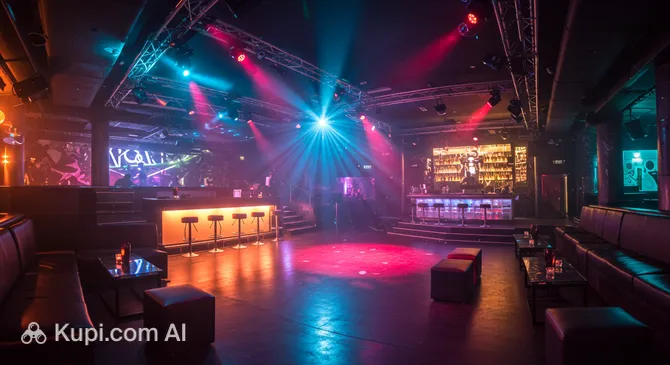
Lloret de Mar is famous for its vibrant and diverse nightlife, attracting young people from all over Europe. As the sun sets, the city is transformed, and its streets fill with energy and the anticipation of fun. The main concentration of nightlife venues is found along the main promenade and its adjacent streets, especially in the area of Avinguda Just Marlés Vilarrodona, which is considered the epicenter of the club scene.

The atmosphere here varies: from noisy discos with electronic music and light shows to more relaxed bars with live music or cozy lounge areas where you can enjoy a cocktail. The crowd is mainly young and international. Most clubs open around midnight and stay open until morning, usually until 5 or 6 AM. The dress code in most venues is quite casual, but some more prestigious clubs might not admit guests in beachwear. It is best to arrive at the clubs after 1 AM when they start to fill up. Average prices for drinks in clubs can be higher than in regular bars, but various promotions and "happy hours" are often offered.

Flashion Food. Illustration.
Source: Kupi.com AI

Traveler photos:

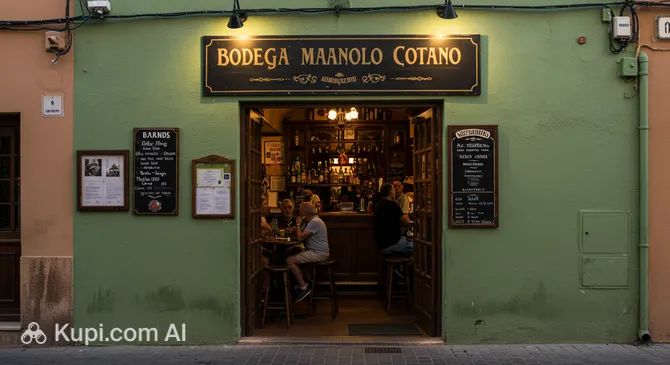
Among the popular spots is the Flashion Food club, known for its themed parties and contemporary music. For those who prefer a more authentic Spanish atmosphere, Bodega Manolo Cotano is a great choice, where you can sample local drinks and snacks in a traditional setting. Many venues offer outdoor terraces, which are especially pleasant on warm summer nights.

Bodega Manolo Cotano. Illustration.
Source: Kupi.com AI

Traveler photos:

Walking around the center of Lloret de Mar at night is generally safe, especially in busy areas. However, if you live on the outskirts or simply want to get to your hotel quickly, you can always use taxi services. Taxi stands are located at key points in the city, or you can call for a car by phone or through an app. It is recommended to use official taxi services.

While the nightlife is the main draw for many tourists, there is also plenty to do in Lloret de Mar during the day. You can visit the Maritime Museum - Can Garriga to learn more about the city's history, or spend time at one of the amusement parks, such as Water World or Magic Park Lloret. Nature lovers will appreciate the beauty of the Santa Clotilde Gardens with their magnificent sea views.

Parks & Museums

Lloret de Mar is not just about lively beaches and vibrant nightlife, but also a place where you can enjoy the beauty of manicured gardens and experience a rich cultural heritage. The city and its immediate surroundings offer several wonderful parks for quiet walks and interesting sites that reveal the history and traditions of this corner of Spain.

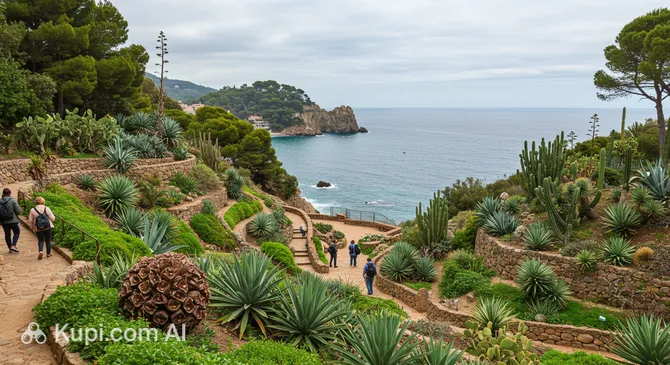
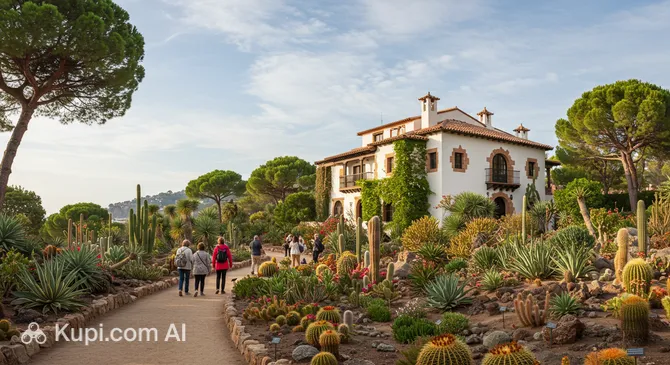
Among the green gems of the Costa Brava, the Santa Clotilde Gardens stand out particularly. Located on a cliff with breathtaking views of the Mediterranean Sea, these gardens are designed in the Italian Renaissance style. Here you can spend hours walking among slender cypresses, elegant fountains, and sculptures, enjoying the silence, flower scents, and sea breeze. It is an ideal spot for romantic walks. Although technically located in neighboring Blanes, the famous Marimurtra Botanical Garden is easily accessible from Lloret de Mar and very popular with tourists. It is one of the most important botanical gardens in the Mediterranean, where thousands of plant species from all over the world are collected on terraces descending to the sea. Also noteworthy is the Pinya de Rosa Tropical Botanical Garden, known for its impressive collection of cacti and other succulents, numbering over 7,000 species.

Marimurtra Botanical Garden. Illustration.
Source: Kupi.com AI

Traveler photos:

Pinya de Rosa Tropical Botanical Garden. Illustration.
Source: Kupi.com AI

Traveler photos:

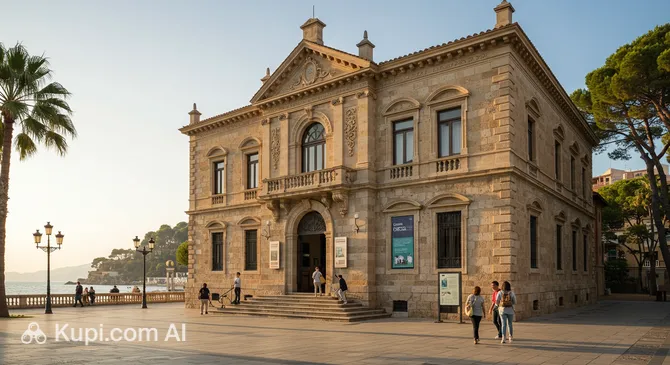
To gain a deeper understanding of the city's history, which is inextricably linked to the sea, be sure to visit the Maritime Museum - Can Garriga. It is housed in a 19th-century building known as Can Garriga, which once belonged to a wealthy family of "indianos" – locals who made their fortune in the Americas. The museum's exhibits fascinatingly tell the story of the times when Lloret de Mar was an important center for shipbuilding and maritime trade. You will see ship models, ancient navigational instruments, and hear stories of brave local sailors. Another iconic cultural and architectural site is the Church of Sant Romà. Its bright, eclectic appearance, combining Gothic, Renaissance, and Modernist elements, and its colorful mosaic-covered domes make it a true highlight of the city and an important historical monument.

Maritime Museum - Can Garriga. Illustration.
Source: Kupi.com AI

Traveler photos:

For history enthusiasts and panoramic view lovers, the climb to the ruins of the medieval Sant Joan Castle will be interesting. This watchtower, dating back to the 11th century, once protected the city from pirate raids from the sea. Today, its summit offers magnificent views of the coast of Lloret de Mar and the endless sea. One cannot fail to mention the picturesque Sa Caleta Castle (also known as Castell d'en Plaja), which, although a private residence built in the 20th century in the style of a medieval castle, has become one of the most recognizable symbols of Lloret de Mar. It rises majestically on a cliff by Sa Caleta beach and graces many postcards and photos of the city.

Sa Caleta Castle. Illustration.
Source: Kupi.com AI

Traveler photos:

For authentic experiences and less crowded walks, explore the coastal paths known as "Caminos de Ronda." These scenic routes, winding along the rocky coast, connect various beaches and secluded coves, such as the charming Cala dels Frares. Walking along them will reveal stunning views of rocky shores, pine groves, and crystal-clear sea, allowing you to see the Costa Brava from its wilder, more natural side.

Getting Around

Public transport in Lloret de Mar consists mainly of a bus network that provides travel within the city itself as well as connections to neighboring resorts and major cities. This is a convenient and relatively inexpensive way to explore the surroundings.

The main types of transport are city and intercity buses. Local routes connect different districts of Lloret de Mar, including beaches and tourist zones. Intercity buses depart from the central bus station (Estació d'Autobusos) and go to cities such as Blanes, Tossa de Mar, Girona, and Barcelona. Schedules may change depending on the season, becoming more frequent during the summer months.

The fare payment system is quite simple. Single-trip tickets can usually be purchased directly from the driver when boarding the bus. For those planning to use transport frequently, multi-trip passes or tourist cards offering better rates may be available. It is best to check information about such options at the bus station or in tourist information centers. The cost of travel depends on the route and distance.

For the convenience of tourists, it is recommended to buy tickets for intercity trips in advance, especially during the peak season, at the bus station ticket offices or online, if such an option is provided by the carrier. It's important to keep an eye on the schedule, as the frequency of trips, especially to less popular destinations, may be limited. Most buses announce stops, but it's always helpful to track your route on a map.

As an alternative to public transport, taxis are popular in Lloret de Mar. They can be found at designated stands or called by phone. This is a more expensive but more comfortable way to travel, especially for short trips or at night. Bicycle and scooter rentals are also available in the city, which is an excellent option for exploring the resort and its picturesque surroundings independently. For short walks along the promenade and nearby attractions, many tourists choose to go on foot, as the city center is quite compact.

A unique feature of Lloret de Mar is the presence of tourist "trains" (trenet turístic). This is not exactly public transport in the classic sense, but rather an attraction offering sightseeing tours of the city and to some popular spots, such as the Santa Clotilde Gardens. It is an interesting way to see the main sights without extra effort.

Accommodation

When planning a trip to Lloret de Mar, you will find a wide range of accommodation options to suit every taste and budget. This popular resort on the Costa Brava offers everything from budget hostels and guesthouses for young people and backpackers to comfortable mid-range hotels, family apart-hotels, and luxury full-service resorts. Self-catering apartments and villas are also widely available, perfect for large groups or family vacations.

When choosing where to stay in Lloret de Mar, you should consider several key areas. Many tourists prefer to stay near lively beaches, such as the central Lloret de Mar Beach or the quieter Fenals Beach, from where it is easy to reach major attractions and restaurants. For fans of active nightlife and shopping, options in the city center near iconic sites like the Church of Sant Romà are ideal. For a more secluded stay, consider options in quiet residential areas slightly away from the noisy center.

L'Azure Hotel. Illustration.
Source: Kupi.com AI

Traveler photos:

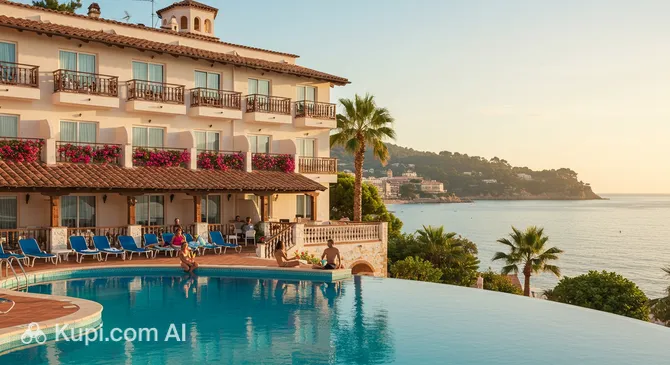
Lloret de Mar features many hotels of various categories. These include large chain hotels as well as small family-run establishments. As an example, the L'Azure Hotel offers modern amenities and high-level service. The choice of a specific hotel depends on your preferences for location, range of services, and price category.

As for prices, they vary depending on the season, type of accommodation, and its location. Overall, options range from budget to luxury. It is recommended to book your accommodation in advance, especially if your trip falls during the peak season (July-August), when demand is highest. For searching and booking, it is convenient to use popular online platforms, aggregator sites, or contact hotels directly. Some travelers also use the services of travel agencies.

Nearby Cities

For those who want to explore the surroundings, Lloret de Mar serves as an excellent starting point for day trips to several interesting nearby places:

CityPopulationDistance
Blanes40 5795 km
Palafolls9 6618 km
Tordera18 02210 km
Malgrat de Mar19 09310 km
Llagostera9 02415 km

Each of these cities offers something unique, making them great options for short trips:

Mataró, the capital of the Maresme comarca, attracts visitors with its rich history, including Roman ruins, and beautiful beaches. It is a great place for those who want to combine cultural relaxation with the sea.

Girona charms with its medieval old town, impressive Cathedral, and picturesque colored houses along the Onyar River. A walk through its narrow streets and the Jewish Quarter is a true journey back in time.

Blanes, known as the "gateway to the Costa Brava," is famous for its botanical gardens, such as Marimurtra, as well as its beautiful beaches and the Sa Palomera rock, which symbolizes the beginning of the coast.

Salt, located very close to Girona, offers a quieter atmosphere and a chance to experience local life, as well as enjoy walks along the Ter River.

Sant Feliu de Guíxols is a picturesque coastal town with a rich history, where you can visit an ancient monastery, enjoy beautiful coves and beaches, and stroll along the lively promenade.

These nearby destinations provide a great insight into the diverse culture and landscapes of the region.

Shopping & Souvenirs

Lloret de Mar offers a variety of shopping opportunities, primarily aimed at tourists. The city is not famous for any exclusive goods, but here you can find everything you need for a beach holiday, souvenirs, and some Spanish delicacies. Many shops offer clothing, footwear, accessories, cosmetics, and perfumes from famous brands, as well as products from local manufacturers.

The main commercial life of Lloret de Mar is concentrated along central streets such as Carrer de Sant Pere and Avinguda Just Marlés Vilarrodona. Here you will find many small boutiques, souvenir shops, beach gear stores, and jewelry salons. Strolling through these busy streets is a pleasure in itself, allowing you to soak up the atmosphere of a resort town.

If you prefer shopping in larger complexes, check out the PortaLloret Shopping Center. It houses clothing, shoe, and electronics stores, as well as a supermarket and a food court. It's a convenient place for comprehensive shopping in one location.

PortaLloret Shopping Center. Illustration.
Source: Kupi.com AI

Traveler photos:

Every week, a municipal market takes place in Lloret de Mar (usually on Tuesdays), where you can purchase fresh fruit, vegetables, local cheeses, sausages, olives, as well as inexpensive clothing, footwear, and souvenirs. It is a great place to feel the local flavor and buy something authentic.

As souvenirs from Lloret de Mar, tourists often bring back traditional Spanish goods: ceramics, fans, castanets, and products made from olive wood. Local liqueurs, wine, jamón, and olive oil are also popular. Of course, don't forget beach souvenirs featuring Costa Brava symbols.

Shops in Lloret de Mar are usually open from 10:00 to 13:00/14:00 and then after siesta from 16:00/17:00 to 20:00/21:00. During the peak season, many shops, especially in tourist areas, may stay open longer and without a long break. Large supermarkets and shopping centers often work through the siesta. Both cash (Euros) and bank cards are accepted for payment. Most shops offer contactless payment options.

Tourists from non-EU countries can take advantage of the Tax Free system when making purchases over a certain amount in participating stores. This allows for a partial VAT refund upon leaving Spain. Don't forget to check the details and complete the necessary documents in the store at the time of purchase.

Nearby cities

Reached the end of the page?

That means the route is fully explored