Support

Orihuela

About

Orihuela is a true Spanish treasure for connoisseurs of history, architecture, and authentic atmosphere, nestled in the south of the province of Alicante, in the Valencian Community. The city stretches along the picturesque banks of the Segura River, surrounded by orange groves and palm-lined avenues, just 20 kilometers from the azure waters of the Mediterranean Sea. This ideal location grants Orihuela a unique combination of the charm of an ancient city in Spain and the light breeze of coastal resorts.
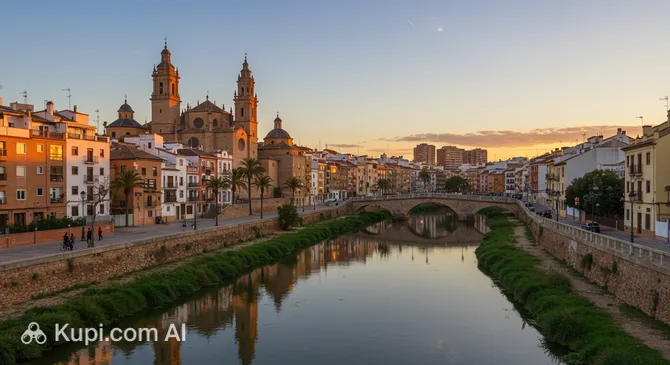
Orihuela. Illustration.
Source: Kupi.com AI

With a population of about 80,000, Orihuela is one of the significant cities of its region and an important cultural and administrative center. Here, centuries-old traditions, religious heritage, and modern trends intertwine harmoniously, creating a special, almost family-like atmosphere where every guest feels welcome. The city is famous for its rich historical past, which comes to life in its narrow streets, majestic cathedrals, and old mansions.

Orihuela is an ideal place for those seeking to immerse themselves in the atmosphere of old Spain. Among the key attractions are the Cathedral of El Salvador and Santa María, built in the 13th-14th centuries, and the Episcopal Palace with its impressive architecture. Equally interesting is the Santo Domingo Monastery, a former university. The city invites you for leisurely walks along its shaded avenues, offering visits to cozy cafes and the discovery of amazing secrets from the past.

Orihuela is worth visiting for its unique diversity: here you can not only admire magnificent architecture and enjoy the silence of old quarters but also head to nearby beaches or play a round of golf on one of the region's best courses. This is a place where every traveler—be they an art lover, nature enthusiast, or gourmet—will find something to their liking and take home unforgettable impressions.

You can find more interesting facts on the history of Orihuela page.
Weather Overview

The weather in Orihuela is characterized by hot, dry summers and mild winters, typical of a Mediterranean climate. Summer months, especially July and August, are very warm with average temperatures around 27.5°C, while maximum daytime temperatures can rise above 33°C. Winter months, such as January and February, remain mild, with average temperatures in the range of 10-12°C. Rainfall in the city is insignificant throughout the year, with very few rainy days; many months see almost no rain at all.

When preparing for your trip, expect a very warm and sunny summer with minimal rainfall, and a mild winter, also with few rainy days. For more detailed information on climatic conditions and an up-to-date forecast, you can check the Orihuela climate page.

Average monthly temperature

Average monthly precipitation

Interesting Facts

Beyond its well-known attractions, Orihuela hides many surprising stories and lesser-known details that make this city truly special. Here are just a few of them:

  • Orihuela is one of the oldest cities in the region, with a history spanning over two thousand years. Walking through its streets, you can still see the Baroque facades of houses bearing the coats of arms of old Spanish families, as well as majestic churches and monasteries that have preserved the spirit of the Middle Ages.

  • The city is home to the Colegio Diocesano Santo Domingo, the largest religious complex in the Valencian Community. Due to its impressive interiors and historical significance, it is often called the "Little Escorial."

  • Orihuela hosts the unique Holy Week Museum (Museo de la Semana Santa)—the largest museum in Spain entirely dedicated to this important national holiday. Its exhibition introduces local procession traditions, costumes, and sculptures.

  • Above the city, on the ruins of the ancient Moorish fortress of Monteagudo, stands the monumental 14-meter sculpture "Heart of Jesus." This statue has become one of the main symbols of Orihuela and a popular spot for panoramic views.

How to Get There

When planning a trip to the south of the Alicante province, it's important to think about logistics in advance. Orihuela enjoys a favorable geographical location, being close to major transport hubs. You can find more details on how to get to Orihuela to choose the optimal route; below, we look at the main air and rail gateways to the region.

The city of Orihuela itself does not have its own airport, so most tourists arrive via neighboring cities. The absolute leader in terms of convenience is Alicante-Elche Airport (IATA: ALC), located in the city of Alicante. This is a major international hub receiving flights from all over Europe. The distance to Orihuela is about 40 km. A taxi ride takes approximately 40–50 minutes, and there is also a regular bus service.

An excellent alternative is Corvera International (IATA: RMU), located in the Fuente Álamo area (Murcia region). It is even closer than Alicante—just 35 km from Orihuela, making it a very convenient option if your flight lands there. The car journey takes about 35 minutes. This is a regional airport with lower passenger traffic, which often means faster completion of formalities.

If you haven't found suitable tickets to the nearest hubs, you can consider Valencia Airport (IATA: VLC). It is located in Valencia, significantly further away—about 161 km from Orihuela. This is a large airport with a wide choice of flights. Travel time by taxi or rental car is about 2 hours, so this option is best chosen when planning a larger trip along the coast.

For clarity, here is a summary of the main airports:

AirportPassenger trafficDistance
Corvera International907 66835 km
Alicante-Elche Airport18.4 mln41 km
Valencia Airport9.9 mln161 km
Almeria Airport786 205187 km
Ibiza Airport9.1 mln221 km

Regarding rail connections, it is most convenient to use large stations in neighboring provincial centers for long-distance trips. The nearest major hub is Alicante Railway Station (IATA: YJE). It is located in the city of Alicante, about 49 km from Orihuela. High-speed AVE trains from Madrid and other major cities arrive here. From Alicante station, you can reach Orihuela by taxi (about 50 minutes) or transfer to a suburban train (Cercanías) that goes directly to Orihuela.

Another important transport hub is Valencia Station (IATA: YJV), located in Valencia, 161 km from the destination. It is one of the country's largest stations with huge passenger traffic. If you arrive here, be prepared for a transfer to Orihuela taking about 2 hours by car, or a transfer to a regional train heading south.

Below is information about the nearest significant railway stations:

StationPassenger trafficDistance
Alicante Railway Station3.8 mln49 km
Albacete Railway Station915 608128 km
Valencia Railway Station14 mln161 km
Castellón de la Plana Railway Station2.5 mln225 km
Teruel Railway Station166 000251 km

In addition to planes and trains, Orihuela is easily reached by car, as the city is located near the A-7 motorway (Autovía del Mediterráneo), which runs along the entire coast. Intercity buses also connect the city with Alicante, Murcia, and Torrevieja, offering a budget-friendly way to travel.

Main Attractions

Orihuela, a city with a rich history and culture in the province of Alicante, offers tourists many interesting places to visit. From majestic cathedrals to cozy squares and house-museums of famous figures—everyone will find something for themselves while exploring the corners of this charming city in Spain.

One of the city's main gems is the Cathedral of the Holy Savior and Saint Mary (Catedral del Salvador y Santa María de Orihuela). This impressive temple, founded in the 13th century on the site of a former mosque, is a striking example of Gothic architecture with Renaissance and Baroque elements. Tourists are drawn to its monumentality, magnificent altars, ancient chapels, and the opportunity to climb the bell tower for a panoramic view of the city.

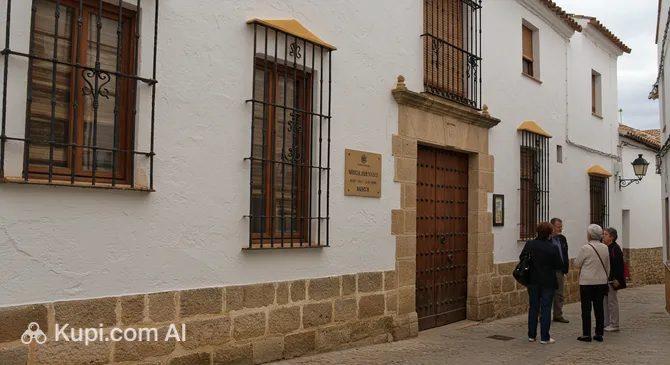
Miguel Hernández House Museum. Illustration.
Source: Kupi.com AI

Traveler photos:

For connoisseurs of literature and history, it is highly recommended to visit the Miguel Hernández House-Museum. This is where one of the most significant Spanish poets of the 20th century lived and worked. Visitors can see the poet's personal belongings, manuscripts, and photographs, immersing themselves in the atmosphere of his life and work. The museum is an important cultural center and preserves the memory of Orihuela's great son.

Gabriel Miró Square. Illustration.
Source: Kupi.com AI

Traveler photos:

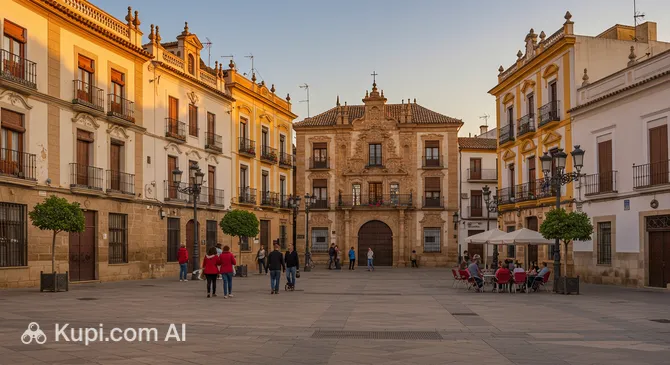
The central meeting and walking spot is Gabriel Miró Square. This picturesque square, named after the prominent writer closely associated with the city, is surrounded by beautiful buildings and palm trees. It attracts tourists with its cozy atmosphere, fountains, and the chance to relax in one of the many cafes while observing city life.

The Castle of Orihuela (Castillo de Orihuela), or rather its ruins towering on San Miguel Hill, is also not to be missed. Although only fragments of walls and towers remain of its former grandeur, this place holds immense historical significance. The climb to the castle is rewarded not only by a touch of history but also by breathtaking panoramic views of the city and the surrounding fertile Vega Baja valley.

Another iconic attraction in Orihuela is the Church of Saints Justa and Rufina (Iglesia Parroquial de las Santas Justa y Rufina). This 14th-century Gothic church, dedicated to the city's patron saints, impresses with its austere beauty and high clock tower. Valuable works of art are preserved inside. The church is an important architectural monument and a place of pilgrimage.

Local Cuisine

The gastronomy of Orihuela is a true immersion into the world of traditional Spanish cuisine, where fresh local products play the leading role. The basis of many dishes consists of vegetables, top-quality olive oil, seafood, and selected meats. Culinary traditions are carefully preserved here, passed down from generation to generation, making every dish truly special.

Travelers should definitely try "arroz saltero"—an aromatic rice with seafood prepared according to old recipes, reflecting the city's proximity to the Mediterranean. Another iconic dish is "Gazpacho Manchego"—a hearty and thick dish with meat and special flatbreads, quite unlike the cold gazpacho soup known in other regions of Spain. Also, look out for local cheeses, cured meats, and, of course, olives, which are often served as a snack.

Agus Orihuela. Illustration.
Source: Kupi.com AI

Traveler photos:

An integral part of the gastronomic culture of Orihuela is tapas—various small snacks served with drinks. This is a wonderful opportunity to try several dishes at once. Local young wines or refreshing sangria are perfect companions for tapas. Among non-alcoholic drinks, fresh-squeezed juices and horchata are popular.

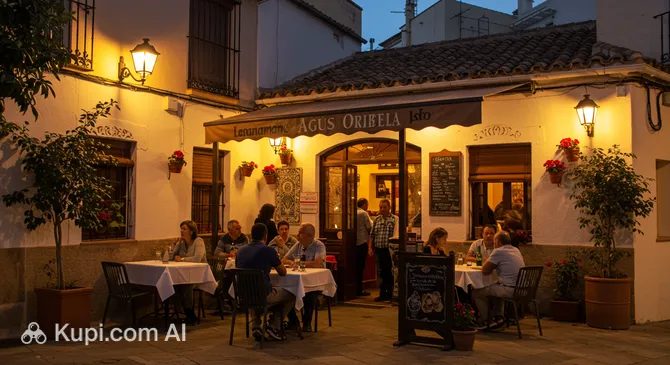
Locals and tourists enjoy food in a variety of places. Traditional restaurants, such as Agus Orihuela, offer authentic regional dishes. Street food also deserves attention: be sure to try crispy churros with hot chocolate, aromatic empanadas (pastries) with various fillings, or tostadas with tomatoes and jamon. Local markets always offer the freshest fruit, honey, nuts, and traditional pastries. In the evenings, the central squares come to life, filling with visitors to cafes and tapas bars, where a friendly and relaxed atmosphere prevails.

Travel Tips

Welcome to Orihuela! This charming city with a rich history and culture awaits you. To ensure your trip is as comfortable as possible and leaves only pleasant impressions, we have prepared a few practical tips.

  1. Clothing and Essentials: The climate in Orihuela is Mediterranean: hot summers and mild winters. In summer, bring light, breathable clothing, a headpiece, sunglasses, and sunscreen. In spring and autumn, the weather is changeable, so layering and a light jacket will be useful. In winter, a warm sweater or jacket is sufficient. A key point is comfortable shoes, as the historical center of Orihuela is best explored on foot. For visiting the numerous churches and the cathedral (for example, the Cathedral of the Savior and Saint Mary), choose clothing that covers shoulders and knees. Don't forget a European power adapter (type F).

  2. Transport: It is most pleasant to get around the historical center of Orihuela on foot. For longer trips around the city, you can use local buses. If you plan to explore the surroundings and the Orihuela Costa coastline, renting a car can be a good option, but note that parking in the city center can be difficult. Taxis are available, and apps can be used to call them. Orihuela has rail connections with other cities in Spain.

  3. Finance: The official currency in Spain is the Euro (€). You can exchange currency at banks or exchange offices ("cambio"). ATMs are widely available. Credit and debit cards are accepted in most shops, restaurants, and hotels. It's recommended to notify your bank of your trip. An approximate daily budget per person (excluding accommodation) can range from 50 to 100 euros. Tipping is not strictly mandatory but is welcomed for good service (usually 5-10% in restaurants or rounding up the bill in cafes and taxis).

  4. Health and Safety: Pharmacies ("farmacia") are easy to find by the green cross; some operate 24/7 on a duty schedule ("farmacia de guardia"). EU tourists are recommended to carry a European Health Insurance Card (EHIC). For others, it is strongly recommended to take out travel insurance. Orihuela is generally a safe city. Observe standard precautions: keep an eye on your belongings in crowded places, especially at markets and during festivals. Avoid poorly lit and deserted streets at night.

  5. Communication: The official language is Spanish (Castilian). In tourist areas, staff often speak English, but knowing a few basic phrases in Spanish will be very helpful and appreciated by locals: "Hola" (Hello), "Adiós" (Goodbye), "Por favor" (Please), "Gracias" (Thank you), "Sí/No" (Yes/No), "¿Cuánto cuesta?" (How much does it cost?). A local SIM card can be purchased at mobile phone shops. Wi-Fi is available in most hotels, cafes, and some public places.

  6. Local Etiquette: It is customary to say hello ("Hola") when entering small shops or cafes. When meeting, a handshake is common; closer acquaintances may exchange two kisses on the cheeks (starting with the left). Spaniards are sociable and friendly. Showing respect for local traditions and trying to speak Spanish is always perceived positively. During the siesta (roughly from 2:00 PM to 5:00 PM), many small shops may be closed, though large supermarkets and tourist establishments usually remain open.

  7. What to Avoid: Try not to discuss controversial political topics loudly, especially those concerning the internal affairs of Spain. Also, avoid excessively noisy behavior in public places, especially in residential areas and during the traditional siesta. Do not photograph people without their permission, especially in churches during services.

  8. Special Tip for Orihuela: Orihuela is famous for its rich historical heritage and is the birthplace of the poet Miguel Hernández. Be sure to visit his house-museum. Also, don't miss the impressive Palmeral de San Antón—one of the largest and oldest palm groves in Europe. If your trip coincides with local holidays, such as Semana Santa (Holy Week) or "Moros y Cristianos" (Moors and Christians), you will witness unforgettable traditional processions.

We hope these tips help you better prepare for your trip and fully enjoy your stay in beautiful Orihuela. We wish you unforgettable impressions and bright discoveries in this amazing corner of Spain!

Entertainment & Nightlife

Evening and night in Orihuela offer guests the charm of the Spanish South, where time flows slowly and the main entertainment is socializing and enjoying the moment. While you won't find the noisy dawn-to-dusk clubs of a metropolis here, the city offers an authentic atmosphere of cozy bars, traditional restaurants, and evening strolls through ancient streets. Some venues may feature live music, especially on weekends. Overall, nightlife in Orihuela focuses on quality relaxation, delicious food, and pleasant conversation rather than deafening music and dancing until morning.

Main evening routes run through the historical center of Orihuela. It is especially lively on the streets adjacent to iconic spots like Gabriel Miró Square, as well as along the main shopping street, Calle Mayor, and its connecting alleys. It is here, among old buildings and in small squares, that numerous tapas bars, cafes, and restaurants are hidden, where locals and tourists gather after sunset. The atmosphere is usually very friendly and relaxed. Although Orihuela does not have dedicated "nightlife districts" with a high concentration of clubs, you will always find a pleasant place for an evening aperitif or dinner.

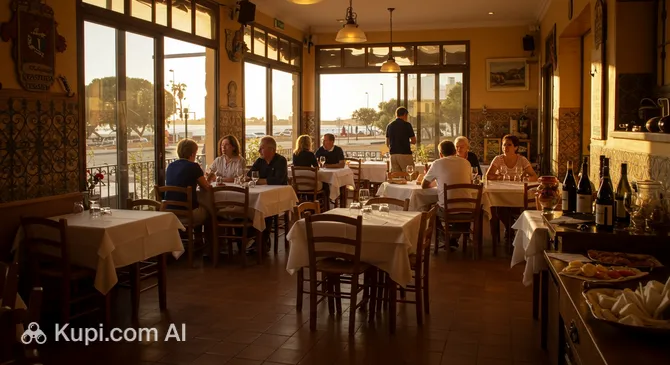
For dinner in a pleasant setting, consider venues like Agus Orihuela, known for its cuisine, or La Versilia Restaurant, where you can also enjoy local and Mediterranean dishes. These places are perfect for experiencing the Spanish tradition of late dinners with friends or family.

La Versilia Restaurant. Illustration.
Source: Kupi.com AI

Traveler photos:

Evening venues in Orihuela usually start coming to life around 9:00 PM - 10:00 PM, especially for dinner. Bars can stay open until late at night, particularly on weekends. Regarding prices, a glass of local wine or beer in a bar will cost about 2-4 euros, while dinner for two in a mid-range restaurant can cost between 40 and 70 euros, depending on the choice of dishes and drinks. The dress code in most places is quite casual – a smart-casual style will be appropriate almost everywhere. The crowd is mixed: from local families and youth to tourists wanting to experience the Spanish way of life.

When planning an evening out, keep in mind that Spaniards dine late. The best time to visit restaurants is after 9:00 PM. You can get around the city center at night on foot, as the main points of interest are close to each other. For longer distances, it is better to use a taxi. Orihuela is a relatively safe city; however, standard precautions, as in any tourist destination, are advised. Keep an eye on your belongings and avoid poorly lit, deserted streets late at night.

During the day, Orihuela also offers interesting leisure options. The city is rich in history and culture. You can visit, for example, the Miguel Hernández House-Museum, dedicated to the famous Spanish poet. Strolling through the old quarters, visiting churches and cathedrals, as well as exploring local markets or the Ociopia Shopping Center for shopping, will round out your impressions of this cozy Spanish city. While Orihuela doesn't have large theme parks, its cultural heritage and calm atmosphere make it attractive for the thoughtful tourist.

Parks & Museums

Orihuela is a city with a rich history and culture, offering its guests not only an introduction to architectural heritage but also pleasant walks through green zones and fascinating museum visits. Here, everyone will find something for themselves, whether it's a quiet rest in nature or an immersion into the art and history of the region.

Among Orihuela's green corners, the Palm Grove of Orihuela (Palmeral de Orihuela) stands out—a historical palm grove, one of the largest in Europe, where it is pleasant to stroll in the shade of date palms. This place is ideal for quiet relaxation and enjoying nature. For lovers of active recreation and panoramic views, the Sierra de Orihuela mountain range offers hiking routes of various difficulty levels. In the heart of the city, you can relax in the charming Gabriel Miró Square, which is surrounded by historical buildings and is a popular meeting spot.

Gabriel Miró Square. Illustration.
Source: Kupi.com AI

Traveler photos:

The cultural life of Orihuela is equally rich. One of the main pilgrimage sites for literature lovers is the Miguel Hernández House-Museum, dedicated to the life and work of the prominent Spanish poet. Here you can see Hernández's personal belongings and soak in the atmosphere in which he lived and created. Fans of religious art should visit the Diocesan Museum of Sacred Art (Museo Diocesano de Arte Sacro), which houses an impressive collection of church artifacts, paintings, and sculptures. To gain a deeper understanding of the region's history, visit the Regional Archaeological Museum of Orihuela (Museo Arqueológico Comarcal de Orihuela), whose collection covers periods from prehistoric times to the Middle Ages.

Miguel Hernández House Museum. Illustration.
Source: Kupi.com AI

Traveler photos:

Orihuela is also famous for its architectural monuments. The majestic Cathedral of Salvador and Santa María (Catedral del Salvador y Santa María), built in Gothic style, is one of the city's symbols. Equally interesting are the ruins of Orihuela Castle (Castillo de Orihuela), which tower on a hill and offer breathtaking views of the city and its surroundings. A stroll through the narrow streets of the historical center will allow you to discover many other churches, palaces, and old buildings, each holding its own history.

To complete your impression of Orihuela, we suggest a leisurely walk along the Segura River, which divides the city into two parts, or a visit to one of the traditional tapas bars to try local delicacies. By exploring the lesser-known corners of the old city, you will be able to feel the authentic atmosphere of this ancient Spanish city.

Getting Around

When planning your travels around Orihuela, it is worth considering that it is a city with a well-developed but compact transport system. The main form of public transport here is buses. The city bus network connects different districts of Orihuela and provides connections with adjacent settlements and the coast at Orihuela Costa.

The fare payment system on buses is quite simple. Usually, a ticket can be purchased directly from the driver upon boarding. The cost of a single trip is typically low, around 1-2 euros. For those planning to use buses frequently, travel passes or multi-trip cards (bonobús) may be available, allowing for slight savings. It is best to check for exact tariffs and ticket types on the official websites of transport companies or at bus stops. Ticket validation takes place upon entering the bus.

Buses in Orihuela run according to a schedule, which may vary depending on the day of the week (weekdays, weekends, holidays) and the season. During peak hours, service intervals are shorter. It is recommended to check the schedule of your desired route in advance, especially if a trip is planned for early morning or late evening. Information boards with schedules are usually present at stops.

In addition to buses, other methods of travel are available in Orihuela. Taxis are a convenient option for door-to-door trips, especially with luggage or at night. Taxi stands can be found at key points in the city, or a car can be called by phone. Also, given the pleasant climate and relatively flat terrain in the central part, bicycle transport is popular. There are bicycle rental services in Orihuela; rental points are usually located in the city center or near tourist routes, providing an excellent alternative for a leisurely exploration of its streets and surroundings. Car-sharing opportunities in Orihuela are less common, but it's always worth checking for local services.

Accommodation

Orihuela offers tourists a variety of accommodation options capable of satisfying different preferences and budgets. Here you will find comfortable hotels of various categories as well as cozy guesthouses. For those who prefer more independence, apartments and flats for short-term rent are available, and in the city's outskirts, you can find charming country houses or villas offering a more secluded stay.

To explore the historical heritage of Orihuela, it is most convenient to stay in the central part of the city. This allows you to be within walking distance of the main attractions, such as the Miguel Hernández House-Museum or the picturesque Gabriel Miró Square. Choosing accommodation in these areas also ensures easy access to numerous cafes, restaurants, and shops. If you plan to travel around the outskirts, look for accommodation options with convenient access to major transport routes.

The price range for housing in Orihuela is quite wide: from budget hostels and guesthouses to mid-range hotels and more luxurious apartments. The most convenient way to book a suitable option is through popular international online booking platforms, which offer a large selection and the ability to compare prices. You can also consider direct booking through the official websites of hotels.

To guarantee the best choice and most favorable conditions, it is recommended to book accommodation in advance. This is especially relevant if your trip to Orihuela coincides with the peak tourist season, major local holidays, or festivals, when the demand for accommodation significantly increases.

Nearby Cities

For those who want to explore the surroundings, Orihuela serves as an excellent starting point for day trips to several interesting nearby locations:

One such fascinating destination is Murcia, the capital of the region of the same name, located just 19 km away. This lively city attracts with its magnificent Baroque Cathedral, charming old streets in the historical center, and the opportunity to enjoy authentic local cuisine, especially its famous tapas.

Beach lovers and fans of unique natural landscapes should consider a trip to Torrevieja (26 km). The city is known for its salt lagoons, one of which, Laguna Rosa, has a striking pink hue. Additionally, Torrevieja offers beautiful sandy beaches, perfect for a relaxed day by the Mediterranean Sea.

CityPopulationDistance
Beniel11 5786 km
Callosa de Segura19 3158 km
Santomera16 1549 km
Albatera12 86412 km
Almoradi21 40414 km

These and other nearby destinations provide an insight into the diverse culture, history, and natural beauty of the region, complementing your stay in Orihuela.

Shopping & Souvenirs

Shopping in Orihuela offers a pleasant combination of traditional Spanish goods and modern stores. The city is not famous for any highly specialized products, but here you can find quality local items, clothing, shoes, and souvenirs reflecting the culture of the region of Spain.

The main shopping areas are concentrated in the city center. Walking through the historical streets, you will discover many small boutiques, family-run shops, and stores of well-known Spanish brands. The streets around the Cathedral and Gabriel Miró Square are particularly lively for shopping.

Ociopia Shopping Center. Illustration.
Source: Kupi.com AI

Traveler photos:

For those who prefer shopping in large complexes, there is an excellent option in Orihuela. One of the main shopping spots is the Ociopia Shopping Center. Here, under one roof, various clothing, electronics, and home goods stores are gathered, along with relaxation areas and restaurants, making it a popular spot for both locals and tourists.

In Orihuela, you can also visit local markets, which usually operate on certain days of the week. At these markets, you will find fresh fruit, vegetables, local delicacies, as well as clothing, shoes, and handicrafts. It's a great place to feel the local flavor and purchase something authentic.

As souvenirs from Orihuela, it's worth bringing home leather goods, handmade ceramics, local sweets like turron (especially if your trip is during the pre-Christmas period), as well as olive oil and wines from the Alicante region. Don't forget to stop by the Miguel Hernández House-Museum, where you can find themed gifts in the souvenir shop.

Shops in Orihuela are usually open from Monday to Saturday, roughly from 10:00 AM to 2:00 PM and from 5:00 PM to 8:30 PM or 9:00 PM. Large shopping centers may operate without a siesta break. Sunday is generally a day off for most shops, except for some tourist areas or pre-holiday periods. Both cash and bank cards are accepted for payment. ATMs are easily found throughout the city.

Tourists from non-EU countries can use the Tax Free system when making purchases over a certain amount in participating stores. This allows for a partial VAT refund. Don't forget to ask for a special Tax Free check in the store and present it along with your purchases at customs when leaving the European Union.

Reached the end of the page?

That means the route is fully explored