Support

Torrevieja

About

Torrevieja is a true sunny gem of the Costa Blanca, cozily nestled on the Mediterranean coast of Spain, in the province of Alicante. Located just 35 kilometers from Alicante Airport, this city attracts visitors with its unique atmosphere, where history, culture, and modern resort life harmoniously intertwine.
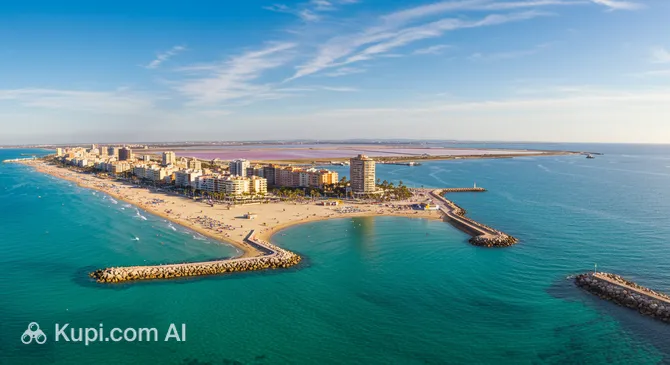
Torrevieja. Illustration.
Source: Kupi.com AI

The uniqueness of Torrevieja is largely defined by its location between two famous salt lagoons — La Mata and Torrevieja. These natural bodies of water not only create picturesque landscapes but also saturate the air with beneficial microelements, giving it healing properties. With a population of about 83,500, Torrevieja is one of the significant cities in the region while maintaining the charm and leisurely pace of a seaside town.

Torrevieja's greatest treasure is its relaxing atmosphere and a variety of leisure opportunities. Guests can look forward to magnificent beaches, long promenades for leisurely strolls, and healing salt lakes, which are the city's signature landmarks. Furthermore, Torrevieja is famous for its lively markets, cozy restaurants where you can enjoy local cuisine, and numerous festivals and holidays that fill the city with joy all year round.

Torrevieja is an ideal destination for family vacations and romantic trips, as well as for those seeking active entertainment and new experiences. Come to enjoy the mild climate, warm sea, and experience the unique flavor of real Spanish life!

You can find more interesting facts on the Torrevieja city history page.
Weather Overview

The weather in Torrevieja is characterized by a mild Mediterranean climate, making this city an attractive destination to visit all year round. You can expect hot and very dry summers, while winters are mild with low rainfall, ensuring many sunny days.

The summer months, especially July and August, are the warmest, with average maximum air temperatures reaching 32°C and minimal precipitation (often 0 mm). In winter, for example in January, the average temperature ranges from 7.8°C to 16.7°C, and December and February also see very few rainy days. Spring and autumn may bring slightly more precipitation—for instance, up to 9 rainy days in March—but the overall amount remains low. To get a more detailed view of the weather conditions by month, you can explore the Torrevieja Climate page.

Average monthly temperature

Average monthly precipitation

Interesting Facts

Beyond its sunny beaches and lively promenade, Torrevieja hides many amazing stories and facts that make this city on the coast of Spain truly special. Ready to learn a few of them?

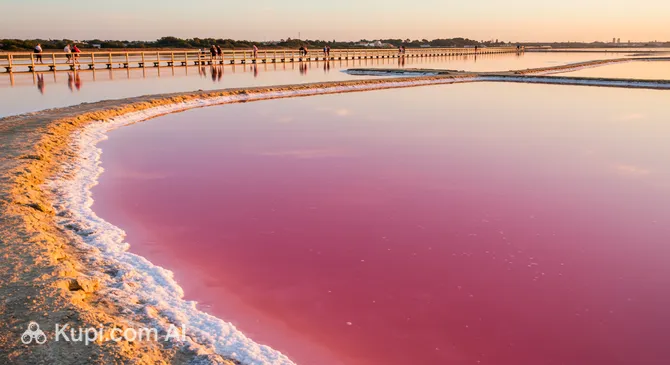
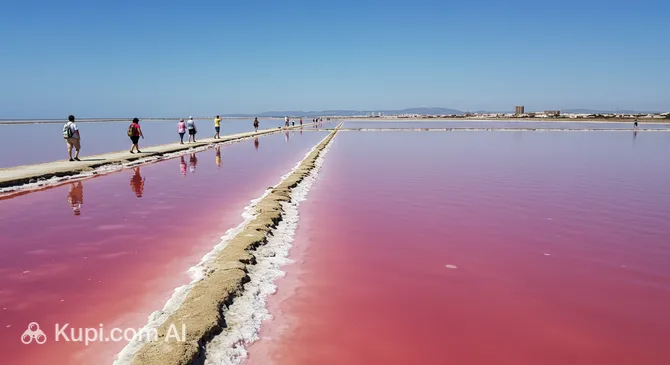
Pink Lake of Torrevieja. Illustration.
Source: Kupi.com AI

Traveler photos:

  • Torrevieja is one of the largest centers of salt production in Europe. Thanks to its unique salt lakes, the city produces over a million tons of salt annually, which is exported all over the world. This ancient industry continues to shape the city's identity and economy today.

  • The famous salt lakes, such as Torrevieja’s Pink Lake, part of the Lagunas de La Mata and Torrevieja Natural Park, periodically turn an incredible shade of pink. This phenomenon is caused by the presence of specific microorganisms in the water and attracts photographers and tourists from around the globe.

  • Every year, Torrevieja hosts the prestigious "Habaneras" International Salt and Sea Song Contest. This musical tradition has deep roots: years ago, sailors returning from Cuba with cargoes of salt brought back new melodies. Today, this festival is a major cultural event celebrating the city's musical heritage.

  • While Torrevieja is famous for its salt, its surroundings are known for some of the largest citrus plantations in Spain. The city's famous Friday markets are a true celebration of flavor, where local farmers offer the freshest fruits, vegetables, and other delicacies.

How to Get There

When planning a trip to the Costa Blanca, it's important to think about your route in advance. Torrevieja does not have its own airport or train station, but thanks to the region's developed transport network, getting here is quite easy. You can find more details on how to get to Torrevieja by exploring all available options, and below we will look at the main ways to arrive via the nearest transport hubs.

The most popular and convenient way to reach the resort is by air. The closest and most in-demand hub for tourists is Alicante-Elche Airport (ALC). It is located in the city of Alicante, just 34.7 km from Torrevieja. This is a major international hub receiving flights from all over Europe. The journey from the airport to the city by taxi or rental car takes about 30–40 minutes. There is also a regular bus service that gets you to your destination in about an hour. You can find information about the airport here: Alicante-Elche Airport.

Another option, especially convenient for those traveling from the south or looking for alternative flights, is Corvera International (RMU). This airport is located in the town of Fuente Álamo, approximately 44 km from Torrevieja. Although passenger traffic here is lower than in Alicante, it is a modern and comfortable airport. A car journey from here takes about 40–50 minutes. More about this hub: Corvera International Airport. You can also consider flying into Valencia Airport (VLC), though keep in mind it is significantly further away — almost 168 km from the resort.

For convenience, here is a summary of the main airports used to reach the coast:

AirportPassenger trafficDistance
Alicante-Elche Airport18.4 mln35 km
Corvera International907 66844 km
Valencia Airport9.9 mln168 km
Almeria Airport786 205196 km
Ibiza Airport9.1 mln205 km

If you prefer ground transport, it's worth considering the railway. There is no train station in Torrevieja itself, so travelers usually take a train to neighboring large cities and then transfer to a bus or taxi. The main "gateway" for those arriving by train is Alicante Train Station. it is located in the city of Alicante, about 43 km from Torrevieja. High-speed trains from Madrid and other regions of Spain arrive here. From the station, the resort can be reached by bus in approximately 50-60 minutes.

Below is information on the nearest railway stations that can be used as intermediate points on your route:

StationPassenger trafficDistance
Alicante Railway Station3.8 mln43 km
Albacete Railway Station915 608152 km
Valencia Railway Station14 mln167 km
Castellón de la Plana Railway Station2.5 mln229 km
Teruel Railway Station166 000264 km

Main Attractions

Torrevieja, a sunny city on the Costa Blanca coast, attracts tourists not only with its beaches but also with its unique attractions. Here, everyone will find something interesting, from natural wonders to historical sites.

One of the most iconic and photographed attractions is Torrevieja's Pink Lake (Salinas de Torrevieja). This salt lake is striking for its unusual pink hue, caused by specific microorganisms and algae. The lake is not only beautiful but also part of an important salt-mining complex. Tourists come here to admire the Martian-like landscapes, learn about the salt extraction process, and, of course, take spectacular photos.

Pink Lake of Torrevieja. Illustration.
Source: Kupi.com AI

Traveler photos:

Nearby lies the Lagunas de La Mata and Torrevieja Natural Park, which includes both the Pink Lake and the neighboring La Mata lagoon. This reserve is a true paradise for nature lovers and birdwatchers. Many bird species can be found here, including graceful flamingos, especially during migration periods. Walking trails and observation decks allow visitors to enjoy the beauty of the local flora and fauna.

Las Lagunas de La Mata and Torrevieja Natural Park. Illustration.
Source: Kupi.com AI

Traveler photos:

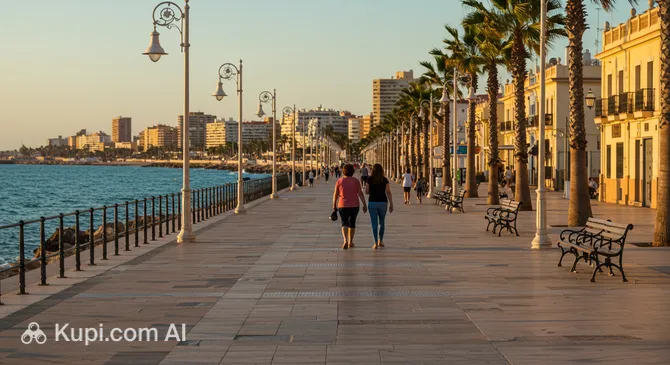
For those who prefer sea views and a lively atmosphere, the Juan Aparicio Promenade is a must-visit. This picturesque waterfront stretches along the coast, offering magnificent views of the Mediterranean Sea. You can take a leisurely walk or sit in one of the many cafes or restaurants, enjoying the fresh sea breeze and Spanish hospitality.

Juan Aparicio Promenade. Illustration.
Source: Kupi.com AI

Traveler photos:

A visit to the S-61 Dolphin Floating Submarine Museum offers a unique experience. This is a real Daphne-class submarine that served in the Spanish Navy and has now been converted into a museum. Visitors can go inside to see the living conditions of submariners and learn more about naval history. It is particularly interesting for families with children and anyone fascinated by technology.

Submarine S-61 Floating Museum. Illustration.
Source: Kupi.com AI

Traveler photos:

To take a break from the city bustle and enjoy some greenery, head to Nations Park (Parque de las Naciones). This spacious park is a favorite leisure spot for both locals and tourists. It features a large lake with waterfowl, children's playgrounds, picnic areas, and shaded alleys. A unique feature of the park is the miniature copies of famous European monuments, symbolizing the unity of nations.

Park of Nations. Illustration.
Source: Kupi.com AI

Traveler photos:

Local Cuisine

The cuisine of Torrevieja is a vibrant reflection of Mediterranean traditions, where the main roles are played by the freshest seafood, succulent vegetables, aromatic olive oil, and, of course, the famous Spanish jamón. Rice holds a special place in the city's gastronomy, which local chefs prepare in countless ways, turning every dish into a culinary masterpiece.

Be sure to try traditional paella, especially the seafood version, or the rich "arroz negro" — rice with cuttlefish ink, which gives it a unique color and flavor. Various tapas are equally worthy of attention: small snacks featuring anchovies, calamari, or fresh olives. It's also worth sampling spicy "gambas al pil-pil" (shrimp), "pescaíto frito" (fried fish), and the classic Spanish tortilla.

Your meal will be perfectly complemented by local Spanish wines, aromatic liqueurs, or refreshing homemade sangria, ideal for a hot day. Among non-alcoholic drinks, the refreshing horchata — a sweet drink made from tiger nuts — is very popular, especially in the summer heat.

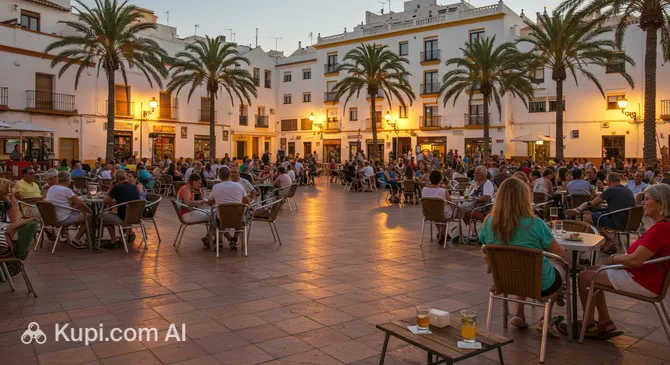
The dining culture in Torrevieja is diverse: locals and tourists enjoy meals in numerous restaurants, cozy tapas bars, and lively street cafes. A special atmosphere prevails at the farmers' markets, particularly the Friday market, where you can buy the freshest fruits, vegetables, cheeses, and other local products. For a pleasant dinner or cocktail, you might visit places like the RAMË Restaurant & Cocktail Bar, which offers a modern take on local cuisine.

RAMË Restaurant and Cocktails Bar. Illustration.
Source: Kupi.com AI

Traveler photos:

For dessert, don't deny yourself the pleasure of trying homemade pastries and sweets with almonds, oranges, and honey, prepared according to ancient recipes. Throughout the year, Torrevieja hosts various gastronomic festivals, such as seafood celebrations in the summer and wine and olive oil tastings in the autumn. The city's gastronomic scene will not leave any gourmand indifferent, offering authentic flavors and unforgettable impressions.

Travel Tips

Planning a trip to sunny Torrevieja? Wonderful! To ensure your journey through this cozy corner of Spain goes smoothly and leaves only pleasant impressions, we have prepared some practical tips.

  1. Clothing and Essentials:

    The climate in Torrevieja is Mediterranean, with hot summers and mild winters. In summer, bring light cotton or linen clothing, swimwear, and definitely a hat, sunglasses, and high-SPF sunscreen. During the shoulder seasons and winter, a light jacket, sweater, and jeans will come in handy. A key item in your wardrobe is comfortable footwear for walking along the promenade and exploring the city. Don't forget a European power adapter (type F). If you plan to visit churches, such as the Iglesia Arciprestal de la Inmaculada Concepción, choose clothing that covers your shoulders and knees.

  2. Local Transport:

    It is convenient to get around Torrevieja via city buses, which connect different districts and beaches. Schedules can be found at stops or online. Taxis are available and can be called by phone or found at designated stands. Ride-hailing apps may be limited, so it's best to rely on local services. Renting a car is useful if you plan to explore the surroundings and the Costa Blanca coast, but be aware that parking in the city center, especially during high season, can be difficult.

  3. Finances:

    The official currency in Spain is the Euro (EUR). You can exchange money at banks or exchange offices (casas de cambio), but banks usually offer better rates, though they may charge a commission. Bank cards (Visa, Mastercard) are accepted almost everywhere in shops, restaurants, and hotels. International cards work without issues in most cases, but it's always useful to have some cash for small purchases or at markets. ATMs (cajeros automáticos) are easy to find throughout the city. Tipping in restaurants is usually 5-10% of the bill if you liked the service, but it is not strictly mandatory. In bars, you can simply round up the bill.

  4. Health and Safety:

    Torrevieja is generally a safe city. However, standard precautions are always wise: watch your belongings in crowded places (beaches, markets, public transport) and do not leave valuables unattended. Pharmacies (farmacias) are marked with a green cross; there are always duty pharmacies (farmacia de guardia) open 24/7 or during the night — their addresses can be found on the doors of other pharmacies or online. For medical assistance, tourists are recommended to have travel insurance. In case of emergencies, call 112.

  5. Communication:

    The official language is Spanish. In tourist zones, hotels, and many restaurants, staff often speak English, as well as German or Scandinavian languages due to the large number of expats and tourists. Learn a few basic phrases in Spanish: "Hola" (Hello), "Adiós" (Goodbye), "Por favor" (Please), "Gracias" (Thank you), "¿Cuánto cuesta?" (How much does it cost?). This is always appreciated by locals. A SIM card with internet access can be purchased at mobile operator stores (Movistar, Vodafone, Orange). Wi-Fi is available in most hotels, cafes, and restaurants.

  6. Local Etiquette:

    Spanish people are open and friendly. A greeting like "Hola" is appropriate in most situations. In informal settings, people often exchange two kisses on the cheeks when meeting (even between men if they are friends). Spaniards can be quite expressive and talk loudly — it's part of their culture. Remember that dinner here is quite late, usually after 20:30-21:00. Some small shops may close for siesta (roughly from 14:00 to 17:00), though this is less common in tourist areas.

  7. What to Avoid:

    Try not to openly criticize local customs, food, or slow service, especially if you are in a hurry. The rhythm of life here is more relaxed, and it's worth embracing. Also, avoid appearing on city streets (outside the beach) in overly revealing beachwear (e.g., just a swimsuit) — this can be perceived as disrespectful.

  8. Special Tip for Torrevieja:

    Be sure to visit the famous salt lakes (Salinas de Torrevieja), especially the Laguna Rosa. It is not only an incredibly beautiful sight for photos but also a place with a unique microclimate that is beneficial for health. Also, check out the Friday market — one of the largest on the coast, where you can buy fresh fruits, vegetables, local delicacies, and souvenirs.

We hope these tips help you better prepare for your trip and get the most out of your holiday in beautiful Torrevieja! Enjoy the sun, sea, and hospitality of this wonderful city.

Entertainment & Nightlife

Torrevieja, known for its sunny beaches and relaxed atmosphere, transforms as darkness falls, offering guests a variety of options for evening and nighttime leisure. The city comes alive with the sounds of music, laughter, and lively conversations coming from its numerous bars, clubs, and restaurants.

Most of Torrevieja's nightlife is concentrated along the waterfront, especially in the area of the Juan Aparicio Promenade, as well as in the adjacent streets of the central district. Here you can find venues for every taste: from cozy tapas bars where you can enjoy local snacks and wine, to boisterous discos that stay open until the early morning. The areas around the Marina Salinas and near beaches like Playa del Cura and Playa de los Locos are also very popular.

The atmosphere in Torrevieja's nightspots is predominantly casual and laid-back. The crowd is diverse, including both locals and tourists from all over Europe. Many bars offer live music, ranging from Spanish guitar to modern hits. Clubs usually start to fill up closer to midnight and stay open until 5-6 AM, especially during the summer season. The dress code is relaxed in most places, though some more prestigious clubs may not allow entry in beachwear. Popular spots include El Patio Chico, known for its vibrant atmosphere, or the stylish RAMË Restaurant & Cocktail Bar. For those who want to dance until dawn, Velice Discoteca is an excellent choice.

El Patio Chico. Illustration.
Source: Kupi.com AI

Traveler photos:

When planning your night out, keep in mind that peak activity occurs after 11:00 PM. Average drink prices in bars vary but generally remain affordable. Getting around the city at night is most convenient by taxi; they can be found at designated stands or called by phone. The main tourist zones of Torrevieja are considered quite safe for nighttime walks, but standard precautions should always be observed.

In addition to its lively nightlife, Torrevieja offers daytime entertainment as well. You can visit the S-61 Floating Submarine Museum, stroll through the picturesque Nations Park, or spend time with the family at the Flamingo Aqua Park. The city also has theaters and cinemas offering a cultural program for all interests.

Parks & Museums

Torrevieja is not just about sun and beaches; it is also a city that offers pleasant green corners for relaxation and interesting cultural sites that introduce visitors to its history and heritage. Here, everyone will find something for themselves, from peaceful walks in nature to an immersion into the city's maritime history.

One of the primary natural treasures is the Lagunas de La Mata and Torrevieja Natural Park. This unique reserve is famous for its salt lagoons, one of which is the famous Torrevieja’s Pink Lake, a must-visit due to its unusual water color. The park is ideal for hiking, cycling, and birdwatching, especially for spotting flamingos.

For a family day out, Nations Park (Parque de las Naciones) is perfect. It features a lake with swan-shaped boat rentals, children's playgrounds, and picnic areas. A special feature of the park is a large tile map of Europe and aviaries with birds, making it a popular spot for both locals and tourists.

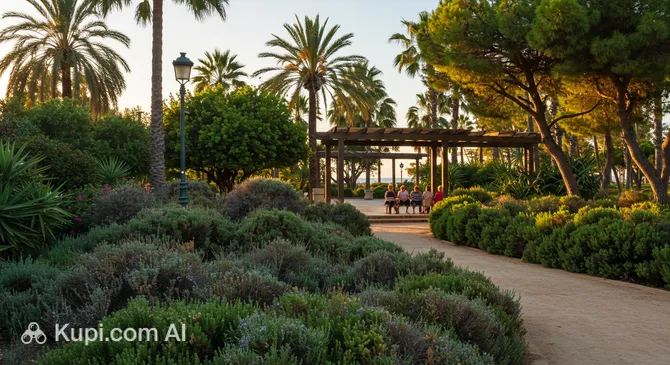
Another charming location is the Aromatic Park (Parque Aromático). As the name suggests, it is filled with the fragrance of various Mediterranean plants and herbs. It’s a great place for a quiet stroll and to enjoy open-air aromatherapy.

Aromatic Park. Illustration.
Source: Kupi.com AI

Traveler photos:

Among the museums in Torrevieja, the S-61 Dolphin Floating Submarine Museum stands out. This is a real submarine open to the public, where you can learn about the vessel's internal workings and the daily life of submariners. It is a unique experience, especially interesting for children and maritime technology enthusiasts.

Equally significant is the Museum of Sea and Salt (Museo del Mar y de la Sal), which tells the story of Torrevieja’s history, inextricably linked to salt mining and fishing. It displays exhibits reflecting traditional crafts and the everyday life of the townspeople.

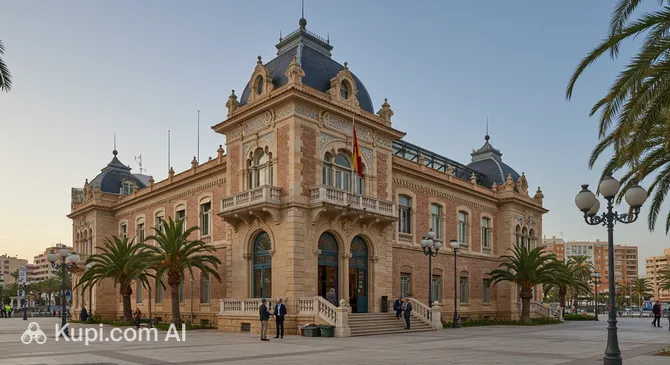
An iconic historical and architectural site is the Torrevieja Casino Cultural Society (Sociedad Cultural Casino de Torrevieja). This magnificent Modernist building located on the waterfront is not a gambling establishment in the usual sense, but serves as a cultural center with exhibition halls and a café. Its interiors are striking for their beauty and early 20th-century atmosphere.

Casino Cultural Society of Torrevieja. Illustration.
Source: Kupi.com AI

Traveler photos:

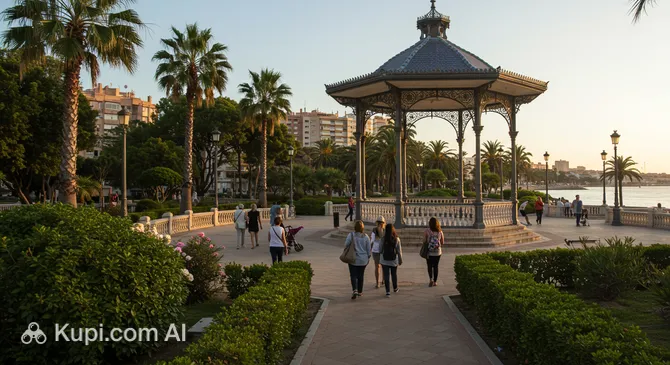
Take a stroll along the picturesque Juan Aparicio Promenade, which offers beautiful sea views and where you can see the Torrevieja Lighthouse. This is a popular spot for evening walks and dinners in the numerous small restaurants.

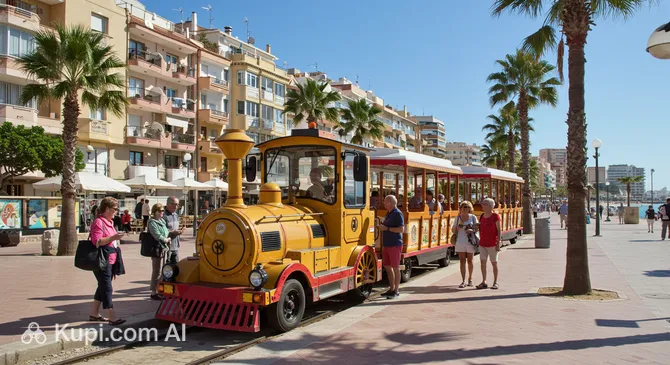
For an authentic experience, head to the fish market (lonja de pescado) to see the fresh catch, or explore the lesser-known beaches and coves in the city’s outskirts. To cover the main sights without extra effort, you can hop on the Torrevieja Tourist Train, which will take you through the most interesting locations.

Torrevieja Tourist Train. Illustration.
Source: Kupi.com AI

Traveler photos:

Getting Around

Getting around Torrevieja is quite convenient thanks to a developed public transport system, primarily consisting of buses, as well as accessible alternative options.

The main form of public transport in Torrevieja is the city bus. The route network covers most areas of the city, including popular beaches, residential zones, and shopping centers. Buses run on a schedule that may change depending on the season (usually more frequent in summer) and the day of the week. Route information and current timetables can typically be found at bus stops or on the local transport company's website.

The payment system for buses in Torrevieja is quite simple. A single-trip ticket can usually be purchased directly from the driver upon boarding. For those planning to use public transport frequently, travel cards (e.g., "bono bus") may be available, allowing you to save on the cost of trips. Such cards, if available, can usually be bought at special kiosks or transport company offices. Fares are relatively low, but it is best to check the current rates on the spot.

Tourists are advised to carry small change to buy tickets from the driver, as large bills may cause issues with providing change. The ticket must be kept until the end of the journey. Buses usually run from early morning until late evening, though services may be limited or unavailable on some routes during the night.

In addition to buses, other methods of transportation are available in Torrevieja. Taxis can be found at designated stands or called by phone. This is a more expensive but comfortable option, especially for trips at night or with a lot of luggage. Bike rentals are also popular in the city, which is not surprising given the pleasant climate and the presence of bike lanes along the promenade and in the parks. Renting a bicycle is a great way to explore the city and its surroundings at a leisurely pace.

Accommodation

In Torrevieja, you will find a wide range of accommodation options capable of satisfying any traveler's needs, from budget explorers to those seeking a luxury vacation. The city offers diverse hotels, apartments for short-term rent, as well as villas, which are particularly popular among families and large groups.

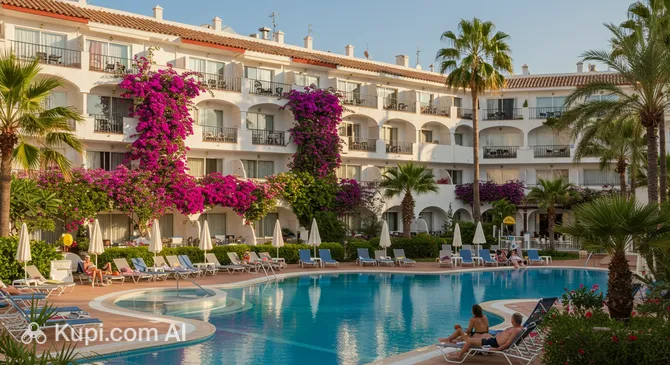
The most popular areas to stay are those located near the beaches, such as La Mata Beach or Punta Prima Beach, as well as in the city center, which provides easy access to main attractions like the Juan Aparicio Promenade. This area is home to many cafes, restaurants, and shops. Among the well-known hotels are the Dña Monse Spa & Golf Hotel and Hotel MASA International, which offer comfortable stays and quality service.

Dña Monse Spa & Golf Hotel. Illustration.
Source: Kupi.com AI

Traveler photos:

The price range for accommodation in Torrevieja varies: you can find affordable hostels and apartments, as well as mid-range hotels or more luxurious options. It is most convenient to book accommodation through popular online platforms or directly on hotel websites. It is highly recommended to book your stay in advance, especially if your trip coincides with the peak tourist season (summer months), as the best options are taken quickly.

Nearby Cities

For those wishing to explore the surrounding areas, Torrevieja serves as an excellent starting point for day trips to several interesting nearby locations:

Among them, Murcia stands out, enchanting visitors with its magnificent Cathedral and picturesque historic center, as well as Elche, world-famous for its unique Palmeral of Elche (palm grove), which is a UNESCO World Heritage site. A trip to these cities will enrich your journey with new impressions and cultural discoveries.

CityPopulationDistance
Villamartin12 1258 km
Guardamar del Segura16 13811 km
Rojales16 94312 km
Almoradi21 40417 km
Pilar de la Horadada22 94917 km

These nearby destinations provide a glimpse into the region's diverse culture and landscapes, complementing your stay in Torrevieja with new experiences. Every trip promises to be exciting and informative, whether you're exploring historical heritage or enjoying natural beauty.

Shopping & Souvenirs

Torrevieja offers pleasant shopping opportunities, combining modern shopping centers with traditional Spanish stores and lively markets. While the city isn't famous for unique goods produced only here, you can find quality Spanish products, beachwear, shoes, and, of course, fresh local produce.

The main shopping areas are concentrated in the city center, especially on pedestrian streets like Calle Ramón Gallud and its surrounding alleys. Here you will find many clothing boutiques, shoe stores, jewelry shops, and souvenir outlets. A stroll along the Juan Aparicio Promenade will also offer several shops with beach goods and souvenirs overlooking the sea.

For more concentrated shopping, it's worth visiting the malls. One of the most popular is the Habaneras Shopping Centre, located slightly outside the center. This is an open-air complex with a wide selection of stores from well-known Spanish and international brands, plus restaurants and entertainment. There is also the Torrevieja Shopping Centre offering a variety of goods.

Habaneras Shopping Centre. Illustration.
Source: Kupi.com AI

Traveler photos:

Special attention should be given to the Torrevieja Friday market (Mercadillo de Torrevieja), one of the largest on the Costa Blanca. Located on Avenida de Delfina Viudes, it offers a huge selection of fresh fruits, vegetables, local delicacies, clothing, shoes, leather goods, ceramics, and much more. It's a great place to experience the local flavor and find good bargains. Smaller markets with souvenirs and handicrafts may also operate in the city, especially during the tourist season.

As souvenirs from Torrevieja and Spain in general, it is worth bringing back leather goods (bags, belts, shoes), handmade ceramics, fans, olive oil, local wines, jamón, and, of course, turrón (Spanish nougat). Souvenirs with a maritime theme and products made from salt mined from the famous pink lakes of Torrevieja are also popular.

Shops in Torrevieja are usually open from Monday to Saturday, roughly from 10:00 to 14:00 and then from 17:00 to 20:00 or 21:00. Many small shops observe the siesta (afternoon break). Large shopping centers may stay open without a break and on Sundays, especially during the high season. Both cash and bank cards (Visa, Mastercard) are widely accepted. At markets, cash is preferred.

For tourists from non-EU countries, the Tax Free system is available. When making purchases over a certain amount in participating shops, you can claim a VAT refund. Look for the "Tax Free" sticker on windows and don't forget to ask the seller for a special receipt.

Reached the end of the page?

That means the route is fully explored