Support

Batticaloa Dutch Fort

About

On the east coast of the remarkable country of Sri Lanka lies the Batticaloa Dutch Fort—a majestic monument of the colonial era. Originally built by the Portuguese in the early 17th century, this fort is a classic European fortress featuring four powerful bastions. Its unique location on a small island, surrounded by lagoon waters and a defensive moat, made it nearly impenetrable in the past.
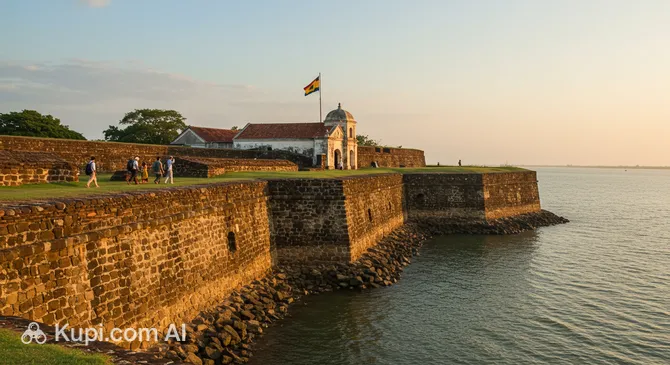
Batticaloa Dutch Fort
Batticaloa Dutch Fort. Иллюстрация. Источник: Kupi.com AI

Today, this historic site in the city of Batticaloa is well-maintained, preserving its ancient spirit despite the relentless coastal climate. Walking along its massive walls, travelers can enjoy panoramic views of the shimmering lagoon and the famous Kallady Bridge. The fort's interior harmoniously blends the past and present, with administrative buildings still operating within the framework of the ancient fortifications.

For tourists, the fort is interesting not only as an architectural landmark but also as a symbol of the island's complex history. Over the centuries, it changed hands several times—from the Portuguese and Dutch to the British—each leaving their mark on the fortress's appearance. This spot is perfect for those seeking quiet walks and a touch of living history away from the busiest tourist routes.

Contacts

For those planning a self-guided visit to this historic location, we have prepared a brief reference table. This data will help you find your way and plan your route to the ancient fortification walls.

How to contactContact
AddressPP62+PRH, Fort Road, Batticaloa, Sri Lanka

What to Do

The main reason to visit Batticaloa Dutch Fort is the opportunity to walk along the massive crests of its walls. From the height of the bastions, you get a magnificent view of the Batticaloa Lagoon, where the blue water meets the tropical greenery of the shores. Photographers will find plenty of great angles here, especially at sunset, when the sun's rays gild the ancient masonry and reflect off the surface of the bay.

Attentive visitors can appreciate the austerity of colonial architecture by examining the fortification details and preserved inner buildings. Although many structures are used by government services today, access to the fortress grounds is open to everyone. This offers a chance to feel the scale of 17th-century defensive engineering and imagine garrison life hundreds of years ago.

Fans of unique sights might get lucky: seaplanes sometimes land across from the fort, adding a modern touch to the historical landscape. A visit to the fortress can also be easily combined with a stroll along the lagoon shore or a boat rental to view the fortifications from the water and fully appreciate their invincibility.

Getting There

Getting to this historical site is quite simple, as the Batticaloa Dutch Fort is located practically in the heart of the city on Fort Road. Batticaloa itself is a major transport hub in the Eastern Province, with regular buses and trains from Colombo and other major regions of the country. The journey from the capital by car or transfer can take 4 to 6 hours, offering scenic coastal views along the way.

Once in the city center, you can use local transport. A ride on a colorful tuk-tuk from the central bus station takes no more than 10–15 minutes. The fortress is situated on a small island by the lagoon, right next to the famous Kallady Bridge, so it's almost impossible to miss—the massive walls are visible from a distance.

For those who prefer a more active way of getting around, renting a bicycle is an excellent option. Since the city is located on flat terrain, a two-wheeled ride to the fort will be comfortable and allow you to see the details of the local architecture. If you prefer modern technology, navigation apps will easily lead you to the main gates of the fortress.

Ближайший город: Batticaloa

History & Facts

The history of this defensive structure began in 1622 when the Portuguese realized the strategic importance of the east coast. Construction was completed by 1628, and the fortress quickly became a key administrative and trading hub. However, Portuguese rule did not last long: by 1638, the fort was captured by the Dutch, who held it for over a century until 1745, after which control passed to the British.

Interestingly, the Batticaloa region itself has much deeper roots. Researchers believe the first inhabitants were Dravidian tribes, and around 700 BC, a proto-state under King Kutikan already existed here. In the 1st century AD, the Mukkuvars—a Tamil fishing caste—arrived, establishing fortified settlements along the lagoon's shoreline.

Europeans first showed serious interest in these lands in 1602, when a Dutch expedition discovered rich plantations of cinnamon, pepper, and coconuts. It was the desire to control the export of these valuable resources that led to a series of battles for ownership of the fort. Today, the fortress walls preserve the memory of changing eras, reminding us of the times when great maritime powers fought for control over this piece of land.

Time Needed

A standard tour of the fort usually takes 1 to 2 hours. This is plenty of time to take a leisurely stroll along the bastions, capture panoramic photos of the lagoon, and explore the preserved colonial architecture of the interior buildings. The calm atmosphere of the place is perfect for contemplative relaxation away from the hustle and bustle.

If you decide to complement your visit with a boat trip on the lagoon or a detailed exploration of the surroundings, we recommend setting aside half a day (about 3 hours). This allows you to combine a historical tour with relaxation by the water and perhaps some wildlife watching, making your introduction to the city more complete and enriching.

Working Hours

At present, there are no strictly regulated opening hours for walking on the fort walls, as the territory is partially used for administrative purposes. However, tourists are advised to plan their visit during daylight hours, preferably from 8:00 AM to 6:00 PM, to safely explore all fortifications and enjoy the views.

Since the administrative functions of the buildings within the fort may impose certain restrictions on access to specific areas, we suggest checking for the latest information on the official tourism websites of the region or with local guides before your visit. Keep in mind that there may be more local visitors on weekends and public holidays.

Nearby

Exploring the surroundings of the fort will allow you to dive deeper into the atmosphere of this coastal city. Its proximity to the lagoon and the historical center creates excellent opportunities for walking tours, where you can see both colonial monuments and modern city landmarks.

Near the fortress, there are many interesting sites, from ancient clock towers to cozy leisure parks. Below is a list of attractions located within walking or driving distance:

NameDistance
Batticaloa Gate0.3 km
Batticaloa Gandhi Park0.4 km
New Kallady Bridge1 km
Riviera Resort1.3 km
Sri Krishna Cafe1.4 km
Batticaloa Pizza Restaurant1.8 km
Kallady Beach2 km

Reached the end of the page?

That means the route is fully explored