Support

Landskrona

About

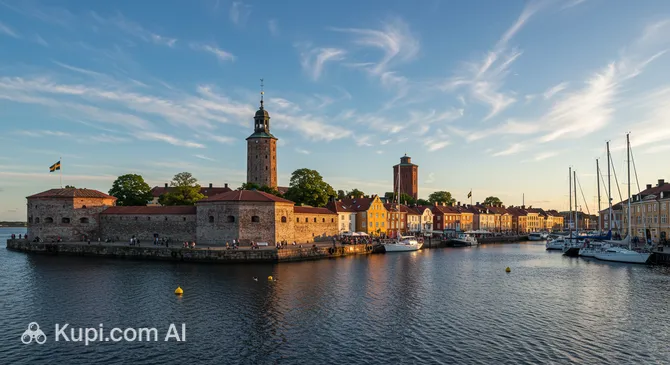
Landskrona is a cozy port city located on the picturesque coast of the Öresund Strait. Situated in the south of Sweden, between the bustling cities of Malmö and Helsingborg, this corner of the Skåne region offers travelers a unique blend of maritime romance and Scandinavian tranquility.

Landskrona. Illustration.
Source: Kupi.com AI

With a population of around 33,000, Landskrona maintains a friendly and hospitable atmosphere where it's easy to feel at home. The fascinating history of Landskrona is visible in its architecture: from the majestic old fortress (the Citadel) surrounded by a moat system to neat historical streets. The city is also famous for its abundance of parks and gardens, making it a wonderful destination for nature lovers.

Travelers can look forward to long walks along the promenade, outdoor picnics, and the chance to enjoy local cuisine in cozy cafes. Landskrona is an ideal choice for a family weekend or a romantic getaway, allowing you to escape the city bustle and immerse yourself in the measured pace of authentic Scandinavia.

Weather Overview

Landskrona's climate can be described as temperate maritime, which is typical for the Skåne region. Thanks to its southern location, the weather here is significantly milder than in the northern parts of the country. Summer is usually comfortable and fresh: in July and August, the average temperature is about 17°C, and during the day, the air often warms up to 21°C. This is a wonderful time for excursions, though an umbrella might come in handy, as 11 to 14 rainy days are recorded during the summer months.

Winters here are not harsh but are often windy and damp. In January and February, temperatures typically range from -0.3°C to +4.6°C. To pack your suitcase correctly and prepare for the whims of the Baltic wind, we recommend checking the detailed weather in Landskrona before your trip. Spring arrives gradually, with April statistically being the month with the fewest rainy days (only about 9), and September still retains pleasant warmth with average readings around 14°C.

Expect moderately warm summers with occasional rain and cool, damp winters without extreme frosts.

Average monthly temperature

Average monthly precipitation

Interesting Facts

Beyond the well-known tourist routes, Landskrona holds many fascinating secrets and historical details that make getting to know the city truly memorable. Here are a few facts that will allow you to see this Swedish corner from a new perspective:

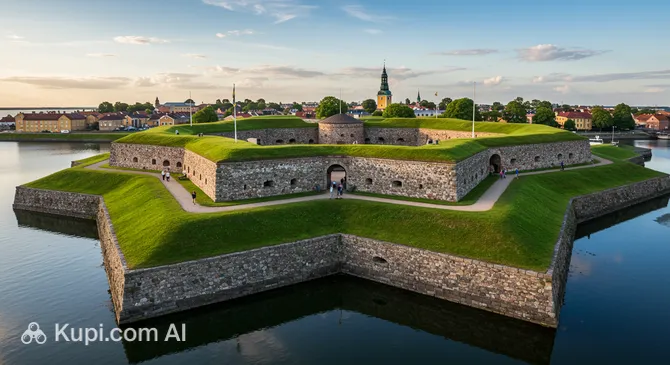
  • The famous Landskrona Citadel, built in the 16th century by order of Danish King Christian III, has a dark but intriguing past. For a long time, it was used not only as a defensive structure but also as a prison for prisoners of war and those sentenced to life imprisonment; until 1940, it housed a women's correctional facility.

  • The city boasts a phenomenon unique to Sweden—ancient allotment garden colonies. These tiny buildings with blooming front gardens began appearing in the 19th century as recreation areas for workers, and today they remain a picturesque decoration of the city, perfect for walks.

  • Mystery lovers will appreciate local legends associated with the fortress dungeons. There is a belief that on quiet evenings in the old stone corridors, one can hear strange sounds and echoes that locals attribute to ghosts of times gone by.

  • Today, the historical heritage is carefully preserved: the Landskrona Museum is open on the fortress grounds, regularly hosting exhibitions and craft workshops that continue the region's cultural traditions.

Landskrona Citadel. Illustration.
Source: Kupi.com AI

Traveler photos:

How to Get There

Landskrona occupies a strategically advantageous position on the coast of the Öresund Strait, making it easily accessible from both Sweden and Denmark. You can find more details on how to get to Landskrona, but most travelers choose routes through major transport hubs in neighboring metropolises, located just an hour's drive away.

One of the most convenient options for international tourists is Copenhagen (IATA: CPH). This is the largest international airport in Northern Europe. It is important to note that it is located in the Danish capital, not in Landskrona, about 30 km from your destination. Thanks to the famous Öresund Bridge, the journey by taxi or train across the strait takes about an hour.

An alternative option is flying into Malmö Airport (IATA: MMX). This airport is located in Sweden, about 50 km from Landskrona. It handles fewer flights but can be convenient for intra-European travel. The journey from here by car takes approximately 40–50 minutes.

For convenience, here is a summary of the region's main airports:

AirportPassenger trafficDistance
Copenhagen Airport29.9 mln30 km
Angelholm Helsingborg Airport386 51947 km
Malmo Airport905 00050 km
Halmstad Airport124 41591 km
Aarhus Airport542 958145 km

Railway connections in the region are also excellent. The nearest major hubs receiving long-distance trains are in neighboring cities. For example, Helsingborg Central Station is located just 21 km from Landskrona. This is one of the closest options, from where you can quickly reach your destination by taxi or local transport.

Another significant transport hub is Copenhagen Central Station. It is located 27.6 km from Landskrona (across the strait). This is the largest station connecting Scandinavia with continental Europe, and from there it is easy to continue your journey toward Sweden.

Below is a list of the nearest major railway stations:

StationPassenger trafficDistance
Helsingborg Central Station8.8 mln21 km
Copenhagen Central Station36.5 mln28 km
Lund Central Station11 mln29 km
Malmö Central Station17 mln31 km
Malmö Syd Station8.3 mln35 km

Main Attractions

Landskrona, despite its compact size, is rich in places worth visiting. The city harmoniously combines medieval heritage with modern recreation areas, offering tourists a rich cultural program and picturesque views of the Öresund Strait.

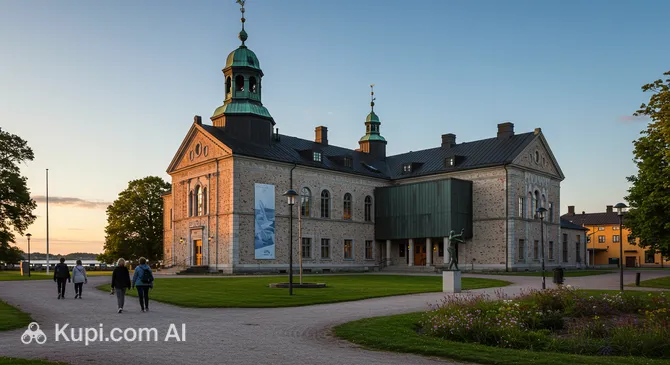
The undisputed landmark of the city is the Landskrona Citadel. It is one of the best-preserved fortresses in Scandinavia, surrounded by an impressive system of double water moats. Built in the 16th century, it served as a reliable defensive structure for centuries and was later used as a prison. Today, it is a perfect place for walking: tourists can not only examine the massive bastions but also enjoy the tranquility of the surrounding park area, which is especially beautiful during the warmer months.

Landskrona Museum. Illustration.
Source: Kupi.com AI

Traveler photos:

For those who want to dive deeper into the region's history, the Landskrona Museum is open to visitors. Located in close proximity to the fortress, it offers a rich exhibition detailing the city's development from ancient times to the present day. Here, you can see unique artifacts, learn about the daily lives of local residents across different eras, and visit temporary exhibitions dedicated to art and photography. The museum is known for its interactivity and will be interesting for visitors of all ages.

After a full day of sightseeing, it's worth stopping by Idas by the Sea. This popular spot attracts guests not only with its cuisine but also with its magnificent location. Situated right by the water, it offers the chance to admire maritime landscapes and the fresh breeze of the Öresund Strait. It is an excellent location to relax, enjoy the seaside atmosphere, and try dishes inspired by local culinary traditions.

Local Cuisine

Landskrona's gastronomic culture is inextricably linked with the culinary traditions of the Skåne region, which is often called the granary of Sweden. Thanks to its coastal location, the local menu is based on the freshest seafood. The city historically developed as a fishing port, so travelers should definitely try local fish delicacies: from the famous Swedish herring in various marinades to delicate pâtés and smoked eel, which is considered a true treasure of this part of the country.

Special attention is paid here to the quality and naturalness of ingredients. The "Skåne table" concept is popular in Landskrona—hearty meals where homemade bread, farm cheeses, butter, and berry jams play the leading roles. In the city's restaurants, you will be offered Swedish classics: juicy meatballs with lingonberry sauce, potato gratins, and salmon pies. For vegetarians, local chefs prepare interesting dishes from seasonal root vegetables, mushrooms, and greens grown in the surrounding fields.

It's impossible to imagine a trip without the traditional "fika"—a coffee break with sweets. In the cozy cafes of Landskrona, the strong aromatic drink is served with warm cinnamon buns, which are baked masterfully here. If you want to enjoy your food while simultaneously admiring the sea view, it's worth visiting the restaurant Idas by the Sea. This establishment perfectly conveys the atmosphere of a coastal city and offers a menu inspired by local recipes.

Gastro-tourism enthusiasts should visit the city's farmers' markets, where you can buy organic products and homemade preserves. Additionally, Landskrona regularly hosts food festivals, especially during the summer and harvest season. This is a great opportunity to try dishes from the best local chefs and immerse yourself in the authentic atmosphere of the country's south.

Travel Tips

Preparing for your trip to Landskrona will help make your journey along the Skåne coast as comfortable and worry-free as possible. We've gathered several important recommendations to help you feel confident in this cozy Swedish city and avoid common tourist mistakes.

  1. Clothing and Essentials: The weather on the shores of the Öresund Strait is changeable, so layering is your best friend. Even in summer, a light windbreaker or raincoat is useful, as the sea breeze can be chilly. For walking on the cobblestones near the Citadel, be sure to bring comfortable flat shoes. If you're planning a visit in the cold season, don't forget a windproof hat and scarf.
  2. Transport: The city center is compact and easy to explore on foot. However, for trips to the outskirts or the railway station, use public transport. Landskrona is one of the few cities in Sweden with trolleybuses. The most convenient way to pay for travel is the Skånetrafiken app or a bank card (tap-to-pay) right on board; drivers do not accept cash.
  3. Finances: Sweden is a country that has almost entirely transitioned to cashless payments. Bank cards are accepted everywhere: from museums to small ice cream kiosks, so there's no point in changing large amounts of cash into kronor. Price levels are higher than the European average. Tips are usually included in the bill, but rounding up the amount in restaurants is welcomed as a polite gesture.
  4. Health and Safety: Landskrona is a peaceful city, but standard precautions are always wise. You can safely drink water straight from the tap—it is of excellent quality and taste here. Look for pharmacies under the sign Apotek; keep in mind that most of them close by 6:00 PM and are closed on Sundays (except for duty pharmacies). In an emergency, call the universal number 112.
  5. Communication: Almost all locals speak English fluently, so you won't face a language barrier. Nonetheless, Swedes will appreciate it if you learn a couple of words: "Hej" (Hello) and "Tack" (Thank you). Free Wi-Fi is available in many cafes and public spaces, and for constant connectivity, you can buy a prepaid SIM card (e.g., Comviq) at Pressbyrån stores.
  6. Local Etiquette: Respect personal space and never try to cut in line—for Swedes, this is a serious breach of social norms. In communication, locals are reserved but friendly. When entering small shops, it's customary to greet the staff. Also, remember that smoking in public places, including transport stops and outdoor cafe terraces, is strictly prohibited.
  7. What to Avoid: A major tourist mistake is walking on bike paths. Cycling is very active in Landskrona, and stepping onto the two-wheeled transport lane can create a dangerous situation and cause local dissatisfaction. Always watch for markings on the sidewalks.
  8. Trip to the Island: While in Landskrona, be sure to set aside time for a ferry crossing to the island of Ven (Ventrafiken departs from the harbor). It's an ideal place for a day trip: you can rent the famous yellow bicycles there, visit the museum of astronomer Tycho Brahe, and enjoy the pastoral landscapes in the middle of the strait.

We hope these practical tips help you plan the perfect journey. Landskrona, with its maritime charm, unique trolleybuses, and rich history, is sure to leave you with the warmest memories!

Entertainment & Nightlife

Landskrona's nightlife is characterized by a reserved Scandinavian charm. Here, you won't find massive night clubs with long queues like in neighboring Copenhagen or Malmö. Evening leisure in the city is geared more toward cozy pub gatherings, gastronomic delights, and leisurely walks by the sea. Most activity is concentrated in the city center, around Town Hall Square (Rådhustorget), and along the harbor promenade, where establishments stay open later than usual.

The atmosphere in local venues is casual and relaxed. There is virtually no strict dress code anywhere—casual style is appropriate everywhere. The crowd in bars is mixed, with both locals and tourists enjoying live music, which often plays on weekends, or sports broadcasts. The liveliest times are Friday and Saturday from 8:00 PM until midnight.

If you're looking for a place with a stunning view to start your evening, be sure to visit the restaurant Idas by the Sea. Located in the harbor, it is famous for its terrace offering a magnificent panorama of the Öresund Strait. It’s an ideal location for watching the sunset with a glass of wine or a cocktail in a romantic setting. For a more casual dinner with friends, Pizzeria Rhodos is a great choice. Such establishments in Sweden often serve as local "bistros" where you can not only have a hearty meal but also linger late into the evening for conversation.

Regarding daytime entertainment, Landskrona offers excellent opportunities for cultural enrichment. Before evening falls, it's worth taking a walk through the area surrounding the Citadel—the park zone here is magnificent. Lovers of art and history will find inspiration in local museums and galleries, and in warm weather, the beaches and parks become main magnets for picnics and active games.

In terms of safety, Landskrona is a quiet city. The central streets and promenade are well-lit, making it comfortable to walk even after dark. However, as in any city, it's best to avoid unlit outskirts late at night. Public transport runs on schedule, but night services can be infrequent. If you stay out late at a bar, the most reliable way to get back to your hotel is by taxi—it's better to call one via an app or phone, as "hailing" a car on the street is not common here.

Parks & Museums

Landskrona rightfully prides itself on its harmonious blend of natural beauty and rich cultural life. The city is often called the "green heart" of the coast, as park areas here flow seamlessly into historical quarters, creating ideal conditions for leisurely walks and exploring the heritage of the Skåne region.

One of the city's main green arteries is the majestic Slottsparken, which surrounds the old defensive structures. This is not just a place for relaxation, but a true open-air museum where a sculpture park is nestled among centuries-old trees. It’s pleasant to walk along the fortress moats, watching the swans, or have a picnic on the well-kept lawns. For family recreation, Karlslundsparken, located just north of the center, is ideal. It is known for its small but charming zoo, where entry is usually free, as well as its excellent playgrounds and shady alleys.

The city's cultural landscape cannot be imagined without its main symbol. The Landskrona Citadel is a unique 16th-century architectural complex that impresses with its preservation. Tourists are drawn here not only by the power of the bastions but also by the chance to touch the dramatic history of the Swedish-Danish wars. The inner courtyard and casemates of the fortress are open for tours, allowing you to immerse yourself in the medieval atmosphere and learn about the daily lives of soldiers and prisoners held here in later eras.

In the immediate vicinity of the fortress, in a former barracks building, is the Landskrona Museum. This is a must-visit for those who want to understand the soul of the city. The exhibitions cover a wide range of topics: from archaeological finds to industrial history and design. Special attention is paid to photography and the history of advertising, making the museum interesting not only for local history buffs but also for connoisseurs of visual art.

Art lovers should also stop by the Landskrona Konsthall. This building, constructed in 1963 in Slottsparken, is a masterpiece of modernist architecture in itself. The glass pavilion, created for displaying contemporary art, blurs the boundaries between the interior space and the surrounding nature, offering visitors a unique visual experience.

Insider tip: Don't miss the unique "Rothoff's Colony" (Rothoffska kolonin) garden museum, located right inside the fortress ramparts. It is the only allotment museum in Sweden where you can see what a typical early 20th-century summer cottage looked like and enjoy the charm of historical gardening, which is so popular in Landskrona.

Getting Around

Landskrona's transport system is integrated into the general Skåne regional network and managed by the company Skånetrafiken. The city is quite compact, so many attractions in the center are within walking distance of each other. However, for a trip from the railway station to the center or to visit more distant areas, you will certainly need public transport, which works punctually and on schedule here.

A unique feature of Landskrona that sets it apart from other cities in Sweden is its trolleybus network. It is the only city in the country where this type of transport still runs. Route 3 connects the railway station (Landskrona station), located on the outskirts, with the city center and the harbor area. This is the primary way to get to your hotel or attractions for those arriving by train. Besides trolleybuses, green city buses circulate through the city, covering residential and industrial zones.

The fare payment system here is completely cashless—drivers do not accept cash. The most convenient and economical way for tourists to pay is by using the Skånetrafiken mobile app. You can buy single tickets, 24-hour passes, or longer-term passes in the app. The ticket must be activated before boarding. If you don't have internet or don't want to download the app, you can pay for your fare with a contactless bank card right on the bus or trolleybus by tapping it on the validator (the "Blippa" system).

The cost of a single trip within the city is about 30 SEK; the ticket is valid for one hour, allowing for transfers. For those planning to travel a lot around the region, there are zone-based tickets (Small, Medium, Large). Landskrona is in a Small zone, but if you're coming from Helsingborg or Malmö, you'll need a ticket covering several zones.

Railway connections play a key role in logistics. Landskrona station is on the main line connecting major coastal cities. From here, Öresundståg trains and local Pågatågen electric trains depart regularly. Important to remember: since the station is about 3 km from the historical center, plan your connection with trolleybus route 3, whose schedule is usually synchronized with train arrivals.

Bicycles are a popular alternative to public transport. Landskrona has flat terrain and an excellent network of bike paths, so renting a two-wheeled vehicle is a great idea for exploring the surroundings in good weather. Taxis are available in the city but are expensive by European standards; it's better to order a car via apps (like Uber or Bolt) or by phone, as hailing one on the street is not common.

Water transport deserves a separate mention. From the city's Skeppsbrokajen quay, Ventrafiken ferries depart year-round for the picturesque island of Ven. The trip takes about 30 minutes. Ferry tickets can also be purchased through the Skånetrafiken app or at the terminal at the pier, and this trip often becomes one of the highlights of a visit to the city.

Accommodation

The choice of accommodation in Landskrona, while not as extensive as in neighboring metropolises, is characterized by coziness and a variety of formats. The city offers options suitable for both short business trips and relaxed family holidays on the coast. The hotel stock primarily consists of small mid-range city hotels, often located in historical buildings, as well as guest houses (B&Bs) with a homey atmosphere.

In terms of location, two main areas are particularly attractive to tourists:

  • City Center: The area around Town Hall Square and King Street (Kungsgatan) is ideal for those who want to be in the heart of things, close to shops and transport hubs. From here, major attractions like the Citadel are easily accessible on foot.
  • Borstahusen: A picturesque old fishing village on the northwestern outskirts of the city. This place is extremely popular in summer due to its beaches, campgrounds, and holiday cottages. It has a resort atmosphere, with views of the strait and the island of Ven.

For budget travelers in Sweden, and Landskrona in particular, hostels and campsites remain excellent options. Swedish campsites are not just places for a tent, but often full-fledged complexes with cozy cabins, kitchens, and all amenities, located in the most beautiful natural spots.

Booking Tip: Landskrona is a popular destination for domestic tourism during the summer months (July-August). If you plan a trip during this period, especially if you want to stay in the Borstahusen area, it is highly recommended to book accommodation 2–3 months before your visit. In the off-season, finding a free room is usually easy even a couple of days before arrival.

The price range varies from moderate to high, which is typical for Scandinavian countries. Most hotels operate in the "mid-plus" segment, offering high-quality service and breakfasts included in the price. Booking is most conveniently done through major international online platforms where you can compare prices and read reviews, or directly on the websites of local campsites.

Nearby Cities

For those who want to explore the surrounding area, Landskrona serves as an excellent starting point for day trips to several interesting nearby locations:

Just a 20-minute drive north is Helsingborg. This coastal city, located at the narrowest point of the Öresund Strait, attracts tourists with the medieval Kärnan tower, which offers panoramic views of neighboring Denmark. Also worth visiting here is the magnificent Sofiero Palace, known for its blooming rhododendron gardens.

Slightly to the east is Lund—one of the oldest and most charming cities in the country. It is famous for its prestigious university and the monumental Romanesque Cathedral, whose towers are visible from afar. Cobbled streets and old half-timbered houses create a unique atmosphere of comfort and academic peace here.

If you are interested in the dynamics of a large city, head to Malmö. Here, historical architecture on Lilla Torg and Stortorget squares sits alongside the futuristic Turning Torso skyscraper. It's an excellent choice for shopping, visiting modern museums, and discovering the region's gastronomic diversity.

CityPopulationDistance
Hørsholm47 68020 km
Kavlinge32 34120 km
Humlebaek9 75821 km
Helsingborg113 82821 km
Bjarred9 54221 km

These nearby destinations provide insight into the diverse culture and landscapes of the region, making your journey through southern Sweden even more rewarding.

Shopping & Souvenirs

Shopping in Landskrona is a calm and pleasant activity, free from the bustle of major metropolises. While you won't find endless rows of luxury boutiques here, the city offers an excellent selection of shops where you can purchase everything you need: from high-quality Scandinavian clothing and interior items to unique products by local artisans. The compact city center allows you to reach the main shopping spots on foot, combining shopping with sightseeing.

The heart of the city's commercial life is the pedestrian streets of Eriksgatan and Östergatan. This is where most popular chain stores for clothing, cosmetics, and accessories familiar to every European tourist are concentrated. Strolling through these cozy cobbled streets, you will also find small private shops offering books, flowers, and home goods in the typical Swedish "lagom" style—restrained and functional.

If you're interested in more concentrated shopping under one roof, it's worth looking into small shopping passages like Citadellcenter. Although Landskrona doesn't have giant malls, these centers are convenient because they bring supermarkets, pharmacies, and convenience stores together. For large-scale grocery shopping and gastronomic souvenirs, locals often choose hypermarkets on the outskirts, such as City Gross, which features a huge assortment of Swedish delicacies.

Market trade on the main square—Rådhustorget (Town Hall Square)—deserves special attention. This historical site comes alive on market days when farmers from across the Skåne region bring fresh vegetables, fruits, flowers, and homemade preserves. Here, you can not only buy delicious products but also feel the authentic atmosphere of a living city, chat with locals, and take colorful photos against the backdrop of the beautiful Town Hall building.

When it comes to souvenirs, Landskrona can pleasantly surprise you. A real gem for lovers of handmade goods is the Hemslöjden Skåne shop, located in the old railway station building. It sells authentic folk crafts: knitwear, ceramics, textiles with traditional embroidery, and high-quality woodwork. Interesting keepsakes, books, and postcards can also be found in the gift shop at the Landskrona Museum. For gastronomic souvenirs, be sure to bring back the famous Swedish mustard (Skåne is a mustard region), pickled herring in beautiful jars, or salted licorice.

Most shops in the city center are open Monday to Friday from 10:00 AM to 6:00 PM, and on Saturdays from 10:00 AM to 2:00 PM or 4:00 PM. Sunday is usually a day off for small businesses, though large supermarkets work daily. Sweden is a country where cash is used very rarely. Practically everywhere, from large department stores to market stalls, payment by bank card or mobile apps is preferred, so it's not necessary to exchange large amounts of currency.

Tourists from non-European Union countries can take advantage of the Tax Free system. Look for the "Global Blue" logo in shop windows: when buying goods for a certain amount (usually from 200 SEK), you can request a special receipt and get a partial VAT refund when leaving the country.
Reached the end of the page?

That means the route is fully explored