Support

Lausanne

About

Lausanne is a true gem, nestled on the northern shore of Lake Geneva and surrounded by picturesque vineyards and the majestic Alps. This city, looking as if it stepped off a Swiss postcard, charms visitors with its hilly landscapes, offering breathtaking views of the sparkling water and snow-capped mountain peaks from almost any point. Lausanne is the capital of the canton of Vaud and the fourth-largest city in Switzerland, with a population of about 139,000.
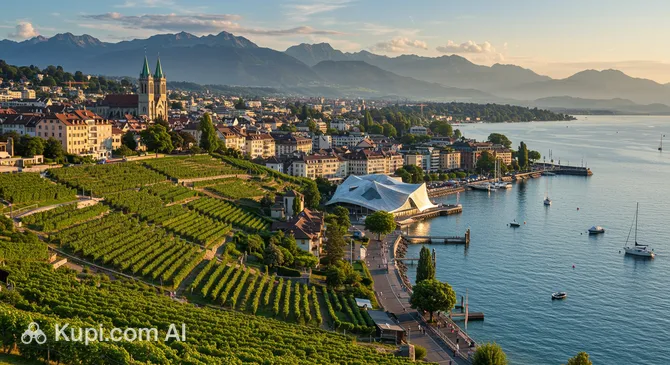
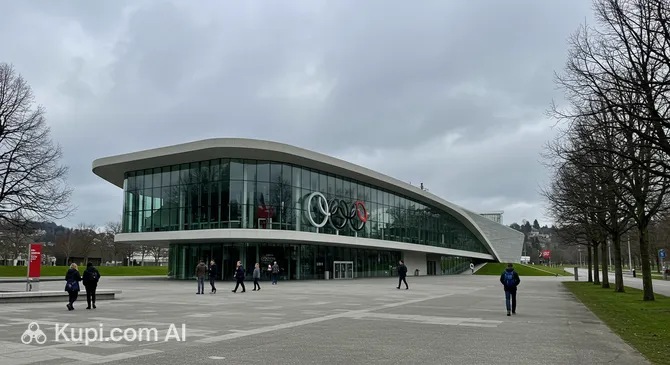
Lausanne. Illustration.
Source: Kupi.com AI

The city is known far beyond the country's borders not only as an important administrative center but also as a global cultural and sporting hub. Lausanne is home to the headquarters of the International Olympic Committee, which is why the city proudly bears the title of the Olympic Capital. Furthermore, Lausanne is famous for its prestigious university and lively student life, giving it a special dynamic and youthful energy. Here, old quarters with narrow cobbled streets blend wonderfully with modern districts featuring futuristic architecture.

The atmosphere of Lausanne is a unique blend of respectable elegance and relaxed, almost Mediterranean comfort. The streets are literally shrouded in greenery, and you can even find palm trees in its many parks. Key attractions and places to visit include the famous Ouchy promenade, perfect for leisurely strolls, and, of course, the Olympic Museum, which offers an interactive dive into the history of the Games. The Old Town, with its Gothic cathedral, is also a must-see.

Lausanne is a city that offers something for everyone: whether it's a romantic weekend, a family trip, a gastronomic tour, or cultural enrichment. Visit Lausanne to experience its unique charm and hospitality!

You can find more interesting facts on the history of Lausanne page.
Weather Overview

The weather in Lausanne is characterized by a temperate climate. Summers here are generally warm and pleasant, with average temperatures in July and August around 18.8°C, while maximum values can reach 23°C. During the summer months (June-August), there is about 4-5 mm of precipitation, and the number of rainy days ranges from 15 to 18. Winters in Lausanne are cool, with the average temperature in January being around 1.2°C, and minimum values dropping below zero. Precipitation is also possible in winter; for example, about 6 mm falls in December. Overall, expect a comfortable summer with occasional rain and cool winters. For a more detailed forecast and monthly information, you can visit the Lausanne Climate page.

Average monthly temperature

Average monthly precipitation

Interesting Facts

Beyond its famous landmarks and picturesque location on the shores of Lake Geneva, Lausanne hides many surprising stories and facts that not all travelers know about. This Swiss city is full of surprises ready to reveal themselves to a curious guest.

The Olympic Museum. Illustration.
Source: Kupi.com AI

Traveler photos:

  • In the majestic Lausanne Cathedral, which is considered the largest Gothic church in Switzerland, a unique organ is installed. It features about 7,000 pipes, making it the largest musical instrument of its kind in the entire country.

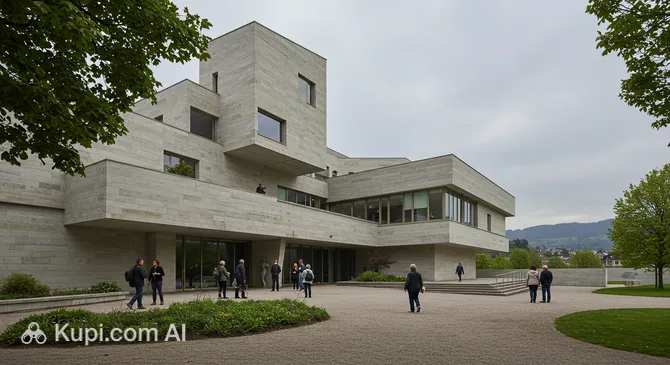
  • Lausanne is home to the world's only Olympic Museum entirely dedicated to the history of the Olympic Games. It houses unique exhibits, from ancient artifacts to the equipment of modern champions, while interactive displays allow for a deeper immersion into the world of sports.

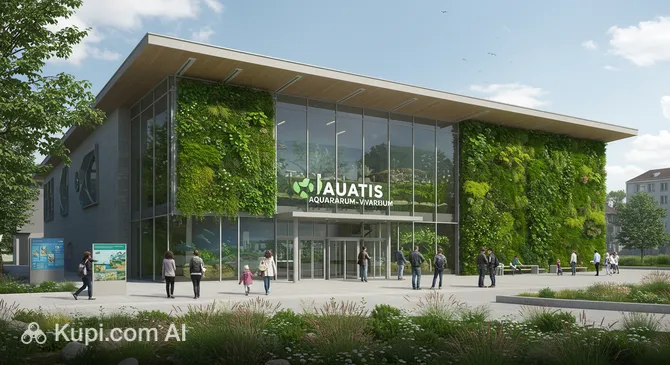
  • Lausanne boasts Europe's largest freshwater aquarium-vivarium – AQUATIS. This modern complex invites visitors on an exciting journey through the aquatic ecosystems of five continents, featuring over 10,000 fish and 100 reptiles and amphibians.

  • The city is a recognized capital of contemporary dance, thanks to the world-famous Béjart Ballet Lausanne troupe. Founded by legendary choreographer Maurice Béjart, the ballet has been based in Lausanne since 1987, continuing to attract art lovers from all over the world.

How to Get There

Lausanne has excellent transport accessibility thanks to Switzerland's developed railway network and its proximity to major international air hubs. You can find all the details and plan your route by visiting the how to get to Lausanne page.

There is no airport in the city of Lausanne itself, but you can fly into Geneva Airport (IATA: GVA), located in Geneva, which is approximately 51 km from Lausanne. This is the most convenient and popular option for tourists. Trains depart directly from the airport terminal and will take you to the center of Lausanne in about 45–50 minutes. A trip by taxi or car takes about 45 minutes, depending on traffic.

An alternative option is EuroAirport Basel-Mulhouse-Freiburg (IATA: EAP), located in Basel, about 137 km from Lausanne. This is a major transport hub receiving many flights. The journey from here to Lausanne by train, with a change at Basel's central station, takes about 2.5 hours. You can also consider a flight to the regional airport Sion (SIR) in the city of Sion (63 km from Lausanne), which mainly serves seasonal and charter flights.

For clarity, here is summary information on the main airports:

AirportPassenger trafficDistance
Geneva Airport17.8 mln51 km
Sion35 92963 km
Bern Airport57 00079 km
Dole-Jura Airport125 141109 km
Chambéry Airport169 000114 km

Railway communication in Switzerland is considered one of the best in the world. Although Lausanne's station is not in the provided list, the city is an important hub where trains arrive from key stations across the country. For example, many travelers transfer at Geneva-Cornavin station (IATA: ZHT) in Geneva, which is 51 km from Lausanne. Frequent direct trains depart from here, with a travel time of about 35–40 minutes.

Another important transport hub is Bern railway station (IATA: ZDJ) in the city of Bern, located 77.8 km from Lausanne. This is one of the busiest stations in the country, providing excellent connections to all regions of Switzerland. A high-speed train from Bern to Lausanne takes just over an hour, offering passengers picturesque views of the Swiss landscapes.

Below is information about major railway stations in nearby cities that are convenient for planning your route:

StationPassenger trafficDistance
Geneva Railway Station42.1 mln51 km
Sion Railway Station4.5 mln65 km
Bern Railway Station69 mln78 km
Oerlikon Railway Station34.4 mln80 km
Basel SBB station40 mln135 km

Main Attractions

Lausanne, picturesquely situated on the banks of Lake Geneva, offers its guests many interesting places. Among them, several attractions stand out that you simply cannot miss.

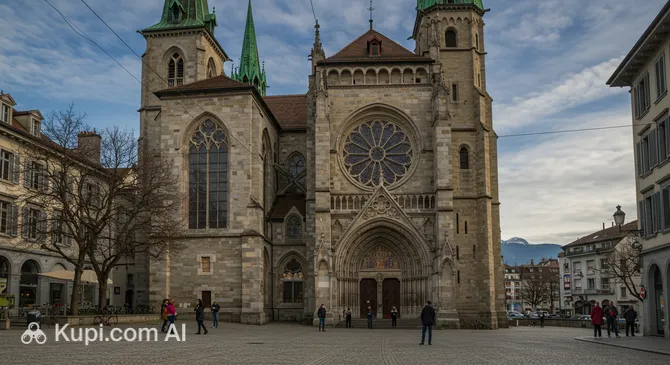
One of the city's main symbols is the majestic Lausanne Cathedral (Notre-Dame Cathedral). This masterpiece of Gothic architecture, whose construction began in the 12th century, impresses with its stained glass windows, sculptural decorations, and powerful atmosphere. After climbing one of its towers, you will be rewarded with a panoramic view of the old town, the lake, and the surrounding Alps.

Lausanne Cathedral. Illustration.
Source: Kupi.com AI

Traveler photos:

Lausanne rightfully holds the title of the Olympic Capital, and the Olympic Museum is the place where you can fully immerse yourself in the history of the Games. The museum offers modern interactive exhibitions telling the story of the birth of the Olympic movement, legendary athletes, and the most memorable moments of the competitions. This exciting journey into the world of sports will be interesting for visitors of all ages.

The Olympic Museum. Illustration.
Source: Kupi.com AI

Traveler photos:

For lovers of unique and informal art, Lausanne has a special place – the Collection de l'Art Brut. Founded by the artist Jean Dubuffet, it showcases the work of self-taught creators—people who produce deeply personal and original pieces outside of academic traditions. A visit to this gallery leaves an unforgettable impression and expands one's understanding of the possibilities of art.

Collection de l'Art Brut. Illustration.
Source: Kupi.com AI

Traveler photos:

Nature lovers and families with children should definitely visit the AQUATIS Aquarium-Vivarium. This is one of the largest freshwater aquarium-vivariums in Europe, where you can get to know the amazing diversity of inhabitants from rivers and lakes across five continents. Modern installations and educational programs make the visit both informative and exciting.

AQUATIS Aquarium-Vivarium. Illustration.
Source: Kupi.com AI

Traveler photos:

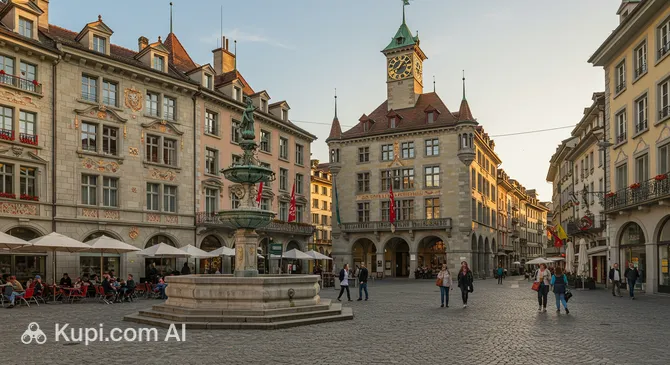
The heart of the old town, Place de la Palud, is also not to be missed. This lively square is surrounded by historic buildings, including the 17th-century Town Hall. A special highlight is the famous animated clock, which puts on a small show about local history every hour. Markets are often held on the square, creating the unique atmosphere of an old European city.

Place de la Palud. Illustration.
Source: Kupi.com AI

Traveler photos:

Local Cuisine

Lausanne is a true paradise for foodies, offering exquisite dishes and drinks for every taste. The city's gastronomic scene combines traditional recipes from the canton of Vaud with modern culinary trends, creating a unique experience for every traveler.

Be sure to try Papet Vaudois—the region's signature dish. It is a gentle stew made of potatoes and leeks, served with local "saucisse aux choux" (cabbage sausage) or "saucisse au foie" (liver sausage). This hearty and flavorful dish is a hallmark of cantonal cuisine and warms you up perfectly in cool weather. Another local pride is, of course, Swiss cheese. Look for varieties such as Gruyère and Emmental in markets and specialty shops, as well as local variations.

The winemaking traditions of Lausanne and its surroundings deserve special attention. The region is famous for its white wines, particularly those made from the Chasselas grape variety, grown on the terraced vineyards of Lavaux, a UNESCO World Heritage site. These fresh and elegant wines perfectly complement local dishes. Don't forget to also try local liqueurs and craft beer, which is gaining popularity. Among non-alcoholic drinks, apple juice ("jus de pomme") and various herbal teas are popular.

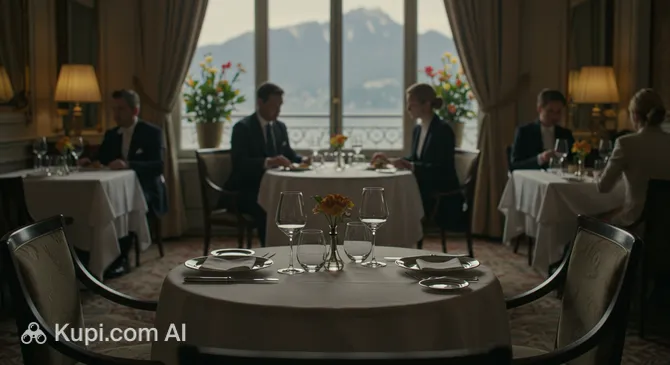
Beau-Rivage Palace. Illustration.
Source: Kupi.com AI

Traveler photos:

Dining culture in Lausanne is diverse. Locals and tourists love to visit both traditional "brasseries" and cozy restaurants where they can enjoy classic Swiss dishes, as well as more modern gastronomic establishments. For example, the city has high-class restaurants like the Beau-Rivage Palace, offering exquisite menus. Street markets, especially on weekends, are filled with the aromas of fresh pastries, local cheeses, sausages, and handmade chocolates. This is a great place to buy fresh products and discover local delicacies. In addition, Lausanne regularly serves as a venue for gastronomic festivals and wine fairs, where you can discover new flavors and chat with producers.

Travel Tips

Planning a trip to charming Lausanne? Wonderful! To ensure your journey through this picturesque Swiss city goes smoothly and leaves only pleasant impressions, we have prepared some practical tips.

  1. Clothing and Essentials: The climate in Lausanne is temperate, so your wardrobe should be chosen according to the season. In summer, bring light clothing, but don't forget a sweater or jacket for evening walks by Lake Geneva. In winter, you will need warm clothes, a hat, and gloves. Comfortable shoes are critically important, as the city is located on hills and you will be walking a lot. Don't forget a plug adapter (Type J is used in Switzerland) and sunscreen, especially if you plan boat trips or mountain hikes.
  2. City Transport: Lausanne boasts an excellent public transport system, including buses and a unique automated metro (line m2). Many hotels provide guests with the Lausanne Transport Card, which entitles them to free travel. Taxis are quite expensive. Renting a car is not a necessity as the city is compact, and parking can be difficult and costly.
  3. Finance: The local currency is the Swiss franc (CHF). You can exchange money at banks or exchange offices, but the rate may be better when withdrawing cash from an ATM. Credit and debit cards are accepted almost everywhere. ATMs are easy to find throughout the city. An approximate daily budget can be 100-150 CHF (excluding accommodation), but this depends heavily on your preferences. Tips are usually included in the bill (service compris), but for especially good service, it is customary to leave 5-10% or round up the amount.
  4. Health and Safety: Pharmacies (pharmacie) are easy to find, but not all are open 24/7; check for information on duty pharmacies. Medical care in Switzerland is at a high level but expensive, so be sure to get travel insurance. Lausanne is a very safe city. Nevertheless, take standard precautions: watch your belongings in crowded places and at the station.
  5. Communication: The official language in Lausanne is French. English is quite common in the tourism sector, hotels, and restaurants, so there should be no problems with communication. Learn a few basic phrases in French, such as "Bonjour" (Hello), "Merci" (Thank you), and "S'il vous plaît" (Please) – the locals will appreciate it. A SIM card can be purchased at mobile operator stores. Free Wi-Fi is available in many cafes, hotels, and public areas.
  6. Local Etiquette: When meeting, it is customary to shake hands and say "Bonjour" (during the day) or "Bonsoir" (in the evening). The Swiss value punctuality, politeness, and restraint. In public places, try not to speak too loudly. Use the polite form "vous" when addressing strangers.
  7. What to Avoid: Try not to make noise or speak loudly on public transport – it is considered bad manners. Also, avoid comparing the Swiss with their neighbors (the French or Germans), as they are very proud of their unique culture and identity.
  8. A Special Tip for Lausanne: Be sure to use the Lausanne Transport Card if your hotel provides it – it will save you money on travel. And don't miss the chance to visit the Lavaux vineyards, a UNESCO World Heritage site located very close to the city and easily accessible by train or boat. The views from there are simply breathtaking!

We hope these tips help you better prepare for your trip and get the most out of your stay in beautiful Lausanne. Have a great trip and wonderful experiences!

Entertainment & Nightlife

Lausanne, a vibrant city on the shores of Lake Geneva, offers its guests diverse opportunities for evening and night leisure. As darkness falls, the city transforms, revealing many bars, clubs, and restaurants ready to welcome visitors until late at night or even until morning. The main center of nightlife is the Flon district, a former industrial zone that has evolved into a trendy space with modern clubs, stylish bars, and concert venues.

The atmosphere of Lausanne at night is quite democratic. Here you can meet both students and a more mature crowd. Most establishments do not require a strict dress code, although some popular clubs might not admit you in overly sporty attire. Bars usually open in the late afternoon and stay open until midnight or 1:00 AM, while clubs start to come alive closer to 11:00 PM and close toward morning, especially on weekends. The city also has several venues with live music, from jazz to rock, and theaters offering evening performances.

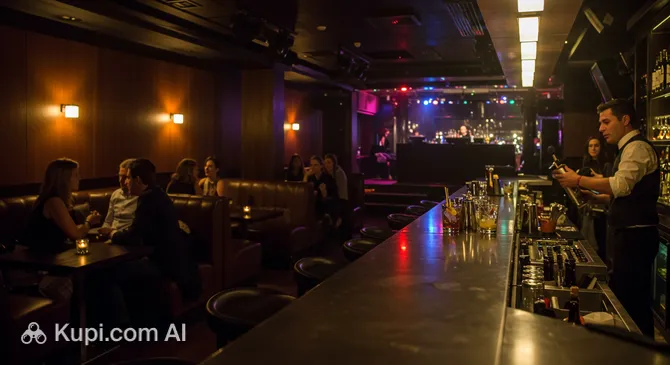
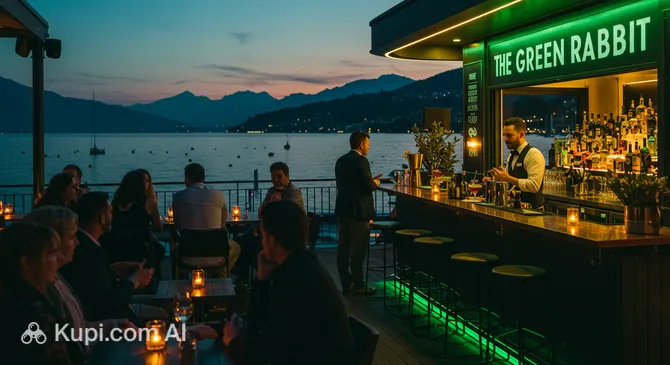
Among the popular places for evening relaxation, the Lausanne Cocktail Club stands out, known for its exquisite drink menu and cozy atmosphere. This is a great place to start your evening or spend it in good company, enjoying masterfully prepared cocktails. For those seeking a more dynamic environment and non-stop dancing, the Le Lapin Vert nightclub is a good choice, as it often invites DJs and hosts themed parties.

Lausanne Cocktail Club. Illustration.
Source: Kupi.com AI

Traveler photos:

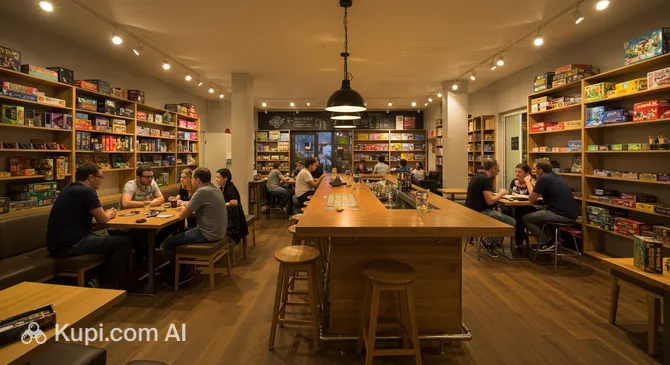
Another noteworthy spot is The Great Escape bar. It attracts visitors with its relaxed atmosphere and wide selection of drinks, making it a popular meeting point for friends.

The Green Rabbit. Illustration.
Source: Kupi.com AI

Traveler photos:

When planning your nighttime activities, keep in mind that peak activity in clubs occurs after midnight, especially on Fridays and Saturdays. Average drink prices in Lausanne's bars and clubs can be quite high, which is typical for Switzerland. Public transport runs until late evening, but at night it is more convenient to use taxis or special night bus routes, if available. Ride-hailing apps are also widely used.

The Great Escape. Illustration.
Source: Kupi.com AI

Traveler photos:

Lausanne is generally considered a safe city; however, as with everywhere else, it is worth taking standard precautions at night: avoid poorly lit and deserted places, especially if you are alone, and keep an eye on your belongings. The Flon district and central streets are usually well-patrolled and lively until late at night.

During the day, Lausanne also offers plenty of entertainment. Culture enthusiasts can visit numerous museums, such as the Olympic Museum, Palais de Rumine with its diverse collections, or the Lausanne Historical Museum. For walks and outdoor relaxation, picturesque parks are ideal, such as Mon-Repos Park or the Olympic Park with beautiful views of the lake.

Parks & Museums

Lausanne, picturesquely situated on the shores of Lake Geneva, charms not only with its landscapes but also with its rich cultural heritage. The city offers guests a harmonious blend of well-kept parks where nature can be enjoyed and unique museums preserving history and art.

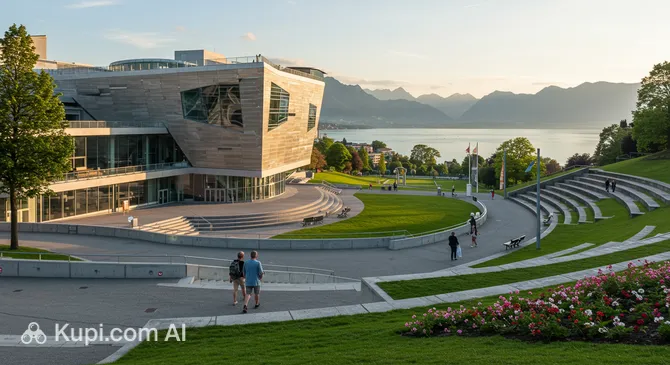
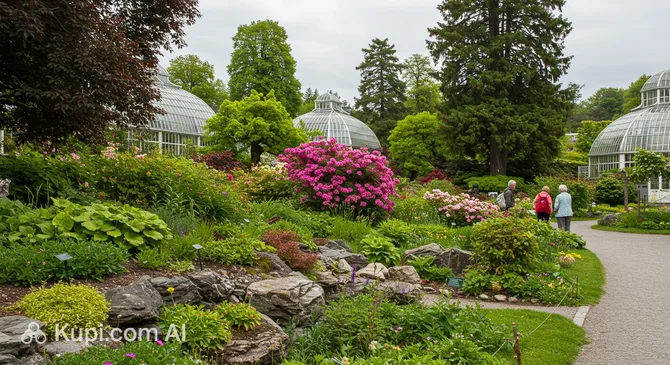
Let's start with the green oases of Lausanne. One of the most famous is the Olympic Park, adjacent to the museum of the same name. It is a beautiful place for walks with magnificent views of the lake and the Alps, decorated with sports-themed sculptures. For flora lovers, the Lausanne Botanical Garden is a must-visit. It houses an impressive collection of plants from all over the world, including Alpine species, medicinal herbs, and exotic flowers. It is a quiet and educational place to relax. Another popular spot is Mon-Repos Park, a historic English-style park with ancient trees, spacious lawns, and a beautiful mansion. It is ideal for a picnic or a leisurely stroll away from the city bustle. If you want to relax by the water, Vidy-Bourget beach offers sandy areas and green zones for relaxation and active recreation.

Olympic Park. Illustration.
Source: Kupi.com AI

Traveler photos:

Lausanne is rightfully proud of its museums. The city's hallmark is the Olympic Museum, where you can immerse yourself in the history of the Olympic Games and see unique exhibits and interactive installations. This place will be interesting for both adults and children. Lovers of unusual art should visit the Collection de l'Art Brut. This museum presents works by self-taught, outsider artists whose creations lie outside traditional artistic movements. The exhibition is striking in its originality and depth. For fans of classic art, the doors of the Cantonal Museum of Fine Arts of Lausanne are open, featuring an extensive collection of Swiss and international art with an emphasis on regional artists. It is also worth mentioning the Palais de Rumine, which houses several museums, and the Lausanne Historical Museum, located in the former Bishop's Palace, which tells the story of the city's centuries-old history.

The Olympic Museum. Illustration.
Source: Kupi.com AI

Traveler photos:

The heart of the old town is the majestic Lausanne Cathedral, a masterpiece of Gothic architecture. Be sure to climb its towers to enjoy a panoramic view of the city and the lake. Nearby is the charming Place de la Palud with the Fountain of Justice and ancient buildings, where market life thrives on Wednesdays and Saturdays. The Château Saint-Maire, the former residence of bishops, also holds historical value.

Lausanne Cathedral. Illustration.
Source: Kupi.com AI

Traveler photos:

If you are traveling with children, visit the Sauvabelin Zoo, located in a woodland park area. This is a small but cozy zoo where you can see local and exotic animals in conditions close to their natural habitat. Another interesting place for the whole family is the AQUATIS Aquarium-Vivarium, the largest freshwater aquarium-vivarium in Europe.

Lausanne Botanical Garden. Illustration.
Source: Kupi.com AI

Traveler photos:

For authentic impressions and stunning views of the city and the lake, take a stroll along the Esplanade de Montbenon. This is a popular spot among locals where you can relax on a bench while admiring the sunset. Also, peak into the lesser-known courtyards of the old town to feel its true spirit and perhaps discover a cozy cafe like Coffee Page for a coffee break.

Getting Around

Public transport in Lausanne is well-developed and offers convenient ways to move around the city and its surroundings. The transport system is based on two metro lines (M1 and M2), as well as an extensive network of buses and trolleybuses operated by TL (Transports publics de la région lausannoise). The M2 metro line deserves special attention – it is a fully automated rubber-tired train that easily tackles the steep slopes of Lausanne's hilly terrain, connecting the port of Ouchy on the shores of Lake Geneva with the city's northern districts via the central station and the old town.

The fare system in Lausanne is integrated into the Mobilis Vaud tariff network, meaning that tickets are valid for all types of public transport within the selected zones. Various types of tickets exist: single tickets, short-trip tickets, day passes (carte journalière), and multi-trip tickets. A pleasant bonus for tourists is the Lausanne Transport Card, which many hotels provide to their guests for free. This card entitles you to free travel on public transport in the central zones of the city (usually zones 11 and 12) for the entire duration of your stay. Ticket prices depend on the number of zones and the duration of the trip; for example, a single ticket for 1-2 zones may cost a few Swiss francs.

Tickets can be purchased at machines at stops (accepting coins and cards), at TL customer centers, through the SBB or TL mobile apps, and sometimes via SMS. Before starting your trip, the ticket must be validated in special machines if it was not bought with a pre-specified start time (for example, in the app). Public transport runs frequently, especially during the day, with intervals of a few minutes on main routes. Intervals may increase in the evenings and on weekends. It is recommended to check schedules in advance on the TL or SBB websites or through their mobile apps, which will also help you plan your route.

In addition to public transport, other ways of getting around are available in Lausanne. Taxis can be found at special stands or called by phone, although this is a fairly expensive option. For fans of active recreation and independent travel, there is a bike rental system, such as PubliBike, offering both regular and electric bicycles, which is especially relevant for Lausanne's hilly terrain. Car-sharing services are also present in the city. Of course, many central areas, including the picturesque Old Town, are pleasant to explore on foot, but be prepared for climbs and descents.

Accommodation

Lausanne offers tourists a wide selection of accommodation options capable of satisfying diverse preferences and budgets. Whether you are looking for a luxury getaway or a more budget-friendly stay, you will find a suitable option in this charming Swiss city.

The range of available housing in Lausanne is quite varied: from cozy hostels and guesthouses for budget travelers to comfortable mid-range hotels and luxury hotels with first-class service. Renting apartments is also popular, which can be a convenient option for families or those who prefer more independence. Many hotels and apartments offer beautiful views of Lake Geneva or the Alps.

When choosing a place to stay, it is worth looking at areas close to the main attractions, such as the Old Town, the Ouchy promenade, or the Olympic Museum. Central districts, as well as those located near the lake, usually offer easy access to public transport, restaurants, and shops. Staying in the Flon district may be interesting for those looking for a lively atmosphere with bars and nightclubs.

The city features many hotels of various categories. While specific hotel examples were not provided in this overview, you will easily find options ranging from well-known international chains to charming boutique hotels with unique designs. It is recommended to check reviews and location before booking.

Regarding booking, especially during the peak tourist season (summer months and during major events), it is recommended to book your accommodation in advance. This will help you not only guarantee availability but also potentially find better deals. The price range varies from budget options to luxury offers, allowing every traveler to find something to their liking. Booking is easily done through popular online platforms or directly on hotel websites.

Nearby Cities

For those looking to explore the surroundings, Lausanne serves as an excellent starting point for day trips to several interesting nearby locations:

For example, Montreux, located just 24 km away, is world-famous for its jazz festival and picturesque promenade along Lake Geneva. This resort town offers stunning views of the Alps and is the gateway to the famous Chillon Castle.

Another attractive destination is Yverdon-les-Bains (29 km), nestled on the shores of Lake Neuchâtel. The city is famous for its thermal springs, medieval castle, and interesting prehistoric sites.

It is also worth considering a trip to Nyon (34 km), a city with a rich Roman heritage. Here you can visit the Roman Museum, stroll through the charming streets of the old town, and enjoy views of Lake Geneva and the majestic Mont Blanc from the walls of the local castle.

CityPopulationDistance
Prilly12 3993 km
Pully18 3133 km
Renens20 9274 km
Le Mont-sur-Lausanne8 5234 km
Lutry10 2894 km

These nearby destinations, as well as other cities in the table, provide a more complete picture of the diverse culture, history, and landscapes of the Vaud region surrounding Lausanne.

Shopping & Souvenirs

Lausanne offers pleasant and diverse shopping, combining the charm of historic streets with modern shopping centers. The city is not so much famous for specific unique goods as for the quality of Swiss products in general – from watches and chocolate to fashion clothing and designer items. Here you can find both boutiques of famous world brands and small shops with local products.

The main shopping arteries of Lausanne are concentrated in the city center. Rue de Bourg is one of the oldest and most elegant streets, home to high-fashion boutiques, jewelry salons, and prestigious brand stores. The more modern and lively Flon district offers a wide selection of clothing, shoe, and electronics stores, as well as cinemas and restaurants, making it a popular place for shopping and leisure.

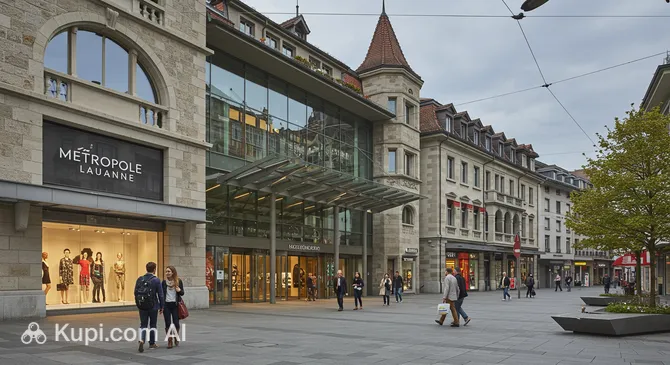
For those who prefer shopping under one roof, Lausanne has several shopping centers. Among them, Métropole Lausanne stands out, located in the heart of the city and offering a good selection of shops and services. Also worth mentioning is the Malley Lumière Shopping Centre, where you can find a variety of goods for every taste.

Métropole Lausanne. Illustration.
Source: Kupi.com AI

Traveler photos:

Market lovers should visit the central Place de la Palud and the adjacent streets, where a lively farmers' market unfolds on Wednesday and Saturday mornings. Here you can buy fresh local products, cheeses, flowers, and handicrafts. Flea markets are also periodically held in the city, where you can find interesting antiques and vintage items.

As souvenirs from Lausanne, as from Switzerland in general, traditional items include famous Swiss chocolate, high-quality cheeses, Victorinox army knives, and, of course, watches. You can also look for local wines from the Lavaux region, handmade items, and souvenirs with Olympic symbols, given Lausanne's status as the Olympic Capital.

Most shops in Lausanne are open from Monday to Friday from approximately 9:00-10:00 AM until 6:30-7:00 PM, and close earlier on Saturdays, around 5:00-6:00 PM. On Sundays, almost all shops are closed, except for some at the railway station or in tourist zones. Large shopping centers may have slightly extended opening hours. Payment is accepted almost everywhere in both cash (Swiss francs) and bank cards.

For tourists residing permanently outside of Switzerland, there is a possibility of a VAT refund (Tax Free) for purchases over a certain amount. To do this, when making a purchase in a store that supports the Tax Free system, you must ask for a special form. By presenting it along with the goods at customs when leaving Switzerland, you can receive a tax refund.

Reached the end of the page?

That means the route is fully explored