Support

Matsu Folklore Culture Museum

About

To truly immerse yourself in the unique atmosphere of the archipelago, start your journey where history comes to life. The Matsu Folklore Cultural Museum is the primary guardian of the islands' traditions and ethnographic heritage. Located in the city of Matsu, which is a fascinating part of Taiwan, the museum complex is housed in a majestic five-story building whose architecture is an exhibit in itself.
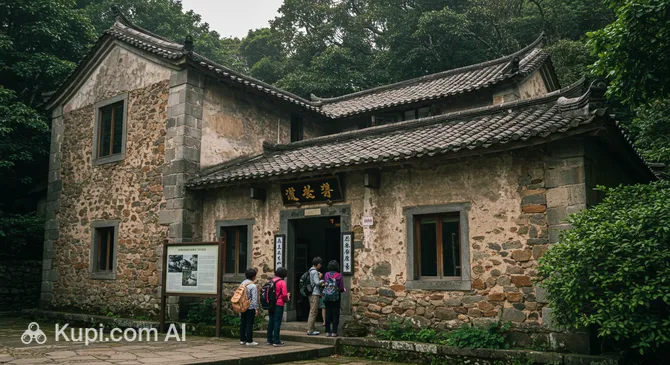
Matsu Folklore Culture Museum
Matsu Folklore Culture Museum. Иллюстрация. Источник: Kupi.com AI

The museum building is artfully styled after traditional Min-dong architecture. A keen eye will notice characteristic decorative elements: from ornamental roof ridges to the use of ancient wine jars in the finish. Small windows and massive walls recall the region's harsh climate and historical past, making the structure one of the most recognizable on Nangan Island.

Inside this cultural center, each floor is dedicated to a specific theme, revealing different facets of island life—from ancient archaeological finds to modern ecology. After a major renovation in 2024, the museum has become even more modern and appealing to tourists, offering a deep and visual journey through time.

Contacts

For those planning a visit, it's useful to save the contact information of the museum administration to clarify details or book a tour. The staff are always ready to help visitors navigate the cultural space.

How to contactContact
Address209清水村135號
Phone+886 8 362 2167
Websitematsucc.gov.tw

What to Do

Start your discovery of the museum on the first floor, where the section dedicated to geography and ecology is located. Here, visitors can learn about rare bird species, the archipelago's unique geological landscapes, and the characteristics of local flora. Temporary art exhibitions featuring works by modern regional masters are often held in this area.

Moving up to the second floor, you will dive into the daily life of ancestors. The exhibition recreates the everyday life of the ancient Liangzao residents in detail, telling the stories of fishing crafts and the secrets of building traditional houses. This is a great opportunity to see authentic tools and interior items that have been used on the islands for centuries.

The third floor is dedicated to spiritual culture. It features collections focused on local deities and vibrant religious festivals. Be sure to stop by the "Tomorrow Culture Studio"—a cozy space with books and traditional board games that help you understand the mentality of the locals through their stories and entertainment.

The tour concludes with an exhibition on the top floor titled "Battlefield Island." It is dedicated to the historical martial law period and demonstrates how closely defense strategy and civilian life were intertwined. The installations and archival materials in this hall leave a strong impression, highlighting the resilience and courage of Matsu's residents.

Getting There

Getting to the museum is quite simple, as it is located in the heart of Nangan Island, in the picturesque village of Qingshui. The exact address is No. 135, Wenhua Road, Nangan Township, Lianjiang County. Jieshou Park, located right next to the museum building, serves as a landmark for tourists.

To get around the island, it is most convenient to use a local taxi or public transport. Bus routes connect the main settlements, but it is worth checking the current schedule in advance, as the frequency of trips may be limited.

If you prefer a more independent way of traveling, scooter rentals are available on the island. This will not only allow you to reach the museum quickly but also to enjoy the coastal scenery along the way. The journey from Nangan's main port or airport takes very little time thanks to the site's central location.

Ближайший город: Matsu

History & Facts

The Matsu Folklore Cultural Museum began its history in 1974, when there was an urgent need to preserve the unique heritage of the region. Over the decades, the building has undergone several transformations: the first major reconstruction took place in 1983, and in 2002, a large-scale modernization of the exhibition halls was carried out to meet modern museum standards.

Interestingly, the architectural appearance of the museum is deeply symbolic. Its design follows the Min-dong style, characterized by thick walls made of local stone and small windows that protect against strong sea winds. The use of traditional wine jars as decorative elements emphasizes the museum's connection to the daily life of the first settlers who arrived here over a century ago.

Special attention in the exposition is given to the period of historical administration, which left a deep mark on the life of the archipelago. The museum demonstrates how the civilian population adapted to the conditions of a "fortress at sea," turning those realities into part of their unique identity. The latest renovation in 2024 allowed for the integration of multimedia technologies, making the immersion into history even more captivating.

At the heart of the local culture lies the principle of "one village — one port," reflecting the archipelago's fishing past. Each settlement was built at the foot of hills, facing the ocean, and it is this harmony between man and the elements that has become a central theme of many historical finds presented in the museum's collections.

Time Needed

To leisurely explore all five floors of the museum and delve into the details of each exhibition, visitors are recommended to set aside about 2–3 hours. This is plenty of time to get acquainted with the history of the early settlers, religious traditions, and the specifics of local architecture.

If you also plan to spend time in the interactive zones on the third floor or carefully study the multimedia materials about the island's historical past, your visit may last longer. However, the compact layout of the halls allows for a general overview of Matsu's culture even with a tighter schedule.

Working Hours

When planning your cultural itinerary, it is important to note that the museum receives visitors according to a specific schedule. Please note that the doors are open daily from 9:00 to 17:00, with one exception.

Wednesday is the day off, and the museum is completely closed at this time. On other days of the week—from Monday to Tuesday and from Thursday to Sunday—you are free to plan your visit during the specified working hours.

DayWorking hours
Понедельник9:00 – 17:00
Вторник9:00 – 17:00
СредаЗакрыто
Четверг9:00 – 17:00
Пятница9:00 – 17:00
Суббота9:00 – 17:00
Воскресенье9:00 – 17:00

Nearby

Exploring the surroundings of the Matsu Folklore Cultural Museum is a wonderful opportunity to dive deeper into the island's atmosphere and see its hidden treasures. Many interesting sites are within walking distance or just a short drive away.

Visiting neighboring attractions will allow you to form a complete picture of the history and nature of this amazing region. Below are the most noteworthy places located nearby:

NameDistance
Victory Lodge0.3 km
Zhenge Daidan Memorial Park0.8 km
Victory Fort (Matsu War and Cultural Museum)1 km
Beihai Tunnel1.1 km
Yuntai Mountain1.2 km
Island Bobo1.3 km
Dahan Stronghold1.3 km

Reached the end of the page?

That means the route is fully explored