Support

Pingtung City

About

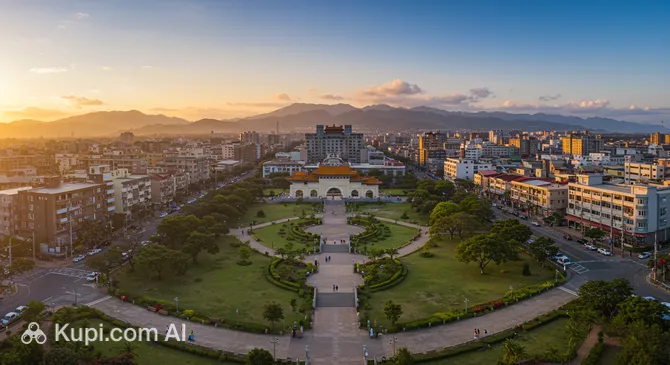
Pingtung is a picturesque southern gem, nestled between majestic mountain ranges and the azure waters of the strait. Located at the southernmost tip of the island of Taiwan, this city is famous for its mild subtropical climate, making it an ideal travel destination at any time of year. Here, golden beaches and lush tropical forests exist in perfect harmony, creating unique landscapes for nature lovers.

Pingtung City. Illustration.
Source: Kupi.com AI

With a population of over 500,000 people, Pingtung serves as an important economic and cultural hub for the region. The atmosphere here wonderfully combines urban rhythms with the relaxed feel of a coastal resort. Strolling through the streets, you can see how the rich history of Pingtung intertwines with modernity: the unique traditions of local indigenous peoples sit alongside bustling markets and contemporary architecture. The hospitality of the locals and the enticing aromas of street food create a special sense of comfort that tourists truly appreciate.

Pingtung is often called the "gateway" to the island's most beautiful corners. From here, it is most convenient to reach the famous Kenting National Park or explore authentic villages where ancient crafts are still preserved. Whether it's outdoor activities, diving, or discovering ethnic culture, this city will be a wonderful discovery for every traveler.

>,attractions:

Weather Overview

Pingtung's climate can be described as tropical, with a clear division into seasons based on rainfall. Thanks to its southern location, it is warm practically year-round, making the city accessible for visits at any time; however, the weather's character changes significantly from month to month.

Winter here is incredibly mild and is the driest period of the year. In January and February, the average temperature stays at a comfortable 19–20°C, with minimal rainfall (only about 1 mm). Spring brings gradual warming: already in March, the air warms up to 22.7°C, and by May, average figures reach 26.8°C. However, it is in May that the number of rainy days increases sharply, signaling the start of the wet season.

Summer in Pingtung is hot and humid. From June to August, the average temperature is about 27–28°C, with maximum values often exceeding 30°C. This is the time of the most intense rainfall: for example, up to 27 rainy days are recorded in August. When planning a trip during this period, be sure to check the detailed weather in Pingtung to prepare for the high humidity. Expect a hot summer with frequent tropical downpours and a warm, predominantly dry winter.

In autumn, the heat and humidity gradually recede. September still retains its summer character, but by October, the temperature drops to a pleasant 25.5°C, and the number of rainy days decreases. November and December bring back dry and fresh weather, ideal for excursions and outdoor walks.

Average monthly temperature

Average monthly precipitation

Interesting Facts

Beyond its main attractions, Pingtung and its surroundings hold many fascinating secrets, giving travelers access to the unique natural and cultural treasures of Taiwan. This region will surprise you with its scale and diversity, from underwater worlds to ancient architectural monuments.

  • Pingtung is home to one of the island's most famous national parks—Kenting. This place is renowned not only for its rare species of flora and fauna but also for its stunning sunsets over the ocean. The park's picturesque landscapes are so cinematic that they have frequently served as filming locations for popular Taiwanese movies and TV shows.

  • The region is famous for its National Museum of Marine Biology and Aquarium, which is the largest in the country. Visitors can see giant whale sharks and rare marine inhabitants here. A walk through the underwater tunnel is particularly popular, offering the sensation of complete immersion in ocean life.

  • Pingtung is considered one of the centers for the traditional culture of indigenous peoples. In a specialized Culture Park, you can learn about the unique customs of the aborigines, see their traditional dances, study crafts, and taste authentic cuisine that cannot be found in other parts of the island.

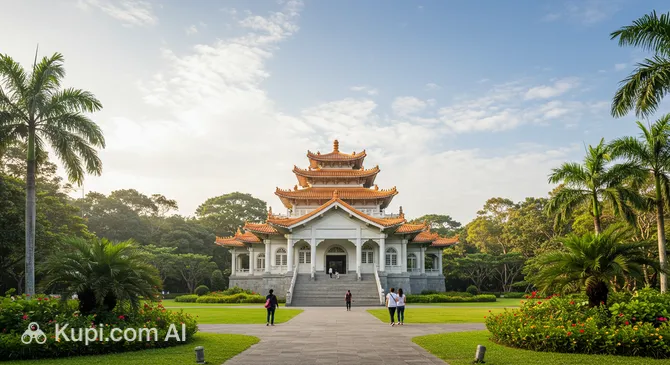
  • History lovers will appreciate the region's rich heritage. Here, you can walk through the historic streets of the ancient town of Hengchun, whose fortress walls are perfectly preserved. In Pingtung itself, an important historical monument is the Ahou City Gate, built in the 19th century. These majestic brick gates recall the times of the Qing Dynasty and serve as a symbol of the city's resilience.

Ahou City Gate. Illustration.
Source: Kupi.com AI

Traveler photos:

How to Get There

Getting to Pingtung is quite easy, as it is located near major transport hubs in southern Taiwan. Thanks to the developed infrastructure of neighboring metropolises, travelers can easily combine flights with ground transport. You can explore all ways to get to the city on our dedicated page, and below we will look at the most convenient routes for tourists.

The main air gateway for a trip to Pingtung is Kaohsiung International Airport (IATA: KHH). It is important to note that Pingtung City itself does not have an airport, so most tourists fly into Kaohsiung Airport, located in the neighboring city, just 17–18 km from Pingtung. This is a major transport hub with high passenger traffic, receiving flights from many Asian countries. A taxi ride from the airport to central Pingtung takes about 40–50 minutes; you can also use a bus or train with a transfer.

An alternative option is Tainan Airport (IATA: TNN). It is located in Tainan, approximately 42.5 km from Pingtung. This is a regional airport with less passenger traffic, but it can be convenient if you plan to visit other cities on the west coast. The taxi journey from here takes about 1.5 hours. For long-haul international flights, some travelers choose airports in the north of the island, but getting from there to Pingtung will take significantly longer.

For convenience, here is summary information on the nearest airports through which you can plan your route:

AirportPassenger trafficDistance
Kaohsiung International Airport5.9 mln18 km
Tainan Airport469 33842 km
Taitung Airport332 22163 km
Chiayi Airport100 00088 km
Magong Airport2.4 mln133 km

Regarding rail connections, Pingtung is integrated into the general Taiwan Railways (TRA) network. While high-speed trains (THSR) do not go directly into the city, they arrive at Zuoying Station in neighboring Kaohsiung. From there, tourists can quickly transfer to a local train or bus to reach Pingtung Railway Station. Direct trains on regular lines (TRA) also connect Pingtung with Taipei and other major cities on the island, offering a scenic route along the coast or through the valleys.

Main Attractions

The city of Pingtung offers travelers an exciting itinerary where history, art, and spiritual traditions intertwine. Here, you can see how historic buildings find new life as centers of modern culture and touch centuries-old customs in majestic temples. Your exploration of the city should begin with its most iconic sites, each possessing a unique atmosphere.

The absolute center of attraction for tourists is the Victory Star V.I.P. Zone (Chengkung District). This is a unique open-air creative cluster established on the site of former military housing. Today, dozens of restored Japanese-style houses have been transformed into cozy cafes, independent bookstores, and designer boutiques. A walk here is more than just shopping; it's an immersion into a nostalgic atmosphere with opportunities to take atmospheric photos and find original souvenirs.

For those seeking tranquility and wishing to appreciate the beauty of traditional architecture, the Pingtung Confucius Temple is a must-visit. This complex impresses with its solemn austerity and harmony. Restored in a traditional style, the temple serves not only as a place of worship but also as an educational center. Here, you can leisurely stroll through the inner courtyards, admiring the elegant carvings and calligraphy, and take a break from the city bustle.

Pingtung Confucius Temple. Illustration.
Source: Kupi.com AI

Traveler photos:

History buffs will be interested in the General's House. This historic building, which once served as a residence for high-ranking officials, now functions as a cultural center. The exhibitions inside tell stories of the settlements that played an important role in shaping the modern look of the city. The building itself, surrounded by old trees, is a fine example of last century's architecture.

To feel the pulse of modern cultural life, stop by the Pingtung Art Museum. Located in a former city administration building, it has become the main venue for exhibitions by local and international artists. The museum regularly hosts interesting events, and its galleries allow visitors to see how the region's traditions are interpreted in contemporary art.

Local Cuisine

Pingtung's cuisine is a true celebration of taste, where tropical abundance meets the culinary traditions of different peoples. Thanks to the generous climate and proximity to the sea, the city's gastronomic scene is built on the freshest seafood and exotic fruits. A hallmark of the region is the famous "black sugar"—a special type of cane sugar produced here and added to many desserts and drinks, giving them a unique caramel aroma.

Among the main dishes that every tourist must try, "fish balls" (yu wan) take the lead. They are made from the fresh catch and served in a light, aromatic broth or fried to a golden crust—it's simple but incredibly delicious food. Seafood lovers should also look out for fried squid and grilled oysters, which are sold in abundance at street stalls. For those seeking relief from the heat, "aiyu" is the perfect choice—a refreshing jelly made from fig seeds, usually served with lemon juice and ice.

Pingtung is also famous for its fruit, especially mangoes and pineapples. During harvest season, the city is literally filled with the aromas of these fruits: they are used to make smoothies, added to shaved ice, and used in baking. If you want to bring back a tasty souvenir, look for dried fruits or local delicacies like smoked duck at farmers' markets.

The dining culture here is laid-back: locals love eating at night markets, moving from one stall to another. However, the city also has excellent restaurants for a leisurely dinner. For example, fans of rich flavors can visit the Spice House, which serves dishes with a bold character. And if you enjoy the Japanese tradition of cooking meat over fire, stop by Hana Yakiniku (Pingtung)—a popular spot where you can grill delicacies yourself right at your table.

Travel Tips

Preparing for a trip to Pingtung doesn't require much effort, but knowing a few local specifics will make your journey through southern Taiwan much more comfortable and enjoyable. We've compiled a list of practical recommendations to help you easily blend into the rhythm of this sunny city and avoid typical tourist mistakes.

  1. Clothing and Sun Protection. Since Pingtung is in a tropical zone, it is warm year-round. Opt for light clothing made of natural fabrics (cotton, linen). Be sure to bring sunscreen, sunglasses, and a hat—the sun here is very intense. However, in public transport and shopping malls, air conditioners are often on full blast, so a light windbreaker or long-sleeved shirt is a must for your backpack.
  2. Transport and Navigation. There is no metro in the city, so the main ways to get around are buses, taxis, and bicycles. We highly recommend purchasing an EasyCard or iPASS at any convenience store (7-Eleven, FamilyMart). You can use them to pay for fares everywhere and to rent YouBike 2.0 city bikes. To call a taxi, it's better to use the Uber app or local services, as hailing a car on the street isn't always easy, and the language barrier with the driver can be an issue.
  3. Finances and Cash. The currency is the New Taiwan Dollar (TWD). While hotels and large stores accept cards (Visa, Mastercard), famous night markets and small cafes only take cash. You can withdraw money from ATMs, which are found in almost every convenience store (konbini). Tipping in Pingtung, as on the rest of the island, is not customary—a service charge is often already included in the bill at restaurants.
  4. Health and Safety. Pingtung is a very safe city where you can comfortably walk even at night. The main "danger" here is natural—mosquitoes, which can carry dengue fever. Be sure to use repellent, especially when walking in parks. Tap water is not recommended for drinking; it's better to buy bottled water or use dispensers in your hotel. Pharmacies (such as Watsons or Cosmed) are common, and many medications are available without a prescription.
  5. Communication and Apps. Young people often speak English, but the older generation and bus drivers might not. Download Google Translate and offline maps in advance. For connectivity, it's best to buy a local SIM card with unlimited internet right upon arrival at the airport—it will be cheaper and more convenient than roaming. The Bus+ app will be useful for tracking transport schedules in real time.
  6. Local Etiquette. Taiwanese people are very polite and value order. Always respect the queue (at the bus stop, at the checkout, for the restroom)—attempting to cut ahead will be viewed very negatively. When handing over money or a business card, try to use both hands—it's a sign of respect. In public transport, do not take the dark blue seats reserved for the elderly and pregnant women, even if the car is empty.
  7. What to Avoid. Never stick your chopsticks vertically into a bowl of rice—this resembles incense at a funeral and is considered a bad omen. Also, avoid loud conversations in temples and on public transport. Be careful when crossing the road: even on a green light, scooter drivers turning right may not always yield to pedestrians.
  8. Useful Life Hack. Don't throw away your store receipts! Every cash receipt in Taiwan is a ticket for the state lottery. Even if you don't plan to check for a win, you can drop the receipt into special transparent donation boxes at store checkouts—the winnings will go to charity, and locals will appreciate this gesture.

Pingtung is a place where the genuine smiles of locals are encountered more often than anywhere else. By following these simple tips, you'll be able to relax and get the most out of the southern hospitality, delicious food, and leisurely pace of life in this amazing city.

Entertainment & Nightlife

Nightlife in Pingtung has its own unique flavor: you won't find noisy metropolitan raves here, but you can immerse yourself in an atmosphere of genuine fun and friendly socializing. Evening entertainment in the city is closely intertwined with gastronomic culture. Locals love to spend time with friends, enjoying delicious food and drinks in a relaxed setting. The epicenter of evening activity is traditionally the areas around night markets and central streets, where life bustles until late at night.

One of the most popular forms of leisure in Taiwan, and Pingtung is no exception, is karaoke (KTV). This isn't just singing; it's a whole ritual with private comfortable rooms and service. If you want to combine singing with something truly exotic, be sure to visit the Xintiandi KTV and Prawn Fishing Club. This unique establishment offers a popular Taiwanese pastime—prawn fishing in special indoor pools—which can be paired with a fun party. Another great spot for vocal enthusiasts is Holiday KTV, where you can rent a room for your group and sing your favorite hits until morning.

For those who prefer a more quiet evening with a drink and tasty snacks, there are cozy bars and izakaya-style grill restaurants throughout the city. It's customary here to order many small dishes for the table to share with friends. A perfect example of such a place is the Yue Charcoal Grill Bar. The aroma of dishes cooked over an open fire and a wide selection of drinks create the ideal atmosphere to end an eventful day.

Nightlife here is safe, and tourists can comfortably walk the streets even late at night. However, keep in mind that public transport runs infrequently at night, so it's better to take a taxi or call a car via popular apps to get back to your hotel. Prices in Pingtung's establishments are pleasantly affordable compared to larger cities, but many places, especially small bars, only accept cash.

In terms of daytime entertainment, the city offers equally interesting options. Fans of nostalgia and retro games should check out the Childhood Memories Pinball Shop, which houses a collection of vintage machines. For family fun, the Xinxin Aquarium is perfect for introducing you to the region's underwater world.

Parks & Museums

Parks and Museums:

Pingtung's urban spaces harmoniously blend the natural beauty of the tropics with a rich cultural heritage, offering tourists many places for relaxation and education. From shaded alleys with century-old trees to modern art venues in reconstructed historical buildings, everyone will find a corner for inspiration and rejuvenation here.

The main green oasis in the city center is rightfully considered Pingtung Park. This is the oldest park in the region, which recently underwent a major renovation while preserving its historical charm. Here, you can leisurely stroll around a picturesque lake, admire the lush vegetation, or engage in sports on equipped courts. The park is especially beautiful in the evening when decorative lighting turns the walking paths into a romantic route.

Pingtung Park. Illustration.
Source: Kupi.com AI

Traveler photos:

For lovers of long walks by the water, Wannian Park is ideal. It stretches along the famous Wannian Creek, which is called the city's "emerald necklace." Thanks to ecological efforts, the creek's banks have been transformed into a well-kept recreational zone with wooden boardwalks, bridges, and landscaped gardens. It's a great place to observe local fauna and enjoy the cool on a hot day.

The city's cultural life is vividly represented in its museum spaces. Be sure to visit the Pingtung Art Museum, located in the former city administration building. It is a one-of-a-kind municipal museum in Taiwan specializing in contemporary art and ethnography. Its spacious halls regularly host exhibitions by local masters, revealing the unique flavor of the southern region through painting, sculpture, and installations.

Another important point on the cultural map is the Pingtung 1936 Tobacco Culture Base. This impressive complex of industrial buildings from the Japanese era has been carefully restored and turned into a museum and exhibition center. Here, you can learn about the history of the tobacco industry, which was once the backbone of the region's economy, as well as attend workshops and creative markets.

If you are looking for solitude away from the tourist trails, we suggest checking out Chunlan Ecological Protection Park. This is a lesser-known but surprisingly atmospheric place where nature takes over, creating a natural habitat for birds and insects. Insider tip: come here at sunrise or sunset to take stunning photos in the soft light without the extra hustle.

Getting Around

The public transport system in Pingtung, unlike large metropolises, does not have its own metro; however, it is well-organized and convenient for travelers. The foundation of urban mobility is buses and rail connections. The local bus network, operated by Pingtung Bus, connects the city center with main attractions, the station, and neighboring districts. Routes cover key tourist spots, making the bus a budget-friendly and reliable way to get around.

To pay for fares, it is highly recommended to purchase one of the universal transport cards: EasyCard or iPASS. These cards work across the whole island and eliminate the need to look for small change. You can buy and top them up at any convenience store (7-Eleven, FamilyMart, Hi-Life) or at stations. The card itself costs about 100 TWD (without balance). If you decide to pay in cash on the bus, remember that the driver does not give change—you must have the exact amount.

Important advice when using buses: you must tap your card on the validator twice—both when entering and when exiting. This ensures the correct fare calculation. Most buses run from 6:00 AM to 10:00 PM, but intervals can vary from 15 to 60 minutes depending on the route, so tourists should install the Bus+ app or use Google Maps to track transport in real time.

Pingtung Railway Station is a modern transport hub and an important part of the city's infrastructure. Taiwan Railways (TRA) trains not only connect the city with neighboring Kaohsiung (the trip takes just 15–20 minutes) but also serve as a great alternative for moving between districts within the county. The station is located in the very center, which is very convenient for starting walking tours.

An excellent alternative to buses is the YouBike 2.0 city bike-share system. Stations with yellow bicycles are scattered throughout the city, especially near parks and schools. To rent one, you'll need to register your transport card via a terminal (kiosk) or the app using a local phone number. The first 30 minutes of a ride often cost a symbolic amount or are even free, and the city itself, thanks to its flat terrain, is ideal for cycling.

If you need to reach a destination quickly or late at night, use a taxi or the Uber service. Yellow taxis can be hailed on the street or found at stands by the station, but drivers rarely speak English, so prepare your destination name in Chinese beforehand or show the point on a map. Uber works reliably and removes the language barrier.

Accommodation

The choice of accommodation in Pingtung is wide enough to satisfy most travelers, although you won't find a huge number of international luxury hotel chains here. The city offers a balanced mix of comfortable business hotels, cozy "minsu" (traditional Taiwanese guesthouses), and budget hostels for young people. The atmosphere in local hotels is usually very homelike and welcoming, which perfectly matches the overall relaxed rhythm of the south.

Logistically, the most convenient area to stay is the city center, adjacent to the railway station. By staying here, you will be within walking distance of transport hubs, night markets, and major shopping streets. If you prefer to live in a more picturesque and historic location, consider the area around the Victory Star V.I.P. Zone (Chengkung District). This neighborhood is famous for its renovated low-rise buildings, abundance of greenery, and creative atmosphere, making it ideal for a quiet rest after a busy day.

The price range in Pingtung is noticeably more affordable compared to Taiwan's large metropolises. You can find an excellent mid-range hotel room with all amenities at a very pleasant price. Many hotels offer guests free bicycle rentals, which is very convenient for exploring the city, as well as breakfasts that include local cuisine.

Booking Tip: Although Pingtung is not as crowded with tourists as Taipei, we recommend booking your accommodation in advance, especially if your trip falls on a weekend or public holiday (such as Chinese New Year). You can use major international booking platforms as well as local Asian services. This ensures you the best choice of rooms and the most favorable prices.

Nearby Cities

For those who want to explore the surrounding area, Pingtung serves as an excellent starting point for day trips to several interesting nearby locations. The city's convenient location allows you to quickly reach both major metropolises and cozy settlements with unique character.

Just 20 km from Pingtung is Kaohsiung—the island's second-largest city and its largest port. It is a dynamic metropolis where modern skyscrapers stand alongside art sites like the famous Pier-2 Art Center. It's worth going there for shopping, strolling along the Love River waterfront, and visiting the picturesque Lotus Pond with its pagodas.

A bit further, about 45 km away, lies Tainan—the ancient capital and cultural heart of Taiwan. This city is famous for its incredible concentration of old temples, historic forts, and, of course, its cuisine, which is considered some of the best on the island. A day trip to Tainan will allow you to touch the region's rich heritage and try legendary local snacks.

If you are looking for something more intimate and closer, consider Chaozhou. Located just 14 km away, this town is known for its relaxed pace of life and its famous dessert—"cold hot ice." It's a great place for a short trip to enjoy local sweets and visit the Linhousilin Forest Park.

CityPopulationDistance
Changzhi29 1384 km
Linluo10 5864 km
Wandan49 4617 km
Jiuru21 6427 km
Neipu52 34910 km

These nearby destinations provide a glimpse into the diverse culture and landscapes of the region, making your trip even more fulfilling and memorable.

Shopping & Souvenirs

Shopping in Pingtung is a relaxed and engaging activity that allows you to discover the local traditions and creativity of Southern Taiwan's residents. The city doesn't try to compete with metropolises in terms of luxury boutiques; however, it has a unique atmosphere where modern shopping malls sit alongside colorful markets and designer shops. Pingtung is especially famous for its high-quality agricultural products and handmade goods by local artisans, making the shopping process here truly authentic.

If you are looking for original items and a creative atmosphere, head to the Victory Star V.I.P. Zone (Chengkung District). Strolling through this historic quarter, you'll find many independent bookstores, boutiques with handmade clothing, and souvenir shops created by local designers. Another interesting location is the Artisan District, where workshops and shops are concentrated, offering unique products made of wood, fabric, and ceramics that reflect the region's cultural heritage.

For those who prefer comfortable shopping in air-conditioned spaces, Global Mall Pingtung is worth a visit. This is the city's main modern shopping center, housing stores of popular international and Asian clothing, cosmetics, and electronics brands. It also features a large food court and a cinema, making the mall a great place for family leisure during hot hours.

An integral part of Taiwanese shopping is the markets. The most famous attraction for both locals and tourists is the Pingtung Night Market. Although people come here primarily for food, you can find affordable clothing, accessories, phone cases, and fun trinkets in the maze of stalls. This is the best place to feel the city's lively rhythm and practice your bargaining skills.

As for souvenirs from Pingtung, gastronomic gifts are the most popular choice. The region is famous for its chocolate: local cocoa wins international awards, so a bar of craft chocolate makes an excellent gift. Also, look out for Taiwanese coffee grown in the local mountains and, of course, dried fruits—the mangoes and pineapples here are incredibly tasty. Fans of ethnic crafts will love bead jewelry and fabrics with traditional patterns from Taiwan's indigenous peoples.

Shops in Pingtung usually open around 10:00–11:00 AM and stay open until 9:30–10:00 PM. Night markets come alive after sunset, around 5:00–6:00 PM, and operate until midnight. Large shopping centers like Global Mall and chain stores easily accept credit cards (Visa, MasterCard). However, at markets, small souvenir shops, and street stalls, payment is exclusively in cash, so always keep some banknotes with you.

Foreign tourists can take advantage of the Tax Free system when purchasing goods worth over 2000 TWD in one day at stores marked with the special TRS (Taiwan Refund System) logo. Don't forget to bring your passport to complete the necessary documents directly in the store or at a special service center in the shopping complex.
Reached the end of the page?

That means the route is fully explored