Support

Doi Suthep

About

Doi Suthep is a true gem of northern Thailand, nestled on the slopes of the mountain of the same name just a few kilometers from bustling Chiang Mai. Surrounded by dense tropical forests and peaks often shrouded in clouds, this town is famous for its peaceful atmosphere and is rightfully considered the spiritual heart of the region.
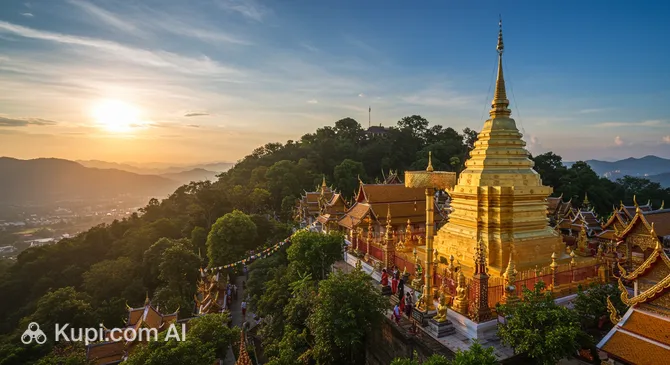
Doi Suthep. Illustration.
Source: Kupi.com AI

With a population of about 37,000 people, Doi Suthep retains the charm of a small settlement where life flows at a measured pace. Located at an altitude of more than a thousand meters above sea level, it offers guests fresh mountain air and a unique microclimate — in the mornings, the slopes are often enveloped in picturesque mist, giving the landscapes a sense of mystery. The crown jewel and most important pilgrimage site is the famous Wat Phra That Doi Suthep temple, which rises majestically on the mountain and attracts visitors from all over the world.

Beyond visiting the temple, Doi Suthep offers many other experiences. The town's streets are filled with the aromas of local coffee, exotic spices, and fresh fruit, while the melodic ringing of temple bells creates a unique aura. Here you can enjoy stunning panoramic views of the surrounding valley, get acquainted with the ancient traditions of Lanna culture, or go for a walk along picturesque trails in the tropical forests. The impressive Naga staircase leading to the temple deserves special mention, as the climb itself is a memorable experience.

Doi Suthep is an ideal destination for those seeking harmony with nature, interested in Buddhist culture, or simply wanting to relax in a quiet and beautiful setting. Visit this amazing corner to experience the true charm and spiritual depth of northern Thailand.

You can find more interesting facts on the Doi Suthep city history page.
Weather Overview

The weather in Doi Suthep is characterized by a warm climate with a distinct wet season (May-October) and a dry season (November-April). The average air temperature here ranges from 20.6°C in January to 27.7°C in May. Expect warm, rainy summers and cooler, drier winters. The highest amount of precipitation occurs in August (averaging 12 mm and 28 rainy days), while February is the driest month with almost no precipitation. For more detailed information, please visit the Doi Suthep Climate page.

Average monthly temperature

Average monthly precipitation

Interesting Facts

In addition to its famous temples, Doi Suthep holds many amazing stories and features that make this place truly unique. Here are just a few of them:

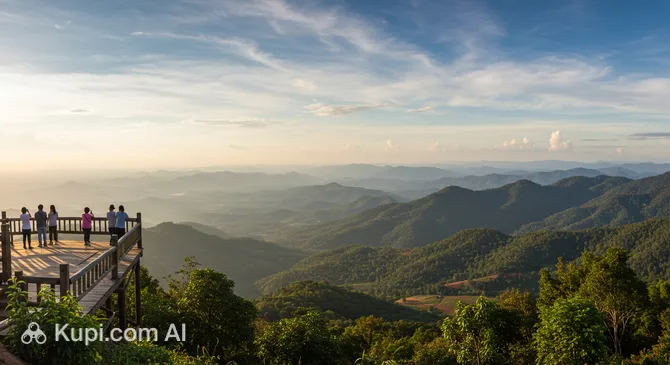
Doi Pui Viewpoint. Illustration.
Source: Kupi.com AI

Traveler photos:

  • According to ancient legend, the site for the construction of the famous Wat Phra That Doi Suthep temple in the 14th century was indicated by a white elephant. It is believed that the elephant carried a sacred relic of the Buddha, climbed the mountain, trumpeted three times, and fell dead. The temple was built on this very spot, and statues of white elephants still greet visitors at its entrance today.

  • The peaks of Mount Doi Suthep and neighboring Doi Pui are often shrouded in picturesque clouds, creating a mystical atmosphere. Local viewpoints, such as the Doi Pui Viewpoint, offer breathtaking panoramas of Chiang Mai, which are especially impressive at sunset.

  • Doi Suthep-Pui National Park, where the town is located, is a real treasure for nature lovers. Its vast territory (about 265 sq. km) is home to more than 300 species of birds and about 2000 species of plants, including rare orchids and giant ferns.

  • On the slopes of Mount Doi Suthep lie colorful villages of mountain tribes, particularly the Hmong. By visiting one of them, such as Khun Chang Khian, you can learn about their original culture, purchase handmade items and traditional fabrics, and try local tea grown on mountain plantations.

How to Get There

When planning a trip to one of the most revered shrines in the north, it is important to think about logistics in advance. You can find out all the ways to get to the city and the Doi Suthep temple complex to choose the most comfortable route. Since this attraction is located on a mountain in the immediate vicinity of Chiang Mai, the main flow of tourists passes through the transport hubs of this major city.

There is no airport in Doi Suthep itself, but just 9.6 km away is the region's main air hub — Chiang Mai International Airport (CNX). This is a large, modern airport accepting flights from Bangkok, other Thai cities, and Asian countries. A trip from the airport to the foot of the mountain or Chiang Mai Zoo (where songthaew minibuses depart for the top) by taxi will take about 20–30 minutes, and the climb to the temple itself will require another 30–40 minutes along a picturesque serpentine road.

If you are planning a longer journey through the north of the country, you might consider flying into Chiang Rai International Airport (CEI). It is located in the city of Chiang Rai, approximately 163 km from Doi Suthep. This is an option for those who want to rent a car and drive along beautiful mountain roads, visiting the White Temple and other attractions along the way. The journey by car takes about 3–4 hours.

There are also small regional airports, such as Lampang Airport (LPT) in the city of Lampang (about 90 km) and Nan Airport (NNT) (about 200 km). They serve fewer flights and are suitable for more experienced travelers building complex routes through the provinces.

For clarity, here is summary information on the main airports:

AirportPassenger trafficDistance
Chiang Mai International Airport9.1 mln10 km
Lampang Airport128 19390 km
Mae Hong Son Airport54 813111 km
Phrae Airport59 792154 km
Chiang Rai International Airport2.9 mln163 km

As for rail connections, there is no station in the Doi Suthep mountain area itself. The nearest major railway hub is in Chiang Mai. Trains from Bangkok arrive at Chiang Mai station daily, offering tourists a chance to enjoy views of the Thai countryside. From the station, you can reach the starting point of the climb up the mountain by red songthaew taxis or tuk-tuks in about 30 minutes.

Main Attractions

Mount Doi Suthep and its surroundings are famous not only for the renowned temple but also for other interesting places that attract travelers with their beauty and cultural significance. Here, you can enjoy nature, learn about the daily life of local tribes, and admire magnificent views.

One such notable place is the village of Khun Chang Khian. This is a Hmong settlement located high in the mountains. Tourists are drawn here by the coffee plantations and, especially during the winter months, the blooming of wild Himalayan cherries, known as the "Sakura of Thailand." A visit to the village provides an opportunity to see the traditional way of life of a mountain tribe and enjoy the fresh mountain air.

Khun Chang Khian. Illustration.
Source: Kupi.com AI

Traveler photos:

For those who appreciate breathtaking panoramic views, the Doi Pui Viewpoint is a must-see. It offers a stunning view of the surrounding mountain ranges and, on a clear day, the city of Chiang Mai. This is a great spot for photos and a short break on the way to other attractions on Mount Doi Pui.

Doi Pui Viewpoint. Illustration.
Source: Kupi.com AI

Traveler photos:

Nearby is the Bhubing Palace – the royal winter residence. Although the palace itself may be closed to visitors when the royal family is in residence, its magnificent gardens are open to the public most of the year. The rose gardens and collections of rare plants are particularly impressive. A walk through the well-maintained grounds of the palace will leave a pleasant impression on lovers of landscape design and peaceful relaxation.

Bhubing Palace. Illustration.
Source: Kupi.com AI

Traveler photos:

Local Cuisine

The cuisine of Doi Suthep is an exciting journey into the world of Northern Thai flavors, where traditions blend harmoniously with the freshness of local products. The gastronomic scene here offers authentic dishes that can surprise even the most discerning gourmet.

The main star of local culinary art is undoubtedly Khao Soi – a rich and aromatic noodle soup in coconut milk with chicken or beef, generously seasoned with spices and garnished with crispy fried noodles and fresh herbs. This signature dish of the region is definitely worth trying at one of the local cafes while enjoying not only the taste but also the views of the mountain landscapes. Besides Khao Soi, pay attention to the street food: fried sweet potatoes, charcoal-grilled corn, and mouth-watering pork or chicken skewers with piquant sauces. Special mention goes to dishes made from wild mushrooms and fresh vegetables gathered in the forests of the surrounding national park.

As for drinks, while in Doi Suthep you should try the local coffee grown on the slopes of Doi Pui and various herbal teas that perfectly quench thirst and introduce you to the local flora. In Hmong villages like Khun Chang Khian, you can taste rare varieties of green tea and unique herbal infusions. Those with a sweet tooth will appreciate a classic Thai dessert – mango sticky rice with coconut milk.

The food culture in Doi Suthep is very democratic. Local residents and tourists alike enjoy eating in small family restaurants as well as at bustling street markets, where you can watch the cooking process and immerse yourself in an authentic atmosphere. From time to time, small food festivals are held here where you can taste the dishes of mountain tribes and even learn how to cook that famous Khao Soi. It is this mix of authenticity, fresh products, and the opportunity to touch local traditions that makes the gastronomic experience in Doi Suthep unforgettable.

Travel Tips

Planning a trip to the majestic Doi Suthep? Excellent! To make your journey to this iconic Thailand destination as comfortable and memorable as possible, we have prepared some practical tips.

  1. Clothing and Essentials: Since Doi Suthep is not just a mountain but also the location of the sacred Wat Phra That Doi Suthep temple, respectful clothing is key. Be sure to cover your shoulders and knees when visiting the temple complex. It is usually hot in Thailand, so choose light, breathable clothing made from natural fabrics. Don't forget comfortable shoes, as you will need to climb the stairs to the temple (over 300 steps!) and walk around the grounds. Sunscreen, a hat, and insect repellent will also come in handy.
  2. Transportation and Getting Around: The most popular and convenient way to reach the temple on Mount Doi Suthep from Chiang Mai is by songthaew (red passenger pickups). They can be found at the base of the mountain, for example, near the Chiang Mai Zoo. The ride takes about 30-40 minutes. You can also rent a scooter if you have experience driving on mountain roads, or hire a private taxi. Within the temple grounds, you will need to move around on foot.
  3. Finances: The official currency of Thailand is the Thai Baht (THB). It's best to exchange currency in Chiang Mai before heading up the mountain. In the tourist areas near the temple, some souvenir shops may accept cards, but cash is preferred for paying for songthaews, buying small souvenirs, food, and making temple donations. ATMs are also more readily available in Chiang Mai. Tipping is not mandatory but always appreciated for good service.
  4. Health and Safety: Pharmacies with basic medications are available in Chiang Mai. Should you need serious medical assistance, Chiang Mai has hospitals with international standards of care. The Doi Suthep area itself is considered safe, especially during the day. However, as with anywhere, keep an eye on your belongings. Be careful on the winding serpentine road leading up the mountain. Drink plenty of water, especially in hot weather.
  5. Communication: The main language is Thai. In tourist areas, including Doi Suthep, many Thais working in the tourism industry speak English, but knowing a few Thai phrases (e.g., "Sawasdee" – hello/goodbye, "Khop khun" – thank you) is very helpful and will earn you a smile from the locals. A SIM card with internet access is easy to buy in Chiang Mai. Wi-Fi may be available in cafes at the foot of the mountain, but its availability within the temple grounds is not guaranteed.
  6. Local Etiquette: Show respect when visiting Wat Phra That Doi Suthep. Remove your shoes before entering temple buildings. Do not turn your back to Buddha images or point your feet at them. Women should not touch monks. The traditional Thai greeting is the "Wai" (a light bow with palms pressed together). Try to stay calm and smile – this is highly valued in Thai culture.
  7. What to Avoid: It is strictly recommended not to speak disrespectfully about the Thai royal family or Buddhist shrines – this can lead to serious trouble. Also, avoid loud arguments and public displays of anger, as this is considered extremely impolite.
  8. Extra Tip: Try to visit Wat Phra That Doi Suthep early in the morning. There are fewer tourists then, it's not as hot, and you can catch the monks during their morning rituals. Additionally, the morning hours often provide the clearest and most beautiful views of Chiang Mai from the mountain. If you have time, you can also visit the nearby Bhubing Winter Palace and the Hmong village.

We hope these tips help you get the most out of your visit to Doi Suthep, one of the most revered and beautiful places in northern Thailand. Have a wonderful trip!

Entertainment & Nightlife

When talking about entertainment and nightlife in Doi Suthep, it is important to understand that this place is more famous for its spiritual atmosphere, natural beauty, and famous temple than for loud parties. Here you will not find large nightclubs, busy bar streets, or major night markets typical of such Thai tourist centers as Bangkok or Pattaya.

Instead, evening entertainment at Doi Suthep is more tranquil and contemplative. Some guesthouses and small restaurants located near the temple or along the road to the summit may offer dinner and drinks in the evening. They often offer beautiful views of the lights of night-time Chiang Mai, sprawling at the foot of the mountain. The atmosphere in such places is usually quiet and peaceful, ideal for a relaxed end to the day. The crowd here is typically tourists and pilgrims seeking tranquility. Most establishments close relatively early, so if you plan to have dinner on the mountain, it's best to check opening hours in advance. There is usually no special dress code; comfortable clothing is welcome.

If you crave a more active nightlife with a variety of bars, live music, and clubs, the best solution is to head down to Chiang Mai. The city at the foot of the mountain offers a huge variety of nightspots for every taste. The areas around the Old City (inside the moat) and the modern Nimmanhaemin Road are particularly popular. For example, in the Old City, you'll find the lively Zoe in Yellow bar complex or you can enjoy live music at North Gate Jazz Co-op. Nimmanhaemin Road is famous for stylish venues like the popular Warm Up Cafe, as well as numerous rooftop bars with city views. For night market lovers, it's worth visiting the Chiang Mai Night Bazaar or Anusarn Market, where you can find food courts and street performances alongside shopping. Nightlife in Chiang Mai usually starts after 9:00 PM – 10:00 PM and continues until 1:00 AM – 2:00 AM, with some clubs staying open longer. The atmosphere varies from relaxed bars with live music to energetic dance floors, attracting a diverse crowd from backpackers to locals and expats. The dress code in most places is casual or smart casual, but for some trendy clubs, it's better to choose something a bit more stylish than beachwear. Prices are generally moderate. Doi Suthep itself does not have such establishments.

When planning an evening at Doi Suthep or a trip to Chiang Mai and back, consider the transportation situation. You can get to Doi Suthep or descend from the mountain at night by taxi (it's recommended to arrange the trip in advance and discuss the price) or by rented vehicle, such as a scooter. Be especially careful on the winding mountain roads after dark. Public transport, such as songthaews (red pickups), runs less regularly in the evening hours.

Doi Suthep is generally considered a safe area for tourists. However, as in any other place, it's worth taking basic precautions: keep an eye on your belongings and avoid unlit and deserted trails alone after dark. If you are staying in a hotel or guesthouse on the mountain, the staff can usually help with calling a taxi.

During the day, Doi Suthep is transformed, offering a rich program for curious travelers. Be sure to visit the majestic Wat Phra That Doi Suthep temple, which is a symbol of the region and an important pilgrimage site. No less interesting is a visit to the Bhubing Palace, the royal family's winter residence, with its magnificent manicured gardens. Breathtaking panoramic views of the surrounding mountains and valleys open up from the Doi Pui Viewpoint, located further up the road from the temple. And to get acquainted with local culture and nature, you can go to the Hmong village of Khun Chang Khian, known for its coffee plantations and the picturesque blooming of wild Himalayan cherries in the winter months.

Parks & Museums

Doi Suthep is not only a spiritual center at the foot of the famous Wat Phra That Doi Suthep temple but also an amazing place for lovers of nature and authentic northern Thai culture. This mountain region offers both vast green spaces for relaxation and unique opportunities for cultural enrichment.

The main natural gem is Doi Suthep-Pui National Park. This huge territory covers mountain ranges and provides endless opportunities for outdoor enthusiasts. Numerous hiking trails have been laid out in the park leading to picturesque waterfalls such as Huay Keow and Mon Tha Than, as well as to viewpoints. One of the most famous spots for admiring the panoramas is the Doi Pui Viewpoint, which offers breathtaking views of Chiang Mai and the surrounding valleys.

Doi Pui Viewpoint. Illustration.
Source: Kupi.com AI

Traveler photos:

While Doi Suthep is not famous for large urban museums in the traditional sense, its cultural heritage is vividly represented in active sites and living traditions. One such place is Bhubing Palace, the royal winter residence. When the palace is open to the public, its magnificent gardens become a true highlight of the region, offering visitors walks among rare species of roses, orchids, and other exotic plants, as well as the chance to appreciate refined Thai architecture harmoniously integrated into the mountain landscape.

Bhubing Palace. Illustration.
Source: Kupi.com AI

Traveler photos:

For a deeper immersion into the local culture and daily life, it's worth heading to the village of Khun Chang Khian. This high-mountain settlement of the Hmong ethnic group, located within the national park, introduces visitors to the unique traditions and crafts of these people. The village is also known for its coffee plantations and picturesque gardens, which are especially beautiful in January-February during the blooming of the wild Himalayan cherry (Sakura).

Khun Chang Khian. Illustration.
Source: Kupi.com AI

Traveler photos:

Insider Tip: Don't limit yourself to just the most famous points. The trip up the serpentine road to Mount Doi Suthep is an exciting adventure in itself. Along the way, you will encounter less famous but equally picturesque viewpoints and small temples where you can stop and enjoy the silence and beauty of the mountains.

Getting Around

When planning a trip to Doi Suthep, it is important to understand that it is primarily a famous mountain with the Wat Phra That Doi Suthep temple and a national park, rather than a city in the traditional sense with an extensive public transport system. Nevertheless, there are several ways to reach this iconic landmark and move around its immediate surroundings.

The primary and most authentic way to get to Doi Suthep from Chiang Mai is by the red pickup trucks with covered backs and benches, known as songthaews. This is the most popular and budget-friendly option. Songthaews usually pick up passengers at the foot of the mountain, for example, near the Chiang Mai Zoo or on Huay Kaew Road, and depart as they fill up (usually 8-10 people). Payment is made in cash directly to the driver. The cost of the trip is typically fixed per person, but it's always useful to confirm before boarding. A ride on a songthaew is itself a part of the local experience.

For more independent travelers, renting a scooter or motorbike in Chiang Mai is a popular option. This provides freedom of movement and the chance to stop at viewpoints along the way. However, keep in mind that the road to Doi Suthep is a winding mountain serpentine, so this mode of transport requires confident driving skills and caution.

Taxis or ride-hailing services (such as Grab) are also available for trips to Doi Suthep. This is a more comfortable but more expensive option compared to songthaews. You can book a car for a one-way trip or negotiate for the driver to wait and provide a return journey. This is a good choice for small groups or families who value comfort.

Many travel agencies in Chiang Mai offer organized tours to Doi Suthep, which include round-trip transfers and often visits to other nearby attractions, such as Hmong villages or the Bhubing Palace. This is a convenient option for those who prefer a pre-planned route without extra hassle.

Directly within the Doi Suthep temple complex and its immediate vicinity, walking is the main way to get around. To visit other points in the Doi Suthep-Pui National Park, such as the Bhubing Palace or waterfalls, you can negotiate with songthaew drivers waiting near the temple or use rented transport.

Practical tips for tourists: songthaews to Doi Suthep run most actively during daylight hours, especially during peak tourist times. If you plan to travel by rented vehicle, make sure you have enough fuel. Keep in mind that the climb up the mountain takes time, and plan your trip so you can enjoy the views and visit the temple without rushing.

Accommodation

In the Doi Suthep area, known for its natural beauty and spiritual sites, tourists will find various accommodation options suitable for different preferences and budgets. Although Doi Suthep is primarily a national park and mountain, at its base and in nearby areas of Chiang Mai, where major attractions are easily accessible, various housing options are available.

The choice ranges from cozy guesthouses and small family-run hotels offering an authentic Thai experience to more comfortable boutique hotels and resorts focused on peaceful relaxation in nature. Many of them offer magnificent views of the surrounding mountains and greenery. For those seeking a more private stay, cottage or villa rentals may be available.

In terms of location, it is convenient to stay in areas providing easy access to Doi Suthep-Pui National Park and its iconic sites, such as Wat Phra That Doi Suthep temple, Bhubing Palace, or the village of Khun Chang Khian. Some housing options may be closer to nature, offering peace and quiet, while others are located in more bustling foothill areas with developed infrastructure.

The price range can vary greatly, from budget options to mid-range and higher-end offers. It is recommended to book accommodation in advance, especially if your trip falls during the peak tourist season or local festivals, as popular spots can sell out quickly. For searching and booking, it is convenient to use popular online platforms or contact the chosen hotels and guesthouses directly.

Nearby Cities

For those looking to explore the surrounding area, Doi Suthep serves as an excellent starting point for day trips to several interesting nearby locations:

CityPopulationDistance
Ban Don Kaeo14 2869 km
Chiang Mai1 198 00010 km
Ban Pong Yaeng Nai9 92211 km
Mae Rim9 56712 km
San Phak Wan14 55713 km

Among these cities, Chiang Mai and San Kamphaeng stand out particularly. Chiang Mai, the largest city in Northern Thailand, enchants with its ancient Old City surrounded by a fortress wall, countless Buddhist temples, and lively night markets where you can find unique souvenirs and try local cuisine. San Kamphaeng is famous for its artisan villages, where you can witness the production of famous Thai silk, ceramics, and silver products, as well as relax in local hot springs.

These nearby destinations provide insight into the diverse culture and landscapes of the Thailand region.

Shopping & Souvenirs

Doi Suthep, known primarily for its majestic temple and national park, offers quite specific shopping opportunities, focused mainly on pilgrims and tourists visiting the shrine. You won't find large shopping malls or designer boutiques here, but you can purchase unique souvenirs and products made by local artisans.

The main shopping spots are concentrated around the Wat Phra That Doi Suthep temple. These are usually small shops and kiosks offering religious paraphernalia, amulets, incense, as well as traditional Thai souvenirs, clothing, and snacks. There are no specialized shopping streets in the usual sense; shopping here is more spontaneous, complementing the experience of visiting the main attraction.

There are no major shopping centers directly on Mount Doi Suthep. For larger-scale shopping, including modern malls with international brands, you should head to the nearby city of Chiang Mai, which is famous for its diverse retail opportunities.

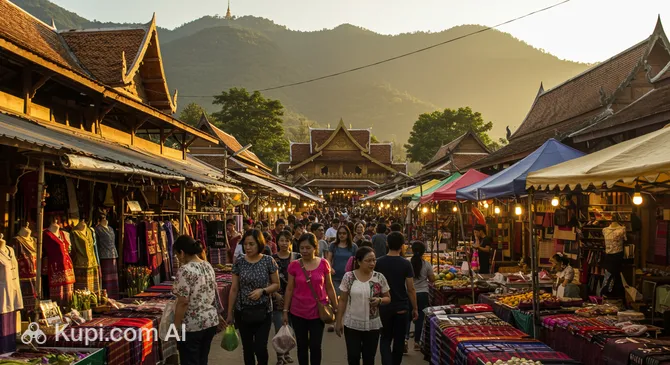
The markets on Doi Suthep are also local in nature. These are mainly small clusters of stalls at the foot of the temple or along the road leading to it. Here you can find fresh fruit, local delicacies, flowers for offerings, and, of course, souvenir products. These are not the lively night or day markets for which Chiang Mai is famous, but rather an addition to the pilgrimage and tourist experience.

Souvenirs typically brought back from Doi Suthep include items related to Buddhism: small Buddha figurines, amulets for protection and luck, prayer flags, and beads. Handcrafted items by local masters, such as wood carvings, textiles with traditional northern Thai tribal patterns, and small ceramic pieces, are also popular. Don't forget to look for local tea and coffee grown in the surrounding area.

Shops and souvenir stalls in the Doi Suthep area usually operate during daylight hours, catering to the flow of tourists and pilgrims visiting the temple. Operating hours may vary, but they are generally open from about 8-9 AM to 5-6 PM. The main method of payment is cash (Thai Baht). Credit card payment is rare, found mostly in larger permanent shops, if any are available.

Regarding the Tax Free (VAT Refund for Tourists) system, it applies in Thailand for purchases in shops participating in this program. However, given the nature of the goods and the types of retail outlets in Doi Suthep, it will be difficult to find shops here with the option to process a Tax Free refund. This service is more common in large shopping centers and stores in cities like Chiang Mai.

Reached the end of the page?

That means the route is fully explored