Support

Mae Rim

About

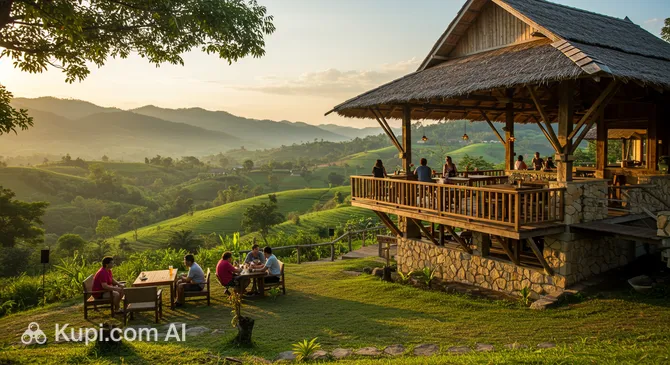
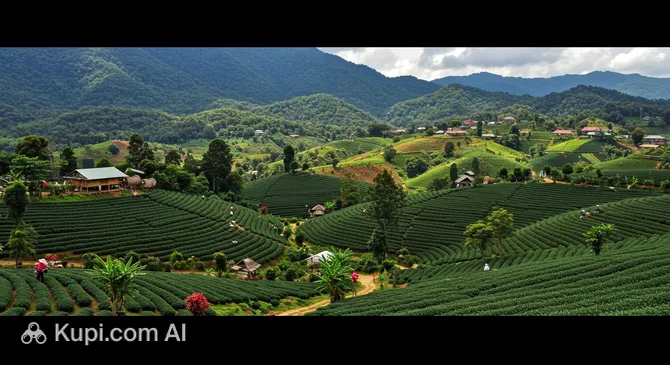
Mae Rim is a charming corner nestled in the north of Thailand, just 15 kilometers from bustling Chiang Mai. The town is surrounded by picturesque hills and lush tropical forests, creating an atmosphere of seclusion and tranquility. Thanks to its convenient location, Mae Rim serves as a gateway to the world of northern Thailand's nature, making it a perfect starting point for exploring the region's mountains, jungles, and waterfalls.

Mae Rim. Illustration.
Source: Kupi.com AI

With a population of just under 10,000 people (around 9,500 residents), Mae Rim, part of the Chiang Mai province, maintains a steady pace of life that attracts travelers seeking a break from the urban hustle. A special atmosphere reigns here: fresh mountain air, abundant greenery, and the friendliness of the local residents create ideal conditions for relaxation and rejuvenation.

Mae Rim offers many unique experiences. Visitors can visit elephant sanctuaries to interact with these majestic animals, explore colorful orchid farms, and exotic botanical gardens. Additionally, the region is famous for its natural parks, authentic markets where you can purchase local handicrafts, and ethnic villages introducing the culture of northern hill tribes.

If you dream of seeing the non-touristy side of Thailand, where traditions harmonize with pristine nature, Mae Rim will be a true discovery for you. This town is a wonderful place to watch the sunrise in the mountains, enjoy the peace, and be inspired by authentic northern culture.

You can find more interesting facts on the history of Mae Rim page.

Weather Overview

In Mae Rim, a tropical climate prevails, characterized by warm weather year-round and alternating wet and dry seasons. Expect a hot and humid period with heavy rains from May to October, when the average temperature is around 25-27°C, with peak rainfall occurring in August (averaging 13 mm and 28 rainy days). During this time, daytime highs often stay around 28-32°C.

A drier and slightly less hot season lasts from November to April. During these months, rainfall is minimal (about 1 mm per month from December to March), and average temperatures range from 20°C in January (with minimum night temperatures around 14-15°C) to 27°C in April. The hottest days occur in March and April, when the thermometer can rise above 33°C. For a detailed forecast and to plan your trip, we recommend checking the Mae Rim Climate page.

Average monthly temperature

Average monthly precipitation

Interesting Facts

Mae Rim is not only a gateway to the natural wonders of Northern Thailand but also a place that holds fascinating secrets and little-known facts that will make your journey even more exciting. Discover another side of this charming area!

Mae Sa Waterfall. Illustration.
Source: Kupi.com AI

Traveler photos:

  • Mae Rim is famous for its unique elephant sanctuaries. Unlike traditional setups, the focus here is on ethical treatment, animal care, and population conservation. Visitors get a rare opportunity to interact with elephants, participate in their feeding, and help care for them in their natural environment.

  • In the vicinity of the town, there is a legendary cave shrouded in mystery. According to local beliefs, giant fish inhabit its waters, and catching them is strictly forbidden as they are protected by a powerful mountain spirit. Moreover, there are rumors of immense treasures hidden in the deepest corners of this cave.

  • For nature lovers, Mae Rim offers a visit to the magnificent Queen Sirikit Botanic Garden. This is not just a garden, but a true scientific and educational center housing an impressive collection of rare plant species and exotic orchids from all over Thailand. The garden regularly hosts themed exhibitions and flower festivals.

How to Get There

Mae Rim is located in close proximity to the popular tourist hub of Northern Thailand, making it easily accessible for travelers. The main flow of tourists arrives here via the transport hubs of neighboring Chiang Mai. You can find all the route details and plan your trip by following this link: all ways to get to the city.

Since Mae Rim itself does not have an airport, the main air gateway for guests of the region is Chiang Mai International Airport (CNX). It is located in the city of Chiang Mai, just 20 km from the center of Mae Rim. This is a major aviation hub receiving many flights. A trip from here by taxi or car will take approximately 50 minutes, depending on traffic.

An alternative option is Chiang Rai International Airport (CEI), located in the city of Chiang Rai. However, it is significantly further away—approximately 155 km from Mae Rim. The drive from this airport takes about 4 hours and 15 minutes. This option is suitable for those planning an extensive journey through the north of the country. There is also the small regional Lampang Airport (LPT) in the city of Lampang (about 99 km away), which is a roughly 2 hour and 50 minute drive.

For clarity, here is a summary of the main airports:

AirportPassenger trafficDistance
Chiang Mai International Airport9.1 mln20 km
Lampang Airport128 19399 km
Mae Hong Son Airport54 813104 km
Chiang Rai International Airport2.9 mln155 km
Phrae Airport59 792162 km

As for rail connections, there is no station in the town of Mae Rim itself. The nearest and most convenient railway station is located in Chiang Mai. This is the terminus of the Northern Line, connecting the region with Bangkok. Trains from the capital arrive here regularly, offering comfortable travel, including overnight sleeper cars. From the Chiang Mai station, you can easily reach Mae Rim by local red songthaew (shared taxi), a regular taxi, or a rented vehicle in about 30-40 minutes.

Besides planes and trains, Mae Rim is very convenient to reach by road. Highway 107 passes through the town, leading north to Chiang Dao and Fang. From central Chiang Mai, yellow songthaews depart regularly from the Chang Phuak Bus Station, providing a budget-friendly and authentic way to reach your destination.

Main Attractions

Mae Rim, nestled in Chiang Mai Province, offers travelers more than just a peaceful escape into nature; it also boasts several interesting spots worth visiting. These include natural wonders and unique establishments that are sure to surprise and delight.

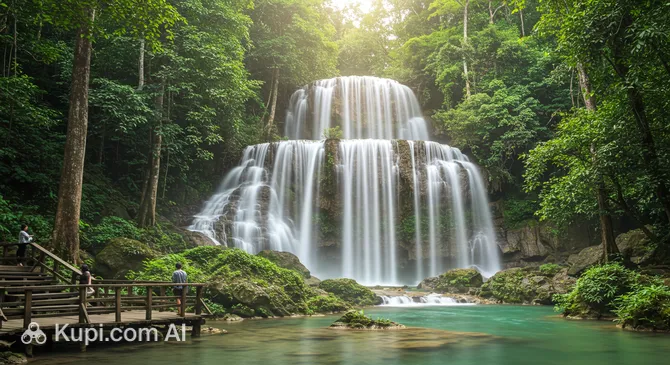
One of the region's main natural gems is Mae Sa Waterfall. This picturesque multi-tiered waterfall attracts visitors with its beauty and the chance to refresh themselves in its cool plunge pools. Cascades of water flowing over rocks amidst lush tropical greenery create a soothing atmosphere, ideal for a picnic or simply a break from the daytime heat. It is a great place to enjoy the natural splendor of Thailand and take unforgettable photos.

Mae Sa Waterfall. Illustration.
Source: Kupi.com AI

Traveler photos:

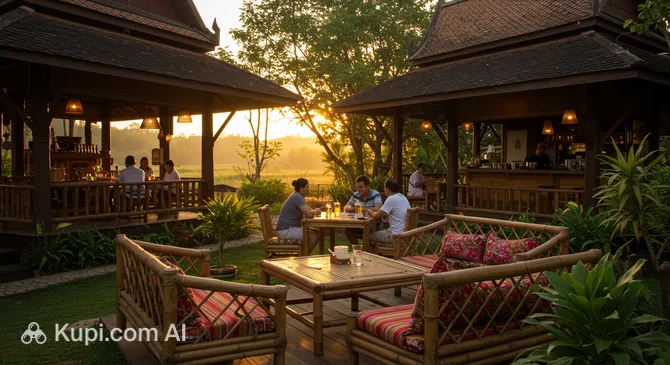
For those who appreciate the combination of delicious food and breathtaking views, River Rock Cafe Hill will be a real find. As the name suggests, this establishment is likely situated on an elevation or by a river, offering guests not only a diverse menu but also the opportunity to enjoy a meal surrounded by Mae Rim's scenic landscapes. Such a place is perfect for a relaxed lunch or dinner after a full day of exploring the area.

River Rock Cafe Hill. Illustration.
Source: Kupi.com AI

Traveler photos:

If you are looking for something truly unusual and memorable, be sure to stop by Zombie Cafe. This themed cafe is sure to surprise you with its original interior and perhaps a special zombie-apocalypse-style menu. Visiting such a place is not just a meal, but a real little adventure that will add bright and slightly spooky impressions to your trip, especially appealing to fans of everything creative and non-standard.

Zombie Café. Illustration.
Source: Kupi.com AI

Traveler photos:

Local Cuisine

The gastronomy of Mae Rim is a true immersion into the authentic cuisine of Northern Thailand, known as Lanna. It is distinguished by a harmonious combination of fresh local vegetables, fragrant spices, and century-old culinary traditions. Travelers will find a vibrant palette of flavors here that can surprise even seasoned gourmets.

Be sure to try Khao Soi—the region's signature dish. This is a fragrant egg noodle soup in a rich coconut curry broth, most often served with chicken or beef, garnished with crispy fried noodles and fresh herbs. Equally worthy of attention are dishes made with fresh vegetables and mushrooms grown on numerous local farms, as well as spicy papaya salad (Som Tam) and various pork and chicken skewers grilled over charcoal. Exotic food lovers can sample fried grasshoppers or traditional rice cakes filled with mung beans.

To refresh yourself, choose from a variety of local drinks. Freshly squeezed juices from exotic fruits like mango, passion fruit, or guava are popular, as is the famous Thai iced tea with condensed milk (Cha Yen). For alcoholic beverages, it's worth trying local beers like Singha or Chang, which perfectly complement the spicy dishes.

The food culture in Mae Rim is closely tied to street food and bustling farmers' markets. This is where you can watch dishes being prepared, buy fresh fruit, traditional sweets, and, of course, enjoy a delicious snack on the spot. In addition to the markets, the town has many cozy restaurants offering both traditional northern dishes and more familiar Thai cuisine. For example, you can stop by River Rock Cafe Hill to enjoy a meal in a pleasant setting, or visit the themed Zombie Cafe for a more unusual experience.

Zombie Café. Illustration.
Source: Kupi.com AI

Traveler photos:

The gastronomic scene in Mae Rim is not just food; it's a whole adventure. The town regularly hosts culinary festivals where you can dive deeper into the secrets of Lanna cuisine, participate in masterclasses, and taste unique creations from local chefs. A trip here will give you the chance to discover the true, vibrant, and hospitable taste of Northern Thailand.

Travel Tips

Welcome to Mae Rim! To make your trip to this picturesque corner of Thailand as comfortable and pleasant as possible, we have prepared some practical tips.

  1. Clothing and Essentials:

    A tropical climate prevails in Mae Rim, so choose light, breathable clothing made from natural fabrics. Don't forget sunscreen, a hat, and high-quality sunglasses. Insect repellent will also come in handy, especially if you plan on nature walks. Be sure to bring comfortable shoes for walking and trekking. When visiting temples and other religious sites, choose modest clothing that covers your shoulders and knees. A universal power adapter for electronics may also be useful.

  2. Transport:

    The main type of public transport in Mae Rim and its surroundings are songthaews—covered pickup trucks with two benches. You can also use taxi services or order a car via the Grab app, although they may be less available than in major cities. For more freedom of movement, especially if you plan to explore the area, you can rent a scooter or a car. Make sure you have an International Driving Permit.

  3. Finances:

    The local currency is the Thai Baht (THB). You can exchange currency at banks or exchange offices, which may be less numerous than in large tourist centers. Credit cards are accepted in most hotels, large restaurants, and shops, but it's better to have cash for markets and small establishments. ATMs are quite common. An approximate daily budget can vary, but aim for 1,000–2,000 Baht per person, excluding accommodation. Tipping is not mandatory but welcomed (5–10% in restaurants if a service charge is not included in the bill).

  4. Health and Safety:

    Pharmacies are available in Mae Rim, but for serious medical assistance, it is better to go to hospitals in Chiang Mai, which is relatively close. Mae Rim is considered a fairly safe area, but always follow standard precautions: keep an eye on your belongings, don't leave valuables unattended, and be careful after dark. Drink only bottled water and don't forget mosquito protection, especially in the evening.

  5. Communication:

    The official language is Thai. In tourist areas, many people speak English, but knowing a few basic phrases in Thai (e.g., "Sawatdee" – hello/goodbye, "Khop khun" – thank you) will be very helpful and appreciated by locals. You can buy a local SIM card with internet access at the airport or at mobile phone shops. Wi-Fi is available in most hotels, cafes, and restaurants. There are few local apps specific only to Mae Rim, but standard maps and translators will always be useful.

  6. Local Etiquette:

    Thai people are very polite and hospitable. The traditional greeting is the "Wai" (palms pressed together at chest or face level). Remove your shoes before entering temples and private homes. Show respect to the King and Buddhist shrines. Try to speak calmly and do not raise your voice. A smile is the universal language of communication in Thailand.

  7. What to Avoid:

    Never touch a Thai person's head, as the head is considered a sacred part of the body. Also, avoid pointing your feet at people or Buddha images, as this is considered extremely impolite. Do not publicly express anger or irritation, as this is considered "losing face."

  8. Additional Tip:

    Mae Rim is famous for its nature and many outdoor activities, such as visiting elephant sanctuaries, waterfalls, botanical gardens, and orchid farms. Plan enough time to explore these unique places and enjoy the peaceful pace of life in this region.

We hope these tips help you plan an unforgettable trip to Mae Rim and get the most enjoyment out of discovering this beautiful region of Northern Thailand!

Entertainment & Nightlife

Mae Rim, known for its peaceful atmosphere and scenic nature, offers a more tranquil evening experience compared to Thailand's major tourist hubs. Here, nightlife revolves around cozy restaurants where you can enjoy a delicious dinner and a few bars offering a relaxing setting after a busy day.

The primary focus of evening entertainment in Mae Rim is on gastronomic delights. Many restaurants offer both traditional Thai and international cuisine. Notable establishments include River Rock Cafe Hill, where you can dine in a pleasant setting while enjoying the views, or the original Zombie Cafe. Usually, these places stay open until late evening, allowing guests to spend their time leisurely. The atmosphere in most venues is laid-back; there is generally no dress code, and comfortable casual wear is welcome.

River Rock Cafe Hill. Illustration.
Source: Kupi.com AI

Traveler photos:

While Mae Rim is not famous for noisy nightclubs or large concert venues, you can find small local bars or hotel bars where you can grab a drink. Night markets, characteristic of Thailand, may appear sporadically, offering local delicacies and souvenirs—it's worth checking their availability and schedule locally. Evening life here is more suited for socializing and quiet relaxation rather than non-stop partying until dawn.

For getting around in the evening and at night, it is recommended to use taxis or ride-hailing apps like Grab. Public transport may be limited during late hours. Average prices in Mae Rim's restaurants and bars are generally moderate but can vary depending on the level of the establishment. The best time to visit evening venues is after sunset, once the daytime heat subsides.

Mae Rim is considered a safe enough area, but standard precautions during night walks are still advisable. Try to stick to well-lit streets and use official taxis or trusted ride-hailing services.

During the day, Mae Rim offers plenty of activities for nature and culture enthusiasts. You can visit Mae Sa Waterfall, explore numerous elephant sanctuaries, orchid gardens, and butterfly farms. The surrounding area also offers opportunities for trekking and learning about the lifestyles of local tribes. Although Mae Rim itself may not have large museums or theaters, its natural beauty and cultural attractions more than compensate, offering a rich daytime itinerary.

Parks & Museums

Mae Rim, nestled in the picturesque Chiang Mai province, attracts travelers not so much with classic urban museums as with its magnificent natural landscapes and unique open-air cultural centers. Here, you can enjoy the fresh air, explore lush green zones, and get acquainted with local culture through harmonious interaction with nature.

One of the region's main natural attractions is Mae Sa Waterfall. This is not just one waterfall, but a cascade of ten picturesque levels sheltered in a shady forest. Each level has its own charm, offering cool pools for swimming, and areas for relaxation and picnics. It is a wonderful place to escape the tropical heat and enjoy the pristine beauty of nature.

Nearby is the Queen Sirikit Botanic Garden—one of the most famous and impressive in Thailand. Its vast territory houses an amazing collection of plants from around the world, including magnificent orchids, exotic tropical palms, and many medicinal herbs. Walking along the well-kept paths, themed gardens, and greenhouses featuring rare flora will be a true pleasure for nature lovers and photographers.

While Mae Rim may not have large traditional museums with extensive exhibitions, its cultural heritage is vibrantly presented in other, equally interesting forms. Instead of art galleries and historical displays, you will find unique spots that introduce local traditions and the amazing world of nature. For instance, numerous orchid and butterfly farms, such as Sai Nam Phung Orchid Farm, offer more than just a chance to admire colorful flowers and fluttering creatures; they also allow you to learn more about the diversity of local species and conservation efforts.

Mae Rim is also known for its ethical elephant sanctuaries and reserves. Visiting such places provides the opportunity to interact with these majestic animals in their natural habitat and learn about their lives, habits, and the importance of species conservation. Many offer educational programs explaining the culture of elephant care in Thailand and the role they have played in the country's history.

The architectural heritage of the region can be appreciated by visiting local temples (wats). They often showcase the traditional Lanna style with its characteristic elegant multi-tiered roofs and intricate wood carvings. Although they might not be as grand as temple complexes in larger cities, they possess their own special peaceful charm and are an important part of the local cultural landscape.

For a deeper immersion into local life, visit the authentic markets of Mae Rim. Here you can taste Northern Thai cuisine, buy fresh fruit and unique handmade souvenirs, and simply observe the daily life of the locals. You might also consider visiting ethnic minority villages located in the surrounding areas to learn about their distinct culture and traditional crafts.

Getting Around

Public transport in Mae Rim offers several convenient ways to get around the district as well as travel to neighboring towns. Given that Mae Rim is more of a peaceful suburban area than a major metropolis, the transport system here has its own characteristics tailored to local needs and tourists.

The main form of public transport in Mae Rim and its surroundings are songthaews. These are covered pickup trucks equipped with two benches for passengers along the sides. Songthaews run on specific routes, connecting various points in Mae Rim and providing a link to the city of Chiang Mai. They usually have a characteristic color (such as yellow or red) indicating their route. Fares are paid in cash directly to the driver, typically upon exit. There are usually no special travel cards or apps for songthaews, and the cost of the trip is low and depends on the distance.

For shorter trips within Mae Rim or for small groups, tuk-tuks are available. These three-wheeled motorized rickshaws are a symbol of Thailand and offer a more individual approach to transport. The cost of a tuk-tuk ride should be negotiated with the driver in advance, before starting the journey. For quick travel over short distances, motorbike taxis (locals call them "motosai") are also available, with drivers easily recognizable by their special vests.

If you plan to travel to Chiang Mai or other neighboring areas, in addition to songthaews, larger intercity buses departing from specific stations or points may be available. It's best to check schedule and route information locally, for instance at your hotel or with local residents.

Among alternative ways of getting around Mae Rim, scooter (motorbike) rental is popular. This is an excellent option for independent exploration, as many attractions and beautiful spots are located some distance from each other. Scooter rental points are easy to find. In some places, you can also rent bicycles for leisurely rides. For more comfortable trips, you can use taxi services, including booking through popular mobile apps like Grab, which are widespread in the region.

Tourists are advised to always carry small cash for fares, as songthaew or tuk-tuk drivers may not always have change for large bills. Public transport is generally most active during the day; the frequency of service may decrease in the evening. Don't hesitate to confirm the route and price with the driver before your trip, especially if you're unsure.

Accommodation

In Mae Rim, tourists will find a variety of accommodation options to suit different preferences and budgets. There are cozy guesthouses and bungalows, perfect for those seeking an authentic experience and proximity to nature, as well as more comfortable hotels and resorts with a full range of services. Renting villas and apartments is also popular, especially for families or large groups wanting more privacy and space.

Most accommodation options in Mae Rim are situated to provide guests with a peaceful holiday in the heart of nature, often with picturesque views of the mountains or rice fields. Some hotels and guesthouses are located in the immediate vicinity of popular local attractions, such as Mae Sa Waterfall, or offer convenient access to elephant sanctuaries and national parks. It is worth noting that Mae Rim does not have a distinct centralized "tourist quarter" for hotels; accommodation is rather spread out across the district, allowing you to choose a spot according to your holiday plans.

The price range varies from budget options, such as simple rooms in guesthouses, to mid-range offerings and more luxurious villas and resort hotels. Popular international online platforms are convenient for searching and booking accommodation. In some cases, direct booking via hotel websites or by phone is also possible. It is strongly recommended to book accommodation in advance, especially if your trip coincides with the peak tourist season (usually from November to February) or if you are looking for specific stay conditions.

Nearby Cities

For those looking to explore the surroundings, Mae Rim serves as an excellent starting point for day trips to several interesting nearby locations.

For example, just 19 km away is vibrant Chiang Mai, the cultural capital of Northern Thailand, famous for its ancient temples, colorful markets, and festivals. Even closer, at 12 km, rises Doi Suthep mountain with its eponymous national park and the revered Wat Phra That Doi Suthep temple, offering breathtaking views. Also of interest is San Kamphaeng (32 km), known for its craft villages producing silk and ceramics, and its relaxing hot springs.

Below is information on some nearby cities and towns that may be of interest to visit:

CityPopulationDistance
Ban San Pong9 4258 km
Ban Pong Yaeng Nai9 9228 km
Ban Don Kaeo14 28611 km
Doi Suthep36 95212 km
Ban Pa Sak24 90219 km

These nearby destinations provide a more complete picture of the diverse culture, history, and natural landscapes of the Chiang Mai region, complementing your stay in Mae Rim.

Shopping & Souvenirs

Mae Rim, being a charming small town, offers more of a cozy and authentic shopping experience rather than an abundance of large shopping malls. Here you will find local shops with handmade goods, souvenirs reflecting the culture of Northern Thailand, and fresh produce at colorful markets. The town isn't famous for specific goods in a broad sense, but it is in its small shops that you can find unique items and feel the local flavor.

In Mae Rim, there are no distinct shopping streets like in large metropolises. Most commercial activity is concentrated along the main roads, such as Highway 107 which passes through the town, as well as near local markets and popular tourist spots. Small shops and souvenir stalls can be found scattered throughout the town, offering tourists products from local craftsmen, natural fabric clothing, and commemorative gifts.

You won't find large modern shopping malls in Mae Rim itself. This town is more oriented toward nature and peaceful relaxation. For large-scale shopping with a wide selection of international brands, cinemas, and entertainment zones, you should head to nearby Chiang Mai, which is about a 30-40 minute drive to the south.

An important part of the Mae Rim shopping scene is the local markets. For example, you can often find morning markets (talat chao) selling fresh fruit, vegetables, meat, fish, and ready-made Thai dishes. It's a great place to try local delicacies and observe daily life. Sometimes small evening markets or fairs may also appear, especially on weekends or holidays, where souvenirs and handicrafts can be found.

From Mae Rim and its surroundings, it is worth bringing back souvenirs that reflect the culture and nature of this region of Thailand. Look for woodwork (such as carved figurines and home decor), handmade ceramics, textiles with traditional northern patterns (scarves, bags, clothing), natural cosmetics based on local herbs and oils, as well as aromatic spices, tea, or coffee grown in the mountains. Souvenirs related to nature and animals, such as those depicting elephants, are also popular, as there are several elephant sanctuaries and reserves in the vicinity.

Most small shops and stalls in Mae Rim typically operate from 10:00 AM to 6:00 PM or 8:00 PM. Markets, especially food markets, start early in the morning around 6:00-7:00 AM and may close by lunch or stay open until evening. In small shops and markets, cash (Thai Baht) is preferred. Credit cards may be accepted in some hotels, tourist-oriented restaurants, and larger souvenir shops, but it's always better to have enough cash for small purchases and market transactions.

Tourists in Thailand can take advantage of the VAT Refund for Tourists system when purchasing goods at participating stores. Look for the "VAT Refund for Tourists" sign. To process a refund, you must make a purchase of at least 2,000 Baht (including VAT) in one store in one day, present your passport, and obtain a P.P.10 form and original tax receipt from the seller. The tax refund can be processed at the international airport upon departure by presenting the goods, receipts, and the completed form.
Reached the end of the page?

That means the route is fully explored