Support

Ban Pae

About

Ban Pae is a charming small town nestled in the Chiang Mai province of northern Thailand. Surrounded by lush greenery and picturesque landscapes typical of the region, this destination is a true find for nature enthusiasts and those seeking a peaceful retreat. There is no city bustle here; instead, it is replaced by the rustle of leaves, the singing of birds, and a calm atmosphere perfect for relaxation.

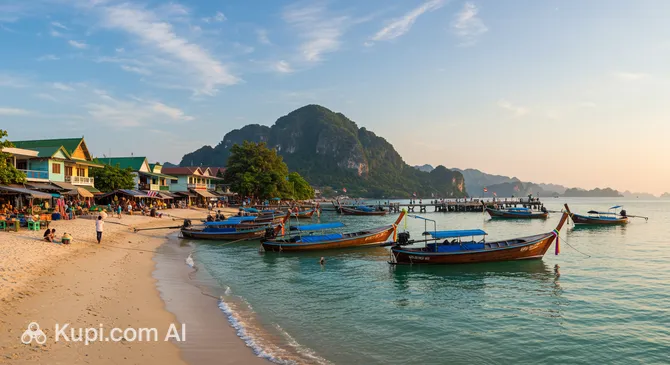
Ban Pae. Illustration.
Source: Kupi.com AI

With a population of about 12,050 people, Ban Pae has managed to preserve the unique charm of an authentic Thai province. It is not a noisy tourist hub, but rather a quiet and welcoming place where every traveler can feel at home and enjoy the tranquility while immersing themselves in local flavor.

The main magnets of Ban Pae are its natural beauty and the opportunity to escape the hustle and bustle. The town offers excellent conditions for leisurely walks in the fresh air, getting to know the local flora and fauna, or simply enjoying the silence and beauty of northern Thailand. The atmosphere of Ban Pae is ideally suited for connecting with nature and restoring your energy.

If you dream of exploring the "green" side of Thailand, away from the busy resorts, and are looking for a place for quiet and contemplative rest, Ban Pae will be an excellent choice for you. This corner of serenity and natural harmony awaits its explorers!

You can find more interesting facts on the history of Ban Pae page.

Weather Overview

The weather in Ban Pae is characterized by a warm climate throughout the year. Average monthly temperatures range from 20.8°C in January to 27.5°C in April. You can expect hot and humid months from May to October, when the number of rainy days ranges from 20 to 28 per month. A drier and slightly cooler season lasts from November to April, with minimal rainfall, especially in February when there is practically none. Maximum daytime temperatures can reach 33.8°C in April, while minimum nighttime temperatures can drop to 14.3°C in January.

To get more detailed information about weather conditions, including current forecasts, you can visit the Ban Pae Climate page.

Average monthly temperature

Average monthly precipitation

Interesting Facts

Ban Pae is a charming corner of Chiang Mai province that reveals a different side of the kingdom to travelers. Unlike the popular seaside resorts for which Thailand is famous, an atmosphere of tranquility and harmony with the nature of the country's north prevails here.

  • Lanna Heritage. The region is steeped in the spirit of the ancient Lanna Kingdom. This influence is noticeable in the architecture of local Buddhist temples with their characteristic multi-tiered roofs and elegant wood carvings, as well as in the unique traditions and festive costumes of the residents.

  • Mountain Coolness. Its location in the northern part of the country provides a milder climate, especially during the winter months. The town's surroundings are blanketed in lush tropical forests and rice fields, creating picturesque landscapes ideal for leisurely strolls.

  • Authentic Lifestyle. Ban Pae is away from mass tourist flows, allowing it to preserve the lifestyle of a real Thai province. Here you can see the traditional morning alms-giving ceremony to monks and visit colorful markets selling fresh fruits and handcrafted goods.

  • Culinary Traditions. Northern cuisine here differs from what is served on southern beaches. In local establishments, it's worth trying the famous Khao Soi soup and spicy Sai Ua sausages, prepared according to ancient recipes passed down through generations.

How to Get There

When planning a trip to this picturesque corner of Chiang Mai province, it is important to think through your logistics in advance, as there is no direct air service to the town itself. However, the region's well-developed infrastructure allows for a comfortable journey here through neighboring major centers. You can find all the details and choose the best route by following the link: more about how to get to Ban Pae.

The main gateway for travelers is Chiang Mai International Airport (IATA: CNX), located in Chiang Mai city. This is the largest aviation hub in the north of the country, receiving flights from all over the world. The airport is approximately 69 km from Ban Pae. A trip from here by taxi or rental car will take about 1.5–2 hours, allowing you to enjoy mountain scenery along the way.

Another possible option is Lampang Airport (IATA: LPT), located in Lampang city about 98 km away. This is a small regional airport that suits those traveling on domestic flights who want to avoid the bustle of a large hub. Travel time by ground transport from Lampang to Ban Pae will be just over 2 hours.

For your convenience, here is a summary of the main airports:

AirportPassenger trafficDistance
Chiang Mai International Airport9.1 mln69 km
Lampang Airport128 19398 km
Mae Hong Son Airport54 813133 km
Phrae Airport59 792167 km
Sukhothai Airport41 544172 km

Since there is no railway station in Ban Pae itself, most tourists combine a train or plane trip with road transport. From Chiang Mai or Lampang, the final destination can be reached by intercity buses, local shared taxis (songthaews), or by using private transfer services.

Main Attractions

Ban Pae, tucked away in Chiang Mai province, offers travelers not so much world-famous monuments as an immersion into the authentic atmosphere of northern Thailand. Here, the main "attractions" are the opportunities to experience the slow pace of life, local culture, and pristine nature, making it attractive for those seeking off-the-beaten-path routes.

The heart of spiritual and social life in Ban Pae is undoubtedly the local temple (Wat). Often, these temples, even in small settlements, impress with their unique Lanna-style architecture, decorated with intricate wood carvings and an overall atmosphere of deep peace. By visiting, for example, the village's main temple, you can not only admire its traditional decor and Buddha statues but also observe the daily life of monks, and if you're lucky, catch a local festival or Buddhist ceremony, which will be a truly memorable experience.

To feel the real heartbeat of Ban Pae, head to the village market, which likely comes alive with the first rays of the sun. Imagine a kaleidoscope of aromas from fresh herbs, exotic fruits like mangosteen or rambutan, and the appetizing smells of local dishes wafting from the grills. It's a great place to try authentic northern delicacies, such as Sai Ua (northern sausage) or Khao Soi (curry noodle soup), buy fresh produce directly from surrounding farms, and watch the lively trade and friendly interactions of the locals. Such a market is not just a commercial spot, but a real gastronomic and cultural adventure.

The surroundings of Ban Pae, like the rest of Chiang Mai province, are famous for their magnificent natural landscapes. Be sure to explore the picturesque trails winding through emerald rice fields, which are especially beautiful during the rainy season, and the densely forested hills characteristic of the area. Perhaps one of these trails will lead you to a secluded small waterfall where you can freshen up, or to a hilltop viewpoint offering breathtaking panoramic views of the valley and surrounding mountains. Such walks will give you not only beautiful photos but also a precious sense of unity with nature, so characteristic of northern Thailand.

For a deeper understanding of local culture and traditions, pay attention to opportunities to learn about traditional crafts. In Ban Pae or its immediate vicinity, there may be small family workshops where locals lovingly handcraft textiles with unique patterns, original ceramics, or skillful wood and bamboo products. Visiting such a place, and perhaps participating in a small masterclass on fabric painting or weaving, will be an unforgettable and authentic experience, allowing you not just to buy a souvenir, but to take home a piece of the soul and warmth of this hospitable land.

Local Cuisine

The gastronomic scene of Ban Pae is a true immersion into a world of fresh tastes and aromas, where seafood and local products play the leading roles. The basis of many dishes is the freshest seafood, caught literally the day before. You should definitely try the famous Thai soup Tom Yum, which is prepared here with special care using local herbs and, of course, fresh shrimp or fish, giving it a uniquely rich flavor.

In addition to Tom Yum, the culinary palette of Ban Pae is rich with other interesting dishes. Pay attention to pineapple fried rice – a classic Thai dish that takes on a special local flair here thanks to the sweetness of the fresh fruit and skillfully selected spices. Lovers of spicy food will enjoy the piquant mango salads, which combine sweetness, acidity, and heat – a real explosion of flavor. Fish and shrimp dishes prepared in various ways are also hallmarks of the local cuisine.

Street food in Ban Pae is an attraction in itself and an integral part of the local atmosphere. At every turn, you can find stalls with appetizing Satay skewers served with aromatic peanut sauce. Don't pass by the desserts: sweet Mango Sticky Rice is a classic that every guest in Thailand must try, while fried bananas and various coconut treats will delight those with a sweet tooth.

To refresh yourself, you can always find freshly squeezed juices from exotic fruits in Ban Pae – mango, passion fruit, pineapple – or simply enjoy cool coconut water straight from the nut. Among alcoholic beverages, local beers are popular, and for those wishing to try something stronger, Thai rum or whiskey, often served with soda and ice, are available.

The food culture in Ban Pae is very casual. Locals and tourists alike enjoy eating in small, cozy cafes as well as right on the street, buying food from numerous stalls. Local markets, which start operating early in the morning, are particularly popular. Here you can not only buy the freshest produce and ready-made dishes but also observe daily life, feeling the authentic atmosphere of the Thai province. Occasionally, the town hosts small gastronomic festivals where you can taste seasonal delicacies and even participate in cooking masterclasses.

Travel Tips

Welcome to Ban Pae! To make your trip to this charming town in the mountainous Chiang Mai province of northern Thailand as comfortable and rewarding as possible, we have prepared some practical tips. They will help you navigate better and enjoy the unique atmosphere of this region.

  1. Clothing and Essentials: The climate of Northern Thailand is tropical, but in the mountainous area where Ban Pae is located, evenings and mornings can be cool, especially in the winter months (November-February). We recommend bringing light, breathable clothing made of natural fabrics, as well as a fleece, sweater, or light jacket. Comfortable closed-toe shoes with good soles are essential if you plan on walking around or trekking. Don't forget a hat for sun protection, sunscreen, high-quality sunglasses, and insect repellent. For visiting the region's numerous temples, it's important to have clothes that cover your shoulders and knees. A universal power adapter will also come in handy.
  2. Getting Around Ban Pae and Surroundings: Ban Pae itself, being a small town, is easy to explore on foot. For trips through the scenic Chiang Mai province and to more distant attractions like national parks or ethnic minority villages, you can use local songthaews (pickup trucks converted for passenger transport). Renting scooters or motorcycles is popular, but be extremely careful on the winding mountain roads, always wear a helmet, and carry an international driving permit. For more comfort or group trips, you can hire a car with a driver.
  3. Financial Matters: The official currency is the Thai Baht (THB). You can exchange currency at banks or licensed exchange offices, which are more common in larger cities like Chiang Mai; there may be a limited number in Ban Pae itself. ATMs are available, but note that Thai banks charge a fee for cash withdrawals from foreign cards. Credit cards are accepted at some hotels and tourist-oriented restaurants, but it's best to always have cash for local markets, small cafes, and street food. Tipping in Thailand is not strictly mandatory but is always appreciated (usually 10-20 baht or rounding up the bill).
  4. Health and Safety: Ban Pae may have small pharmacies selling basic medicines. If more serious medical attention is needed, you will likely have to visit clinics or hospitals in Chiang Mai. Drink only bottled water. To protect against mosquitoes and other insects, especially during nature walks or in the evening, actively use repellents. Ban Pae is considered quite safe, but basic precautions shouldn't be ignored: watch your belongings and don't leave valuables unattended, especially in crowded areas or during hikes.
  5. Language and Communication: The official language is Thai. In tourist areas, including Ban Pae, staff at hotels, restaurants, and shops may speak basic English, but proficiency levels vary. Knowing a few simple phrases in Thai, such as "Sawasdee kap/ka" (hello/goodbye – "kap" for men, "ka" for women) and "Khop khun kap/ka" (thank you), will be very helpful and bring a smile to locals' faces. You can buy a local SIM card for mobile internet and calls at the airport or at mobile shops in larger cities. Wi-Fi is available in most hotels, guesthouses, and cafes.
  6. Respect for Local Traditions and Etiquette: Thai people are very polite and friendly. Show respect for their culture and traditions. The traditional greeting is the "Wai" (palms pressed together at chest or face level). It is customary to remove your shoes when entering private homes, temples, and sometimes small shops. The head is considered the most sacred part of the body, and the feet the "lowest"; avoid touching Thai people's heads (especially children's) and do not point your feet at people or sacred images of Buddha. Public displays of affection are generally discouraged.
  7. What to Avoid: Categorically avoid any critical remarks or disrespectful gestures toward the King of Thailand and his family, as well as Buddhist shrines – this is considered a serious offense. Do not raise your voice or show aggression in public, as this is perceived as "losing face" and is frowned upon. When visiting hill tribe villages, always ask permission before taking photos of people, and be prepared that a small fee or a souvenir purchase might be requested for some photos.
  8. Immersing in Northern Culture and Cuisine: While in Ban Pae, in the heart of Chiang Mai province, don't miss the chance to explore the rich culture and unique Northern Thai cuisine. Be sure to try the famous curry noodle soup "Khao Soi," aromatic northern sausages "Sai Ua," green chili dip "Nam Prik Num," and other local specialties. Visiting morning markets is not just an opportunity to buy fresh food and authentic dishes, but also a wonderful way to observe the daily life of locals and purchase unique handmade products.

We hope these tips make your stay in Ban Pae and its scenic surroundings even more pleasant, safe, and unforgettable. We wish you amazing discoveries, delicious experiences, and a warm welcome in this hospitable corner of Northern Thailand!

Entertainment & Nightlife

Evening in Ban Pae, nestled in Chiang Mai province in northern Thailand, offers travelers an experience quite different from the bustle of major tourist centers. This small town of about 12,000 people charms with its peaceful atmosphere and the chance to immerse yourself in the slow rhythm of local life. If you are looking for loud nightclubs or lively bar streets, Ban Pae offers something else – quiet and authentic evening pastimes. Although our catalog currently lacks information on specific nightclubs or specialized bars in Ban Pae, an evening here can be spent just as interestingly by focusing on the local flavor.

The main spots for evening leisure in Ban Pae are local restaurants and cafes, where you can enjoy traditional northern Thai cuisine. These are usually small family-run establishments offering a cozy setting, a warm welcome, and authentic dishes. Street cafes are also popular, serving simple but delicious food in an informal atmosphere. Sometimes, in the early evening hours, you might stumble upon small local markets selling street food and everyday goods. If your visit coincides with any community events or festivals, this can also be a great way to spend the evening getting to know the local culture.

The atmosphere in Ban Pae in the evening is very relaxed and informal. There is no specific dress code for visiting local establishments – comfortable casual clothes will be perfectly appropriate. Most restaurants and cafes stay open until late evening, but do not expect them to be open into the late hours of the night. Life here quiets down fairly early, matching the peaceful way of life in this part of Thailand.

Practical tips for an evening in Ban Pae:

  • The best time for dinner and walks is early evening, when it is not yet too dark and local shops are still open.
  • Food and drink prices in Ban Pae are generally very affordable, especially in places aimed at locals.
  • You can get around the central part of Ban Pae on foot in the evening. For longer trips or if your accommodation is on the outskirts, it's wise to think about transport in advance, as its availability may be limited at night.

Safety: Ban Pae is considered a fairly quiet and safe place, typical for rural areas of Thailand. Nevertheless, always follow standard precautions: avoid walking alone in poorly lit or deserted areas late at night and keep an eye on your belongings. If you need to call for transport, it is better to ask for help from the staff at your hotel or guesthouse.

Regarding daytime entertainment, Ban Pae and its surroundings offer excellent opportunities to explore the nature of northern Thailand. This can include walks through scenic spots, visiting local temples, or learning about the daily life and crafts of the residents of Chiang Mai province. The town is not famous for large museums or entertainment complexes; its main charm lies in its tranquility, authenticity, and proximity to nature.

Parks & Museums

Ban Pae and its surroundings in Chiang Mai province offer travelers an immersion into an atmosphere where the lines between natural parks and cultural sites are blurred. Here, far from bustling metropolises, the main exhibition halls are the majestic mountain landscapes and ancient sanctuaries that preserve the spirit of the northern kingdom.

Natural Treasures of the Region

The main natural attraction in the immediate vicinity of the district is Ob Luang National Park. This place is often called the "Grand Canyon" of Thailand due to the impressive narrow gorge cut by the turbulent Mae Chaem River. Tourists come here to walk across the scenic bridge connecting sheer cliffs and enjoy views of the wild jungle. The park is interesting not only for its nature but also for its archaeology: prehistoric rock paintings and ancient burials were found on its territory, turning a walk into a fascinating history lesson.

Another important green area is the Bo Kaeo Pine Tree Garden. This experimental forest plot was created to study various species of pine trees suitable for the high-altitude climate. The straight rows of tall trees create a unique, almost Scandinavian atmosphere that is quite atypical for the tropics. It is an ideal place for quiet walks in the cool shade and for creating atmospheric photos, especially in the morning fog.

Culture and History: Museums and Temples

In Ban Pae itself, there are no large state museums in the traditional sense, but their function is successfully performed by Buddhist temples (Wats). They serve as real galleries of Lanna art, where you can see exquisite teak wood carvings, complex wall paintings telling the life of Buddha, and statues cast by local masters centuries ago. Visiting such temples allows you to touch the living history of the region, where traditions are not displayed behind glass but are part of everyday life.

To get acquainted with applied arts, pay attention to local craft and textile centers. Residents of the Hot district and the outskirts of Ban Pae are famous for their weaving skills, especially in creating traditional cotton fabrics with unique northern patterns. Small workshops are often open to visitors, allowing you not only to see the process of creating fabric on old looms but also to learn about the meaning of each ornament in northern culture.

Historical Context and Tips

History buffs will be interested to know that this region lies on ancient trade routes. In the vicinity, you can find traces of old settlements, some of which, unfortunately, were flooded during the construction of local reservoirs, giving the place a slight touch of mystery. Traveling through the area, you will see how modern Thailand carefully preserves the memory of the past.

Insider Tip: Don't limit yourself to just the well-known spots. Head to the banks of the Mae Chaem River at sunset. At this time, locals often have picnics on the rocky shoals, providing the best opportunity to observe the authentic rhythm of provincial life while enjoying the cool breeze and views of the mountain ranges.

Getting Around

Since Ban Pae is a small and peaceful settlement in Chiang Mai province, you won't find the metro, trams, or extensive city bus networks typical of large metropolises. The public transport system here is quite simple and oriented toward the local way of life, which gives travel a special rural charm.

The main means of transport for locals and tourists are songthaews. These are pickup trucks converted for passenger transport, with a roof and two benches along the truck bed. In this area, they serve as shared taxis, connecting the village center with neighboring villages and Chiang Mai city. Songthaews usually don't have fixed stops: to catch one, just wave your hand from the roadside, and to get off, press the bell button located on the ceiling of the vehicle.

For individual trips over short distances, you can use the services of motorbike taxis or tuk-tuks, which are most often found waiting near local markets and 7-Eleven stores. This is a quick way to get to your destination; however, you must negotiate the fare with the driver in advance, as meters are practically not used in this region. Taxi-hailing apps (such as Grab or Bolt) may work inconsistently here, and wait times can often be long.

The payment system is as traditional as possible: only cash is accepted. There are no transport cards, passes, or contactless terminal payments in Ban Pae's public transport. Payment in songthaews is made directly to the driver after the trip. Tourists are strongly advised to always carry small bills and coins, as the driver may not have change for large banknotes.

Given the region's specifics and the distance between attractions, the most convenient option for travelers is renting personal transport. By renting a scooter (motorbike) or a car, you will gain full freedom of movement and be able to explore the surrounding national parks at your own pace. Remember that to drive a vehicle, as everywhere in Thailand, you must have an international driving permit of the appropriate category and wear a protective helmet.

Accommodation

In the town of Ban Pae, located in the picturesque mountainous province of Chiang Mai in northern Thailand, travelers will find a variety of accommodation options that reflect the authentic character of the region. Large hotel chains do not predominate here; instead, you will find cozy family guesthouses, small boutique hotels with local flavor, traditional homestays where you can get closer to the Thai way of life, and perhaps eco-lodges offering seclusion in nature. This choice allows for a deeper immersion into the atmosphere of northern Thailand and a chance to enjoy its hospitality.

When choosing a place to stay in Ban Pae, it is worth considering that the town is likely small. Staying near the central part can be convenient, as local markets, cafes, and small temples are often located there. If you plan to explore the surroundings, such as trekking or visiting natural attractions, options located closer to the start of hiking trails or with easy access out of town might suit you. Overall, due to the compactness of Ban Pae, most places of interest will likely be within easy reach.

As for accommodation prices, Ban Pae offers options for any budget: from very affordable rooms in guesthouses to more comfortable rooms in small hotels. It is recommended to book your accommodation in advance, especially if your trip falls during the peak tourist season, local festival periods, or on weekends, when the mountain regions attract more visitors. While popular online platforms are convenient for searching and booking, some small family establishments may also take bookings directly, which can sometimes lead to unique offers.

Nearby Cities

For those looking to explore the surroundings, Ban Pae serves as an excellent starting point for day trips to several interesting nearby locations. For example, you can visit vibrant Chiang Mai (about 72 km), the cultural capital of northern Thailand, known for its numerous ancient temples, lively night markets, and rich Lanna heritage. Another worthy option is a trip to Doi Suthep (approximately 69 km), where the magnificent Wat Phra That Doi Suthep temple is located on a sacred mountain, offering panoramic views of Chiang Mai and its surroundings. For a quieter experience and a glimpse into relaxed local life, you might consider Ban Mae Hia Nai, located just 49 km away. A table with these and other options is provided below for your convenience.

CityPopulationDistance
Ban Sop Tia12 73910 km
Chom Thong9 77713 km
Ban Bo Luang12 14327 km
Doi Lo12 26131 km
Pa Sang8 64546 km

These nearby destinations allow for a more complete understanding of the diverse culture, history, and scenic landscapes of the northern region of Thailand.

Shopping & Souvenirs

Shopping in Ban Pae is far from the usual gloss of major tourist centers, and that is precisely its charm. Here, you won't find multi-story shopping complexes with world brands; instead, you can immerse yourself in the authentic atmosphere of a Thai province. Trade here is primarily focused on local residents, which guarantees fair prices and a lack of pushy service. It is an ideal place for those seeking unique handmade items and wanting to try real northern delicacies.

Main shopping points are concentrated along the main road passing through the district, as well as in the center of the nearest large village, Hot. Life here bustles around small family shops where you can buy everything you need, from household goods to clothing. A walk along these streets feels like a journey back in time, where modern signs sit alongside traditional wooden counters.

Large shopping centers are absent in Ban Pae itself. For large-scale shopping, electronics, or branded clothing, locals and tourists have to travel to the provincial capital — Chiang Mai. However, for everyday needs, chain mini-marts (such as 7-Eleven or Tesco Lotus Express) operate in the area, where you can purchase groceries, hygiene products, and basic goods 24/7.

Markets are the heart of local trade and social life. Morning markets open before dawn and offer the freshest fruits, vegetables, herbs, and meat grown on nearby farms. This is the best place to try ready-made street food: grilled pork, sticky rice in banana leaves, and traditional northern snacks. In the evenings, small fairs are sometimes organized in the center of the district, selling clothes and inexpensive everyday goods.

As souvenirs from Ban Pae, it is worth bringing back items from local artisans. The area is famous for its textiles: you can find high-quality cotton fabrics with traditional Lanna patterns, woven by hand. Woven products from bamboo and rattan are also popular. For gastronomic souvenirs, look for local spices, dried fruits (especially longan), or bags of crispy pork rinds (Kaeb Mu), which are so loved in the north of Thailand.

Opening hours and payment have their own characteristics. Small private shops usually open early, around 8:00 AM, and close by 5:00 PM–6:00 PM. Markets operate from early morning until noon. Cash (Thai Baht) remains the primary method of payment. Credit cards are only accepted in chain mini-marts, so be sure to withdraw money from an ATM before going shopping. In some shops, you can pay via a local banking system QR code, but this method is often unavailable to tourists.

The Tax Free (VAT refund) system does not apply in Ban Pae shops, as there are no large retail outlets participating in this government program. You can only arrange a tax refund for purchases made in large department stores in Chiang Mai or Bangkok, provided you have the relevant receipts and certificates.
Reached the end of the page?

That means the route is fully explored