Support

Adiyaman Museum

About

Adıyaman Museum is a vital cultural hub in the country's southeast, carefully preserving centuries of regional history. Located in the city of Adıyaman, it serves as a starting point for anyone wishing to explore the rich heritage left behind by ancient Turkey.
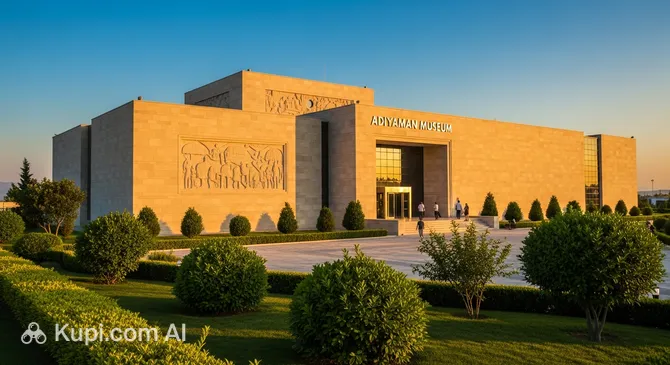
Adiyaman Museum
Adiyaman Museum. Иллюстрация. Источник: Kupi.com AI

The museum brings together two main collections under one roof: archaeological and ethnographic. It features artifacts spanning a vast period of time—from the Paleolithic to the late Ottoman period. Among the museum's treasures are majestic sculptures from Mount Nemrut and rare fossils dating back millions of years.

A visit to the museum allows you not only to see unique household items and traditional costumes of local peoples but also to touch the mysteries of the Kingdom of Commagene. This modern and educational space is perfect for a first encounter with the province's cultural landscape.

Contacts

To clarify details for your visit or obtain more information about current exhibitions, you can use the museum's official contact details. We recommend calling ahead to ensure the exhibits are open to the public on your chosen day.

Below is the primary contact information for reaching the administration:

How to contactContact
AddressYenipınar, Atatürk Bv No:226, 02100 Adıyaman Merkez/Adıyaman, Турция
Phone+90 416 216 29 29
Websiteturkishmuseums.com

What to Do

Inside the museum halls, visitors can see truly unique artifacts, many of which have no parallels elsewhere. Be sure to notice the collection of sculptures and mosaics brought from Mount Nemrut—these fragments of an ancient sanctuary allow you to view the craftsmanship of ancient builders from a close distance.

The archaeological section features amazing finds, such as a cult statue from Kilis, which is around 7,500 years old. It is also fascinating to see the fossilized remains of ancient animals that roamed these lands long before the appearance of the first cities.

The ethnographic section offers an immersion into the atmosphere of traditional Turkish life. Here you can study national costumes, antique jewelry, and household items that tell the story of the culture and daily activities of Adıyaman's residents throughout the centuries. It is an excellent place to feel the continuity of generations and the depth of local traditions.

Getting There

Adıyaman Museum is conveniently located right in the city center on Atatürk Boulevard. Thanks to its central location, it is easily accessible by foot from most hotels within the city. The museum building is a prominent city landmark, making it easy to find.

If you are in a more remote area, it is most convenient to use a taxi or local buses that regularly run along the city's main artery. The trip from the central bus station takes no more than 10–15 minutes.

Tourists arriving from Adıyaman Airport are advised to use a transfer or a taxi. The museum is located on a busy street, making its visit a convenient stop on any traveler's itinerary through Southeastern Anatolia.

Ближайший город: Adiyaman

History & Facts

The history of the Adıyaman Museum began in 1978, when there was an urgent need to preserve the region's incredibly rich heritage. It officially opened in its current building in 1982, and since then, its collection has been constantly growing thanks to finds from local archaeological excavations.

The museum's collection reflects the complex historical destiny of the region, which was once the center of the powerful Kingdom of Commagene. It houses artifacts found in Arsameia—the summer capital of ancient kings—as well as unique relics from the Hittite, Assyrian, and Persian eras.

Of particular interest are the cult sculptures dating back to approximately 7000–7500 BC. These ancient statues resemble the famous finds from Göbekli Tepe in style, highlighting the profound antiquity and significance of settlements in this area of Turkey.

The Adıyaman region has always served as an important cultural bridge between East and West. In the museum halls, you can trace how great empires succeeded one another—from the Roman and Byzantine to the Seljuk and Ottoman—leaving their unique mark on art and daily life.

Time Needed

To carefully examine the displays in the archaeological and ethnographic sections, 1–2 hours is sufficient for most visitors. This time allows you to see the museum's major masterpieces, including finds from Mount Nemrut and ancient mosaics.

If you have a deep interest in the history of ancient civilizations or paleontology, we recommend setting aside a bit more time to study the fine details and read the information plaques that provide context for each discovery.

Working Hours

At the moment, the museum is temporarily closed. It is recommended to plan your visit in advance and check for up-to-date information by phone or on the official Turkish museums portal.

Typically, such establishments operate from morning until evening with a break on weekends; however, due to restoration or technical work, the schedule may change significantly. Please stay alert and clarify details before your trip.

Nearby

A walk around the museum is a great way to experience the city's local color and see its daily life. In the immediate vicinity of the archaeological collection, there are other interesting historical and cultural sites.

Exploring the central districts will allow you to see ancient fortress walls and traditional markets where the spirit of the ancient trade route is still preserved.

NameDistance
Ziyaoğlu Adana Ocakbaşı0.2 km
Oturakçı Bazaar0.4 km
Adiyaman Clock Tower0.5 km
Çitir Mangal1.2 km
Karadag Urban Forest2.9 km

Reached the end of the page?

That means the route is fully explored