Support

National Trust - Bath Assembly Rooms

About

In the heart of the historic center for which Bath is famous, stands a magnificent monument of Georgian architecture — the Assembly Rooms. Built in the late 18th century, this complex long served as the main stage for social gatherings, balls, and gambling for the high society visiting this popular spa resort in the United Kingdom.
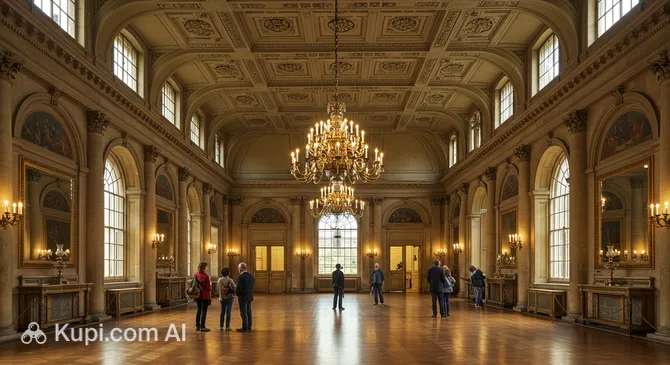
Bath Assembly Rooms
Bath Assembly Rooms. Иллюстрация. Источник: Kupi.com AI

The building, designated as a Grade I listed site, impresses with its scale and elegance. Inside, guests will find four majestic rooms, most notably the Ballroom — the largest Georgian interior in the city. Of particular value are the original crystal chandeliers and portraits by Thomas Gainsborough that adorn the walls.

Today, the Assembly Rooms are managed by the National Trust and are undergoing extensive restoration. It is more than just a museum; it is a living testament to Bath's "Golden Age," where a unique historical artifact was recently discovered — a hidden cold plunge pool in the basement for health purposes, the only one of its kind for such establishments of that era.

Contacts

To clarify current visiting conditions and obtain reference information, you can use the official communication channels. To plan your visit or inquire about special events, we recommend contacting the management directly. Below are the main contact details for the managing organization.

How to contactContact
AddressBennett St, Bath BA1 2QH, UK
Phone+44 1225 466414
Websitewww.nationaltrust.org.uk

What to Do

Visiting this place is a true leap into the past, to the days of grand gowns and strict etiquette. You can wander through the Ballroom, where hundreds of couples once danced, and appreciate the incredible acoustics of the Tea Room. Be sure to look up: the antique chandeliers, dating back to the 18th century, are considered some of the finest in the world and still sparkle brilliantly today.

Take a close look at the painting collection — the walls are graced with originals by famous masters such as Thomas Gainsborough and Allan Ramsay. These portraits allow you to literally look into the faces of those who shaped the city's history. Furthermore, it's worth inquiring about current National Trust exhibitions, which often reveal the behind-the-scenes lives of servants and the daily routines of the Regency era.

Fans of mysteries and archaeology will be intrigued by the results of recent excavations. On special tours, you can sometimes see the cold bath discovered in the basement — a very rare structure used for water treatments by 18th-century aristocrats. The atmosphere is complemented by regular classical music concerts and literary readings, which return the rooms to their original purpose as a center for the arts.

Getting There

This majestic building is located in the heart of the city on Bennett Street. Thanks to its central location, it can be reached on foot from iconic sites like the Roman Baths or Bath Abbey in just 10–12 minutes, allowing you to enjoy the unique local limestone architecture along the way.

If you are arriving from another city, such as London, the most convenient way is to take a train to the Bath Spa station. The walk from the station to your destination takes about 15 minutes at a leisurely pace. The city also features active Hop-on Hop-off tourist buses, with a stop located in the immediate vicinity of the complex.

For those who prefer driving, it's worth noting that parking in the historic center of Bath is very limited. Travelers are recommended to use the Park & Ride system: leave your car at a parking lot on the outskirts and take a special shuttle to the center in about 15 minutes. This saves you from searching for a space on the narrow Georgian streets.

Ближайший город: Bath

History & Facts

The construction of this architectural masterpiece began in 1769 under the direction of John Wood the Younger. The project was financed in a way unusual for the time — through a tontine, a type of investment lottery. By 1771, the rooms opened with a grand ball, instantly becoming the epicenter of social life for the British aristocracy visiting "the waters."

History and social etiquette of the 18th and 19th centuries were shaped within these walls. Famous writers, including Jane Austen and Charles Dickens, spent time here and later immortalized the atmosphere of Bath's balls in their works. The interiors are still decorated with original Whitefriars crystal chandeliers, considered some of the best-preserved examples from that era.

The building's fate hasn't always been easy: in 1942, during World War II, the interiors were severely damaged by air raids. However, thanks to a meticulous restoration completed by 1963, the rooms were returned to their former glory. Most recently, in 2023, archaeologists made a sensational discovery, finding a very rare 18th-century cold bath in the basement that had been hidden from the public for centuries.

Time Needed

To leisurely explore the main interiors and soak up the spirit of the era, most visitors find 1–2 hours sufficient. This is enough time to admire the magnificent chandeliers in the Ballroom and peek into the Tea Room.

If you decide to join a specialized tour focused on the recent archaeological finds or the history of fashion, you should allow about 3 hours for your visit. On days featuring concerts or themed lectures, the length of your stay may increase depending on the event's program.

Working Hours

The Assembly Rooms are currently undergoing a major restoration, so the site is temporarily closed for regular general admission. Access to certain areas may be limited or only possible through pre-booked guided tours.

Before planning your trip, we strongly recommend checking the current schedule and opening status on the official National Trust website, as opening hours may change depending on the progress of restoration work and private events.

Nearby

A stroll through the surrounding area will help you further experience the atmosphere of old England and see how harmoniously history and nature blend in this region. Many interesting locations are situated near the Assembly Rooms, from elegant fountains to ancient burial mounds.

NameDistance
Fashion Museum Bath0 km
The Royal Crescent Hotel Bar0.4 km
The Scallop Shell0.4 km
Edesia0.5 km
Theatre Royal, Bath0.5 km
Royal Victoria Park0.6 km
Sotto Sotto0.8 km

Reached the end of the page?

That means the route is fully explored